Top 20 Caves in the Taunus
Best caves in the Taunus offer a diverse range of subterranean experiences, from natural rock formations to historical mining tunnels. The Taunus region, characterized by its low mountain range landscape, provides a geological backdrop for various cave types, including crevice caves, solution caves, and former slate mines. These natural features are integrated into the area's extensive network of hiking trails, making them accessible points of interest for outdoor enthusiasts. The caves reflect the region's geological history and provide insights into…
Last updated: October 9, 2026
Leichtweiß Cave
Highlight • Cave
Translated by Google •
Tip by

Enchanted Cave
Highlight • Cave
Translated by Google •
Tip by

Sign up now to discover places like this
Get recommendations on the best single tracks, peaks, & plenty of other exciting outdoor places.
"Wild-Weibchens-Ley" cave
Highlight • Cave
Translated by Google •
Tip by

Hexenmüllerplatz on the Wisper
Highlight • Mountain Hut
Translated by Google •
Tip by

Heinzelmann Caves
Highlight • Cave
Translated by Google •
Tip by

Bear cave with stuffed animals
Highlight • Cave
To reach it via a narrow path that goes from the main path.
Translated by Google •
Tip by

Marian Grotto, Schwickershausen
Highlight • Religious Site
Translated by Google •
Tip by

Gagern Cave
Highlight • Cave
Translated by Google •
Tip by

Steeg Slate Mine
Highlight • Cave
To the right …
Translated by Google •
Tip by

Bear Cave
Highlight • Cave
No bears to be seen 😂
At least an angel smiled at me 👌😉
Translated by Google •
Tip by

Sign up for free to discover even more caves in the Taunus.
Already have an account?
Start today with a free account
Your next adventure awaits.
Popular around Taunus
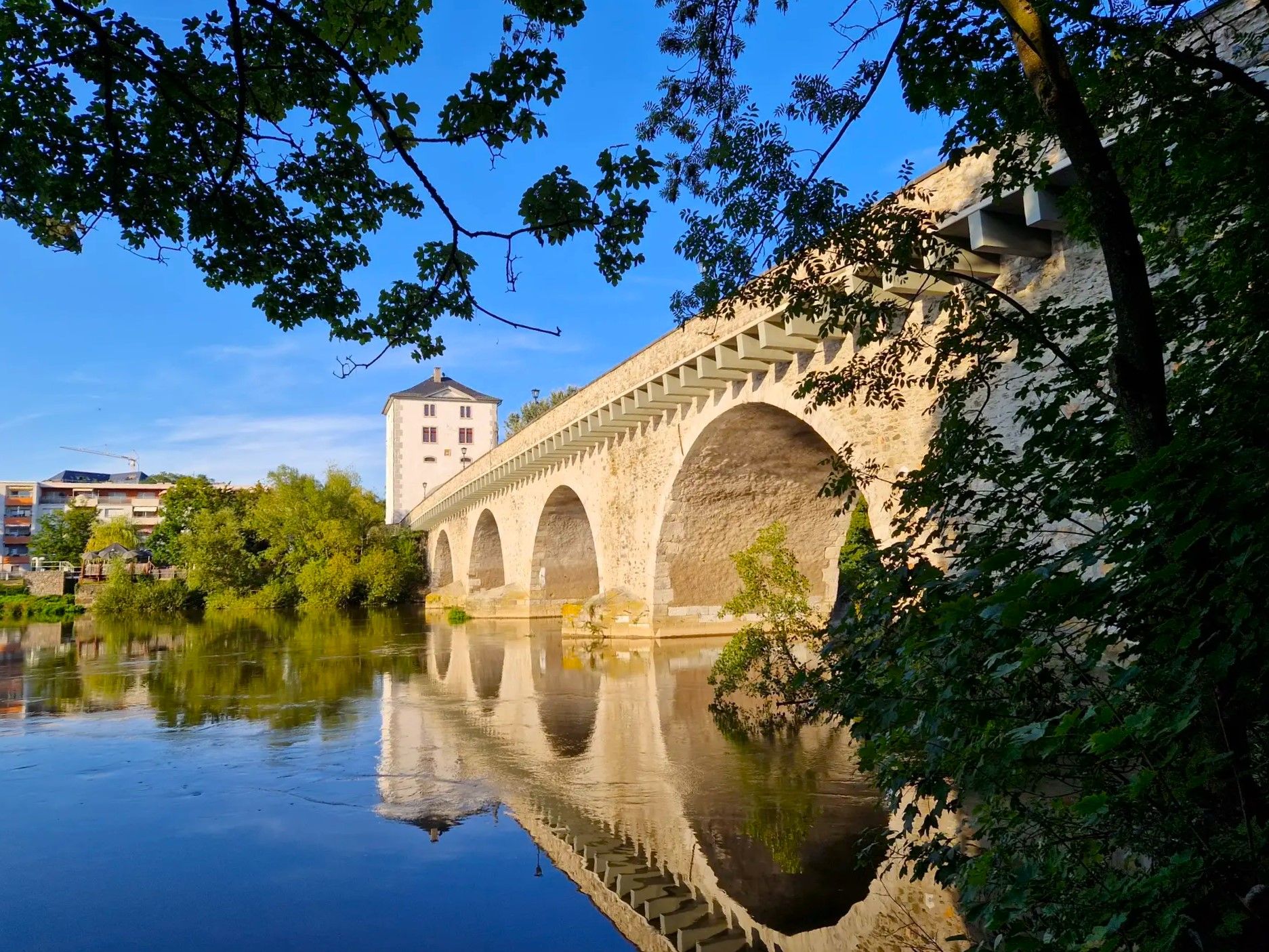
Lahnwanderweg Trail – The Lahn from its source to the estuary
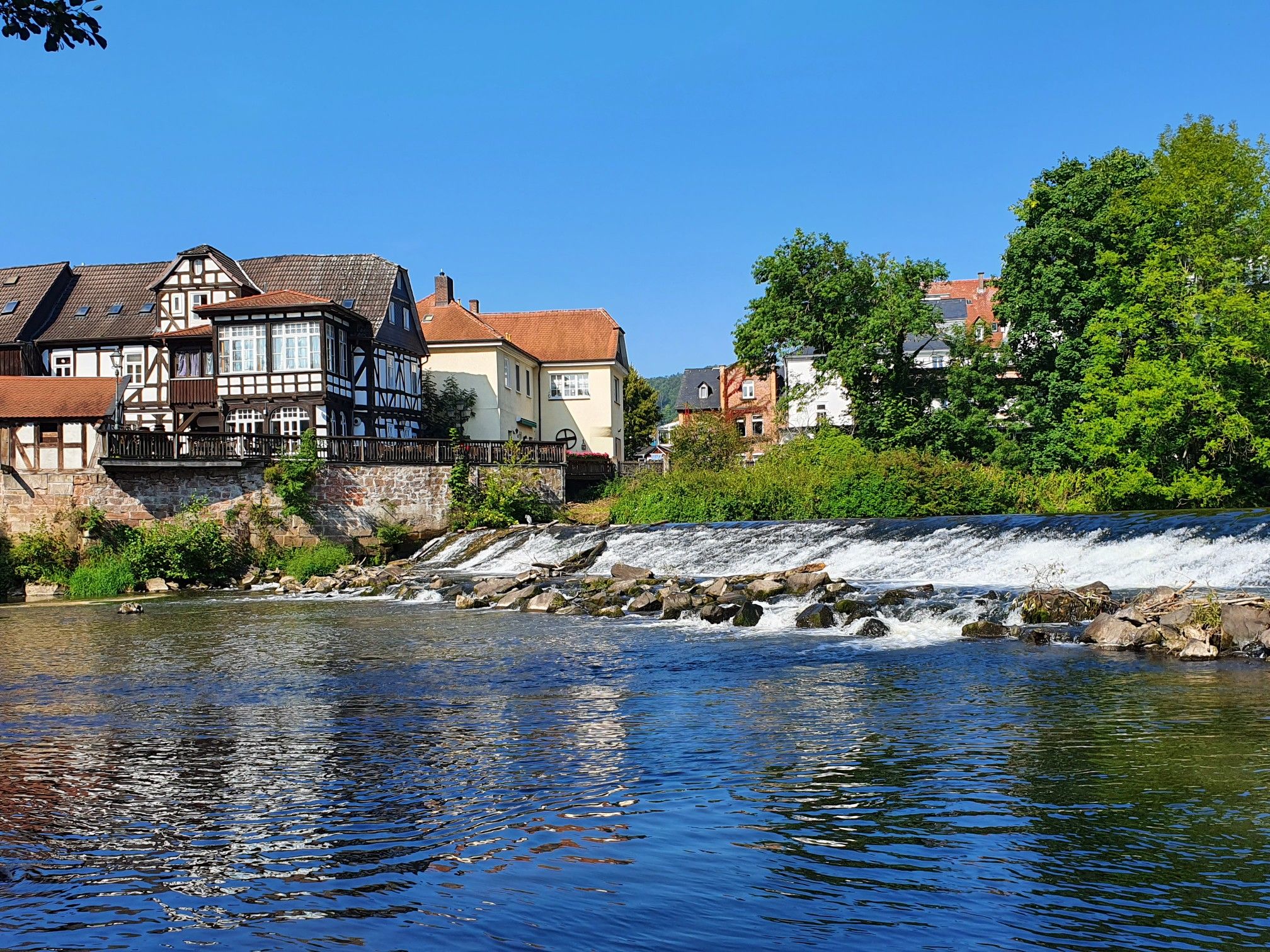
11 Hessen trails – criss-cross through the countryside
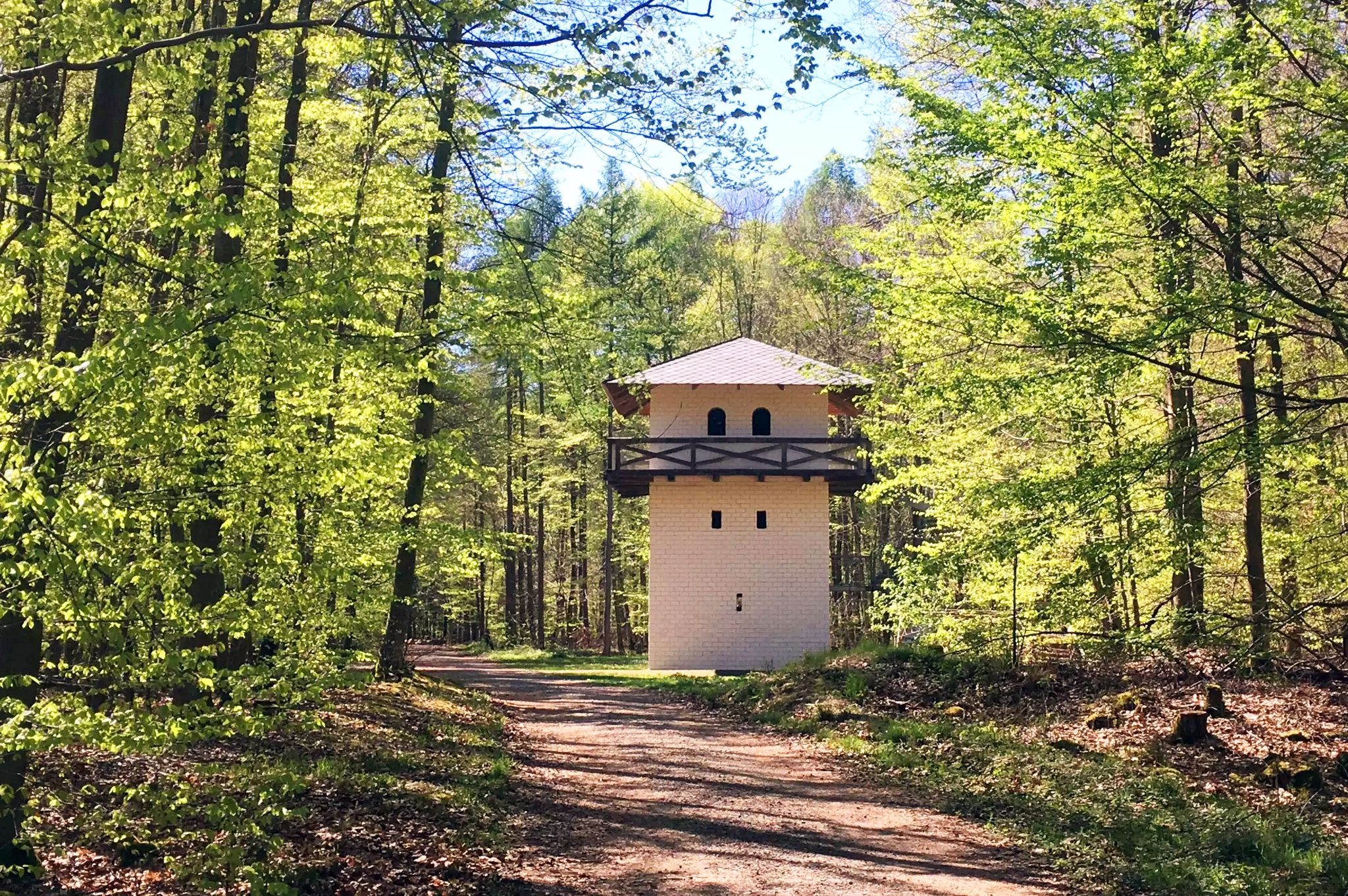
German Limes Cycle Path – Riding from the Rhine to the Danube
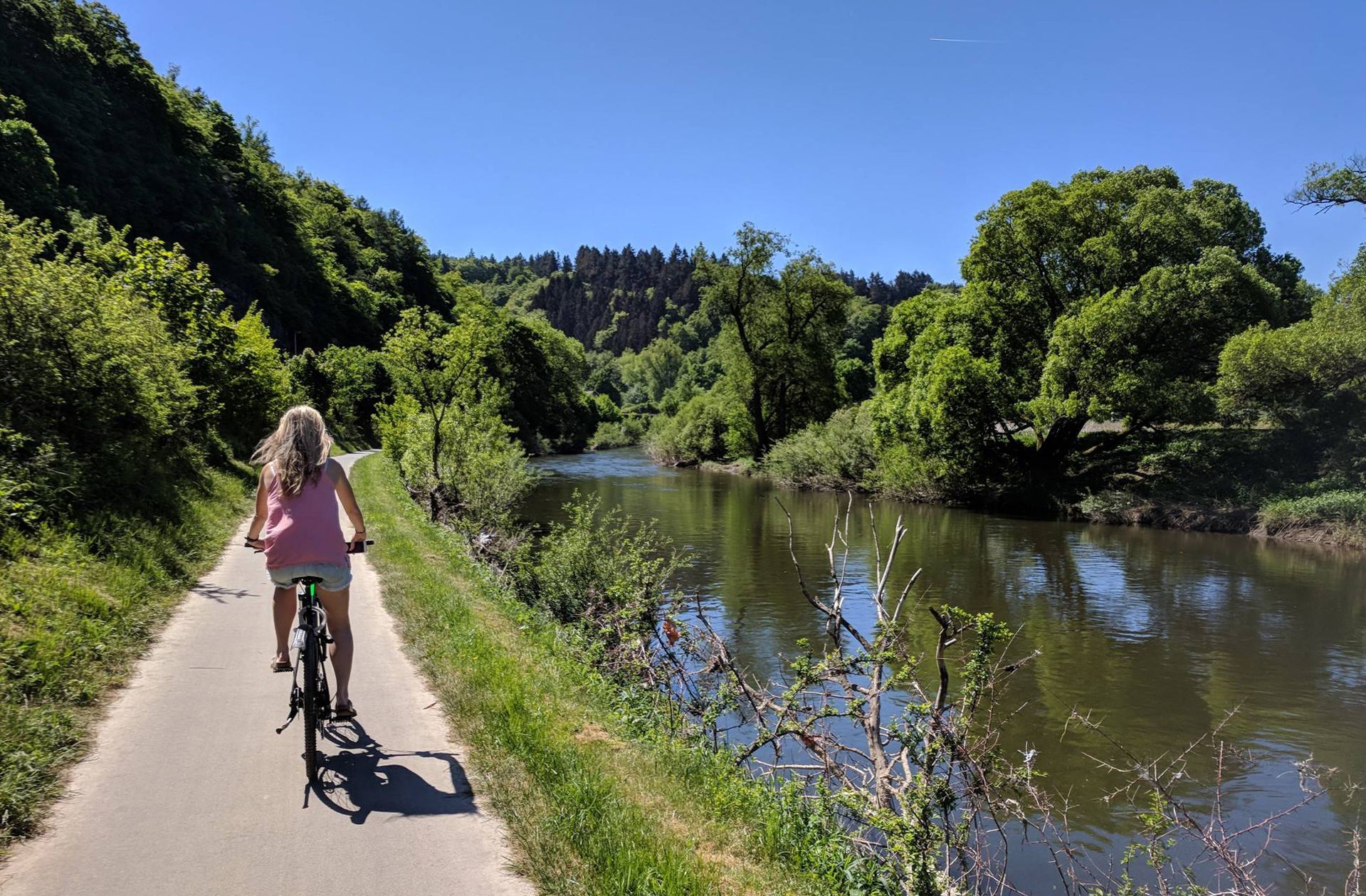
Lahn Cycle Path — from the Rothaar Mountains to the Rhine
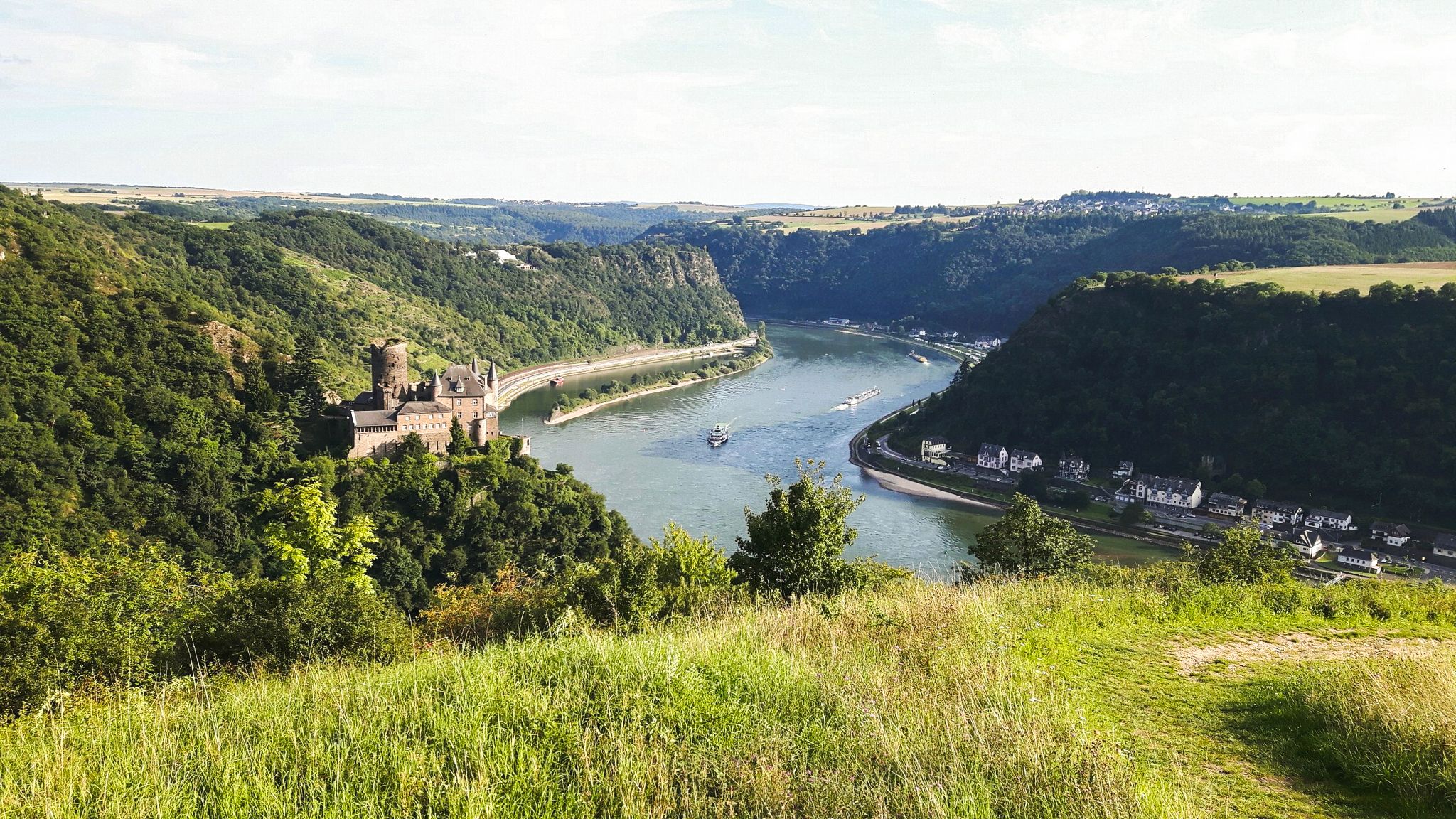
Rheinsteig Trail – The 21 stages along the Rhine
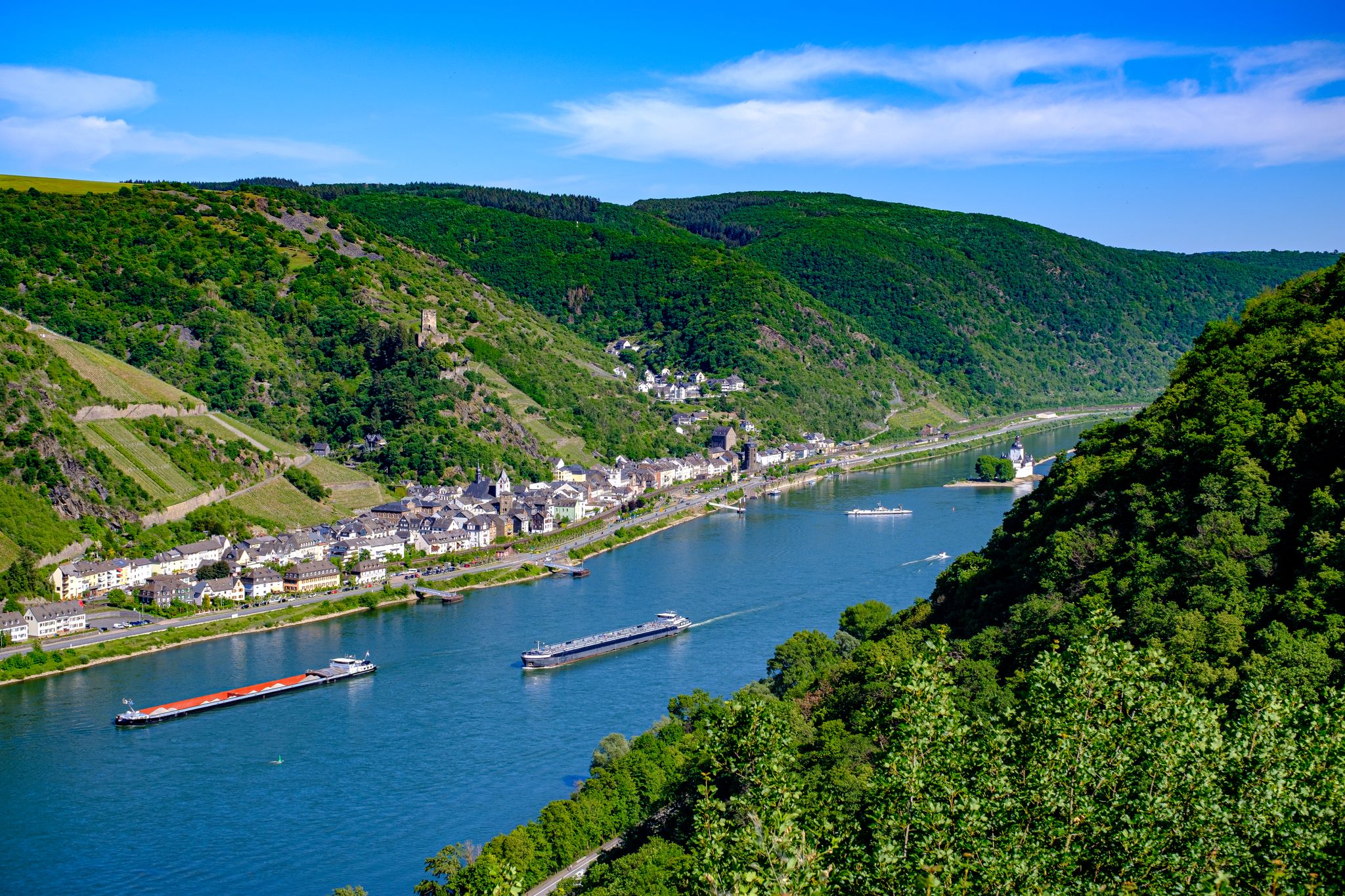
The Rhine Castle Trail – 13 stages of pure Rhine romanticism
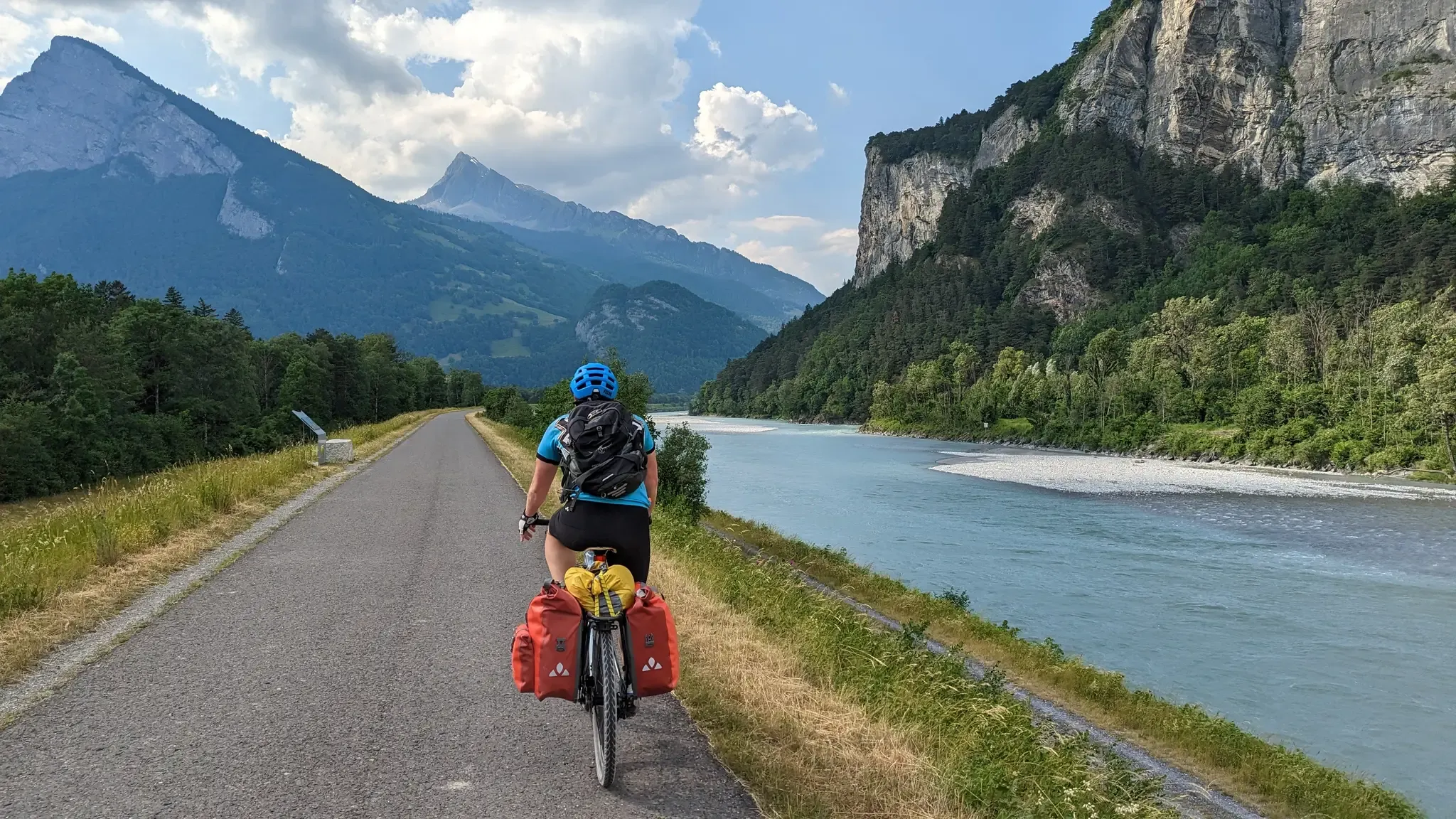
The Rhine Cycle Path — From the source to the North Sea
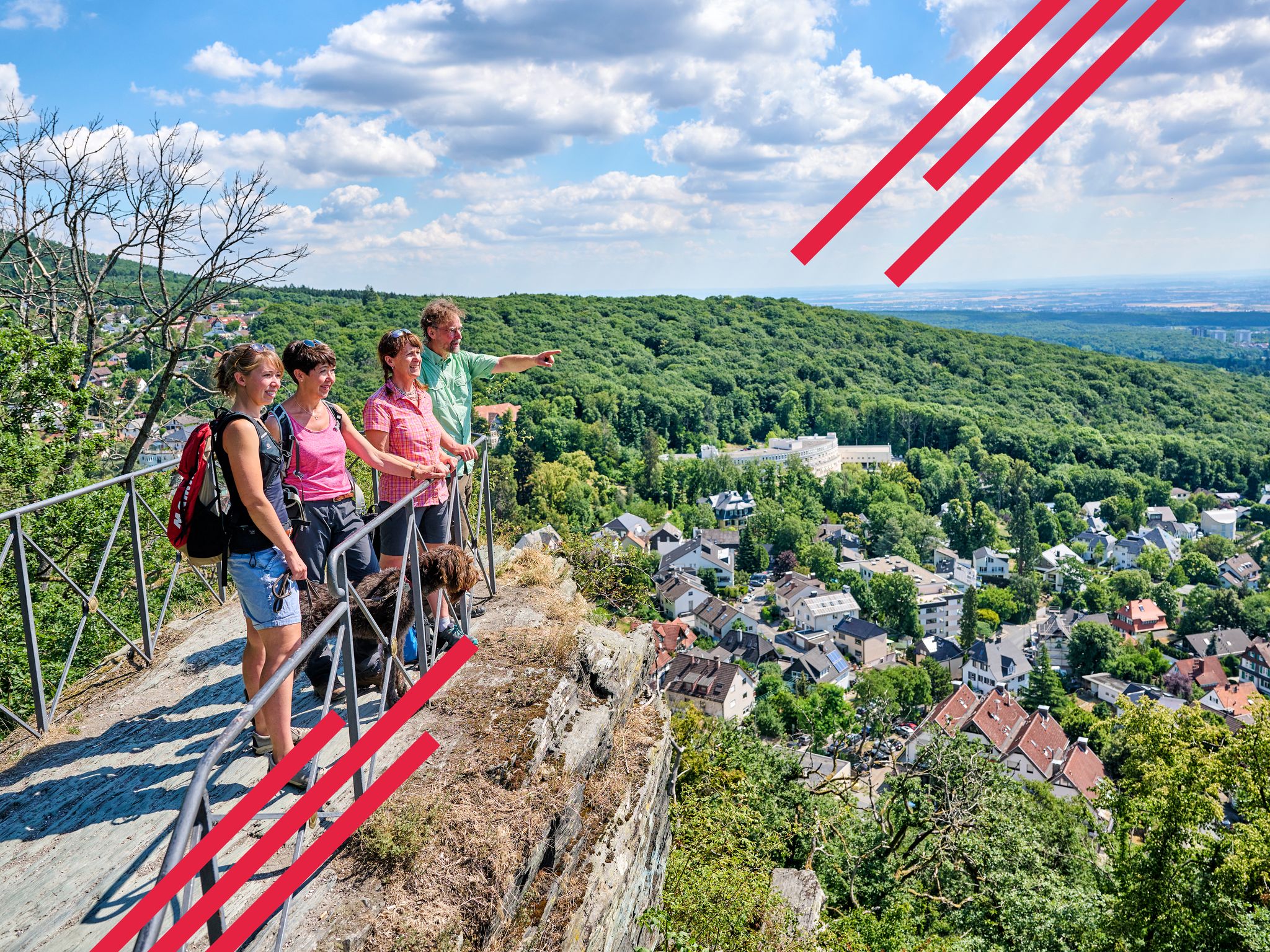
Delightfully scenic hiking in the Taunus range
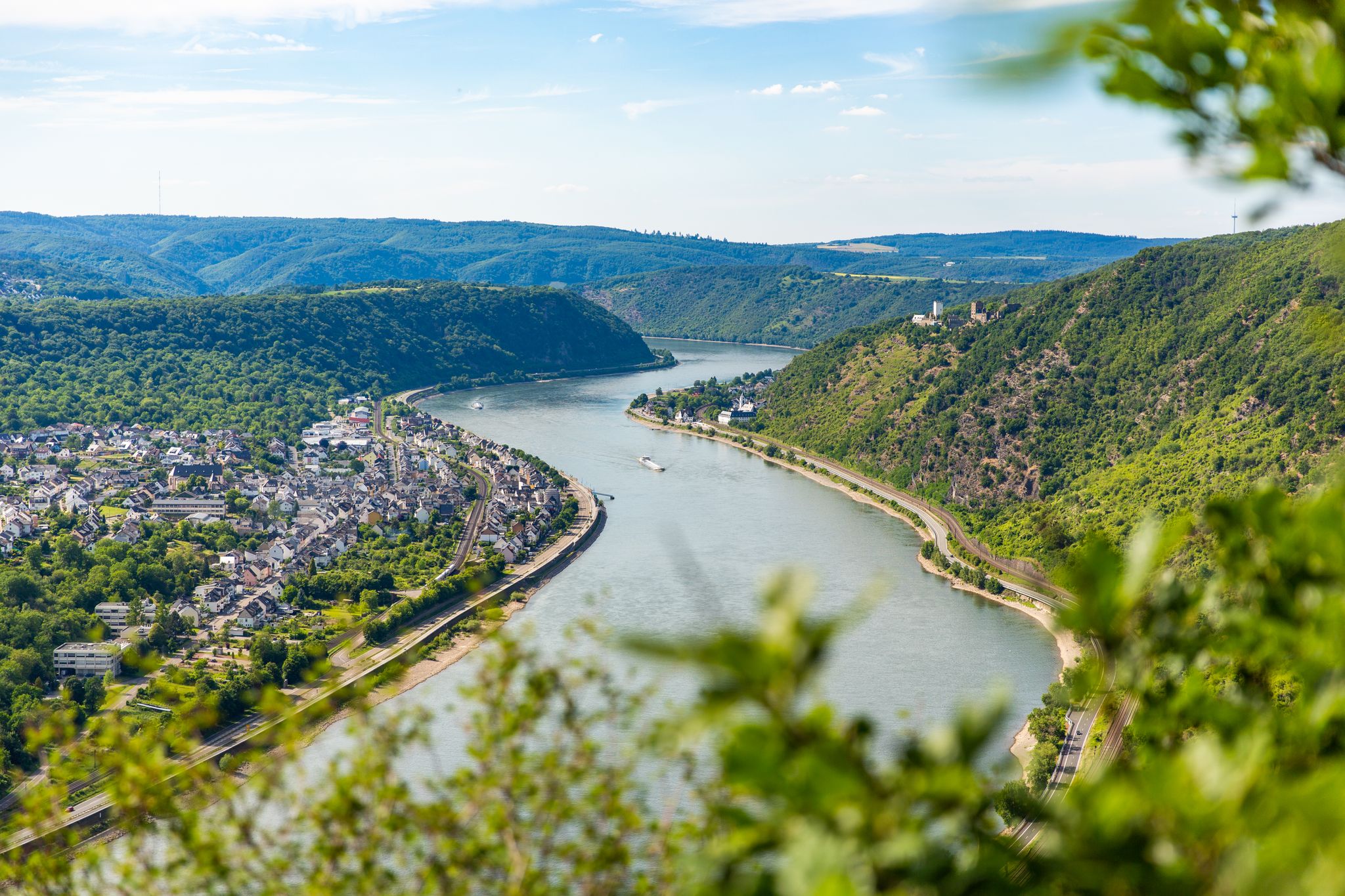
Up and down along the Rhine – adventure on the Rheinsteig

Dream Trails in the Rhine-Mosel-Eifel Region – Small Trails, Great Nature
Other adventures in the Taunus


Tips from the Community

The Fuchshöhle (Fox Cave), also known as Ofterdingen Cave, lies near a small footbridge over the Liederbach stream and can be reached from Gagernring. Legend has it that the minnesinger Heinrich von Ofterdingen lived there in the Middle Ages after returning from the singing competition at Wartburg Castle. However, it is more likely that this small rock grotto below the Gräbenwald forest was created or enlarged at the suggestion of Friedrich von Gagern, who particularly enjoyed spending time there during his visits to Hornau. The Gagern Cave is first mentioned in writing on April 14, 1834.
18
0

Beautiful place... but not without its dangers right now because of the fallen leaves... watch out!
9
0

This grotto was modeled after the Grotto of Lourdes. Pilgrims came to Schwickershausen 200 years ago, and the grotto below the church has existed since 1934.
1
0
A great way to drive the path along the Liederbach
5
0
A small path along the stream a bit tricky to drive the way but really great
6
0


The cave can be visited; this is where the robber actually lived before he was discovered and executed.
6
0
Frequently Asked Questions
Which caves in the Taunus are known for unique geological features?
The Kubach Crystal Cave near Weilburg is famous for its extensive calcite crystals and perl sinter formations, which are considered unique in Germany. It's also notable for its considerable size, being the largest natural underground single cavity accessible to visitors in Germany. The Heinzelmann Caves offer an interesting geological perspective on how chemical dissolution shapes subterranean landscapes.
Are there any caves in the Taunus with historical or legendary significance?
Yes, the "Wild-Weibchens-Ley" cave is steeped in local legends of a "Wild Woman" who once lived there. The Gagern Cave, also known as Fuchshöhle, has a legend claiming the minnesinger Heinrich von Ofterdingen lived there in the Middle Ages. Additionally, the Steeg Slate Mine provides a glimpse into the region's mining history with visible machining marks from past activities.
Which caves are suitable for families with children?
The Enchanted Cave offers a fun experience for all ages. The Bear Cave is also noted as family-friendly. For a quirky discovery, the Bear cave with stuffed animals provides a surprising stop for hikers.
What should I know about visiting the Kubach Crystal Cave?
The Kubach Crystal Cave offers regular guided tours. Visitors descend 347 steps into the cave, where the temperature remains a constant nine degrees Celsius with 85% humidity. Helmets are provided. An attached museum provides insights into the region's geological development and the cave's discovery. You can check current opening hours and tour information on their official website.
Are there any caves in the Taunus that are important for wildlife conservation?
Yes, the Slate Caves in Sauerborntal and the Bat Cave are significant for wildlife. Signs at the Slate Caves explicitly request visitors not to disturb the rare and protected Bechstein's bats that use them as lodging. The small, hidden Bat Cave also serves as a lodging for rare and protected bats, appealing to nature lovers.
Can I explore historical mining tunnels in the Taunus?
Yes, the Steeg Slate Mine allows visitors to walk through dark tunnels and explore old slate quarries. You can still see clear machining marks from past mining activities. A flashlight is recommended as some sections can be wet.
What outdoor activities can I do near the caves in the Taunus?
The Taunus region offers various outdoor activities. You can find numerous hiking trails, including easy hikes. Cycling is also popular, with routes like the Ems and Wörsbach valley cycle tour available for touring bicycles. For mountain biking enthusiasts, there are MTB trails, such as those around the Bikepark Großer Feldberg.
Are there any caves in the Taunus that offer guided tours?
The Kubach Crystal Cave offers regular guided tours. Additionally, the Leichtweiß Cave provides guided tours from April to October on Sundays and Wednesdays, typically against a voluntary donation.
Which caves are easily integrated into hiking or cycling tours?
The Oberauroff Cave, located near Idstein, is highlighted as an exciting natural attraction that can be easily integrated into hiking and cycling tours through the Rheingau-Taunus district.
What do visitors enjoy most about the caves in the Taunus?
Visitors appreciate the unique natural formations, such as the crystals in the Kubach Crystal Cave, and the historical insights offered by sites like the Steeg Slate Mine. The magical atmosphere and local legends associated with places like the "Wild-Weibchens-Ley" cave are also highly valued. Many enjoy the opportunity to combine cave visits with hiking in the surrounding nature.
Are there any religious or spiritual cave sites in the Taunus?
Yes, the Marian Grotto in Schwickershausen is a site with religious significance, combining natural elements with a spiritual context.
Most popular routes in the Taunus
Most popular attractions in the Taunus

Get inspired with the komoot mobile app


Explore more
Extend your search for the best caves by checking out these guides of the top ones in the Taunus:
