Top 20 Waterfalls in Franconian Switzerland
Waterfalls in Franconian Switzerland are found within a region characterized by picturesque landscapes and unique rock formations. This area is known for its diverse natural features, including gorges and tufa formations. The geological characteristics of Franconian Switzerland contribute to the formation of various waterfalls. It offers numerous opportunities for exploring natural attractions and scenic hikes.
Best waterfalls in Franconian Switzerland
- The most popular waterfalls is Sinter Terraces of Tiefenstürmig, a natural monument where the stream has formed many small…
Last updated: August 25, 2026
Lillach Tufa Terraces
Highlight • Waterfall
Translated by Google •
Tip by

Sinter terraces and waterfall on the Wasserwiesenbach
Highlight • Waterfall
The small sinter terraces are very nice to look at.
Translated by Google •
Tip by

Sign up now to discover places like this
Get recommendations on the best single tracks, peaks, & plenty of other exciting outdoor places.
Sign up for free
Weißenbach Sinter Terraces
Highlight • Natural Monument
Translated by Google •
Tip by

Devil’s Hole Waterfalls
Highlight • Waterfall
Translated by Google •
Tip by

Wedenbach tufa terraces and waterfall
Highlight • Waterfall
Translated by Google •
Tip by

Moritzbach Waterfall and Tufa Terraces
Highlight • Waterfall
Translated by Google •
Tip by

Deichselbach Tufa Terraces (Tufa Steps)
Highlight • Waterfall
Translated by Google •
Tip by

Großer Tummler Karst Spring
Highlight • Natural Monument
Translated by Google •
Tip by
Arzloch Waterfall
Highlight • Waterfall
Translated by Google •
Tip by

Sinter Terraces of Tiefenstürmig
Highlight • Natural Monument
Translated by Google •
Tip by

Sign up for free to discover even more waterfalls in Franconian Switzerland.
Sign up for free
Already have an account?
Start today with a free account
Your next adventure awaits.
Login or Signup
Popular around Franconian Switzerland
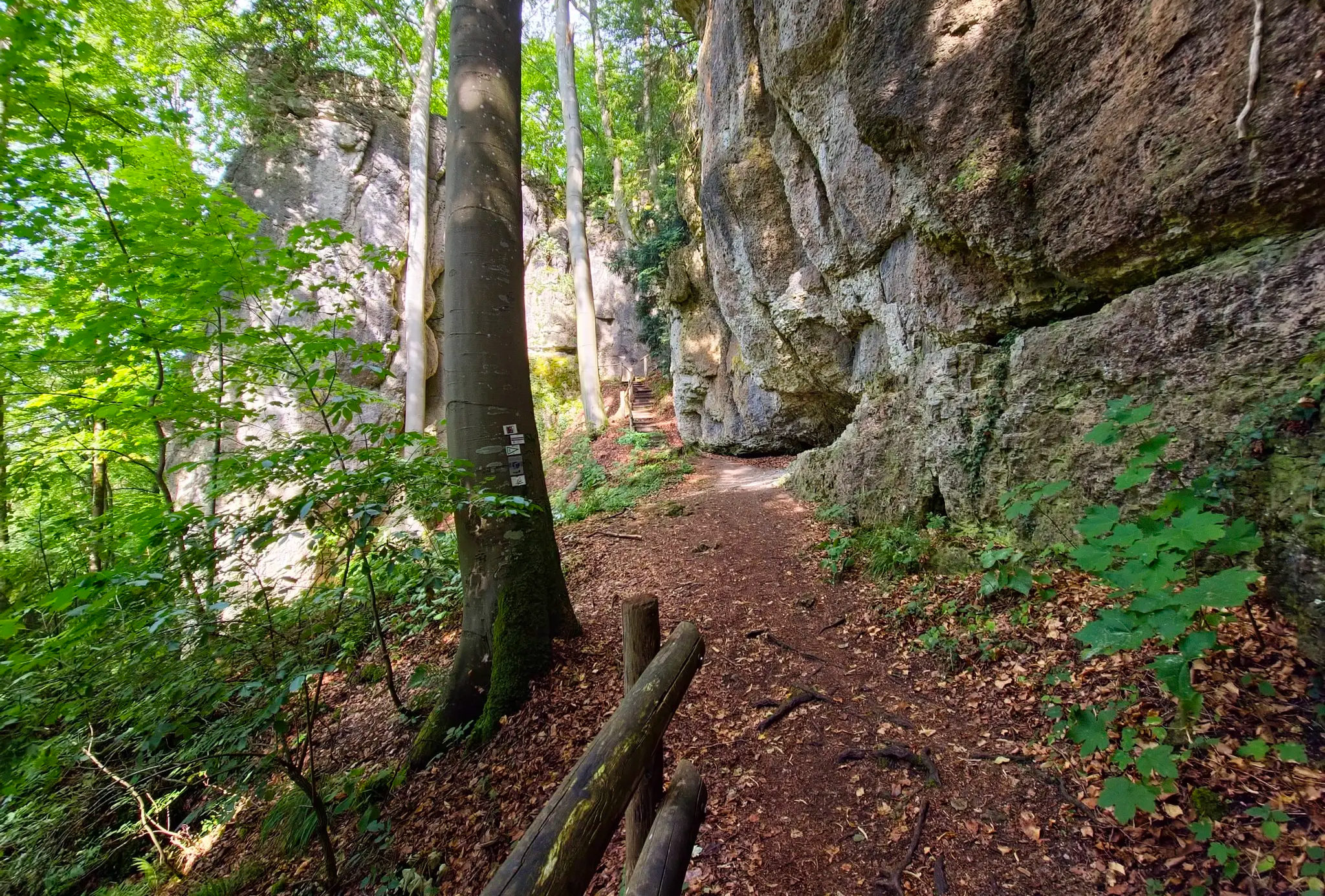
Ultratrail Fränkische Schweiz – 2 Days Burgen, Wälder, Trails
Nuremberg to Erfurt – Discover the German countryside by bike
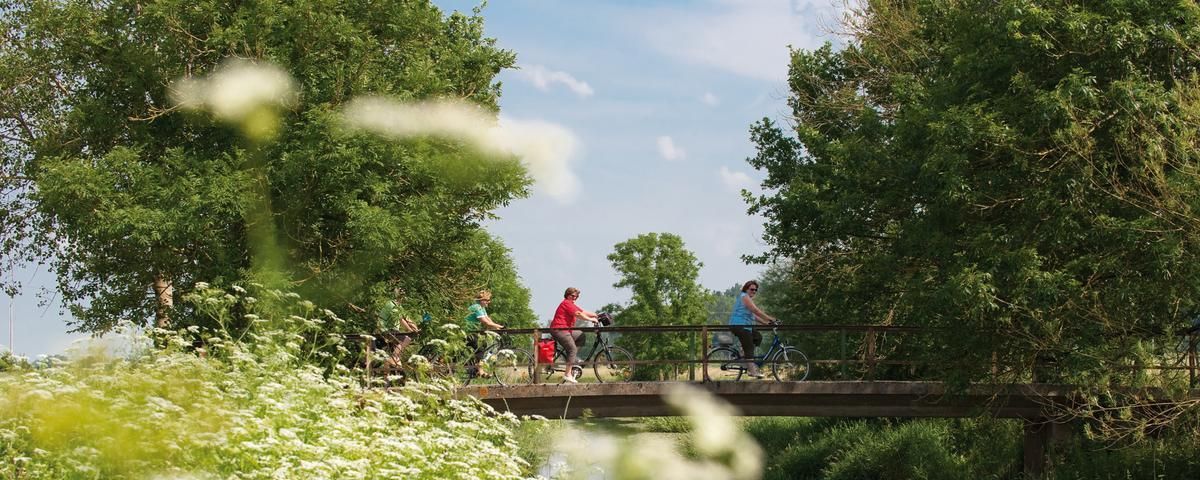
The most beautiful long-distance cycle paths in Franconia
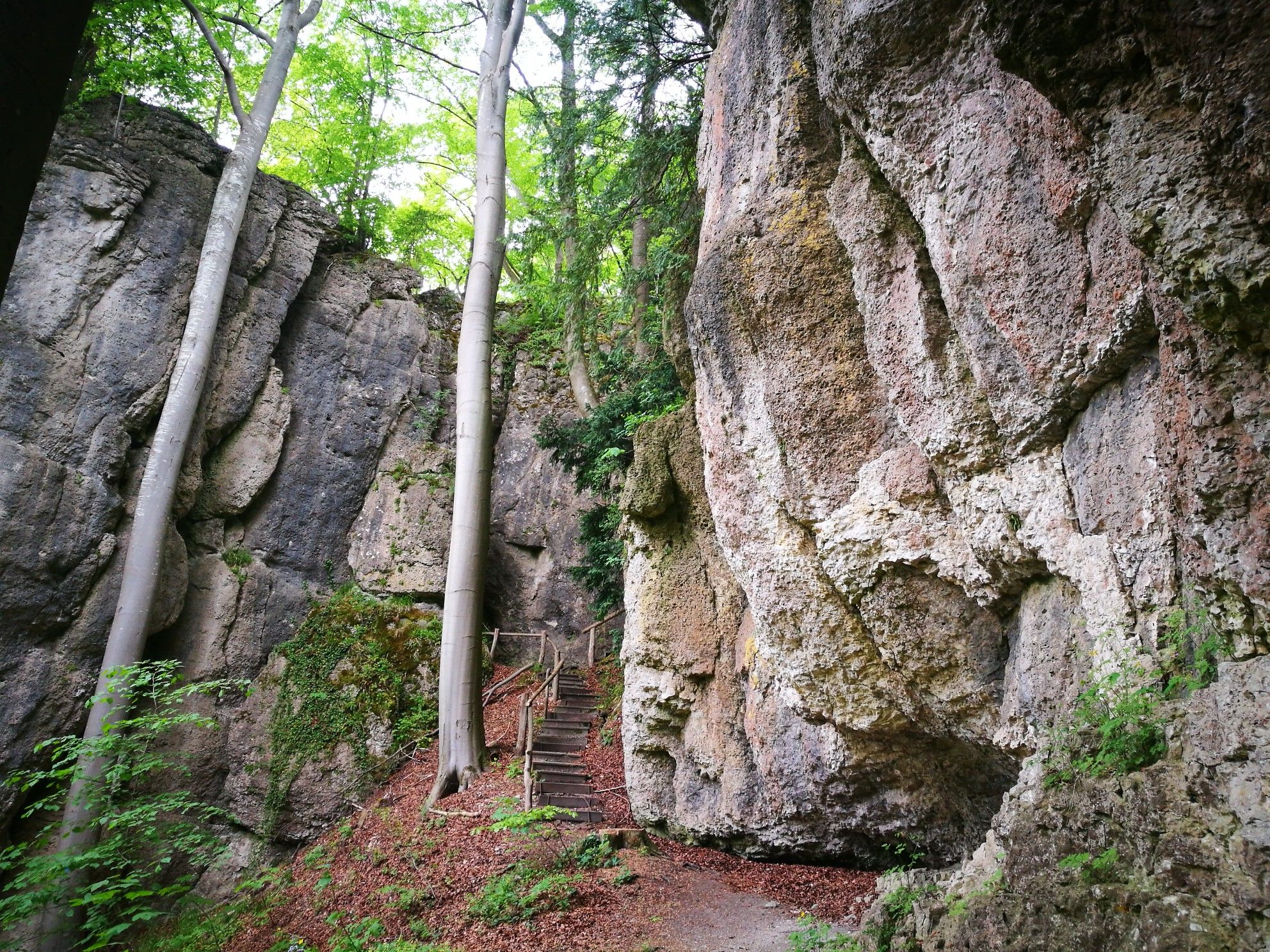
Forests, rocks and castles – 5-day circular through Franconian Switzerland
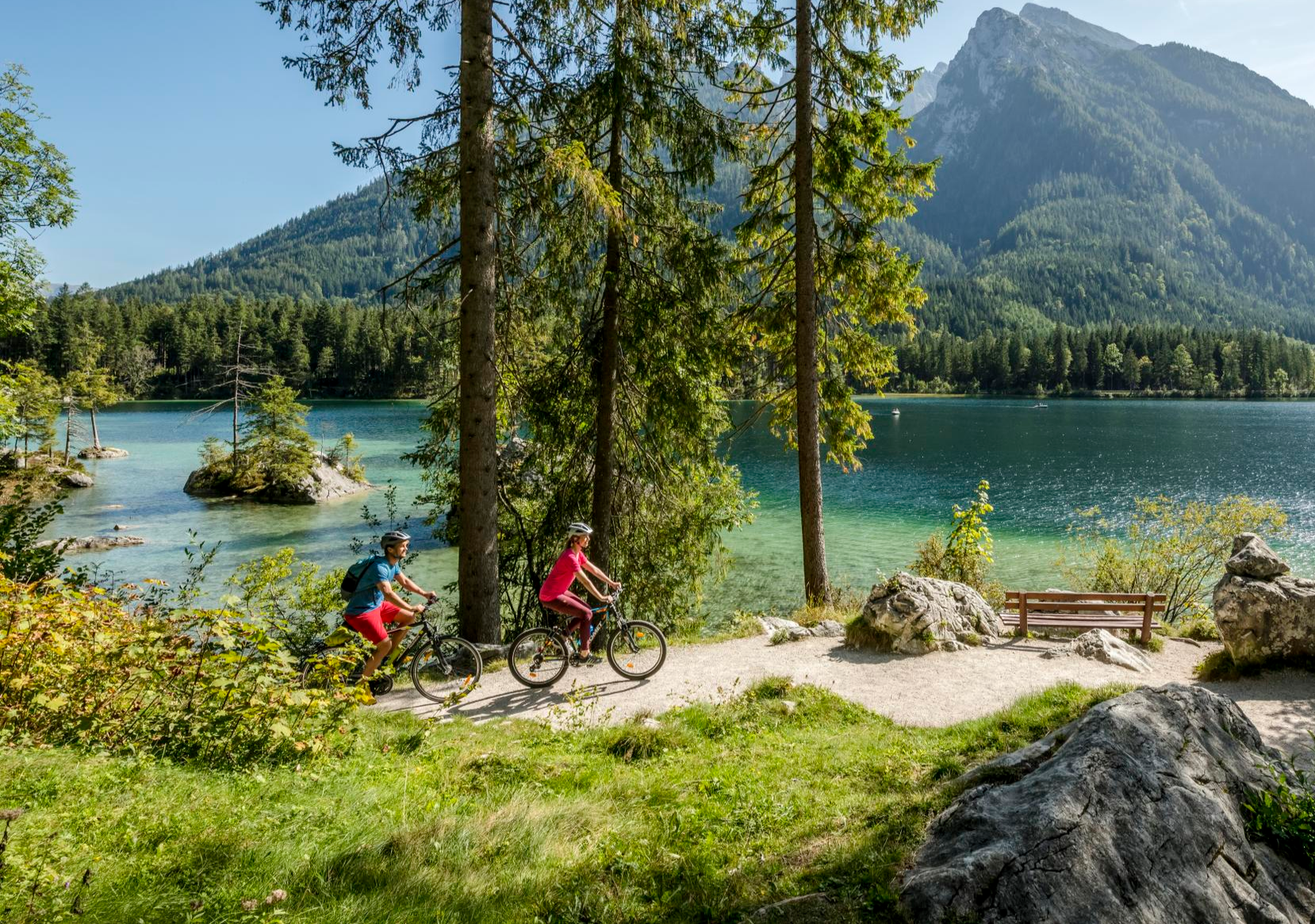
Discover Germany's diversity on enchanting cycling routes
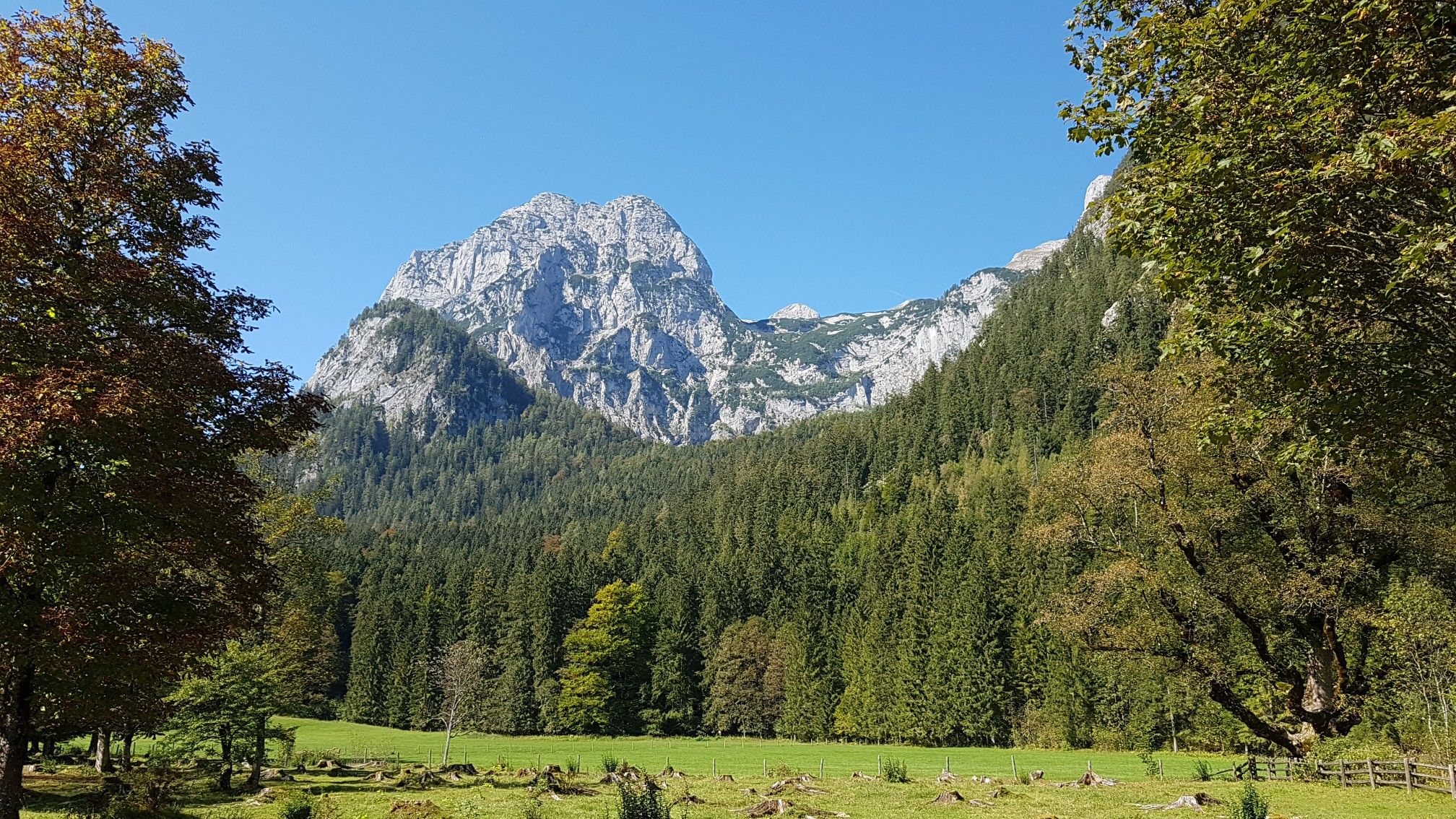
The National Natural Landscapes in Bavaria
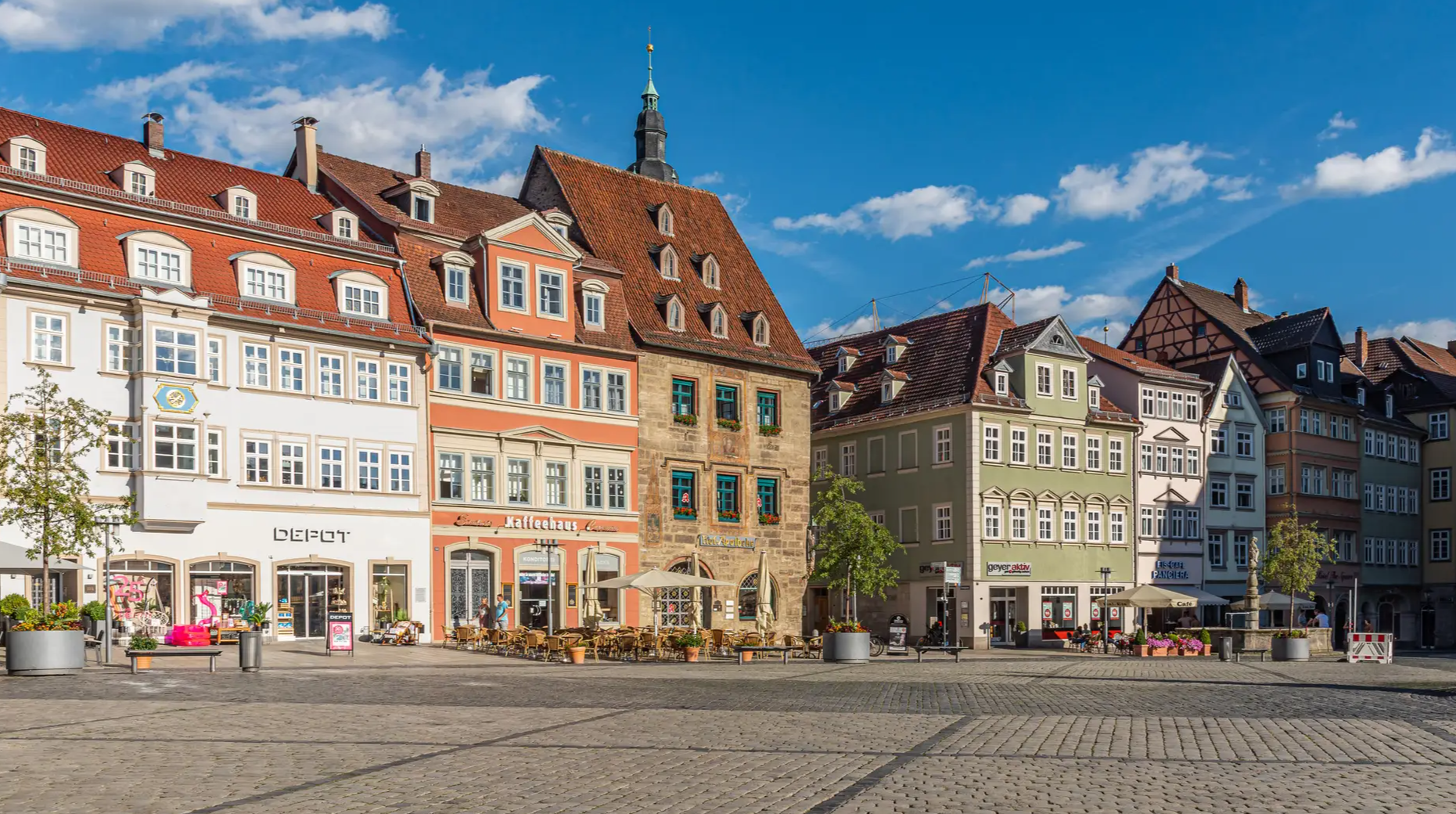
From the metropolis to enjoyment – city hiking on the VGN
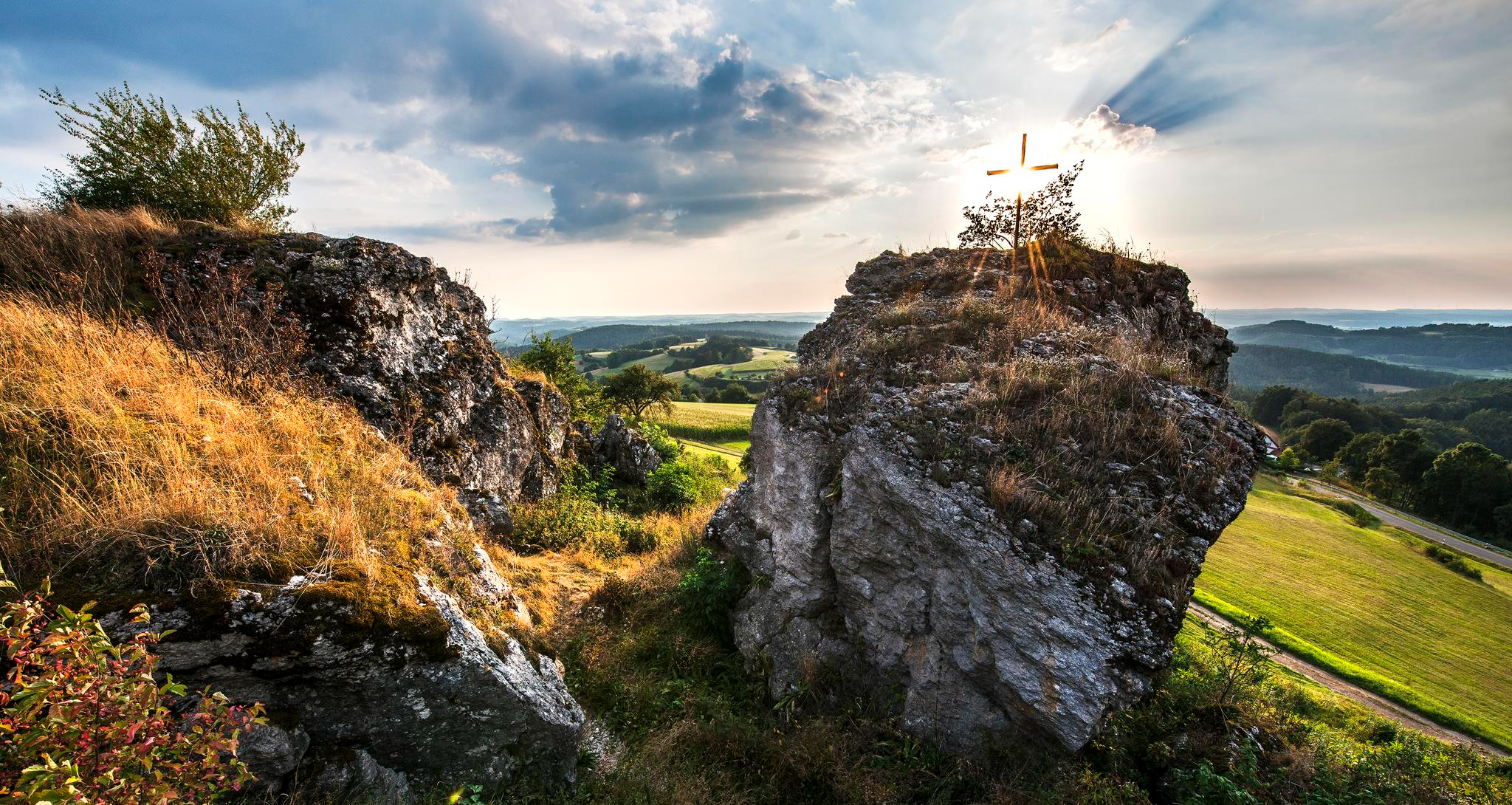
Fun hiking and wonderful views in Franconian Switzerland
Ten fantastic hikes throughout Germany
Transbavaria – north to south across Bavaria
Other adventures in Franconian Switzerland


Tips from the Community

The Arzloch is a popular hiking destination and often still considered a hidden gem. It's a protected natural monument, a wooded area known for its atmospheric, wild gorge with eroded sandstone layers. The waterfall itself is relatively small, with a height of about 3 to 4 meters. Access to the waterfall is natural. Hikers should wear sturdy footwear, as the path leads over roots, narrow trails, and uneven forest floor. The surrounding area is the real highlight. The damp local climate has carved a unique gorge into the Rhaetian sandstone layers, which is home to rare animal and plant species. The bizarre sandstone formations, which can resemble honeycombs due to weathering, are geologically interesting.
5
0

Tummler is the Franconian term for periodically flowing karst springs, which are generally referred to as hunger fountains. These are springs that dry up in the dry season and flow after particularly heavy rainfall or when the snow melts. The so-called “Tummler” are something special and are definitely worth a visit. The dry valley in summer, small Tummler, large Tummler.
3
0

The Arzloch is an atmospheric, wild gorge with eroded sandstone layers. Due to its humid local climate, it is home to rare animal and plant species, a waterfall and the "Markgrafentisch" rock formation. To get down from Eckersdorf, you have to climb a little and cross a narrow wooden bridge. A real experience.
16
5
It's beautiful how the clear water rushes over the mossy rocks. It's not one of the big waterfalls, but it's enchanting nonetheless.
16
4

In summer, an inconspicuous black hole in the rock face, but with a considerable depth of over 18 meters. During heavy rain and when the snow melts, considerable amounts of water can be spewed out here.
6
0

A wonderful place for great photos, to chill or to walk barefoot through the water.
4
1

Unfortunately it was dry when we visited, so it's best to visit after the snow has melted or there has been heavy rain.
5
4

After the snow melts in spring, karst water emerges from the rock hole, at times in a flood that covers the entire valley floor of the dry valley up to the Heroldsmühle. The stones in front of the rock hole were also washed out. Since the spring runs dry the rest of the year, it is popularly known as the Hunger Well. The emergence of large amounts of water from the tumbler was previously interpreted as an ominous omen. The large Tummler rises from a fissure in the Malm Beta, which is expanded into a spring cave by dissolving the lime. The small Tummler, another karst spring that only flows in spring, is located 200m up the valley. (Source: information board on site)
5
0
Frequently Asked Questions
What types of waterfalls can I expect to see in Franconian Switzerland?
Franconian Switzerland is known for its diverse geological formations, which lead to various types of waterfalls. You'll find impressive tufa terraces, where calcareous water has sculpted unique formations over millennia, such as the Lillach Tufa Terraces. There are also gorge waterfalls like the Arzloch Waterfall, and sinter stages where water flows over natural cascades, like the Sinter Terraces of Tiefenstürmig. Some waterfalls, like the Pfersag Waterfall, even resemble miniature horseshoe falls.
When is the best time to visit the waterfalls in Franconian Switzerland?
Many waterfalls in Franconian Switzerland are best experienced after rain or in spring when there's abundant water flow, making the cascades particularly impressive. Locations like the Lillach Tufa Terraces and Weißenbach Sinter Terraces are highly recommended during these times. In winter, some waterfalls, such as the Klingender Waterfall, offer a unique spectacle as they freeze into organ-pipe-like formations. However, during prolonged dry spells in summer, some streams may reduce to a trickle or even dry out.
Are there family-friendly waterfalls or trails suitable for children?
Yes, several waterfalls in Franconian Switzerland are suitable for families. The Sinter terraces and waterfall on the Wasserwiesenbach offer a nice place to refresh and put your feet in the cool water, with a rest area nearby. The Weißenbach Sinter Terraces are also considered family-friendly, featuring a stream that creates numerous small waterfalls. While some paths may have steps, like at the Lillach Tufa Terraces, many are well-developed for enjoyable family outings.
What should I wear when hiking to the waterfalls?
Given the varied terrain, sturdy footwear is highly recommended. Paths can lead over roots, narrow trails, and uneven forest floors, especially in gorges like the Arzloch. For adventurous spots like the Teufelskirche (Devil's Church), waterproof footwear is advisable as paths through the gorge can be muddy. If visiting after rain or in spring, be prepared for potentially slippery conditions.
Are there any hidden or less-known waterfalls worth exploring?
While some waterfalls are popular, Franconian Switzerland also offers less-trafficked gems. The Wedenbach tufa terraces and waterfall provide a beautiful natural monument experience. Another interesting spot is the Devil's Mill Waterfall along the Schwarzbach, known for its natural beauty and local folklore, offering a pleasant detour for those seeking something off the main path.
Can I find any unique geological formations besides waterfalls?
Absolutely. The region is rich in geological wonders. Beyond the tufa terraces and sinter stages, you can explore gorges with eroded sandstone layers, such as the atmospheric Arzloch Waterfall, which is home to rare animal and plant species. The Teufelskirche (Devil's Church) is a gorge within Rhät Sandstone, offering a mystical experience with a cave system and rock formations alongside its waterfall.
Are there any waterfalls that are particularly impressive in winter?
Yes, the Klingender Waterfall near Haimendorf is especially captivating in winter when it freezes, resembling organ pipes. The Sinter Terraces of Tiefenstürmig are also worth seeing in winter, particularly when the green vegetation doesn't obscure the natural cascades. Similarly, the Deichselbach Tufa Terraces can feature ingenious ice formations on the stream and sinter steps during frosty temperatures.
What outdoor activities can I do near these waterfalls?
The area around the waterfalls in Franconian Switzerland is excellent for various outdoor activities. You can find numerous hiking opportunities, including circular paths like the Felsensteig or Gottesgartenrundweg Nord near the Pfersag Waterfall. For cycling enthusiasts, there are extensive road cycling routes and gravel biking trails. Mountain bikers can explore challenging MTB trails throughout the region.
Are there any waterfalls that are particularly challenging to reach?
Some waterfalls, while rewarding, require a bit more effort. The Devil’s Hole Waterfalls are categorized as challenging. The path to the Arzloch Waterfall involves some climbing and crossing a narrow wooden bridge. The last few meters to the Pfersag Waterfall can also be muddy and slippery, requiring good footwear and careful navigation.
What do visitors enjoy most about the waterfalls in Franconian Switzerland?
Visitors frequently praise the natural beauty and tranquility of the waterfall areas. Many appreciate the unique geological formations, such as the sinter terraces, and the opportunity to cool off in the running water during summer. The atmospheric gorges and the feeling of being in another world, especially at spots like the Moritzbach Waterfall and Tufa Terraces, are also highly valued. The changing appearance of the waterfalls with seasons, from abundant spring flow to frosty winter formations, adds to their appeal.
Are there any waterfalls with interesting folklore or history?
Yes, the Devil's Mill Waterfall along the Schwarzbach is particularly interesting for its associated saga, which can be read on an information board near the bridge. This adds a layer of local folklore to the natural beauty, making the visit more engaging. The Teufelskirche (Devil's Church) also carries a mystical aura due to its name and the adventurous gorge setting.
Most popular routes in Franconian Switzerland
Most popular attractions in Franconian Switzerland

Get inspired with the komoot mobile app


Didn’t find what you were looking for?
Looking for more great places nearby? See even more amazing waterfalls in Franconian Switzerland with these guides per region:
Explore more
Happy to travel a little further afield? Then browse these guides for the best waterfalls in Franconian Switzerland:
