The best cycling routes around Pažaislio šilas
4.5
(790)
5,753
riders
147
rides
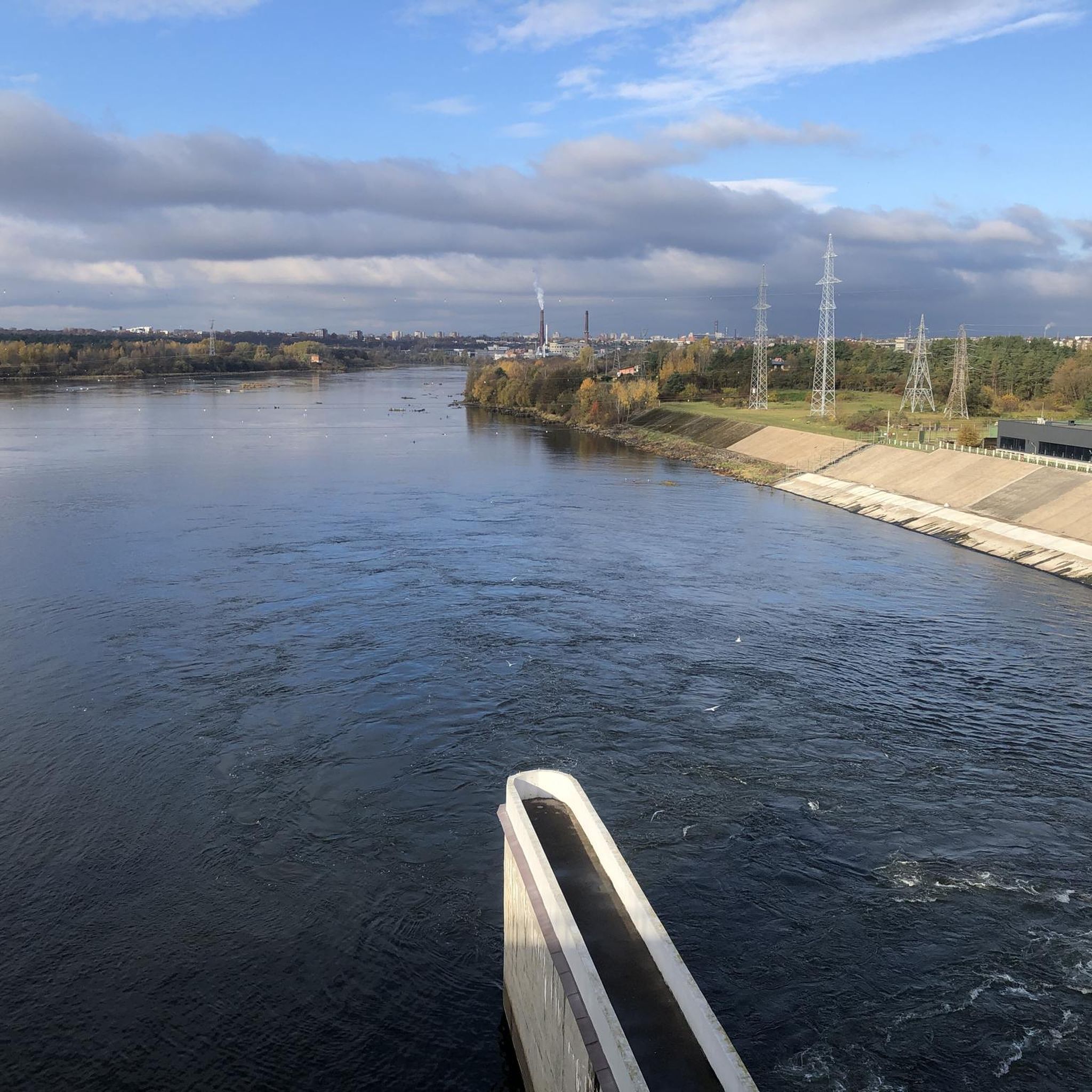
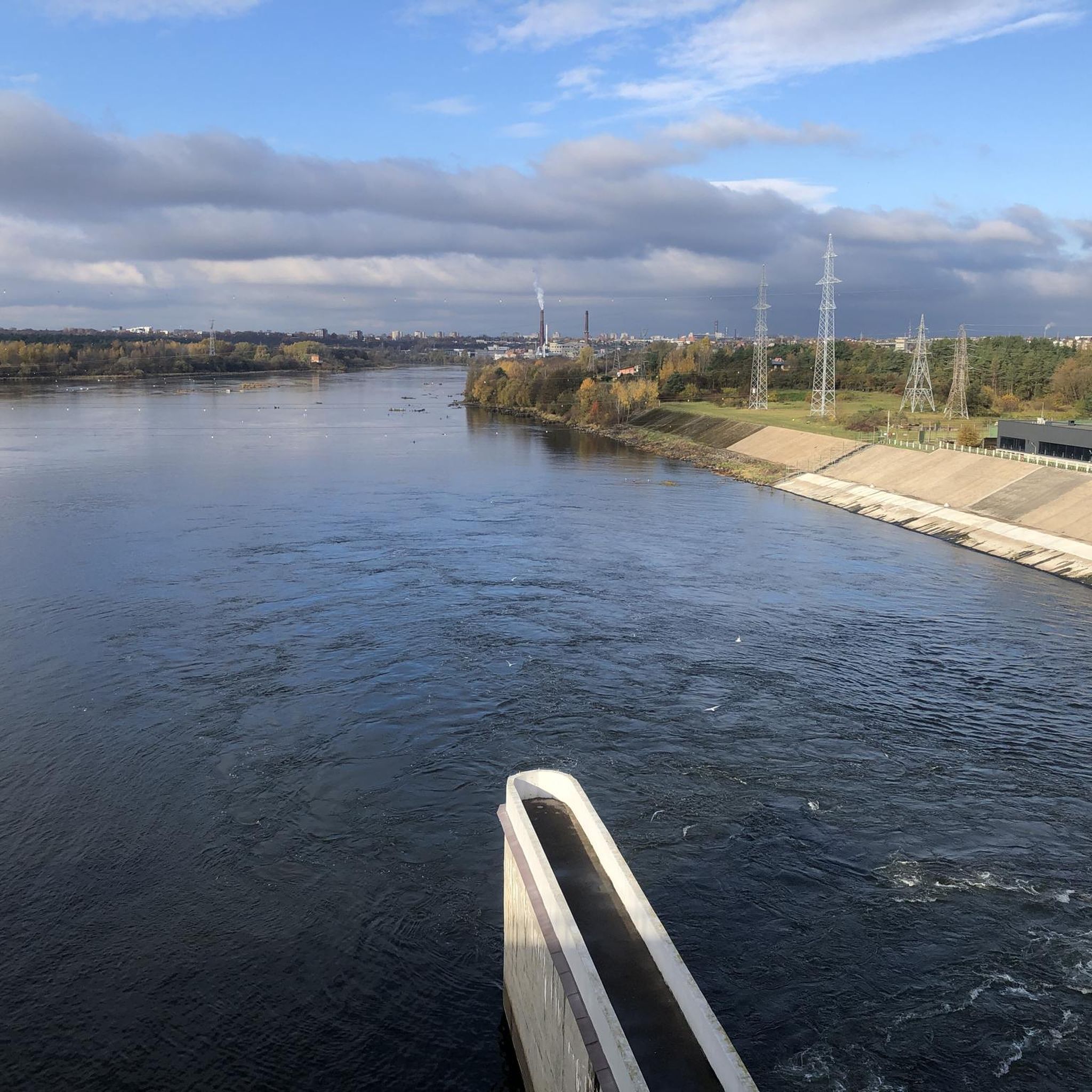
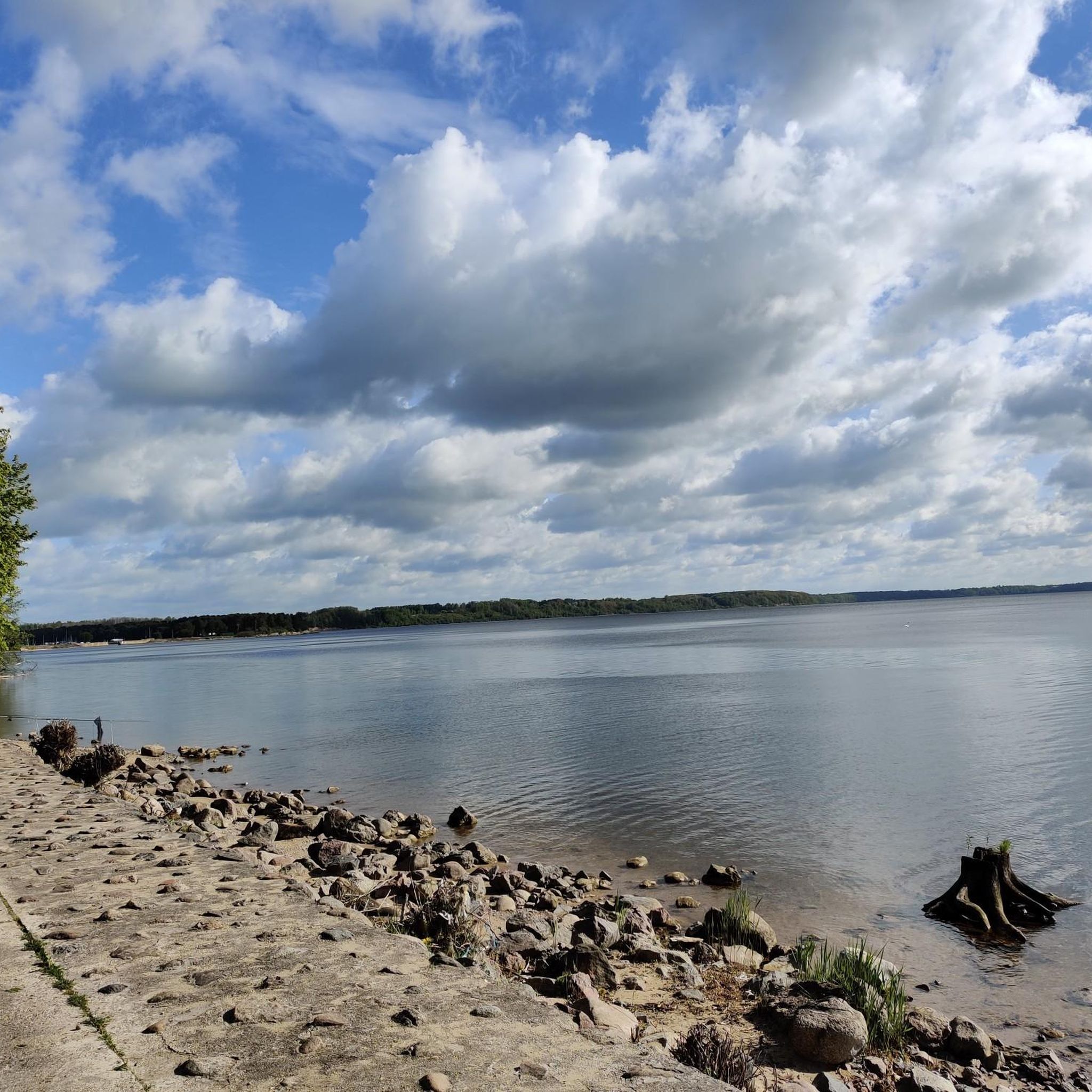
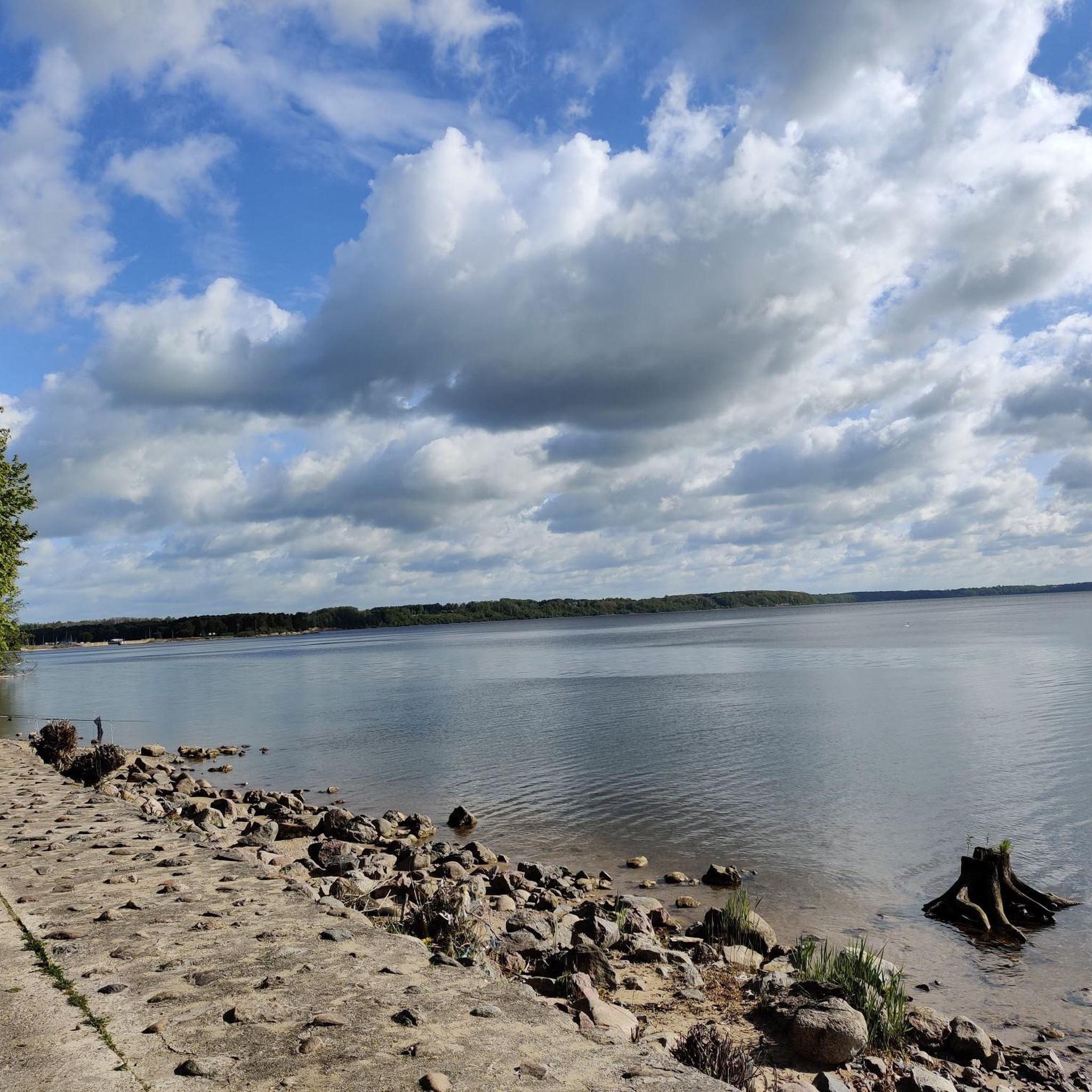
Touring cycling routes around Pažaislio šilas traverse a 201-hectare park in the eastern part of Kaunas, bordering the Kaunas Lagoon. The area features mature forests, primarily 100-130 year old pines and spruces, offering shaded paths. Routes often follow the Kaunas Lagoon shoreline, providing water views and varied terrain. The landscape includes sandy plains near the Kaunas Hydroelectric Power Plant dam and gentle elevation changes suitable for touring cyclists.
Best touring cycling routes around Pažaislio šilas
- The most popular touring cycling route is Du Šeimos Restaurant loop from Petrašiūnai, an 18.1 miles (29.1 km) trail that takes 1 hour 49 minutes to complete. This easy route winds through the forested landscape surrounding the Kaunas Lagoon.
- Another top favourite among local touring cyclists is Kaunas Reservoir Pier – Kaunas Yacht Club loop from Amaliai, an easy 5.8 miles (9.3 km) path. This route offers views of the Kaunas Lagoon and passes by the yacht club.
- Local touring cyclists also love the Kaunas Mosque loop from Petrašiūnų seniūnija, a 10.6 miles (17.1 km) trail leading through varied terrain, often completed in about 1 hour 5 minutes.
- Touring cycling around Pažaislio šilas is defined by lush forests, the Kaunas Lagoon shoreline, and historical landmarks like the Pažaislis Monastery. The network offers options for different ability levels, from easy loops to more challenging paths.
- The routes in Pažaislio šilas are highly rated by the komoot community with an average score of 4.4 stars from over 970 reviews. More than 6,900 touring cyclists have used komoot to explore Pažaislio šilas's varied terrain.
Last updated: June 26, 2026
4
riders
29.1km
01:49
140m
140m
Easy bike ride. Great for any fitness level. Mostly paved surfaces. Suitable for all skill levels.
3.0
(2)
8
riders
Hard bike ride. Good fitness required. You may need to push your bike for some segments of this route.

Sign up for free
10
riders
Easy bike ride. Great for any fitness level. Mostly paved surfaces. Suitable for all skill levels.
7
riders
17.1km
01:05
120m
120m
Easy bike ride. Great for any fitness level. Mostly paved surfaces. Suitable for all skill levels.
5.0
(1)
8
riders
Easy bike ride. Great for any fitness level. Mostly paved surfaces. Suitable for all skill levels.
Get access to more routes and recommendations from other explorers.
Sign up for free
Already have an account?
Our route recommendations are based on thousands of hikes, rides, and runs completed by other people on komoot.
Start today with a free account
Your next adventure awaits.
Login or Signup
Tips from the Community

Monument to the Millennium of Lithuania and the 20th Anniversary of the Baltic Way (White Angel). Pravieniškės "Guardian Angel" 2009. Authors: Rūta Blaževičiūtė, Audronė Skarbaliūtė-Glinskienė and Deimantė Kuconytė.
3
0

St. Michael the Archangel's Church or the Garrison Church is a Roman Catholic church in the city of Kaunas, Lithuania, closing the perspective of the Laisvės alėja, the main pedestrian street. It was built between 1891 and 1895 when Kaunas was part of the Russian Empire, in Neo-Byzantine style largely for the use of the Russian Orthodox garrison of Kaunas Fortress. The construction of "military" or "garrison" Orthodox churches by the Russian government in former Polish–Lithuanian Commonwealth lands had started after the suppression of the November Uprising of 1830-31, and peaked during the reign of emperor Alexander III of Russia. Initially the site of this church had been intended to be used for a Catholic church, but these plans had been abandoned after the Uprising. The church was designed as an Orthodox cathedral of Saints Peter and Paul in 1890 by K. H. Lymarenko; it was authorized for construction on November 10 that year.
0
0

I wouldn't want to live there, the way it hangs crookedly in the water.😉
0
0

This sacred building was built between 1891 and 1895 as an Orthodox military cathedral. The reinforced concrete dome is the largest dome in Lithuania with a diameter of 16.3 meters. It reaches its maximum height of 50 meters. Above the altar there are paintings of two archangels or evangelists. The altar itself is made of glass and depicts God at the gates of heaven in a stained glass window. The interior was decorated with 122 Greek icons until 1985. There are a total of 12 bells in the four side domes. The church is designed to accommodate around 2,000 visitors. In total there are 266 large and small columns and pilasters in the church. (Source: Wikipedia)
0
0
The pine of the Rumšiški Forest is the thickest pine in Lithuania. Its trunk reaches 4 meters at the bottom. Unlike most trees, pine trees do not thin out, but get thicker as they grow upwards. At a height of 2 meters, the thickness of the trunk is even 5 meters. The downward thinning of the trunk is typical of felled trees. In the pine of Rumšiškii, the scars made by the convicts are still visible - a wound of a meter-long cut. Before the war, you say it was used for the turpentine and rosin industry. A variety of products were made from sap: shoe polish, floor wax, even hand and face creams. Folklore also says that the pine tree was milked by witches, who collected its sap as a delicacy for feasts. The tall, 32-meter-high trunk of the tree was exhausted not only by the sap pickers, but also by the flames of the fires. With repeated forest floor fires, the pine bark has thinned from the heat at the base. There are still traces of carbon in it. The high branches were not touched by the fire. Several of them are now secured with ropes. Physical data of the tree: Trunk circumference at a height of 1.3 m - 4 m Height - 32 m Age - about 400 years
2
0


Very nice church - currently under renovation.
1
1

Frequently Asked Questions
How many touring cycling routes are available in Pažaislio šilas?
Pažaislio šilas offers a wide selection of touring cycling routes, with over 170 options to explore. These routes cater to various skill levels, including more than 100 easy routes, 47 moderate, and 18 difficult paths.
What kind of terrain can I expect on touring cycling routes in Pažaislio šilas?
The terrain in Pažaislio šilas is diverse, featuring lush forests with 100-130 year old pines and spruces, providing shaded paths. Many routes follow the Kaunas Lagoon shoreline, offering scenic water views and gentle slopes. You might also encounter sandy plains near the Kaunas Hydroelectric Power Plant dam, which host unique sand-loving vegetation. The paths are generally easily accessible and suitable for touring cyclists.
Are there any family-friendly touring cycling routes in Pažaislio šilas?
Yes, Pažaislio šilas is well-suited for family cycling. Many routes are described as 'easy' and feature accessible paths, making them suitable for various fitness levels. For example, the Kaunas Reservoir Pier – Kaunas Yacht Club loop from Amaliai is an easy 9.3 km path offering pleasant views and passing by the yacht club.
What historical landmarks or attractions can I see along the touring cycling routes?
Pažaislio šilas is rich in historical and natural landmarks. A prominent attraction is the extraordinary Pažaislis Monastery and Church Complex, a stunning Baroque ensemble often considered one of North-Eastern Europe's most beautiful. Routes often loop around this site, offering cultural sightseeing. You can also find the ancient Oak of Taikos Hill, a protected tree over 600 years old, and the Kaunas Yacht Club along the Kaunas Lagoon.
Are there any circular touring cycling routes in the area?
Yes, many touring cycling routes in Pažaislio šilas are designed as loops, allowing you to start and end at the same point. An example is the Du Šeimos Restaurant loop from Petrašiūnai, an easy 29.1 km route that winds through the forested landscape surrounding the Kaunas Lagoon.
What do other touring cyclists enjoy most about cycling in Pažaislio šilas?
The area is highly rated by the komoot community, with an average score of 4.4 stars from nearly 1000 reviews. Touring cyclists often praise the combination of lush forests, stunning Kaunas Lagoon shoreline views, and the opportunity to visit historical sites like the Pažaislis Monastery. The well-maintained and easily accessible paths also contribute to a relaxed and enjoyable cycling experience.
Are there any challenging touring cycling routes for experienced riders?
While many routes are easy, Pažaislio šilas also offers options for more experienced touring cyclists. There are 18 routes classified as 'difficult'. For instance, the Rumšiškės Forest Pine – Forest Dirt Road in Lithuania loop from Petrašiūnai is a challenging 47.1 km route that provides a more demanding ride through varied terrain.
Can I access the touring cycling routes using public transport or find parking nearby?
Pažaislio šilas is located in the eastern part of Kaunas, making it accessible. While specific public transport details for route starting points are not provided, the area is well-integrated into the broader Kaunas region. Parking is generally available near popular access points, especially around the Pažaislis Monastery and the Kaunas Lagoon area, which serve as common starting points for many routes.
What is the best time of year to go touring cycling in Pažaislio šilas?
Given the lush forests and Kaunas Lagoon shoreline, spring, summer, and early autumn are ideal for touring cycling in Pažaislio šilas. During these seasons, the weather is generally pleasant, allowing you to fully enjoy the natural beauty, shaded paths, and water views. The vibrant flora and comfortable temperatures enhance the cycling experience.
Are there any shorter, easy touring cycling routes for a quick ride?
Yes, if you're looking for a shorter, easy ride, Pažaislio šilas has several options. The Kaunas Reservoir Pier – Kaunas Yacht Club loop from Amaliai is an easy 9.3 km path that can be completed in under an hour. Another short and easy option is the Playground No. 1 – Panemunė Pedestrian Bridge loop from Kauno miesto savivaldybė, which is 7.2 km long.
What unique natural features can I observe while cycling in Pažaislio šilas?
Beyond the extensive forests and the Kaunas Lagoon, you can discover unique natural features. Near the Kaunas Lagoon pier and the Kaunas Hydroelectric Power Plant dam, there are sandy plains that host specialized sand-loving vegetation, including rare species like sand pink and northern sundew. The ancient Oak of Taikos Hill, the thickest in the Kaunas Lagoon Regional Park, is also a significant natural monument along the trails.
Most popular routes around Pažaislio šilas
Most popular attractions around Pažaislio šilas

Get inspired with the komoot mobile app


Explore more
Browse the best Cycling routes in other regions.
