The best road cycling routes around Bunderbos
4.4
(1646)
46,021
riders
564
rides
Road cycling routes around Bunderbos traverse a unique "fairytale-like" slope forest, recognized as the steepest sloped forest in the Netherlands. This region, situated on the right flank of the Maas valley in Limburg, offers varied terrain with rewarding climbs and descents. The area is characterized by its hilly landscape, numerous springs, and well-developed cycling infrastructure, providing diverse routes for road cyclists.
Best road cycling routes around Bunderbos
- The most popular road cycling route is Oude Molenweg – Gronsveld Tower Mill…
Last updated: August 17, 2026
4.5
(2)
27
riders
51.9km
02:17
230m
230m
Moderate road ride. Good fitness required. Mostly well-paved surfaces and easy to ride.
33
riders
84.4km
03:43
350m
350m
Moderate road ride. Good fitness required. Mostly well-paved surfaces and easy to ride.

Sign up for free
4.5
(2)
27
riders
67.5km
03:00
370m
370m
Moderate road ride. Good fitness required. Some segments of this route may be unpaved and difficult to ride.
15
riders
85.4km
03:43
510m
510m
Moderate road ride. Good fitness required. Some segments of this route may be unpaved and difficult to ride.
5.0
(1)
17
riders
81.5km
03:49
380m
380m
Moderate road ride. Good fitness required. Some segments of this route may be unpaved and difficult to ride.
Get access to more routes and recommendations from other explorers.
Sign up for free
Already have an account?
Our route recommendations are based on thousands of hikes, rides, and runs completed by other people on komoot.
Start today with a free account
Your next adventure awaits.
Login or Signup

Tips from the Community


Wine terrace and bar at Wijnkasteel Genoels-Elderen. The cozy terrace of the wine castle is a lovely place to relax with a beautiful view of the garden and the pond. You can taste all the products of the wine castle, and coffee, regional beer, lemonade, and snacks are also available.
1
0

A good climb up, but for us it was downhill.
0
0

Limbricht Castle is one of the oldest and most impressive castles in the Dutch province of Limburg, located in the village of Limbricht, which is part of the municipality of Sittard-Geleen. The castle's history dates back to before 1100, and over the centuries it has served not only as a stronghold and residence for noble families, but also as a military hospital and prison, and since the 20th century, as a cultural monument and event venue. The castle's rich development reflects the turbulent history of South Limburg itself. A fortified residence was likely built on the site where the current castle stands in the early Middle Ages. In the 11th century, the first constructions of a motte-and-bailey castle arose here: a wooden tower on an artificial hill (called a motte), surrounded by a moat and protected by a farmyard and small churches. During this early period, the castle was an important center of power in the region. Around 1200, the wooden tower was replaced by a stone keep (a fortified tower that served as a residential tower). Fragments of this oldest stone layer can still be found in the cellar vaults of the current castle. Moreover, medieval sources (such as those mentioning the Lords of Lemborch) indicate that the castle already represented a local power at that time. The most important phase in the castle's construction occurred in the 17th century. In 1619, Baron Nicolaas van Breyll inherited the free lordship of Limbricht and, around 1622, commissioned the construction of the current Renaissance castle on the enlarged motte. Around 1630, a large outer bailey was constructed, giving the complex its current structure. A central castle on a surrounding moat was connected to a spacious outer bailey with outbuildings. The castle is a rare example of a motte-and-bailey castle in the Netherlands, a fortified residence with a moat and four wings surrounding a courtyard from which the Lords of Limbricht controlled their land and rights. The structure displays 17th-century Maasland Renaissance features, with window frames made of Namur stone and the expanse of the hill on which it rests. In 1955, the Limbricht Castle Foundation purchased the castle and its outer bailey, and later also the nearby medieval St. Salvius Church, which boasts a 13th-century mural and remains one of the Top 100 Dutch UNESCO monuments. From that point on, a thorough restoration was initiated to preserve and restore the complex for future generations. From the 1960s and 1970s onward, major restoration work took place, consolidating and restoring the castle and outer bailey so that they are not only historically valuable but also functionally usable for contemporary purposes. Since 2017, the estate's operations have entered a new phase under the leadership of the Entertrain Group. Since then, the centuries-old castle has become not only a historical monument but also a vibrant center for hospitality events, weddings, business meetings, tours, and overnight stays in a luxurious B&B setting. The complex combines heritage with modern hospitality, allowing visitors to actively experience history. The castle is listed as a national monument under number 33751 due to its historical and architectural significance within the Netherlands. Today, visitors can experience the estate in various ways. The Tasting Room in the outer bailey offers a culinary experience using fresh regional products, and there are guided tours and audio tours that bring the rich history to life with stories of castle lords, soldiers, kitchen staff, and other figures from times past. The tours take you through cellar vaults, dungeons, and rooms steeped in centuries of history. In addition, the castle is an attractive location for weddings, business events, workshops, and group activities, including wine tastings and other cultural programs that combine history and experience. Overnight stays are available in stylish rooms or in the characteristic Gatekeeper's House, allowing guests not only to visit but also to stay amidst historic grandeur with modern comforts.
0
0

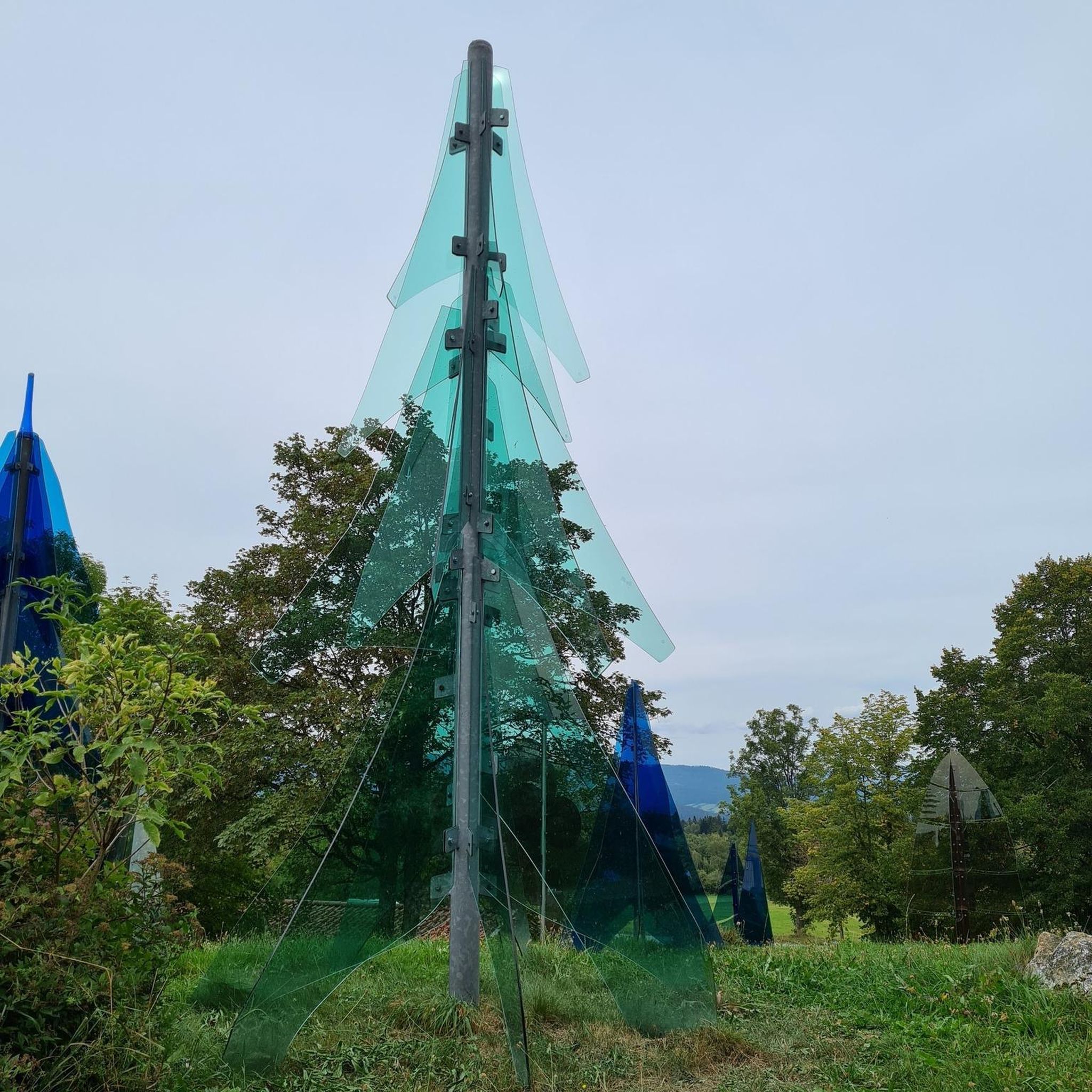
A great photo opportunity at any time of year.
1
0

A bridge over the canal
1
0
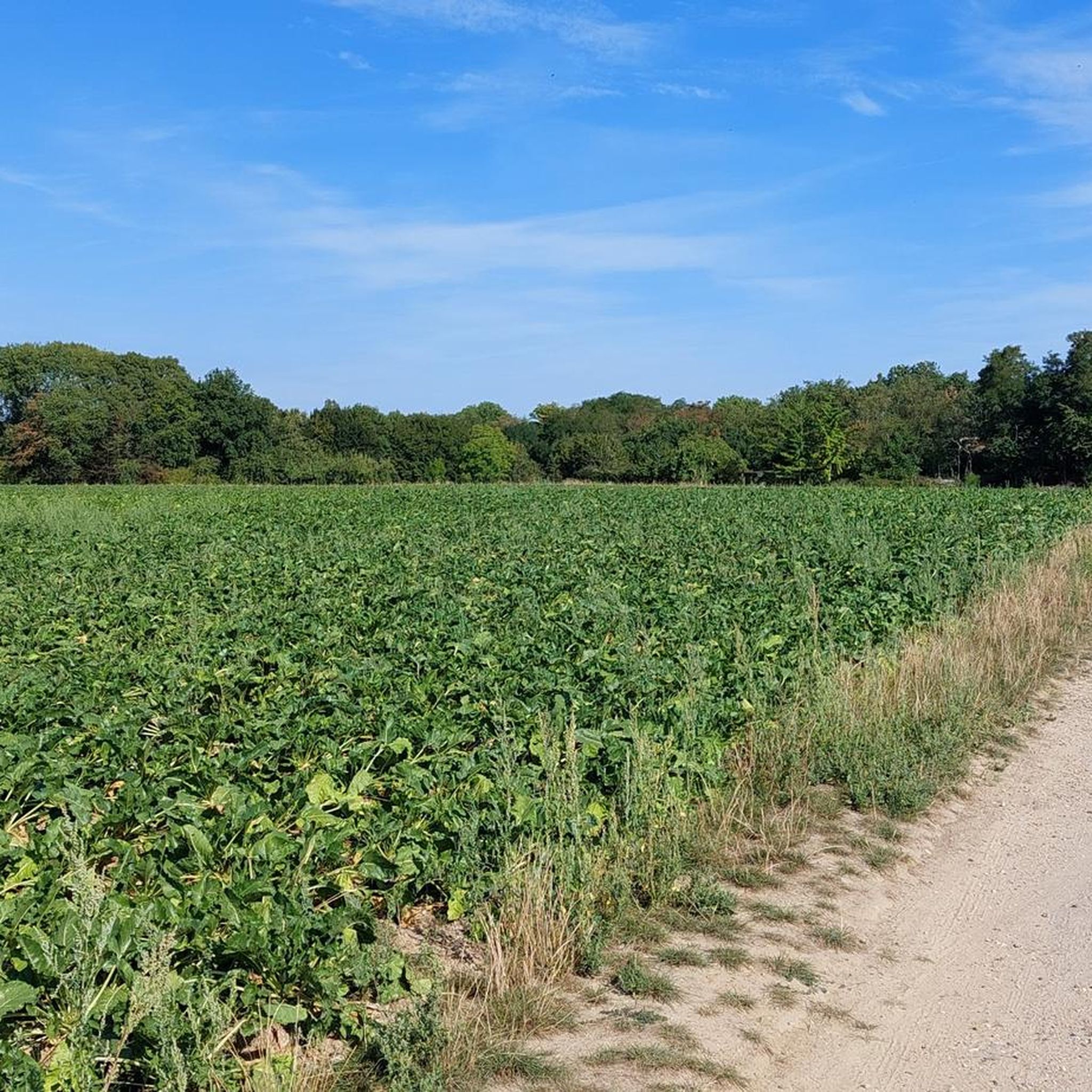
Narrow path, but worth to include. Scenic views and good surface are the rewards!
0
0

Part of the cycle route that runs through Millen, where there are 2 B&Bs, Haus der Westgrenze. The cycle route also runs along the western border of Germany. Millen is worth a visit.
0
0
Frequently Asked Questions
How many road cycling routes are available around Bunderbos?
The komoot community has mapped over 540 road cycling routes around Bunderbos. These routes cater to various skill levels, with options ranging from easy to difficult, ensuring there's a suitable ride for every cyclist.
What kind of terrain can I expect when road cycling in Bunderbos?
Road cycling in Bunderbos offers a unique experience due to its hilly terrain and varied landscapes. The region is known for its 'fairytale-like' slope forest, which includes the steepest sloped forest in the Netherlands. You can expect rewarding climbs and descents, dense forests, and picturesque views of the Maas valley.
Are there routes suitable for beginners or less experienced road cyclists?
Yes, Bunderbos offers several easy road cycling routes. For instance, the Oude Molenweg – Gronsveld Tower Mill loop from Bunde is an easy 42.6 km ride with a moderate elevation gain, perfect for those looking for a less strenuous experience.
What are some challenging road cycling routes in the Bunderbos area?
For experienced road cyclists seeking a challenge, the Bunderbos region provides routes with significant elevation. A notable moderate route is the Slingerberg Climb – Limbricht Castle loop from Bunde, which covers 68.0 km and features over 370 meters of elevation gain, including the well-known Slingerberg Climb.
What natural features or landmarks can I see while cycling in Bunderbos?
While cycling in Bunderbos, you can encounter several natural and historical highlights. The forest itself is rich in springs and streams, supporting a special ecosystem. You might also pass by the historic Castle Elsloo. Specific points of interest include the Bunder and Elsloër Forest — Springs and Streams and the Schieversberg Climb.
Are there any unique cycling experiences near Bunderbos?
Beyond the immediate Bunderbos area, the wider Limburg region offers innovative cycling experiences. These include 'Cycling through Water' in Bokrijk and 'Cycling through the Trees' in Bosland National Park. Another unique option is 'Cycling between the Mine Terrils' in Hoge Kempen National Park, providing panoramic views from a floating pontoon bridge. You can find more information on these unique experiences at visitlimburg.be.
Is there parking available for road cyclists near Bunderbos?
While specific parking lots for cyclists are not detailed, the Bunderbos area, being part of a cycling-friendly region, generally offers parking options in nearby towns like Bunde or Elsloo. It's advisable to check local parking regulations upon arrival.
How can I reach Bunderbos by public transport for road cycling?
Bunderbos is accessible via public transport, with nearby towns like Bunde and Elsloo serving as potential access points. While specific train or bus routes are not provided, the region's infrastructure generally supports public transport connections to its natural areas. We recommend checking local transport schedules for the most current information.
What is the best time of year for road cycling in Bunderbos?
Spring is an exceptionally beautiful time for road cycling in Bunderbos, as the forest floor transforms into a vibrant display of colorful blooms. The mild weather also makes for pleasant riding conditions. However, the well-paved routes and diverse landscapes make it enjoyable throughout much of the year, with autumn offering stunning foliage.
Are dogs allowed on road cycling routes in Bunderbos?
While Bunderbos is a popular area for outdoor activities, specific rules regarding dogs on road cycling routes are not detailed. Generally, in the Netherlands, dogs are often allowed on paths but must be kept on a leash. It's always best to observe local signage and regulations regarding pets in natural reserves.
Do I need a permit to cycle in Bunderbos?
No, you do not need a special permit for road cycling in Bunderbos. The Netherlands generally has a very open policy for cycling on public roads and designated cycle paths, and Bunderbos is part of this accessible network.
What do other road cyclists enjoy the most about road cycling in Bunderbos?
The Bunderbos area is highly rated by the komoot community, with an average score of 4.5 stars from over 1300 reviews. Reviewers often praise the varied terrain, the rewarding climbs and descents, and the picturesque views of the Maas valley. The 'fairytale-like' forest setting and well-developed cycling infrastructure are also frequently highlighted.
Most popular routes around Bunderbos
Most popular attractions around Bunderbos

Get inspired with the komoot mobile app


Explore more
Browse the best Road cycling routes in other regions.
