The best walks and hikes around Forest Hoia
4.3
(47)
609
hikers
39
hikes
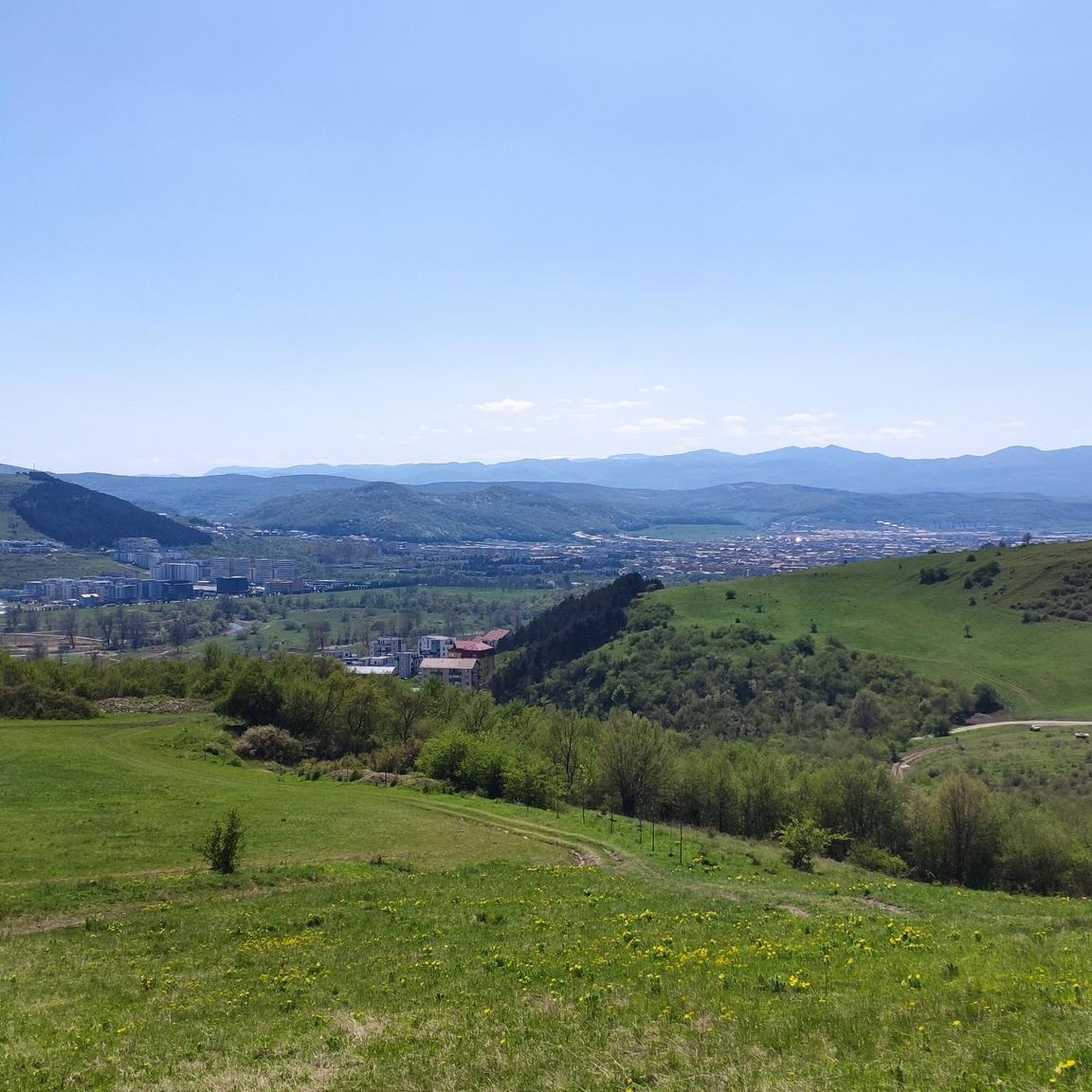
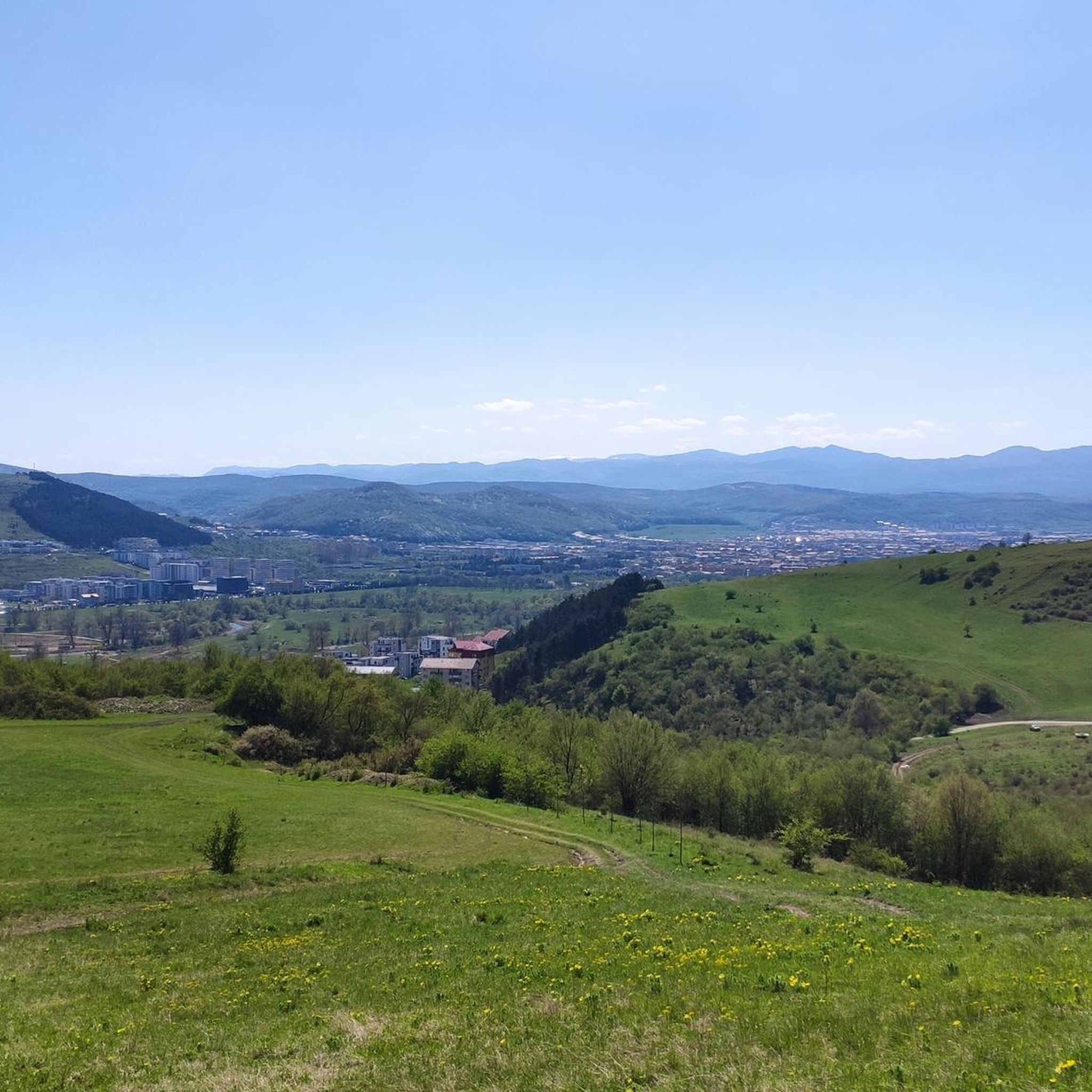
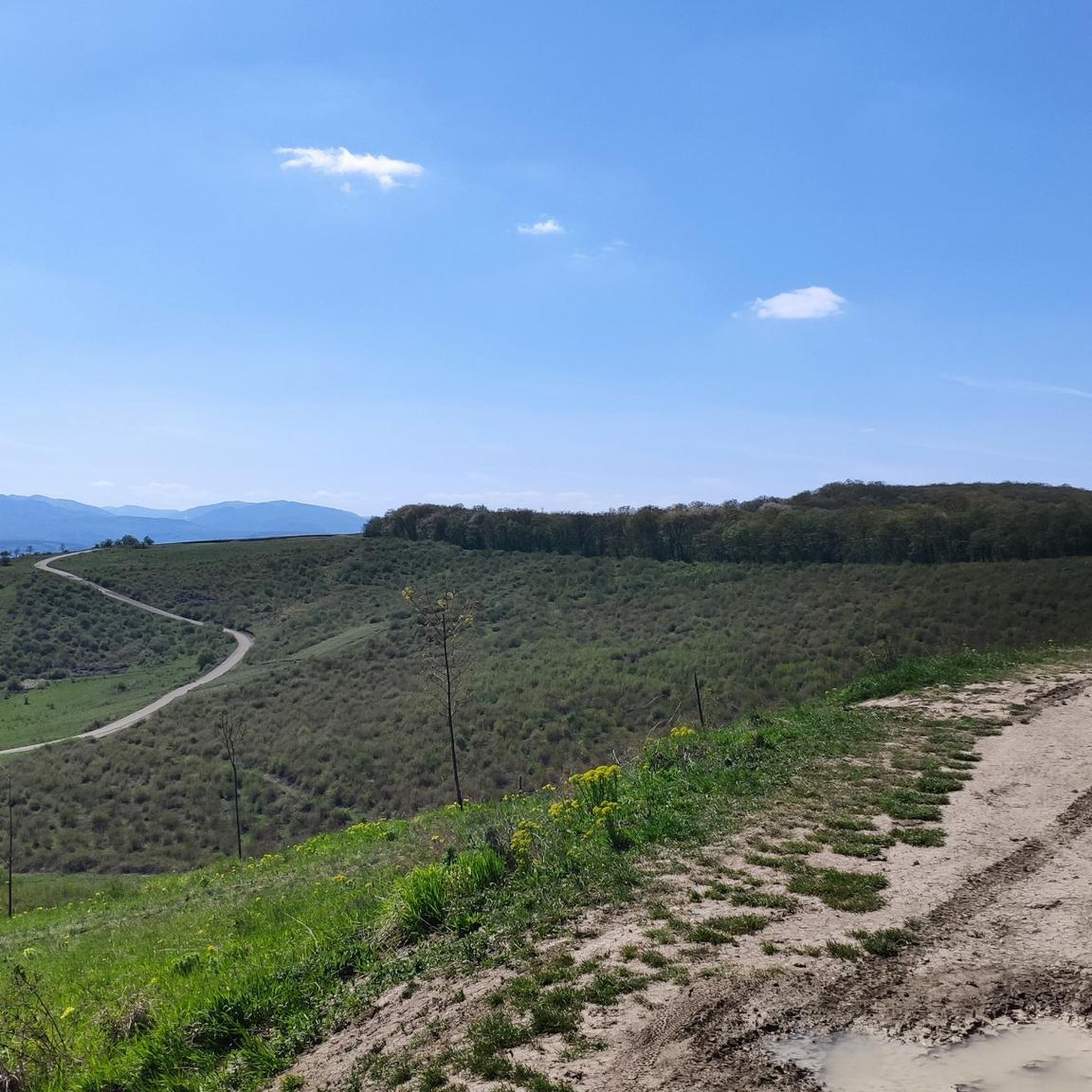
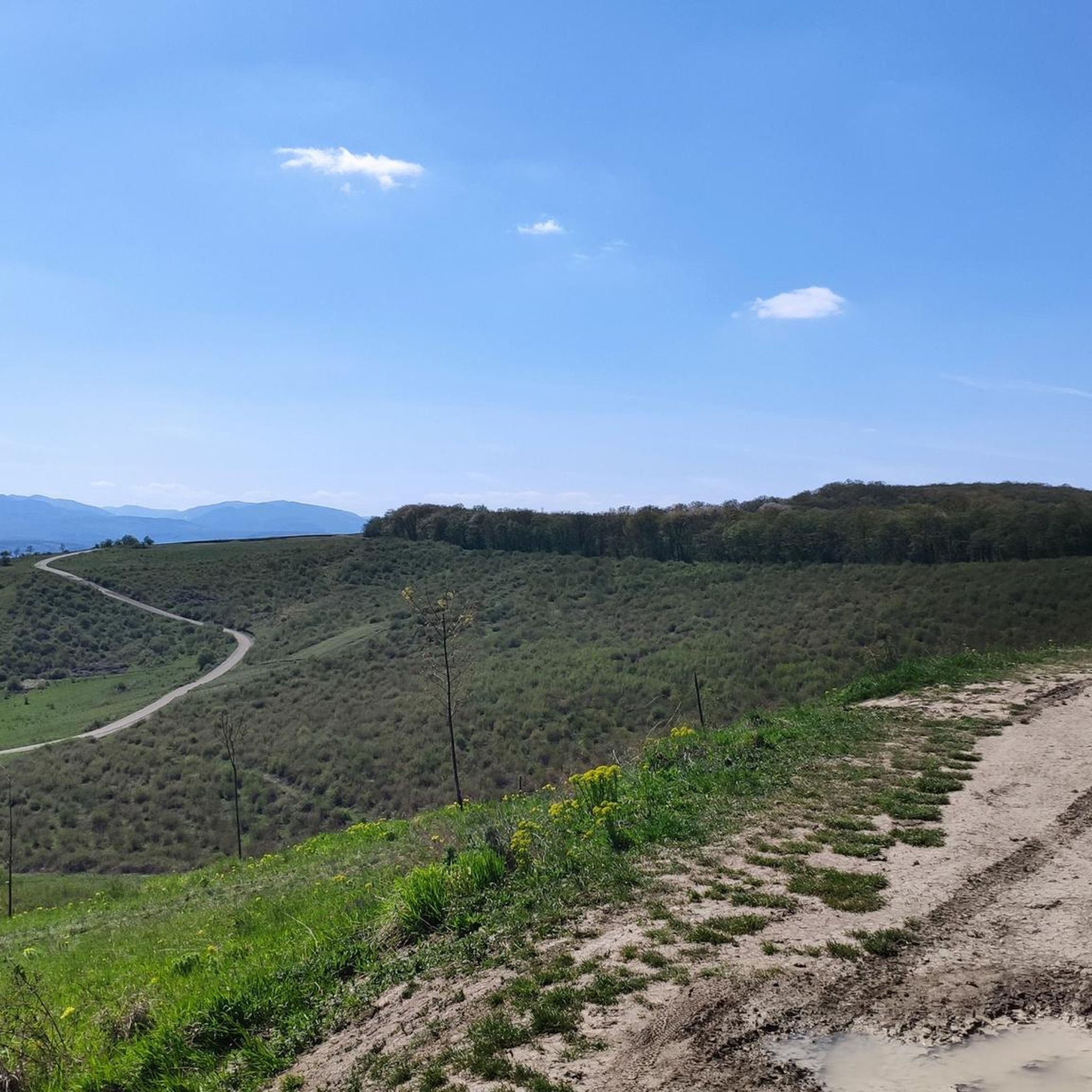
Hiking trails around Forest Hoia are characterized by dense woodland, featuring unique "twisted trees" and open clearings. The forest spans approximately 250 to 295 hectares, offering diverse terrain for exploration. Hikers can find features such as the Bongar valley, the Valea Lungă, and the Cheile Baciului gorges, alongside a small natural lake and several springs. Various points within the forest provide views of the surrounding Transylvanian landscape.
Best hiking trails around Forest Hoia
- The most popular hiking route is Hiking…
Last updated: May 14, 2026
19
hikers
5.20km
01:20
20m
20m
Easy hike. Great for any fitness level. Easily-accessible paths. Suitable for all skill levels.
2.5
(8)
95
hikers
9.27km
02:23
40m
40m
Moderate hike. Good fitness required. Easily-accessible paths. Suitable for all skill levels.

Sign up for free
2.2
(5)
100
hikers
Moderate hike. Good fitness required. Easily-accessible paths. Suitable for all skill levels.
11
hikers
12.2km
03:08
60m
60m
Moderate hike. Good fitness required. Easily-accessible paths. Suitable for all skill levels.
5
hikers
6.60km
01:46
80m
80m
Easy hike. Great for any fitness level. Easily-accessible paths. Suitable for all skill levels.
Get access to more routes and recommendations from other explorers.
Sign up for free
Already have an account?
Our route recommendations are based on thousands of hikes, rides, and runs completed by other people on komoot.
Start today with a free account
Your next adventure awaits.
Login or Signup
Tips from the Community

The Tailors' Bastion is the only fortification tower from the old citadel that has survived completely to this day. The bastion was financed by the Cluj Tailors' Guild, which was also responsible for the city's defense at this point. The bastion forms the southeast corner of the medieval fortress, which was built starting in the 15th century (it is first mentioned in 1475). Between 1627 and 1629, the bastion was rebuilt according to the plans of the Italian architect Giacomo Resti after the gunpowder stored in the tower exploded as a result of a lightning strike. This is how it acquired its present form. To the north, a section of the stone wall with battlements and the guard route on the wall still survives.
10
0
The bronze sculptures by Liviu Mocanu, popularly known as the "Shot Columns", commemorate the fighters against the Ceaușescu dictatorship and for freedom and democracy. During the 1989 revolution, 26 people died in Cluj-Napoca, 13 of them in Piața Unirii. Another 57 people were injured, 28 of them in this square. The monument, erected in 2003, consists of seven cylindrical parts, each of which is between two and a half and three and a half meters high, each of which bears the symbolic marks of bullets. Next to it are two bronze plaques engraved with the names of the 13 victims.
17
0
Unity Square (Piața Unirii) is the heart of Cluj-Napoca. At 220 by 160 metres, it is one of the largest urban squares in the country. It is dominated by a number of historic buildings such as St. Michael's Church or Banffy Palace, as well as the Matthias Corvinus Monument in its centre. There are paid parking spaces and public toilets here. The remains of Roman buildings (Vestigii romane) can be seen under a glass cover.
13
0
The Cluj-Napoca City Hall was built at the end of the 19th century according to the plans of Ignác Alpár. With its Viennese Baroque-style façade and corner bell tower with clock, the building was initially the seat of the Royal Hungarian government of the Kolozs region (Cluj-Napoca is called Kolozsvár in Hungarian). With around 325,000 inhabitants, Cluj-Napoca is the second largest city in Romania and the largest city in Transylvania.
15
0
The Matthias Corvinus Monument (Monumentul Matia Corvin) is a bronze equestrian statue created by the Hungarian sculptor János Fadrusz and erected in 1902. It shows the Hungarian King Matthias Corvinus ("the Raven"), who was born on February 23, 1443 in Cluj-Napoca. Corvinus ruled over Hungary and Croatia from 1458 until his death on April 6, 1490 in Vienna and was also (counter-)king of Bohemia from 1469 to 1490. He conquered large parts of the Habsburg hereditary lands and ruled these areas from Vienna from 1485 onwards. The monument and the inscription on the base have often caused a stir in the past; this culminated in civil war-like unrest between Hungarians and Romanians before the turn of the millennium. The diplomatic result is the current inscription in Latin: "Rex Mathias"
16
0
The landmark of Cluj-Napoca is St. Michael's Church (Biserica Sfântul Mihail) in the city center. It is considered the most important example of a three-aisled Gothic hall church in Transylvania. Its construction probably began around 1350 on the site of a former St. James's Chapel. The choir was built in the first phase. The building was originally intended to have two towers, but one remained unfinished. The completed tower on the north side, built between 1834 and 1863 in the neo-Gothic style, is 80 meters high including the cross, making it the highest church tower in Romania. Because of the nearby Cluj airport, a red light flashes at the top. The church is now used by the Roman Catholic community of Cluj. From 1566 until the Counter-Reformation in 1716, St. Michael's Church was the parish church of the Unitarian community. The reformer Franz David held his first anti-Trinitarian sermon here in 1566. At the end of the 18th century, the Unitarian community built its own church, the Unitarian Church. After it was returned to the Catholics, the church was expanded with baroque elements, such as the pulpit, which is crowned by the patron saint, Saint Michael, slaying the dragon.
17
0
The Bishop of the Diocese of Alba Iulia, Áron Márton, was President of the Romanian Bishops' Conference from 1970 until his death in 1980. Because of his opposition to the planned deportation of Romanian and Hungarian Jews during the Second World War, Márton was awarded the Israeli honorary title "Righteous Among the Nations" on December 27, 1999.
14
0
The "Casa Matei Corvin" is the birthplace of the future Hungarian king. It is the oldest secular building in the city, built in the 15th century in the Gothic style as a small guesthouse. Matthias Corvinus ("the Raven") was born here on February 23, 1443. He ascended the Hungarian throne in 1458 at the age of fourteen. In gratitude for the hospitality that the house owner Jakab Méhffi had once shown his heavily pregnant mother, King Matthias decreed in 1467 that Méhffi and all his descendants were exempt from all taxes and duties. Over the course of its history, the house served as a prison, hospital and museum. Today it houses an institute for fine arts at the local art and design college.
14
0
Frequently Asked Questions
How many hiking trails are available in Forest Hoia?
Forest Hoia offers a wide selection of hiking opportunities, with over 35 trails to explore. These routes cater to various fitness levels, including easy walks and more challenging paths.
What makes hiking in Forest Hoia unique?
Hiking in Forest Hoia is a distinctive experience due to its dense woodlands, featuring unusual "twisted trees" with zig-zag shapes and spirals. You can also discover "The Mysterious Circle," a perfectly circular clearing where vegetation doesn't grow. The forest's enigmatic atmosphere and views of the Transylvanian landscape add to its unique appeal.
Are there trails suitable for beginners or easy walks?
Yes, Forest Hoia has plenty of options for beginners and those looking for an easy walk. Approximately 17 of the trails are rated as easy. For example, the Hiking loop from Mănăștur is an easy 3.1-mile (5.0 km) route, and the Hiking loop from Cluj Arena offers accessible forest scenery over 3.2 miles (5.1 km).
What kind of terrain can I expect on the trails in Forest Hoia?
The terrain in Forest Hoia is diverse, characterized by dense woodland and open clearings. You'll encounter features like the Bongar valley, the Valea Lungă (Long Valley), and the Cheile Baciului gorges. While many paths are well-trodden, some areas can be uneven, so sturdy shoes are recommended.
Are there any circular hiking routes in Forest Hoia?
Yes, many of the trails in Forest Hoia are designed as loops, allowing you to start and end at the same point. A popular circular route is the Lacul Chios loop from Mănăștur, which is 5.6 miles (9.0 km) long and takes you through dense woodland and past Lacul Chios.
What natural landmarks or viewpoints can I see while hiking?
While hiking, you can look for the famous "twisted trees" throughout the forest and the intriguing circular clearing known as "The Mysterious Circle" or Poiana Rotunda. Various points within the forest also offer fantastic views of the surrounding Transylvanian landscape. You might also encounter the Bongar valley, Valea Lungă, and Cheile Baciului gorges.
Is there parking available for hikers at Forest Hoia?
Yes, Forest Hoia is accessible from multiple points, and parking is generally available near the main entrances or trailheads, particularly on the outskirts closer to Cluj-Napoca. Specific parking areas may vary depending on your chosen starting point.
How can I get to Forest Hoia using public transport?
Forest Hoia is located near Cluj-Napoca and is accessible by public transport. Local buses often serve the areas surrounding the forest, allowing hikers to reach various entry points. It's advisable to check local bus schedules from Cluj-Napoca for the most current routes and stops.
What do other hikers say about their experience in Forest Hoia?
The trails in Forest Hoia are highly rated by the komoot community, with an average score of 4.2 stars from over 30 reviews. Hikers often praise the unique natural features, the quiet solitude of the woodlands, and the opportunity to explore its mysterious atmosphere.
Are there family-friendly hiking options in Forest Hoia?
Yes, Forest Hoia offers several family-friendly hiking options. Many of the easy-rated trails are suitable for families with children, providing accessible paths through the forest. The unique trees and clearings can also make for an engaging adventure for younger explorers.
Can I bring my dog on the trails in Forest Hoia?
Generally, dogs are welcome on the trails in Forest Hoia. It's always recommended to keep your dog on a leash, especially in areas where wildlife might be present, and to follow local regulations regarding pet waste.
What should I wear or bring for a hike in Forest Hoia?
For hiking in Forest Hoia, it's advisable to wear sturdy shoes due to the potentially uneven terrain. Depending on the season, layers of clothing are recommended. Don't forget water, snacks, and perhaps a camera to capture the unique scenery. Picnicking is also a popular activity.
Are there opportunities for other outdoor activities besides hiking?
Beyond hiking, Forest Hoia and its surrounding areas offer various other outdoor activities. These include mountain biking, with a dedicated biking park, as well as sports like paintball, airsoft, and archery, making it a versatile destination for outdoor enthusiasts.
Most popular routes around Forest Hoia

Get inspired with the komoot mobile app


