The best cycling routes around Dreienberg
4.6
(2073)
7,820
riders
304
rides
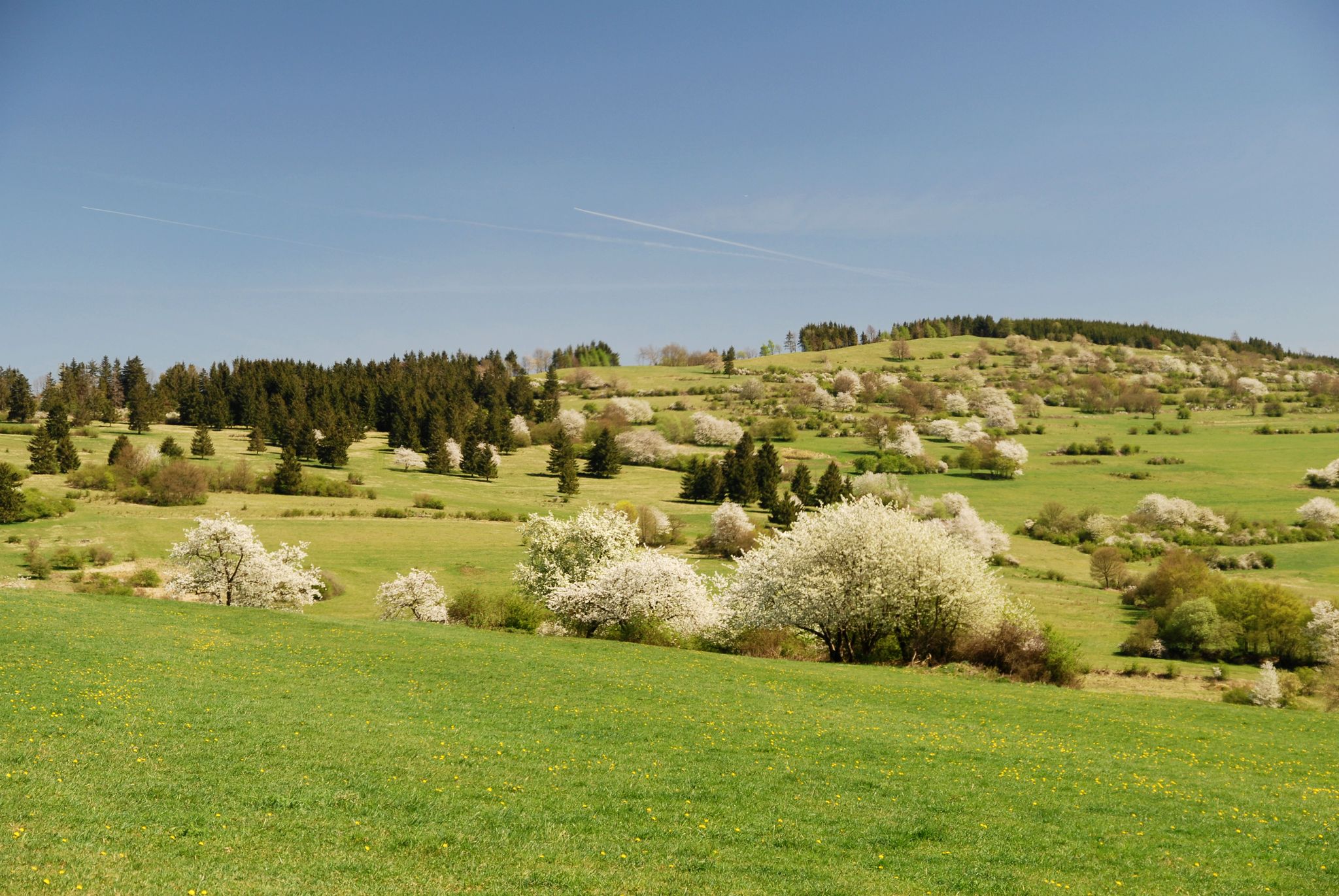
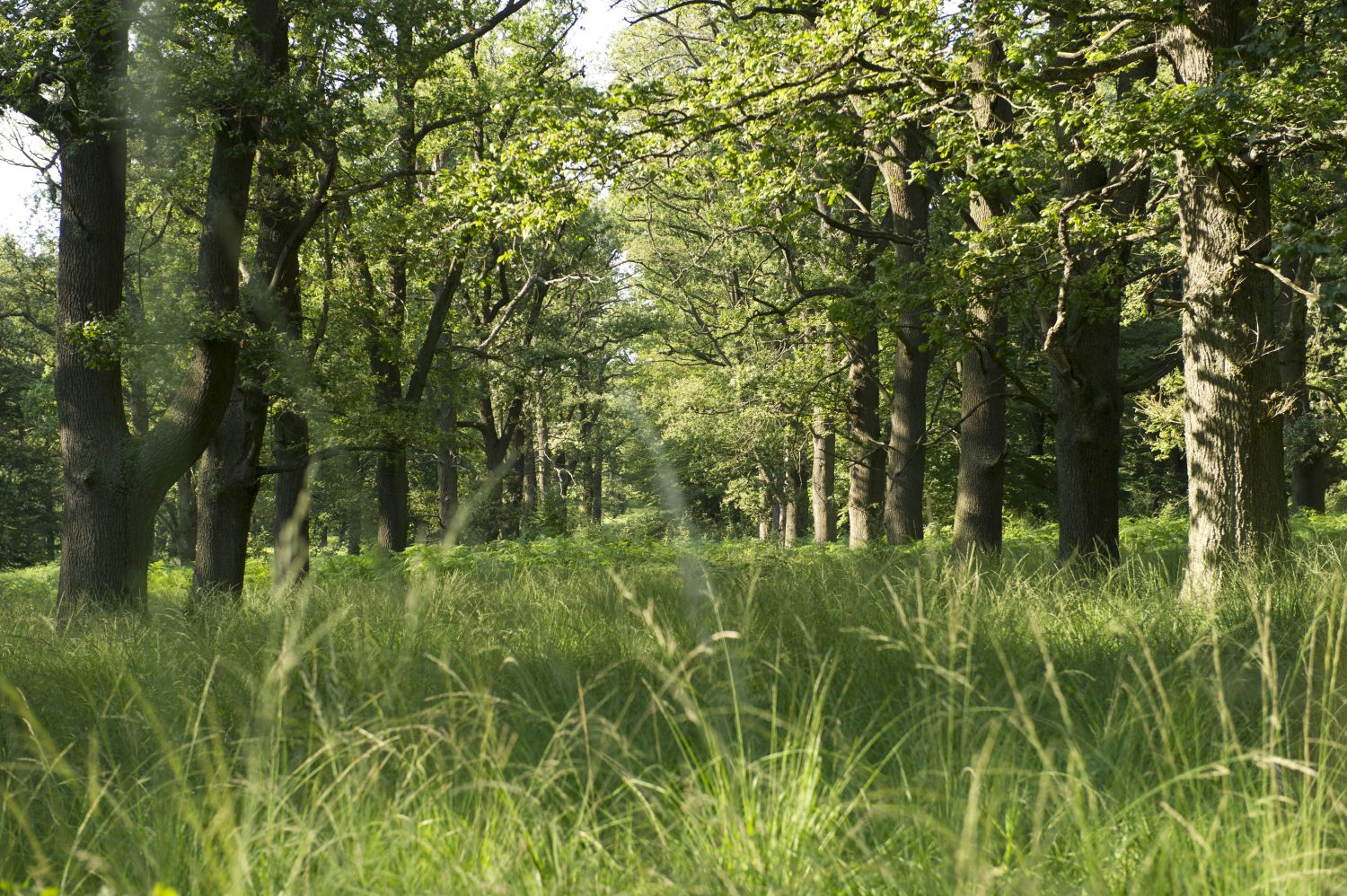
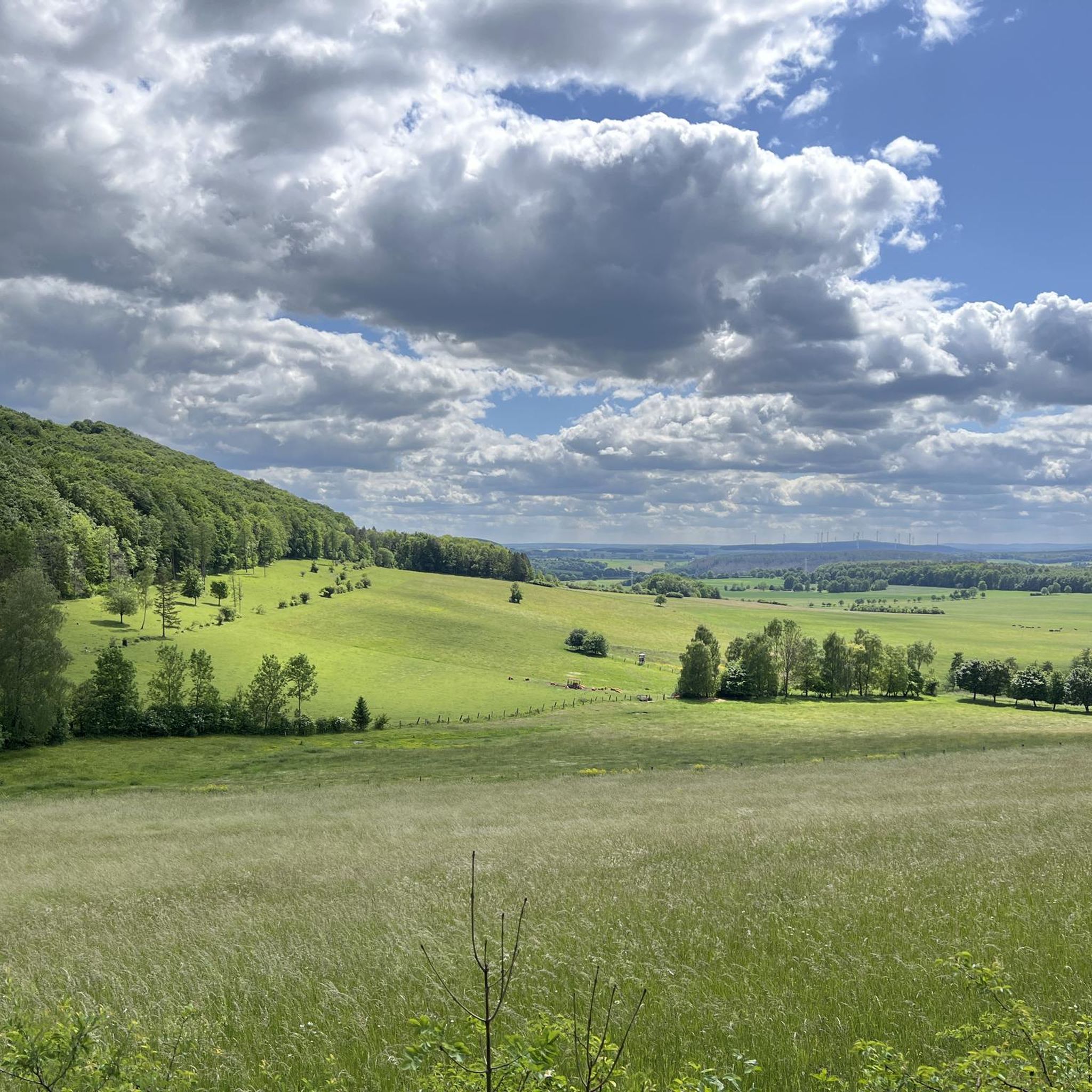
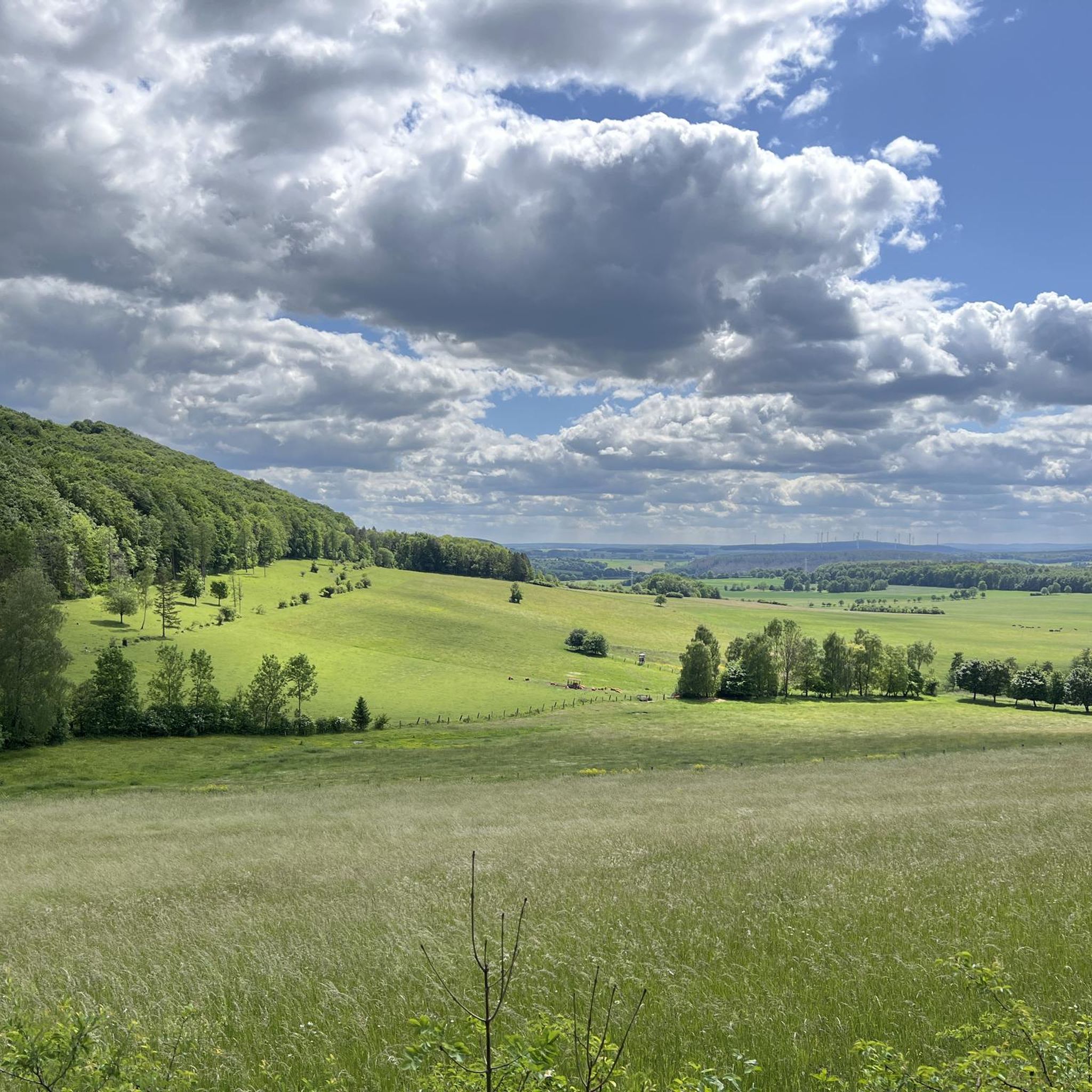
Touring cycling routes around Dreienberg traverse a distinctive landscape within the Rhön Biosphere Reserve, characterized by its "Kuppenrhön" terrain of rolling hills. The region features three distinct elevations, with the main summit reaching 525m. Untouched forests and extensive calcareous dry grasslands define the natural environment, which is part of a UNESCO Biosphere Reserve. Geologically, Dreienberg is a table mountain composed primarily of Muschelkalk limestone overlying Buntsandstein sandstone, forming a watershed between the Fulda and Werra rivers.
Best touring cycling routes…
Last updated: July 5, 2026
4.8
(16)
69
riders
26.7km
01:40
220m
220m
Moderate bike ride. Good fitness required. Mostly paved surfaces. Suitable for all skill levels.
4.8
(40)
134
riders
24.5km
01:33
260m
260m
Moderate bike ride. Good fitness required. Mostly paved surfaces. Suitable for all skill levels.

Sign up for free
4.5
(11)
34
riders
36.7km
02:15
270m
270m
Moderate bike ride. Good fitness required. Mostly paved surfaces. Suitable for all skill levels.
5.0
(5)
9
riders
15.2km
00:58
180m
180m
Moderate bike ride. Good fitness required. Mostly paved surfaces. Suitable for all skill levels.
5.0
(3)
10
riders
34.7km
02:12
410m
410m
Moderate bike ride. Good fitness required. Mostly paved surfaces. Suitable for all skill levels.
Get access to more routes and recommendations from other explorers.
Sign up for free
Already have an account?
Our route recommendations are based on thousands of hikes, rides, and runs completed by other people on komoot.
Start today with a free account
Your next adventure awaits.
Login or Signup


Tips from the Community


An evangelical church that appears simple and unpretentious both inside and out. All the more reason for the organ, with its baroque facade, to be the eye-catcher. The instrument was replaced by a new one in 1896. However, the facade still dates from the Schlottmann organ from 1752. Johannes Schlottmann (1726-1795) temporarily ran his organ-building workshop here in Friedewald. He is a truly tragic figure in music history. Envy from competitors, but certainly also too little business acumen, repeatedly got him into difficulties, including insolvency and imprisonment. His Friedewald workshop was auctioned off, and he worked as a travelling organ builder. The organs that have survived from him are nevertheless of remarkable quality.
1
0

The former mill, which operated here until the beginning of the 20th century, was demolished to make way for a hydroelectric power plant to supply the Heringen mine with electricity. The Art Nouveau facade of the turbine hall and the entrance door with its wrought-iron fittings demonstrate the elaborate design even of utilitarian buildings. The turbine hall—like the entire complex with its weir—is a protected technical monument. The power plant is one of four between Harnrode and Widdershausen built to supply electricity to the mines.
1
0
Just like the spoil heap, the surface mining facilities are also worth seeing. The headframe is visible from afar.
0
0

The Protestant church at Dreienberg in Friedewald was rebuilt in 1746 as a church tower church with a baroque bell tower, and remodeled in 1958.
1
0

A very impressive industrial facility. However, the air in the surrounding area and on the opposite side of the Werra River is not pleasant.
0
0
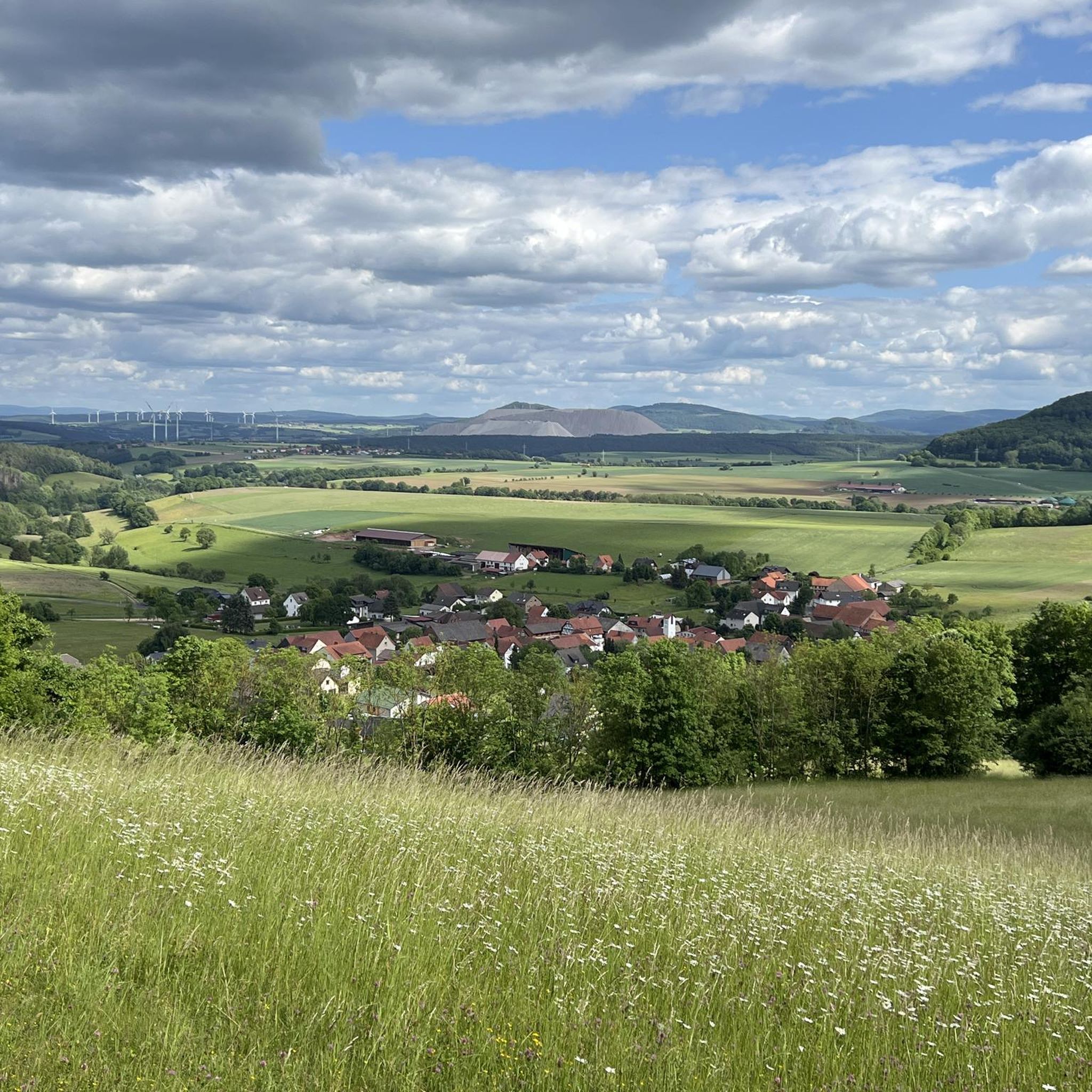
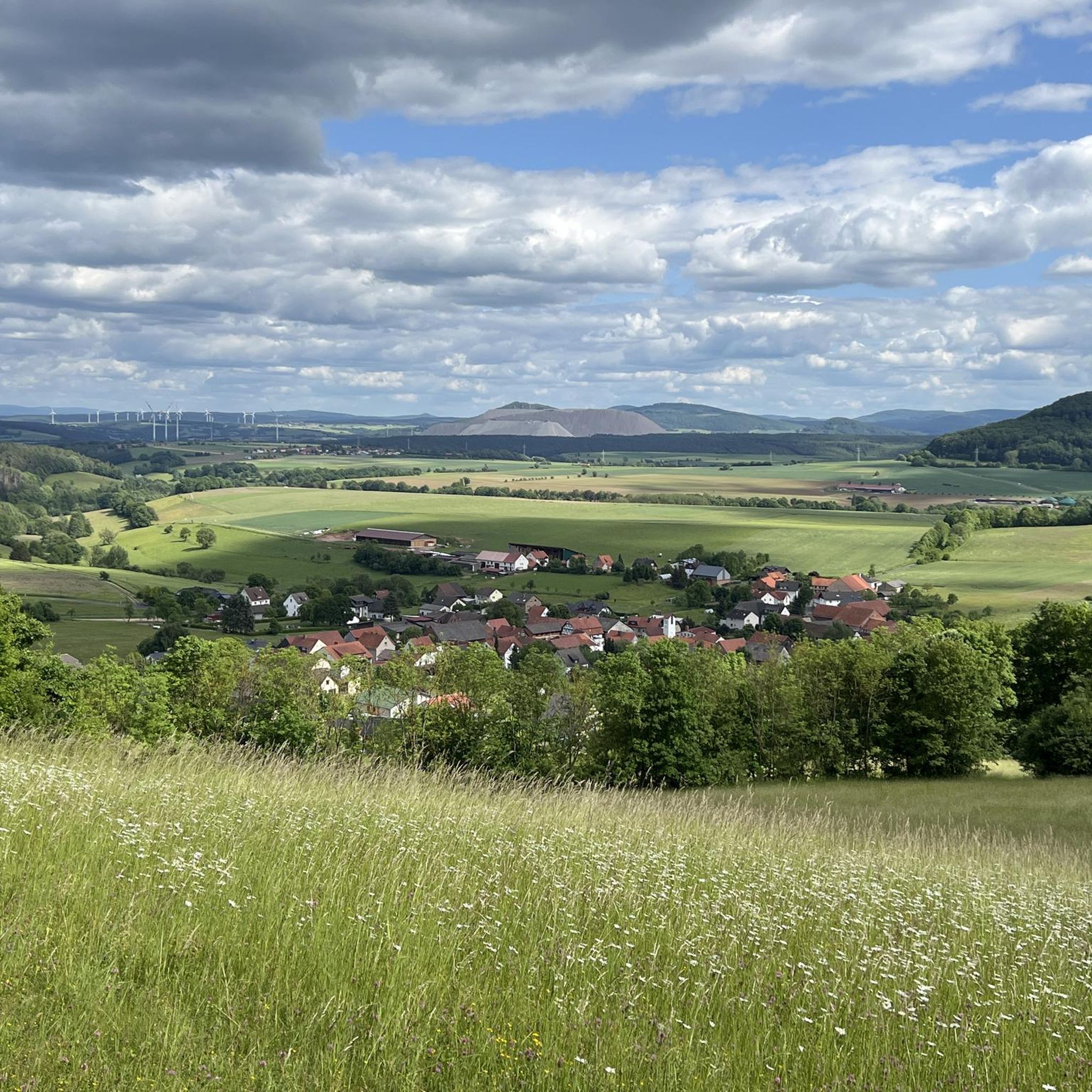
Another highlight along the way. The air is unfortunately not very good, but the enormous Kali mountains are very impressive. One town further on, you can even climb Monte Kali.
0
0

Frequently Asked Questions
How many touring cycling routes are available around Dreienberg?
There are over 300 touring cycling routes in the Dreienberg area, offering a wide variety of experiences for cyclists. These routes are highly rated by the komoot community, with an average score of 4.7 stars.
What are the difficulty levels of touring cycling routes in Dreienberg?
The routes around Dreienberg cater to various skill levels. You'll find approximately 60 easy routes, over 160 moderate routes, and around 70 more challenging options, ensuring there's something for every touring cyclist.
Are there family-friendly touring cycling routes around Dreienberg?
Yes, the region offers excellent options for families. The Solztal Cycle Path – Beer Garden Zur Weißen Dame loop from Friedewald is a moderate route that follows the scenic Solztal valley, utilizing a former railway line, which often means gentler gradients suitable for family outings. The wider Hesse Railway Cycle Route also uses former railway lines, making it particularly suitable for families.
What historical sites or natural landmarks can I see while cycling around Dreienberg?
While cycling, you can explore several interesting points. The Dreienburg Ruins are a notable cultural monument. You might also encounter the Stärkelsbach spring and information board, or the Stone cairns on Dreienberg. The region's rich flora, including rare orchids, also adds to the natural beauty.
Can I find circular touring cycling routes in the Dreienberg area?
Yes, many touring cycling routes around Dreienberg are designed as loops. For example, the Wild Pastures in the Rhäden – View of Monte Kali loop from Friedewald offers a varied landscape experience. The Kuppenrhön tour, a popular 30-kilometer cycling tour, also encircles Dreienberg and Landecker, providing magnificent panoramic views.
When is the best time of year for touring cycling in Dreienberg?
The Dreienberg region, with its rolling hills and diverse landscapes, is generally enjoyable for touring cycling from spring through autumn. The dry grasslands are particularly vibrant in spring and early summer with blooming orchids. The mild temperatures and lush scenery during these seasons make for ideal cycling conditions.
Are touring cycling routes around Dreienberg suitable for cycling with dogs?
While specific dog rules vary by route and protected areas, the natural environment of Dreienberg, part of the Rhön Biosphere Reserve, generally welcomes responsible dog owners. It's advisable to keep dogs on a leash, especially in nature reserve core zones and near wildlife, and to check local signage for any specific restrictions on individual paths.
Are there places to eat or stay near the touring cycling routes in Dreienberg?
Yes, the wider Waldhessen and Rhön region is cyclist-friendly. You'll find accommodations that cater to cyclists, offering amenities like secure bike storage, packed lunches, and even e-bike rentals. Towns like Friedewald and Schenklengsfeld, often starting points for routes, provide options for cafes and pubs.
Which touring cycling routes offer the best panoramic views of the Rhön landscape?
Many routes in the Kuppenrhön area provide excellent vistas. The K+S Mining Tower – Werra Bridge, Philippsthal loop from Friedewald offers views of both industrial landmarks and river scenery. Additionally, viewpoints like the Hillartshausen Shelter with Views over the Kuppenrhön are accessible and provide impressive panoramas of the northern Rhön's hilly landscape.
Are there any touring cycling routes that follow former railway lines in the Dreienberg region?
Yes, the region is known for its cycling paths built on former railway lines. The Solztal Cycle Path – Beer Garden Zur Weißen Dame loop from Friedewald utilizes parts of the scenic Solztal valley's old railway. The extensive Hesse Railway Cycle Route, a 245-kilometer path, also traverses the Rhön and Vogelsberg nature parks on former railway lines, offering high-quality paths and gentle gradients.
What makes the Dreienberg region unique for touring cycling?
Dreienberg is unique due to its 'Kuppenrhön' landscape of rolling hills within the UNESCO Rhön Biosphere Reserve. This creates a visually appealing and varied terrain, combining untouched forests, extensive calcareous dry grasslands with rare plant species, and interesting geological formations of Muschelkalk limestone. The region also serves as a watershed between the Fulda and Werra rivers, adding to its natural distinctiveness.
Is public transport or parking available for touring cyclists in Dreienberg?
While specific details for every trailhead vary, the region is generally well-equipped for cyclists. Many starting points for routes, especially in towns like Friedewald, offer parking facilities. For public transport, regional bus services connect various towns, and some accommodations are known to offer breakdown and pickup services for cyclists, indicating a cyclist-friendly infrastructure.
Most popular routes around Dreienberg
Most popular attractions around Dreienberg

Get inspired with the komoot mobile app


Explore more
Browse the best Cycling routes in other regions.
