The best cycling routes around Wald Himmelberg
4.6
(716)
3,532
riders
210
rides
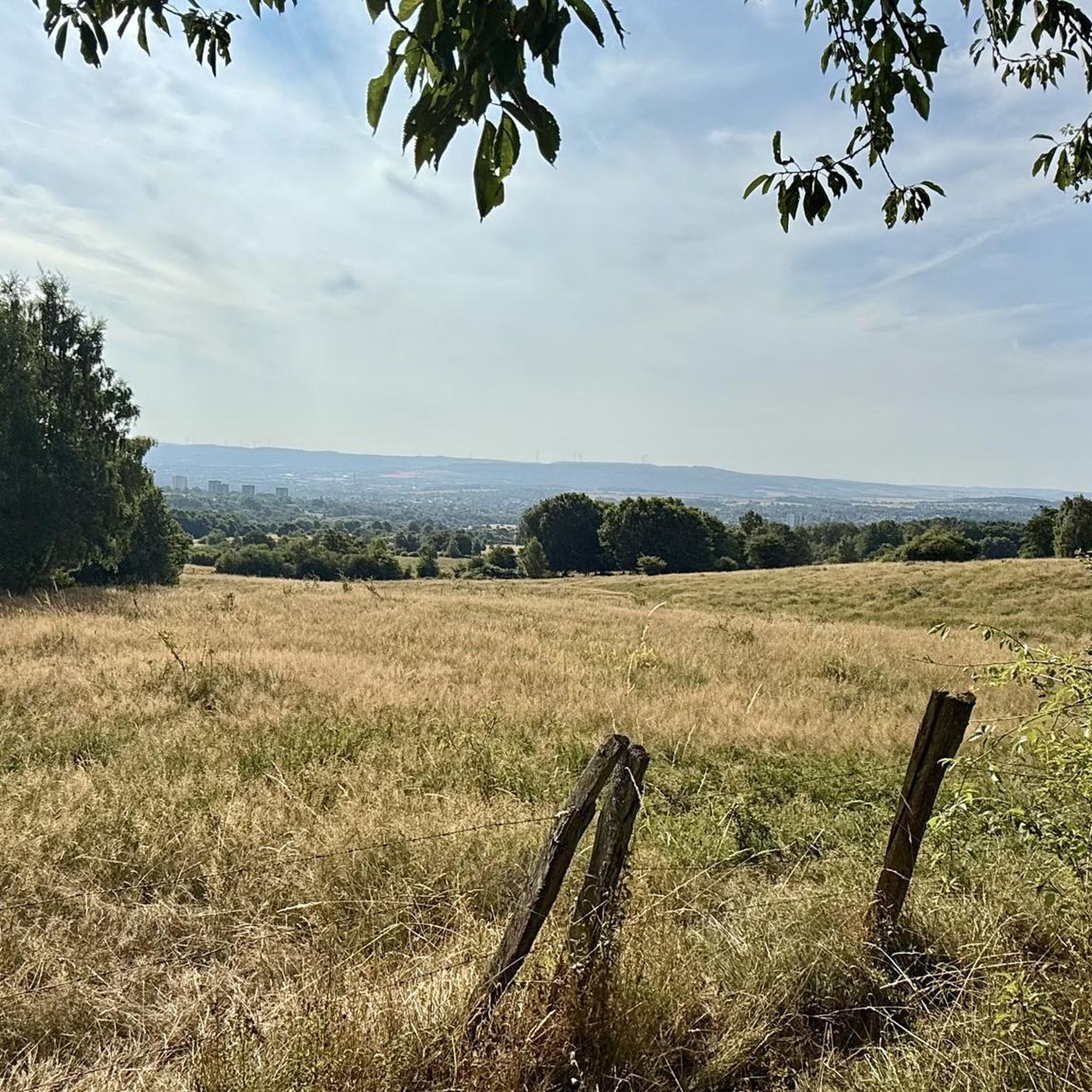
Touring cycling around Wald Himmelberg offers diverse landscapes, transitioning from the flat plains of the Danube River valley to the wooded foothills of the Bavarian Forest. This region is characterized by a low-mountain topography with granite and gneiss hills, dense coniferous and mixed forests, and scenic river valleys like the Regen and Ilz. Cyclists can expect a mix of meadow landscapes, isolated farmsteads, and continuously forested slopes at higher elevations. The area provides a comprehensive network of cycling paths suitable…
Last updated: May 14, 2026
5.0
(3)
10
riders
32.4km
02:19
450m
450m
Hard bike ride. Very good fitness required. Mostly paved surfaces. Suitable for all skill levels.
5.0
(2)
4
riders
21.0km
01:35
410m
410m
Moderate bike ride. Good fitness required. Mostly paved surfaces. Suitable for all skill levels.

Sign up for free
3
riders
15.8km
01:19
300m
300m
Hard bike ride. Good fitness required. You may need to push your bike for some segments of this route.
2
riders
16.0km
01:17
340m
340m
Moderate bike ride. Good fitness required. Mostly paved surfaces. Suitable for all skill levels.
5.0
(2)
5
riders
Moderate bike ride. Good fitness required. Mostly paved surfaces. Suitable for all skill levels.
Get access to more routes and recommendations from other explorers.
Sign up for free
Already have an account?
Our route recommendations are based on thousands of hikes, rides, and runs completed by other people on komoot.
Start today with a free account
Your next adventure awaits.
Login or Signup
Tips from the Community

not on Saturdays, as the lovely Wieswirt beer garden is unfortunately closed then.
0
0

Altrandsberg Castle The Randsberg/Ramsperger family is documented as ministeriales of the Counts of Bogen from 1165, beginning with Albrecht and Erasmus von Randsberg. The family's connections to the Bishopric of Passau are also documented. After the extinction of the Counts of Bogen in 1242, the family passed into the ministerial sphere of the Wittelsbach dynasty. In 1330, the Neurandsberg line was founded, which led to the gradual naturalization of the name Altrandsberg for the ancestral seat. The family held important offices in ducal service. In the mid-15th century, after disputes with the sovereign, there were several changes of ownership, which ended with the transfer to the Paulsdorf family no later than 1483. It was acquired by Heinrich Nothafft in 1515. Around 1620, Altrandsberg passed to Hans Christoph von Berlichingen, and in 1676, after several interim owners, to Hans Wolf von Leoprechting. Altrandsberg remained in the possession of this family until 1847, then passed into burgher hands and into municipal ownership in 1895. The construction history of the complex, which was significantly altered, especially in the 17th century, is only broadly understood. The oldest remains are the foundations of the square keep, uncovered in 1987, the curtain wall on three sides, and parts of a multi-part residential building on the east side. These likely date back to the second half of the 12th century. The older enclosure wall, which tightly enclosed the main castle on three sides, was probably also built in the 13th century. In the 15th century, in addition to alterations to the residential buildings, the chapel, first mentioned in 1483, was built. The conversion to a palace may have already begun under the Nothafft family. Under Hans Wolf von Leoprechting, the new west wing, which still dominates the complex today, and the arcades on the north wing were built. The 19th century led to numerous extensive changes to the interior. The buildings from the 17th and 18th centuries were largely demolished in the 20th century. Only remnants of the High Medieval structure remain. In the area of the trapezoidal main castle, these include the foundations of the square keep and its round successor, as well as large sections of the curtain wall and the palace, which was later rebuilt many times. The entire complex and the courtyard are largely dominated by the alterations and new buildings of the late 17th and 18th centuries, including arcades behind the former battlements in the north and the then newly built west wing with its restored Baroque façade. Source: Excerpts from www.ebidat.de
2
0

An old, beautifully preserved train station building.
0
0
Pilgrimage Church of St. Walburga Built in 1628, this hall church replaced the castle chapel of the medieval, now ruined castle. Its two chapels, each with a semicircular apse and attached to the nave to the north and south, give it the appearance of a cruciform church. The church tower, topped with a pointed spire, stands in the corner of the southern chapel and the retracted, three-sided choir to the east. The church was partially destroyed and its furnishings looted twice: in 1556 during the Reformation and in 1627 during the Thirty Years' War. The citizens of Cham rebuilt the destroyed parts in 1832. The interiors of the nave and the chapels are covered with flat ceilings, and the interior of the choir has a lunette vault. The three neoclassical altars are in the form of aedicules. The three altars date from around 1840. The altarpiece on the high altar is a copy of the "Walburga drapery" on the Chammünster altar. Three high-quality oil paintings and a collection of nearly 200 votive tablets surrounding an altar-like structure in the right-hand side circular panel are worth seeing. An 18th-century painting of the Immaculate Conception hangs on the south wall of the nave. The south chapel is decorated with votive offerings. Source: Excerpts from www.wikipedia.de
2
0

Old church with beautiful view and rest area
1
0

Great bicycle highway, but not for thin racing bike tires.
0
0

Idyllic route on an old railway embankment, well-paved path mostly away from roads and traffic, partly shady. Relatively few places to stop for refreshments along the way, better plan breaks in advance or take something with you.
2
0

Frequently Asked Questions
How many touring cycling routes are available around Wald Himmelberg?
There are over 200 touring cycling routes around Wald Himmelberg, offering a wide range of options for different skill levels and preferences. This includes 18 easy routes, 98 moderate routes, and 88 difficult routes.
What kind of terrain can I expect on touring cycling routes in the Wald Himmelberg area?
The region around Wald Himmelberg offers a diverse topography. You can expect a transition from the flat plains of the Danube River valley to the wooded foothills of the Bavarian Forest. Routes can range from relaxed rides along scenic river paths to more challenging ascents through dense coniferous and mixed forests in the low-mountain areas.
Are there any family-friendly touring cycling routes near Wald Himmelberg?
Yes, the area provides options suitable for families. While specific routes are not designated as 'family-friendly' in the data, the presence of 18 easy routes suggests gentler paths that could be suitable for a family outing. Look for routes with less elevation gain, often found closer to the river valleys.
What is the best time of year for touring cycling around Wald Himmelberg?
The best time for touring cycling in the Wald Himmelberg region is generally from spring through autumn. During these seasons, the weather is typically mild, and the natural landscapes are at their most vibrant. While winter cycling is possible, some routes may be affected by snow or ice, especially at higher elevations.
Are there any circular touring cycling routes in the area?
Yes, many of the touring cycling routes around Wald Himmelberg are designed as loops, allowing you to start and end at the same point. For example, the View from Gallner Berg – Old Konzell Railway Station loop from Birnbrunn is a popular circular route, as is the Lamberg Inn – Altrandsberg Castle loop from Birnbrunn.
Where can I find parking for touring cycling routes near Wald Himmelberg?
Parking availability varies by starting point. Many routes, especially those originating from villages like Birnbrunn, will have designated parking areas. It's advisable to check the specific route details on komoot for information on parking at the trailhead or nearby.
What do other touring cyclists say about the routes in Wald Himmelberg?
The touring cycling routes in Wald Himmelberg are highly regarded by the komoot community, with an average rating of 4.6 stars from over 650 reviews. Cyclists often praise the varied landscapes, from river valleys to forest climbs, and the well-maintained network of paths.
Are there any long-distance touring cycling options that connect to Wald Himmelberg?
Wald Himmelberg is situated within the Straubing-Bogen district, which is part of a comprehensive regional cycling network. The area connects to routes like the 'On the Goldsteig to the Danube-Regen cycle path' and other routes along the Danube River, offering opportunities for longer tours beyond the immediate vicinity.
Can I find viewpoints or scenic spots along the touring cycling routes?
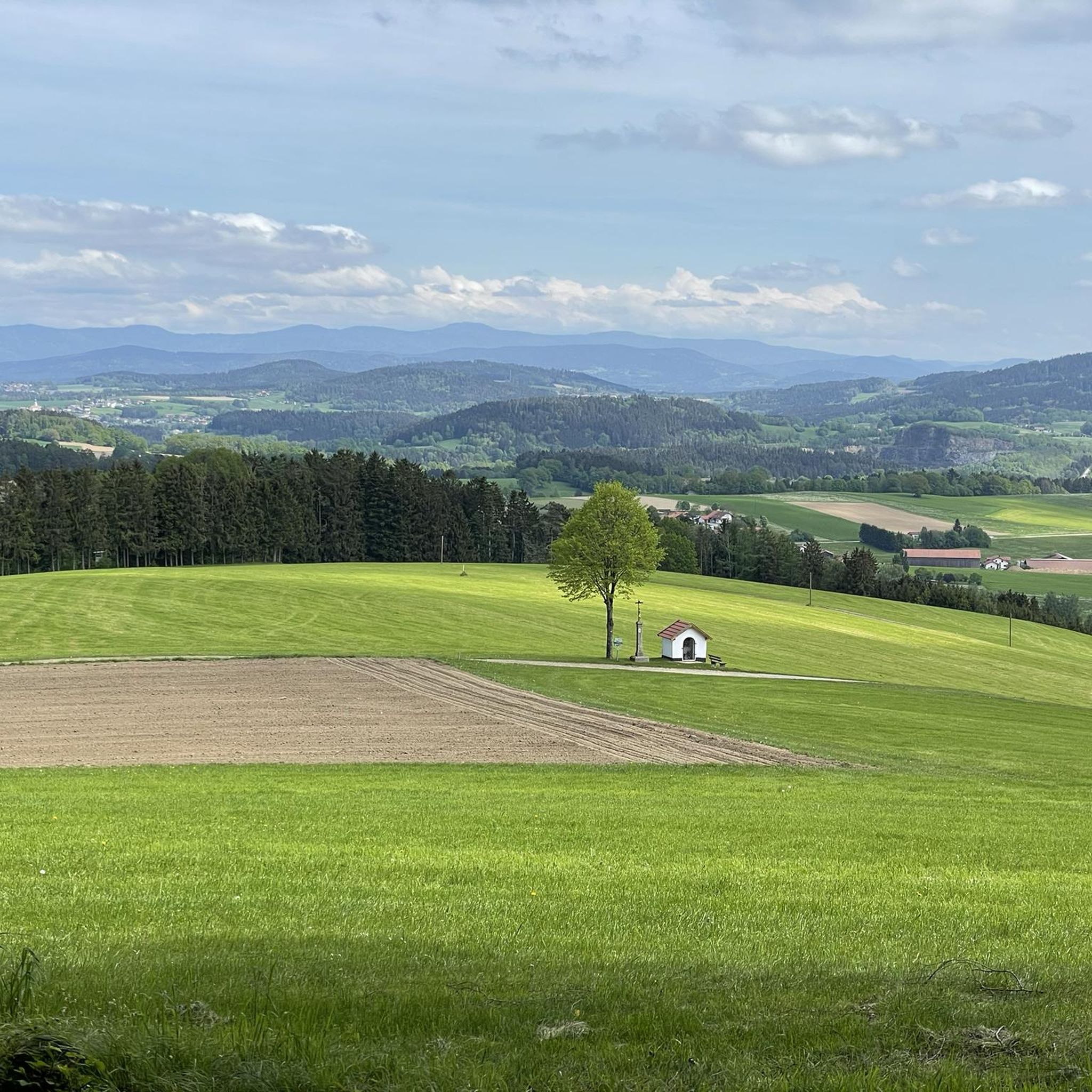
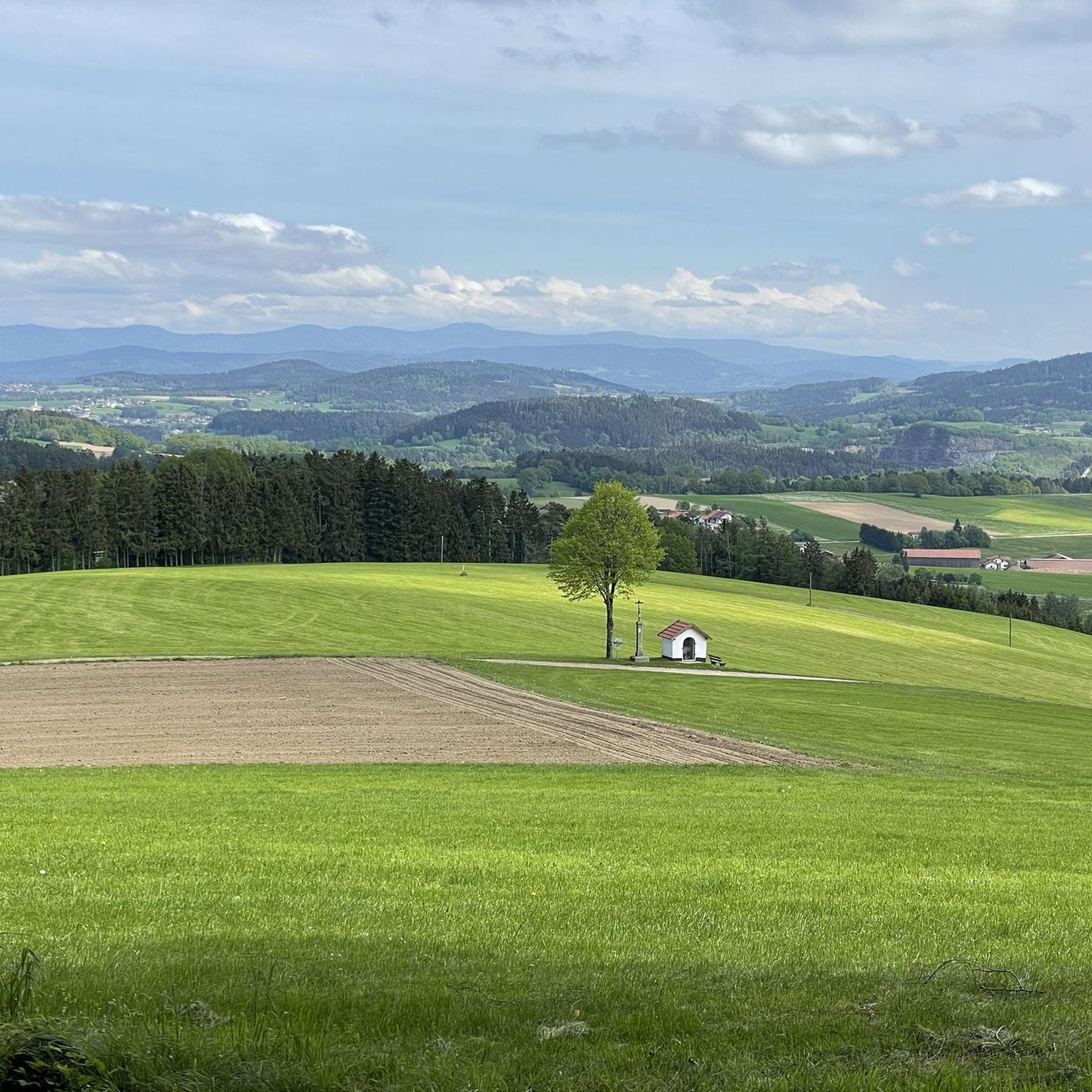
Absolutely. The region's diverse topography means many routes offer excellent viewpoints. For instance, the View from Gallner Berg – Gallner Kircherl loop from Birnbrunn provides panoramic vistas from Gallner Berg, and routes in the higher elevations of the Bavarian Forest often feature scenic overlooks.
Are there any challenging touring cycling routes for experienced riders?
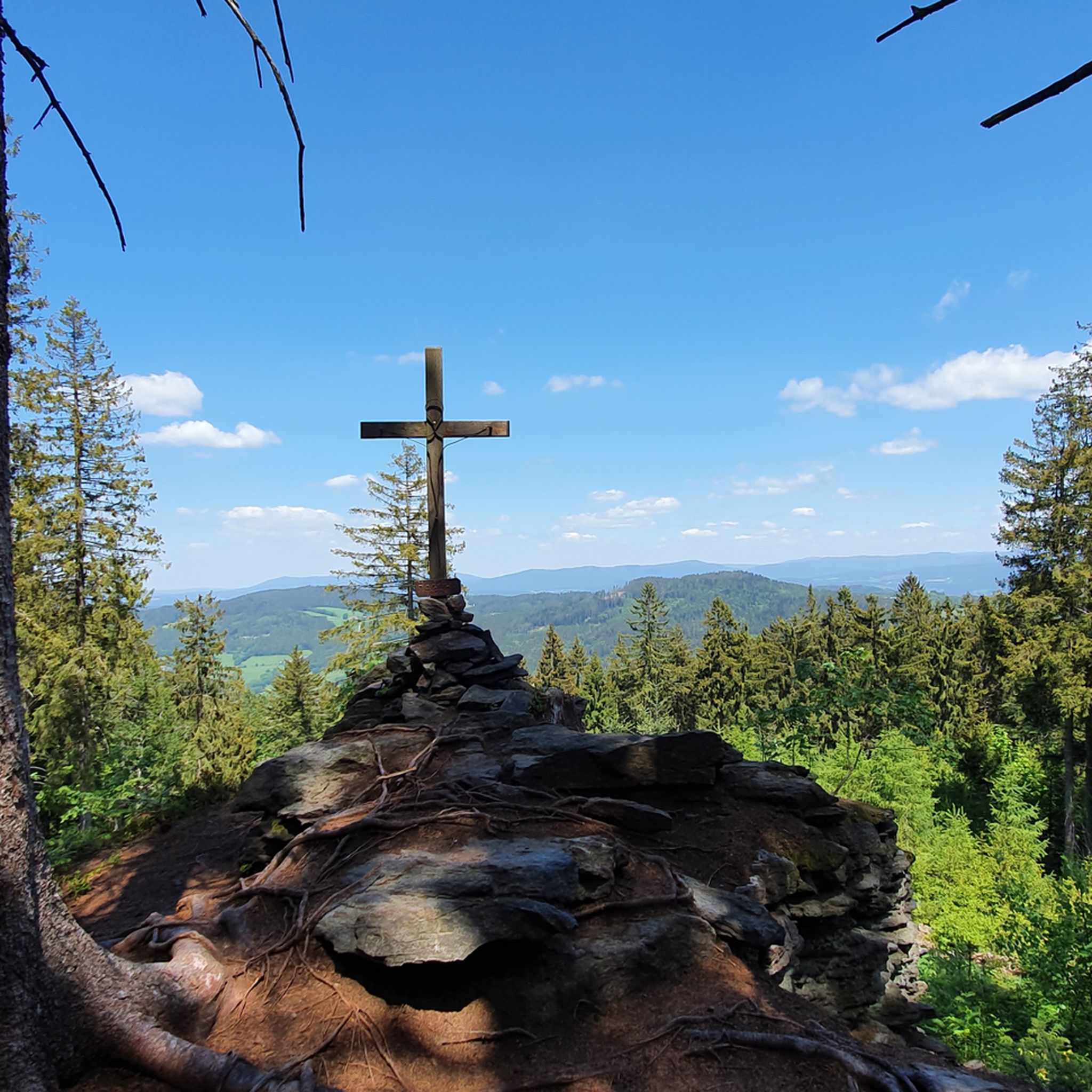
Yes, for experienced touring cyclists seeking a challenge, there are 88 difficult routes in the Wald Himmelberg area. An example is the Hansl Hut – Pröller summit cross loop from Birnbrunn, which features significant elevation changes and covers a longer distance.
Are there cafes or restaurants along the touring cycling routes in Wald Himmelberg?
While specific cafes are not listed for every route, the region has small villages and hamlets where you can find places to eat and drink. The Lamberg Inn – Altrandsberg Castle loop from Birnbrunn, for example, passes by the traditional Lamberg Inn, offering a potential stop for refreshments.
What kind of natural features will I encounter on a touring bike ride here?
You will encounter a rich variety of natural features, including dense coniferous and mixed forests, rolling meadow landscapes, and the granite and gneiss hills characteristic of the low-mountain Bavarian Forest. Scenic river valleys, such as those of the Regen and Ilz rivers, also form part of the landscape.
Most popular routes around Wald Himmelberg

Get inspired with the komoot mobile app


Explore more
Browse the best Cycling routes in other regions.
