The best walks and hikes around Wald Himmelberg
4.5
(1921)
7,562
hikers
384
hikes
Hiking around Wald Himmelberg offers access to the diverse low-mountain range landscape of the Bavarian Forest. This region is characterized by extensive woodlands, a mix of spruce, fir, and beech trees, and granite and gneiss hills. The area provides a network of trails suitable for exploring its natural features.
Best hiking trails around Wald Himmelberg
- The most popular hiking route is Räuber-Urban Cave – Himmelberg Summit loop from Birnbrunn, a 3.2 miles (5.1 km) trail that takes 1 hour…
Last updated: May 14, 2026
4.8
(8)
18
hikers
5.08km
01:28
130m
130m
Easy hike. Great for any fitness level. Easily-accessible paths. Suitable for all skill levels.
4.8
(6)
15
hikers
5.94km
01:43
150m
150m
Easy hike. Great for any fitness level. Easily-accessible paths. Suitable for all skill levels.

Sign up for free
6
hikers
14.9km
04:13
320m
320m
Moderate hike. Good fitness required. Easily-accessible paths. Suitable for all skill levels.
5
hikers
3.06km
00:53
80m
80m
Easy hike. Great for any fitness level. Easily-accessible paths. Suitable for all skill levels.
4.0
(2)
4
hikers
2.56km
00:44
70m
60m
Easy hike. Great for any fitness level. Easily-accessible paths. Suitable for all skill levels.
Get access to more routes and recommendations from other explorers.
Sign up for free
Already have an account?
Our route recommendations are based on thousands of hikes, rides, and runs completed by other people on komoot.
Start today with a free account
Your next adventure awaits.
Login or Signup
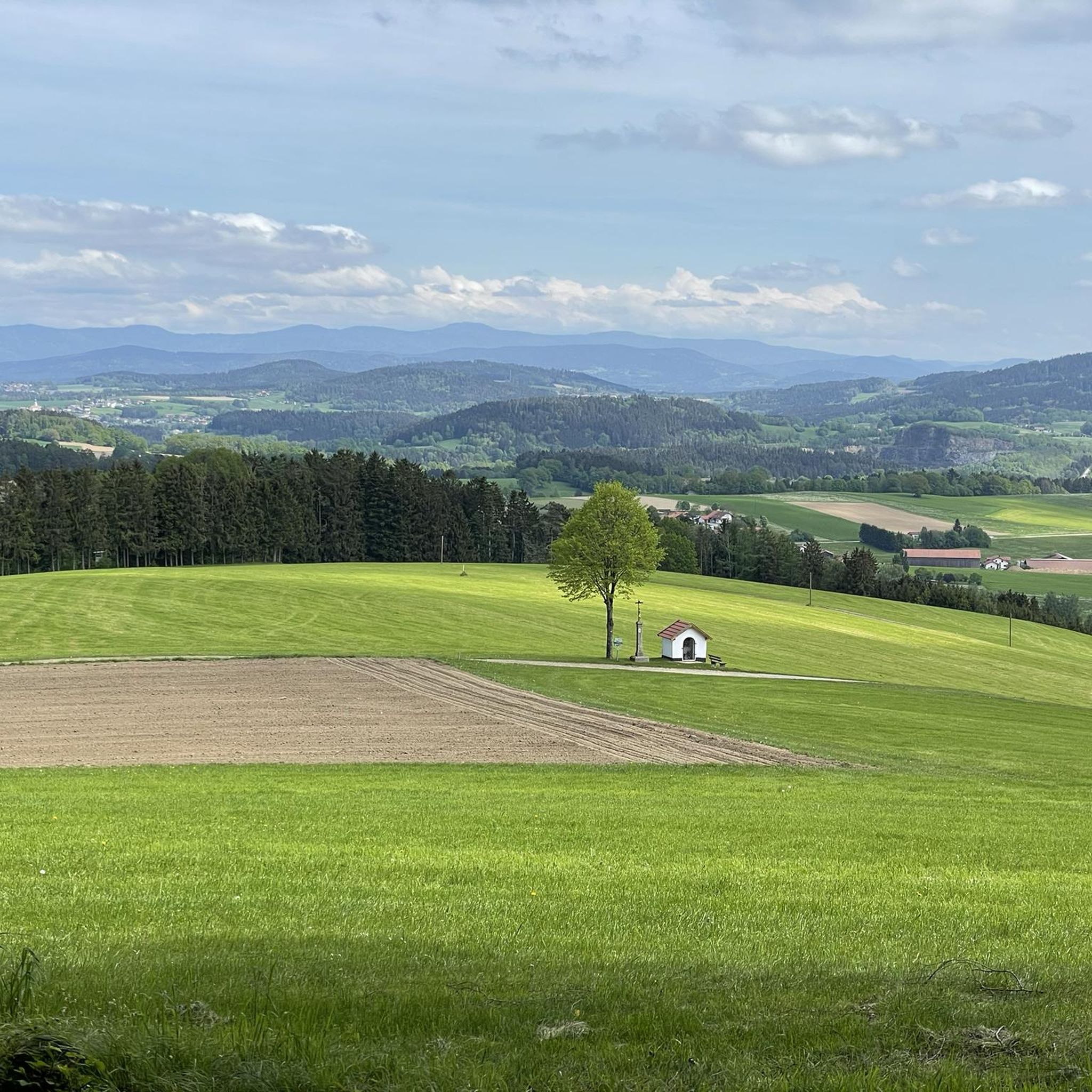
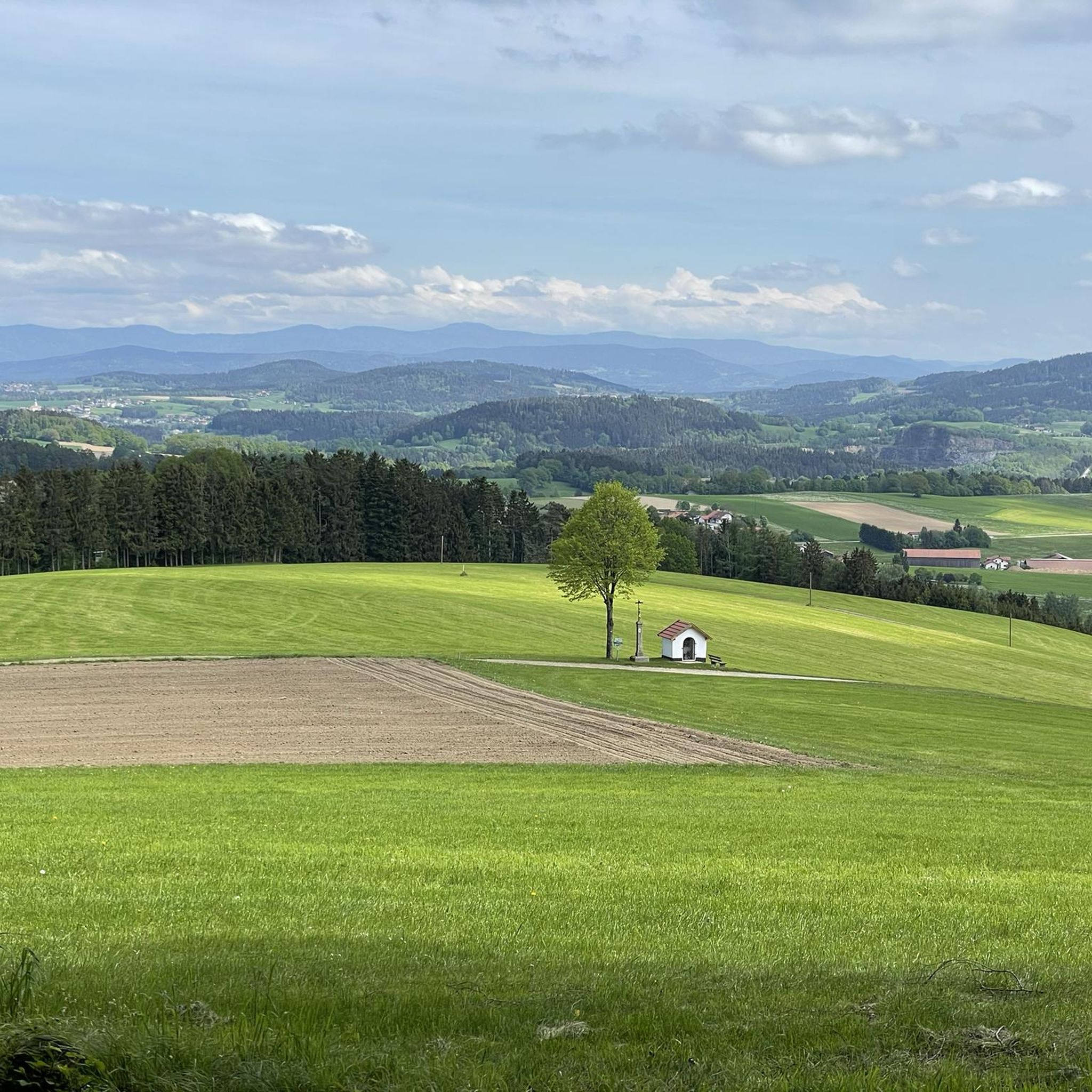
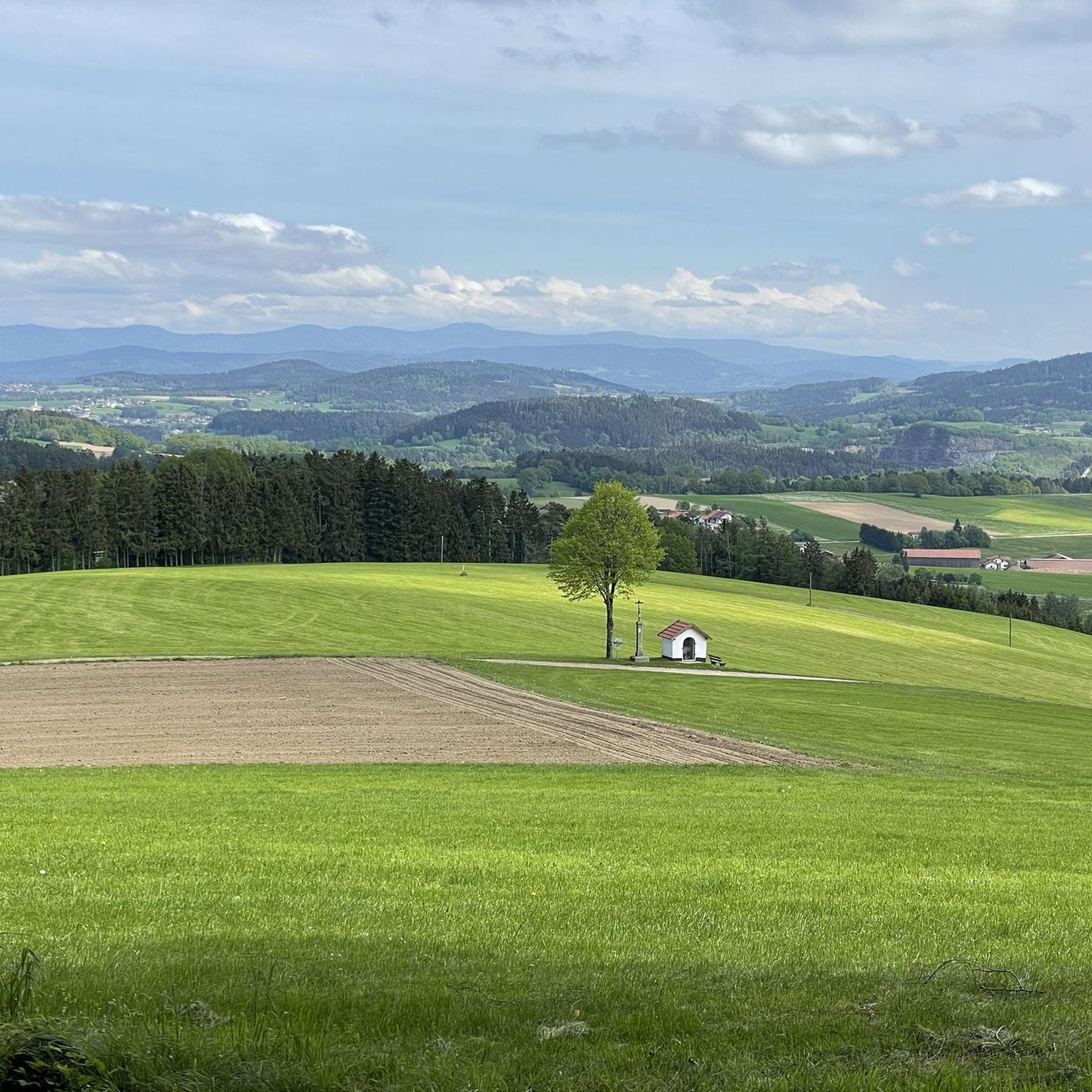
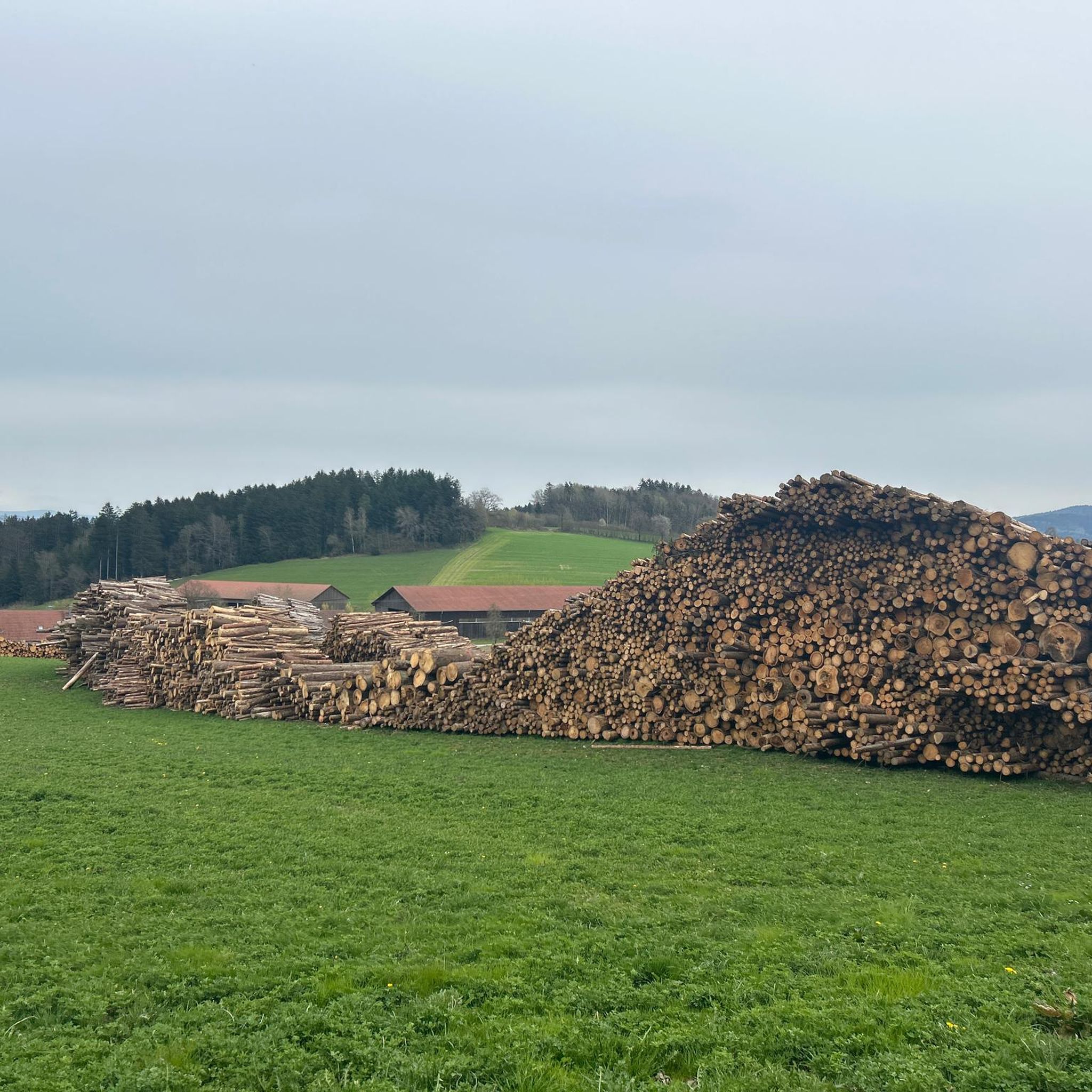
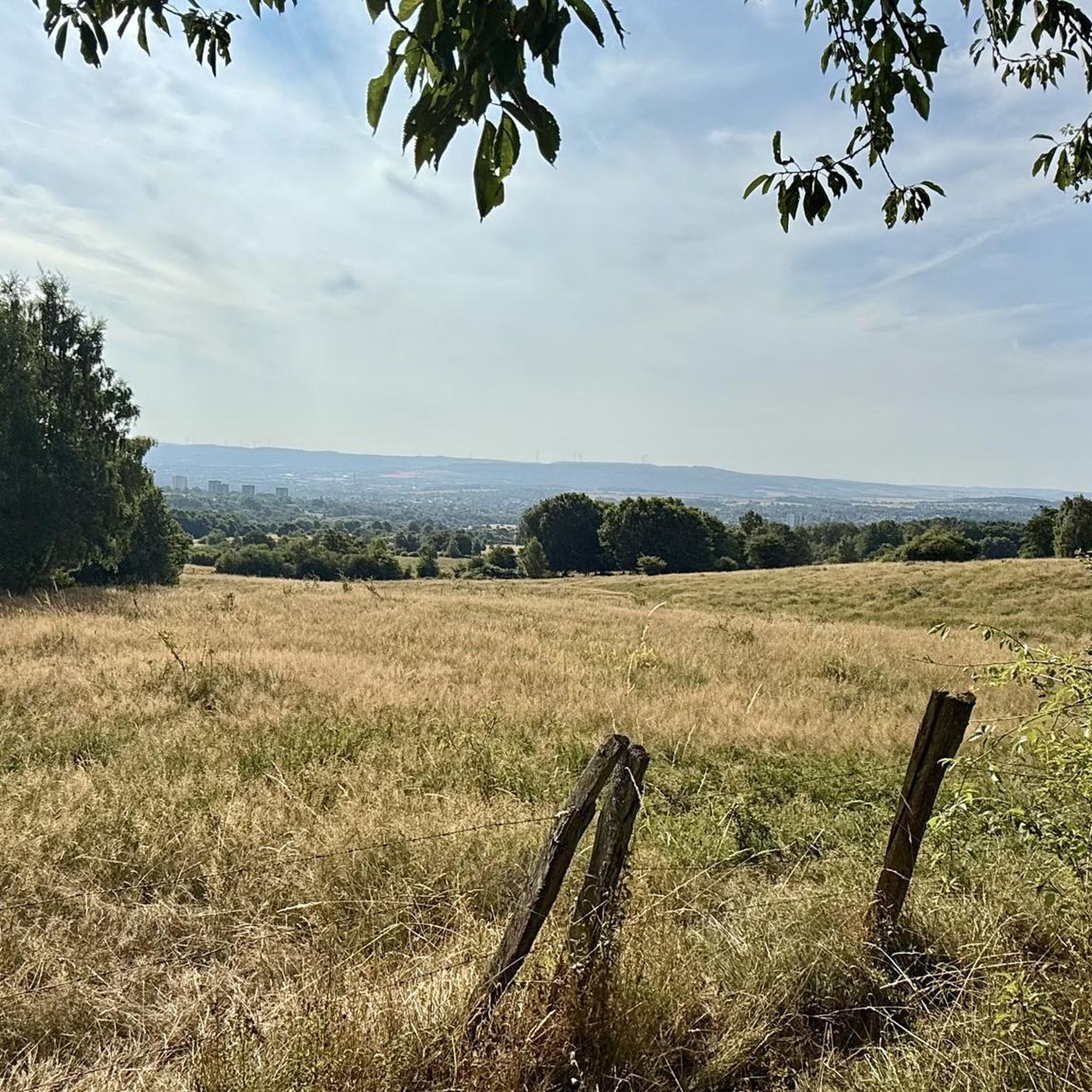
Tips from the Community

Sattelpeilnstein Castle The Peilstein family, beginning with Konrad Trost, can be traced from 1135/46 as ministeriales to the Margraves of Cham. At times also belonging to the imperial ministeriality, the family, which also had its own servants, can be traced back to 1339 with Eiban von Peilstein. The castle, so favorably situated, apparently passed to the Wittelsbachs before the Peilsteins died out, as it is listed as "castrum Peilstain" in the 2nd Urbar of the Straubing Vicarage from shortly after 1311. The castle then became the seat of the newly established Peilstein-Kötzting Vicarage. The castle fell into increasing disrepair and was given as a fief to the Falkenstein Vicarage in 1503 with the task of restoring it. However, little seems to have been done in this regard in the subsequent period. The castle was finally abandoned, and the still existing palace was built below it between 1571 and 1580, with the castle serving as a quarry. Sattelpeilnstein Castle passed to the Bavarian Duke, who then donated it to Oswald Schuß, President of the Court Chamber and Warden of Rottenburg, Satteilpeilstein, and Tragenschwand. Both estates remained with this family until 1767. The Schuß family brought great honor and wealth to the estate, despite the harsh times of the Thirty Years' War. After several changes of ownership, the property on Gantweg was auctioned in 1830; the Sattelpeilnstein church administration acquired the estate and sold many of its lots to the villagers. The remainder of the dilapidated castle estate was purchased by Georg Stangl von Loifling in 1832. He leased the brewery and had the stables and other buildings demolished. In 1842, Otto Schauer of Passau acquired the castle estate. Thanks to him, the property soon regained its former prestige. The castle and the former brewery are still privately owned today. Few remains of Sattelpeilnstein Castle and its associated castle ruins, which were demolished in 1571, remain. Today, the castle remains a two-story, flat-gable-roof building with a mezzanine level and four corner towers of unequal height, some with crenellations. The building dates primarily from 1571 to 1580. After a fire in 1862, the castle was rebuilt in a simplified form. The ensemble includes a granite hour column from the first half of the 19th century, which indicates distances in walking times. Excerpts from www.ebidat.de / www.wikipedia.de
2
0
Parish Church of St. Peter and Paul The hall church was built in 1728/29. It consists of a nave covered with a gable roof with a foot hip, flanked by chapels on both sides, a recessed, semicircular choir to the east, and a choir flanking tower with a square floor plan on its north wall, which was extended with an octagonal storey housing the clock tower and the bell cage and covered with an onion dome clad in shingles. The church's furnishings include a high altar from the late 18th century. The altarpiece depicts the handing over of the keys from Jesus to Peter, thus making him Christ's representative on earth. The altarpiece depicts the coronation of Mary by the Holy Trinity. The high altar is flanked by six figures, on the left side, from inside to outside: St. Francis Xavier, St. Peter, and St. Florian. On the right side, from inside to outside: St. John Nepomuk, St. Paul, and the plague saint St. Sebastian, depicted here as a soldier with the attribute of arrows piercing him. The pulpit, built around 1720, is decorated with statues of the Salvator Mundi and the Church Fathers. The organ was built in 2006 as Opus 264 by Thomas Jann Orgelbau. Source: Excerpts from www.wikipedia.de
2
0

Information about the cave on some pictures!
0
0
Information about this can be found in the pictures!
0
0

The rock supposedly looks like a crocodile 🐊
0
0

There is a daily special on weekdays
0
0
Frequently Asked Questions
How many hiking trails are available around Wald Himmelberg?
The Wald Himmelberg area, part of the wider Bavarian Forest, offers a comprehensive network of trails. You can find over 380 hiking routes, catering to various skill levels, from easy strolls to more challenging ascents.
What makes the landscape around Wald Himmelberg unique for hiking?
The region is characterized by its diverse low-mountain range landscape within the Bavarian Forest. Hikers will experience extensive woodlands with a mix of spruce, fir, and beech trees, granite and gneiss hills, and areas of natural primeval forest. This rich environment supports a high biodiversity.
Are there easy hiking trails suitable for beginners around Wald Himmelberg?
Yes, there are many easy options. Approximately half of the trails, around 190 routes, are classified as easy. An example is the Räuber-Urban Cave – Himmelberg Summit loop from Gossersdorf, which is a shorter, gentle ascent suitable for beginners.
Are there any circular hiking routes near Wald Himmelberg?
Many routes in the area are designed as loops, offering varied scenery without retracing your steps. For instance, the Himmelberg Summit – Räuber-Urban Cave loop from Birnbrunn is an easy 3.7-mile (5.9 km) path that provides views of the surrounding forest and includes a visit to the Räuber-Urban Cave.
Can I find trails with good viewpoints around Wald Himmelberg?
While Himmelberg itself offers local views, the broader Bavarian Forest region features higher peaks like Großer Arber, Rachel, and Lusen, which provide magnificent panoramic views across the forest and sometimes even to the Alps. A shorter, easy option for local views is the View of Kaitersberg – View of Hinterberg loop from Birnbrunn.
Are there family-friendly hiking options in Wald Himmelberg?
The region offers several trails suitable for families, particularly the numerous easy and moderate routes. These often feature gentle ascents and interesting natural features. Many of the shorter loop trails are ideal for outings with children.
Are dogs allowed on the hiking trails around Wald Himmelberg?
Generally, dogs are welcome on most hiking trails in the Bavarian Forest, including those around Wald Himmelberg. However, it's always advisable to keep them on a leash, especially in nature protection areas or near wildlife, and to respect local regulations.
Are there any notable natural attractions or landmarks to see while hiking?
Beyond the summit of Himmelberg, the area is rich in natural features. The Räuber-Urban Cave – Himmelberg Summit loop from Birnbrunn takes you past the Räuber-Urban Cave. The wider Bavarian Forest also boasts spectacular natural attractions like the Riesloch Waterfalls and unique granite formations on peaks like Lusen.
What kind of wildlife might I encounter in the Bavarian Forest?
The Bavarian Forest is a protected area known for its rich biodiversity. Lucky hikers might spot rare species such as lynx, otters, and wolves, which thrive in the extensive woodlands and natural habitats of the region.
Are there opportunities for winter hiking in the Wald Himmelberg area?
Yes, the Bavarian Forest National Park, which encompasses the Wald Himmelberg area, provides a network of rolled or cleared winter hiking trails. Snowshoeing is also a popular activity, offering a different way to experience the serene winter landscape.
What do other hikers say about the trails around Wald Himmelberg?
The trails around Wald Himmelberg are highly regarded by the komoot community, with an average rating of 4.5 stars from over 1,800 reviews. Hikers often praise the quiet woodlands, well-marked paths, and the diverse low-mountain range scenery.
How long do hikes around Wald Himmelberg typically take?
Hike durations vary significantly depending on the route's length and difficulty. Shorter, easy loops like the Räuber-Urban Cave – Himmelberg Summit loop from Birnbrunn can be completed in under 1.5 hours. Longer, moderate trails, such as the Sattelpeilnstein Castle loop from Birnbrunn, might take around 4 hours.
Most popular routes around Wald Himmelberg

Get inspired with the komoot mobile app


Explore more
Browse the best Hikes in other regions.
