The best road cycling routes around Glencar Lough
4.2
(36)
899
riders
4
rides
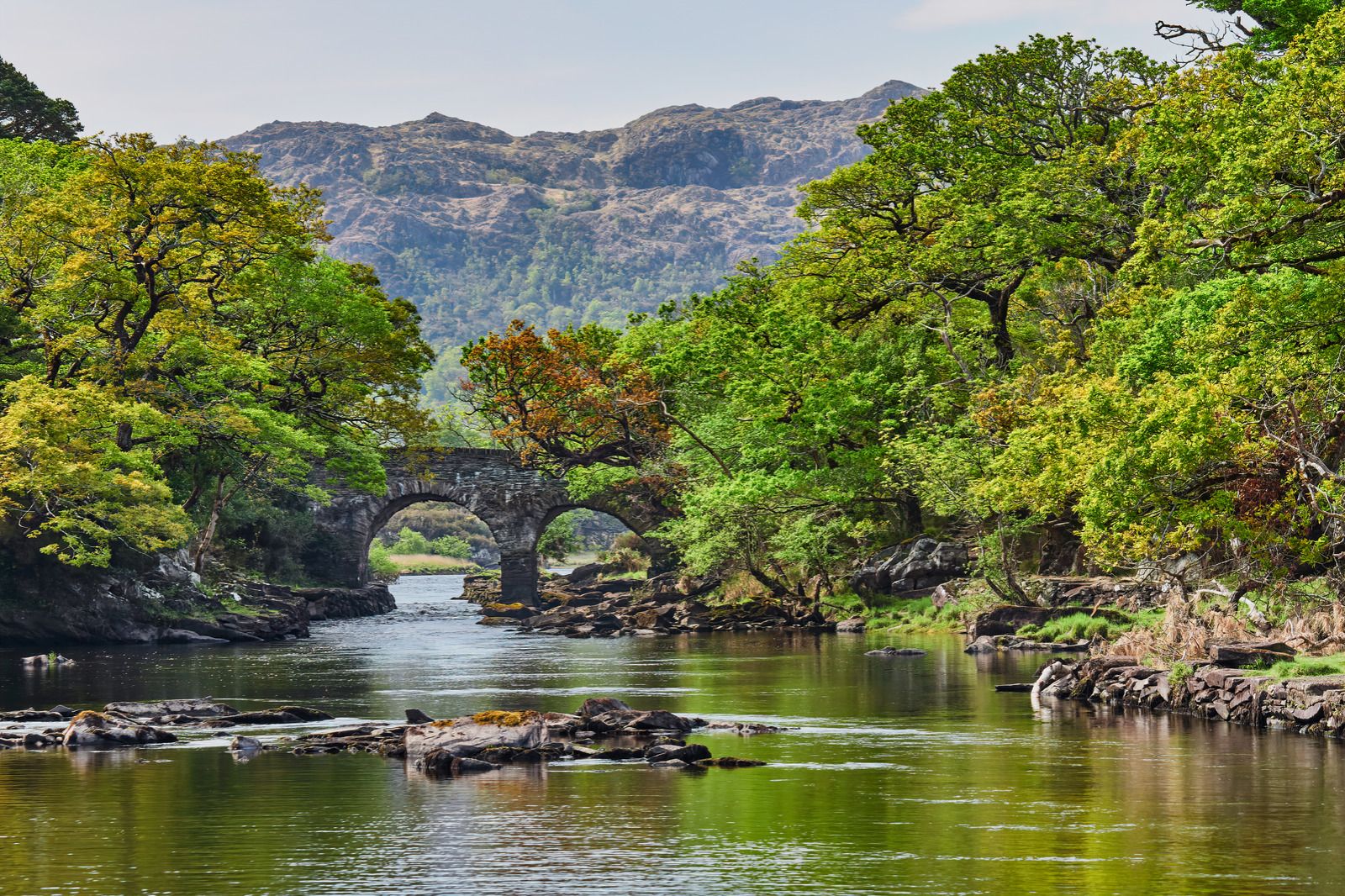
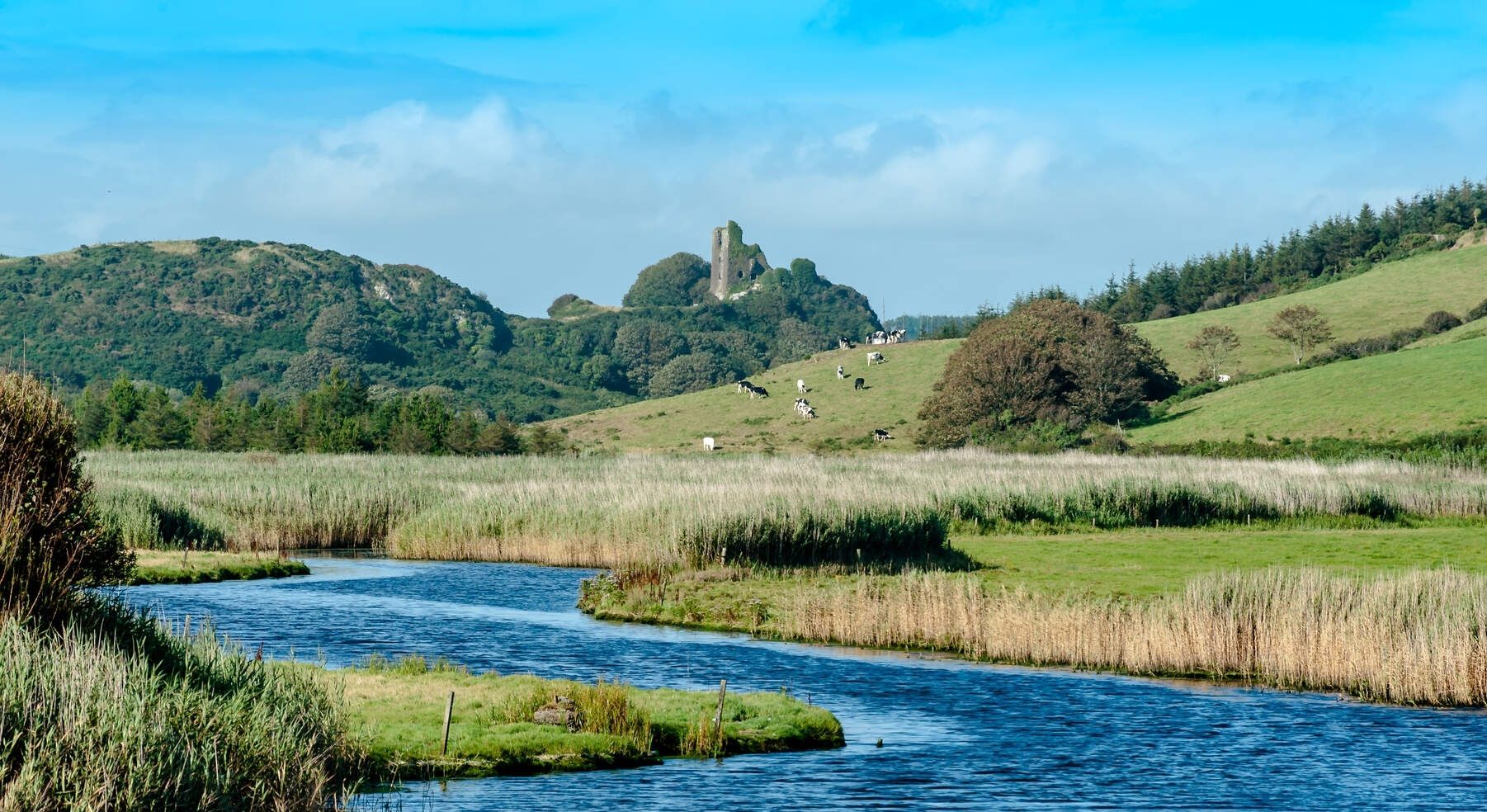
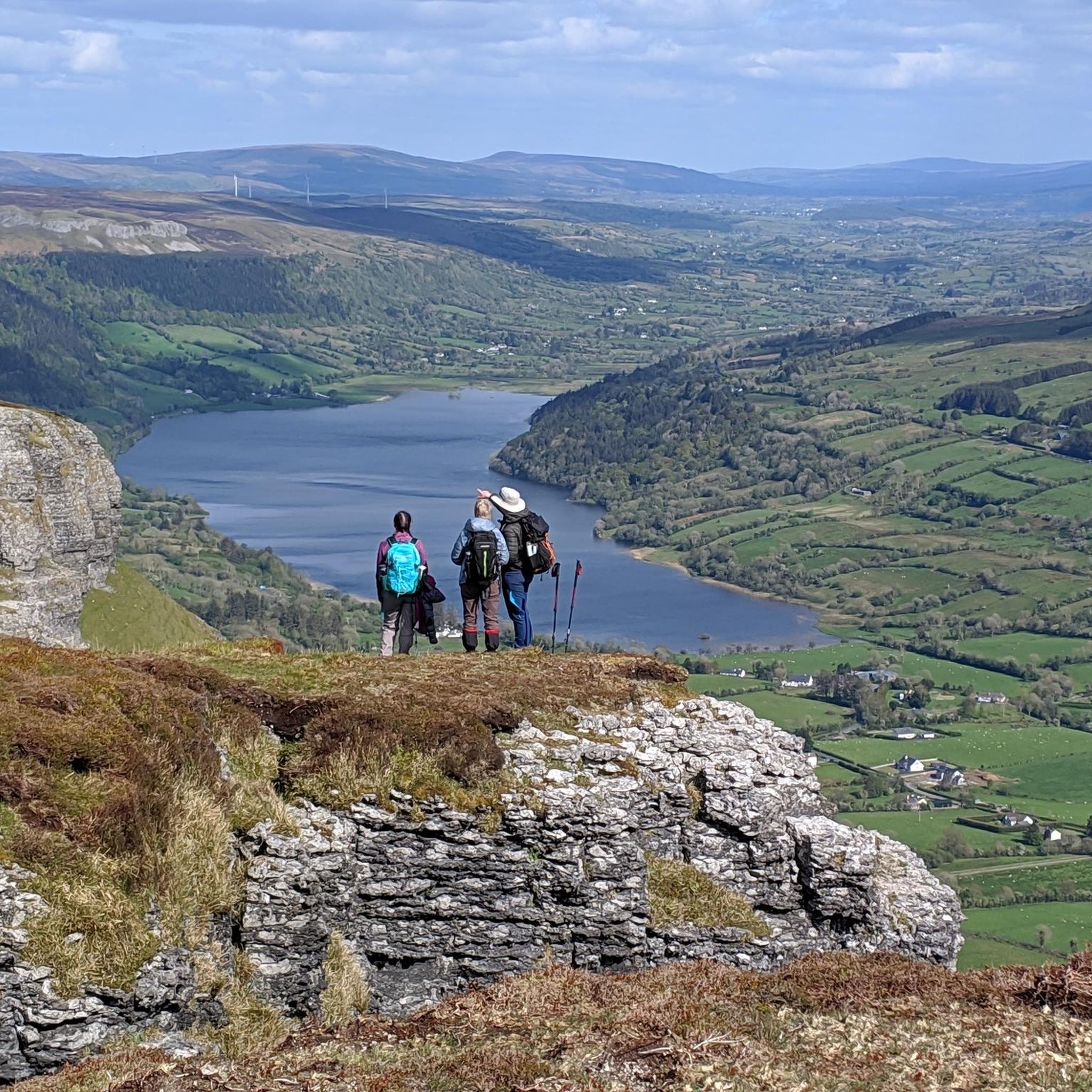
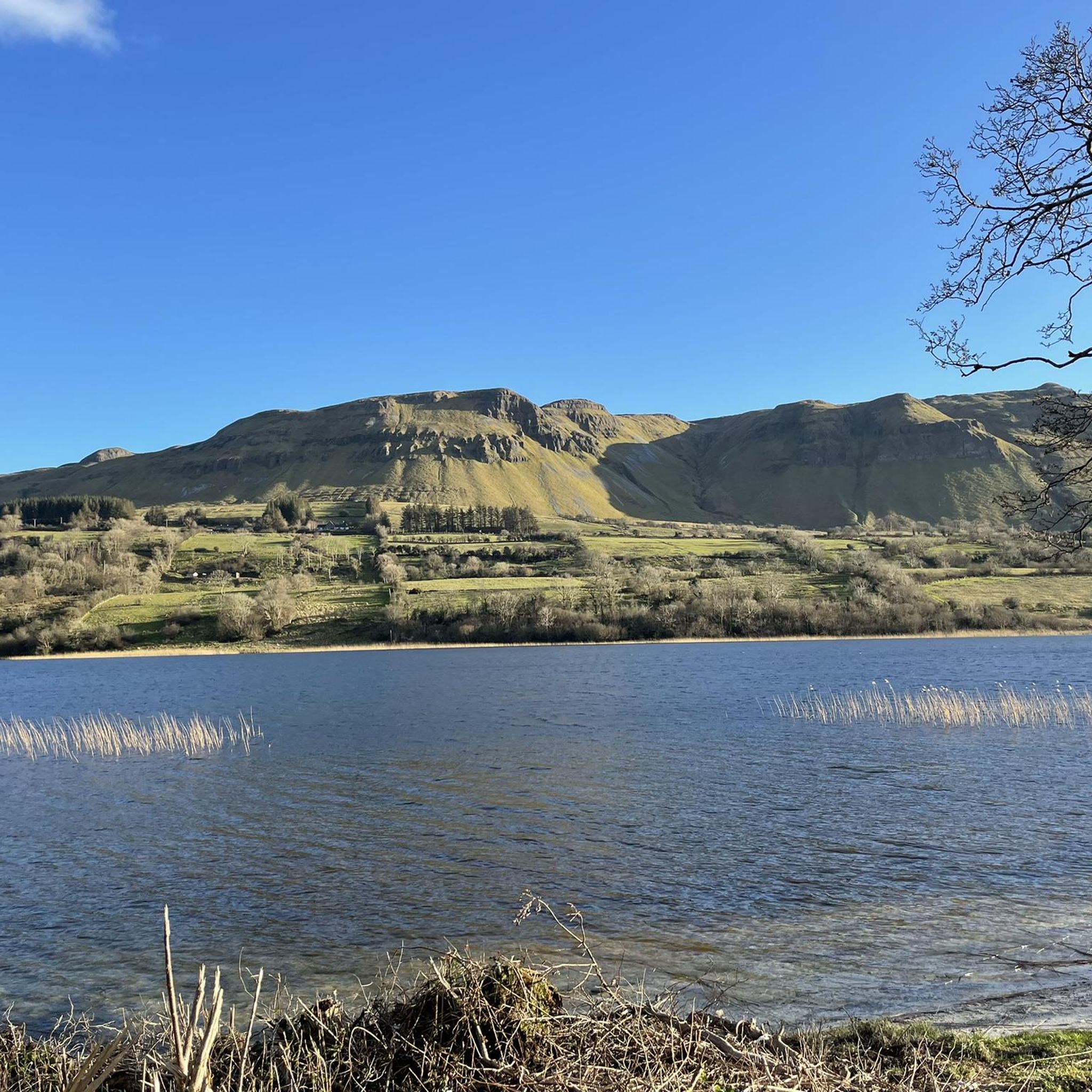
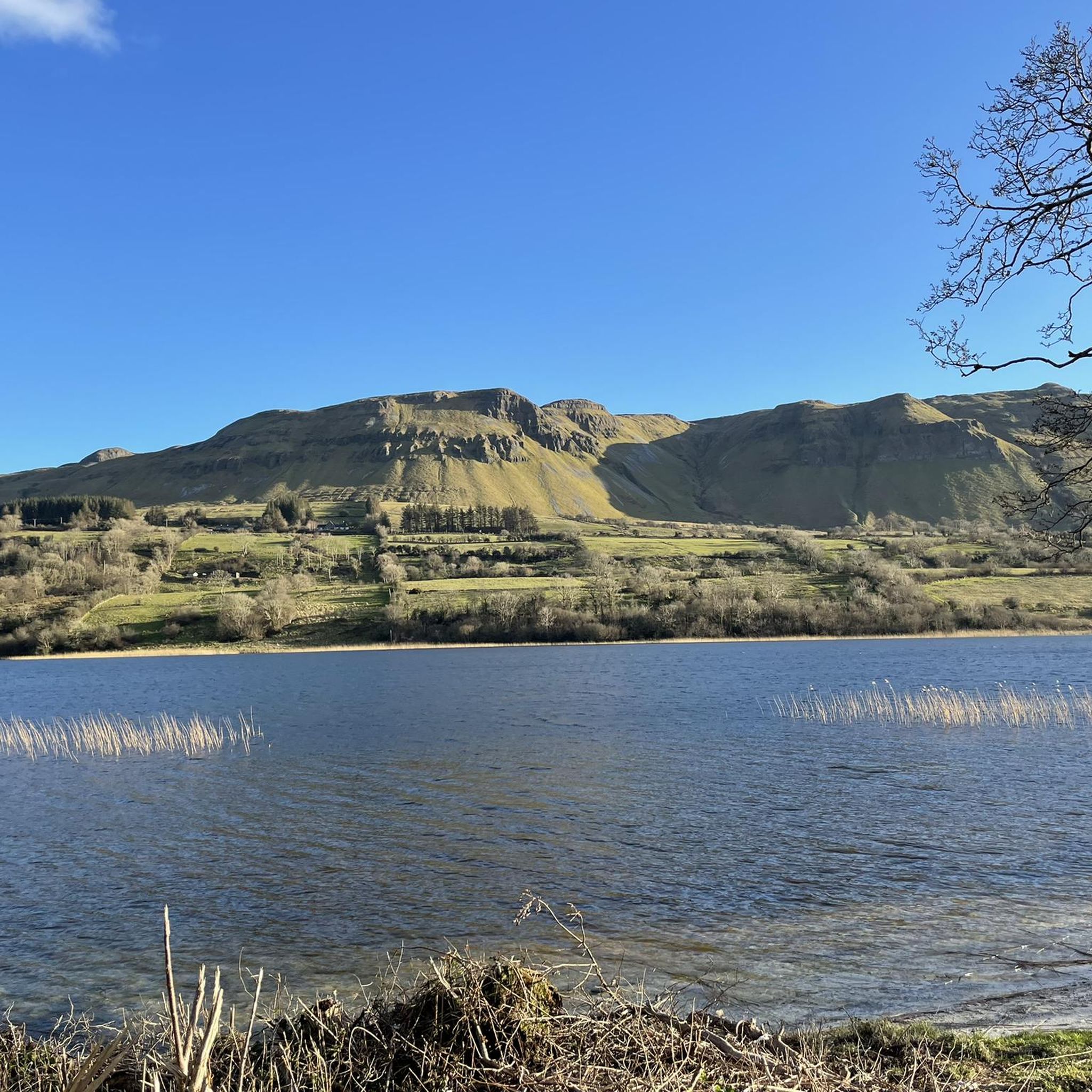
Road cycling around Glencar Lough features a landscape shaped by glacial activity, with a prominent lough nestled between the Dartry Mountains to the north and Cope's Mountain to the south. The region is characterized by majestic peaks, lush countryside, and tranquil roads. Cyclists can expect views of the glacial lake, limestone outcrops, and diverse habitats including woodland and grassland. The terrain includes rolling hills and well-paved surfaces.
Best road cycling routes around Glencar Lough
- The most popular road cycling route is Lough Gill Cycle Loop, a 24.8 miles (40.0 km) trail that takes 1 hour 47 minutes to complete. This route provides varied landscapes as it winds around Lough Gill.
- Another top favourite among local road cyclists is Gleniff Horseshoe Loop – Gleniff Horseshoe Viewpoint loop from Sligo, a moderate 32.8 miles (52.8 km) path. This route leads through distinctive geological formations and offers scenic viewpoints.
- Local road cyclists also love the Tober Columbkille loop from Sligo, a 14.9 miles (24.0 km) trail leading through rural countryside, often completed in about 1 hour 4 minutes.
- Road cycling around Glencar Lough is defined by glacial valleys, mountain backdrops, and tranquil lakeside roads. The network offers options for different ability levels, from easy rides to more challenging routes with significant elevation gain.
- The routes in Glencar Lough are highly rated by the komoot community with an average score of 4.2 stars from over 39 reviews. More than 900 road cyclists have used komoot to explore Glencar Lough's varied terrain.
Last updated: May 15, 2026
9
riders
71.3km
03:18
510m
510m
Moderate road ride. Good fitness required. Mostly well-paved surfaces and easy to ride.
4.0
(3)
67
riders
40.0km
01:48
360m
360m
Cycle the moderate Lough Gill Cycle Loop, a 24.8 miles (40.0 km) route offering scenic views of Lough Gill and historical landmarks.

Sign up for free
4.0
(1)
3
riders
96.8km
04:31
920m
920m
Cycle the challenging 60.2-mile Gleniff Horseshoe, Lough Melvin, and Manorhamilton loop from Sligo, featuring dramatic scenery.
13
riders
52.8km
02:35
480m
480m
Moderate road ride. Good fitness required. Mostly well-paved surfaces and easy to ride.
5.0
(2)
35
riders
108km
04:37
820m
820m
Moderate road ride. Good fitness required. Mostly well-paved surfaces and easy to ride.
Our route recommendations are based on thousands of hikes, rides, and runs completed by other people on komoot.
Start today with a free account
Your next adventure awaits.
Login or Signup


Tips from the Community

Quiet picnic spot with views of Mullaghmore Bay, ideally located on the way back from the peninsula loop. A calm, sheltered photo opportunity just before you re-enter the village — perfect as a last break after the rugged coastal sections.
2
0
Open viewpoint northeast of the Mullaghmore Head Sculpture, with a wide panorama over the Atlantic Ocean and the rugged cliffs of Mullaghmore. A quiet, windy photo spot on the highest part of the north coast, ideal between the sculpture and the western cliff strip.
3
0
The romantic silhouette on the grassy cliff is that of Classiebawn Castle, inherited by the wife of Lord Mountbatten, who was murdered by the IRA in 1979 on his boat just off the coast.
2
0
Small bridge over the Ballintrillick River, just before the southwestern entrance of the Gleniff Horseshoe. A quiet, green viewpoint where the river flows beneath you and the first outlines of Benwiskin and the Dartry Mountains become visible. But I don't find it that special.
2
0
The Drumcliff Round Tower is the remnant of an early Christian monastery traditionally founded around 560 by Columcille (Columba). Only the stump of the tower remains standing, but together with the High Cross across the road, it forms a clear landmark of the old abbey site. The tower was part of a larger monastic complex that was a religious center for centuries along the old route between Sligo and Donegal. The weathered stones and the open space around the tower give a clear picture of the early medieval presence in Drumcliff.
3
0
Drumcliff is one of the most symbolic places in County Sligo: an early Christian site with a 12th-century High Cross, remains of a round tower, and the quiet church where W. B. Yeats is buried. The high cross displays weathered biblical reliefs, while the tower base recalls the ancient monastery that once stood here. Yeats’ grave lies simply beside the church, with his famous last line as an epitaph. The combination of history, literature, and the view towards Benbulben makes this one of the most layered stops in the north.
3
0
This Dominican priory, the city's oldest monument, built in the 13th century by Maurice Fitzgerald, has a choir and the remains of a stone rood screen with three arches from that period. Heavily damaged by fire, the abbey received additions in the 15th century, such as the cloister, the nave, the tower, and especially the most beautiful element of the building: the sarcophagus altar, carved with nine panels, unique in its kind in Ireland.
3
0
Benbulbin is a striking table mountain in the Dartry Mountains, formed by glaciers and composed of limestone and shale. Its silhouette is globally recognizable and forms the visual highlight of North Sligo.
3
0
Frequently Asked Questions
How many road cycling routes are available around Glencar Lough?
There are 5 road cycling routes available around Glencar Lough, offering a variety of experiences for different skill levels. These routes are highly rated by the komoot community, with an average score of 4.2 stars.
What kind of terrain can I expect on road cycling routes around Glencar Lough?
Road cycling routes around Glencar Lough feature a blend of rolling hills and well-paved surfaces. The landscape is shaped by glacial activity, offering views of the lough, limestone outcrops, and diverse habitats. While some routes are easy, others present moderate challenges with significant elevation gain, such as the Gleniff horseshoe, Lough Melvin and Manorhamilton loop from Sligo.
Are there any notable natural features or landmarks to see while road cycling around Glencar Lough?
Absolutely. The region is famous for its stunning natural features. You can cycle past the majestic Glencar Waterfall, a 50-foot cascade that inspired W.B. Yeats, or catch glimpses of the dramatic Devil's Chimney (Sruth in Aghaidh an Aird), Ireland's tallest waterfall, especially impressive after heavy rains. The routes also offer views of the Dartry Mountains and Cope's Mountain.
Are there road cycling routes suitable for beginners or families in Glencar Lough?
Yes, there are routes suitable for various fitness levels. For a more leisurely experience, the Tober Columbkille loop from Sligo is an easy option. The Glencar Waterfall area itself provides visitor facilities, including a picnic area and playground, making it a good spot for family outings.
What are some more challenging road cycling routes in the Glencar Lough area?
For those seeking a greater challenge, the Gleniff horseshoe, Lough Melvin and Manorhamilton loop from Sligo is a difficult route covering nearly 97 km with over 900 meters of elevation gain. This route takes you through distinctive geological formations and offers a rewarding experience for experienced cyclists.
Are there any circular road cycling routes around Glencar Lough?
Many of the routes in the Glencar Lough area are loops, allowing you to start and end at the same point. Examples include the popular Yeats Memorial Building – Glynn Island loop from Cranmore and the scenic Lough Gill loop.
Is parking available for road cyclists near Glencar Lough?
Yes, free parking is available at the Glencar Waterfall area, which serves as a convenient starting point for many routes. This area also offers public toilets and other visitor facilities.
Can I access road cycling routes around Glencar Lough using public transport?
While direct public transport to the immediate Glencar Lough area for cycling might be limited, routes often start from nearby towns like Sligo or Manorhamilton, which may have better public transport connections. From these towns, you can embark on routes such as the Drumcliff Round Tower – Gleniff Horseshoe loop from Sligo.
Are there places to stop for refreshments or food along the road cycling routes?
Yes, the Glencar Waterfall area has a small visitor center and teahouse where you can find refreshments. Additionally, routes that pass through or near towns like Manorhamilton or Sligo will offer more options for cafes, pubs, and restaurants.
What do other road cyclists say about their experience in Glencar Lough?
The road cycling routes around Glencar Lough are highly regarded by the komoot community, with an average score of 4.2 stars from over 40 reviews. Cyclists often praise the stunning countryside views, tranquil roads, and the opportunity to combine their ride with visits to natural and historical sites.
What is the best time of year for road cycling in Glencar Lough?
The Glencar Lough region offers beautiful scenery year-round. However, for the most comfortable cycling conditions, late spring to early autumn (May to September) generally provides milder weather and longer daylight hours. Glencar Waterfall is particularly impressive after heavy rains, which can occur at any time of year.
How long does it typically take to complete a road cycling route around Glencar Lough?
The duration varies depending on the route and your pace. For example, the Yeats Memorial Building – Glynn Island loop from Cranmore, which is 44.1 km, typically takes around 1 hour 53 minutes. Longer routes, like the 96.8 km Gleniff horseshoe, Lough Melvin and Manorhamilton loop from Sligo, can take over 4 hours.
Most popular routes around Glencar Lough

Get inspired with the komoot mobile app


Explore more
Browse the best Road cycling routes in other regions.
