The best walks and hikes around Schlabendorfer Lake
4.5
(253)
963
hikers
129
hikes
Hiking around Schlabendorfer Lake offers trails through a unique post-mining landscape in southern Brandenburg, Germany. This area, once an open-cast lignite mine, has undergone renaturation, resulting in diverse terrain including newly formed forests, sand dunes, dry grasslands, and sandy heathland. The lake itself, covering approximately 4.37 square kilometers, is central to the landscape, providing scenic views for hikers. Paths are generally accessible, ranging from asphalt to natural, sandy ground.
Best hiking trails around Schlabendorfer Lake
- The most popular hiking route…
Last updated: July 10, 2026
3.7
(6)
12
hikers
10.5km
02:40
20m
20m
Moderate hike. Good fitness required. Easily-accessible paths. Suitable for all skill levels.
4.4
(5)
16
hikers
6.12km
01:33
20m
20m
Easy hike. Great for any fitness level. Easily-accessible paths. Suitable for all skill levels.

Sign up for free
3
hikers
16.1km
04:04
20m
20m
Moderate hike. Good fitness required. Easily-accessible paths. Suitable for all skill levels.
4.7
(3)
10
hikers
Moderate hike. Good fitness required. Easily-accessible paths. Suitable for all skill levels.
5.0
(1)
9
hikers
Moderate hike. Good fitness required. Easily-accessible paths. Suitable for all skill levels.
Get access to more routes and recommendations from other explorers.
Sign up for free
Already have an account?
Our route recommendations are based on thousands of hikes, rides, and runs completed by other people on komoot.
Start today with a free account
Your next adventure awaits.
Login or Signup
Tips from the Community

The Protestant village church of Beesdau is a fieldstone church in Beesdau, a district of the municipality of Heideblick in the Dahme-Spreewald district in the state of Brandenburg. The parish belongs to the Lower Lusatia church district of the Evangelical Church of Berlin-Brandenburg-Silesian Upper Lusatia.
1
0

This was the centre of the village of Wanninchen until 1985, when it, like five other villages, fell victim to open-cast lignite mining.
0
0
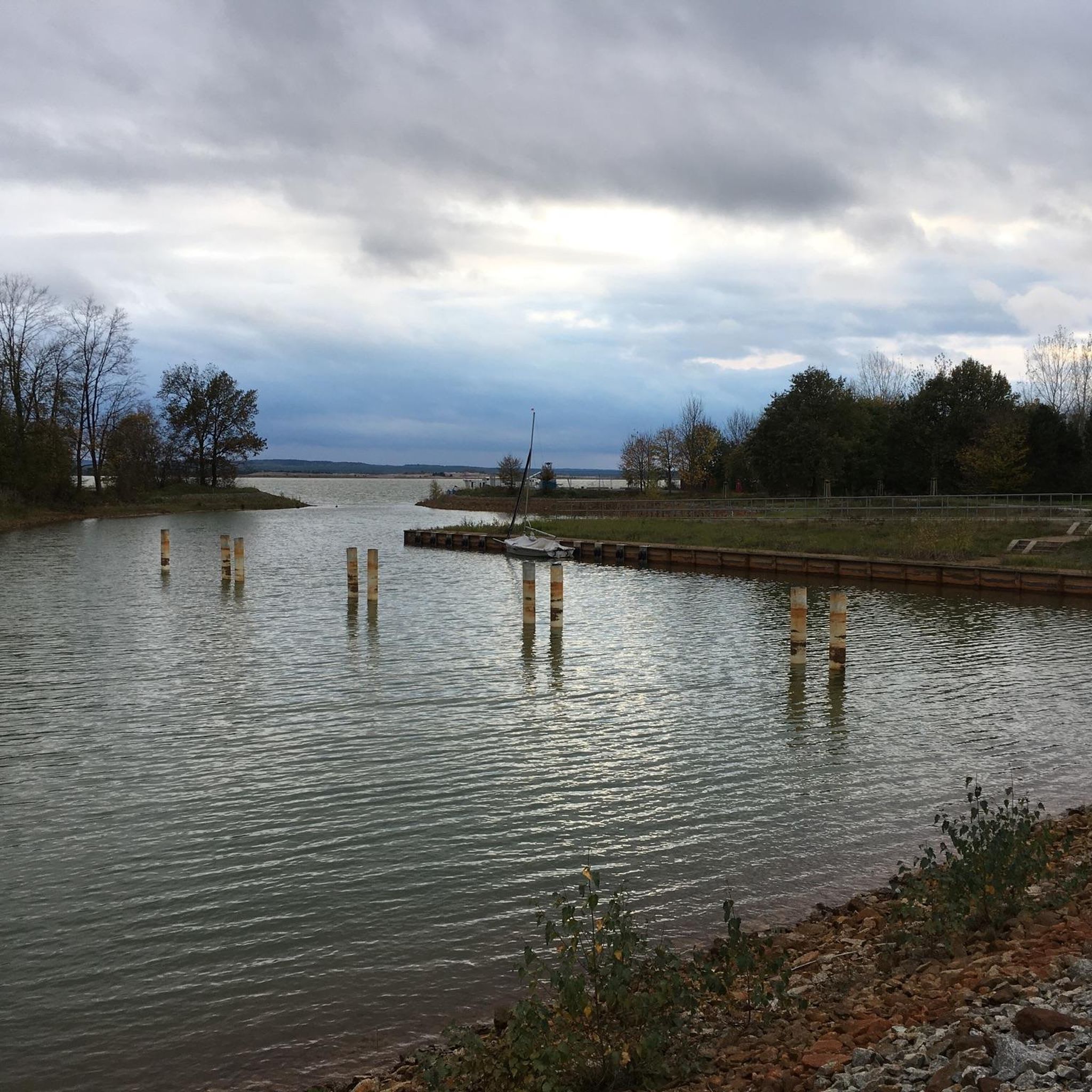
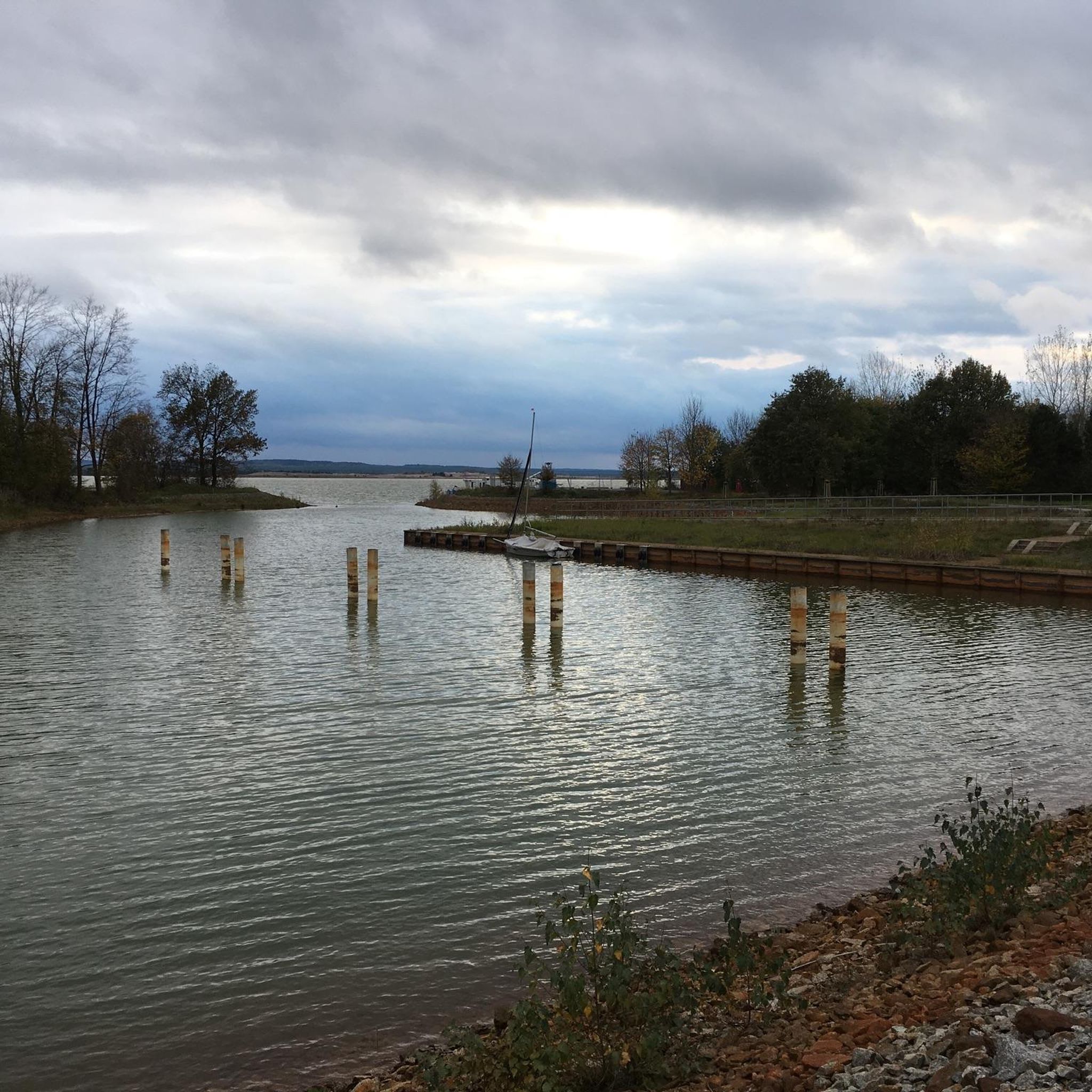
The marina is full of water, there are enough jetties and moorings. What is missing are the boats. Only two were here today.
0
0
Fieldstone building from the 14th century with rich sandstone fittings from the 16th and 17th centuries.
0
0
The Beesdau manor is located in the town of the same name in Brandenburg. Its origins can probably be traced back to the 14th century, perhaps even earlier. It is possible that the manor already existed at the beginning of the 13th century, as many towns and communities developed from these manors. Even then, the town was dominated by agriculture, and the manor did the rest. Between 1400 and 1798, the town belonged to the Polenz family, who lived in the manor house for a long time. In 1841, the manor, which consisted of the actual manor complex and the manor house mentioned, was bought by councilor Johann Gottlieb Koppe, who had a castle built there in the Gothic style. Since then, the manor has also been known as Beesdau Castle. The property survived the Second World War almost unscathed. After 1945, it was used as a cultural center for a long time, and is now privately owned.
0
0

The town of Wanninchen was demolished in 1985 to make way for open-cast lignite mining. The last remaining house now houses the Sielmann Foundation. It has purchased 3,300 hectares and is allowing nature to take its course.
1
0
These shovels were used to get rid of brown coal. In 1985, the village of Wannichen had to make way for mining. Today, the Schlenzdorfer Lake is being prepared.
2
0
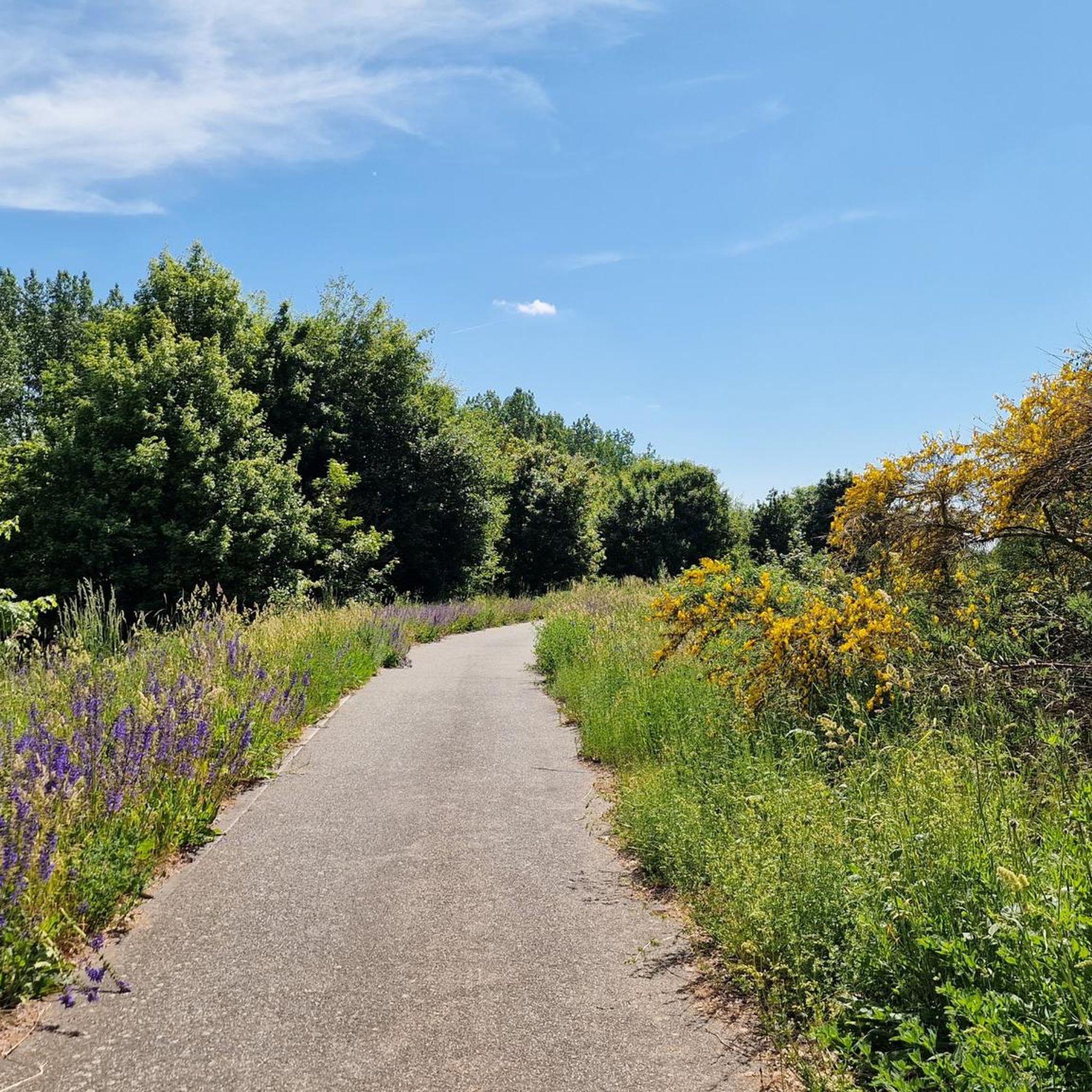
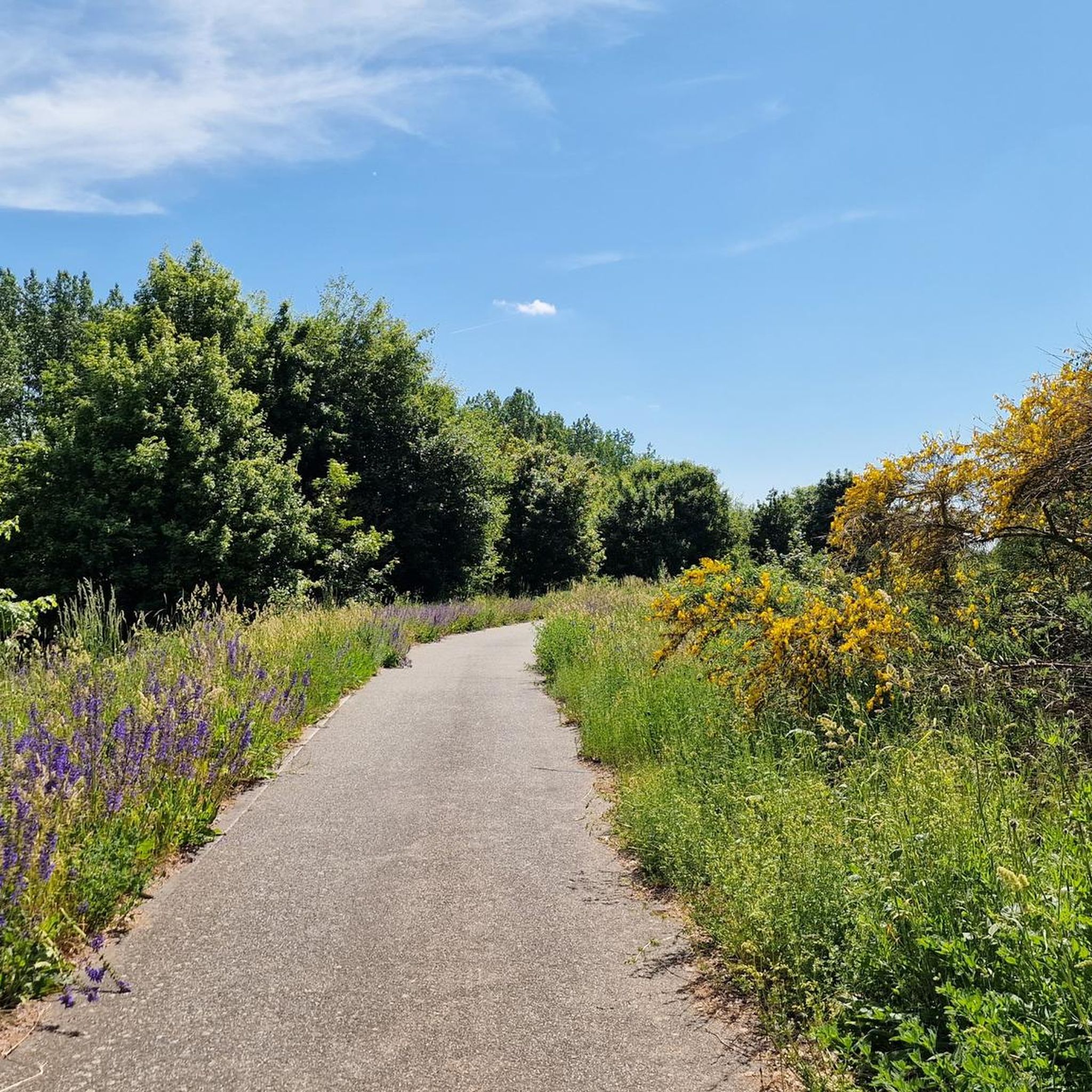
Numerous golden rose beetles could be seen on the flowering lilac.
0
0
Frequently Asked Questions
What kind of landscape can I expect when hiking around Schlabendorfer Lake?
The area around Schlabendorfer Lake features a unique post-mining landscape, a result of renaturation from a former lignite open-cast mine. You'll find diverse habitats including newly established forests, sand dunes, dry grasslands, and sandy heathlands. The lake itself, covering about 4.37 square kilometers, is a central feature, offering picturesque views.
How many hiking trails are available around Schlabendorfer Lake?
There are over 130 hiking routes available around Schlabendorfer Lake. These trails cater to various fitness levels, with a good mix of easy and moderate options, ensuring there's something for everyone.
Are there easy hiking trails suitable for beginners or casual walkers?
Yes, there are plenty of easy trails. Approximately half of the routes around Schlabendorfer Lake are classified as easy. An excellent option is the Schlabendorfer See – View of the Mining Lake loop from Wanninchen, an easy 6.1 km path offering scenic views of the lake and its transformed surroundings.
What are some interesting sights or landmarks to see along the hiking trails?
Hikers can discover several unique attractions. You can visit the Marina Schlabendorf am See, which reflects the area's transformation, or see the historical Bucket Wheel Excavator Buckets. For nature enthusiasts, the Bird observatory at Niederlausitzer Landrücken offers excellent birdwatching opportunities.
Is the area around Schlabendorfer Lake good for birdwatching?
Absolutely. Schlabendorfer Lake is a significant roosting place for various bird species, especially cranes and geese during migration periods. Sand martins breed on islands, and seagulls and sea eagles are common. The Bird observatory at Niederlausitzer Landrücken is a dedicated spot for birdwatching.
Are there any circular hiking routes around Schlabendorfer Lake?
Yes, many of the trails are circular, allowing you to start and end at the same point. For example, the Schlabendorfer See – Marina Schlabendorf am See loop from Schlabendorf am See is a moderate 8.7 km circular route that takes you past the marina.
What is the best time of year to go hiking in this region?
The region is beautiful year-round, but autumn is particularly popular for observing cranes and wild geese, especially near the Heinz Sielmann Foundation in Wanninchen. Spring and summer offer lush greenery and pleasant temperatures for exploring the diverse habitats.
What are the typical trail conditions like around Schlabendorfer Lake?
The paths are generally accessible and vary in surface. You'll encounter everything from asphalt sections to natural, sandy ground. The slopes are primarily composed of sandy, nutrient-poor substrate, supporting unique plant communities.
What do other hikers enjoy most about the trails around Schlabendorfer Lake?
The trails around Schlabendorfer Lake are highly rated by the komoot community, with an average score of 4.5 stars from over 230 reviews. Hikers often praise the unique post-mining landscape, the diverse natural features, and the peaceful atmosphere for outdoor activities.
Are there any longer, more challenging routes for experienced hikers?
While most routes are easy to moderate, there are longer options for those seeking more distance. The Beesdau Castle – Village Church Beesdau loop from Wanninchen is a moderate 16.1 km trail, offering a longer exploration of the area's history and nature.
Can I learn more about the history of the region while hiking?
Yes, the landscape itself tells a story of transformation from lignite mining. Routes like the View of the Mining Lake – Bucket Wheel Excavator Buckets loop from Görlsdorfer Wald directly showcase remnants of the industrial past, such as historical bucket wheel excavator shovels, providing insight into the area's unique heritage.
Most popular routes around Schlabendorfer Lake
Most popular attractions around Schlabendorfer Lake

Get inspired with the komoot mobile app


Explore more
Browse the best Hikes in other regions.
