The 11 Most Amazing Peaks around Estes Park
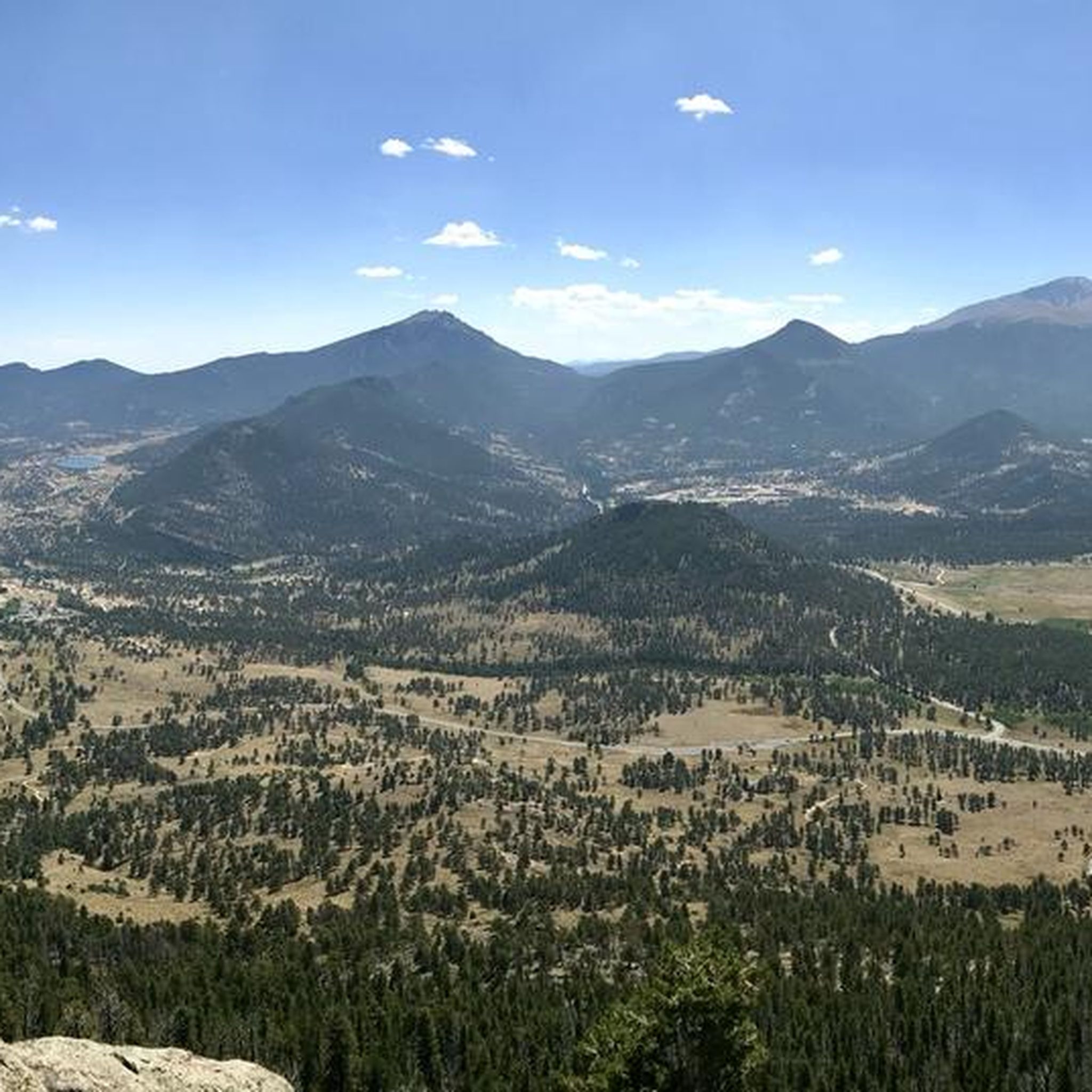
Best mountain peaks around Estes Park are found in a region known for its mountainous terrain and diverse natural landscapes. This area serves as a gateway to Rocky Mountain National Park, featuring numerous peaks that contribute to its scenic grandeur. The peaks offer a range of experiences, from challenging climbs to panoramic viewpoints.
Best mountain peaks around Estes Park
- The most popular mountain peaks is Deer Mountain Summit, a summit that offers magnificent 360° views of the area due…
Last updated: September 28, 2026
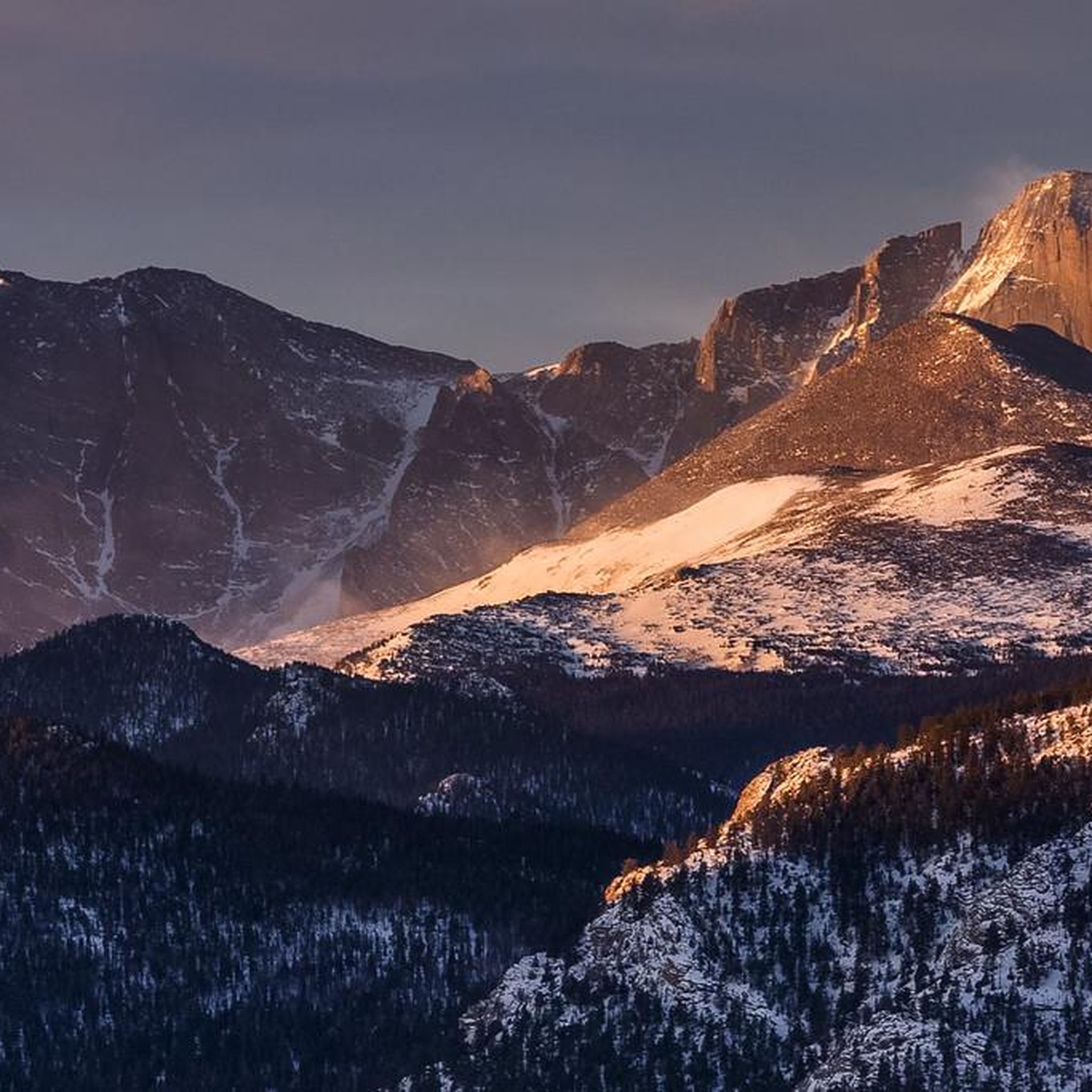
Longs Peak Trail
Highlight (Segment) • Trail
Tip by

Twin Sisters Peak
Highlight • Summit
Tip by

Sign up now to discover places like this
Get recommendations on the best single tracks, peaks, & plenty of other exciting outdoor places.
Deer Mountain Summit
Highlight • Summit
Tip by

Mount Chiquita Summit
Highlight • Summit
Tip by
Twin Owls
Highlight • Natural Monument
Tip by

Sign up for free to discover even more peaks around Estes Park.
Already have an account?
Start today with a free account
Your next adventure awaits.
Tips from the Community

A true 3000er in RMNP, ,beautiful trails easy to walk, granite summit plateau and the "Longs Peak" always in sight! a nice alternative to the lake hikes, with great views!
0
0

Pretty easy hike. I would recommend packing layers because it can be pretty warm at the base but gets colder as you get higher up. There was a lot of wild life which was really cool and not very busy. Highly recommend.
0
0
A summit with a 360° panoramic view!!! Many summits of the eastern Rocky Mountains National Park can be seen here, and Longs Peak, the "highest" in the park at 14,259 feet, is visible again and again. The path is never extremely steep, and is usually easy to walk. In the summit region, you do have to search a bit (cairns) and there is bouldering terrain. If you are not yet used to the altitude, you will notice it in your breathing rate... it is worth it: Warning: Access via off-road route, very few parking spaces, start early (at least around 8 a.m.)!
0
0

Longs Peak Trail is a great hike for anyone for the first 6 miles. There is beautiful, diverse terrain, and it can be exposed with sweeping views. Be aware that after about 6 miles, the trail becomes a scramble and more technical before reaching the summit of Longs Peak.
0
0

The Twin Owls are prominent rock formations visible along most of the Lumpy Ridge Trail. As you loop around from this point, you can get a great close-up view of them. There are also some rock climbing trails that scale up them at this point if you are prepared for climbing.
0
0

Straddling the border between Roosevelt National Forest and Rocky Mountain National Park, the Twin Sisters Peaks are a popular destination, accessible right from the Lily Lake Visitor Center. This spot is right between the two peaks. Most summit Twin Sisters Peak East from here, but be aware that it requires some rock scrambling to get to the top of. Regardless of whether you decide do summit the Twin Sisters East or choose to remain at the small summit saddle, you will get amazing views of Longs Peak, Mount Meeker, the town of Estes Park, and the Continental Divide.
1
1

The way up to the peak is steep but not very hard to walk. Beautiful view with a little windshed on the top
0
0

Located in the Mummy Range, this gradual grade and easy terrain Chiquita Mountain is manageable for novice adventurers and families with children alike.
0
0
Frequently Asked Questions
Which mountain peaks offer the most rewarding views around Estes Park?
For magnificent 360° views, consider Deer Mountain Summit, known for its isolated position. From Twin Sisters Peak, you can enjoy amazing vistas of Longs Peak, Mount Meeker, the town of Estes Park, and the Continental Divide. Hallett Peak, known to the Arapaho as Thunder Peak, offers a beautiful reflection in Bear Lake, making it a scenic viewpoint.
Are there challenging mountain peaks for advanced hikers in the Estes Park area?
Yes, for advanced hikers, Longs Peak is a significant challenge. As the tallest mountain in the Estes Park area and the only '14er' in Rocky Mountain National Park, its summit involves technical scrambling over large boulders via routes like 'The Keyhole.' The Longs Peak Trail becomes more technical beyond 6 miles, leading to the summit.
What are some family-friendly mountain trails or viewpoints near Estes Park?
While many peaks offer challenging terrain, the area around Estes Park has options for families. The Bear Lake Corridor within Rocky Mountain National Park is popular for its numerous lakes and trails, many of which are suitable for families. Scenic drives like Trail Ridge Road also provide panoramic views without strenuous hiking.
What natural features can I expect to see on the mountain peaks around Estes Park?
The mountain peaks around Estes Park showcase diverse natural features. You'll find distinctive rock formations like Twin Owls along the Lumpy Ridge Trail. Other peaks are named for their unique shapes, such as Flattop, Knobtop, and Notchtop Mountains, or for wildlife like Ptarmigan Point. Snowdrift Peak is often covered in snow due to its location on the Continental Divide, and Ypsilon Mountain features a distinctive Y-shaped snowfield.
What outdoor activities can I do near these mountain peaks?
Beyond peak bagging, the Estes Park area offers a wide range of outdoor activities. You can find numerous running trails, such as the 'Lake Estes loop' or the more challenging 'Gem Lake – Lumpy Ridge Trailhead loop.' For hiking, explore routes like the 'Oldman Mountain Loop' or 'Lake Estes Trail.' Cycling enthusiasts can enjoy routes like the 'Lake Estes and Fish Creek Loop.' For more details, check out the Running Trails around Estes Park, Hiking around Estes Park, and Cycling around Estes Park guides.
Do I need permits or reservations to access mountain peaks in Rocky Mountain National Park?
Yes, Rocky Mountain National Park often requires reservations during many seasons due to its immense popularity. It's crucial to check the current requirements before your visit, especially during peak season, as time-slot reservations are frequently needed for park access.
What is the best time of year to hike the mountain peaks around Estes Park?
The best time to hike depends on your desired experience. Summer and early fall generally offer the most favorable weather conditions for accessing higher elevations. However, many roads and trails are closed during the winter months due to snow or are only accessible with appropriate equipment. Always check weather conditions and trail status before heading out.
Are there any historical or cultural insights related to the mountain peaks in Estes Park?
Many peaks in the Estes Park area hold historical significance. For instance, Mount Meeker was historically called 'Two Guides' along with Longs Peak by the Arapaho Tribe. Chief's Head Peak, visible from the Wild Basin area, is named for its outline resembling the headdress and face of an American Indian chief. These names reflect the deep connection indigenous peoples had with the landscape.
What are some unique characteristics of the mountain peaks in the region?
The peaks around Estes Park are known for their distinctive characteristics. Longs Peak is famous for 'The Diamond,' a renowned big-wall climbing face. Ypsilon Mountain features a unique Y-shaped snowfield on its face. The Twin Owls are prominent rock formations that also offer rock climbing opportunities for those prepared. These features contribute to the area's diverse and striking mountain landscape.
Can I bring my dog on trails near the mountain peaks in Estes Park?
Regulations regarding dogs vary. While some trails in the Roosevelt National Forest might be dog-friendly, Rocky Mountain National Park generally has strict rules about pets on trails to protect wildlife and natural resources. Dogs are typically allowed in developed areas like campgrounds and on paved roads, but not on hiking trails. Always check specific trail regulations before bringing your dog.
What makes the Longs Peak Trail a notable experience?
The Longs Peak Trail is notable for its diverse terrain and sweeping views during the first 6 miles. It offers a remarkable path that leads to Lake Chasm, with landscapes changing rapidly. Beyond this initial section, it transforms into a challenging, technical scramble to reach the summit of Longs Peak, making it a significant accomplishment for experienced hikers.
Most popular routes around Estes Park
Most popular attractions around Estes Park

Get inspired with the komoot mobile app


Explore more
See even more amazing summits around Estes Park with these guides:
