The best walks and hikes around Demerath
4.5
(16311)
56,731
hikers
16
hikes
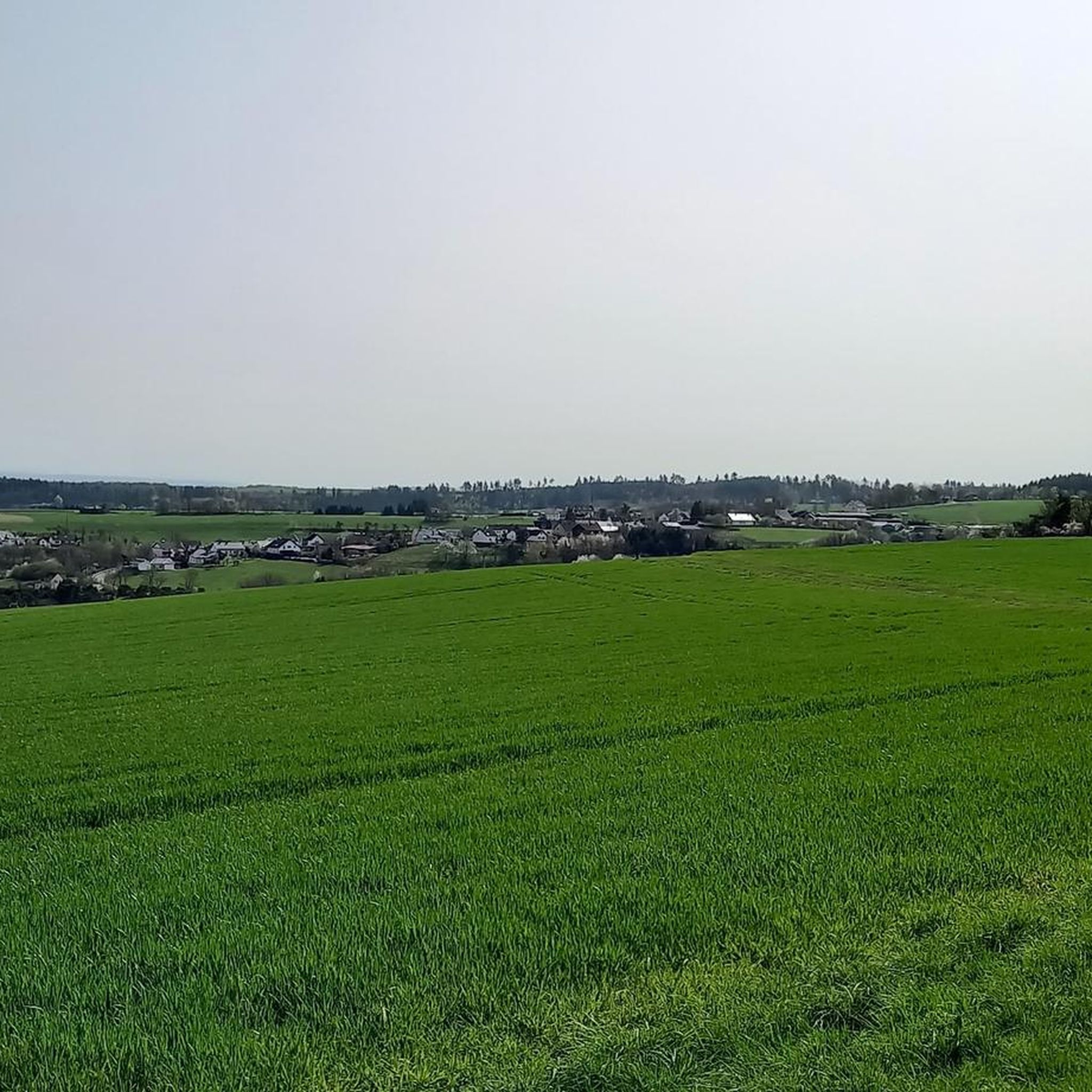
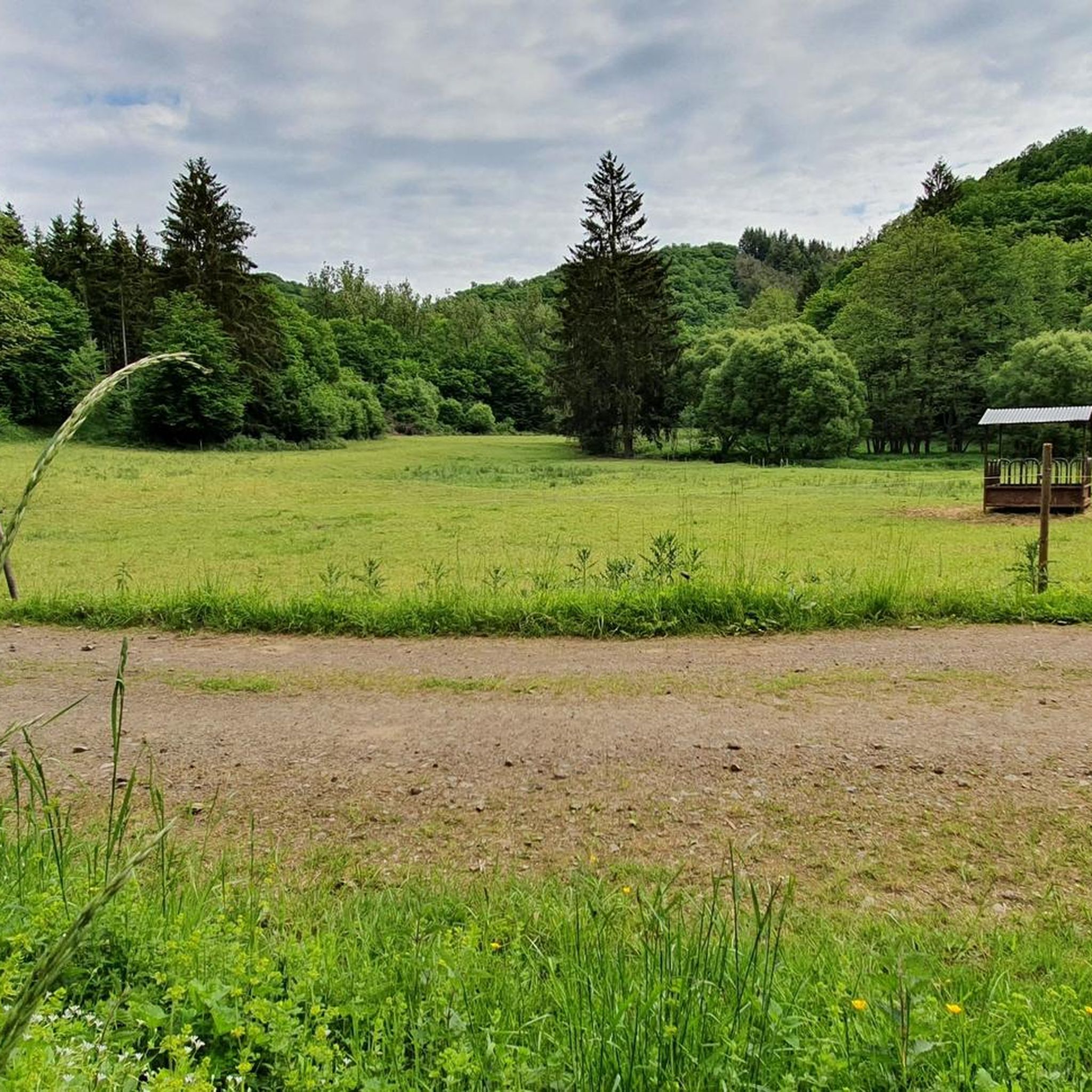
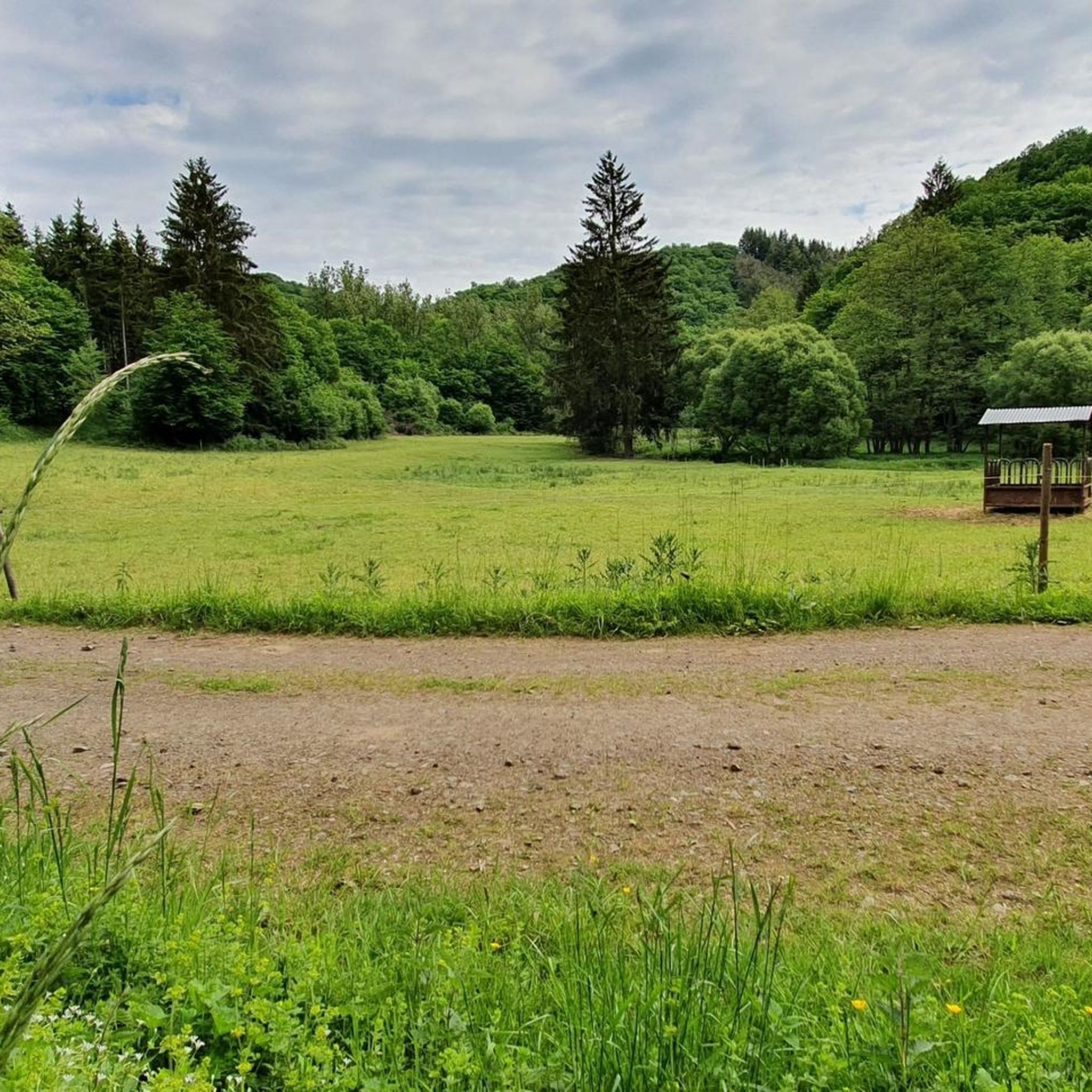
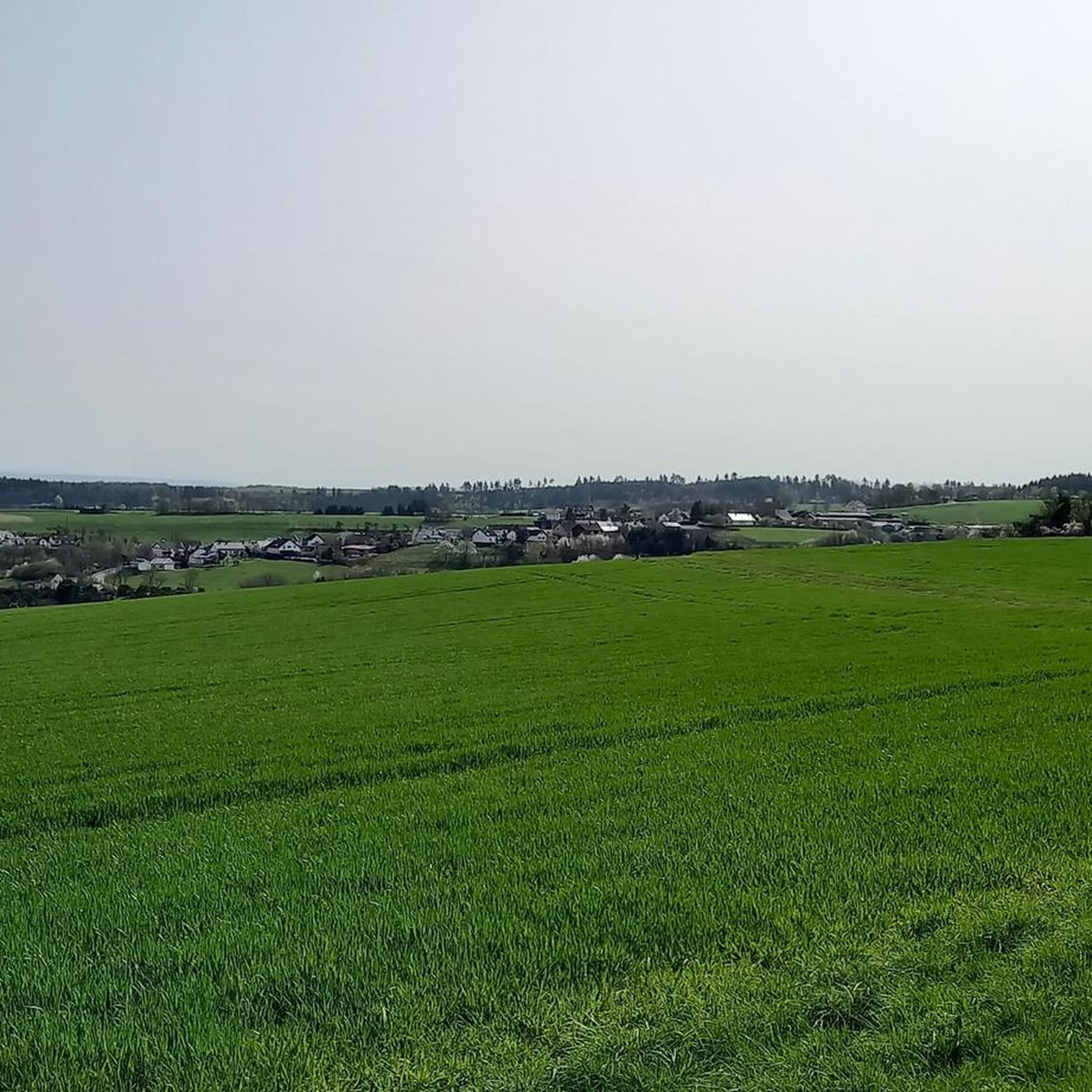
Hiking around Demerath offers exploration of a distinctive volcanic landscape within Germany's Vulkaneifel district. The region is characterized by ancient volcanic activity, which has shaped its terrain, including notable maars (crater lakes) and varied elevations. Hikers can traverse serene river valleys and expansive Eifel forests, providing diverse natural environments. This area presents a tranquil setting for outdoor activities, with routes showcasing its unique geological features.
Best hiking trails around Demerath
- The most popular hiking route is HeimatSpur Keltenrundweg – GesundLand…
Last updated: June 28, 2026
4.7
(7)
20
hikers
7.59km
02:11
190m
190m
Moderate hike. Good fitness required. Easily-accessible paths. Suitable for all skill levels.
4.8
(5)
12
hikers
10.0km
02:50
220m
220m
Moderate hike. Good fitness required. Easily-accessible paths. Suitable for all skill levels.

Sign up for free
5.0
(3)
9
hikers
7.37km
02:04
150m
150m
Moderate hike. Good fitness required. Easily-accessible paths. Suitable for all skill levels.
5.0
(13)
6
hikers
8km
02:14
160m
160m
Moderate hike. Good fitness required. Easily-accessible paths. Suitable for all skill levels.
5.0
(3)
5
hikers
11.7km
03:18
240m
240m
Moderate hike. Good fitness required. Easily-accessible paths. Suitable for all skill levels.
Get access to more routes and recommendations from other explorers.
Sign up for free
Already have an account?
Our route recommendations are based on thousands of hikes, rides, and runs completed by other people on komoot.
Start today with a free account
Your next adventure awaits.
Login or Signup
Tips from the Community

The circular wall on the Steineberger Ley is a prehistoric fortification on a basalt peak near Steineberg. The wall was made of basalt stones and possibly wooden logs. It probably dates back to around 200 BC and has been protected as a natural monument since 1939. For information on the Steineberg and its circular wall, see, for example, https://de.wikipedia.org/wiki/Steineberg or https://kulturdb.de/einobjekt.php?id=3903
0
0


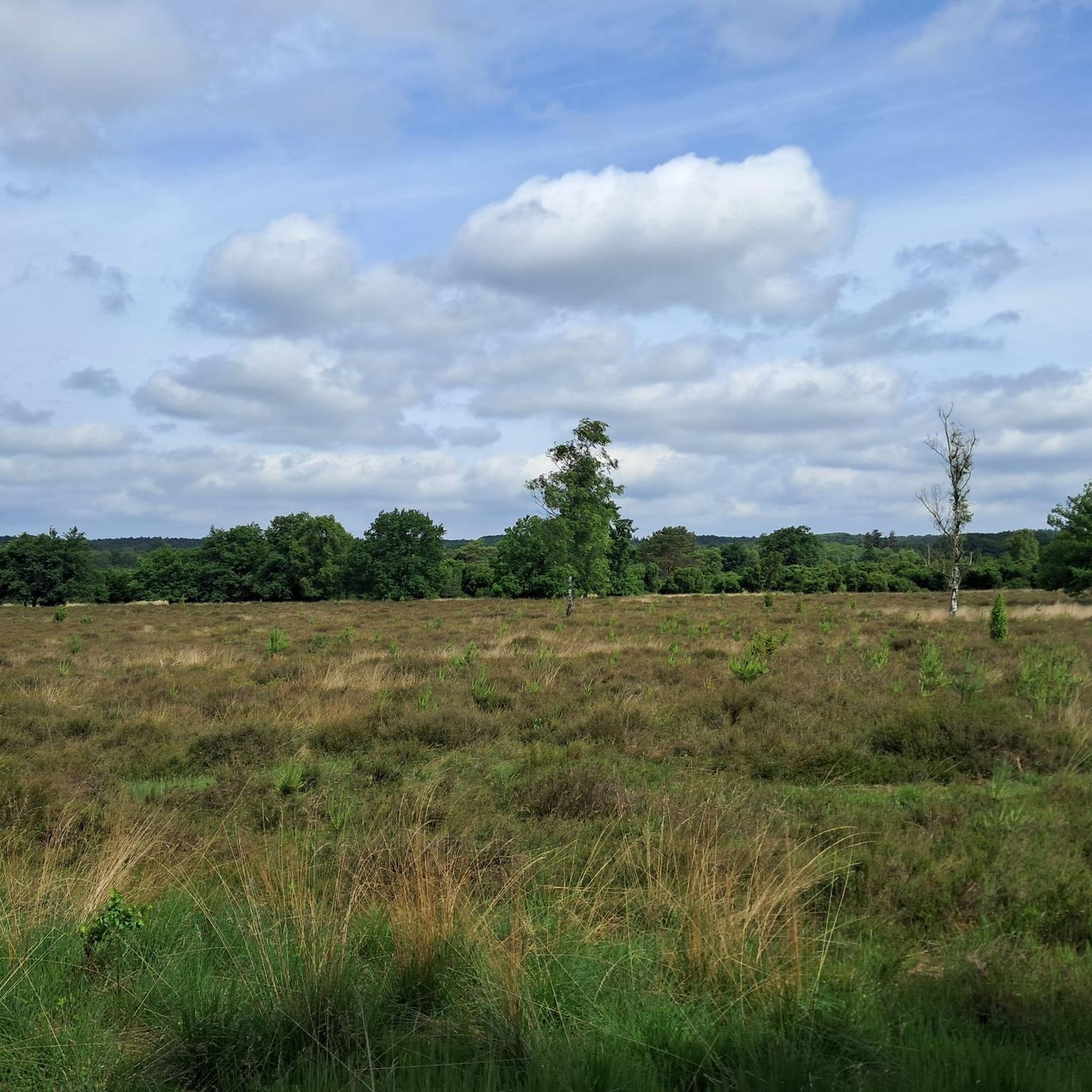
There are 2 benches up here. A bench in each direction. In addition to the juniper heath, there are also great oak trees here.
0
0
clean bench
0
0
Parking at the sports field. If there's no game, it's easy to park here.
0
0

Unfortunately the pump is missing and the source is only a trickle. You can neither drink it nor refresh yourself. It's so bleak that it doesn't invite you to linger. 😔
1
0

Unfortunately no longer accessible. But at least the cache is still there. 🤷
2
0
For Ueßbach or Üßbach (depending on the spelling) see for example https://de.wikipedia.org/wiki/%C3%9C%C3%9Fbach
0
0
Frequently Asked Questions
What types of landscapes can I expect to see while hiking around Demerath?
Demerath is defined by its unique volcanic past, offering a dramatic and interesting landscape. You'll encounter distinctive maars (crater lakes), serene river valleys, and expansive Eifel forests. The region's terrain showcases its geological history, providing diverse natural environments for exploration.
Are there many hiking trails available in the Demerath area?
Yes, Demerath offers a wide array of hiking opportunities. There are over 1000 routes available, catering to various preferences and skill levels. This includes hundreds of easy and moderate trails, as well as nearly 100 more challenging options.
What are some notable natural features or landmarks to look out for on the trails?
The region is rich in natural and historical landmarks. You can explore the significant maars, such as the Meerfelder Maar and the Ulmen Maar, often overlooked by castle ruins. Trails also lead through juniper heathlands and past volcanic springs. For specific viewpoints, consider visiting the Dronke Tower on the Mäuseberg or the Maarkreuz with its view of the Schalkenmehren Maar.
Are there any circular hiking routes around Demerath?
Yes, many routes in Demerath are designed as circular walks, allowing you to start and end in the same location. An example is the Geisert Juniper Heath – Demerather Drees loop from Demerath, which takes you through unique heathland and past volcanic springs. Another option is the Maiden Pond – Jungfer Pond loop from Ulmen, which passes the Ulmen Maar.
What is the best time of year to go hiking in Demerath?
Demerath offers beautiful hiking experiences throughout the year. The diverse landscapes, from forests to maars, provide different charms in each season. Spring brings blooming nature, summer offers lush greenery, autumn showcases vibrant colors, and even winter can be picturesque, especially around the tranquil maars.
Are there family-friendly hiking options in Demerath?
Yes, Demerath has numerous easy and moderate trails suitable for families. These routes often feature gentle terrain and offer opportunities to explore the region's natural beauty without excessive difficulty. Look for shorter loops or trails that pass by interesting natural features like the maars.
Can I bring my dog on the hiking trails in Demerath?
Many trails in the Demerath region are dog-friendly, allowing you to enjoy the volcanic landscape with your canine companion. It's always recommended to keep dogs on a leash, especially in nature reserves or areas with wildlife, and to check specific trail regulations if available.
What do other hikers say about the trails in Demerath?
The hiking trails in Demerath are highly regarded by the komoot community, holding an average rating of 4.5 stars from over 15,000 reviews. Hikers often praise the region's unique volcanic features, the tranquility of the Eifel forests, and the well-maintained paths that showcase the area's natural beauty.
Are there any historical sites or ancient paths to explore?
Yes, the region has a rich history. You can follow ancient paths, such as those on the HeimatSpur Keltenrundweg – GesundLand Vulkaneifel, which offers insights into the region's Celtic past. Another route, the Celtic Sacrificial Stone – Demerather Drees loop from Steineberg, also touches upon this ancient heritage.
How long do hikes around Demerath typically take?
Hikes in Demerath vary in length and duration. Many popular moderate routes, like the HeimatSpur Keltenrundweg (15.5 km), can take around 4 to 5 hours. Shorter loops, such as the Geisert Juniper Heath – Demerather Drees loop (10 km), can be completed in under 3 hours. There are also many shorter, easier trails for quicker outings.
Are there places to eat or stay near the hiking trails in Demerath?
While specific establishments aren't listed, Demerath and nearby towns like Ulmen offer various amenities. You can find local cafes and pubs for refreshments after your hike, as well as accommodation options ranging from guesthouses to hotels, providing a comfortable base for exploring the region.
Most popular attractions around Demerath

Get inspired with the komoot mobile app


Explore more
Browse the best Hikes in other regions.
