Attractions and Places To See around Mammoth Lakes - Top 20
Best attractions and places to see around Mammoth Lakes include a diverse array of natural features and cultural sites in California's Eastern Sierra. The region is characterized by rugged peaks, alpine forests, and crystal-clear lakes. Visitors can explore unique geological formations, significant historical landmarks, and scenic routes. The area offers a variety of experiences, from exploring volcanic landscapes to learning about local history.
Best attractions and places to see around Mammoth Lakes
- The most popular attractions is Rainbow Falls,…
Last updated: April 24, 2026
Rainbow Falls
Highlight • Waterfall
Tip by

Devils Postpile
Highlight • Natural Monument
Tip by

Sign up now to discover places like this
Get recommendations on the best single tracks, peaks, & plenty of other exciting outdoor places.
Sign up for free
Reds Meadow Resort & Shop
Highlight • Mountain Hut
Tip by

Twin Lakes
Highlight • Lake
Translated by Google •
Tip by
Crystal Lake
Highlight • Lake
Tip by

Sign up for free to discover even more attractions around Mammoth Lakes.
Sign up for free
Already have an account?
Start today with a free account
Your next adventure awaits.
Login or Signup

Tips from the Community

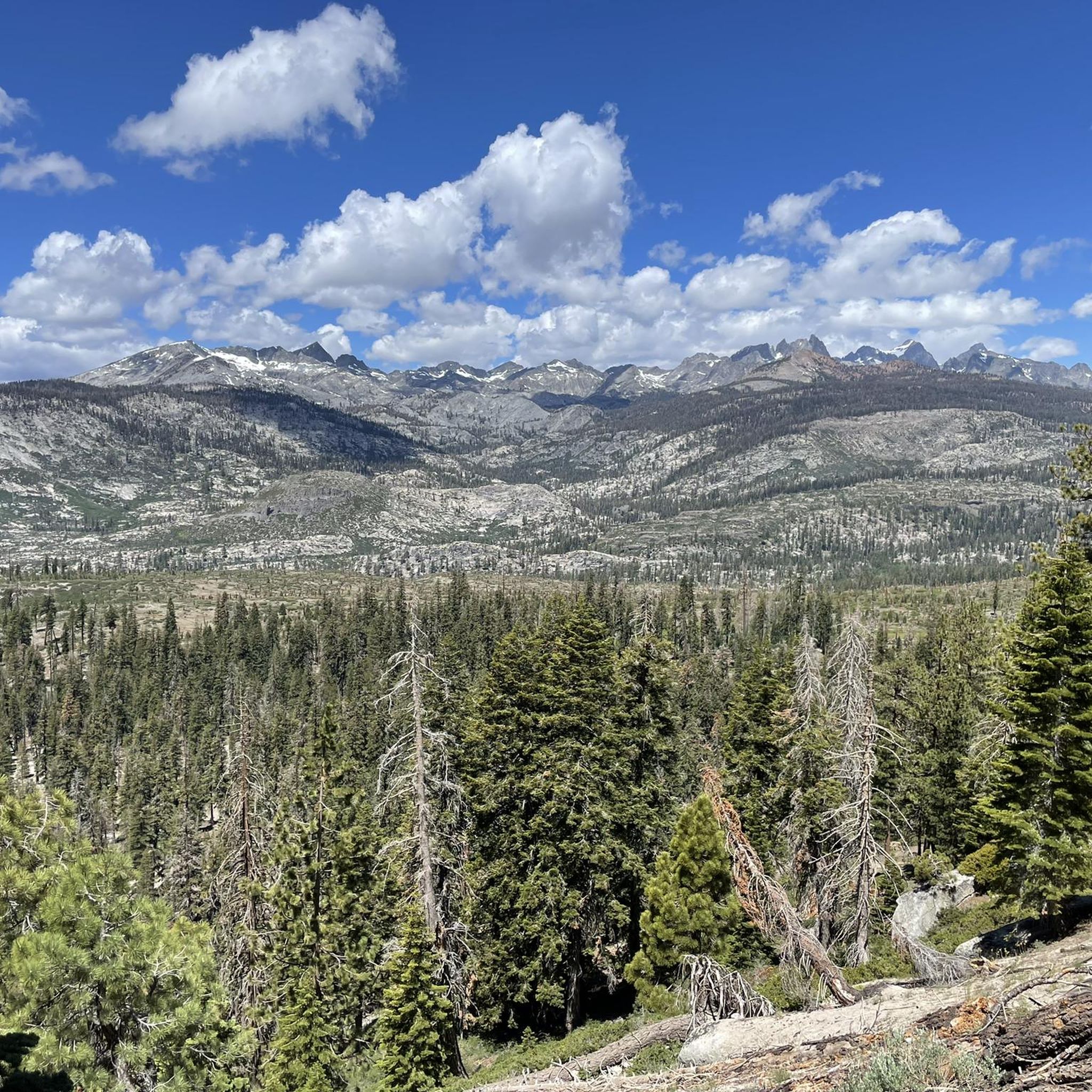
Devils Postpile National Monument is a United States national monument located near Mammoth Mountain in eastern California. The monument protects Devils Postpile, an unusual rock formation of columnar basalt, "all tightly and perfectly fitted together like a vast mosaic."
0
0


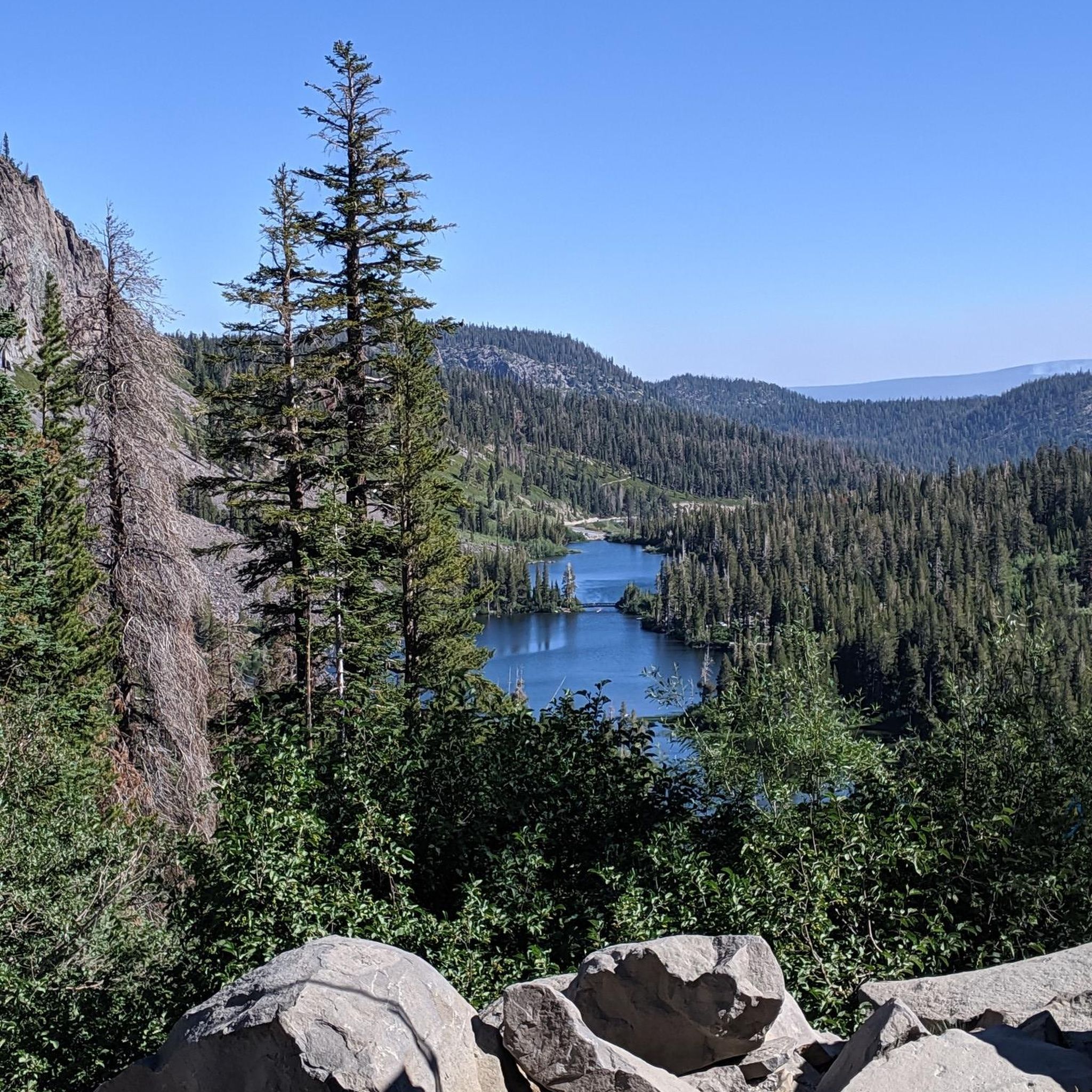
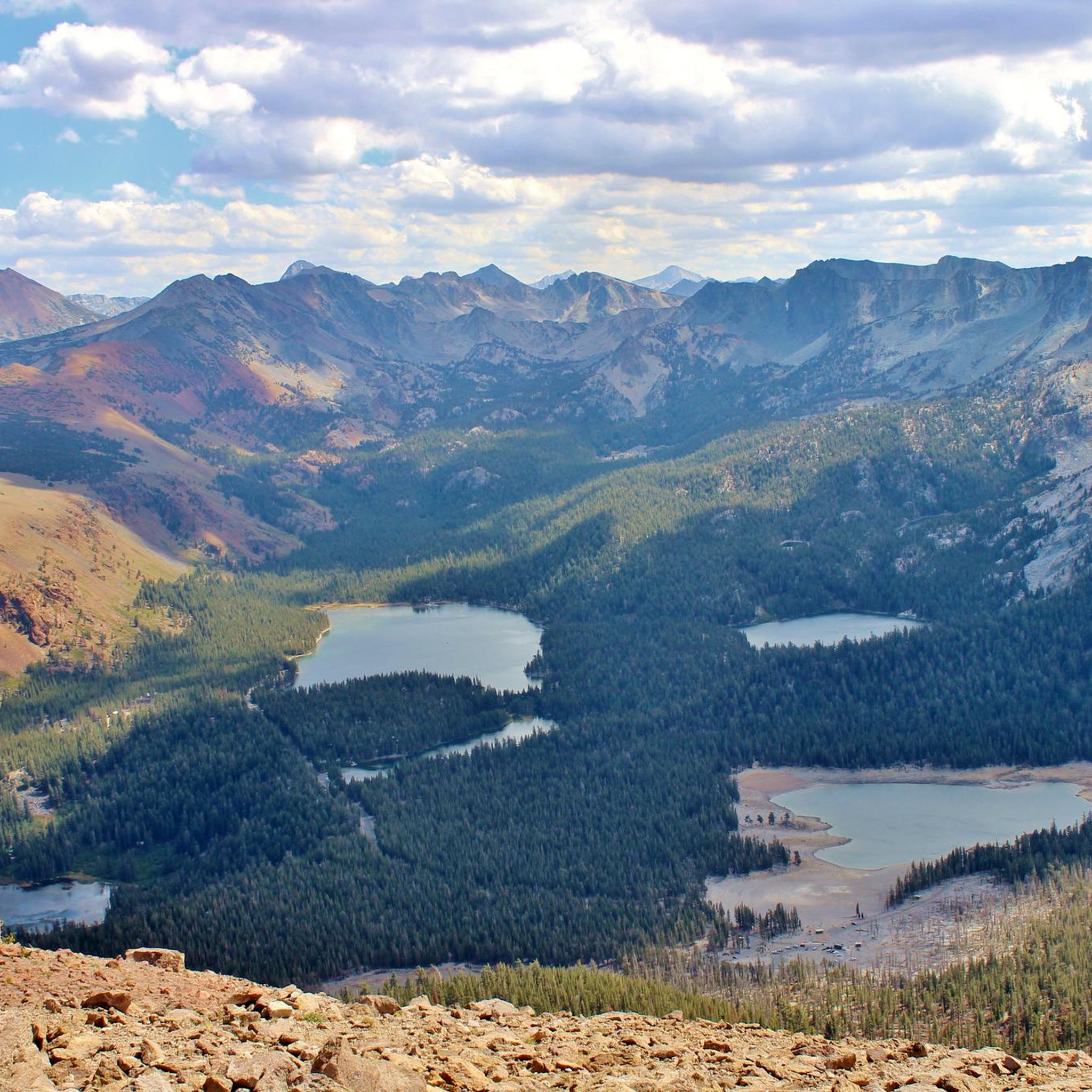
Twin Lakes, as its name suggests, is a park comprised of a set of connected lakes to the southeast of Mammoth Mountain. Eruptions of Mammoth Mountain caused the formation of lava cliffs on one side of the lakes. The other side has a campground and ski lodge.
0
0

The Devil's Postpile is a large cliff made of volcanic basalt columns. It is a very popular site, so there is a good possibility there will be others enjoying the site.
0
0
Rainbow Falls is a 101-foot waterfall, which is the largest falls on the San Joaquin River. The falls are located a short distance off the Pacific Crest Trail.
0
0

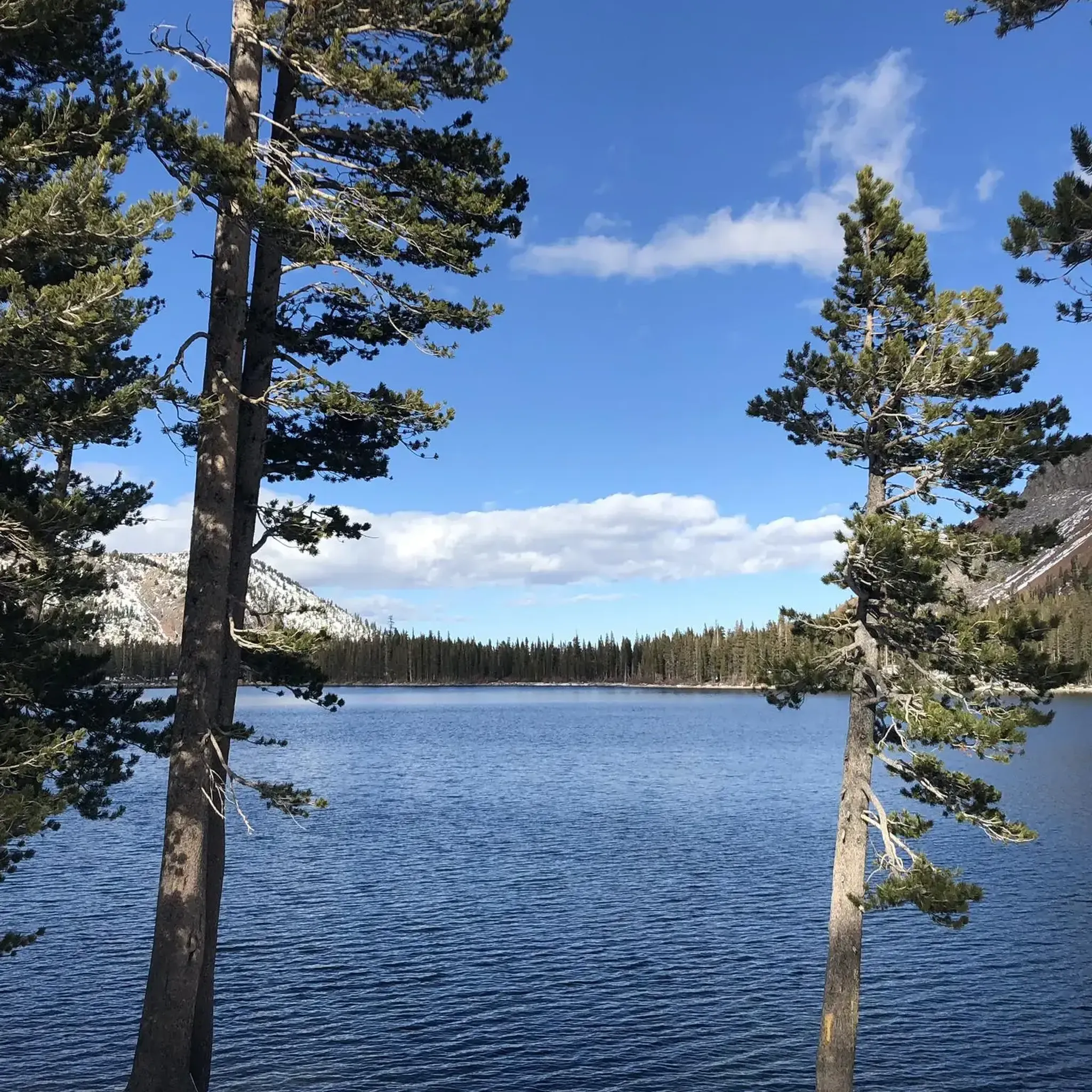
This beautiful alpine lake sits beneath the towering wall of the Mammoth Crest. The lake is a popular summertime destination.
0
0

Twin Lakes is just a few minutes drive from Mammoth Lakes. In spring a huge waterfall thunders from the mountains. The lakes are filled with trout, so it is worth taking a fishing rod.
2
0
This beautiful alpine lake sits beneath the towering wall of the Mammoth Crest. The lake is a popular summertime destination.
0
0
Frequently Asked Questions
What unique geological formations can I explore in Mammoth Lakes?
Mammoth Lakes is rich in geological wonders. You can visit Devils Postpile, a national monument featuring hexagonal basalt columns formed by ancient volcanic activity. Another fascinating site is the Hot Creek Geological Site, known for its steaming vents and bubbling pools. You can also see the Obsidian Dome, Inyo Craters, and the Earthquake Fault, all showcasing the region's volcanic past.
Where can I find stunning lake views and water activities in Mammoth Lakes?
The Mammoth Lakes Basin offers several crystal-clear lakes, including Lake Mary, Twin Lakes, Lake George, Lake Mamie, and Horseshoe Lake, perfect for fishing, picnicking, and paddleboarding. Convict Lake is another picturesque spot known for its trout fishing and scenic loop trail. The June Lake Loop provides a beautiful drive past several lakes, and Mono Lake, a saline lake with unique tufa towers, is also a must-see.
Are there any impressive waterfalls to visit near Mammoth Lakes?
Yes, Rainbow Falls is a prominent attraction. This 101-foot waterfall is named for the rainbows that often appear in its mist on sunny days. It's located within the Reds Meadow Valley, accessible from Devils Postpile National Monument, and is the highest waterfall on the Middle Fork of the San Joaquin River.
What historical sites can I visit to learn about the region's past?
To delve into the local history, visit the Mammoth Museum at the Hayden Cabin, which offers insights into Mammoth Lakes' mining, tourism, and Native American heritage. You can also explore the Mammoth Consolidated Mine, an old mining camp. For day trips, consider Bodie State Historic Park, a well-preserved gold-mining ghost town, or Manzanar National Historic Site, preserving the history of a WWII Japanese American incarceration camp.
What hiking opportunities are available near Mammoth Lakes attractions?
Mammoth Lakes offers diverse hiking trails. Popular options include the Duck Pass Trail for a challenging experience, the Minaret Vista Trail for moderate views, and the Horseshoe Lake Loop for an easy walk. The Lakes Basin Loop and Starkweather Lake Trail also provide excellent running and hiking opportunities. You can find more details on these and other routes in the Running Trails around Mammoth Lakes guide.
Can I go cycling around Mammoth Lakes?
Absolutely. The area is popular for cycling with routes like the Lakes Basin Path, Mammoth Scenic Loop, and a route from Mammoth Lakes to Convict Lake. You can also cycle from Mammoth Mountain to Devils Postpile National Monument via Minaret Road. For more road cycling options, refer to the Road Cycling Routes around Mammoth Lakes guide.
Are there options for mountain biking or gravel biking in Mammoth Lakes?
Yes, Mammoth Lakes offers excellent mountain and gravel biking. You can explore routes like the Village Plaza – Mammoth Mountain Resort loop or the Mammoth Lakes – Hot Creek Geological Site loop. The Gravel biking around Mammoth Lakes guide provides more details on these and other challenging routes.
What winter activities are popular in Mammoth Lakes?
In winter, Mammoth Mountain transforms into a renowned ski and snowboard resort with extensive terrain. The Mammoth Adventure Center also serves as a gateway for winter sports, offering a variety of activities for snow enthusiasts.
Are there family-friendly attractions in Mammoth Lakes?
Many attractions are suitable for families. Twin Lakes is a great spot for fishing and picnicking. The Mammoth Adventure Center offers activities like scenic gondola rides and climbing walls. Easy hikes, such as the Horseshoe Lake Loop, are also perfect for families.
What is the best time of year to visit Mammoth Lakes attractions?
Mammoth Lakes offers attractions year-round. Summer (June to September) is ideal for hiking, biking, and water activities, with pleasant temperatures. Fall (October) brings vibrant aspen colors, especially along the June Lake Loop, making it popular for scenic drives and photography. Winter (November to April) is prime for skiing and snowboarding at Mammoth Mountain. Spring (May) offers a transition with melting snow and blooming wildflowers.
Are there any accessible viewpoints or trails for visitors with mobility concerns?
While specific wheelchair-accessible trails vary, many scenic viewpoints, such as Minaret Vista, offer accessible parking and paved areas for enjoying panoramic views of the Sierra Nevada. It's advisable to check with local visitor centers for the most current information on accessible trails and facilities.
Where can I find less crowded trails for a peaceful experience?
To avoid crowds, consider visiting during the shoulder seasons (late spring or early fall) or exploring trails slightly off the main tourist paths. Many trails in the Inyo National Forest offer solitude. Early mornings are also generally less crowded, even on popular routes. Local ranger stations can provide recommendations for quieter trails based on current conditions.
Most popular routes around Mammoth Lakes
Most popular attractions around Mammoth Lakes

Get inspired with the komoot mobile app


Explore more
Still not found the Highlight you’re looking for? See guides of the top attractions in other regions:
