The best walks and hikes in National Forests In Mississippi
5.0
(1)
29
hikers
17
hikes
Hikes in National Forests in Mississippi traverse a landscape of rolling hills, dense pine and hardwood forests, and expansive savannas. The region's trails range from short lakeside loops to long-distance paths following historic railroad beds. The terrain is generally characterized by gentle elevation changes, with routes winding through restored woodlands and alongside creeks and rivers.
Best hiking trails in National Forests In Mississippi
- The most popular hiking route is Choctaw Lake loop — Tombigbee National Forest, a 2.4 mile…
Last updated: September 28, 2026
2
hikers
7.45km
01:58
70m
70m
Easy hike. Great for any fitness level. Easily-accessible paths. Suitable for all skill levels.
1
hikers
9.47km
02:28
60m
60m
Moderate hike. Good fitness required. Easily-accessible paths. Suitable for all skill levels.

4.37km
01:11
60m
60m
Easy hike. Great for any fitness level. Easily-accessible paths. Suitable for all skill levels.
20.7km
05:21
120m
100m
Hard hike. Very good fitness required. Easily-accessible paths. Suitable for all skill levels.
636m
00:10
10m
0m
Easy hike. Great for any fitness level. Easily-accessible paths. Suitable for all skill levels.
Get access to more routes and recommendations from other explorers.
Already have an account?
Our route recommendations are based on thousands of hikes, rides, and runs completed by other people on komoot.
Start today with a free account
Your next adventure awaits.



Tips from the Community

Start of the civil war hill trail
2
0

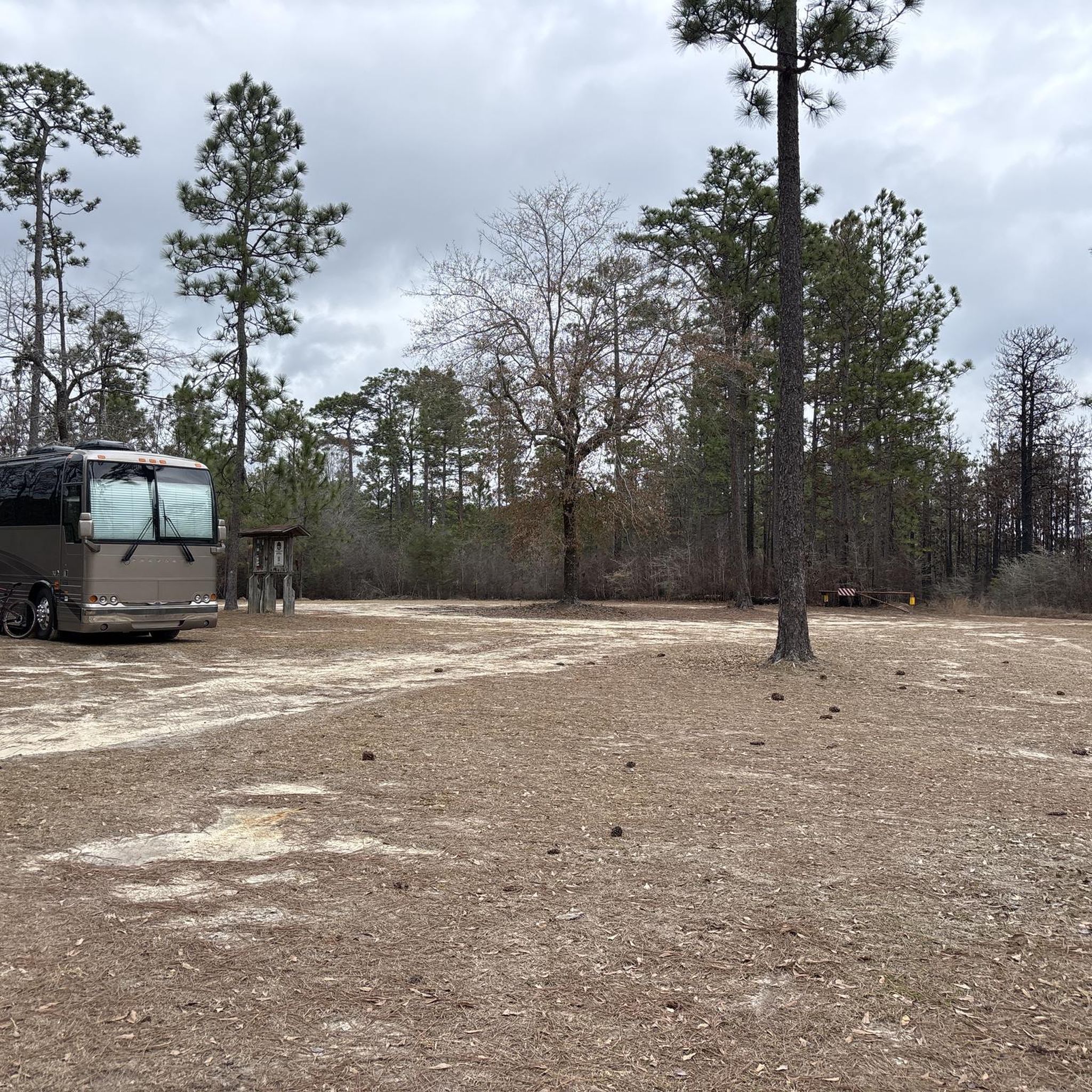
nexus of a few trails, has a hitching post for horses and a nice picnic table for lunch.
0
0
pine sap was harvested here to be cooked down into turpentine and rosin.
0
0
hard to see in photo, but this bridge is slopped 45 degrees to the left
0
0

Good stop over point at this small scenic lake with restroom and water amenities.
0
0

Roosevelt State Park has a load of recreational options and facilities. The camping, picnic, and hiking areas overlook Bienville National Forest and Roosevelt Lake. The Civil War Hill hiking loop is part of the newer trail system in the park. There are bridges at the major water crossings and informational signs at trailheads with obvious trail signage.
0
0

I starte here, some hikers use the as a turn around point. The trails continues on past the lake.
0
0
Frequently Asked Questions
Are dogs allowed on the hiking trails in Mississippi's National Forests?
Yes, dogs are generally welcome in Mississippi's National Forests, including on trails in popular areas like De Soto National Forest. For the safety of wildlife and other visitors, your dog should be kept on a leash at all times. Remember to pack enough water for your pet and to clean up after them.
What are some good options for short, easy hikes?
There are several great choices for easier walks. The Choctaw Lake loop in Tombigbee National Forest is a very popular, mostly flat 2.4-mile (3.8 km) trail around the lake. Another excellent option is the Civil War Hill Trail loop, a 2.3-mile (3.7 km) path through rolling hills and oak woods.
Are there any long-distance hiking trails available?
Yes, for those seeking a challenge, the Tuxachanie Trail in De Soto National Forest is a standout. This difficult trail stretches over 25 miles (40 km), following the path of an old narrow-gauge railroad. It offers an immersive experience through the region's pine woods.
What kind of wildlife might I see while hiking?
The forests are rich with wildlife. You can commonly spot white-tailed deer, wild turkey, and raccoons. The Delta National Forest is a prime location for birdwatching, especially during migrations. In De Soto National Forest, the wet pine savannas support rare species like the gopher tortoise, while Tombigbee National Forest is known for sightings of the red-cockaded woodpecker.
Are there any circular or loop trails?
Many trails are designed as loops, making logistics simple. A great example is the North Cypress Non-Motorized Trail loop in Holly Springs National Forest. This 3.2-mile (5.2 km) trail offers a pleasant circuit through pines and upland hardwoods. The Bethel, Couch, Briar Patch, Badlands, Rattlesnake, & South Pine Lizard loop also provides a longer, more moderate loop option.
What should I wear for hiking in Mississippi, especially in the summer?
During the hot and humid Mississippi summers, lightweight, moisture-wicking clothing is essential. Wear sturdy, comfortable hiking shoes with good grip. A wide-brimmed hat and sunglasses are crucial for sun protection. Always bring a reliable insect repellent, as bugs can be prevalent, especially near water sources and in humid conditions.
Are there trails suitable for birdwatching?
Yes, many trails are excellent for birdwatching. The Delta National Forest, located in the Mississippi Flyway, is a premier spot for observing migratory birds in spring and fall. The Tombigbee National Forest is also a popular birding destination where you might spot wood storks and various birds of prey.
What are the trail conditions like?
The terrain is generally characterized by rolling hills with gentle elevation changes. Trails wind through pine and hardwood forests, restored woodlands, and alongside creeks. While many paths are well-maintained, some, like the Black Creek Trail in De Soto National Forest, can be more rugged and challenging. Trails can become muddy after rain, so waterproof footwear is often a good idea.
Are there camping facilities available near the trails?
Yes, all of Mississippi's National Forests offer camping. Recreation areas like Clear Springs in Homochitto National Forest and Chewalla Lake in Holly Springs National Forest have established campgrounds. De Soto National Forest also provides numerous camping options, including primitive sites for those hiking longer trails like the Tuxachanie Trail.
Do I need to pay to hike in the National Forests?
Hiking on the trails themselves is typically free. However, some developed recreation areas, campgrounds, or day-use areas with amenities like boat launches or swimming areas may charge an entrance or usage fee. It's always a good idea to check the specific regulations for the area you plan to visit.
Are there any unique natural features to look for?
De Soto National Forest is particularly unique, protecting one of the nation's most significant longleaf pine savanna ecosystems. It's also home to Mississippi's only National Wild and Scenic River, Black Creek, known for its tea-colored water and white sandbars. In Tombigbee National Forest, you can visit the Owl Creek Mounds, a significant archaeological site with platform mounds dating back to 1100 CE.
Most popular routes in National Forests In Mississippi
Most popular attractions in National Forests In Mississippi

Get inspired with the komoot mobile app


Explore more
Browse the best Hikes in other regions.
