The 5 Most Amazing Peaks in Cibola National Forest
Mountain peaks in Cibola National Forest offer diverse landscapes across central New Mexico, encompassing several mountain ranges. The forest's elevation ranges from approximately 5,000 feet to over 11,000 feet, providing varied ecosystems from piñon-juniper woodlands to sub-alpine forests. This vast area features significant cultural sites and prominent natural features, including high ridgelines and dormant stratovolcanoes. The peaks provide opportunities for exploration, ranging from accessible scenic drives to challenging wilderness expeditions.
Best mountain peaks in Cibola National Forest
- The most popular…
Last updated: July 8, 2026
View of the Sandia Mountains
Highlight (Segment) • Viewpoint
Tip by

North Sandia Peak
Highlight • Summit
Tip by
Sign up now to discover places like this
Get recommendations on the best single tracks, peaks, & plenty of other exciting outdoor places.
Sign up for free
North Baldy Trail
Highlight (Segment) • Trail
Tip by

Tecolote Peak
Highlight • Summit
Tip by
Mount Taylor Summit
Highlight • Summit
Tip by

Sign up for free to discover even more peaks in Cibola National Forest.
Sign up for free
Already have an account?
Start today with a free account
Your next adventure awaits.
Login or Signup
Popular around Cibola National Forest
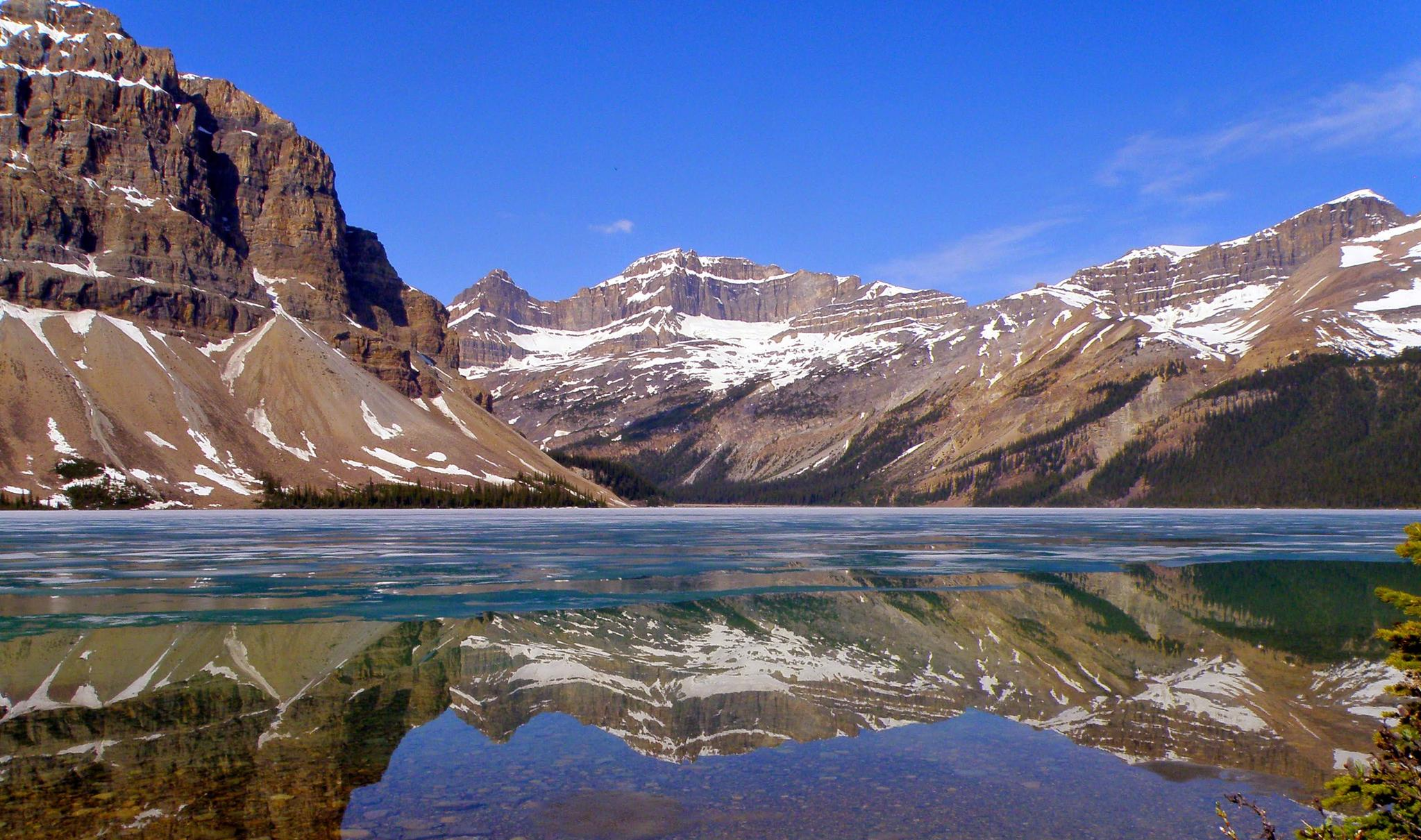
Great Divide Mountain Bike Route — Cycling the spine of a continent
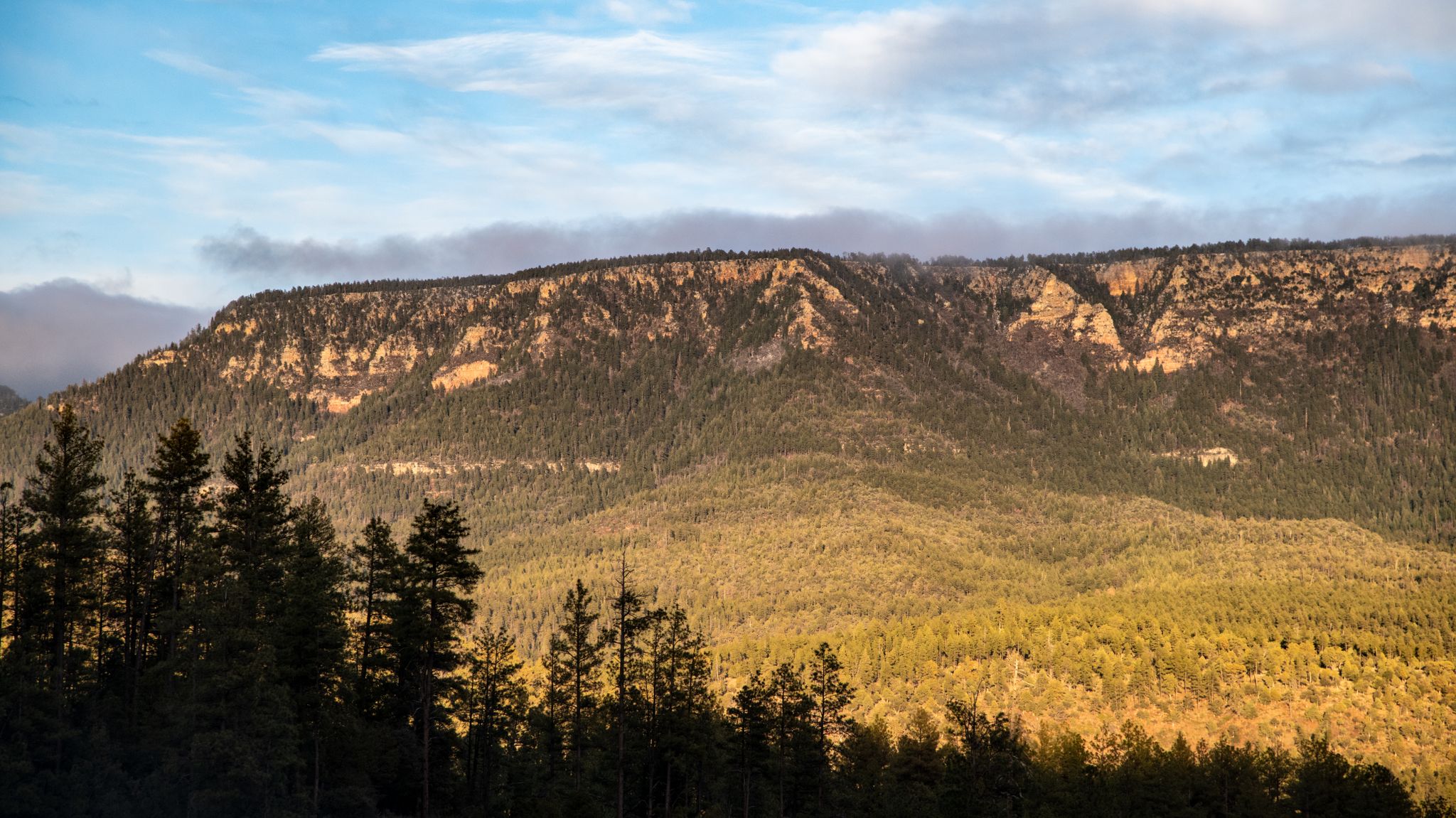
Grand Enchantment Trail — Slot canyons, spruce peaks & desert solitude
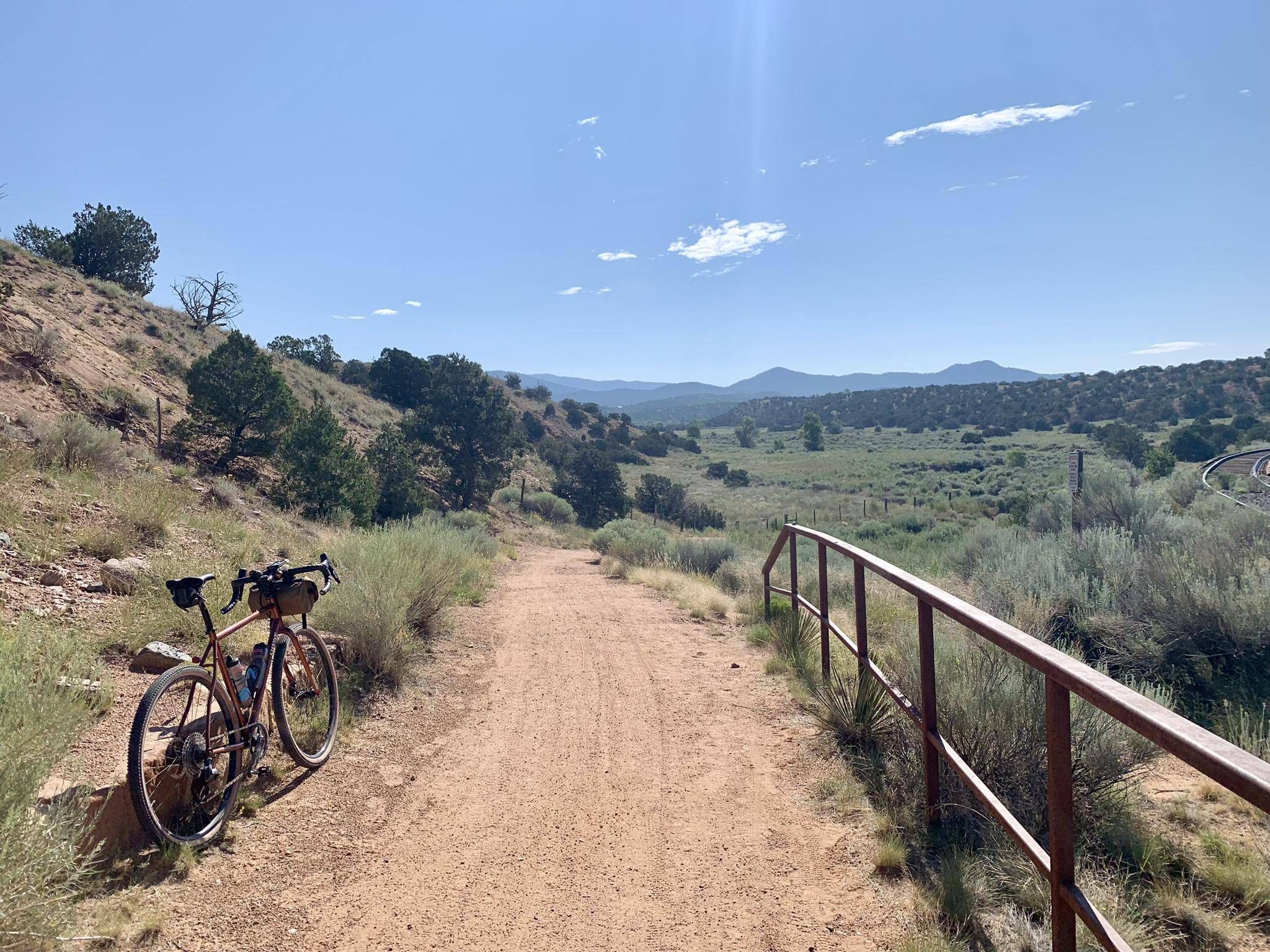
New Mexico Off-Road Runner
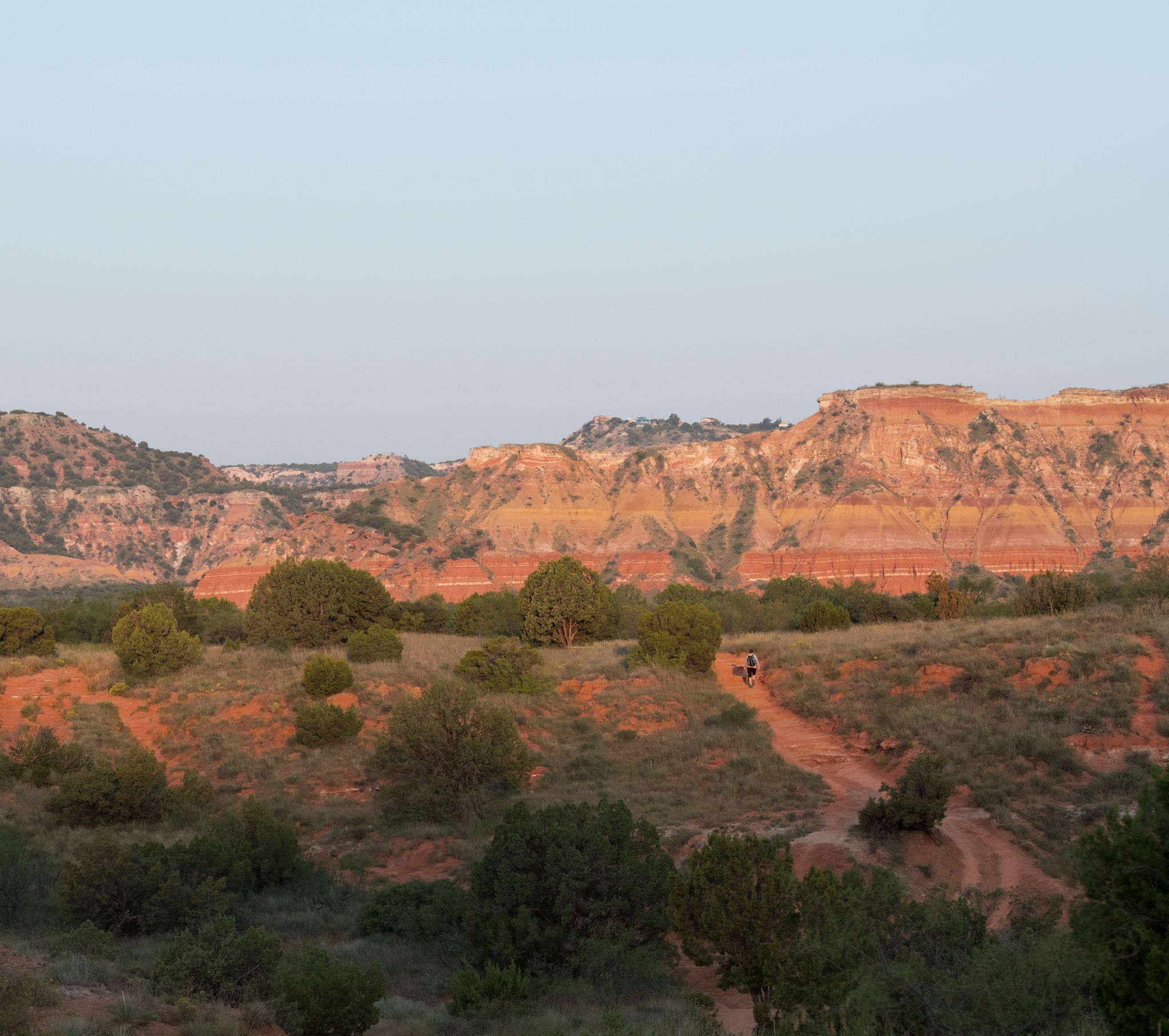
Historic Route 66 – curiosities, selfie spots and diners
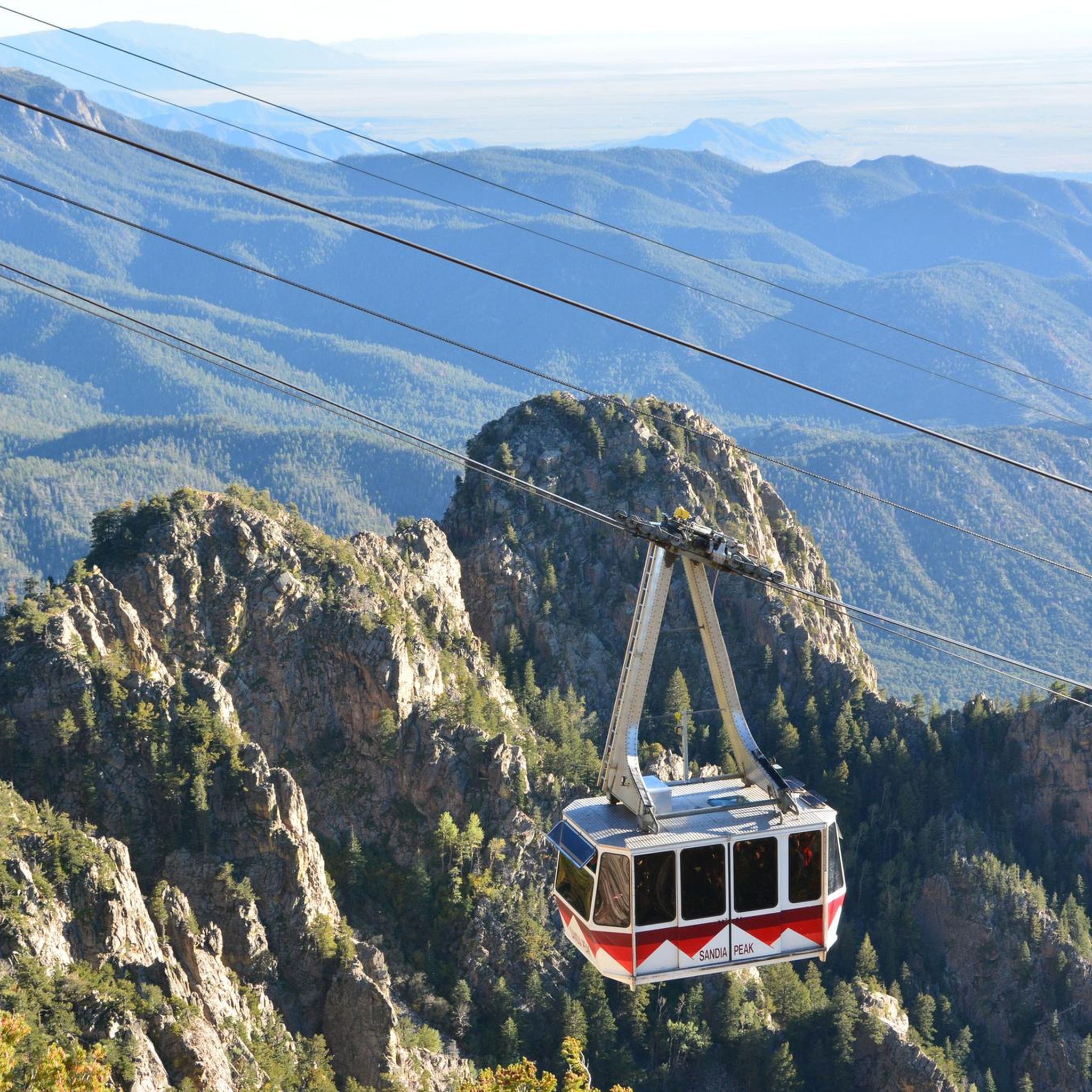
Hiking in Cibola National Forest
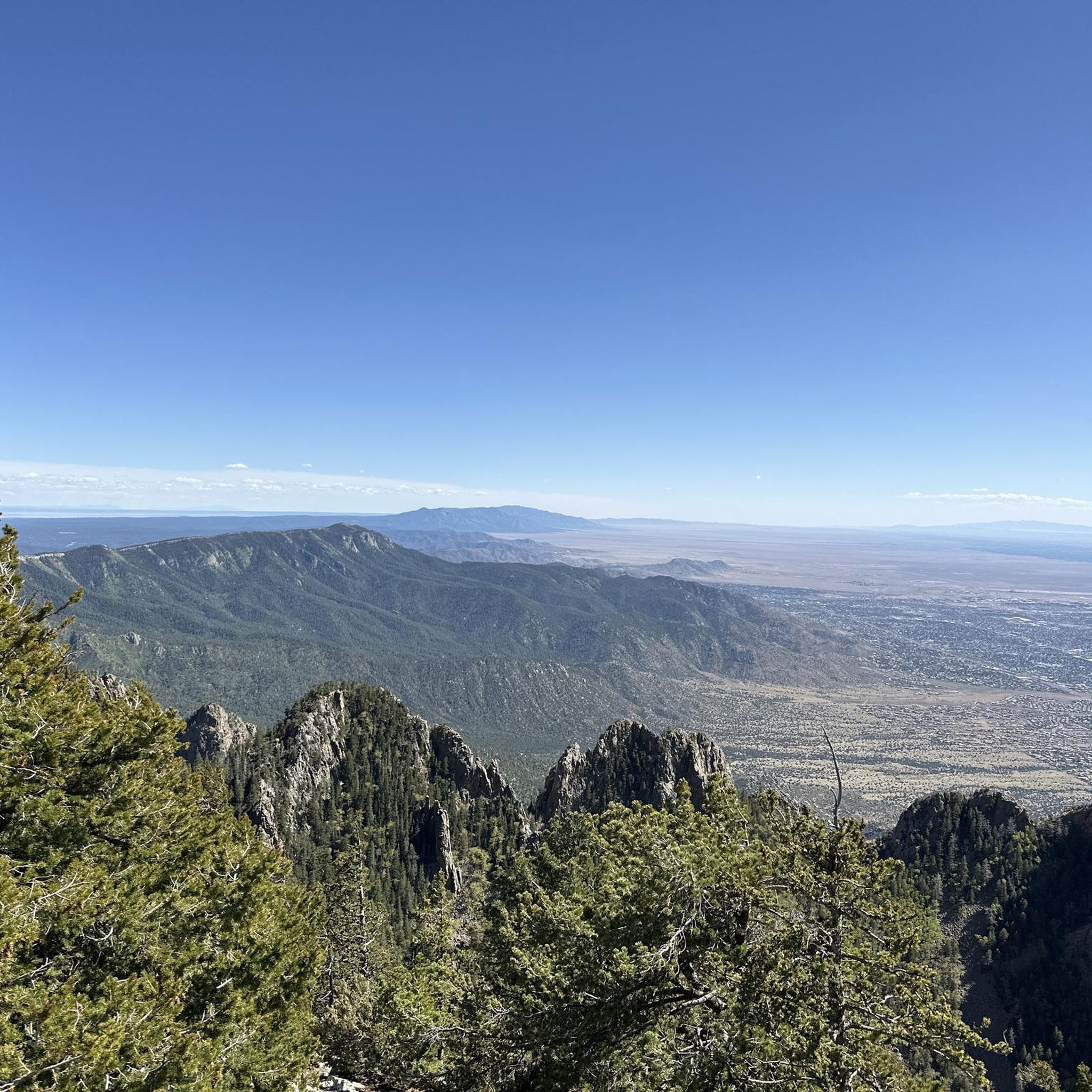
Running Trails in Cibola National Forest
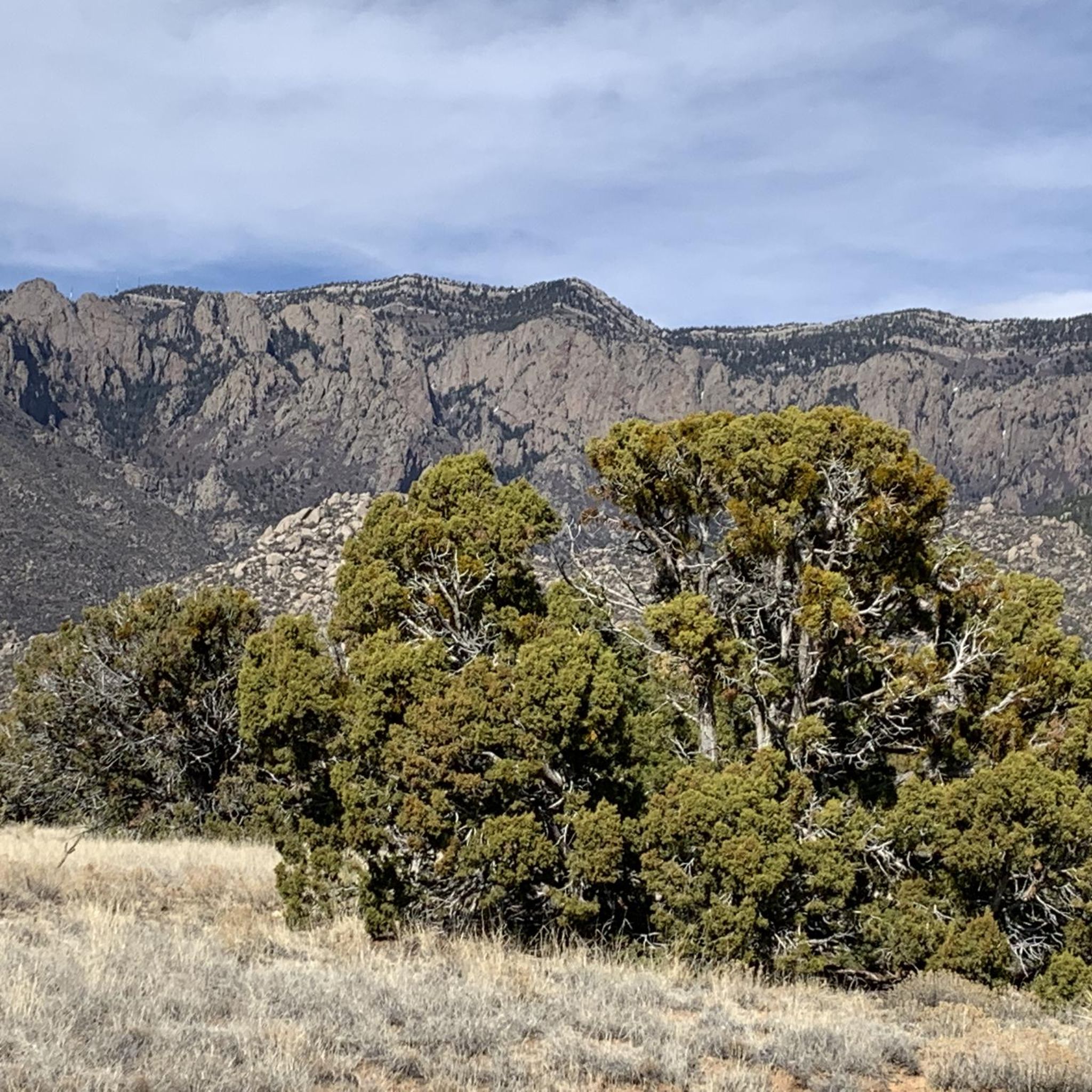
MTB Trails in Cibola National Forest
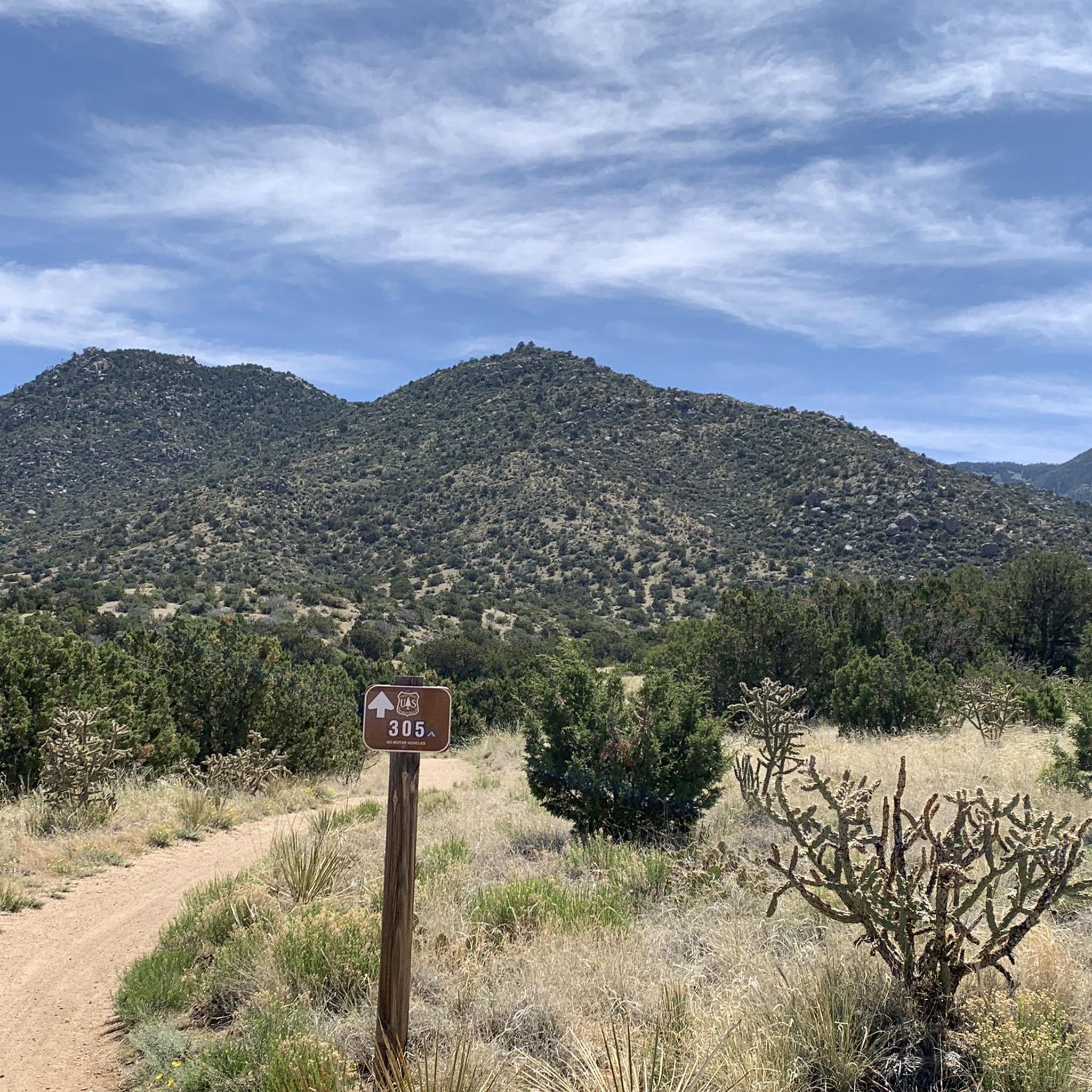
Road Cycling Routes in Cibola National Forest
Cycling in Cibola National Forest

Gravel biking in Cibola National Forest
Other adventures in Cibola National Forest


Tips from the Community

The North Baldy Trail winds along the high ridgeline between South and North Baldy Peaks, with breathtaking panoramic views of the Sandia and the Sierra Blanca ranges in the distance. The route is challenging, with over 2,600 feet of elevation gain with relatively rugged terrain, and is an ideal trek for experienced hikers ready to confront steep ascents and remote conditions. The trail connects to several others, including Copper Canyon and Hop Canyon, and is part of the Grand Enchantment Trail (GET) and is a beautiful yet challenging segment for long-distance hikers.
0
0

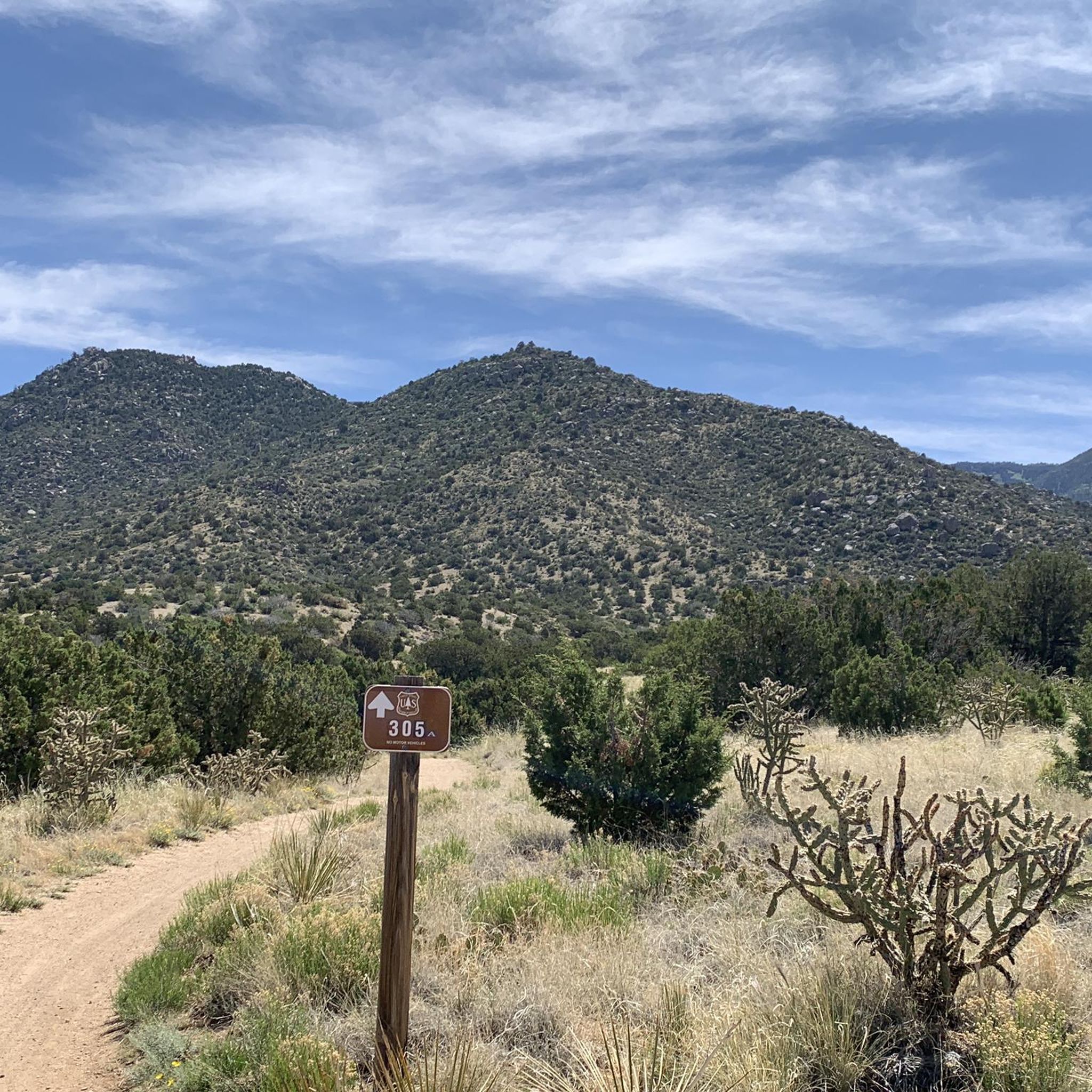
From the top of Tecolote Peak at 8,835 feet, you get unobstructed panoramic views of the Sandia Mountains from up close. The trail to the top is labeled as a "blue" in terms of difficulty and is easily rideable by intermediate cyclists.
0
0

At an elevation of 10,446 feet, this peak marks the northernmost summit in the Sandia Mountain wilderness over 10,000 feet. The views from this vantage point are truly breathtaking, offering a panoramic vista of the Albuquerque area.
1
0

The peak of Mount Taylor sits atop the area being the tallest mountain in Cibola National Forest and San Mateo Mountains. This dormant stratovolcano has a visitors log at the top; read through the entries of prior summiteers and have a snack before making your way back to the car. Be observant of the weather, as spring and summer can often bring afternoon storms.
1
0

The North Sandia Peak is a 3184-meter high peak in the Sandia Mountains. The North Sandia Peak Trail, as it name suggests, takes you right to this beautiful mountain.
1
0
You can get a beautiful panoramic view from the southeast side of the Tecolote Peak (2684 m).
0
0
La Luz Trail offers breathtaking views of the Sandia Mountains, famous for the pink shade their granite rock formations take at sunset.
0
0
Frequently Asked Questions
What are some of the most prominent mountain peaks in Cibola National Forest?
Cibola National Forest is home to several impressive peaks. Among them, Mount Taylor Summit stands as the highest at 11,301 feet (3,445 meters), recognized for its unique geology and cultural significance. The Sandia Crest, reaching 10,678 feet (3,255 meters), offers breathtaking views and is accessible by tram or scenic byway. Other notable peaks include West Blue Mountain, Mount Withington, Manzano Peak, and Vicks Peak, each offering distinct experiences within the forest's diverse ranges.
Are there family-friendly options for experiencing the mountain peaks?
Yes, there are options suitable for families. The Sandia Crest is particularly family-friendly, as you can reach the summit via the Sandia Peak Tramway or drive the Sandia Crest Scenic Byway. Once at the top, there are trails that offer excellent hiking opportunities without significant elevation loss, and the area is known for its wildlife and bloom, making it enjoyable for all ages.
What kind of natural features can I expect to see around these mountain peaks?
The mountain peaks in Cibola National Forest showcase a wide array of natural features. You'll find diverse ecosystems ranging from piñon-juniper woodlands at lower elevations to ponderosa pine forests and mixed conifer ecosystems, including Douglas fir, white fir, and southwestern white pine at higher altitudes. Many peaks, like Mount Taylor, are dormant stratovolcanoes, adding unique geological interest. The Sandia Crest is also known for its stunning sunsets and diverse flora.
Are there any culturally significant sites among the mountain peaks?
Yes, Mount Taylor is a highly significant cultural site. It is recognized as sacred by several Native American communities, offering a deeper connection to the land and its history beyond its natural beauty as the highest peak in Cibola National Forest.
What are the best times to visit the mountain peaks in Cibola National Forest?
The best time to visit depends on your activity. Spring and summer can bring afternoon storms, so it's important to be observant of the weather, especially for summit hikes. Fall offers spectacular views, particularly from the Sandia Crest during the International Balloon Fiesta in October. Generally, late spring through early fall provides the most favorable conditions for hiking and exploring, though higher elevations can be significantly colder and windier.
What challenging hikes are available for experienced trekkers?
For experienced hikers seeking a challenge, the Magdalena Ranger District offers strenuous options. A notable one involves traversing San Mateo Peak, Apache Kid Peak, and West Blue Mountain, which is an estimated 12-hour hike gaining around 6,750 feet in elevation. The North Baldy Trail is also a challenging route with over 2,600 feet of elevation gain and rugged terrain, connecting to other trails like Copper Canyon and Hop Canyon.
Can I find solitude and unspoiled nature around these peaks?
Absolutely. Peaks like Mount Withington, located within the San Mateo Mountains, offer access to the Apache Kid Wilderness and Withington Wilderness areas. These regions are known for providing opportunities for solitude and experiencing unspoiled nature, away from more crowded areas.
What outdoor activities can I do near the mountain peaks in Cibola National Forest?
Beyond hiking, Cibola National Forest offers a variety of outdoor activities. You can explore cycling routes, with options like the 'Bike loop from Embudito Arroyo' or 'Bear Canyon Trailhead loop from Sandia Peak Aerial Tramway Parking'. For gravel biking, routes such as 'Foothills Trail North – Intersection of Trails 365 and 366 loop' are available. You can find more details on these activities in the Cycling in Cibola National Forest and Gravel biking in Cibola National Forest guides.
Are there specific trails that lead to the mountain peaks?
Yes, many peaks have dedicated trails. For instance, the North Sandia Peak Trail leads directly to North Sandia Peak. To reach the Sandia Crest, challenging hikes like the La Luz Trail are popular, or you can explore the North Crest, 10K, and South Crest Trails at the top. Manzano Peak is accessible via trails like the Red Canyon and Fourth of July Trails, which connect to the 22-mile-long Crest Trail.
What do visitors enjoy most about the mountain peaks in Cibola National Forest?
Visitors frequently highlight the breathtaking panoramic views from various summits and viewpoints. The rewarding experience of reaching high altitudes, such as signing the visitors' log at Mount Taylor Summit, is also a favorite. The diverse ecosystems, opportunities for solitude, and the unique geological features like dormant stratovolcanoes are also highly appreciated by the komoot community.
Can I find good viewpoints for photography?
Absolutely. The Sandia Crest is renowned for its spectacular views, especially at sunset, offering vibrant colors that explain its name, 'watermelon' in Spanish. From Tecolote Peak, you can get unobstructed panoramic views of the Sandia Mountains. Many other summits and trails, like the North Baldy Trail, also offer expansive vistas of the surrounding ranges.
Are there opportunities for dispersed camping near the peaks?
Yes, the Manzano Mountains, which include Manzano Peak, are a popular spot for dispersed camping. This allows visitors to experience the wilderness more intimately and enjoy the rich biodiversity of the area.
Most popular routes in Cibola National Forest
Most popular attractions in Cibola National Forest

Get inspired with the komoot mobile app


Explore more
See even more amazing summits in Cibola National Forest with these guides:
