The best family-friendly hikes and walks in Cibola National Forest
4.8
(124)
1,786
hikers
36
hikes
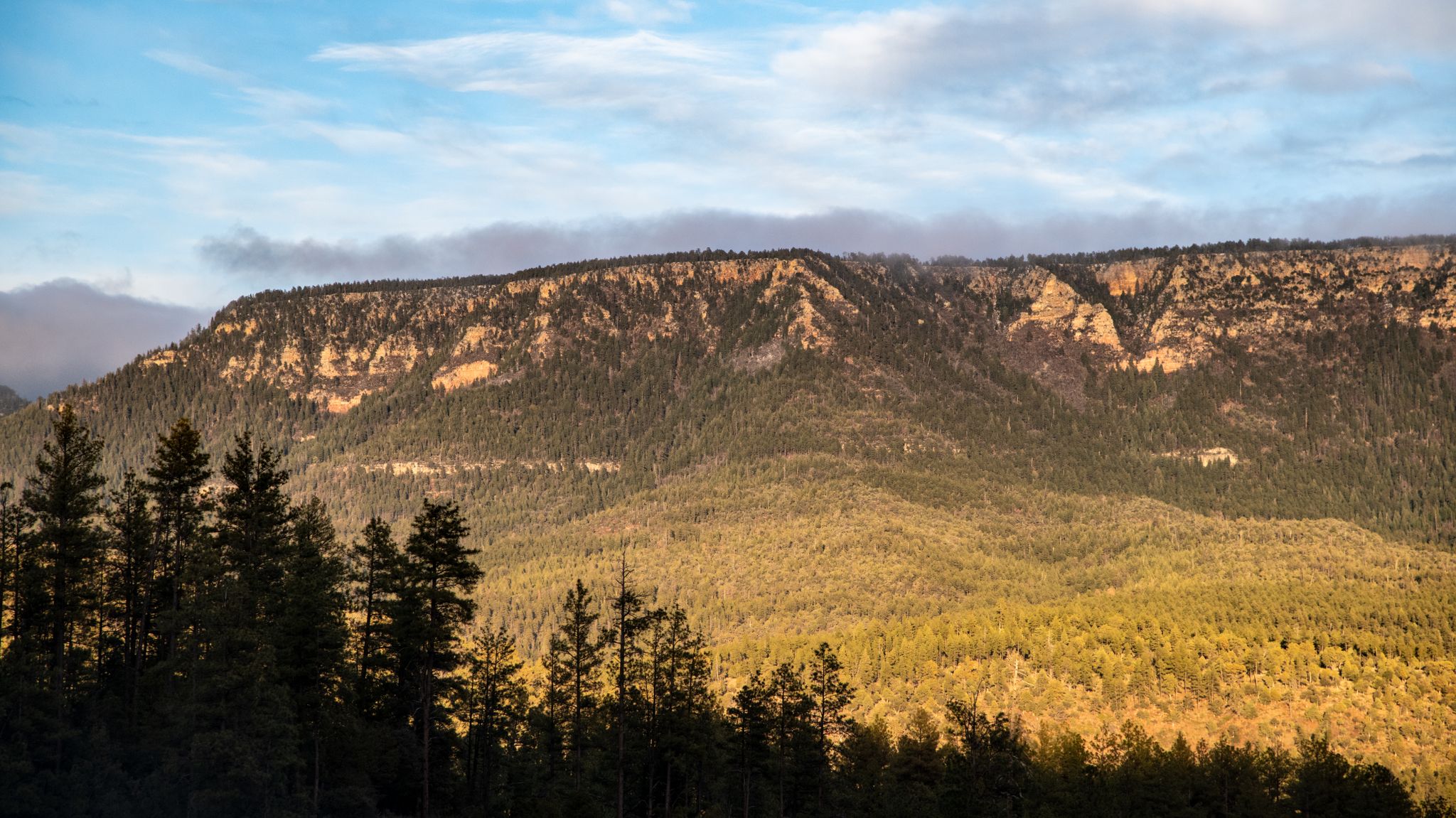
Family friendly hiking trails in Cibola National Forest traverse a vast landscape of nearly 2 million acres across central and northern New Mexico. The region features diverse ecosystems, ranging from high desert to subalpine forests, with elevations reaching over 11,300 feet in prominent mountain ranges like the Sandia and Manzano Mountains. Hikers encounter varied flora, including piñon-juniper woodlands at lower altitudes and ponderosa pine, spruce, and fir forests at higher elevations. The terrain includes volcanic rock formations and "sky island" mountain ranges rising above the surrounding landscape.
Best family friendly hiking trails in Cibola National Forest
- The most popular family friendly hiking route is La Luz Trail, a 7.9 miles (12.7 km) trail that takes 5 hours 50 minutes to complete. This challenging route ascends over 3,400 feet, offering panoramic views of the landscape.
- Another top favourite among local hikers is South Crest and Faulty Trails Loop, a moderate 5.5 miles (8.8 km) path. This loop trail features varied terrain and mountain views.
- Local hikers also love the North Sandia Peak via North Crest Trail, a 4.2 miles (6.7 km) trail leading through forested mountain slopes, often completed in about 2 hours 26 minutes.
- Hiking in Cibola National Forest is defined by high desert plateaus, dense pine forests, and volcanic mountain peaks, with options for easy family friendly hiking trails as well as more strenuous climbs. The network offers options for different ability levels, from short walks to full-day excursions.
- The routes in Cibola National Forest are highly rated by the komoot community with an average score of 4.8 stars from over 100 reviews. More than 1600 hikers have used komoot to explore Cibola National Forest's varied terrain.
Last updated: August 31, 2026
4.7
(6)
85
hikers
12.7km
05:51
1,040m
60m
Hard hike. Very good fitness required. Sure-footedness, sturdy shoes and alpine experience required.
4.5
(2)
21
hikers
8.78km
03:24
340m
340m
Moderate hike. Good fitness required. Mostly accessible paths. Sure-footedness required.

Sign up for free
4.5
(2)
10
hikers
6.70km
02:26
190m
190m
Moderate hike. Good fitness required. Mostly accessible paths. Sure-footedness required.
5.0
(3)
6
hikers
13.1km
05:48
1,220m
60m
Hard hike. Very good fitness required. Mostly accessible paths. Sure-footedness required.
7
hikers
15.3km
06:35
960m
650m
Hard hike. Very good fitness required. Sure-footedness, sturdy shoes and alpine experience required.
Get access to more routes and recommendations from other explorers.
Sign up for free
Already have an account?
Our route recommendations are based on thousands of hikes, rides, and runs completed by other people on komoot.
Start today with a free account
Your next adventure awaits.
Login or Signup

Other adventures in Cibola National Forest


Tips from the Community


Two small caves with a waterfall that is more or less visible depending on the season and that you can also climb.
0
0

This peak sees less traffic than the primary Sandia Peak to the north, so it's a nice opportunity for a getaway from the crowds. You'll still get stunning views from the top, though, along with a good sweat, as every route up involves quite a bit of elevation gain. The name of this peak (and the entire ridgeline it inhabits) means "watermelon" in Spanish; it refers to the lovely pinkish color these mountains take on when hit by low-angle sun.
1
0

Sandia Crest mountains are just south of the end of the Rocky mountains, and in the Sandia-Manzano Mountain range. Sandia Crest Peak reaches a height of 10,678 feet (3,255 m) above sea level. It is known to get windy up here, and it is much colder due to the elevation and exposure. Right here at the top, there is also the Sandia Crest House Gift Shop.
0
0

Cañon La Cueva Overlook captivates with its breathtaking vistas in New Mexico over the Sandia Mountain Wilderness. Perched high above rugged canyons, the overlook provides a mesmerizing glimpse into the diverse and awe-inspiring landscapes below.
0
0

Ponderosa Point is an awesome viewpoint that looks back down the valley and across the ridges of the range. The viewpoint is at the end of a short spur trail that branches off of the main trail at the intersection of La Luz Trail and Old La Luz Trail.
0
0

At an elevation of 10,678 feet, Sandia Crest is the highest in the Sandia Mountains. What sets this mountain range apart is there's no true summit; instead, it features a ridge line. During sunset, the vibrant colors in the sky explain why this area earned its name, which means "watermelon" in Spanish.
0
0
At an elevation of 10,446 feet, this peak marks the northernmost summit in the Sandia Mountain wilderness over 10,000 feet. The views from this vantage point are truly breathtaking, offering a panoramic vista of the Albuquerque area.
1
0
Frequently Asked Questions
How many family-friendly hiking trails are available in Cibola National Forest?
Cibola National Forest offers a diverse range of hiking experiences. For families, you'll find a good selection, with over 35 trails suitable for various skill levels. This includes 3 easy routes perfect for younger children or those seeking a gentle stroll, and 21 moderate options for families looking for a bit more adventure.
What kind of terrain and elevation can we expect on family-friendly hikes in Cibola National Forest?
The terrain in Cibola National Forest is incredibly varied, ranging from piñon-juniper woodlands at lower elevations to ponderosa pine and aspen forests higher up. While family-friendly trails are generally selected for their accessibility, you can still expect diverse landscapes, including some rocky sections and gradual elevation changes that offer rewarding views without being overly strenuous. Many trails provide a taste of the forest's 'sky island' ecology.
Are there any loop trails suitable for families in Cibola National Forest?
Yes, there are several loop options that are great for families, allowing you to experience different scenery without retracing your steps. One popular choice is the South Crest and Faulty Trails Loop, which offers a moderate 8.8 km journey with beautiful views.
What are some interesting natural features or landmarks we can see on family hikes?
Cibola National Forest is rich in natural beauty and points of interest. Depending on the trail, you might encounter seasonal waterfalls like Travertine Falls, unique volcanic rock formations, or panoramic viewpoints such as the Sandia Crest Overlook. Historically, you can also find sites like the Kiwanis Cabin, built by the Civilian Conservation Corps.
When is the best time of year to go hiking with family in Cibola National Forest?
Spring and fall are generally ideal for family hikes in Cibola National Forest. In spring, you can enjoy pleasant temperatures and the vibrant display of wildflowers, especially along trails like Sulphur Canyon. Fall brings cooler weather and beautiful autumn foliage. Summer can be warm at lower elevations, so consider higher-altitude trails or early morning starts. Winter offers opportunities for snowshoeing and sledding, but some trails may be inaccessible due to snow.
Are dogs allowed on family-friendly trails in Cibola National Forest?
Yes, dogs are generally welcome on trails in Cibola National Forest, making it a great destination for the whole family, including your furry friends. However, it's crucial to keep your dog on a leash at all times to protect wildlife and ensure a pleasant experience for all visitors. Always remember to pack out any waste.
What kind of wildlife might we spot while hiking with kids?
Cibola National Forest is home to a variety of wildlife. Depending on the area and time of day, you might spot deer, elk, various bird species, and smaller mammals like squirrels and rabbits. Keep an eye out for raptors soaring overhead. Remember to observe wildlife from a distance and never feed animals.
Are there any easy hikes suitable for toddlers or very young children?
While specific trails are not designated solely for toddlers, many of the 'easy' rated trails offer shorter distances and gentler grades that are suitable for families with very young children or those using carriers. Look for trails with minimal elevation gain and smooth paths. Always check the trail description for specific conditions before heading out.
How can we access the trailheads, and is parking usually available?
Many trailheads in Cibola National Forest are accessible by car, with parking areas available. Given the forest's proximity to Albuquerque, some popular trailheads, especially in the Sandia Mountains, can fill up quickly on weekends. It's always a good idea to arrive early, especially for well-known routes like those leading towards Sandia Peak. Public transportation options to specific trailheads are limited, so driving is often the most convenient way to access them.
What do other hikers enjoy most about hiking in Cibola National Forest?
The area is highly rated by the komoot community, with an average score of 4.8 stars. Reviewers often praise the stunning panoramic views, the diverse ecosystems that change with elevation, and the peaceful escape from city life. Many appreciate the well-maintained trails and the opportunity to experience New Mexico's unique natural beauty.
Are there any cafes or restaurants near the family-friendly trailheads?
While the immediate vicinity of most trailheads within the forest is undeveloped, you'll find amenities like cafes and restaurants in nearby towns and communities, particularly around Albuquerque. It's recommended to pack snacks and water for your hike and plan to visit establishments in the surrounding areas before or after your adventure.
Most popular routes in Cibola National Forest
Most popular attractions in Cibola National Forest

Get inspired with the komoot mobile app


Explore more
Browse the best Hikes in other regions.
