The best MTB trails around Fernsteinsee
4.6
(2727)
12,612
riders
65
rides
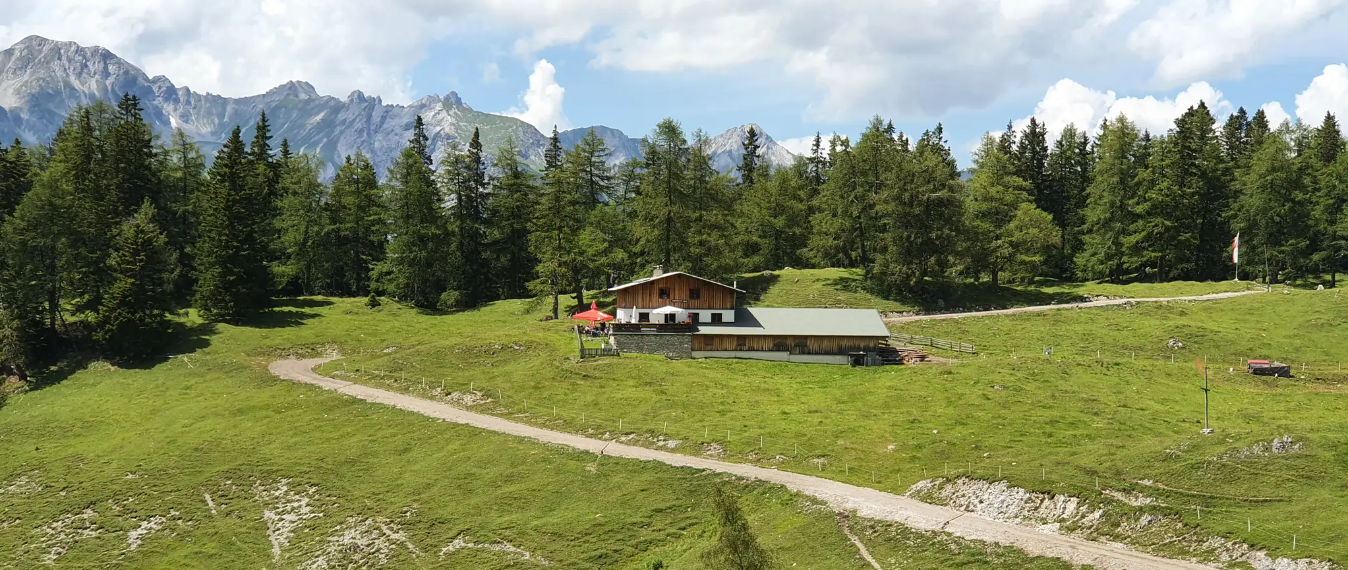
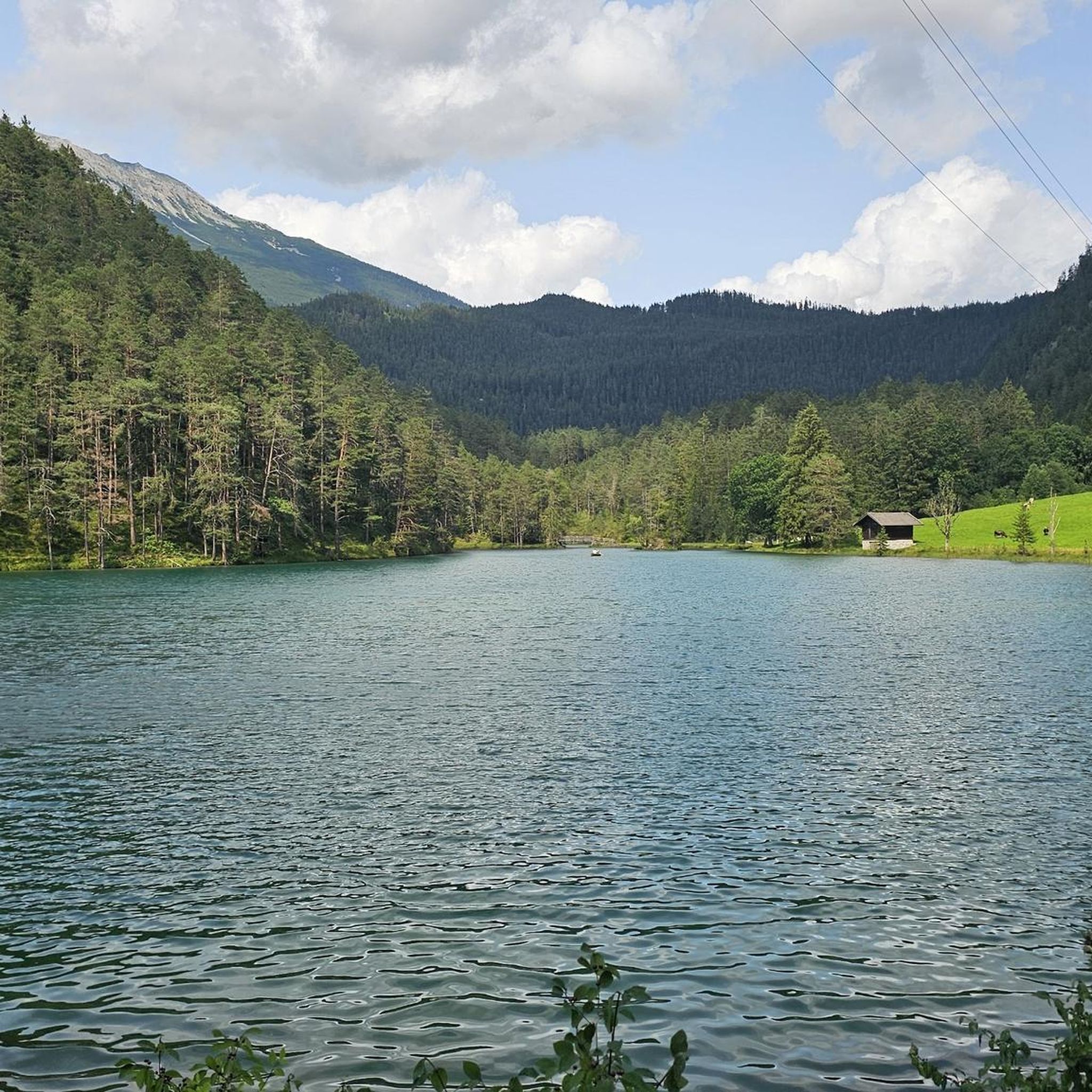
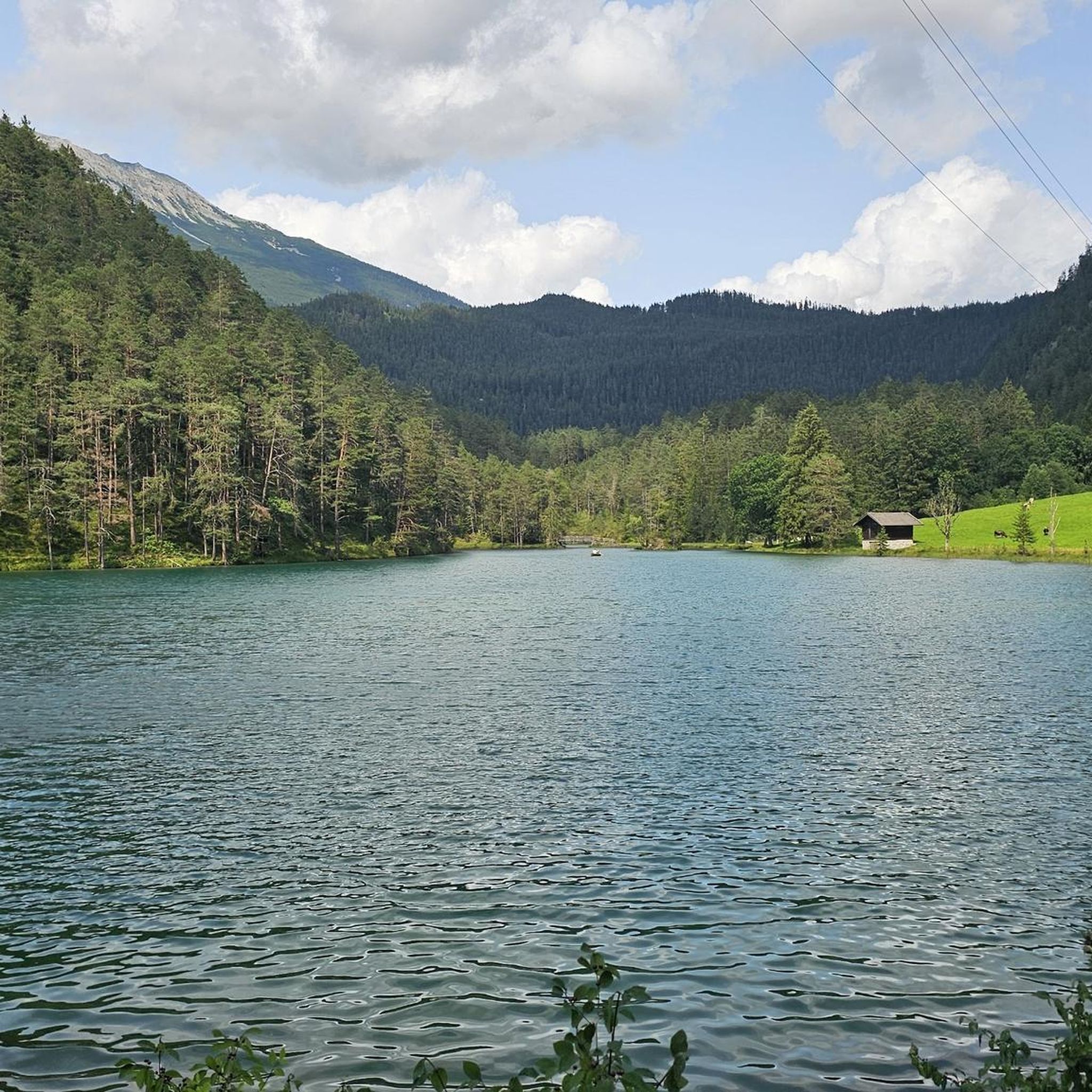
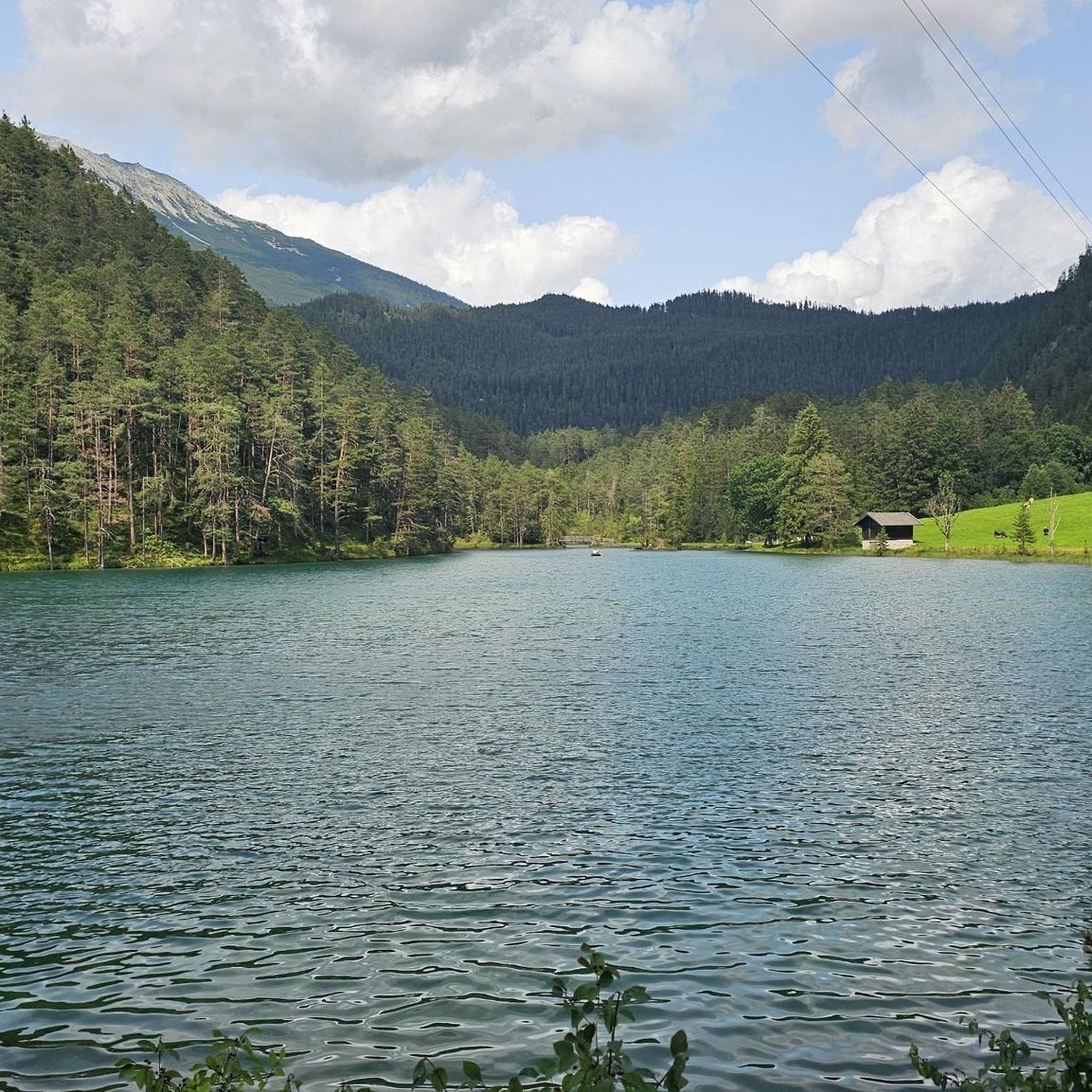
Mountain biking around Fernsteinsee offers diverse terrain within the Tyrolean Alps, characterized by a mix of emerald-green lakes and a majestic mountain panorama. The region features trails ranging from wide paths to challenging singletracks and gravel sections, including parts of the historic Via Claudia Augusta. Riders can expect routes with varying difficulties, from moderate paths to demanding ascents and descents through idyllic forests and along clear mountain streams. The landscape provides a setting for mountain biking with significant elevation changes and scenic viewpoints.
Best mountain bike trails around Fernsteinsee
- The most popular mountain bike trail is Small Waterfall and Stream – Tegesbach loop from Schloss Fernstein, a 5.4 miles (8.8 km) easy trail that takes about 45 minutes to complete, passing by a small waterfall and the historic Schloss Fernstein.
- Another top favourite among local mountain bikers is Steep Mountain Gravel Road – Tegesbach Gorge loop from Nassereith, a moderate 11.9 miles (19.1 km) path. This route features a steep mountain gravel road and leads through the Tegesbach Gorge, offering varied terrain.
- Local mountain bikers also love the Lake Nassereith – Simmering Ascent loop from Nassereith, a 19.4 miles (31.2 km) trail leading through mountainous terrain with significant elevation gain, often completed in about 3 hours 20 minutes.
- Mountain biking around Fernsteinsee is defined by alpine landscapes, emerald-green lakes, and historic Roman paths. The network offers options for different ability levels, from easy loops to challenging high-alpine routes.
- The routes in Fernsteinsee are highly rated by the komoot community with an average score of 4.6 stars from over 2600 reviews. More than 12500 mountain bikers have used komoot to explore Fernsteinsee's varied terrain.
Last updated: June 27, 2026
4.0
(2)
8
riders
8.72km
00:46
160m
160m
Easy mountain bike ride. Great for any fitness level. Suitable for all skill levels.
4.3
(10)
31
riders
18.7km
02:08
780m
780m
Moderate mountain bike ride. Good fitness required. Suitable for all skill levels.

Sign up for free
5.0
(11)
54
riders
31.2km
03:23
1,180m
1,180m
Hard mountain bike ride. Very good fitness required. Advanced riding skills necessary.
4.6
(47)
256
riders
73.0km
05:04
920m
920m
Hard mountain bike ride. Very good fitness required. Suitable for all skill levels.
4.0
(1)
7
riders
9.71km
00:56
270m
270m
Easy mountain bike ride. Great for any fitness level. Suitable for all skill levels.
Get access to more routes and recommendations from other explorers.
Sign up for free
Already have an account?
Our route recommendations are based on thousands of hikes, rides, and runs completed by other people on komoot.
Start today with a free account
Your next adventure awaits.
Login or Signup

Other adventures around Fernsteinsee

Tips from the Community

open from 3:30 PM Ice cream, drinks, cake. Kitchen from 6:00 PM to 7:30 PM, Table reservation is required for dining, Info: www.gasthof-wiesenruh.com
0
0


Great place to take a break
0
0

Great hut with friendly staff and relatively good prices
0
0

Lots of sunshine from the switchbacks. Choose your time of day well :-)
0
0

The new path from the Haimingeralm to the Simmering Alm super
0
0
Frequently Asked Questions
How many mountain bike trails are available around Fernsteinsee?
There are over 60 mountain bike trails around Fernsteinsee, offering a wide range of options for different skill levels and preferences. This includes 16 easy routes, 21 moderate routes, and 29 difficult routes for more experienced riders.
Are there family-friendly mountain bike routes in Fernsteinsee?
Yes, Fernsteinsee offers several family-friendly mountain bike routes. An excellent option is the Small Waterfall and Stream – Tegesbach loop from Schloss Fernstein, an easy 8.8 km trail that takes about 45 minutes to complete and passes by a small waterfall and the historic Schloss Fernstein.
What kind of terrain can I expect on mountain bike trails in Fernsteinsee?
The terrain around Fernsteinsee is diverse, ranging from wide paths and gravel sections to challenging singletracks. You'll encounter significant ascents and descents, especially on more difficult routes, as well as sections along historic Roman paths like the Via Claudia Augusta. The landscape features idyllic forests, clear mountain streams, and stunning alpine views.
What natural features or landmarks can I see while mountain biking near Fernsteinsee?
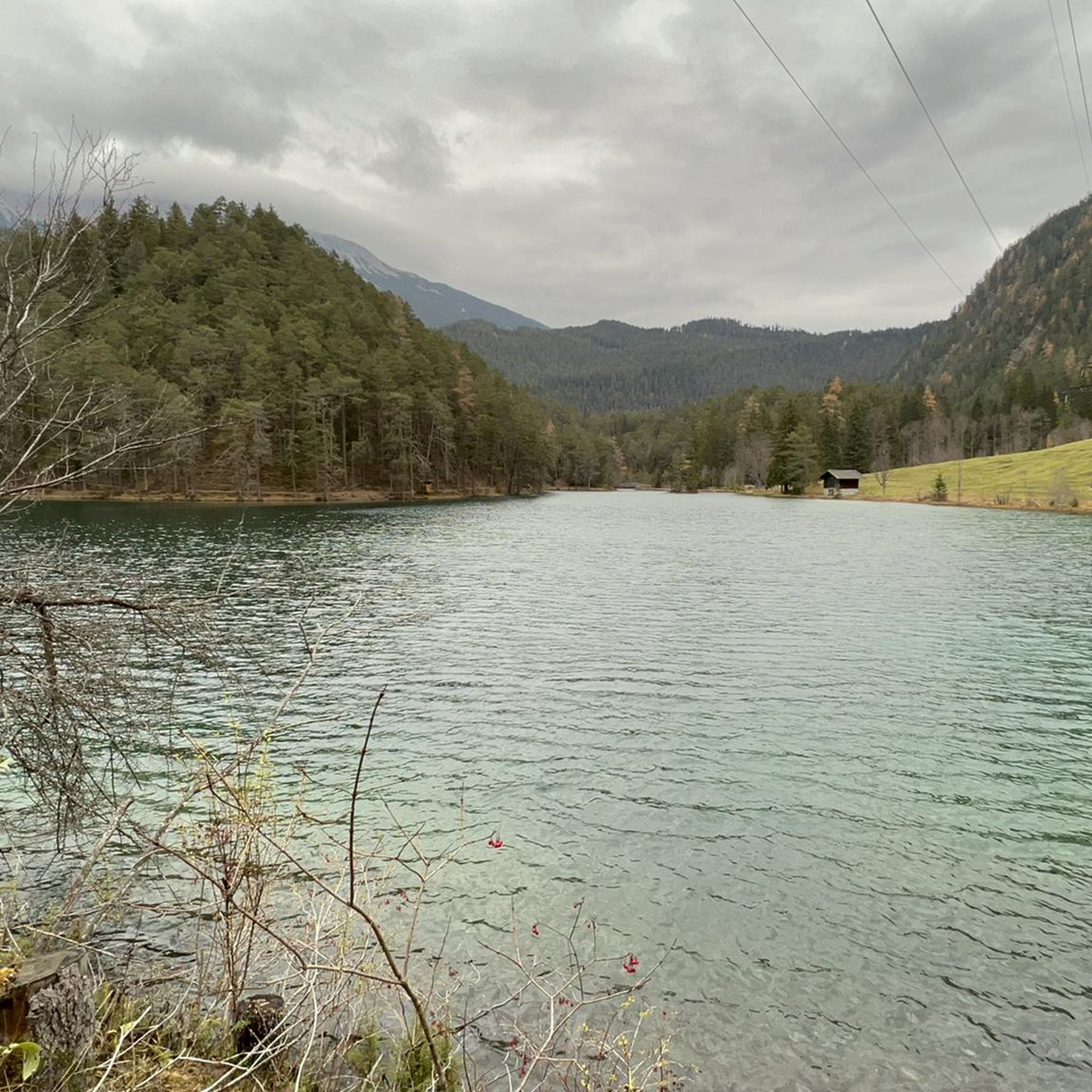
While mountain biking around Fernsteinsee, you can encounter several notable features. The picturesque Lake Fernstein itself is a highlight, known for its clear waters. You might also ride along sections of the historic Fernpass Trail, including parts of the Roman path near Fernsteinsee Castle. The area is also home to the historic Fernstein Castle and the ruins of Sigmundsburg Castle on an island in the lake, offering scenic views.
Are there challenging mountain bike routes for experienced riders?
Absolutely. For experienced riders seeking a challenge, there are 29 difficult routes. The Lake Nassereith – Simmering Ascent loop from Nassereith is a demanding 31.2 km trail with significant elevation gain, often completed in about 3 hours 20 minutes, offering a true alpine mountain biking experience.
What do other mountain bikers enjoy the most about mountain biking in Fernsteinsee?
The area is highly rated by the komoot community, with an average score of 4.6 stars from over 2600 reviews. Reviewers often praise the diverse terrain, the stunning emerald-green lakes, and the majestic mountain panorama. The mix of historic routes and challenging alpine trails also receives high acclaim.
Can I find loop trails for mountain biking in Fernsteinsee?
Yes, many mountain bike trails in Fernsteinsee are designed as loops, allowing you to start and end at the same point. An example of a moderate loop trail is the Steep Mountain Gravel Road – Tegesbach Gorge loop from Nassereith, which is 19.1 km long and features varied terrain through the Tegesbach Gorge.
What is the best time of year for mountain biking in Fernsteinsee?
The best time for mountain biking in Fernsteinsee is generally from late spring to early autumn (May to October). During these months, the weather is more stable, trails are typically clear of snow, and the natural beauty of the Tyrolean Alps is at its peak. Always check local weather and trail conditions before heading out.
Are there any long-distance mountain bike routes in the region?
Yes, for those looking for longer rides, the region offers extensive routes. The View of the Mieming Range – View of the Inn River loop from Nassereith is a challenging 73.3 km route that provides expansive views and a significant workout.
Are there options for easy, shorter mountain bike rides?
Yes, if you're looking for an easier, shorter ride, there are 16 easy routes available. The Nassereith – Sunny Meadow loop from Nassereith is a pleasant 9.7 km easy trail, perfect for a relaxed outing through scenic meadows.
Is it possible to access trails using public transport?
The trails around Fernsteinsee are often accessible from various starting points, including towns like Nassereith and Ehrwald. While specific public transport options for mountain bikes can vary, these towns are generally well-connected, making it convenient to reach the trailheads. It's advisable to check local bus schedules and bike transport policies in advance.
Most popular routes around Fernsteinsee
Most popular attractions around Fernsteinsee

Get inspired with the komoot mobile app


Explore more
Browse the best MTB trails in other regions.
