Top 20 Lakes in Olympic National Park
Best lakes in Olympic National Park are found within a diverse landscape encompassing rugged coastlines, ancient forests, and glaciated mountains. This region is home to several lakes, each offering unique features and experiences. The park's geography includes deep, glacially carved lakes and those nestled within lush rainforests. It provides a range of environments for visitors exploring its natural landscape.
Best lakes in Olympic National Park
- The most popular lakes is Lake Crescent Beach and Lodge, a lake that offers…
Last updated: September 26, 2026
Lake Crescent Beach and Lodge
Highlight • Lake
Tip by

Grand Lake & Camp
Highlight • Lake
Tip by
Sign up now to discover places like this
Get recommendations on the best single tracks, peaks, & plenty of other exciting outdoor places.
Deer Lake
Highlight • Lake
Tip by
Trailhead for Marymere Falls & Mount Storm King
Highlight • Trail
Tip by

Spruce Railroad Trail (Lake Crescent)
Highlight (Segment) • Trail
Tip by

Sign up for free to discover even more lakes in Olympic National Park.
Already have an account?
Start today with a free account
Your next adventure awaits.
Popular around Olympic National Park
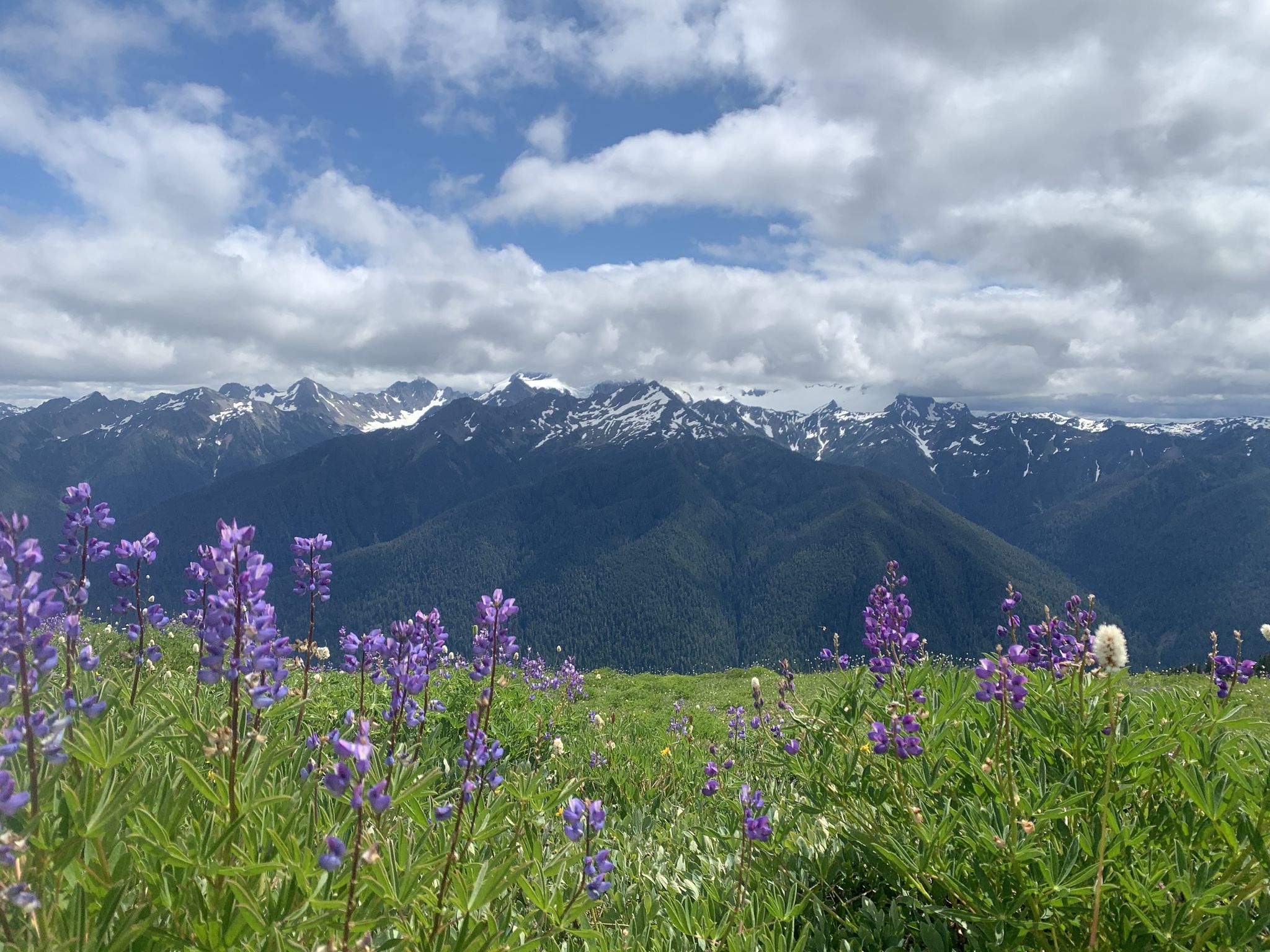
Pacific Northwest National Scenic Trail — From Alpine to Alava through the untamed Northwest
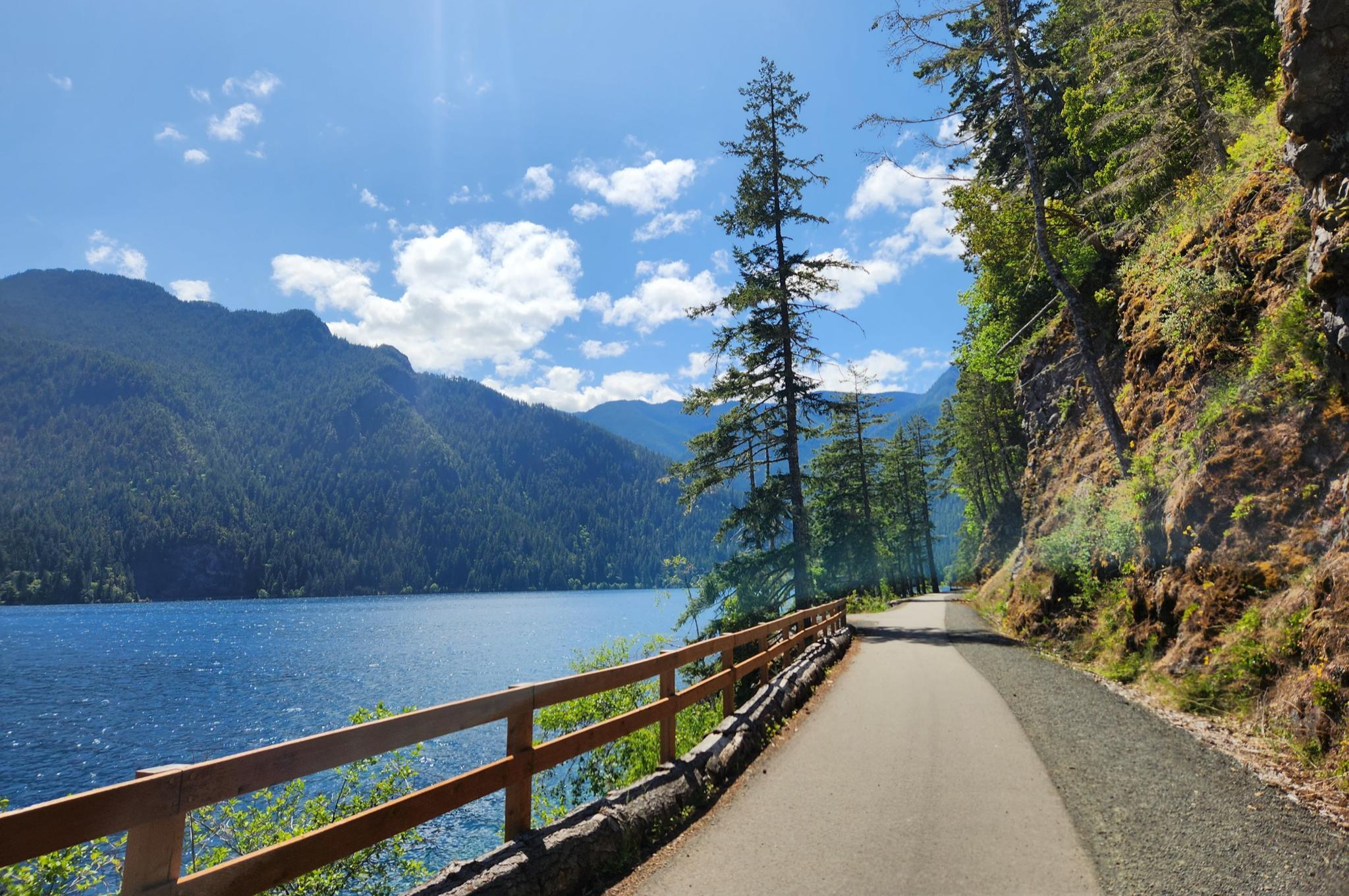
Olympic Discovery Trail — A True Northwest Adventure
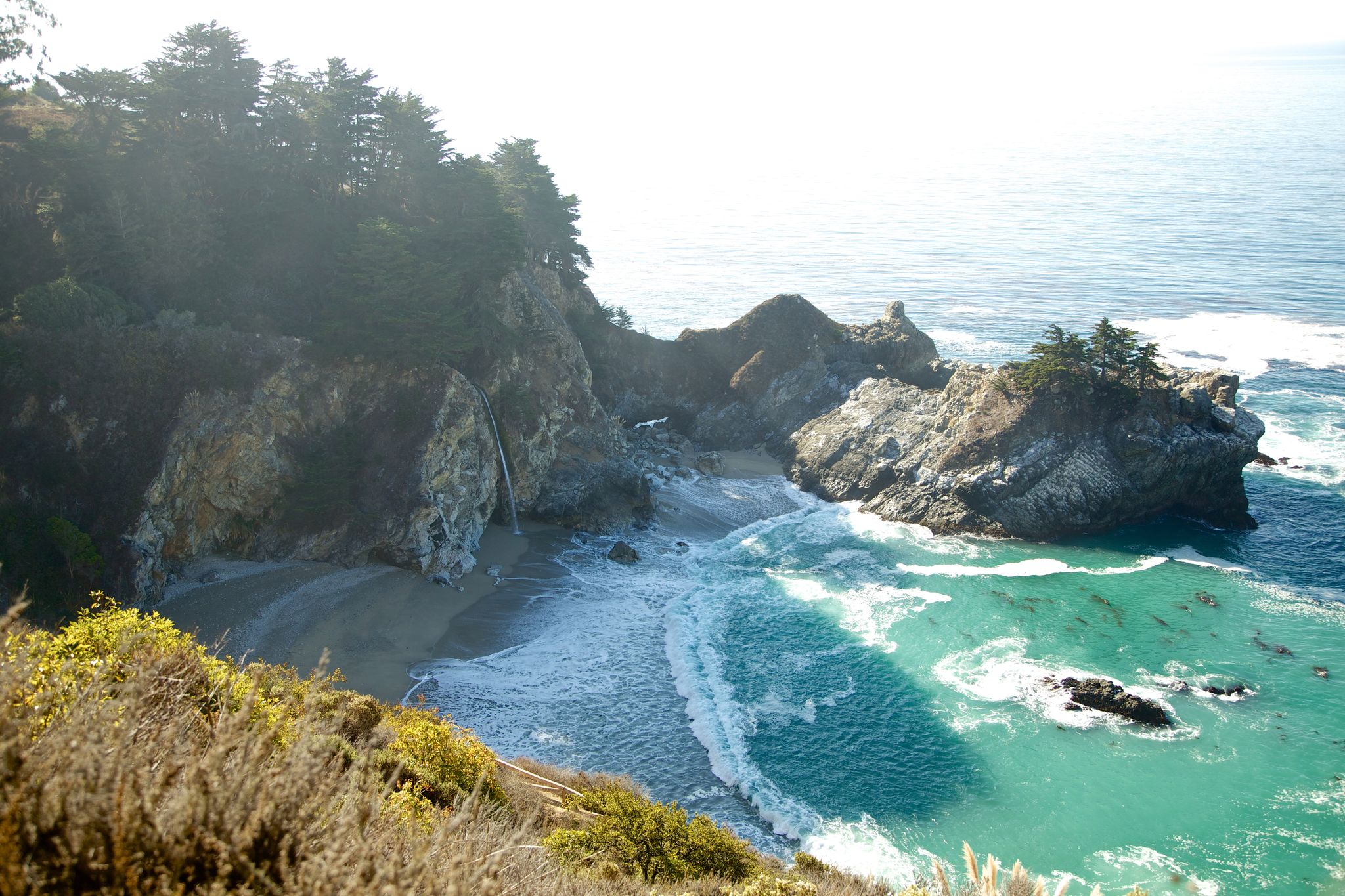
The tour of your life – music trails on the Pacific coast
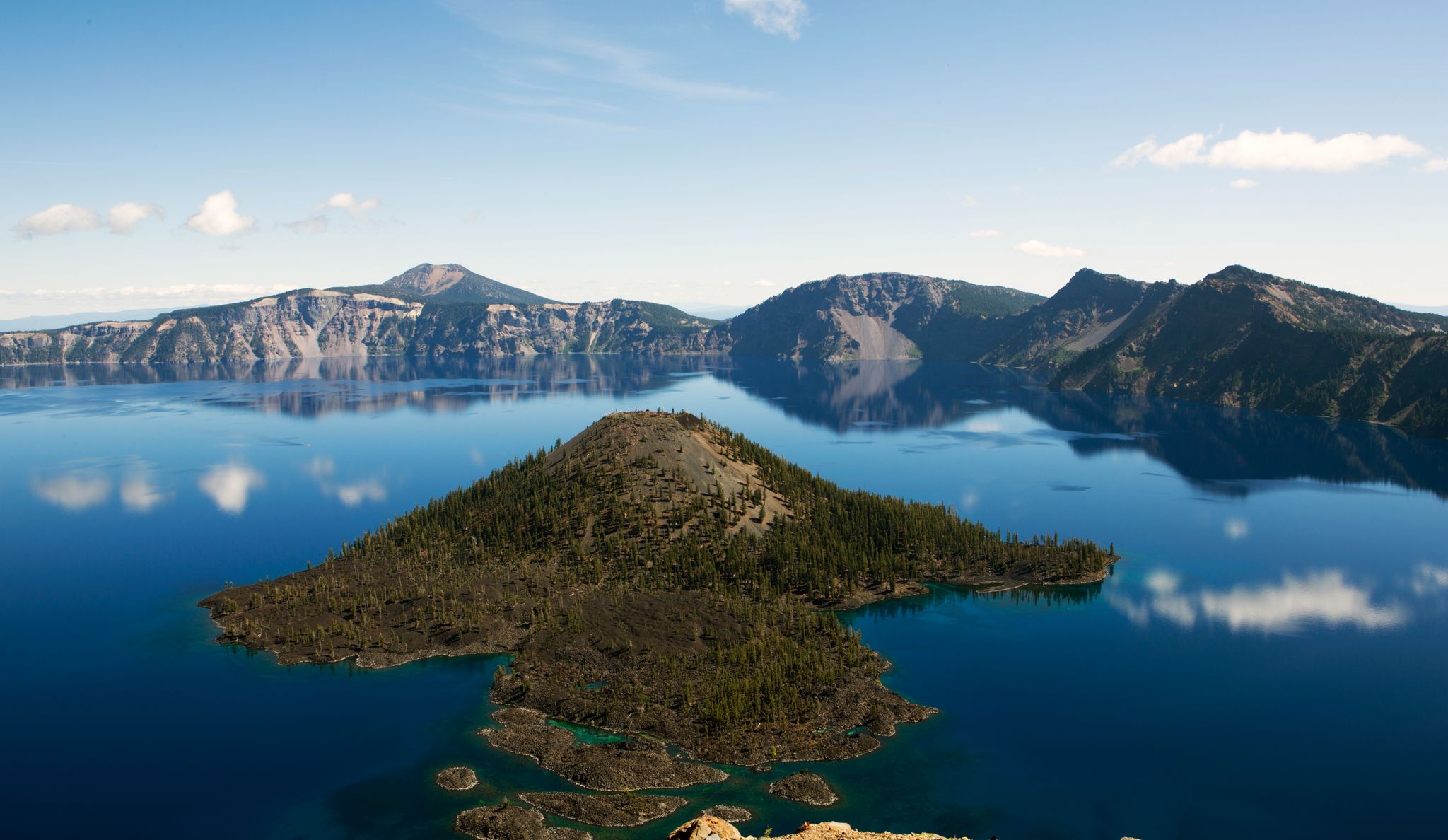
Volcanic peaks and glistening shores – discover Oregon and Washington
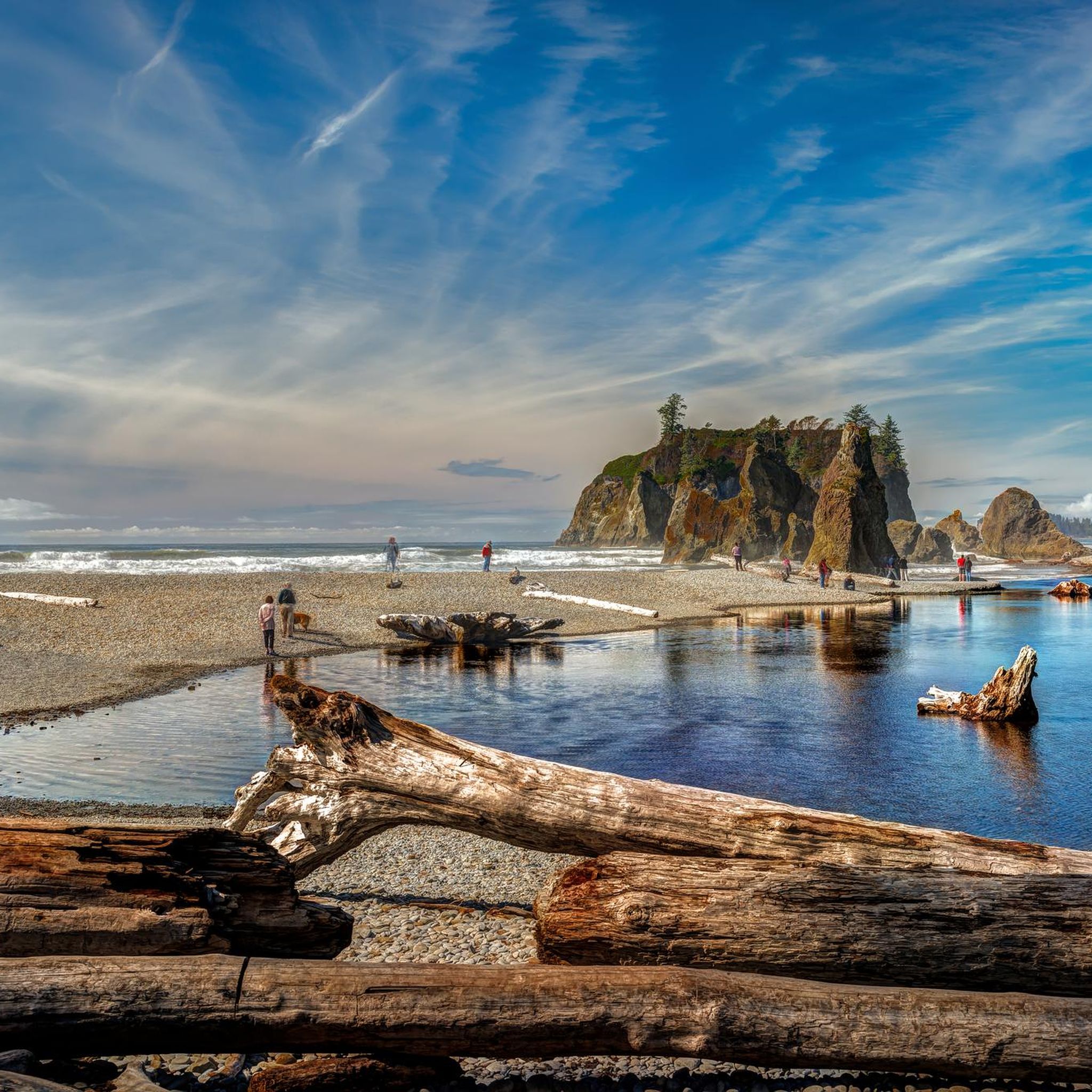
Hiking in Olympic National Park
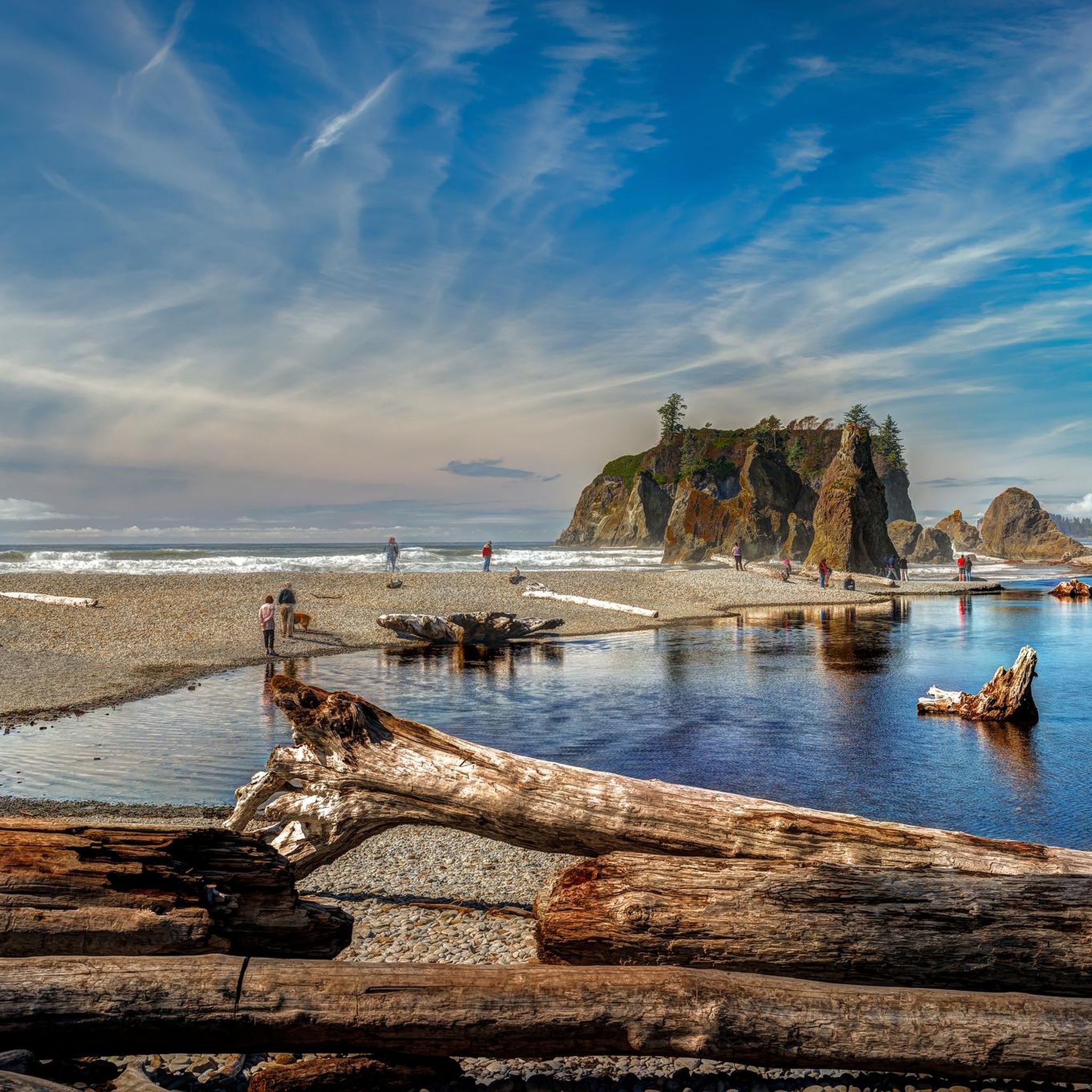
Running Trails in Olympic National Park
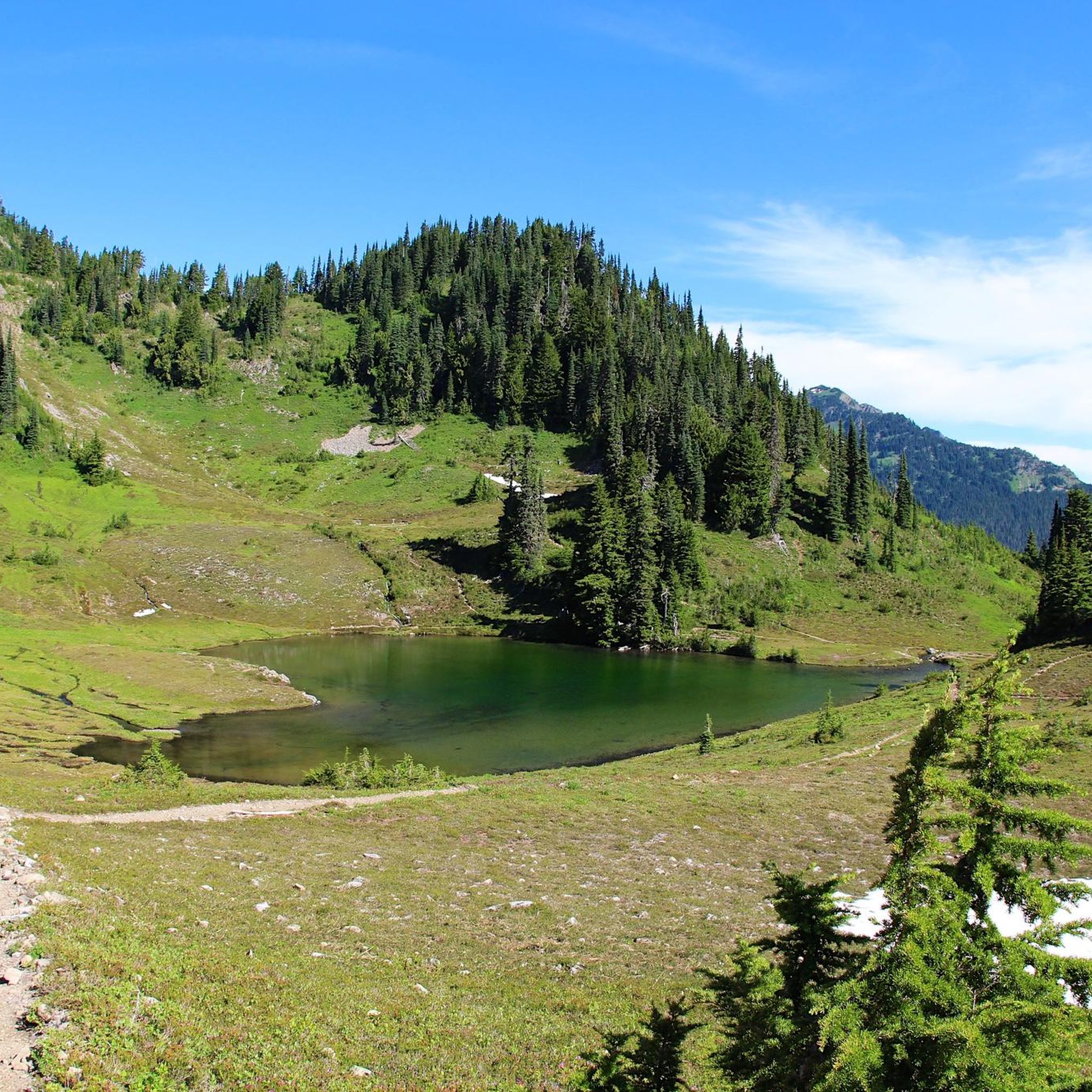
MTB Trails in Olympic National Park
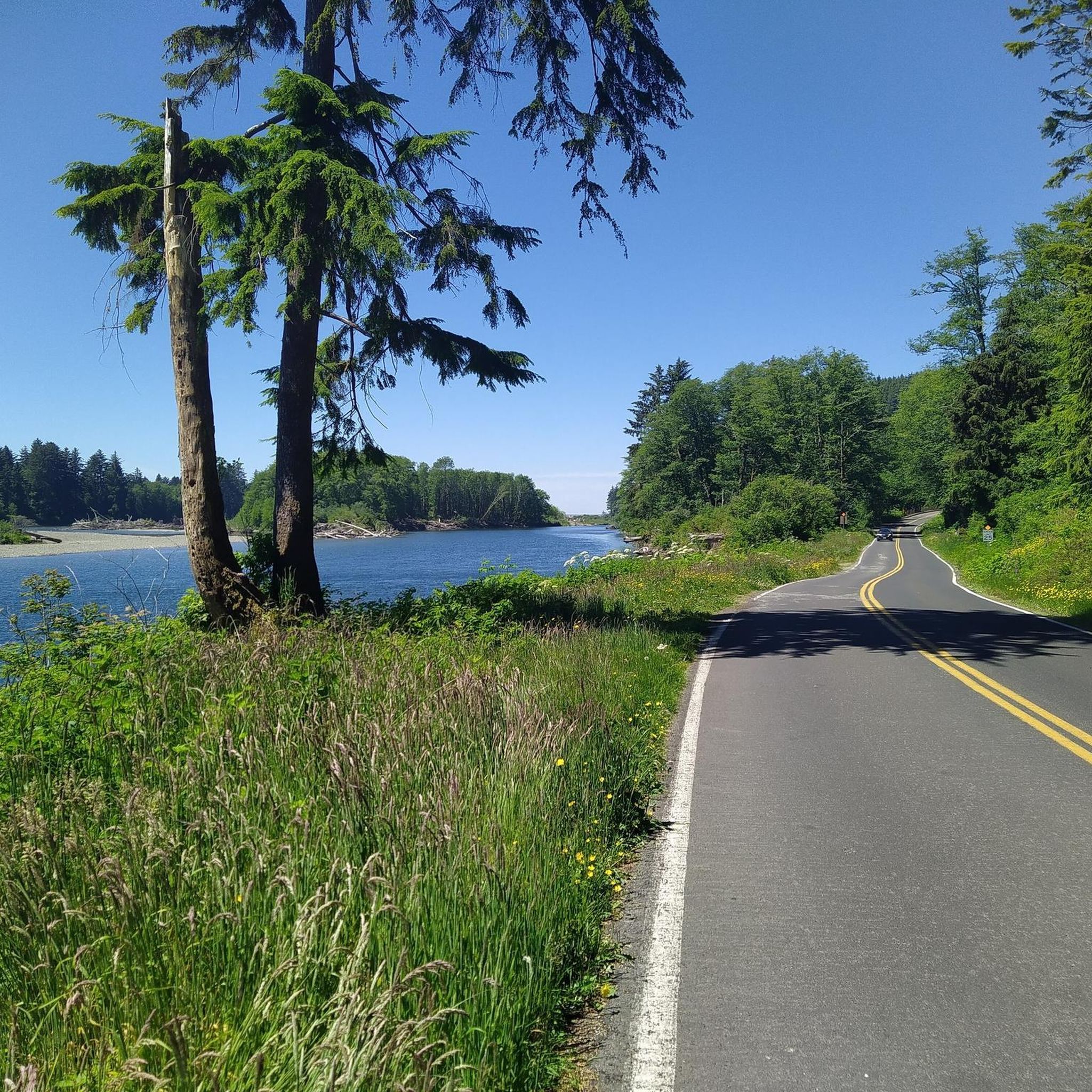
Road Cycling Routes in Olympic National Park
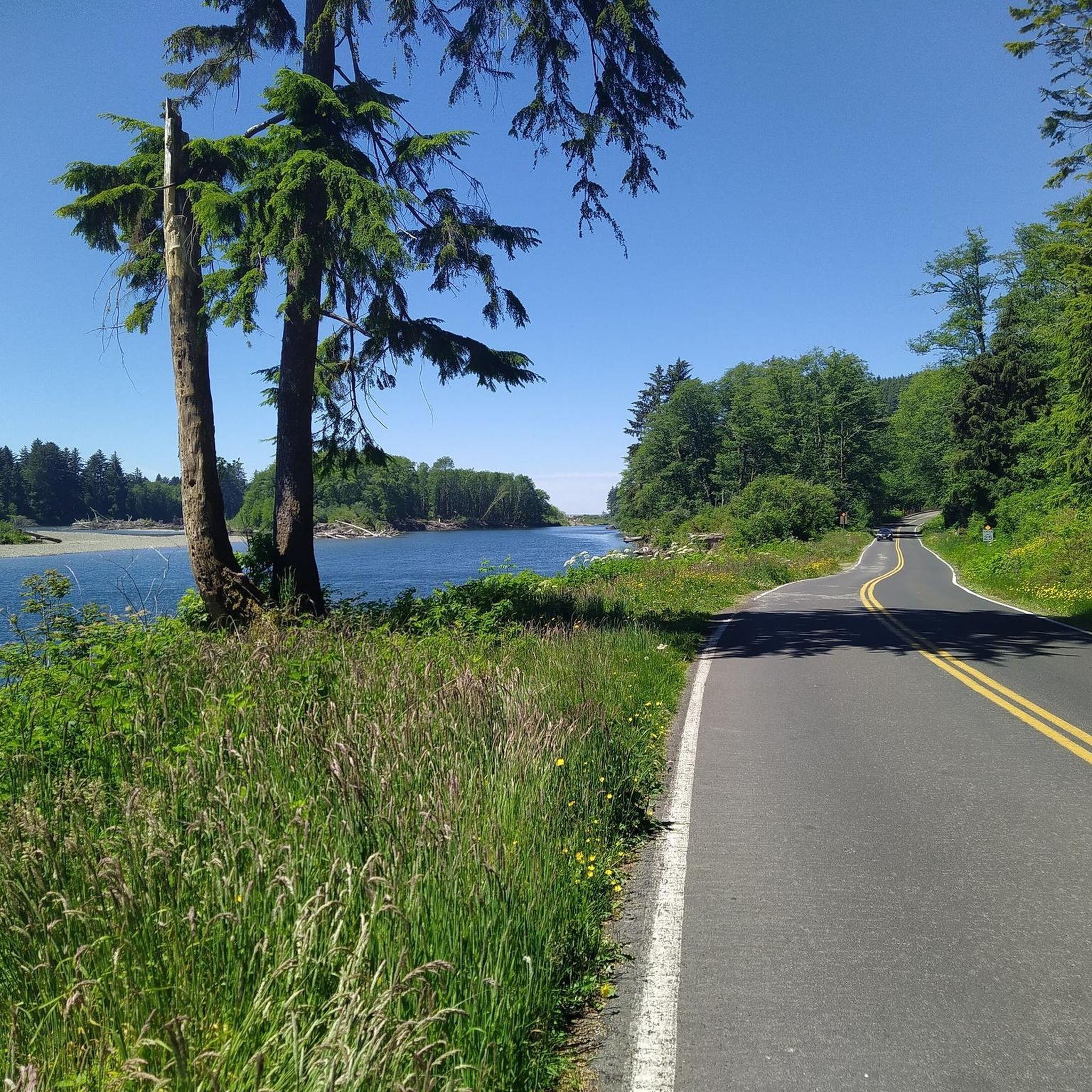
Cycling in Olympic National Park

Gravel biking in Olympic National Park
Other adventures in Olympic National Park


Tips from the Community

A quiet place in September
0
0

Just off the shores of Lake Crescent, this is the shared trailhead for Marymere Falls Nature Trail (a relatively short, easy hike) and Mount Storm King, a stiffer climb that even has fixed ropes to help you on some sections.
0
0

A beautiful alpine lake with abundant small trout rising.
1
0

Only 5.5km from the Sol Duc River Valley parking area, Deer Lake is technically two lakes nestled in the trees of Olympic National Park. This is a beautiful spot to take a quick rest before carrying on to Round Lake or heading back!
0
0

A scenic rail to trail path in Olympic National Park. Built in 1918 to harvest spruce for biplanes, it now offers a picturesque route. Enjoy stunning views of Lake Crescent, pass through wooded areas, and admire the rugged lakeshore cliffs.
3
0

Pure nature. Be sure to arrive in daylight, otherwise the seats are difficult to find.
1
1

Lake Crescent at the northern shore of the Olympic Peninsula offers gorgeous outdoor activities. If you like hiking, take a stroll to the beautiful Marymere Waterfalls that are just around the corner. You can also rent a kayak or just relax at the scenic beach with towering mountains all around you. The nearby lodge was built in 1916 and is still a high class location to spend the night.
4
0
Deer Lake is actually two lakes, one being considerably smaller than the other. Both are picturesque mountain lakes surrounded by lush vegetation. You can hike around the larger Deer Lake, take a break or even spend the night up here. If you like to pitch your tent around the lakes, you need to obtain a Wilderness Camping Permit that is available 6 months prior to your trip. Visit https://www.recreation.gov/permits/4098362 to reserve a permit. The area around Deer Lake is a quota area, so camping is limited. Find more information about fees and quotas: https://www.nps.gov/olym/planyourvisit/wilderness-reservations.htm
4
1
Frequently Asked Questions
Which lakes in Olympic National Park are best for families?
For families, Lake Crescent Beach and Lodge is an excellent choice. It offers easy outdoor activities like the Marymere Falls Nature Trail and a scenic beach. The Spruce Railroad Trail (Lake Crescent) is also family-friendly, providing a picturesque route along the lake.
Are there any accessible trails around the lakes?
Yes, the Spruce Railroad Trail (Lake Crescent) is a scenic rail-to-trail path that skirts the north shore of Lake Crescent, leading to Devils Punchbowl. It's known for its accessibility and offers stunning views.
What unique natural features can I find at the lakes in Olympic National Park?
Olympic National Park's lakes boast several unique natural features. Lake Crescent is known for its crystal-clear, deep blue, glacially carved waters and two unique trout populations. Lake Quinault is nestled within a lush rainforest and features towering evergreens, including six record-setting trees. Lower Lena Lake, formed by a landslide, reveals the stumps of a ghost forest during low water levels.
What are some good options for camping near the lakes?
For camping, Deer Lake offers a very calm wilderness experience, but requires a Wilderness Camping Permit and is a quota area. Lower Lena Lake also provides backcountry camping with designated sites. For kayakers and canoeists, Ozette Lake has backcountry camping options, including on islands, and requires bear canisters for food storage.
Which lakes offer challenging hiking experiences?
For a challenging hike, consider the trail to Upper Lena Lake, which is a steeper, 3-mile route from Lower Lena Lake and requires a National Park Wilderness Camping Permit. The Mount Storm King trail near Lake Crescent Beach and Lodge is also a stiffer climb with fixed ropes on some sections.
What historical significance do some of the lake areas hold?
Ozette Lake is a significant historical area, with discoveries unearthing a 300-year-old village and a culture dating back at least 2,000 years. The Low Divide area, while not a lake itself, was part of the historic route of the 1890 Press Expedition, the first non-native Americans to cross this divide.
What is the best time of year to visit the lakes in Olympic National Park?
The best time to visit can vary by lake. For Lake Crescent, September offers a quiet experience. For Deer Lake, July and August are ideal to avoid snow and enjoy the trails. Generally, late spring through early fall provides the most favorable conditions for exploring the lakes and their surrounding trails.
Are there opportunities for water activities like kayaking or swimming?
Yes, Lake Crescent is ideal for swimming, kayaking, canoeing, and paddleboarding due to its pristine, clear waters. The Devils Punchbowl, accessible via the Spruce Railroad Trail, is a popular swimming spot. Ozette Lake also offers opportunities for kayaking and canoeing.
What kind of wildlife can I expect to see around the lakes?
The diverse ecosystems around the lakes support various wildlife. Lake Crescent is home to unique Beardslee and Crescenti trout. The lush rainforest surrounding Lake Quinault and Ozette Lake provides habitat for numerous species, though specific wildlife sightings are not guaranteed.
What are some less crowded lakes for a more secluded experience?
For a more secluded experience, Upper Lena Lake offers greater solitude compared to its lower counterpart, though it requires a more challenging hike and a permit. Deer Lake is also described as a very calm lake in the lonely wilderness of the Olympic National Park.
Can I fish in the lakes of Olympic National Park?
Yes, fishing is possible in some lakes. For example, fishing for trout and salmon is popular in Lake Quinault, but requires a valid permit from the Quinault Indian Nation. Always check local regulations and permit requirements before fishing.
What outdoor activities can I do near the lakes in Olympic National Park?
Beyond exploring the lakes themselves, you can find numerous outdoor activities. There are many hiking opportunities, including easy trails like the Marymere Falls Nature Trail near Lake Crescent, or more difficult ones like the Deer Lake and Little Divide Trail. For more options, explore waterfall hikes, easy hikes, and running trails throughout Olympic National Park.
Most popular routes in Olympic National Park
Most popular attractions in Olympic National Park

Get inspired with the komoot mobile app


Explore more
Still not found your perfect lake in Olympic National Park? Check out the guides of these regions to see even more beautiful places.
