The best traffic-free bike rides in Olympic National Park
41
riders
5
rides
Gravel biking in Olympic National Park offers diverse landscapes, from lush temperate rainforests to rugged Pacific coastline and the Olympic Mountains. The region features an extensive network of gravel and dirt roads, including Forest Service roads, providing varied terrains for exploration. These no traffic gravel bike trails wind through environments characterized by old-growth forests, glacial lakes, and subalpine meadows. The park's unique geography makes it well-suited for gravel cycling, with routes that cater to different skill levels and offer scenic…
Last updated: September 27, 2026
16
riders
66.0km
04:58
1,010m
1,010m
Hard gravel ride. Very good fitness required. Mostly paved surfaces. Suitable for all skill levels.
9
riders
92.5km
06:14
1,330m
1,330m
Hard gravel ride. Very good fitness required. Mostly paved surfaces. Suitable for all skill levels.

4
riders
75.4km
05:49
1,390m
1,390m
Hard gravel ride. Very good fitness required. Mostly paved surfaces. Suitable for all skill levels.
1
riders
24.0km
01:51
430m
430m
Moderate gravel ride. Good fitness required. Mostly paved surfaces. Suitable for all skill levels.
7
riders
56.9km
04:38
1,180m
1,180m
Hard gravel ride. Very good fitness required. Mostly paved surfaces. Suitable for all skill levels.
Our route recommendations are based on thousands of hikes, rides, and runs completed by other people on komoot.
Start today with a free account
Your next adventure awaits.
Popular around Olympic National Park
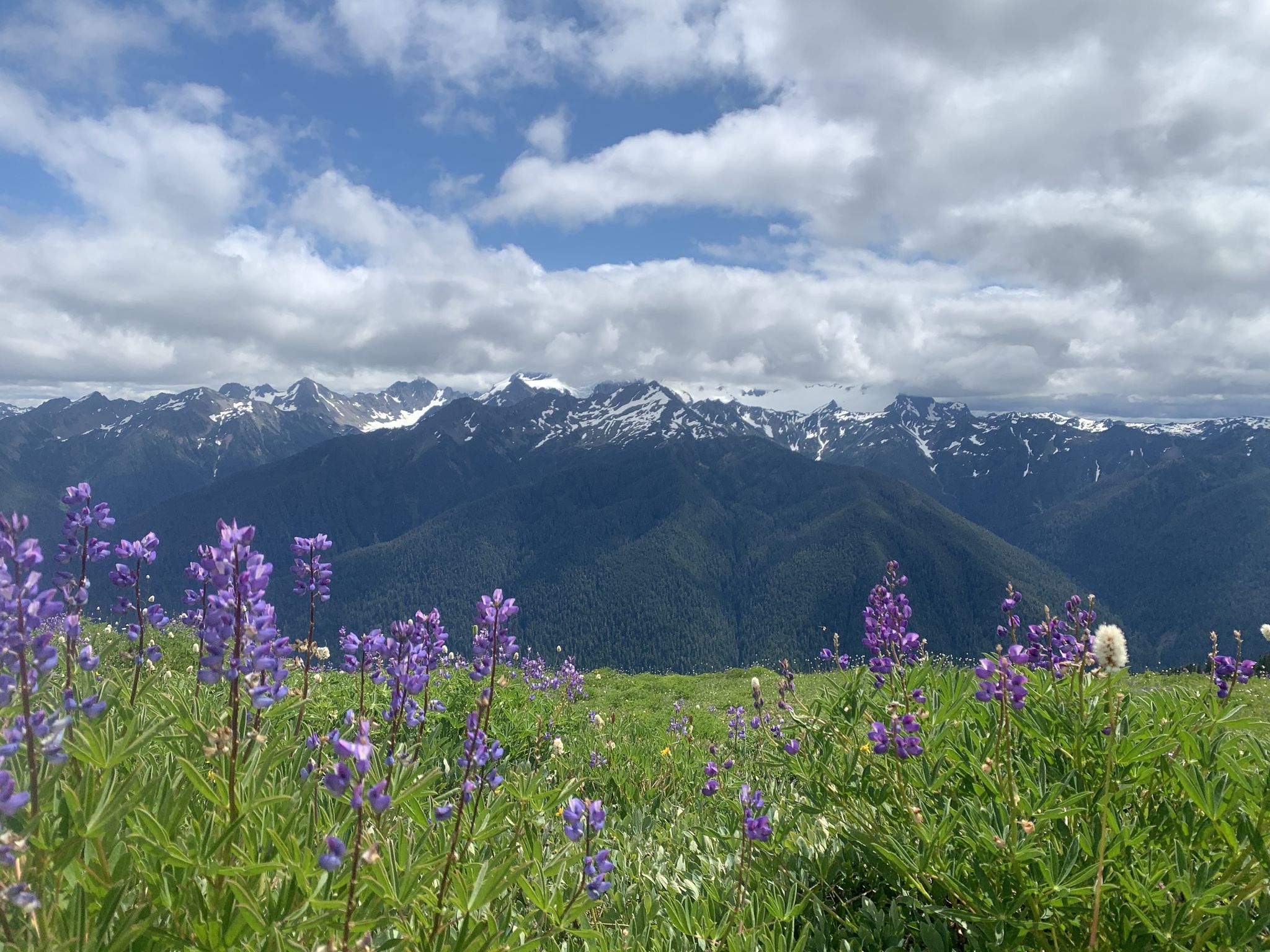
Pacific Northwest National Scenic Trail — From Alpine to Alava through the untamed Northwest
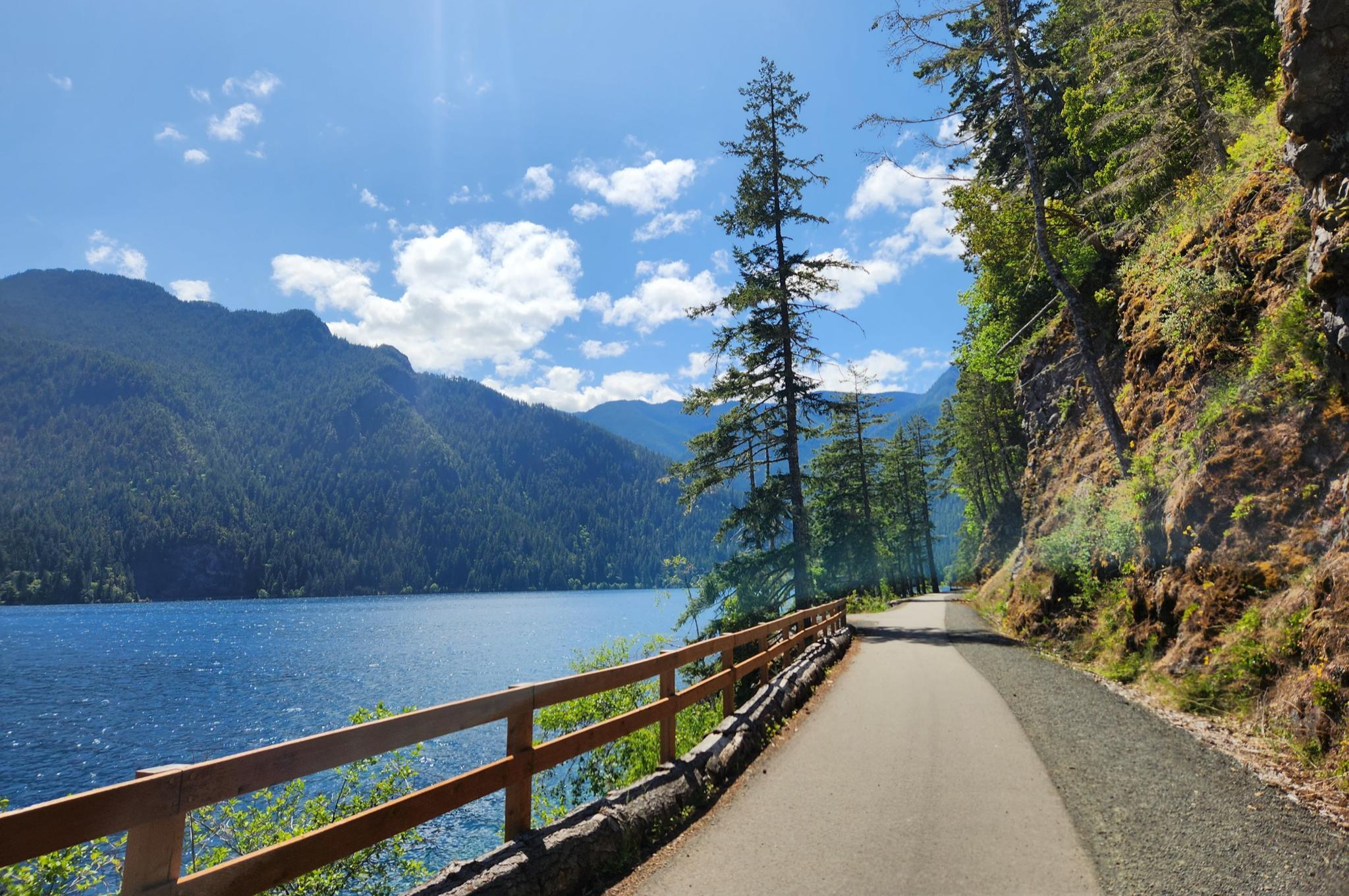
Olympic Discovery Trail — A True Northwest Adventure
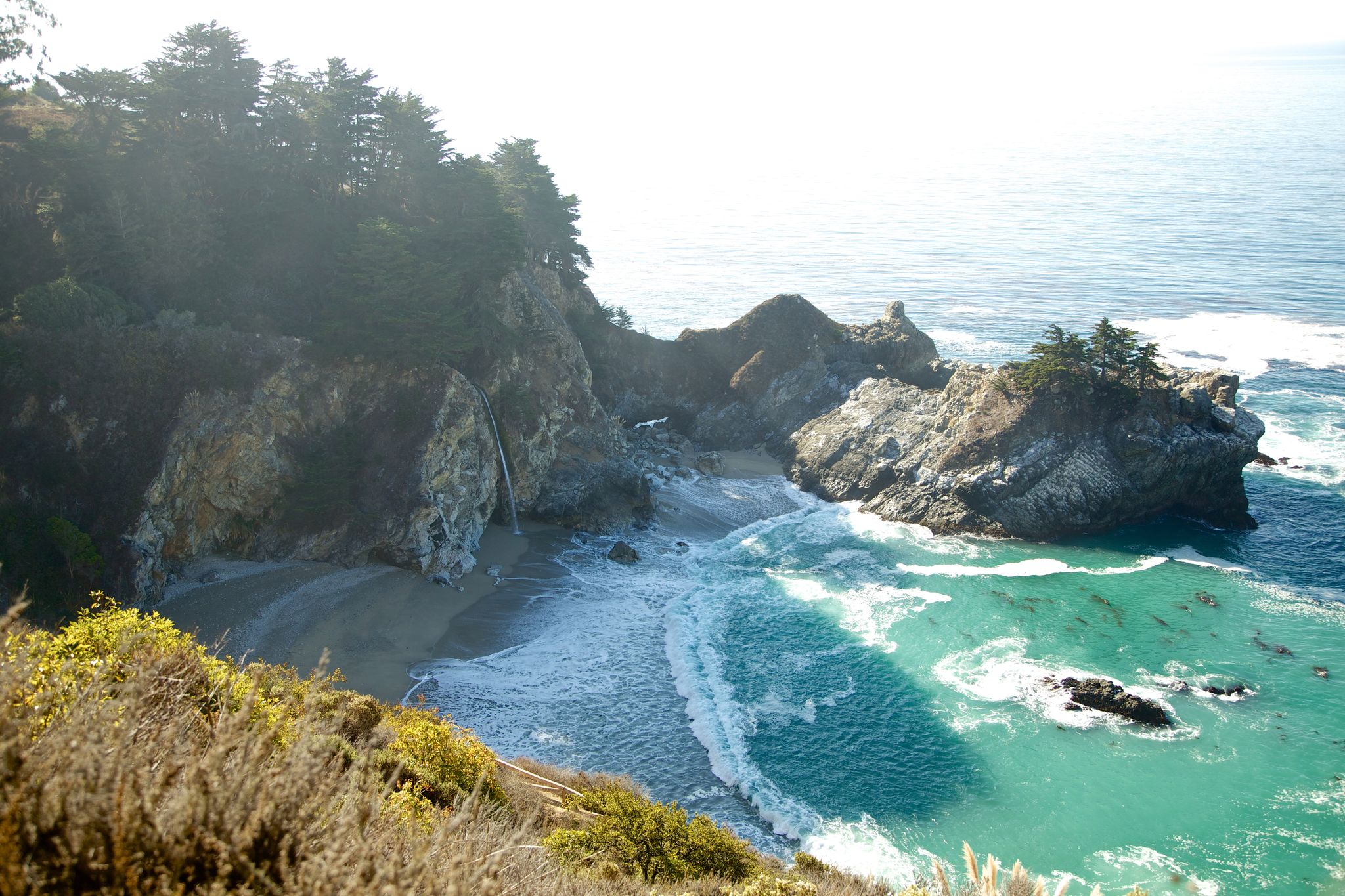
The tour of your life – music trails on the Pacific coast
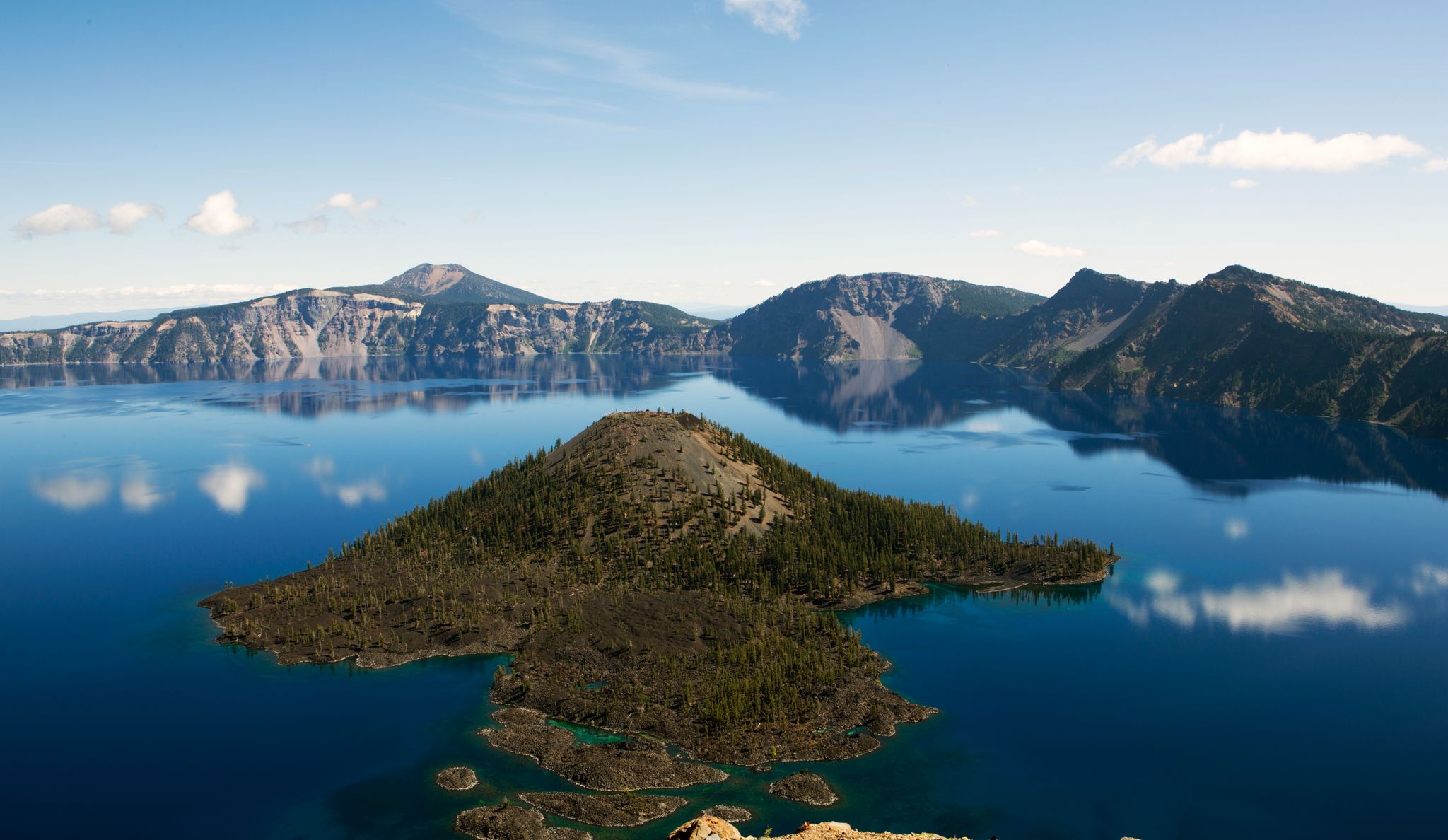
Volcanic peaks and glistening shores – discover Oregon and Washington

Traffic-free bike rides in Olympic National Park
Traffic-free bike rides in Olympic National Park
Other adventures in Olympic National Park


Tips from the Community


Port Angeles, situated along a port of the same name, is a picturesque town that serves as the gateway to Olympic National Park. For those riding the ODT it serves as a great place to rest and refuel as there are a number of great restaurants, accommodations, and grocery stores.
1
0

The uncomplicated climb to Striped Peak nets you glorious views of Crescent Bay and Vancouver Island.
0
0

Amazing trail. Can do on a gravel bike or MTB. Great for first time bike packers.
1
0

Located in the northern foothills of the Olympic Mountains, Lake Crescent, approximately 18 miles west of Port Angeles, offers a tranquil escape into nature. Its pristine, glacially carved waters make it a perfect destination for those seeking natural beauty. Interestingly, the lake's unique history, including a massive landslide 7,000 years ago, has led to distinct populations of Crescenti and Beardslee trout, adapted through genetic isolation.
0
0

Daley Rankin Tunnel is a nice tunnel carved inside a huge rock along Lake Crescent. Spruce Railroad Trail leads through the tunnel and offers great views from the wooden path right before it.
0
0
Once you reach the end of the trail at East Beach Road, you can walk down to the river to see the spot where Lyre River flows into Lake Crescent. Enjoy the beautiful natural surrounding.
0
0
Explore a tranquil, pine-lined segment of the Olympic Discovery Trail as it winds through a peaceful wooded forest. Great place to stop and take a break in the summer!
0
0
Frequently Asked Questions
How many no-traffic gravel bike trails are available in Olympic National Park?
This guide features 5 dedicated no-traffic gravel bike routes within Olympic National Park and its surrounding areas. These routes offer a range of experiences, from moderate to challenging, ensuring a car-free adventure.
Are there any family-friendly no-traffic gravel bike trails in the area?
While many routes in this guide are rated moderate to difficult, the Gravel loop from Elwha Wildlife Area is a moderate option that might be suitable for families with some gravel biking experience. For a very easy, mostly paved option, the Spruce Railroad Trail along Lake Crescent (mentioned in region research) is known to be family-friendly, though not explicitly detailed in this guide's routes.
What kind of scenery can I expect on these car-free gravel routes?
The no-traffic gravel routes in Olympic National Park offer incredibly diverse scenery. You can expect to cycle through lush temperate rainforests, alongside pristine glacial lakes like Lake Crescent, and enjoy views of the Olympic Mountains. Some routes may also offer glimpses of the dramatic Pacific coastline or lead you past stunning waterfalls like Marymere Falls or Sol Duc Falls.
What is the best time of year for gravel biking in Olympic National Park to avoid traffic?
The best time for gravel biking in Olympic National Park, especially on routes designed to be traffic-free, is generally from late spring through early fall (May to October). During these months, weather conditions are more favorable, and most trails are clear of snow. While these routes are inherently low-traffic, visiting on weekdays or during the shoulder seasons can offer an even more serene experience.
Are there any loop routes among the no-traffic gravel trails?
Yes, several routes in this guide are designed as loops, allowing you to start and end at the same point without retracing your path. Examples include the challenging Lake Crescent – Daley Rankin Tunnel loop from Lake Sutherland and the Gravel loop from Elwha Wildlife Area.
What are some notable landmarks or attractions I might see along these routes?
Many of the no-traffic gravel routes offer access to stunning natural features. You might pass by the serene waters of Lake Crescent, explore sections of the ancient Hoh Rain Forest, or discover beautiful waterfalls such as Marymere Falls. Coastal routes could lead you to dramatic beaches like Ruby Beach or Rialto Beach.
What kind of elevation gain should I expect on these gravel bike trails?
The no-traffic gravel bike trails in Olympic National Park can involve significant elevation changes. For instance, the Lake Crescent – Elwha River Viewpoint loop from Port Angeles features over 1300 meters of ascent, making it a challenging ride. Even moderate routes like the Gravel loop from Elwha Wildlife Area still include over 400 meters of climbing. Be prepared for varied terrain and rewarding climbs.
Are there any specific permits or regulations for gravel biking in Olympic National Park?
While general park entrance fees may apply, specific permits for gravel biking on designated trails are not typically required. However, it's always wise to check the official National Park Service website (nps.gov/olym) for the most current regulations, especially regarding backcountry access or specific areas. Always respect park rules, stay on marked trails, and practice Leave No Trace principles.
Where can I park my car when accessing these no-traffic gravel trails?
Parking is generally available at designated trailheads or access points for these routes. For example, routes like the Lyre River/Lake Crescent loop from Salt Creek indicate starting points with parking. Always look for official parking areas and avoid blocking access roads or private property. Some routes may start from towns like Port Angeles, offering more parking options.
What should I bring for a gravel biking trip in Olympic National Park?
Given the varied terrain and potential for remote sections, it's crucial to be well-prepared. Essential items include plenty of water, snacks, a repair kit (including spare tubes, pump, and tools), appropriate layers of clothing for changing weather, a first-aid kit, navigation tools (like a fully charged phone with offline maps or a GPS device), and sun protection. Bear spray is also recommended for some areas. Always check the weather forecast before you go.
What do other gravel bikers enjoy most about these no-traffic routes?
Komoot users frequently praise the tranquility and immersive natural beauty of these routes. The absence of vehicle traffic allows for a truly peaceful experience, letting riders fully appreciate the dense forests, stunning lake views, and the sounds of nature. The challenge of the climbs and the reward of panoramic vistas are also commonly highlighted as favorite aspects.
Are there any routes that offer coastal views or access to beaches?
Yes, some routes provide access to the dramatic Pacific coastline. The Tongue Point – Salt Creek Recreation Area loop from Salt Creek, for instance, offers coastal scenery and access to areas near the ocean. While not directly on the beach, these routes often provide stunning views and a different ecological experience compared to the inland forest trails.
Most popular routes in Olympic National Park
Most popular attractions in Olympic National Park

Get inspired with the komoot mobile app


Explore more
Browse the best Gravel rides in other regions.
