The best running trails in Grand Canyon National Park
4.7
(19)
1,178
runners
44
runs
Jogging in Grand Canyon National Park offers a unique experience across its vast and dramatic geological formations. The region is characterized by immense canyon walls, diverse life zones from rim forests to inner canyon deserts, and the Colorado River at its base. Elevation changes are significant, providing varied terrain and ecological experiences for runners.
Best jogging routes in Grand Canyon National Park
- The most popular jogging route is Bright Angel Trail, a 9.4 miles (15.1 km) trail that takes 2 hours 53 minutes to complete. This challenging route offers a significant descent with stunning views and tunnels carved into the rock.
- Another top favourite among local runners is South Kaibab Trail to Skeleton Point, a difficult 5.9 miles (9.5 km) path. This trail is known for its panoramic views of the Grand Canyon, with a steady descent into the canyon's geological layers.
- Local runners also love the Rim Trail, a 21.2 miles (34.1 km) trail leading through varied sections along the South Rim, often completed in about 4 hours 8 minutes. It provides spectacular views of the canyon from above, with both paved and unpaved sections.
- Jogging in Grand Canyon National Park is defined by dramatic canyon vistas, rim forests, and inner canyon trails. The network offers options for different ability levels, from less strenuous rim paths to intense inner canyon descents.
- The routes in Grand Canyon National Park are highly rated by the komoot community with an average score of 4.75 stars from more than 10 reviews. More than 1000 runners have used komoot to explore Grand Canyon National Park's varied terrain.
Last updated: August 31, 2026
85
runners
15.1km
02:53
930m
930m
Hard run. Very good fitness required. Sure-footedness, sturdy shoes and alpine experience required.
53
runners
9.53km
01:55
650m
650m
Hard run. Very good fitness required. Sure-footedness, sturdy shoes and alpine experience required.

Sign up for free
4.0
(1)
16
runners
34.1km
04:08
530m
530m
Hard run. Very good fitness required. Mostly paved surfaces. Suitable for all skill levels.
163
runners
33.4km
05:39
1,570m
1,570m
Hard run. Very good fitness required. Sure-footedness, sturdy shoes and alpine experience required.
65
runners
Hard run. Good fitness required. Sure-footedness, sturdy shoes and alpine experience required.
Get access to more routes and recommendations from other explorers.
Sign up for free
Already have an account?
Our route recommendations are based on thousands of hikes, rides, and runs completed by other people on komoot.
Start today with a free account
Your next adventure awaits.
Login or Signup
Popular around Grand Canyon National Park
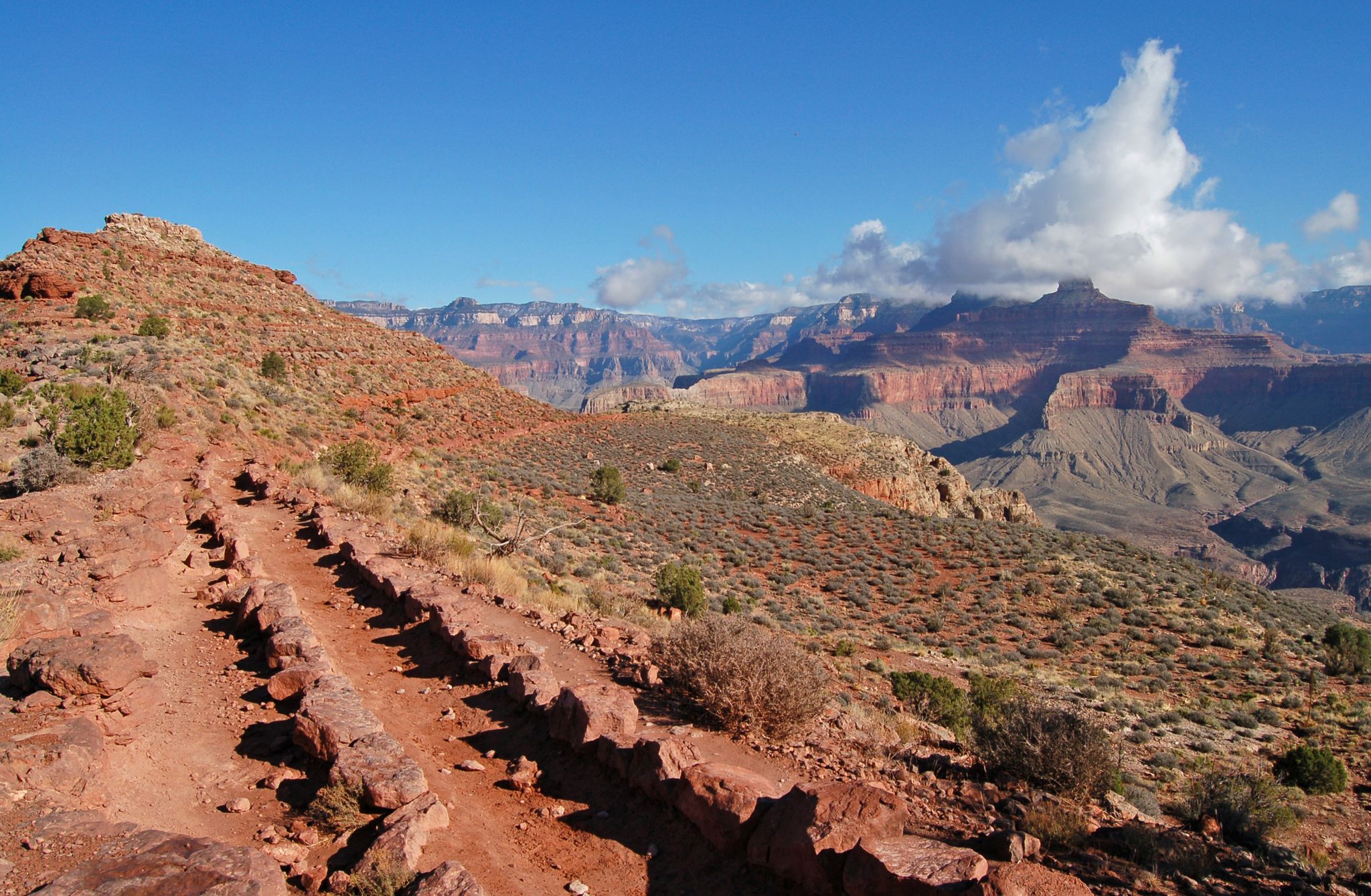
Rim-to-Rim-to-Rim — Fastpacking into the Grand Canyon’s heart
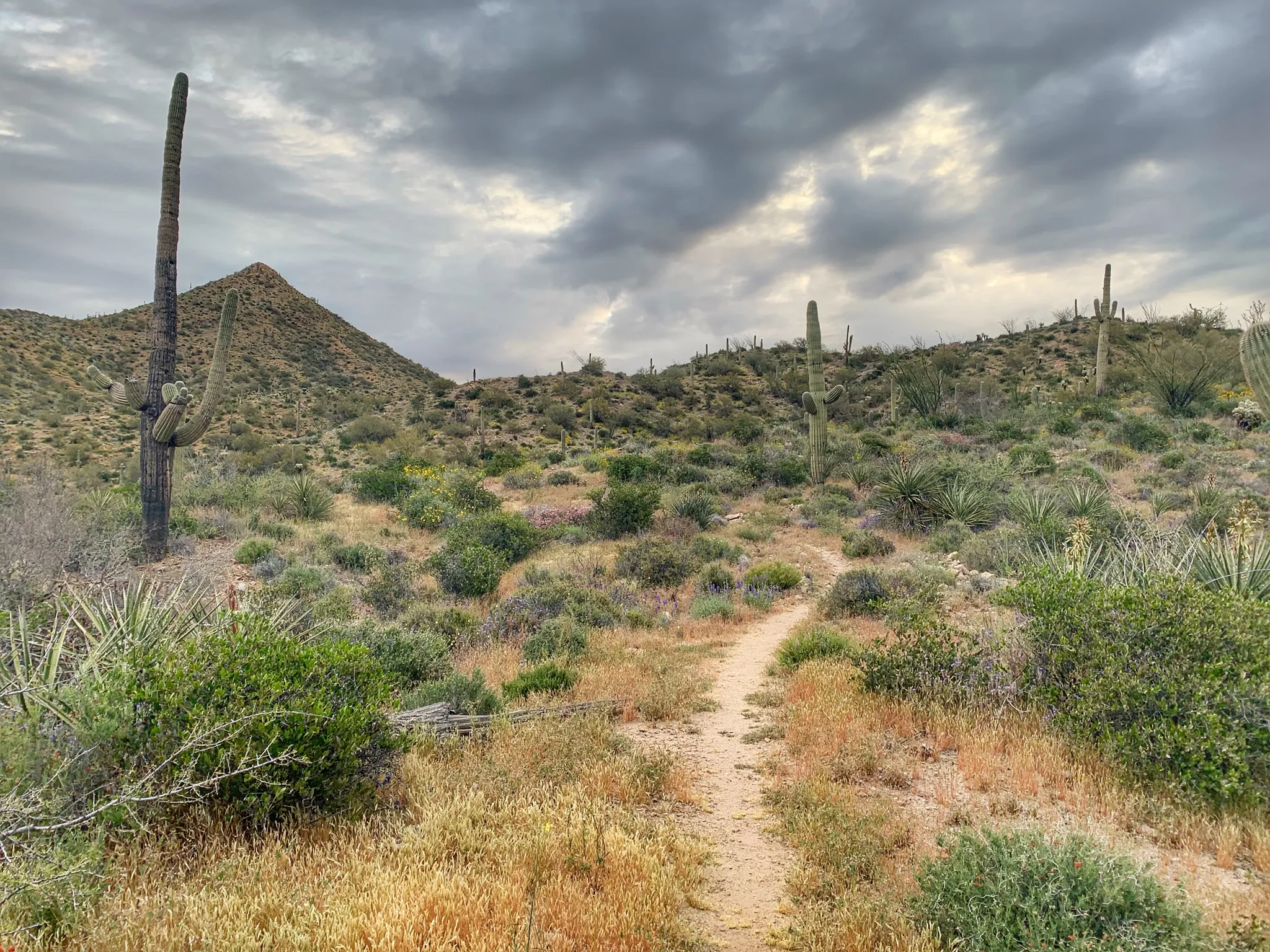
Arizona Trail — A beautiful 800-mile struggle
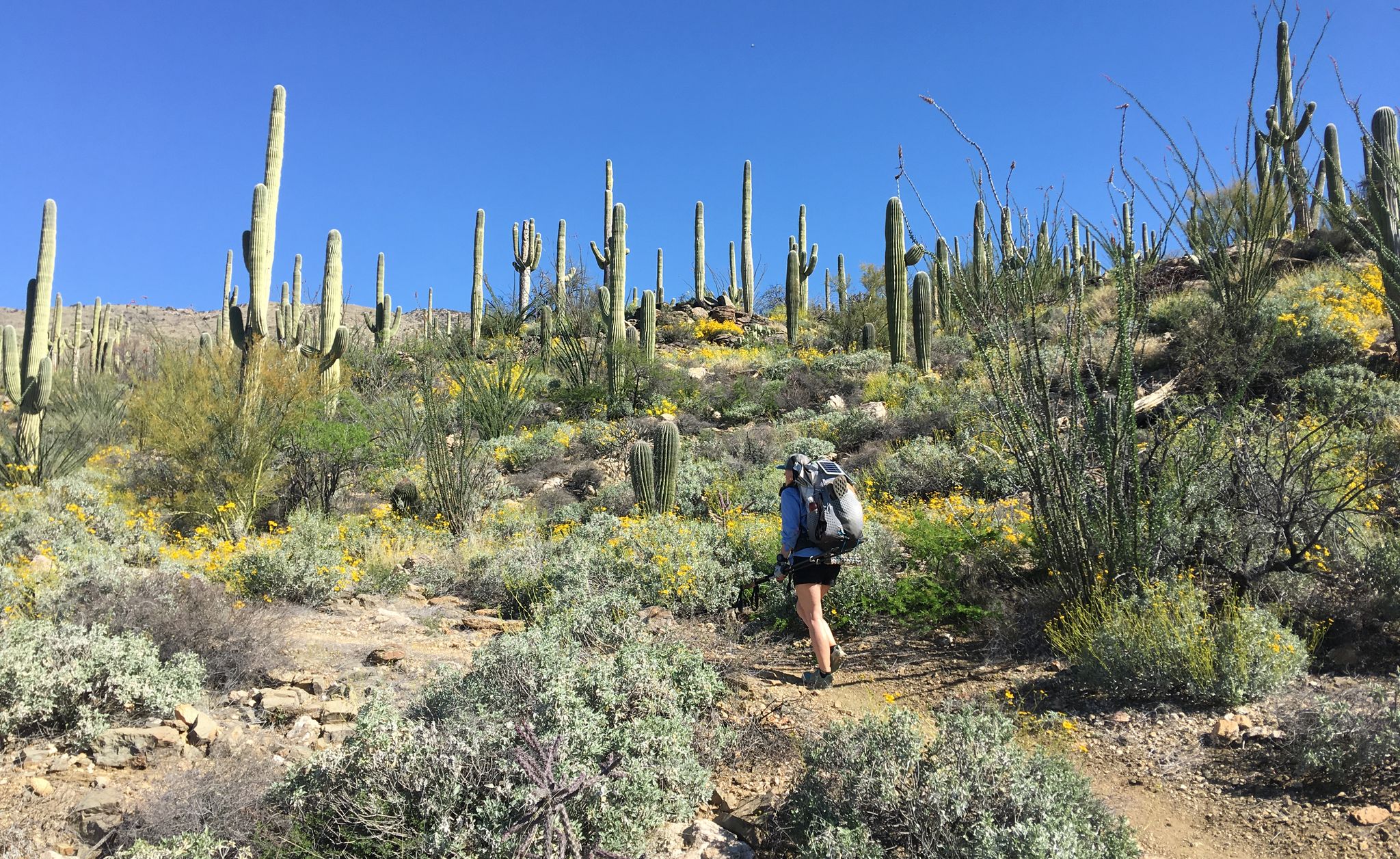
The Arizona Trail — From Mexico to Utah in 43 days
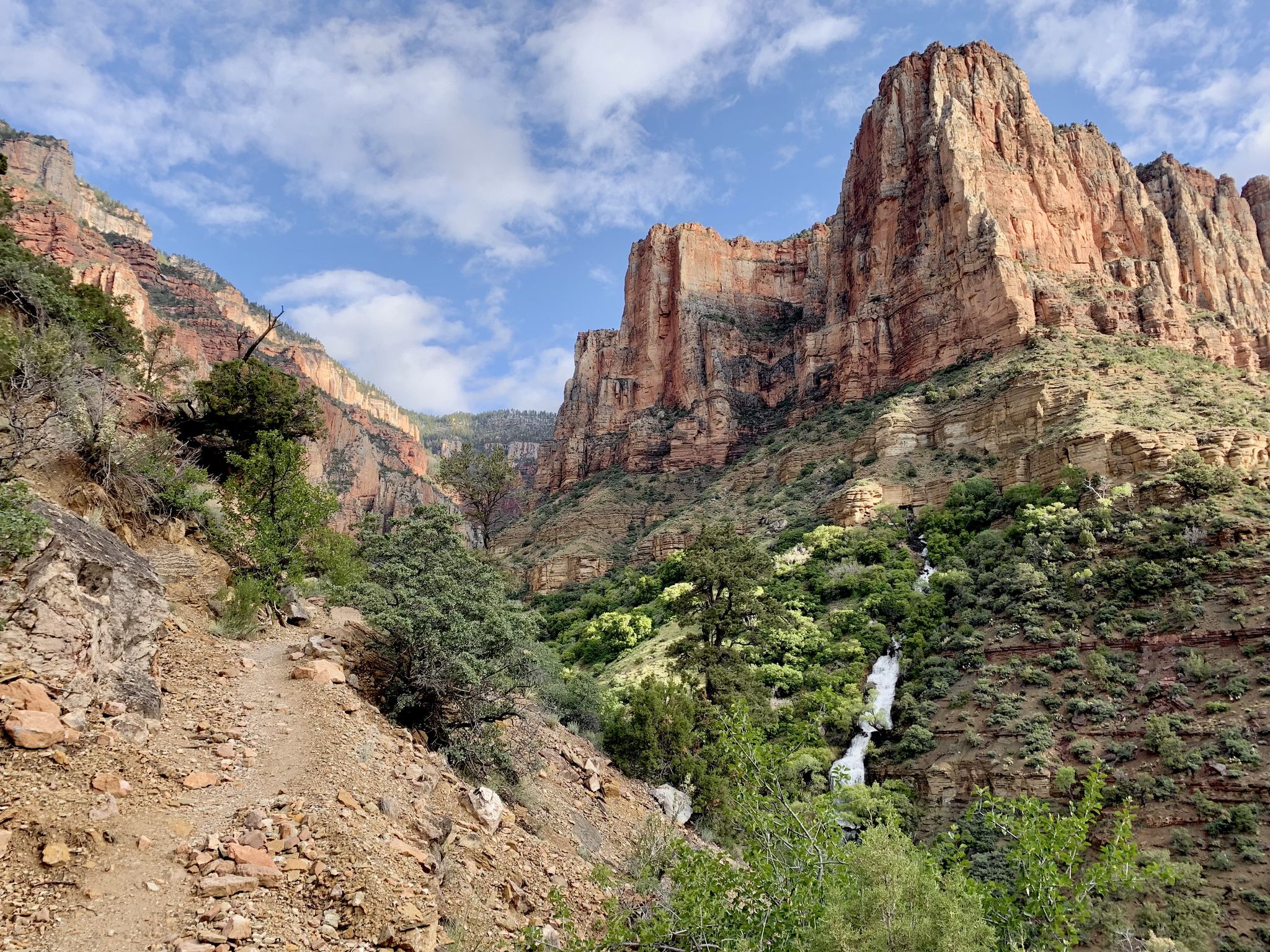
Rim-to-Rim-to-Rim – top to bottom through the Grand Canyon
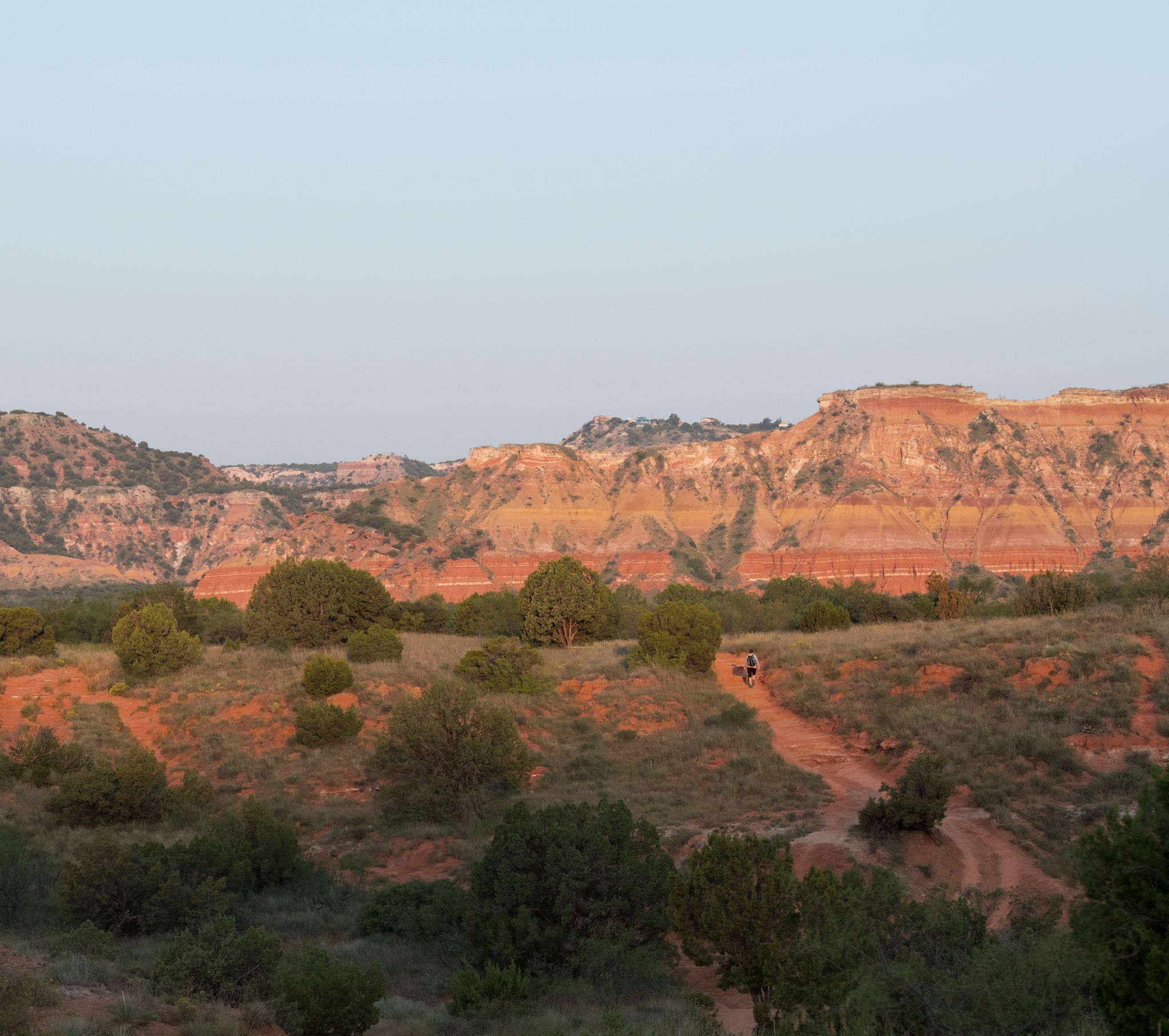
Historic Route 66 – curiosities, selfie spots and diners
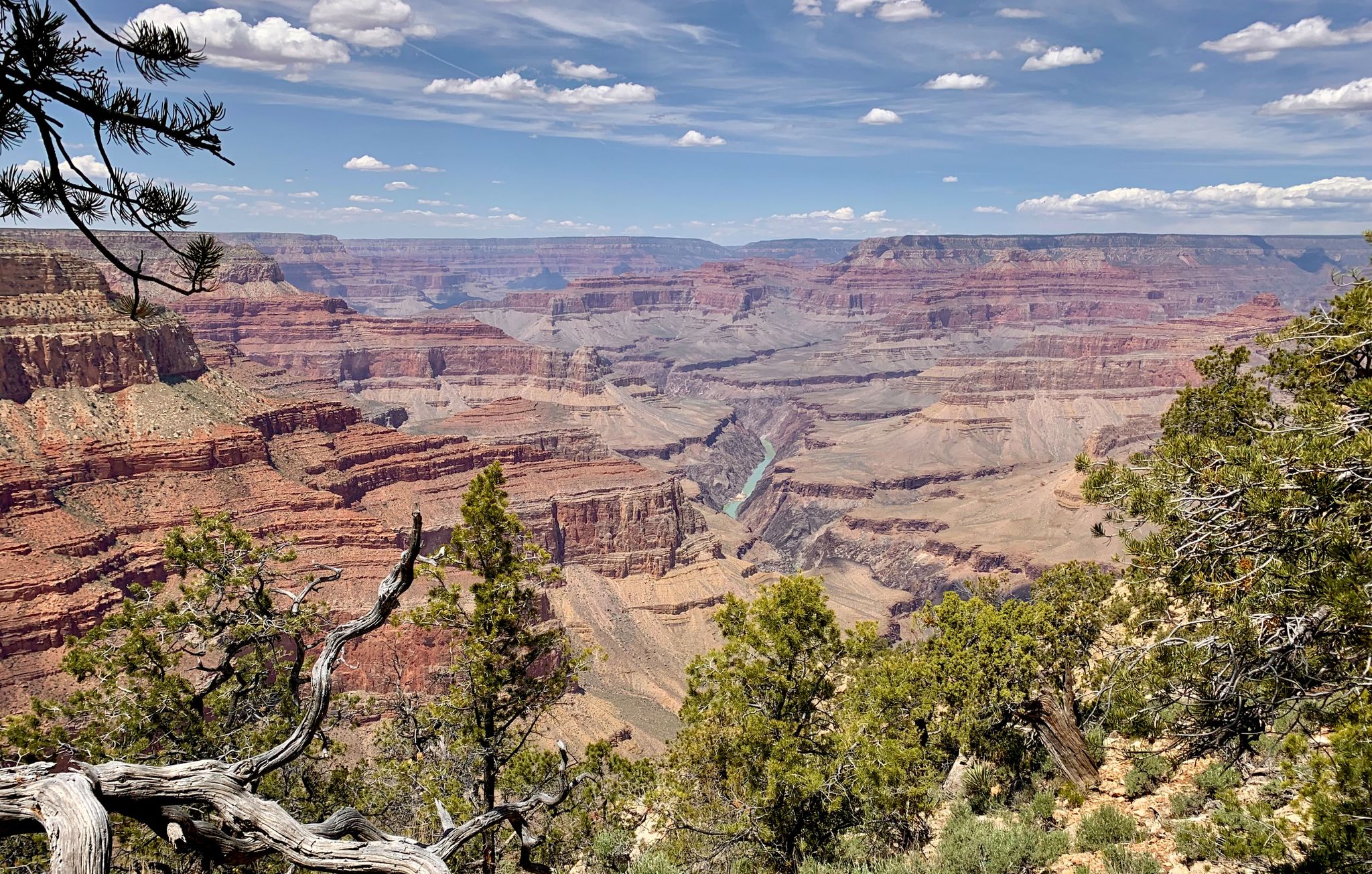
Arizona to Colorado – national parks and Native American culture
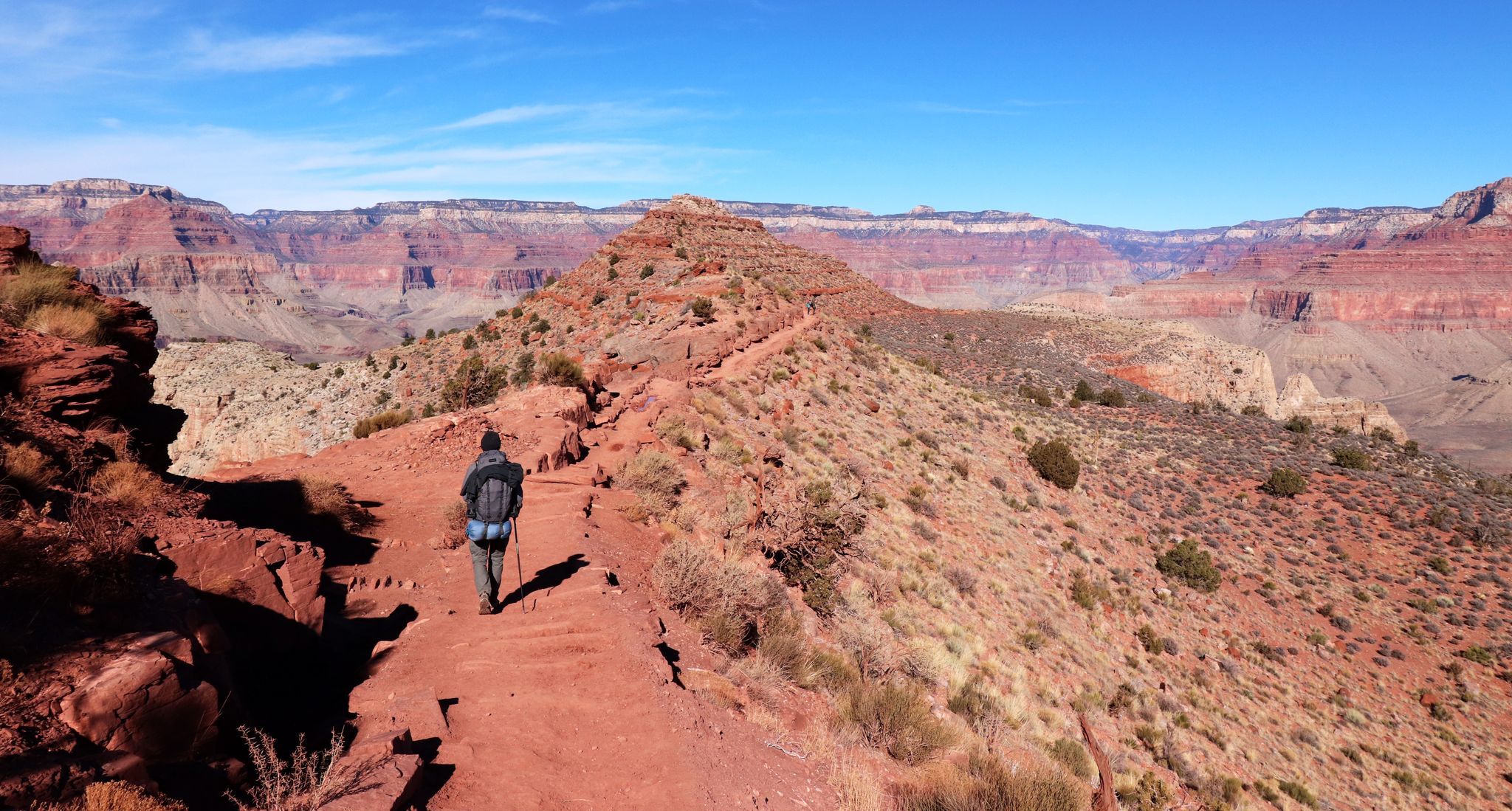
An unforgettable winter hike through the Grand Canyon
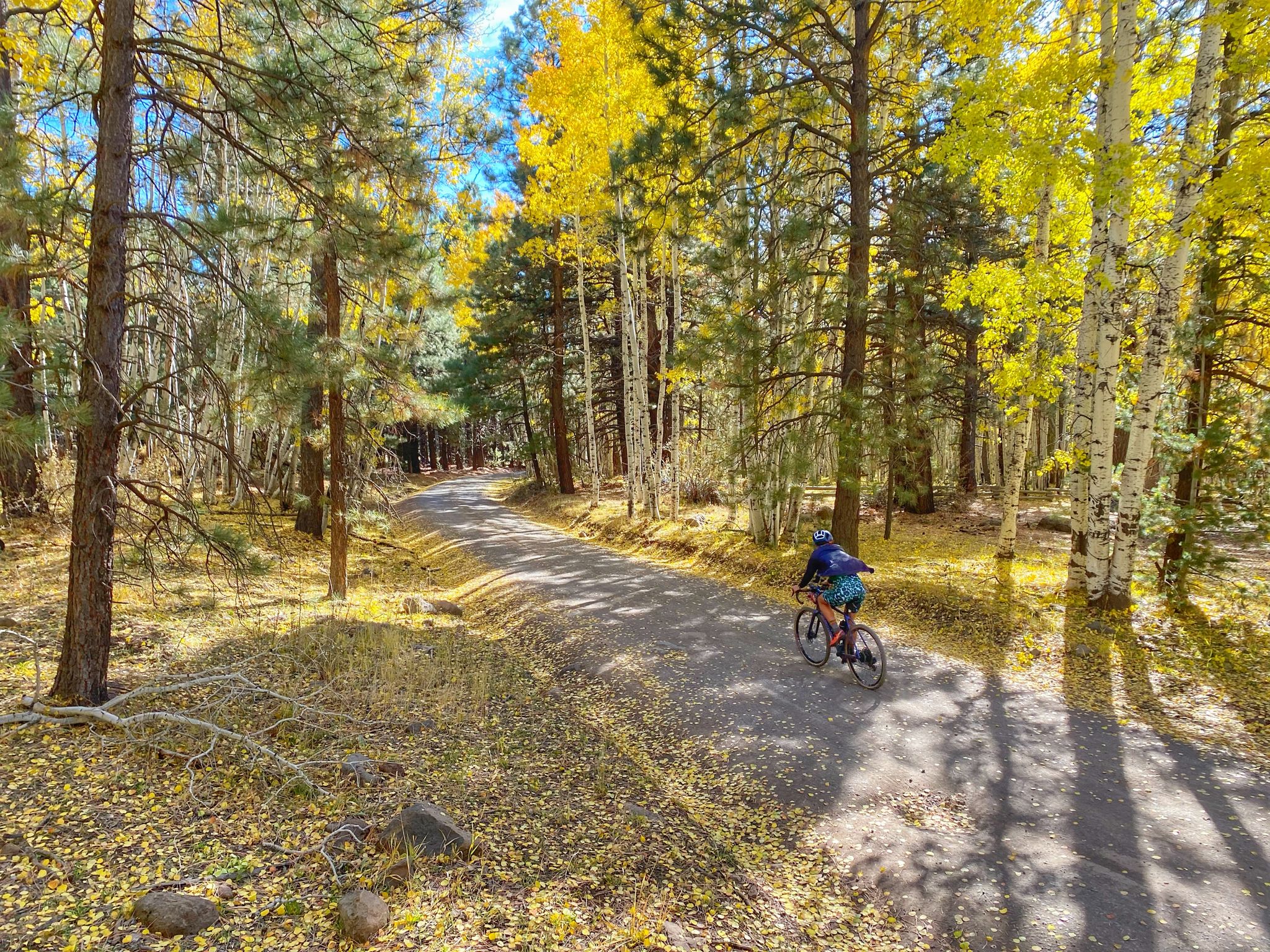
Grand Canyon to Mount Humphreys — a run, bike, run adventure
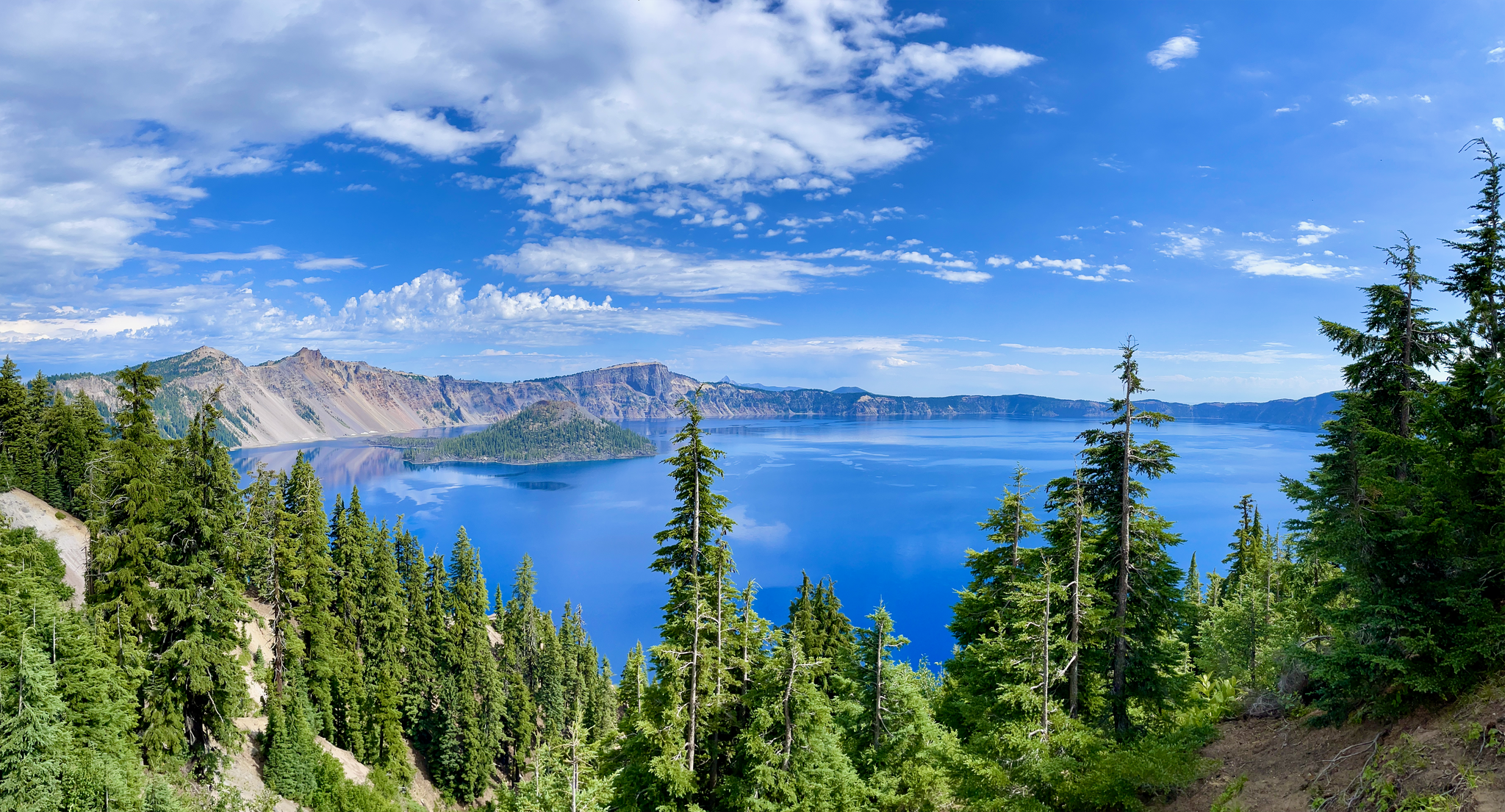
The pristine beauty of the US National Parks
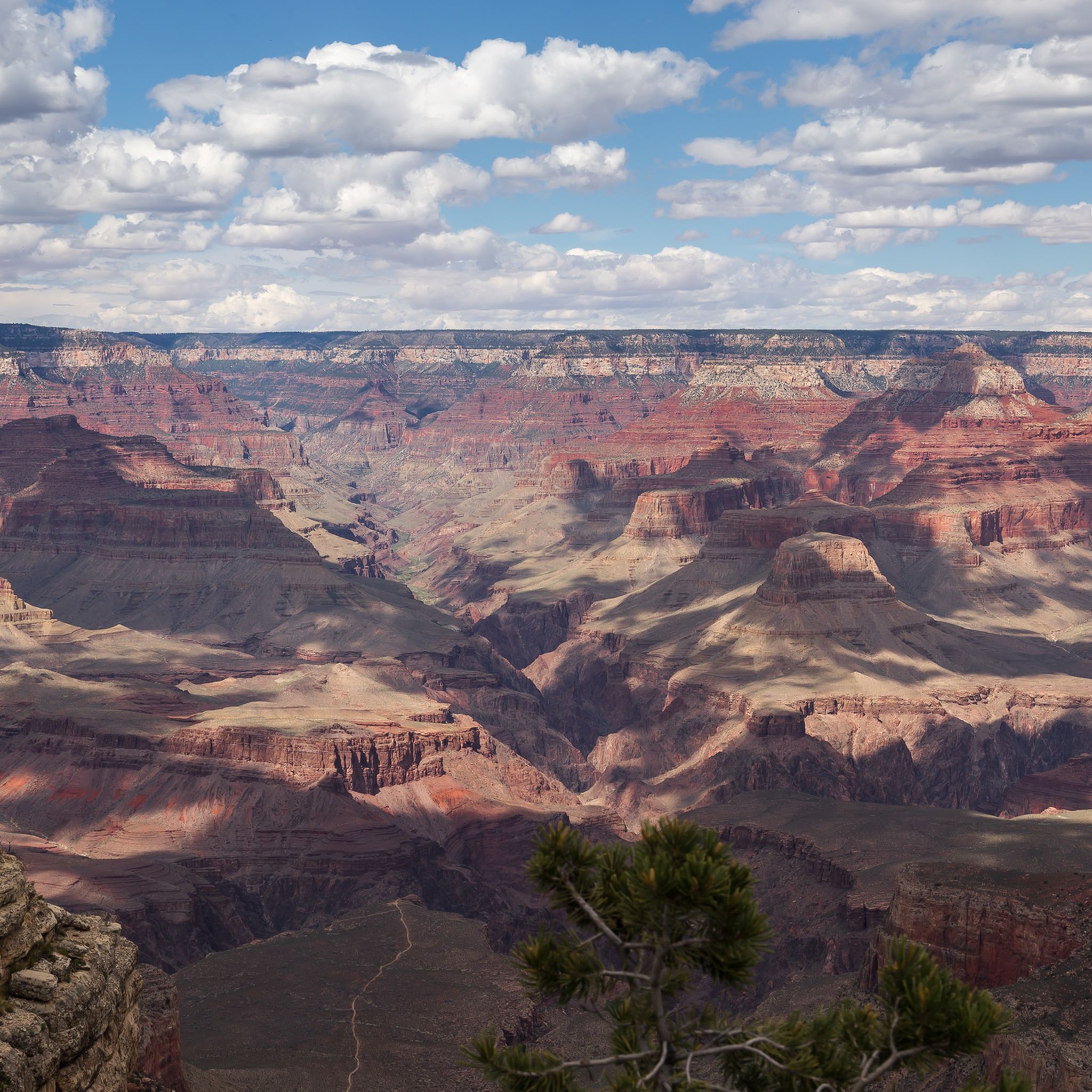
Hiking in Grand Canyon National Park
Other adventures in Grand Canyon National Park


Tips from the Community

Once you've descended past the tunnel, look up to your left to see some amazing petroglyphs, including very-detailed deer done in red, with beautiful antlers!
0
0
Unlike at the 3-mile resthouse, this resthouse does not have benches inside the shelter
0
0

I can recommend starting here in the morning and then gradually making your way back along the rim on foot or by shuttle bus. Super impressive
1
0


The point that offers you a beautiful panoramic view of the natural wonders of the Canyon. A famous place, mainly because you can get close to the Canyon. At an elevation of 2136 meters you have a great view of the Pipe Creek Canyon and the Inner Gorge of the Colorado River. From here it is a 1.1km hike to Yavapai Point.
5
0

Hermit's Rest is the endpoint of a stunning and epic ride in the Grand Canyon. Built in 1914, the structure is named after Louis Boucher, a Canadian-born prospector who staked claims near the site around 1891. With help, Boucher carved the trail into the canyon and lived alone at nearby Dripping Springs for many years. The ride is smooth and scenic, offering breathtaking canyon views. No cars are allowed on Hermit Road, making the experience even better, though shuttle buses still run. There's a small snack bar at Hermit’s Rest for a quick break. This is a must-do for any cycling enthusiast!
1
0
Biking through the Grand Canyon is an unforgettable adventure, with stunning rock formations and epic views at every turn. There are trails for all levels, whether you're looking for a challenge or a relaxed ride. Classic bike touring routes include the ride to Hermit's Rest and the Rim Trail. Don’t forget to bring plenty of water.
0
0
Frequently Asked Questions
How many running routes are available in Grand Canyon National Park?
Grand Canyon National Park offers a wide variety of running routes, with over 50 options available. These range from less strenuous rim paths to intense inner canyon descents, catering to different ability levels.
What kind of terrain can I expect on jogging trails in Grand Canyon National Park?
The terrain varies significantly. Along the South Rim, you'll find both paved and unpaved sections, offering spectacular views from above. Trails descending into the canyon, such as the Bright Angel Trail or South Kaibab Trail, involve significant elevation changes and can be quite challenging, immersing you in the canyon's geological layers. The Rim Trail, for instance, offers a mix of surfaces.
Are there any easy or beginner-friendly jogging trails in Grand Canyon National Park?
Yes, for those seeking less strenuous options, the Rim Trail along the South Rim is an excellent choice. Portions of it are paved and relatively flat, making them ideal for all fitness levels and beginners. The park offers 7 easy routes in total, providing accessible ways to enjoy the canyon's grandeur.
What are some challenging running routes for experienced trail runners in the Grand Canyon?
For experienced runners, trails descending into the inner canyon offer intense physical challenges. The Bright Angel Trail is a demanding descent with stunning views, while the South Kaibab Trail to Skeleton Point is known for its panoramic views and steady descent. The park features 30 difficult routes, including multi-day challenges like the 'Rim-to-Rim-to-Rim' for elite athletes.
What interesting landmarks or viewpoints can I see along the running routes?
Grand Canyon's routes are rich with breathtaking sights. Along the rim, you can enjoy iconic viewpoints like Mohave Point and Mather Point Amphitheater. If you venture deeper, you'll encounter unique features like tunnels carved into the rock on the Bright Angel Trail. The sheer scale and depth of the canyon itself provide ever-changing vistas with every step.
Are there any circular running routes in Grand Canyon National Park?
Yes, there are circular running routes available. For example, the South Kaibab Trailhead – Skeleton Point loop offers a substantial challenge, covering over 33 km. Another option is the Great Viewpoint – Bright Angel Trailhead loop, which is around 11 km.
What is the best time of year to go jogging in Grand Canyon National Park?
The best time to jog depends on your preference for temperature and trail conditions. Spring and fall generally offer milder temperatures, making them ideal for both rim and inner canyon trails. Summer can be very hot, especially in the inner canyon, where temperatures increase significantly with descent. Winter brings cooler temperatures and potential snow on the rim, which can be beautiful but requires appropriate gear.
What do other runners enjoy most about jogging in Grand Canyon National Park?
The routes in Grand Canyon National Park are highly rated by the komoot community, with an average score of 4.75 stars. Runners consistently praise the unparalleled scenic beauty and the breathtaking, ever-changing vistas of the canyon. The diverse trail options, from easy rim paths to challenging inner canyon descents, also receive high marks for catering to all levels.
Are there any waterfalls accessible near the jogging routes?
While the Grand Canyon is primarily known for its vast geological formations, there are indeed waterfalls within the wider park area. Some notable ones include Ribbon Falls View, Deer Creek Falls, and Thunder River Falls. Reaching these often involves significant treks into the inner canyon.
Is public transport available to access jogging trails in Grand Canyon National Park?
Yes, Grand Canyon National Park offers a free shuttle bus system that provides access to many popular viewpoints and trailheads along the South Rim, including the Bright Angel Trailhead and South Kaibab Trailhead. This is a convenient way to reach trails without needing to drive and park at each location.
Are there specific parking areas for trail access in Grand Canyon National Park?
Yes, designated parking areas are available at various points along the South Rim, including visitor centers and near some trailheads. However, parking can fill up quickly, especially during peak seasons. Utilizing the park's free shuttle bus system is often recommended to reduce congestion and easily access different trail sections.
Are there any specific permits required for running on Grand Canyon trails?
For day runs on established trails, permits are generally not required. However, if you plan an overnight trip into the canyon, a backcountry permit is mandatory. It's always advisable to check the official National Park Service website for the most current regulations regarding permits and trail conditions, especially for longer or more remote routes. For more information, you can visit nps.gov.
Most popular routes in Grand Canyon National Park
Most popular attractions in Grand Canyon National Park

Get inspired with the komoot mobile app


Explore more
Browse the best Running Trails & Routes in other regions.
