The best running trails around Slingeplas
4.4
(303)
11,229
runners
869
runs
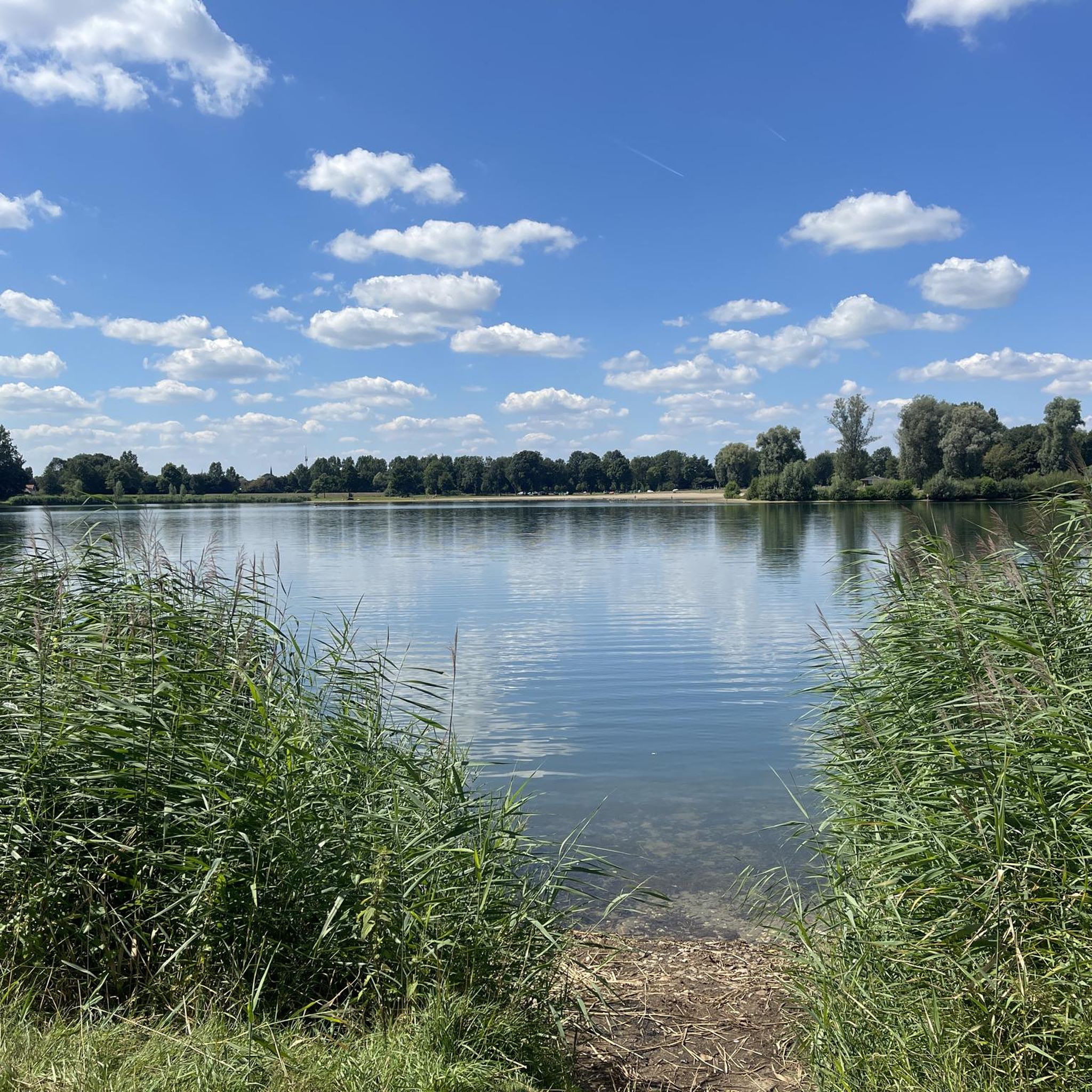
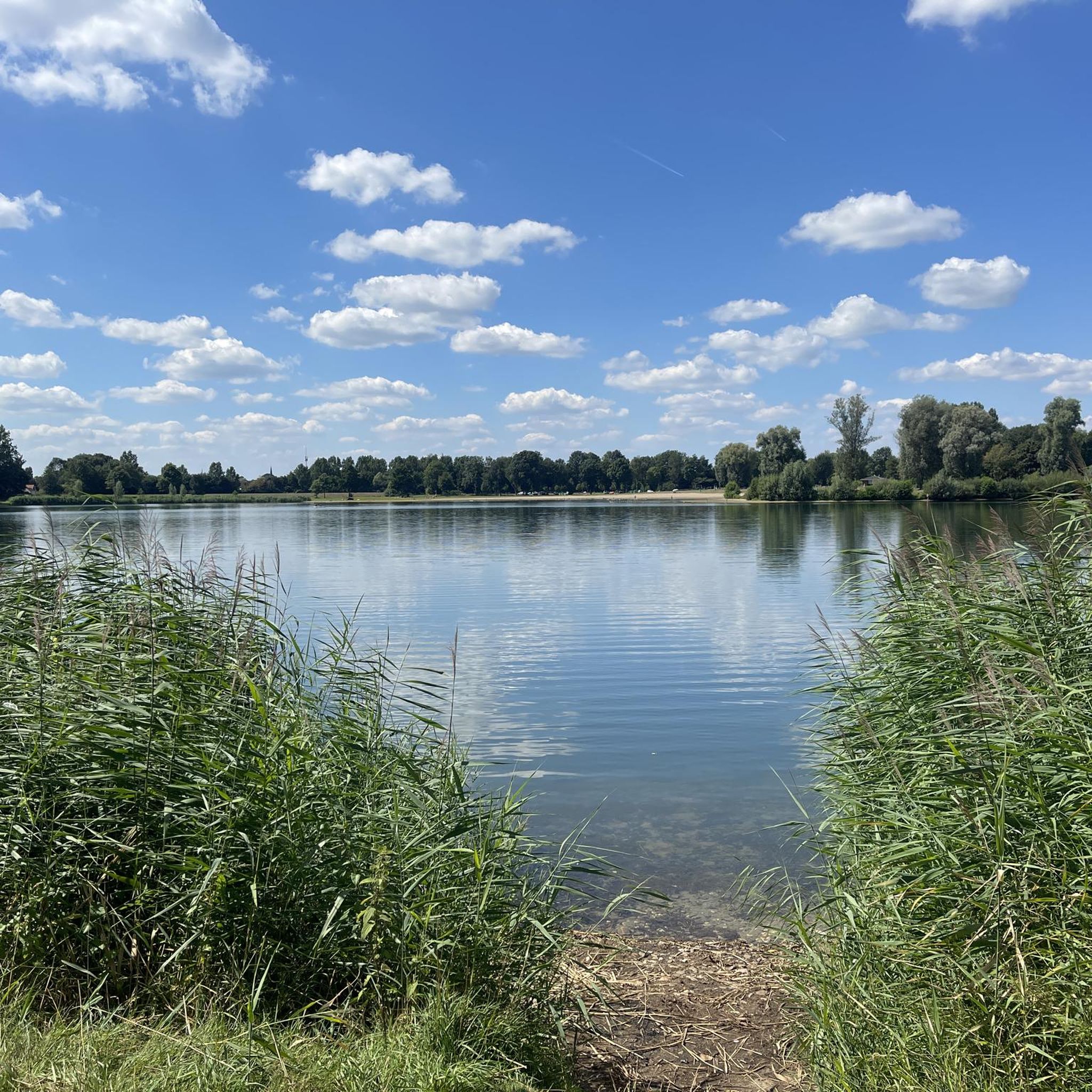
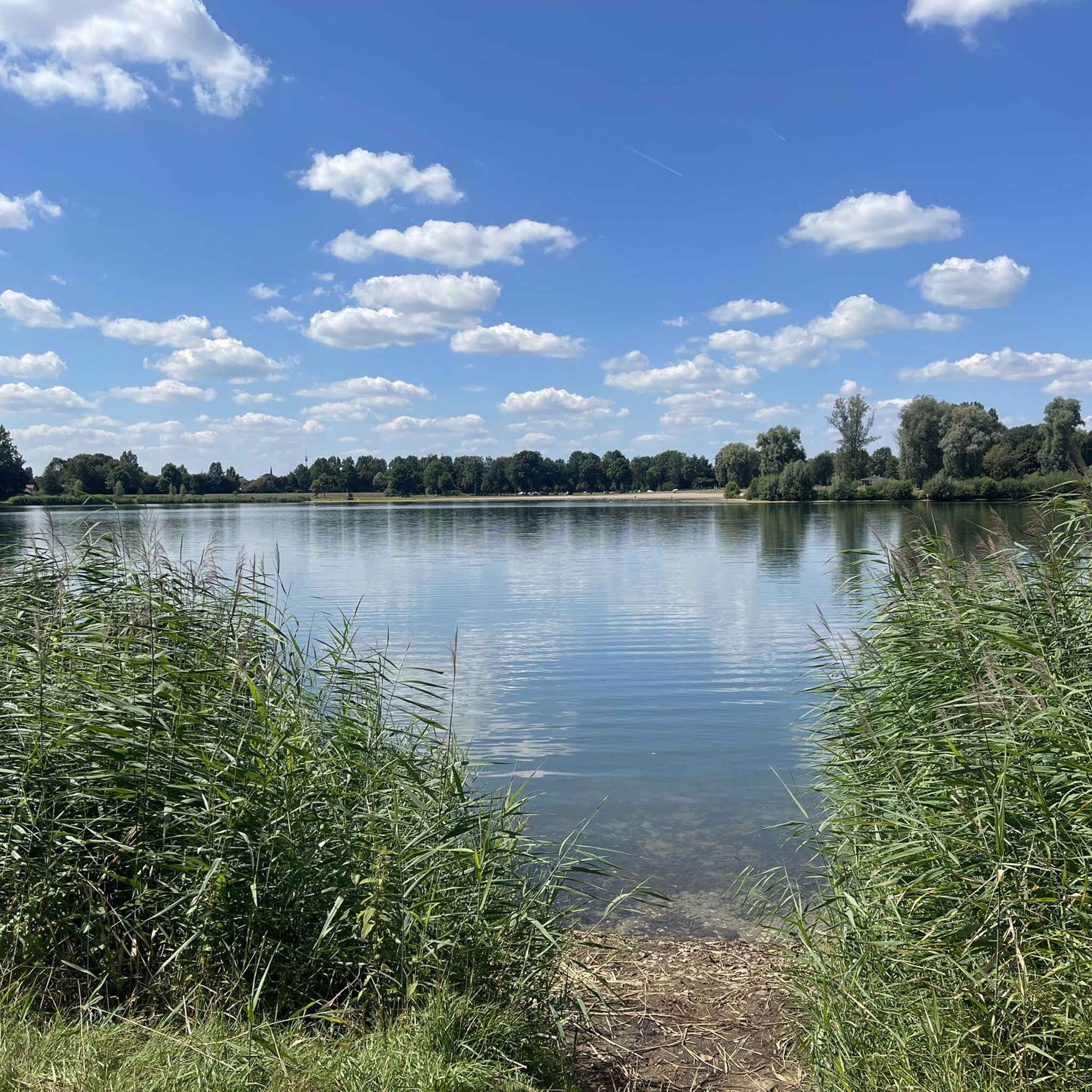
Jogging around Slingeplas offers diverse recreational opportunities within the Winterswijk National Landscape, near the fortified town of Bredevoort. The area features a large recreational lake with sandy shores and mostly paved running surfaces. Trails provide varied elevation gains, catering to different fitness levels. The natural surroundings include well-maintained paths and the nearby Vestingpark, which adds historical elements and picturesque landscapes to the running experience.
Best jogging routes around Slingeplas
- The most popular jogging route is Klein Meer – Slingeplas loop…
Last updated: November 17, 2026
4.8
(8)
172
runners
5.76km
00:38
10m
10m
Moderate run. Good fitness required. Mostly paved surfaces.
52
runners
Moderate run. Good fitness required. Mostly paved surfaces.

5
runners
15.1km
01:34
30m
30m
Hard run. Very good fitness required. Mostly paved surfaces.
4
runners
6.68km
00:42
10m
10m
Moderate run. Good fitness required. Mostly paved surfaces.
56
runners
13.3km
01:26
30m
30m
Moderate run. Good fitness required. Mostly paved surfaces.
Get access to more routes and recommendations from other explorers.
Already have an account?
Our route recommendations are based on thousands of hikes, rides, and runs completed by other people on komoot.
Start today with a free account
Your next adventure awaits.
Tips from the Community


Very beautiful surroundings and good restaurant
2
0
Very beautiful surroundings and good restaurant
3
0

HISTORICAL DEVELOPMENT ORIGINAL PARISH 1316-1597: Until 1326, the Lordship of Bredevoort was a Westphalian bailiwick within the Upper Diocese of Münster. Catholics attended St. George's Church (today's Sint-Joriskerk) on the MARKET, which was elevated to parish church status in 1535. It was dedicated to Saint George and owes its name to the patron saint of the bailiwicks of Bredevoort, Saint George, who slew the dragon. REFORMATION PERIOD 1597-1675: Through the Treaty of Venlo, Bredevoort—like the entire Duchy of Guelders—became part of the Spanish Netherlands in 1543. During the Eighty Years' War, troops led by Maurice of Orange attacked Bredevoort in 1591 and besieged the town. With the subsequent introduction of the Reformation in 1597, the Roman Catholic inhabitants were no longer permitted to hold religious services. CHAPEL OF THE CROSS, 1675-1798: From 1675 onward, they secretly used the Chapel of the Cross, located just across the border. The Bishop of Münster, Bernhard von Galen, had it built specifically for the Catholics from Aalten and Bredevoort. PREVENTION CHURCH, 1798-1876: With the French invasion in 1795, the Batavian Republic was founded in Bredevoort, and freedom of religion was reinstated. In 1798, the Catholics began building a Roman Catholic church. This church stood between Koppelstraat and Officierstraat (opposite the present-day church). It consisted of two houses whose roofs had been removed and whose walls subsequently raised. The altar was made of brick, and everything was painted white to give the building a sacred appearance. ST. GEORGE'S CHURCH 1875/76: After the previous building had become too small, the architect Alfred Tepe designed this church in the Neo-Gothic style in 1875. The construction manager was Father A.E. Smorenburg. In 1876, it was consecrated to the Sacred Heart of Jesus, and its patron saint is Saint George.
2
0
St. George's Church at Koppelstraat/Kerkstraat 16 in Bredevoort was built on the curtain wall between two former bastions, which is why it still stands slightly higher than the surrounding streets. It was built in the Neo-Gothic style and designed in 1875 by the architect Alfred Tepe, after a house converted into a church had become too small. The construction manager was Father A.E. Smorenburg. The church was consecrated to the Sacred Heart of Jesus in 1876. Its patron saint is St. George. (Source: Information panel at the church) The first 100,000 bricks for the new church came from Barlo, Germany, and were transported by parishioners in wheelbarrows to demonstrate their solidarity with the Dutch Catholics. The remaining bricks were presumably fired in the brick kiln in De Haart. In 1897, the church received a clock and three bells; in 1898, Felice Monasso from Bocholt laid a terrazzo floor, and Muermans & Son from Roermond painted the walls, including a depiction of Christ and the Apostles in the Garden of Gethsemane. (Source: Wikipedia)
2
0
The "house" is a former teahouse belonging to the Roelvink family. It's charmingly furnished, just as a 19th-century teahouse would have been. One can easily imagine the Roelvink family arriving at any moment for their afternoon tea. It's locked, but the interior is clearly visible through the glass panes. Simply beautiful and an idyllic spot. ... BACKGROUND 1764: Bernard Andreas Roelvink was the administrator of the Stadtholder William V. His residence was expanded into the administrator's house in 1764 (the present-day Boutique Hotel & Brasserie "DE HEERLYCKHEID"). 1782: The remains of two bastions (Vreesniet and Treurniet) and the land between them (the present-day fortress park and orchard) were leased to the Roelvink family in 1782. Around 1850: B.A. Roelvink had an English garden laid out on the grounds for himself and his family, which was very fashionable at the time. 1862: The teahouse was built on the former Vreesniet bastion and is now picturesquely situated on a slight rise in the fortress park, which is bordered to the northwest by the Grote Gracht (former moat). (Source: Information signs at the teahouse and in the fortress park)
4
0
St. George's Church on Koppelstraat was built on the curtain wall between two former bastions, which is why it still stands somewhat higher than the surrounding streets. This makes it visible from afar and offers a good view. It was built in 1875 in the Neo-Gothic style and designed by the architect Alfred Tepe, after a house converted into a church had become too small.
2
0
The market square is enclosed by the street 't Zand. The weekly market takes place there every Friday from 8 a.m. to noon. Public benches around the square invite visitors to rest and linger. To the southwest is the boutique hotel, lounge bar, and bistro 'de Heerlyckheid', to the northeast the 'Stadtbrauerei de Borghman' brewery, and to the southwest the 'Bertram' restaurant. In summer, the area is also used for outdoor dining, where one can sit comfortably in the shade of the trees and enjoy a drink, coffee, cake, or a meal. The street 'Markt' and the town center with the Sint-Joriskerk church lead directly to the market square.
1
0
Frequently Asked Questions
How many running routes are available around Slingeplas?
There are over 775 running routes available in the Slingeplas area. These routes cater to various fitness levels, with options ranging from easy loops to more challenging paths.
What kind of terrain can I expect on the jogging trails in Slingeplas?
The jogging trails around Slingeplas feature mostly paved surfaces, making for a smooth running experience. You'll find a mix of open water views, sandy shores, and well-maintained paths within the natural landscape of the Winterswijk National Landscape.
Are there any easy running routes suitable for beginners or a relaxed jog?
Yes, Slingeplas offers 63 easy running routes. These are perfect for beginners or those looking for a relaxed jog, providing gentle paths through the scenic surroundings.
Can I bring my dog on the running trails around Slingeplas?
While the guide doesn't specify dog-friendly routes, Slingeplas is a recreational area within a national landscape, generally welcoming to responsible dog owners. It's always best to check local signage for specific restrictions, especially around the swimming lake and beach areas, and to keep your dog on a leash.
Are there any family-friendly jogging routes or trails suitable for strollers?
Many of the routes around Slingeplas feature mostly paved surfaces and well-maintained paths, which can be suitable for strollers. For an easy and accessible option, consider the shorter loops around the recreational lake. Always check the specific route details for elevation changes and surface conditions to ensure it meets your family's needs.
What points of interest can I see while running in the Slingeplas area?
While jogging, you can enjoy the large recreational lake with its sandy beach and expansive sunbathing areas. Nearby, the historic Vestingpark in Bredevoort offers picturesque landscapes with old trees, a large moat, and historical elements like a teahouse and grotto, adding cultural interest to your run. The area is also part of the beautiful Winterswijk National Landscape.
How can I get to Slingeplas using public transport?
Slingeplas is located near the fortified town of Bredevoort. While specific public transport routes aren't detailed in the guide, you can typically reach Bredevoort via local bus routes. From Bredevoort, Slingeplas is often accessible by a short walk or local connection. We recommend checking local public transport schedules for the most current information.
Is there parking available for runners at Slingeplas?
Yes, Slingeplas is a popular recreational area, and parking facilities are generally available for visitors. The area is open year-round from sunrise to sunset with free access, making it convenient for runners to find a spot.
What do other runners enjoy most about jogging in Slingeplas?
The running routes in Slingeplas are highly rated by the komoot community, with an average score of 4.4 stars from over 247 reviews. Runners often praise the blend of open water, sandy shores, and well-maintained paths, as well as the variety of options for different ability levels within the scenic Winterswijk National Landscape.
Are there any cafes or facilities near the running trails?
Slingeplas is a popular recreational area, and the nearby fortified town of Bredevoort offers various amenities. While the guide doesn't list specific cafes directly on the trails, you can expect to find cafes, pubs, and other facilities in Bredevoort for refreshments before or after your run.
Can I find longer running routes for a more challenging workout?
Absolutely. For those seeking a more strenuous workout, Slingeplas offers longer routes, such as the Prins van Oranje Windmill – Steakhouse Vivaldi loop from Bredevoort, which is a difficult 9.5-mile (15.3 km) trail. There are 94 difficult routes in total, providing ample challenge.
Are there any circular running routes around Slingeplas?
Yes, many of the routes around Slingeplas are circular, allowing you to start and finish in the same location. An example is the The Flower Cabinet – De Meenkmolen loop from Bredevoort, a moderate 7.6-mile (12.3 km) route that offers a great loop experience.
Most popular routes around Slingeplas

Get inspired with the komoot mobile app


Explore more
Browse the best Running Trails & Routes in other regions.
