The best road cycling routes around Slingeplas
4.5
(312)
8,511
riders
778
rides
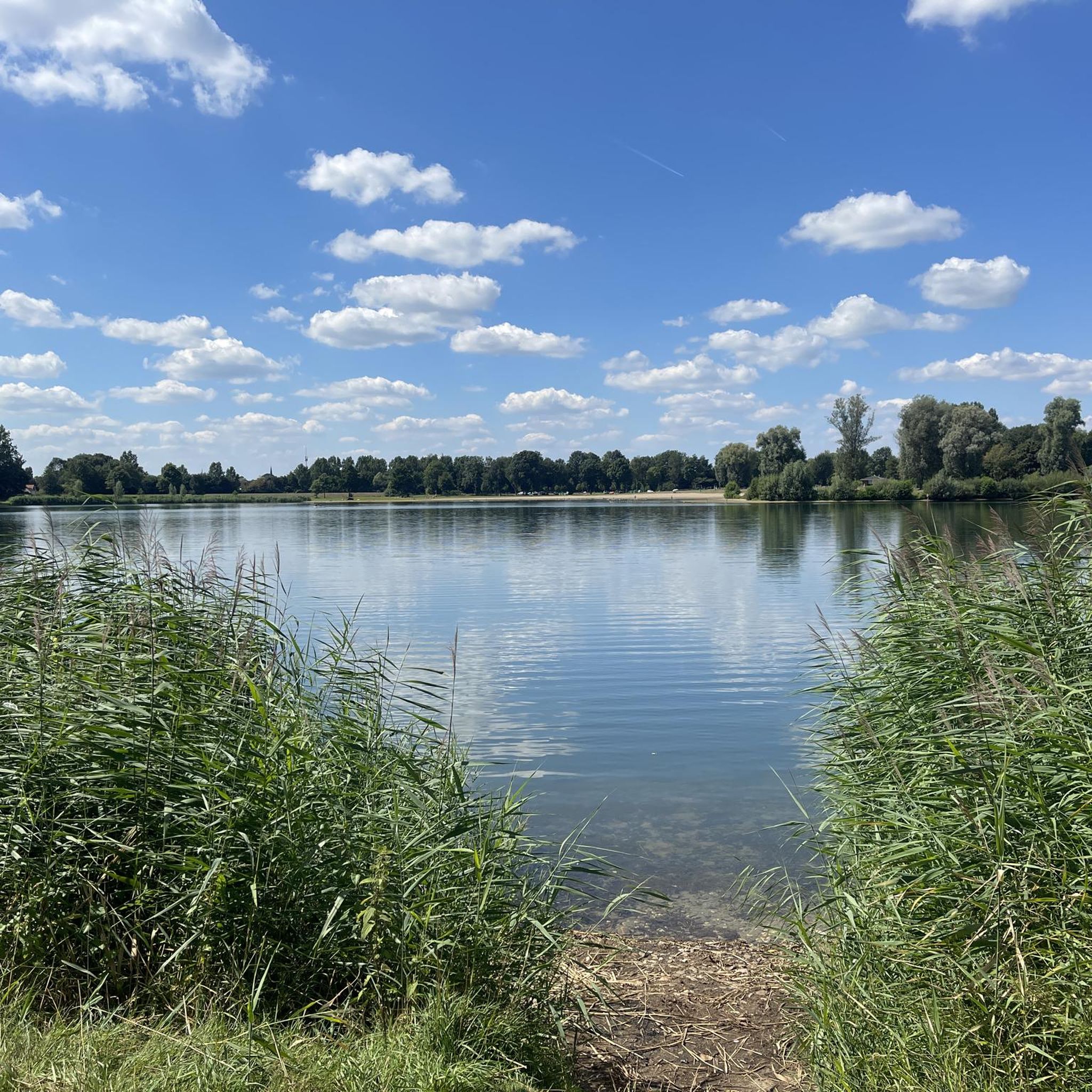
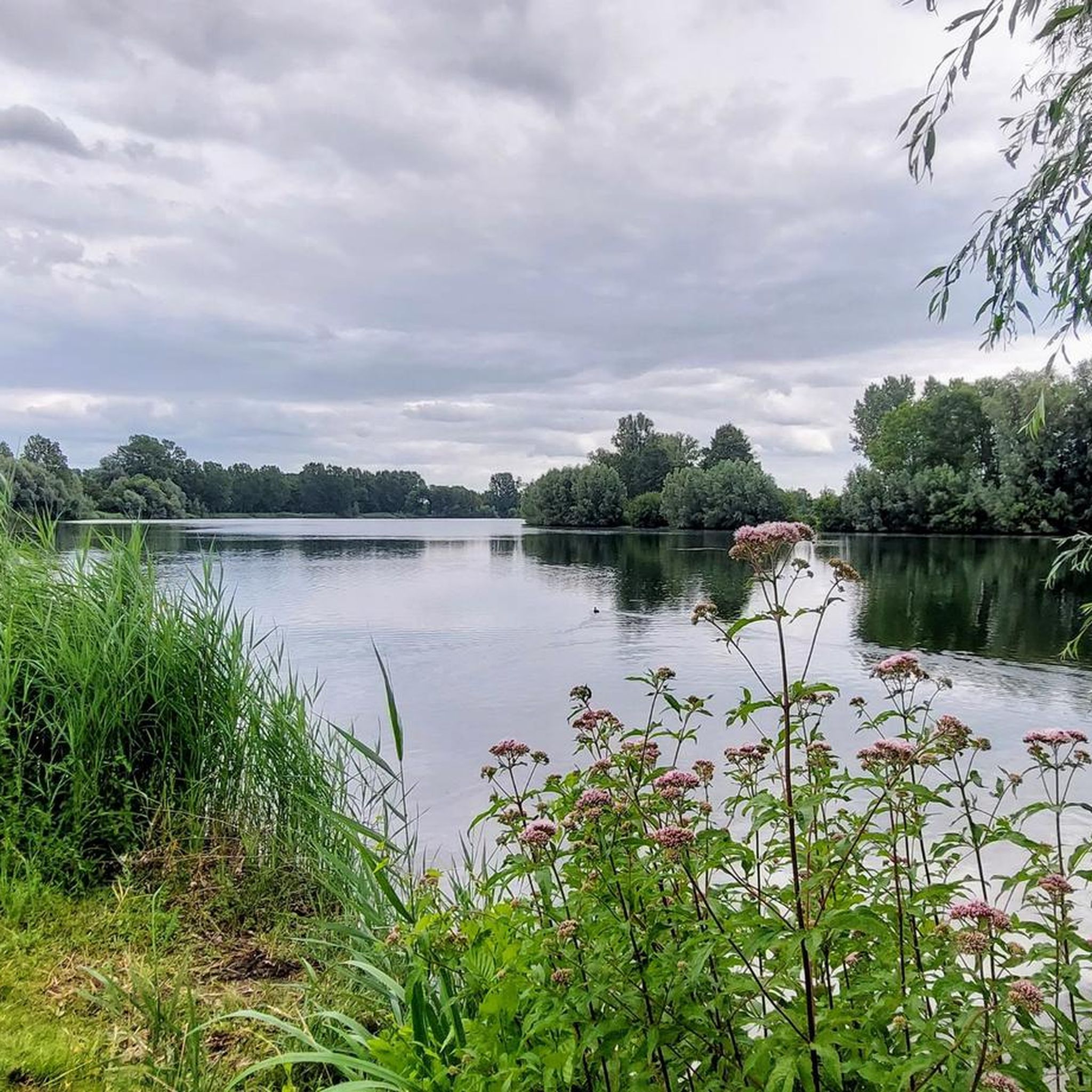
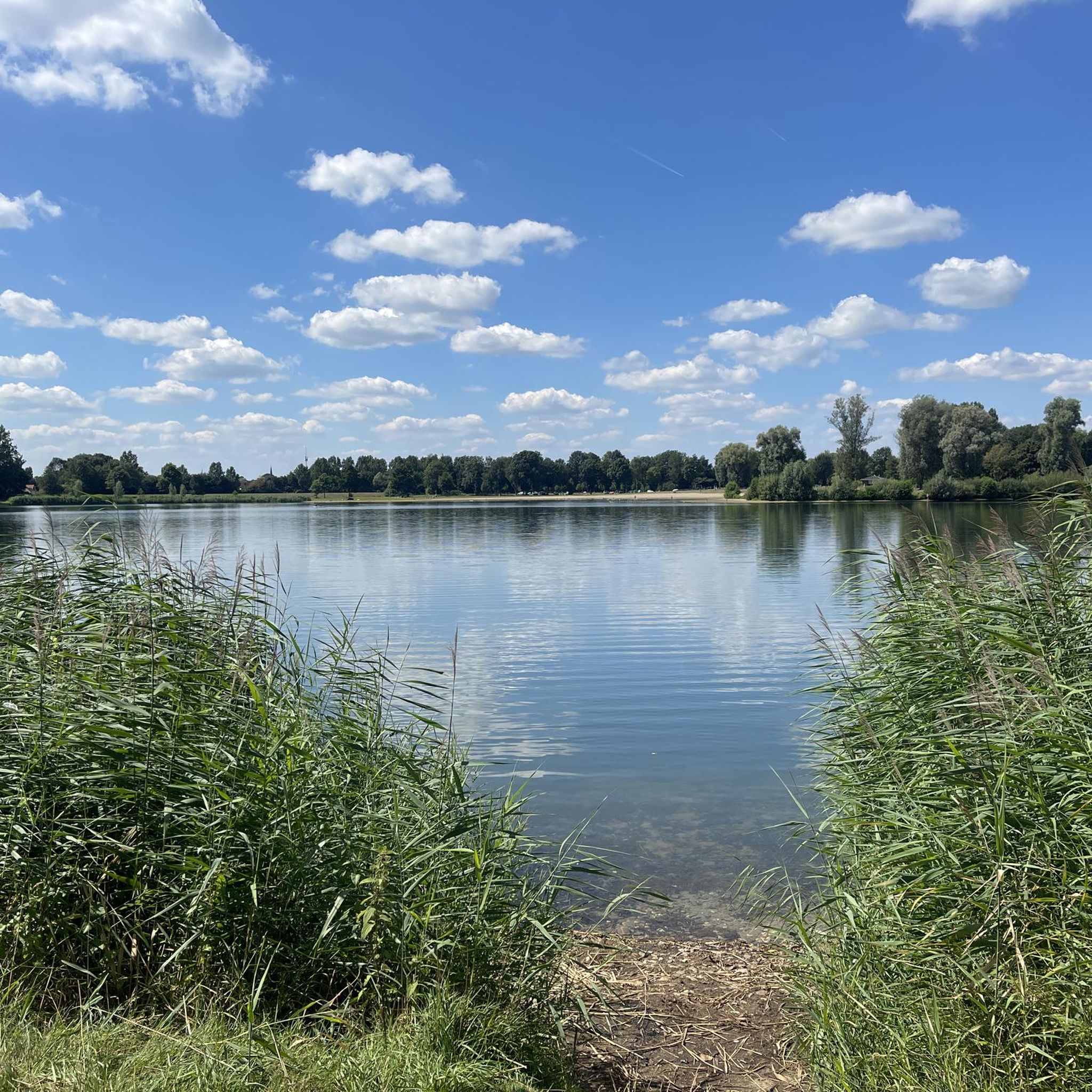
Road cycling routes around Slingeplas traverse a varied landscape featuring the Slingeplas lake, adjacent forests, and the historic town of Bredevoort. The terrain is generally flat to gently rolling, with minimal elevation changes, making it accessible for various fitness levels. Routes often connect natural features with cultural landmarks, providing a mix of scenic and historical points of interest. The area is part of the broader Winterswijk National Landscape, characterized by its estates and natural beauty.
Best road cycling routes around Slingeplas
- The most popular road cycling route is Winterswijk Water Tower loop from Bredevoort, an 18.0 miles (28.9 km) trail that takes 1 hour 6 minutes to complete. This route offers a scenic loop starting from Bredevoort, passing by the Winterswijk Water Tower.
- Another top favourite among local road cyclists is Church of Bredevoort – Karpermeer loop from Bredevoort, an easy 22.9 miles (36.8 km) path. This route features the historic Church of Bredevoort and the Karpermeer lake, offering a blend of cultural and natural scenery.
- Local road cyclists also love the Erve Kots – Beltkorenmolen Hermien loop from Bredevoort, a 22.9 miles (36.8 km) trail leading through rural landscapes, often completed in about 1 hour 33 minutes.
- Road cycling around Slingeplas is defined by recreational lakes, historic towns like Bredevoort, and the surrounding Kloosterbos forest. The network offers options for different ability levels, from easy loops to more challenging routes.
- The routes in Slingeplas are highly rated by the komoot community with an average score of 4.5 stars from over 250 reviews. More than 8,000 road cyclists have used komoot to explore Slingeplas's varied terrain.
Last updated: May 24, 2026
5.0
(1)
17
riders
29.0km
01:07
50m
50m
Moderate road ride. Great for any fitness level. Some segments of this route may be unpaved and difficult to ride.
10
riders
11.8km
00:29
20m
20m
Easy road ride. Great for any fitness level. Mostly well-paved surfaces and easy to ride.

Sign up for free
5.0
(3)
37
riders
36.2km
01:43
40m
40m
Easy road ride. Great for any fitness level. Mostly well-paved surfaces and easy to ride.
14
riders
36.8km
01:33
70m
70m
Hard road ride. Great for any fitness level. You may need to push your bike for some segments of this route.
4.5
(2)
18
riders
25.9km
01:23
40m
40m
Easy road ride. Great for any fitness level. Mostly well-paved surfaces and easy to ride.
Get access to more routes and recommendations from other explorers.
Sign up for free
Already have an account?
Our route recommendations are based on thousands of hikes, rides, and runs completed by other people on komoot.
Start today with a free account
Your next adventure awaits.
Login or Signup
Tips from the Community

HISTORICAL DEVELOPMENT ORIGINAL PARISH 1316-1597: Until 1326, the Lordship of Bredevoort was a Westphalian bailiwick within the Upper Diocese of Münster. Catholics attended St. George's Church (today's Sint-Joriskerk) on the MARKET, which was elevated to parish church status in 1535. It was dedicated to Saint George and owes its name to the patron saint of the bailiwicks of Bredevoort, Saint George, who slew the dragon. REFORMATION PERIOD 1597-1675: Through the Treaty of Venlo, Bredevoort—like the entire Duchy of Guelders—became part of the Spanish Netherlands in 1543. During the Eighty Years' War, troops led by Maurice of Orange attacked Bredevoort in 1591 and besieged the town. With the subsequent introduction of the Reformation in 1597, the Roman Catholic inhabitants were no longer permitted to hold religious services. CHAPEL OF THE CROSS, 1675-1798: From 1675 onward, they secretly used the Chapel of the Cross, located just across the border. The Bishop of Münster, Bernhard von Galen, had it built specifically for the Catholics from Aalten and Bredevoort. PREVENTION CHURCH, 1798-1876: With the French invasion in 1795, the Batavian Republic was founded in Bredevoort, and freedom of religion was reinstated. In 1798, the Catholics began building a Roman Catholic church. This church stood between Koppelstraat and Officierstraat (opposite the present-day church). It consisted of two houses whose roofs had been removed and whose walls subsequently raised. The altar was made of brick, and everything was painted white to give the building a sacred appearance. ST. GEORGE'S CHURCH 1875/76: After the previous building had become too small, the architect Alfred Tepe designed this church in the Neo-Gothic style in 1875. The construction manager was Father A.E. Smorenburg. In 1876, it was consecrated to the Sacred Heart of Jesus, and its patron saint is Saint George.
2
0
St. George's Church at Koppelstraat/Kerkstraat 16 in Bredevoort was built on the curtain wall between two former bastions, which is why it still stands slightly higher than the surrounding streets. It was built in the Neo-Gothic style and designed in 1875 by the architect Alfred Tepe, after a house converted into a church had become too small. The construction manager was Father A.E. Smorenburg. The church was consecrated to the Sacred Heart of Jesus in 1876. Its patron saint is St. George. (Source: Information panel at the church) The first 100,000 bricks for the new church came from Barlo, Germany, and were transported by parishioners in wheelbarrows to demonstrate their solidarity with the Dutch Catholics. The remaining bricks were presumably fired in the brick kiln in De Haart. In 1897, the church received a clock and three bells; in 1898, Felice Monasso from Bocholt laid a terrazzo floor, and Muermans & Son from Roermond painted the walls, including a depiction of Christ and the Apostles in the Garden of Gethsemane. (Source: Wikipedia)
2
0
The "house" is a former teahouse belonging to the Roelvink family. It's charmingly furnished, just as a 19th-century teahouse would have been. One can easily imagine the Roelvink family arriving at any moment for their afternoon tea. It's locked, but the interior is clearly visible through the glass panes. Simply beautiful and an idyllic spot. ... BACKGROUND 1764: Bernard Andreas Roelvink was the administrator of the Stadtholder William V. His residence was expanded into the administrator's house in 1764 (the present-day Boutique Hotel & Brasserie "DE HEERLYCKHEID"). 1782: The remains of two bastions (Vreesniet and Treurniet) and the land between them (the present-day fortress park and orchard) were leased to the Roelvink family in 1782. Around 1850: B.A. Roelvink had an English garden laid out on the grounds for himself and his family, which was very fashionable at the time. 1862: The teahouse was built on the former Vreesniet bastion and is now picturesquely situated on a slight rise in the fortress park, which is bordered to the northwest by the Grote Gracht (former moat). (Source: Information signs at the teahouse and in the fortress park)
3
0
St. George's Church on Koppelstraat was built on the curtain wall between two former bastions, which is why it still stands somewhat higher than the surrounding streets. This makes it visible from afar and offers a good view. It was built in 1875 in the Neo-Gothic style and designed by the architect Alfred Tepe, after a house converted into a church had become too small.
2
0
CATHOLIC PREVIOUS CHURCH: The castle chapel served as the place of worship for the small Catholic community until 1316, when the first Catholic church was built outside the castle. The foundations suggest that it served as the castle chapel before becoming the main church. This was the predecessor of the present-day Sint-Joriskerk, which was elevated to parish church status in 1535. It was dedicated to Saint George and owes its name to the patron saint of the Vogt of Bredevoort, Saint George, who slew the dragon. During the Eighty Years' War, the original Catholic church was largely destroyed and burned down in 1597 (during the siege by Prince Maurice). The tower and vaults collapsed, but parts of the walls remained standing. The Reformation began with a devastated church! From 1597 onward, Roman Catholic residents in the Netherlands were no longer permitted to hold religious services. From 1675 onwards, they used the Chapel of the Cross, located just across the border on German soil. It had been built by the Bishop of Münster, Bernhard von Galen, specifically for the Catholics of Aalten and Bredevoort. In a book, "Aalten en Bredevoort in vervlogen tijden" by B.D. Rots, it states: "When they (the Catholics) went to church at the Chapel of the Cross, they had to take shovels and spades with them to avoid any trouble. The women had to hide the gold cross they wore on Sundays, otherwise they risked having it torn off. The Catholics from Bredevoort reached the Chapel of the Cross via the church path through the Witte Veen."
4
0
PREVIOUS CHURCH: The castle chapel served as the place of worship for the small community until 1316, when the first Catholic church was built outside the castle. The foundations suggest that it served as the castle chapel before becoming the main church. This was the predecessor of the present-day Sint-Joriskerk, which was elevated to parish church status in 1535. It was dedicated to Saint George and owes its name to the patron saint of the Vogt of Bredevoort, Saint George, who slew the dragon. During the siege by Prince Maurice in 1597, the old church was largely destroyed. The tower and the vault collapsed, but parts of the walls remained standing. SINT-JORISKERK: As early as 1599, just two years after the plundering, destruction, and siege of the town, construction began on a new church building for the Dutch Reformed congregation on this site. It was built in the Gothic style, and the oak timber roof truss replaced the destroyed vault. In 1639, the church was enlarged by moving the north facade several meters. Wooden posts were placed at the original location of this facade, creating a north aisle. The church was severely damaged in the explosion of the powder tower in 1646. Further renovations and extensions took place in 1834 and 1858. The complete restoration was referred to as a "reconstruction." In 1869, the exterior walls were plastered, and this layer was removed in 1949. During this period, the church underwent another comprehensive restoration. A complete restoration was carried out in 1967. The Sint-Joriskerk is located in the historic center of Bredevoort! It is a national monument and is a protected historical site. ... FEATURES: The Sint-Joriskerk houses a beautiful Rococo pulpit dating from 1762. Old inscriptions (from 1301?) can be found on the beams beneath the so-called "peasant's attic." The figure of St. George slaying the dragon serves as a weather vane on the tower and has been reattached to the church roof. (Source: Information panels at the church)
4
0


Beautiful place with pretty little brick houses
2
0
Frequently Asked Questions
How many road cycling routes are available around Slingeplas?
The Slingeplas area offers a wide selection of road cycling routes, with over 700 tours available on komoot. These routes cater to various skill levels, including approximately 130 easy, 550 moderate, and 57 difficult options.
What kind of terrain can I expect when road cycling near Slingeplas?
The terrain around Slingeplas is generally varied, featuring mostly flat sections with gentle inclines, making it suitable for different fitness levels. You'll cycle through picturesque countryside, passing by charming country estates, traditional farms, and quiet hamlets, characteristic of the Achterhoek region.
Are there any family-friendly road cycling routes in the Slingeplas area?
Yes, the Slingeplas area offers several easy road cycling routes suitable for families. An excellent option is the Wooldse Veen Nature Reserve – Church of Bredevoort loop from Bredevoort, which is an easy 32.17 km ride. Another easy route is the Church of Bredevoort – Karpermeer loop from Bredevoort, covering 36.82 km and offering a blend of cultural and natural scenery.
What cultural landmarks or natural features can I see along the road cycling routes?
Road cycling routes around Slingeplas often connect natural beauty with cultural highlights. You can explore the historic fortified town of Bredevoort, known as a 'book town,' and its Vestingpark. Routes also pass through the Kloosterbos forest with its centuries-old trees, and the broader National Landscape of Winterswijk, characterized by beautiful country estates. The Slingeplas itself is a recreational lake with a sandy beach, perfect for a stop.
Are there any circular road cycling routes around Slingeplas?
Yes, many of the road cycling routes in the Slingeplas area are designed as loops, offering convenient starting and ending points. For example, the Water tower in Winterswijk loop from Bredevoort is a moderate 28.95 km route, and the Erve Kots – Beltkorenmolen Hermien loop from Bredevoort is a more challenging 36.83 km option.
What do other road cyclists enjoy most about cycling in Slingeplas?
The Slingeplas area is highly rated by the komoot community, with an average score of 4.5 stars from over 250 reviews. Cyclists often praise the well-developed cycling infrastructure, the scenic routes that weave through picturesque countryside, and the blend of natural and historical points of interest like the Slingeplas lake and the town of Bredevoort.
Is there parking available near the starting points of road cycling routes?
Yes, parking is generally available in and around the towns and villages that serve as common starting points for routes, such as Bredevoort. The Slingeplas recreational area itself offers free access and parking, making it a convenient base for your cycling adventures.
Can I find cafes or places to stop for refreshments along the routes?
The Achterhoek region, including the area around Slingeplas, is dotted with charming villages and towns. You'll find opportunities for refreshments at local cafes, pubs, and teahouses, particularly in places like Bredevoort and other hamlets along the routes. The Vestingpark in Bredevoort, for instance, features a teahouse.
What is the best time of year for road cycling around Slingeplas?
The Slingeplas area is enjoyable for road cycling throughout much of the year. Spring and autumn offer pleasant temperatures and beautiful scenery with blooming nature or vibrant fall colors. Summer is also popular, especially with the recreational Slingeplas lake providing a refreshing stop. The area is open year-round from sunrise to sunset.
Are there any challenging road cycling routes for experienced cyclists?
Yes, for more experienced road cyclists seeking a challenge, there are routes with slightly more elevation and longer distances. The Erve Kots – Beltkorenmolen Hermien loop from Bredevoort is classified as difficult, covering 36.83 km with notable elevation changes. Another moderate option is the Gravel path Bredevoort – Church of Bredevoort loop from Miste, which is 40.87 km long.
Is it possible to rent bicycles in the Slingeplas area?
Yes, bicycle rentals are available in the wider Achterhoek region. Local holiday parks, such as De Twee Bruggen, often provide bicycle rental services, making it convenient for visitors who don't bring their own bikes to explore the area's excellent cycling network.
Most popular routes around Slingeplas

Get inspired with the komoot mobile app


Explore more
Browse the best Road cycling routes in other regions.
