The best cycling routes around Mälaren
4.4
(2037)
22,755
riders
42
rides
Touring cycling routes around Mälaren offer a diverse landscape characterized by freshwater lake views, numerous islands, and a mix of urban and natural environments. The region features generally gentle terrain with some moderate inclines, making it accessible for various skill levels. Cycle paths Mälaren often follow the lake's extensive shoreline, passing through historical towns, nature reserves, and alongside significant landmarks. This area provides a blend of scenic waterfront cycling and routes through forested areas and open countryside.
Best touring cycling routes around Mälaren
- The most popular touring cycling route is The Royal Palace of Stockholm – Statue of King Karl XIV Johan loop from Stockholm Municipality, a 5.7 miles (9.1 km) trail that takes about 35 minutes to complete. This route offers a compact loop around historical city landmarks.
- Another top favourite among local touring cyclists is View of the lake – Västerbron bridge loop from Stora Essingen, a moderate 10.7 miles (17.3 km) path. This route provides scenic lake views and crosses notable urban bridges.
- Local touring cyclists also love the Royal Swedish Opera – View of Tranebergssund loop from Johannesfred, a 11.1 miles (17.9 km) trail leading through historical cityscapes and waterfront paths, often completed in about 1 hour 10 minutes.
- Touring cycling around Mälaren is defined by expansive lake views, historical sites, and a network of well-maintained cycle paths. The network offers options for different ability levels, from easy family-friendly routes to more challenging moderate paths.
- The routes in Mälaren are highly rated by the komoot community with an average score of 4.6 stars from over 28 reviews. More than 595 touring cyclists have used komoot to explore Mälaren's varied terrain.
Last updated: October 30, 2026
4.2
(5)
76
riders
Easy bike ride. Mostly paved surfaces.
5.0
(5)
55
riders
17.7km
01:07
160m
160m
Moderate bike ride. Good fitness required. Mostly paved surfaces.

4.3
(3)
56
riders
17.4km
01:02
90m
90m
Easy bike ride. Mostly paved surfaces.
38
riders
8.79km
00:37
120m
120m
Easy bike ride. Mostly paved surfaces.
4.3
(3)
35
riders
24.9km
01:31
150m
150m
Moderate bike ride. Good fitness required. Mostly paved surfaces.
Get access to more routes and recommendations from other explorers.
Already have an account?
Our route recommendations are based on thousands of hikes, rides, and runs completed by other people on komoot.
Start today with a free account
Your next adventure awaits.
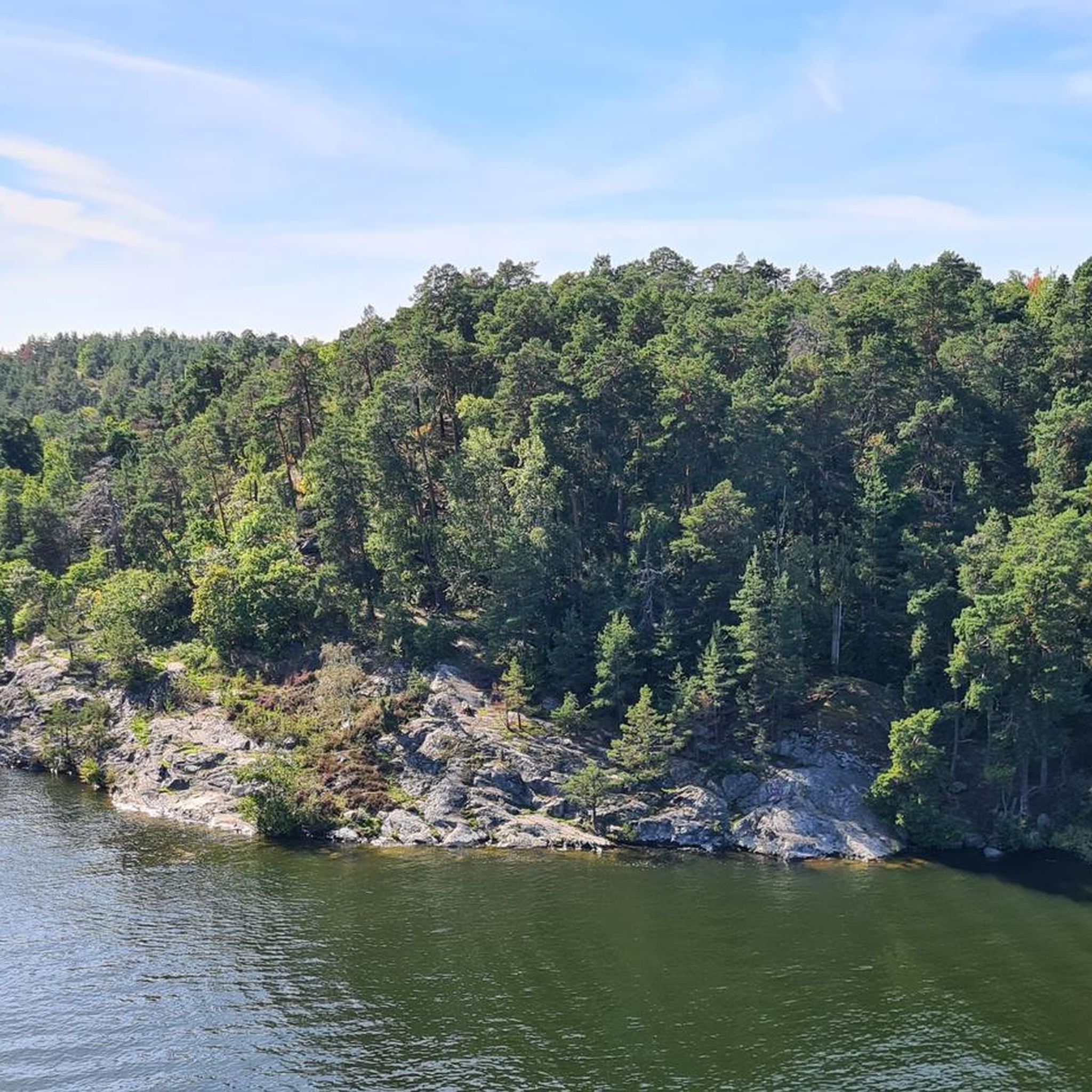
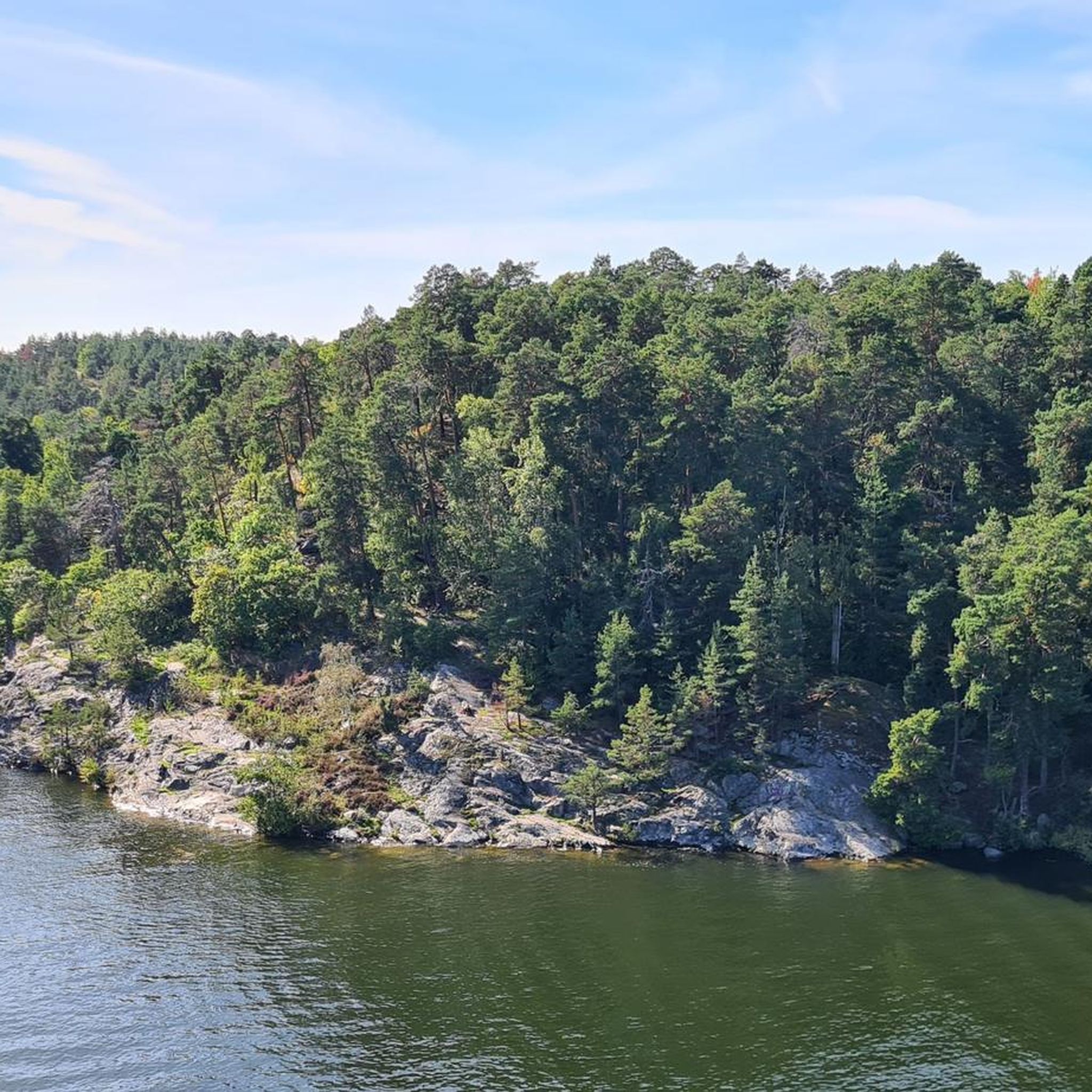
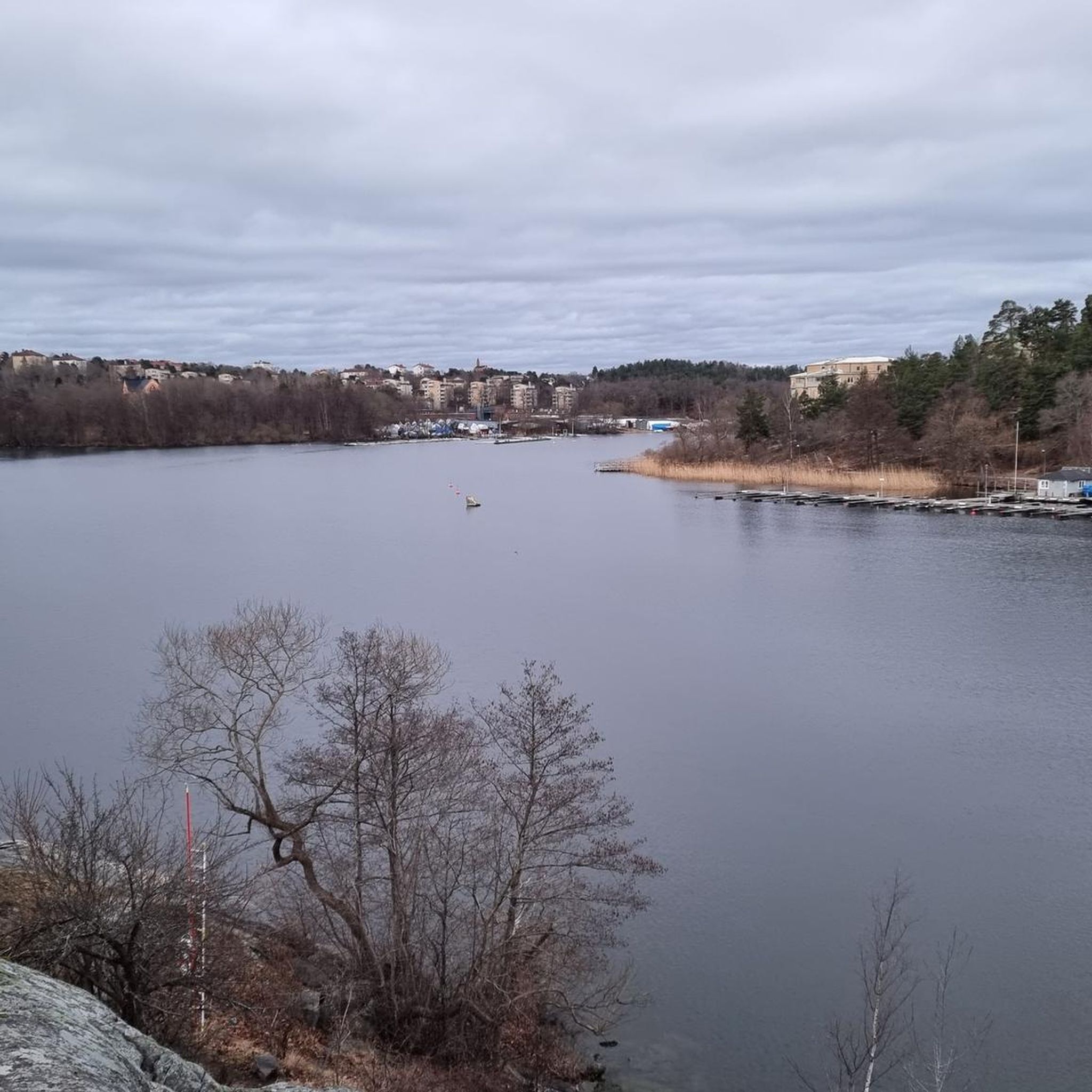
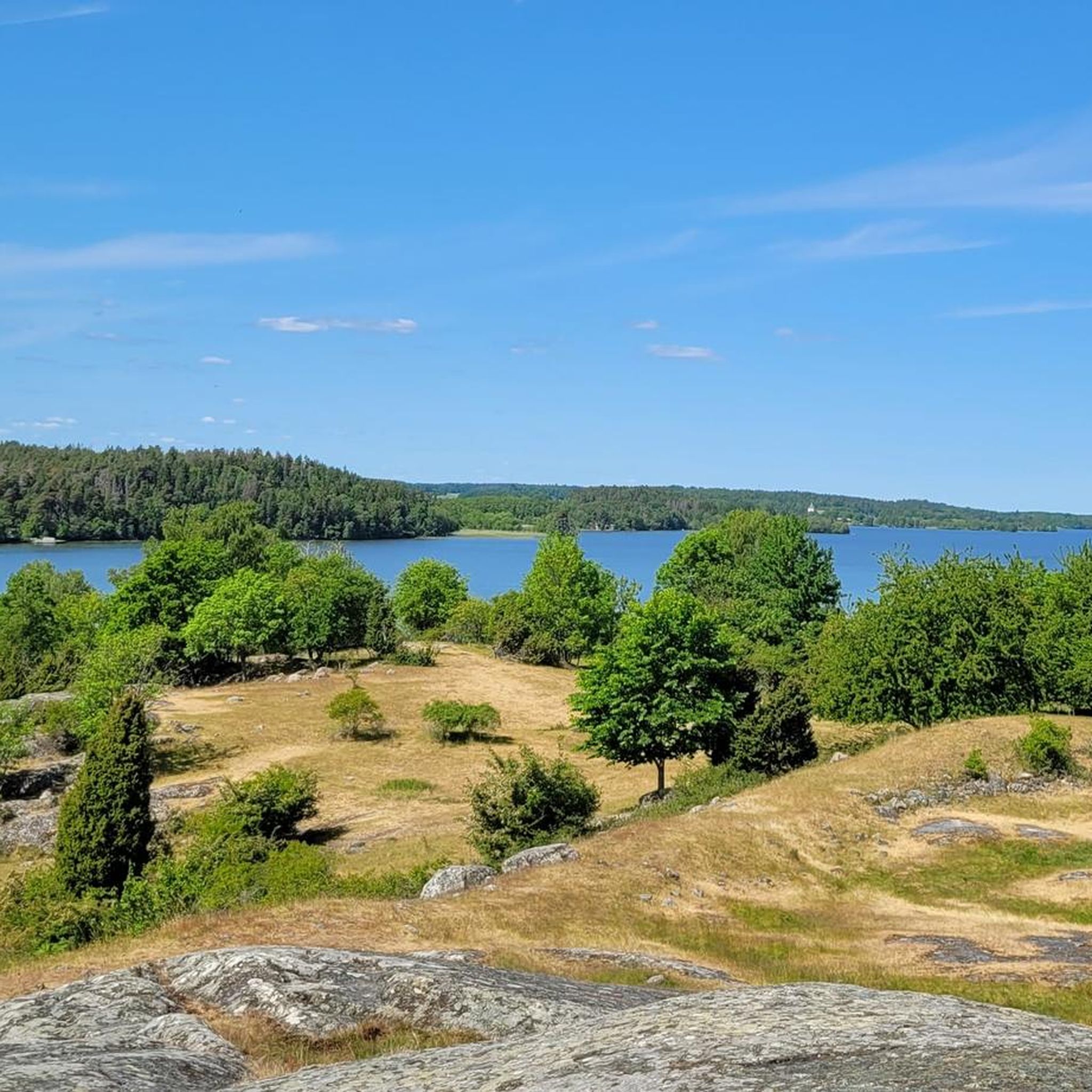
Tips from the Community

Beautiful narrow alleys where trade flourishes
3
0

This charming 17th-century manor dates back to around 1650 and sits in a green setting on the edge of Judarskogen nature reserve.
0
0

Riddarholmen is the historical core of Stockholm, with buildings from different eras. The oldest is the Riddarholm Church, which was consecrated around the year 1300. From 1634 and until 1950, the church was the royal burial place. Originally, the Riddarholm Church was part of a monastery. It was founded by the Franciscan order around 1270 on land donated by King Magnus Ladulås. The king chose the church as his final resting place and was buried there after his death in 1290. Magnus Ladulås was the son of Birger Jarl, who is believed to have founded Stockholm in the 1250s. In 1527, during the reign of King Gustav Vasa, the Reformation took place in Sweden. It meant that the crown confiscated the property of the church and the monasteries. The purpose was to break the power of the church and obtain funds for defense. On the west side of the island, Gustav Vasa ordered the construction of two cannon towers and a middle wall. The towers are preserved in the lower levels of the Birger Jarl Tower and in the south tower of the Wrangelska Palace. In the 17th century, Sweden developed into a great power and Stockholm's urban environment was modernized. The crown donated building land to the high nobility, who in the 1630s and 40s built palaces in the contemporary Renaissance style. In the second half of the 17th century, alterations and extensions were carried out in the imposing Baroque style. Some of the leading architects of the time were hired. Jean de la Vallée and Nicodemus Tessin the Elder designed the Wrangelska Palace. After the castle fire of 1697, the palace remained the royal residence for 57 years. In the 18th century, the crown began to take over the palaces. They were made into state administrative buildings and seats of Sweden's highest judicial institutions. In the 19th century and until about 1950, Riddarholmen was also an entry point for shipping on Lake Mälaren. One of the country's largest steamship ports was located on the west side of the island, where a quay was built. In the 1960s, it became a recreational park.
1
0

A popular cycling route just outside the city, offering a peaceful ride through green parks and quiet paths.
0
0

This statue has stood at Slottsbacken in front of the Royal Palace in Gamla Stan, Stockholm since 2018.
0
0

... and another great photo opportunity ...
3
0
Nice train station, currently undergoing renovations.
2
0

The building was built between 1641 and 1674 as a meeting house for the Swedish nobility by several architects in the style of Dutch classicism. In its function, the Riddarhuset resembled the English House of Lords. The Swedish nobility still meets in the building today for royal gatherings, parties and concerts.
2
0
Frequently Asked Questions
How many touring cycling routes are available in Mälaren?
There are over 40 touring cycling routes available in the Mälaren region, offering a diverse range of experiences for cyclists.
What is the best time of year to cycle around Mälaren?
The best time for touring cycling around Mälaren is generally from spring to autumn. During these seasons, the weather is milder, and the natural scenery is at its most vibrant. Summer offers the longest daylight hours and warmest temperatures, ideal for extended rides.
What kind of terrain can I expect on Mälaren's touring cycling routes?
The Mälaren region features generally gentle terrain, making it accessible for various skill levels. Routes often follow the lake's extensive shoreline, passing through historical towns, nature reserves, and alongside significant landmarks. While mostly flat, some routes may include moderate inclines, offering a blend of scenic waterfront cycling and paths through forested areas and open countryside.
Are there family-friendly or easy touring cycling routes in Mälaren?
Yes, Mälaren offers many easy routes suitable for families and beginners. For example, the The Royal Palace of Stockholm – Statue of King Karl XIV Johan loop from Stockholm Municipality is an easy 5.7-mile (9.1 km) trail that offers a compact loop around historical city landmarks. Another easy option is the Idyllic Pond in Nature Reserve – Hässelby Castle loop from Johannesfred, which is 10.9 miles (17.5 km) long.
What do other touring cyclists enjoy most about cycling in Mälaren?
The touring cycling routes in Mälaren are highly rated by the komoot community, with an average score of 4.6 stars from over 28 reviews. Cyclists often praise the expansive lake views, the historical sites encountered along the way, and the network of well-maintained cycle paths that cater to different ability levels.
What natural features and scenic viewpoints can I find along the routes?
Mälaren's routes are rich in natural beauty. You can expect to see numerous islands, freshwater lake views, and forested areas. Highlights include the Björnön Nature Reserve and various scenic viewpoints like the Runestone and Lakeside Viewpoint with Table and Benches. There are also several beaches and waterfront paths, such as Mälarhöjdsbadet Beach and Langholmen Bathing Area, perfect for a break.
Are there historical sites or landmarks to explore while cycling around Mälaren?
Absolutely. The Mälaren region is dotted with historical sites. You can cycle past the Royal Palace of Stockholm, the Royal Swedish Opera, and explore ancient monuments like the Runsa Iron Age Hillfort and Ship Setting or Björn Ironside's Burial Mound. Many routes offer glimpses into Sweden's rich history.
Is parking available near the Mälaren bike trails?
Yes, parking is generally available in and around the towns and cities that serve as starting points for many Mälaren bike trails. Specific parking information can often be found on individual route pages or local municipality websites.
Can I access Mälaren's cycling routes using public transport?
Many of the touring cycling routes around Mälaren, especially those closer to Stockholm and other urban centers, are accessible via public transport. Trains and buses often allow bicycles, though restrictions may apply during peak hours or on certain services. It's advisable to check with local transport providers for their specific policies.
Are there circular touring cycling routes around Mälaren?
Yes, many routes in the Mälaren region are designed as loops, allowing you to start and end at the same point. Examples include the View of the lake – Västerbron bridge loop from Stora Essingen, which offers scenic lake views, and the Royal Swedish Opera – View of Tranebergssund loop from Johannesfred, leading through historical cityscapes.
Are the Mälaren bike trails dog-friendly?
While many outdoor areas in Sweden are dog-friendly, specific rules may apply to nature reserves or protected areas along the Mälaren bike trails. It's generally recommended to keep dogs on a leash, especially in areas with wildlife or other visitors. Always check local regulations for the specific route you plan to cycle with your dog.
How long does it typically take to cycle around Lake Mälaren?
The full circumference of Lake Mälaren is quite extensive, and cycling around the entire lake would typically take several days, depending on your pace and chosen route. Individual touring cycling routes in the region vary greatly in length and duration, from short loops like the 35-minute The Royal Palace of Stockholm – Statue of King Karl XIV Johan loop from Stockholm Municipality to longer day trips.
Most popular routes around Mälaren
Most popular attractions around Mälaren

Get inspired with the komoot mobile app


Explore more
Browse the best Cycling routes in other regions.
