Attractions and Places To See around Penibetica - Top 20
Best attractions and places to see around Penibetica encompass a diverse landscape of mountains, historical sites, and cultural landmarks in the southern Iberian Peninsula. This region, part of the Baetic System, stretches across Andalusia and into Murcia, featuring dramatic geological formations and significant natural parks. It is characterized by its extensive mountain ranges, traditional white villages, and a rich history reflected in its architecture and ancient art.
Best attractions and places to see around Penibetica
- The most popular attractions is…
Last updated: July 6, 2026
Doña Mencía Station
Highlight • Rest Area
A few meters from the passenger building …
Translated by Google •
Tip by

Zuheros Castle
Highlight • Castle
Translated by Google •
Tip by

Sign up now to discover places like this
Get recommendations on the best single tracks, peaks, & plenty of other exciting outdoor places.
Sign up for free
Views of Zuheros Castle from the viaduct
Highlight • Viewpoint
Translated by Google •
Tip by
Zuheros is a beautiful place.
Highlight • Settlement
Translated by Google •
Tip by
Restaurant and Olive Oil Interpretation Center in the Old Luque Station
Highlight • Restaurant
Translated by Google •
Tip by

Views over the Laguna del Conde
Highlight • Viewpoint
Translated by Google •
Tip by
Bridge on the Vía Verde del Aceite
Highlight • Bridge
Translated by Google •
Tip by
Chorreras de la Fuenseca
Highlight • Waterfall
Translated by Google •
Tip by

Limestone formations and caves in the Bailón Canyon
Highlight • Canyon
Translated by Google •
Tip by
Guadajoz River Viaduct
Highlight • Bridge
Translated by Google •
Tip by
Sign up for free to discover even more attractions around Penibetica.
Sign up for free
Already have an account?
Start today with a free account
Your next adventure awaits.
Login or Signup


Tips from the Community

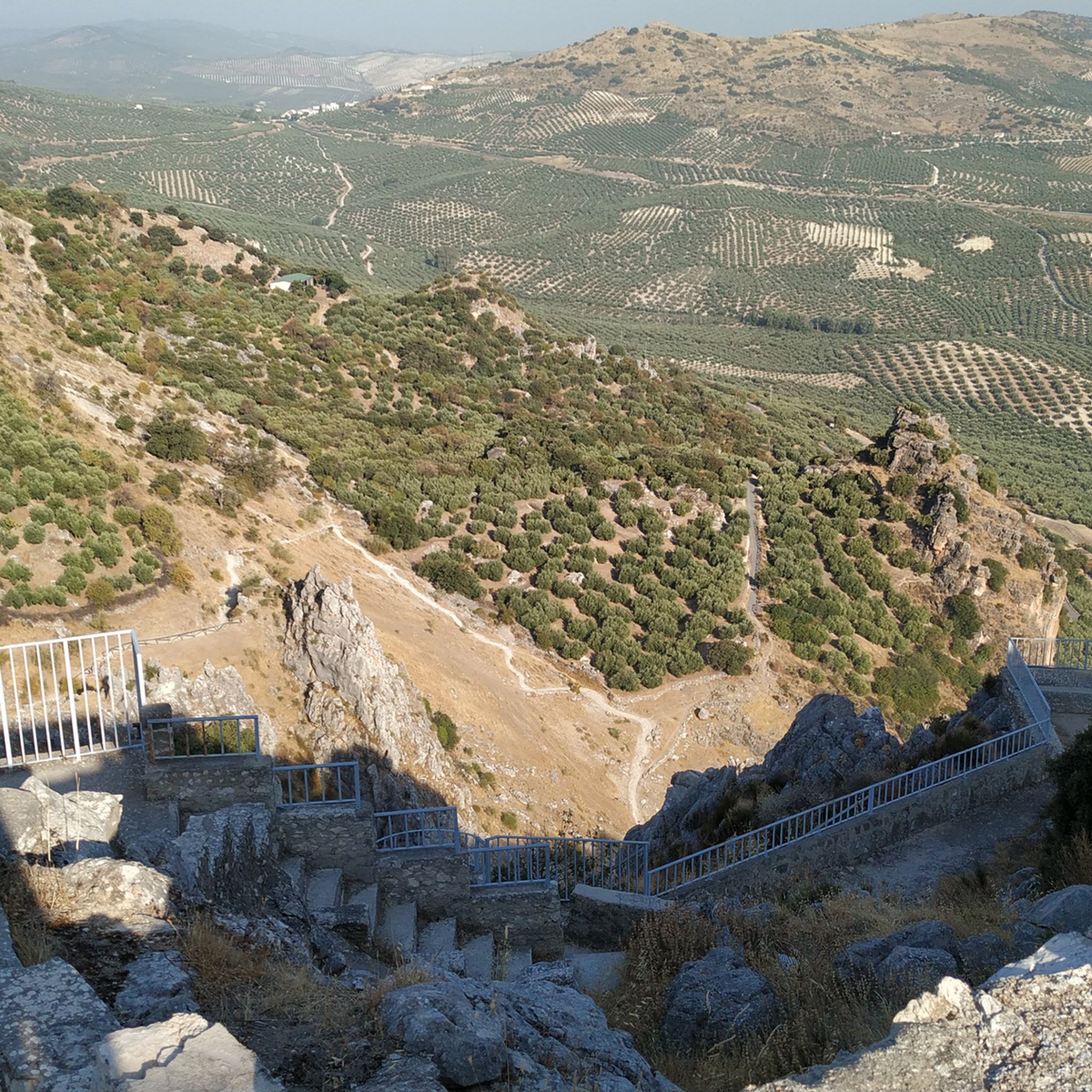
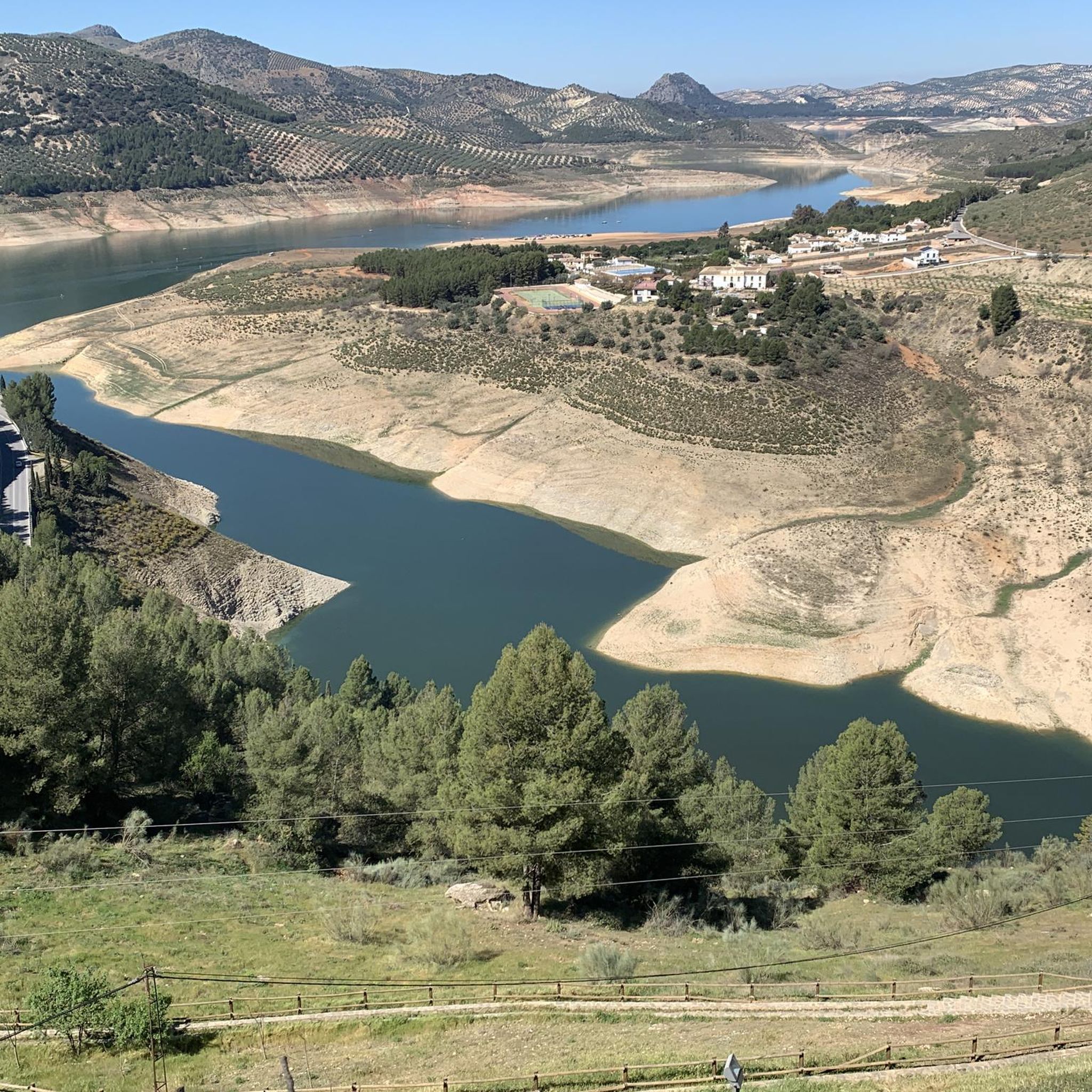
The Laguna del Conde (also known as Laguna del Salobral) is an important wetland that serves as a habitat for numerous bird species such as flamingos, cormorants, and ducks. Along the Vía Verde, there are viewpoints from which visitors can observe the wildlife.
1
0

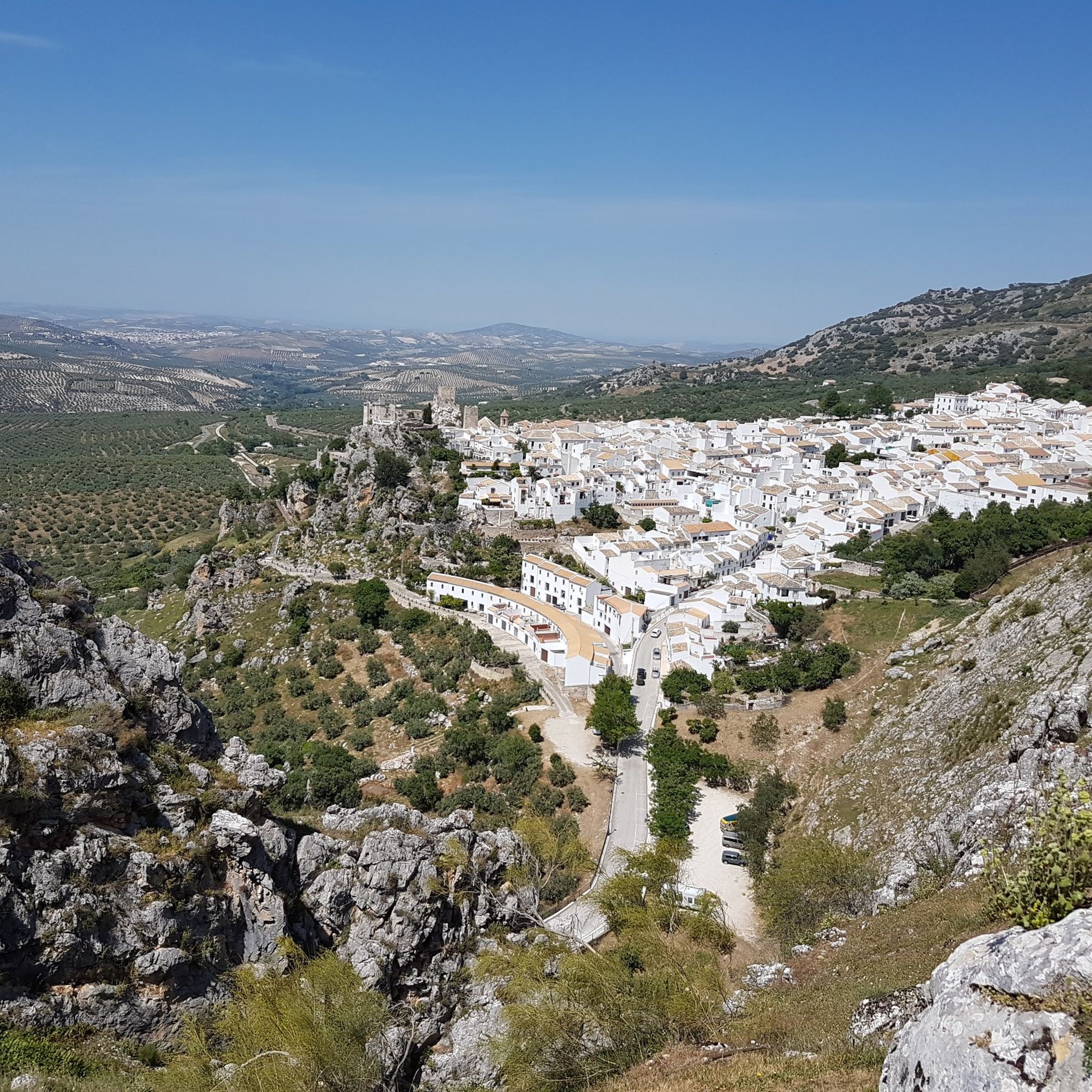
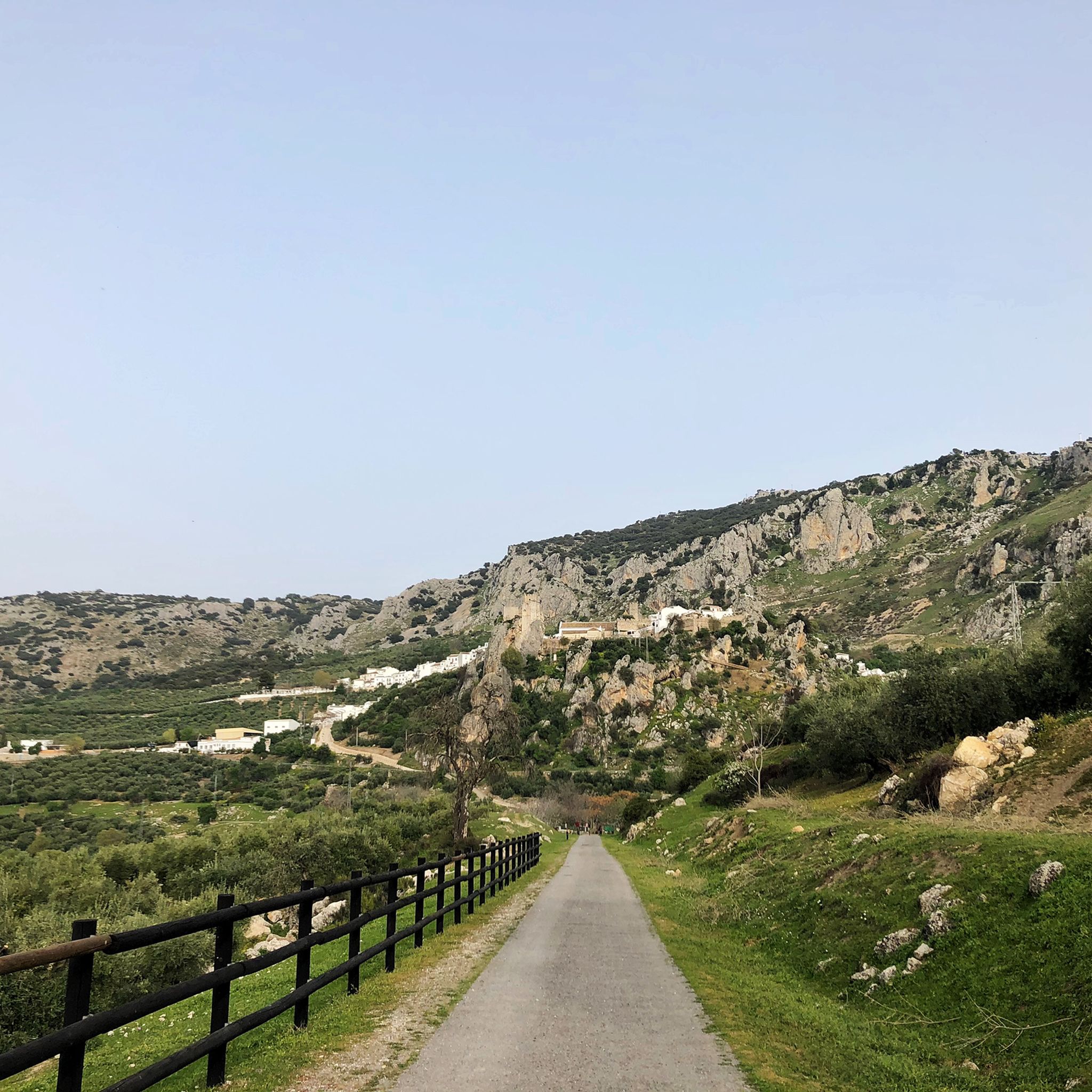
El Castillo de Zuheros is a historic fortress in the small municipality of Zuheros. The castle sits spectacularly on a rock and has become a landmark of the region. The castle's origins date back to the Moors in the 9th century. It was strategically built on a limestone cliff to control and defend the region. Its location made it almost impregnable.
0
0

The Zuheros Viaduct crosses the embedded bed of the Bailón River. It has a length of 104 meters resolved into two lateral sections of 31.5 meters and a central section of 41.0 meters. Its structure is metallic and is very similar to that of the Guadajoz River Viaduct. It seems that both projects were drawn up by the same engineers, Alessandri and Delaperrière.
9
0
Here you can find everything in the field of catering. Breakfast, lunch, sleep. It seems like this is the place to be in the area.
6
0
The Lagoon del Conde or Salobral Lagoon is a temporary lagoon that reaches a maximum flood level in spring and subsides in summer. The lagoon is filled by rainfall that falls directly on the surface of the lagoon and by surface runoff from its catchment area, particularly from the Carrascón stream. The lagoon is on the migratory route that many birds follow towards the African continent in northeastern Europe. Like the rest of the wetland areas south of Córdoba, the Salobral Lagoon is integrated into the European Natura 2000 network.
10
0
El Castillo de Zuheros stands spectacularly on a rock and offers impressive views of the Sierra Subbética. The castle is a major landmark in the region. The castle's origins date back to the Moors in the 9th century. It was strategically built on a limestone cliff to control and defend the region. Its location made it almost impregnable. It was part of a network of castles designed to secure Moorish influence in Andalusia. In 1240, Zuheros was conquered by the troops of Ferdinand III of Castile. The castle passed into Christian ownership and was integrated into the kingdom's defensive structure. With the end of its military importance in the region, after the conquest of Granada in 1492, the castle began to decline in importance. Parts of the complex were destroyed by earthquakes and neglect over the centuries. In 1964, the towers were reconstructed as they can be seen in their current form. The ruins of the castle are now one of the main attractions of Zuheros and can be visited.
9
0
El Castillo de Zuheros is a historic fortress in the small municipality of Zuheros. The castle sits spectacularly on a rock and has become a landmark in the region. The castle's origins date back to the Moors in the 9th century. It was strategically built on a limestone cliff to control and defend the region. Its location made it almost impregnable. The viaduct is a historic remnant of the old railway line and offers an elevated platform with unobstructed views of the surrounding landscapes. The section near Zuheros is particularly spectacular as the viaduct crosses a gorge through which the Bailón River flows. From here, Zuheros Castle rises majestically above the village, embedded in a rock. The castle seems to be one with the landscape as it is integrated directly into the limestone. The view of Zuheros Castle from the viaduct is a perfect example of the unique combination of nature and history that characterizes the Córdoba region. It is a moment that makes every bike ride along the Vía Verde unforgettable.
9
0
The Luque station, part of the original Linares-Puente Genil line, was built by the Compañía de los Ferrocarriles Andaluces and opened along with the entire line in January 1893. In 1941, with the nationalisation of the Iberian railways, the facilities passed into the hands of RENFE. The line remained in service until it was closed in October 1984, when it was dismantled and the tracks removed. After the line was closed, the old station building has been used as a restaurant since 1990. It also houses the Oil Interpretation Centre, a site dedicated to the history of olive oil and olive groves, where you can also taste oil from the region. The site is within the route formerly known as the "Vía Verde de la Subbética". In 2017, those responsible for the Greenway routes agreed to unify all sections of the old route under the same name "Vía Verde del Aceite". For many, however, it is and will remain the "Green Way". Luque station is a popular starting or intermediate point for cycling tours along the Vía Verde del Aceite, the old railway line that is now a great cycle path. The route offers a unique opportunity to experience the beauty of the Córdoba region. The current station also offers a good opportunity to take a break and enjoy food and cool drinks.
11
0
Frequently Asked Questions
What are some notable natural features and viewpoints in Penibetica?
The Penibaetic System is rich in natural beauty. You can enjoy stunning views of Zuheros Castle from the viaduct, or panoramic vistas over the Laguna del Conde. The region is home to Spain's highest peaks in the Sierra Nevada, dramatic karst landscapes in Sierra de Grazalema, and unique Spanish fir forests in Sierra de las Nieves. Don't miss the ancient Bat Cave, a significant natural monument.
Are there historical sites or cultural attractions to visit in Penibetica?
Absolutely. The region boasts a rich history. The medieval Zuheros Castle, with its Moorish origins and Renaissance additions, is a prime example. You can also explore charming White Villages scattered throughout the mountains, offering a glimpse into traditional Andalusian life. The Old Luque Station now houses an Olive Oil Interpretation Center, connecting visitors with the area's agricultural heritage.
What outdoor activities can I do near the attractions in Penibetica?
The Penibetica region is ideal for outdoor enthusiasts. You can explore numerous trails for hiking, mountain biking, and gravel biking. For hiking, consider routes like the Río Bailón Canyon Trail or La Tiñosa Public Trail. Mountain bikers can tackle the Olive Oil Greenway and Cueva de los Murciélagos Loop. For more options, check out the dedicated guides for Hiking around Penibetica, MTB Trails around Penibetica, and Gravel biking around Penibetica.
Are there family-friendly attractions in Penibetica?
Yes, many attractions in Penibetica are suitable for families. The Doña Mencía Station, now a bicycle center and restaurant, is a great stop for rest and refreshments along the Vía Verde del Aceite. The Bridge on the Vía Verde del Aceite is designed for bikes and hikers, offering a safe and scenic path. Exploring the picturesque village of Zuheros and its castle can also be an enjoyable family outing.
What is the Vía Verde del Aceite and what can I find along it?
The Vía Verde del Aceite (Olive Oil Greenway) is a former railway line transformed into a path for cyclists and hikers. Along this route, you'll find unique structures like the Bridge on the Vía Verde del Aceite, which allows passage over modern roads. Key stops include the Doña Mencía Station, now a bicycle center and restaurant, and the Old Luque Station, which houses an Olive Oil Interpretation Center.
Where can I experience the traditional culture of the Penibetica region?
To experience traditional culture, visit the charming White Villages found throughout the mountain ranges, particularly in areas like the Sierra Nevada and Serranía de Ronda. These villages showcase traditional Andalusian life. The Restaurant and Olive Oil Interpretation Center in the Old Luque Station offers insights into the region's olive oil heritage and local gastronomy.
Are there any unique geological formations or caves to explore?
Yes, the Penibetica region is known for its diverse geology. The Bat Cave is a significant natural monument and historical site. The Sierra de Grazalema is famous for its impressive karst landscapes and canyons, while the Sierra de Tejeda, Almijara, and Alhama ranges feature dramatic limestone formations.
What kind of landscapes can I expect to see in Penibetica?
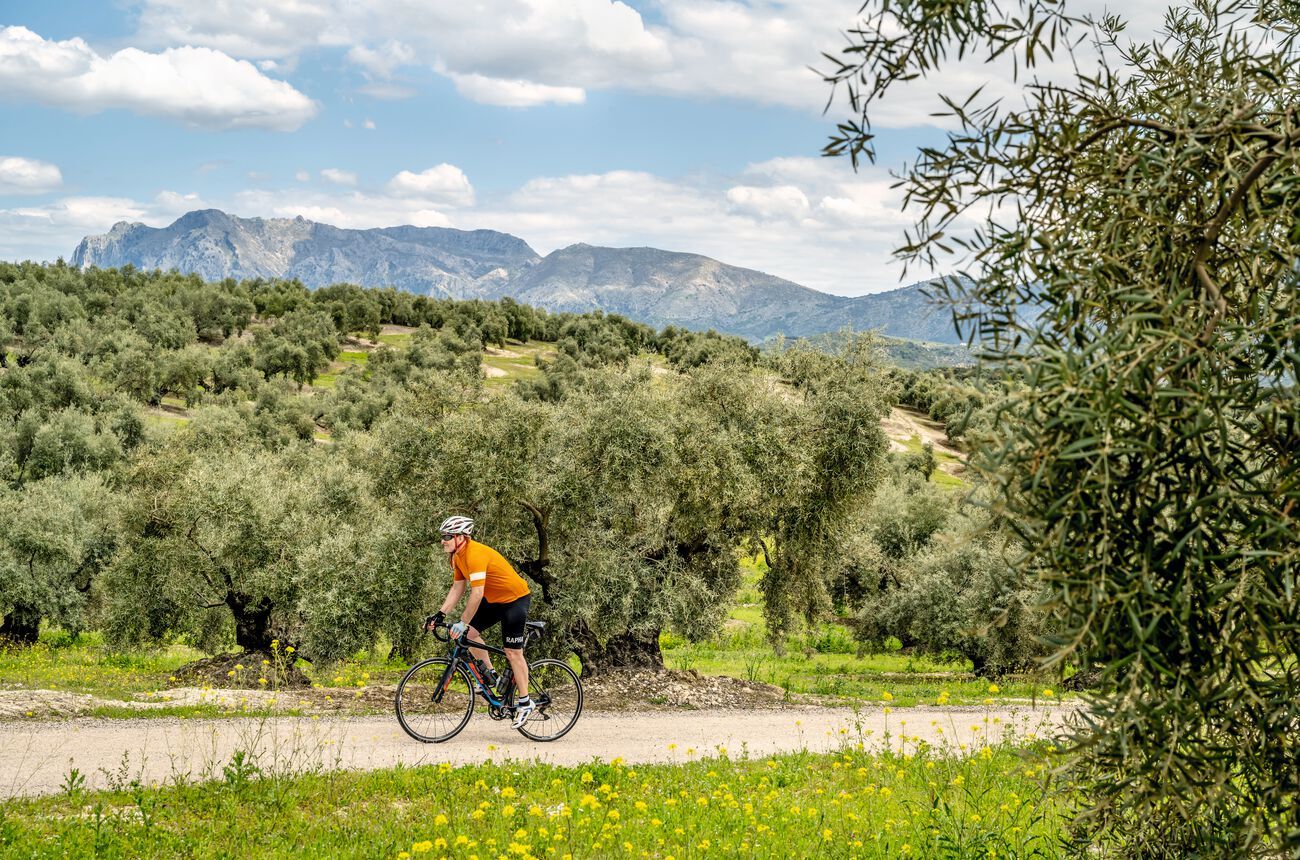
The Penibaetic System offers incredibly diverse landscapes. You'll encounter extensive olive groves, such as those visible from Olive groves, dramatic mountain ranges like the Sierra Nevada with its high peaks, and rugged terrain in areas like the Serranía de Ronda. The region also features lush vegetation in places like Sierra de Grazalema and volcanic landscapes towards the eastern parts, such as Cabo de Gata-Níjar Natural Park.
What are some of the most popular attractions for visitors?
Visitors frequently enjoy the historical significance and views from Zuheros Castle. The Bridge on the Vía Verde del Aceite is also a popular spot for its unique design and connection to the old railway route. Many appreciate the convenience and amenities offered by the Doña Mencía Station, which serves as a rest stop and bicycle center.
Can I find places to eat or rest near the attractions?
Yes, several attractions offer facilities for rest and refreshments. The Doña Mencía Station has been rehabilitated as a bicycle center and restaurant, making it a perfect stop. Similarly, the Old Luque Station now functions as a restaurant and hostel, where you can also taste local olive oil and gastronomy.
What is the best time of year to visit Penibetica for outdoor activities?
The Penibetica region offers varied experiences depending on the season. For hiking and cycling, spring (April-May) and autumn (September-October) generally provide pleasant temperatures and beautiful scenery. Summer can be very hot, especially in lower altitudes, but the higher peaks of the Sierra Nevada offer cooler conditions and even skiing in winter. Always check local weather forecasts before planning your trip.
Most popular routes around Penibetica
Most popular attractions around Penibetica

Get inspired with the komoot mobile app


Didn’t find what you were looking for?
Are you keen on exploring more awesome places nearby? Browse our guides:
Explore more
Still not found the Highlight you’re looking for? See guides of the top attractions in other regions:
