The 6 Most Amazing Peaks around Bajo Bidasoa
Best mountain peaks around Bajo Bidasoa offer a diverse landscape of mountains straddling the border between Spain and France. This region features prominent peaks such as Jaizkibel, the Aiako Harria massif, and La Rhune. The area is characterized by its ecological value, diverse natural habitats, and historical significance, including fortifications and ancient mining areas. Visitors can explore a variety of terrains, from coastal cliffs to forested slopes, providing extensive opportunities for outdoor activities.
Best mountain peaks around Bajo Bidasoa
- The…
Last updated: August 18, 2026
Irumugarrieta Peak (811 m)
Highlight • Summit
Translated by Google •
Tip by

Erramutz Summit
Highlight • Summit
Translated by Google •
Tip by

Sign up now to discover places like this
Get recommendations on the best single tracks, peaks, & plenty of other exciting outdoor places.
Sign up for free
Circular Route to Errolbide and Txurrumurru Peaks
Highlight (Segment) • Summit
Translated by Google •
Tip by

Ascent to Peñas de Aya from Irun via Erlaitz
Highlight (Segment) • Climb
The road surface is good and there is usually little traffic.
Translated by Google •
Tip by

View of Irun and the Bay of Biscay from the Belitz Summit
Highlight • Viewpoint
Translated by Google •
Tip by

Start today with a free account
Your next adventure awaits.
Login or Signup
Popular around Bajo Bidasoa
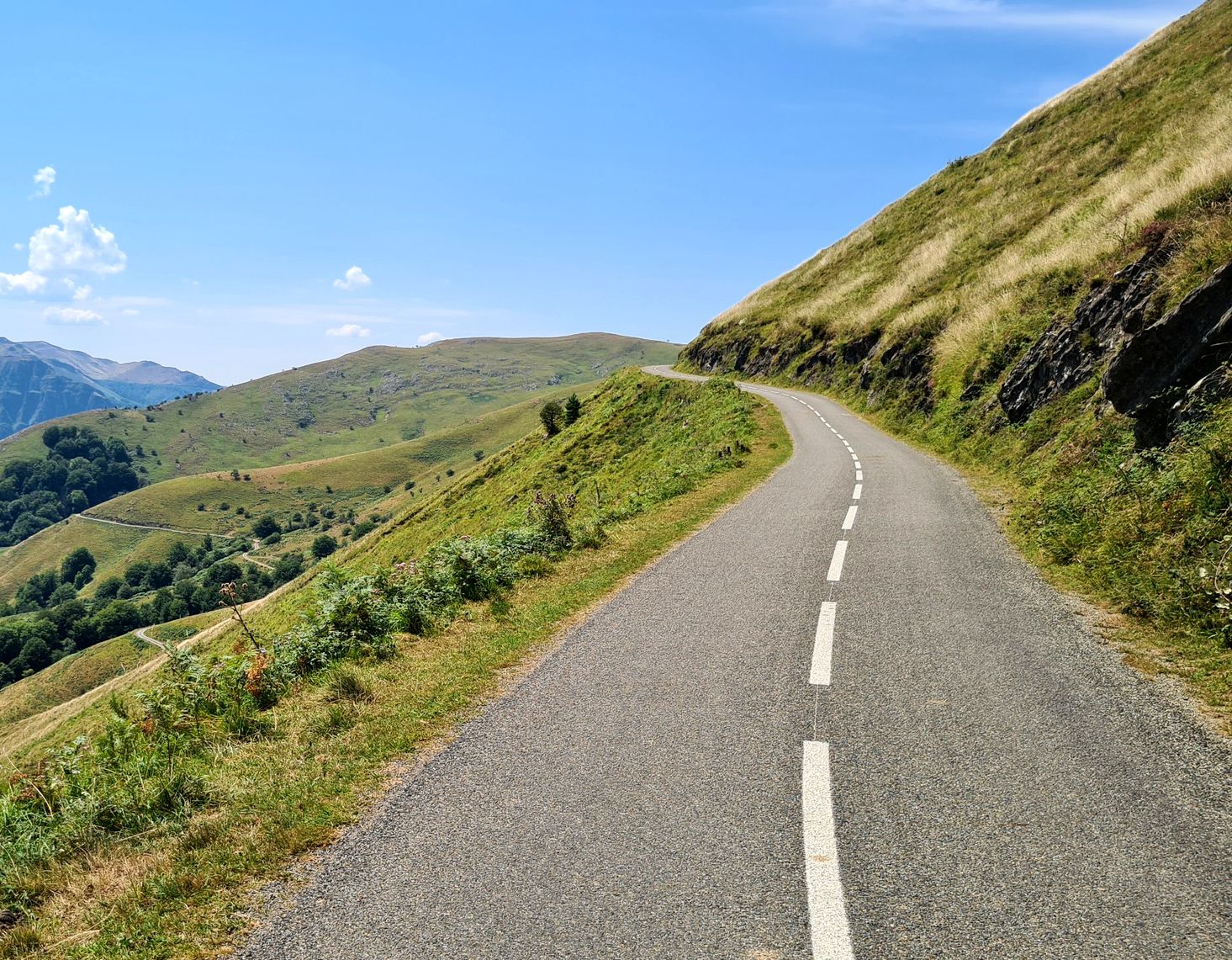
Basque Country mountain passes – Panorama rides
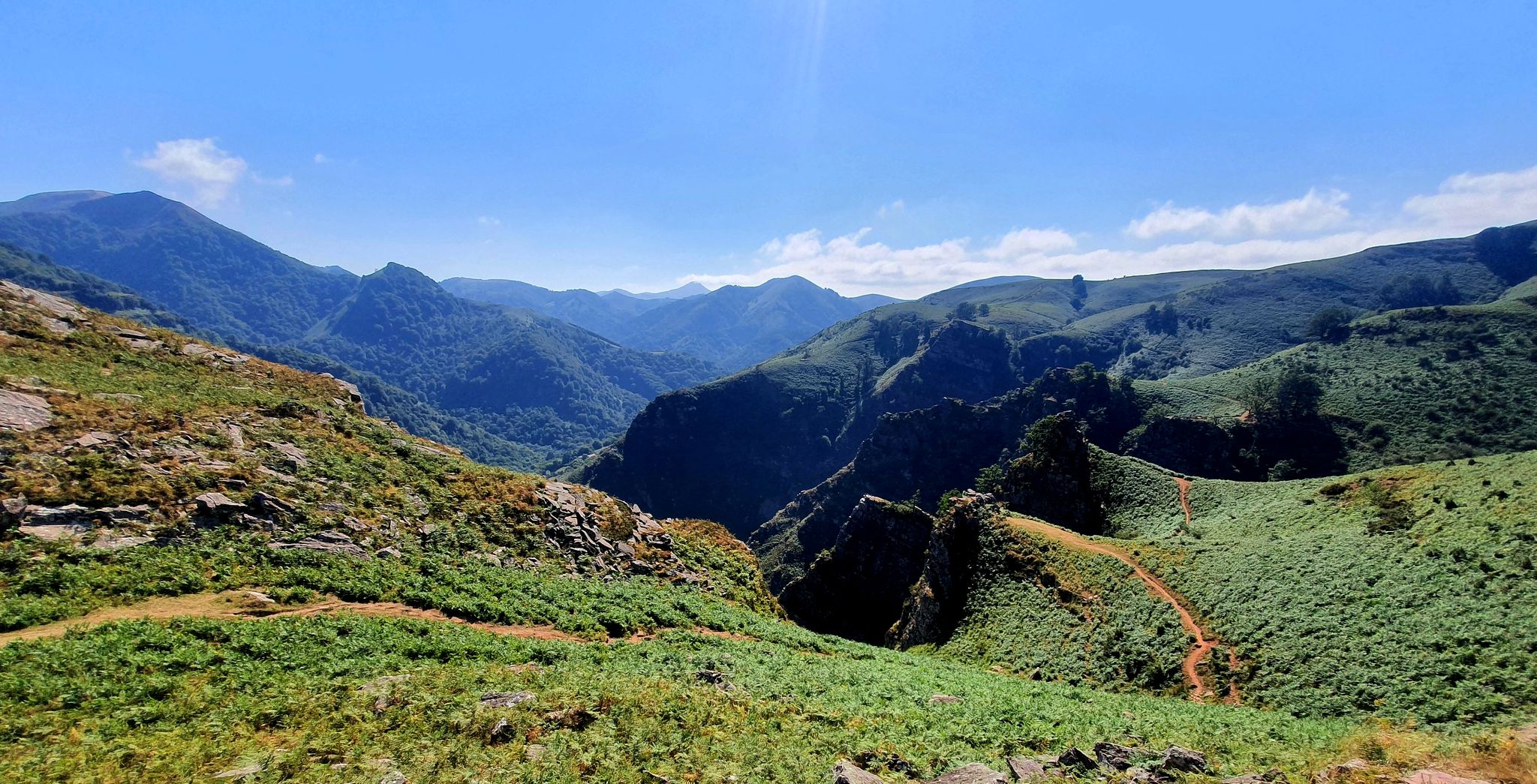
A land rich in character – running in the Basque Country
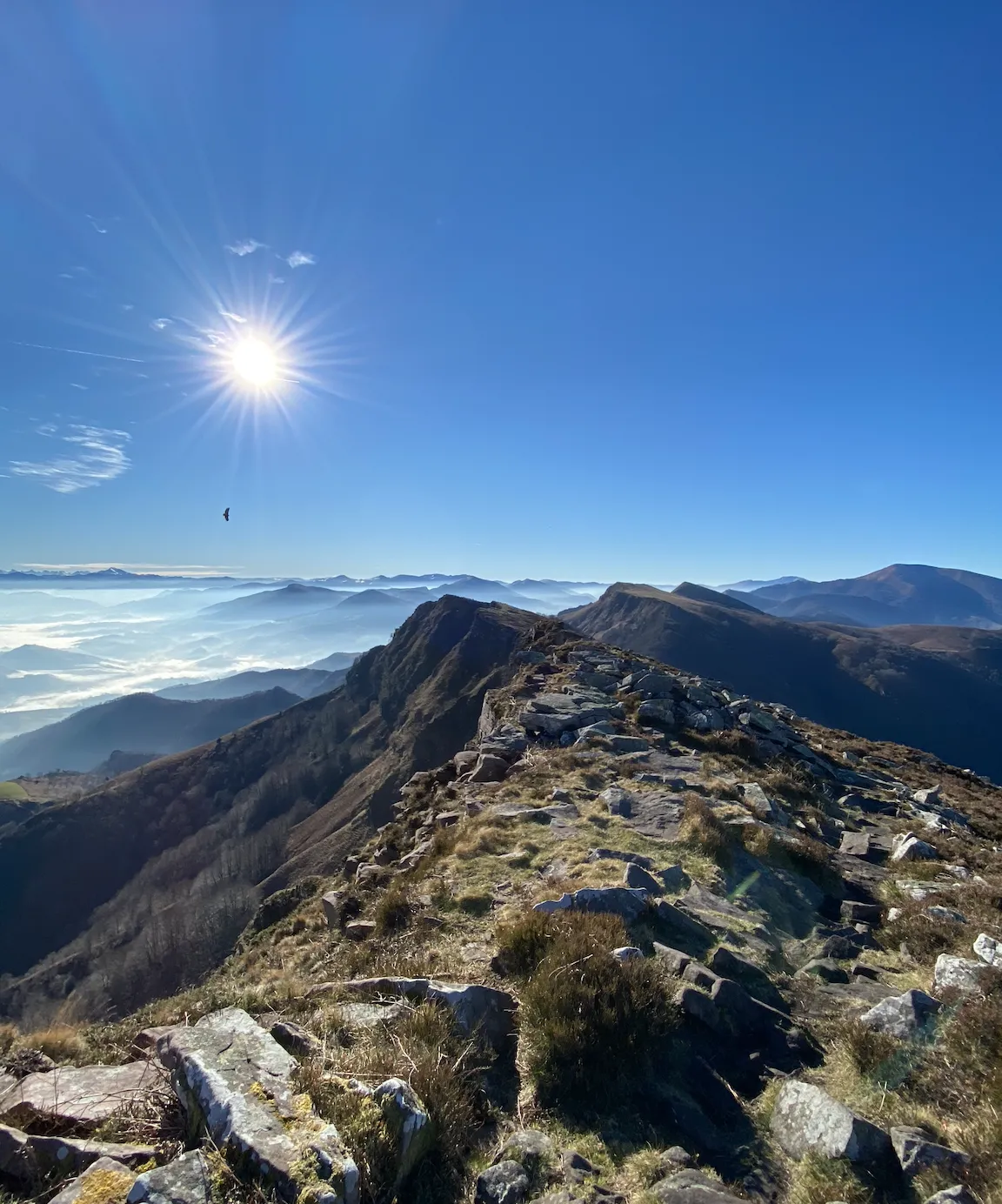
The coast to the mountains – the best hikes in Spain’s Basque Country
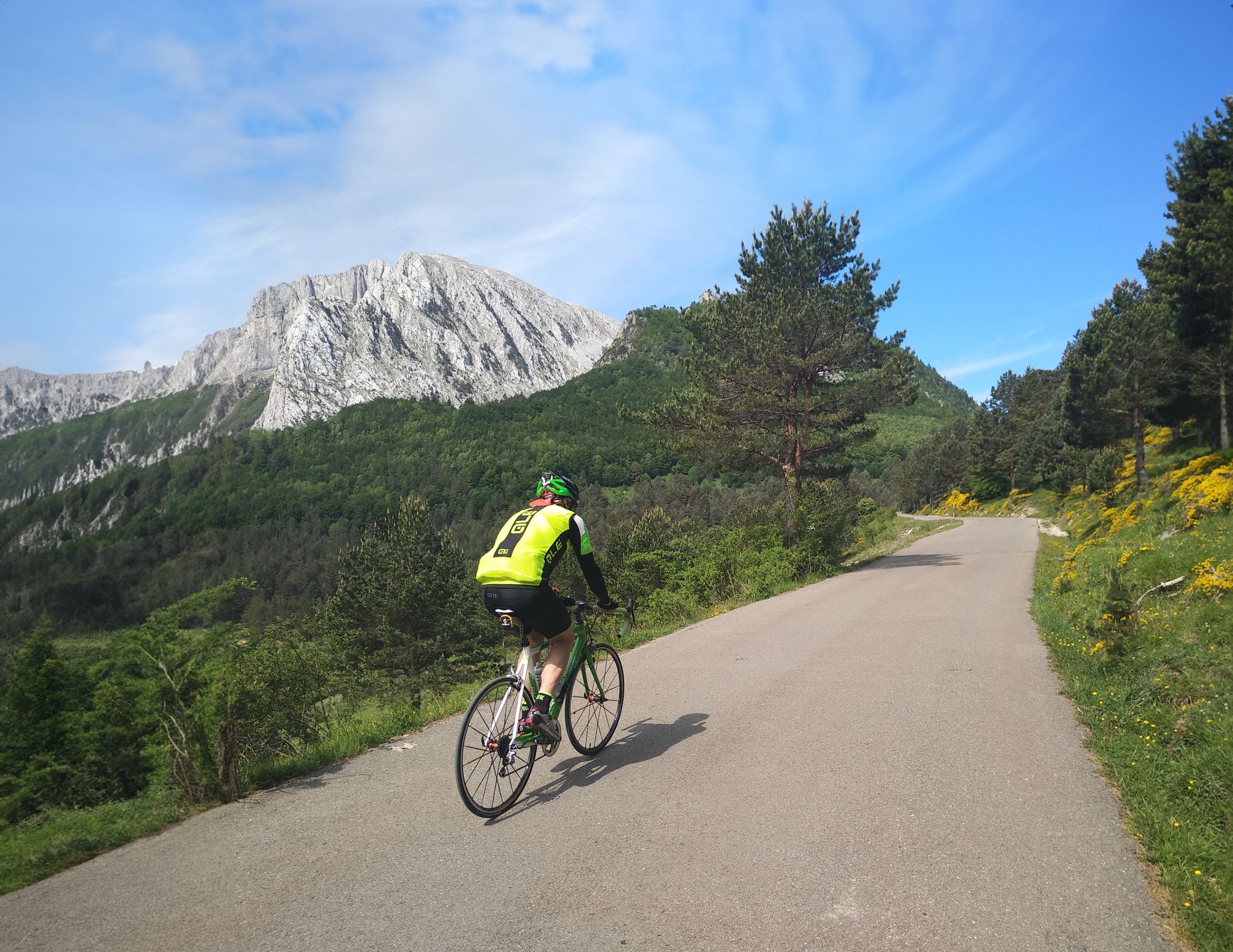
The Bay of Biscay to the Mediterranean — southern Pyrenees cycle tour
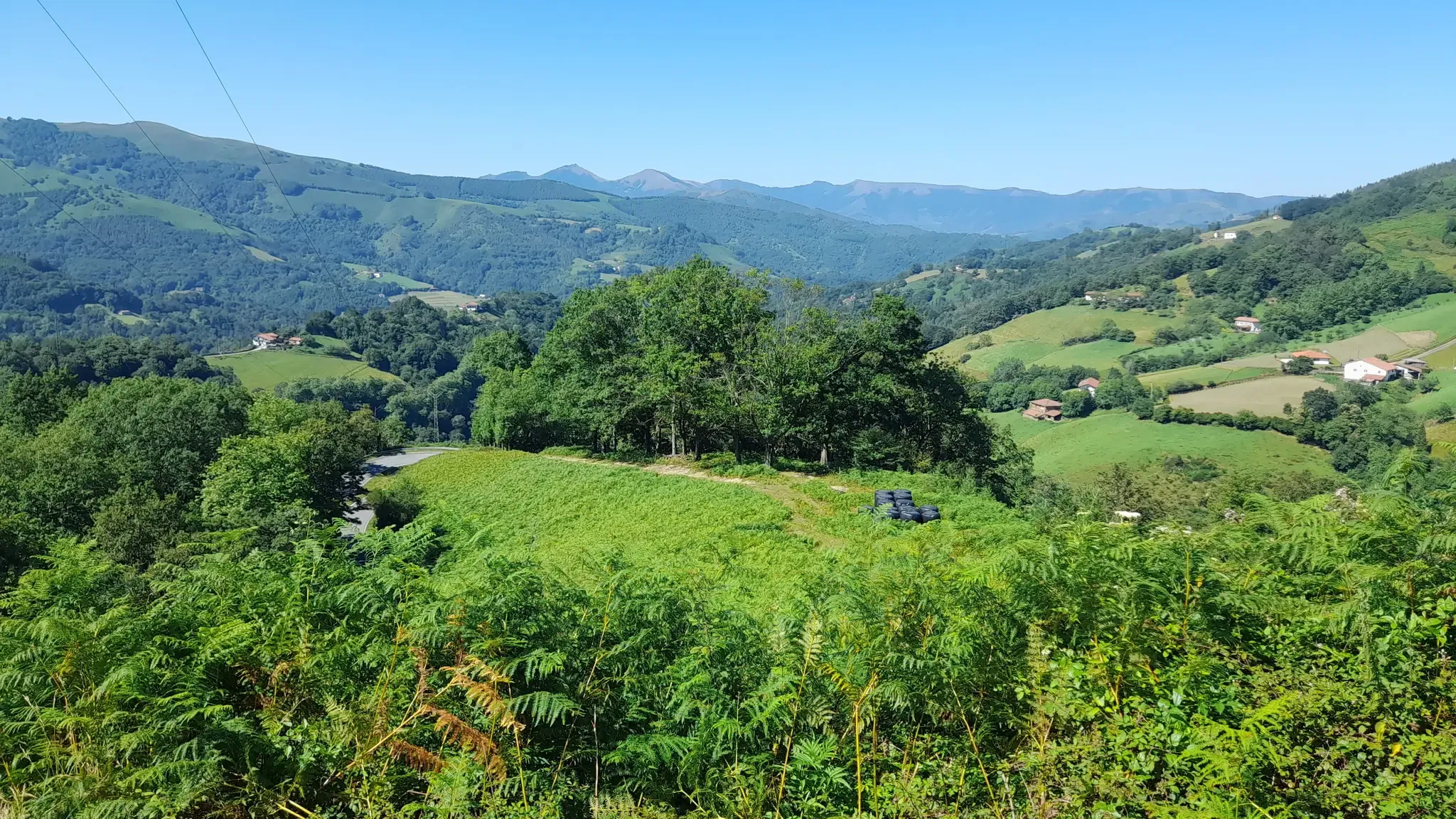
Discover the Basque Country and Navarre on the Pyrenean Path – GR 11
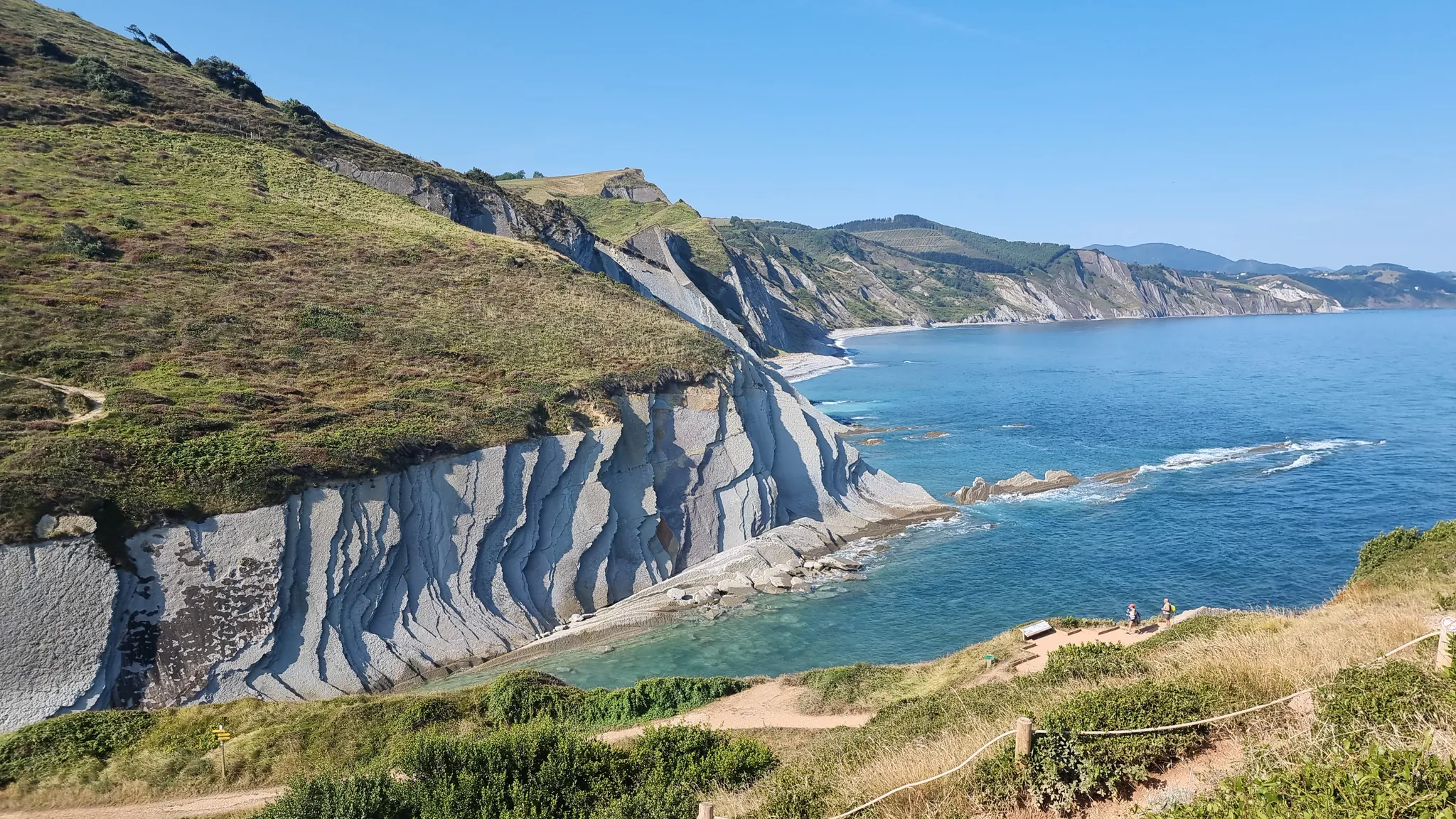
Between the sea and the mountains — GR 121: Tour of Guipúzcoa
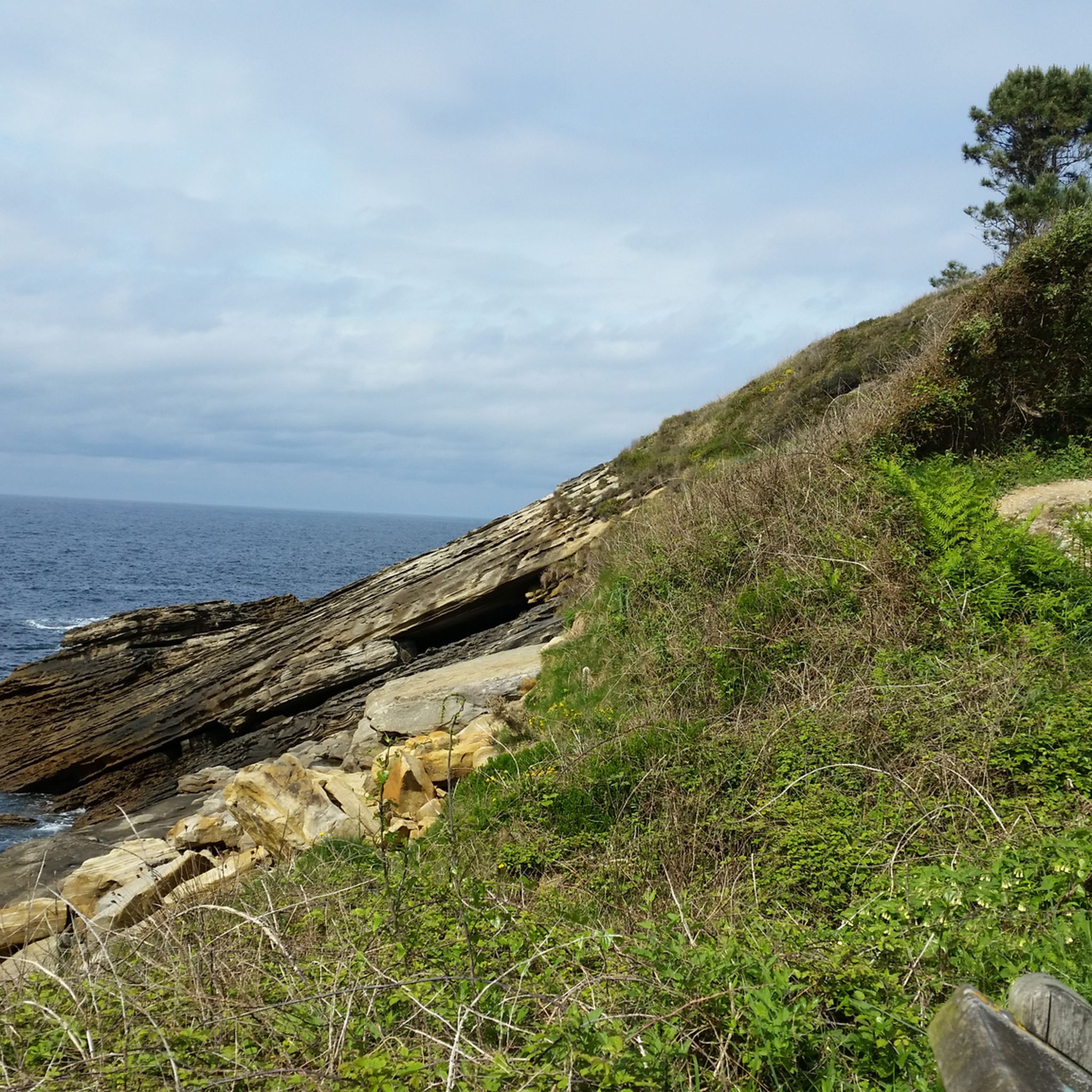
Hiking around Bajo Bidasoa
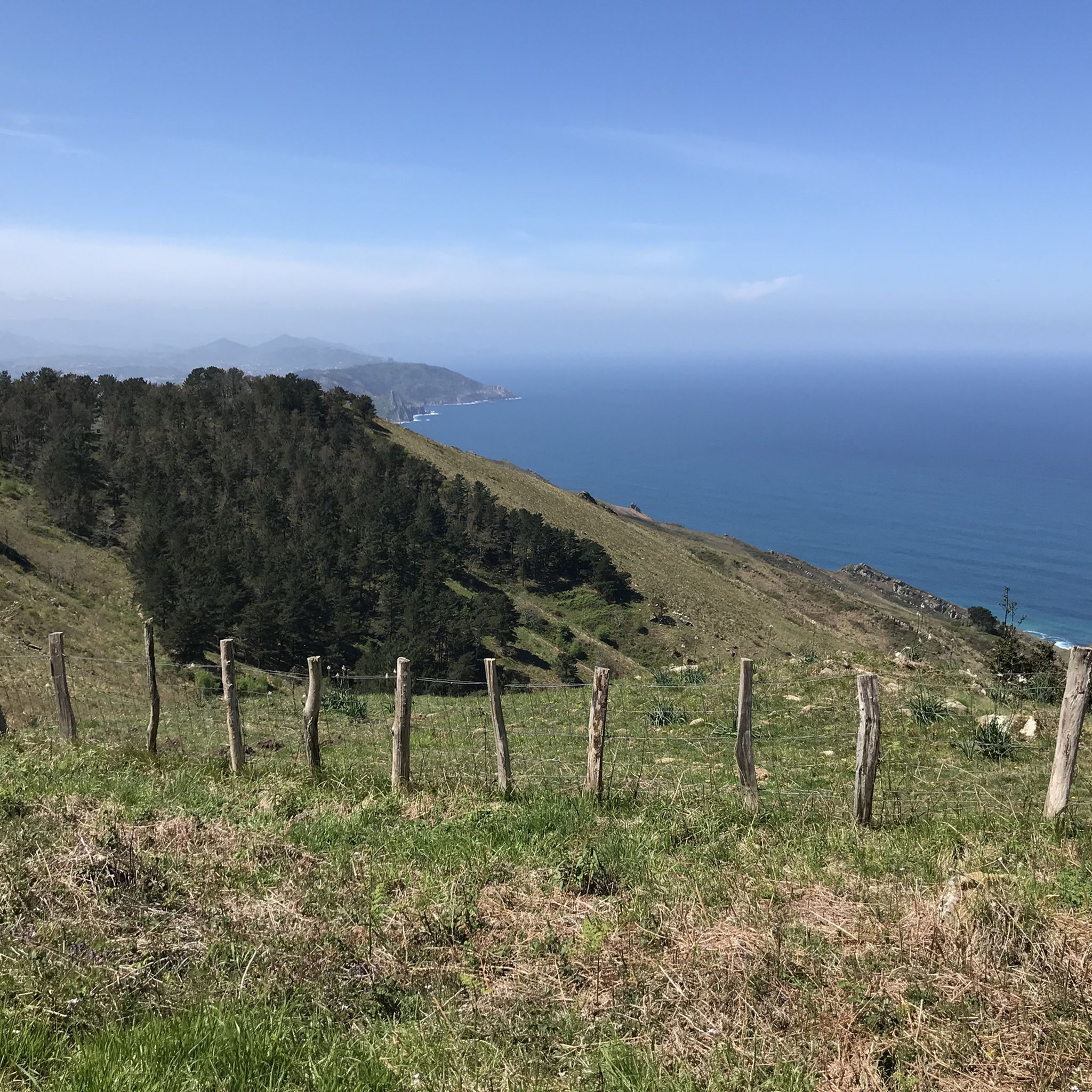
Road Cycling Routes around Bajo Bidasoa
Running Trails around Bajo Bidasoa
Cycling around Bajo Bidasoa
Other adventures around Bajo Bidasoa


Tips from the Community

Caution! Approaching Irumugarrieta Peak from the south, you have to climb a serious, vertical wall. Unfortunately, with a dog, we had to give up here and fought our way down cross-country through the undergrowth. The other way around, it probably won't work with a dog even without abseiling. The tour is still very beautiful, but I wouldn't do the special descent again.
2
0

After a short steep section, you arrive at a horse meadow and the Torre V with a wonderful view
0
0

This is a powerful climb, with an explosive start to Erlaitz with gradients of almost 17% and a gentler finish to Peñas de Aya. The road surface is good and there is usually little traffic.
0
0

those prone to vertigo should refrain
0
0

It allows you to make a circular trip through the peaks. From my point of view, it is easier to do in this sense than in the opposite.
0
0

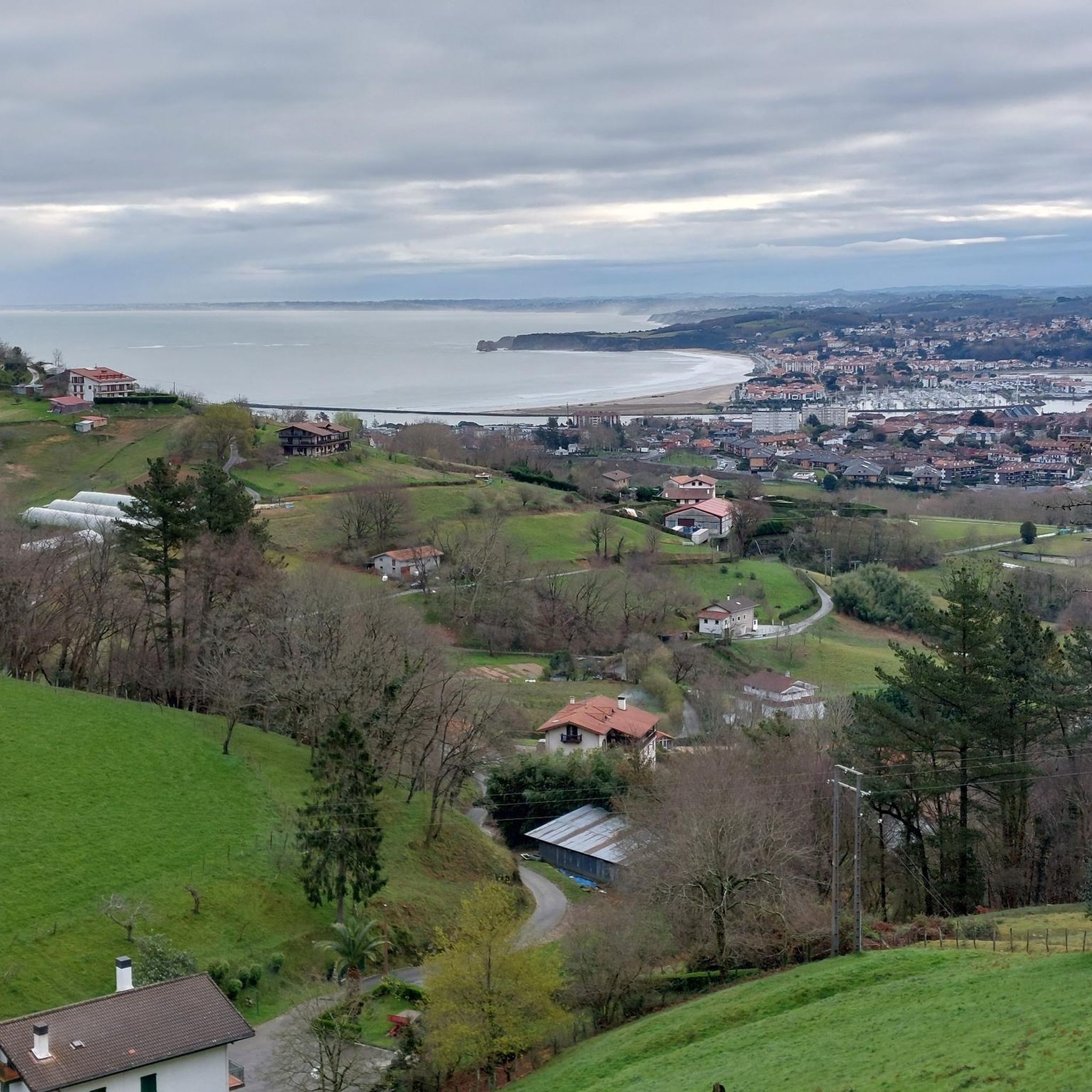
On the lower northern slopes above Irun, reaching Belitz at almost 500 meters above sea level, you get excellent views towards Irun and the Bay of Biscay below on a clear day.
0
0

This highest point at 386 meters above sea level offers the first interesting views over the bay of Txingudi.
2
0

attention climb with water
0
0
Frequently Asked Questions
Which mountain peaks in Bajo Bidasoa offer the best panoramic views?
For breathtaking panoramic views, consider visiting Jaizkibel Summit, which provides magnificent vistas over the Bay of Txingudi, Hondarribia, Irun, Hendaye, and the Atlantic coast. Irumugarrieta Peak (811 m) in the Aiako Harria massif also offers expansive 360-degree views stretching from San Sebastián to Las Landas and the Pyrenees. Additionally, Monte San Marcial provides a peaceful viewpoint over Irun and the Bidasoa River.
Are there family-friendly mountain walks in the Bajo Bidasoa region?
While many trails in the region can be challenging, Monte San Marcial offers a more relaxed experience suitable for families. It features a viewpoint, a playground, and picnic tables, making it ideal for a relaxing day out. For an easier way to enjoy mountain views, La Rhune is famous for its picturesque rack train that transports visitors to the summit.
What are the geological and natural highlights of the mountain peaks in Bajo Bidasoa?
The region boasts unique natural features. Jaizkibel, part of the Natura 2000 Network, is known for its diverse habitats, rare flora like tropical ferns, and various bird species. It also features the 'Valley of Colors' in Labetxu with uniquely colored rock formations. The Aiako Harria massif is geologically significant, containing fossilized marine animal remains over 300 million years old, and hosts rich botanical diversity including oak, beech, and chestnut forests.
What historical sites can be found on the mountain peaks of Bajo Bidasoa?
The mountains in Bajo Bidasoa hold significant history. Jaizkibel features old windmills, geological landmarks, and fortifications from past conflicts like the Carlist Wars and the Spanish Civil War. The Aiako Harria massif includes historical complexes such as the Irugutzeta mining area with its calcination furnaces. Monte San Marcial is home to a reconstructed hermitage dating back to 1804.
What is the best time of year to hike the mountain peaks in Bajo Bidasoa?
The Bajo Bidasoa region generally offers pleasant hiking conditions during spring and autumn, when temperatures are milder and the landscapes are vibrant. Summer can be warm, especially at lower altitudes, while winter might bring colder weather and potentially snow at higher elevations, making some routes more challenging.
What kind of hiking trails can I expect around the Aiako Harria massif?
The Aiako Harria massif offers a range of hiking experiences. Routes like the 'Return to the Peaks of Aiako Harría PR GI 1010' involve significant elevation gain and are suitable for experienced hikers. Some trails, particularly the ascent to Txurrumurru, include challenging passages that may require using your hands and are not recommended for those with vertigo. Be aware that approaching Irumugarrieta Peak (811 m) from the south involves a serious, vertical climb.
Are there cycling opportunities near the mountain peaks in Bajo Bidasoa?
Yes, the region is popular for cycling. Mount Jaizkibel is a well-known cycling benchmark, often featured in races like the Clásica San Sebastián. You can find various cycling routes, including challenging climbs and scenic loops. For more details on cycling routes, explore the Cycling around Bajo Bidasoa guide.
What other outdoor activities are available near these mountain peaks?
Beyond hiking and cycling, you can explore mountain biking trails, such as those detailed in the MTB Trails around Bajo Bidasoa guide. The diverse landscape also offers opportunities for wildlife spotting, especially on Jaizkibel, which is a migratory bird route.
How accessible are the mountain peaks in Bajo Bidasoa by public transport or car?
Accessibility varies by peak. Monte San Marcial, located in Irun, is easily accessible with parking available. For La Rhune, a unique rack train provides direct access to the summit. For other peaks like Jaizkibel and those in the Aiako Harria massif, access often involves driving to trailheads, though some areas might be reachable by local bus services from nearby towns like Hondarribia or Irun. It's advisable to check specific routes for public transport options.
What makes Jaizkibel a significant mountain peak in the region?
Jaizkibel is significant for several reasons. It is considered the westernmost mountain of the Pyrenees chain, offering dramatic steep slopes plunging into the sea and cliffs up to 240 meters high. Its ecological value is recognized by the Natura 2000 Network, and it holds historical importance with fortifications and geological wonders like the 'Valley of Colors'. It's also a popular destination for hiking, with trails like the Camino del Norte, and a renowned cycling challenge.
Are there any challenging climbs for experienced hikers in the Bajo Bidasoa mountains?
Yes, experienced hikers seeking a challenge will find it in the Bajo Bidasoa region. The Aiako Harria massif, particularly the ascent to its peaks like Irumugarrieta and Txurrumurru, offers demanding routes with significant elevation gain and sections that may require scrambling. The Ascent to Peñas de Aya from Irun via Erlaitz is another challenging climb for those looking for a strenuous hike.
Can I find circular hiking routes among the mountain peaks?
Yes, the region offers circular hiking routes. For example, the Circular Route to Errolbide and Txurrumurru Peaks allows you to explore multiple summits within the Aiako Harria massif. These routes provide diverse scenery and a comprehensive experience of the mountain landscape.
Most popular routes around Bajo Bidasoa
Most popular attractions around Bajo Bidasoa

Get inspired with the komoot mobile app


Didn’t find what you were looking for?
Discover Bajo Bidasoa’s best peaks and summits by region:
Explore more
See even more amazing summits around Bajo Bidasoa with these guides:
