Attractions and Places To See around Terra Cha - Top 20
Best attractions and places to see around Terra Cha include a variety of natural and historical sites within the Terras do Miño Biosphere Reserve. This region in northern Lugo, Galicia, is characterized by expansive plains, wetlands, and rivers. Visitors can explore ancient hillforts, medieval towers, Romanesque churches, and significant wetlands. The area offers insights into early settlements, traditional craftsmanship, and natural beauty.
Best attractions and places to see around Terra Cha
- The most popular attractions is Old bridge, a bridge that is part of the Camino del Norte. This historical structure has been crossed by pilgrims for many years.
- Another must-see spot is Goiriz Cemetery, a historical site. This 16th-century cemetery, located on the North Way to Santiago de Compostela, features neo-Gothic architecture and elaborate stone carvings.
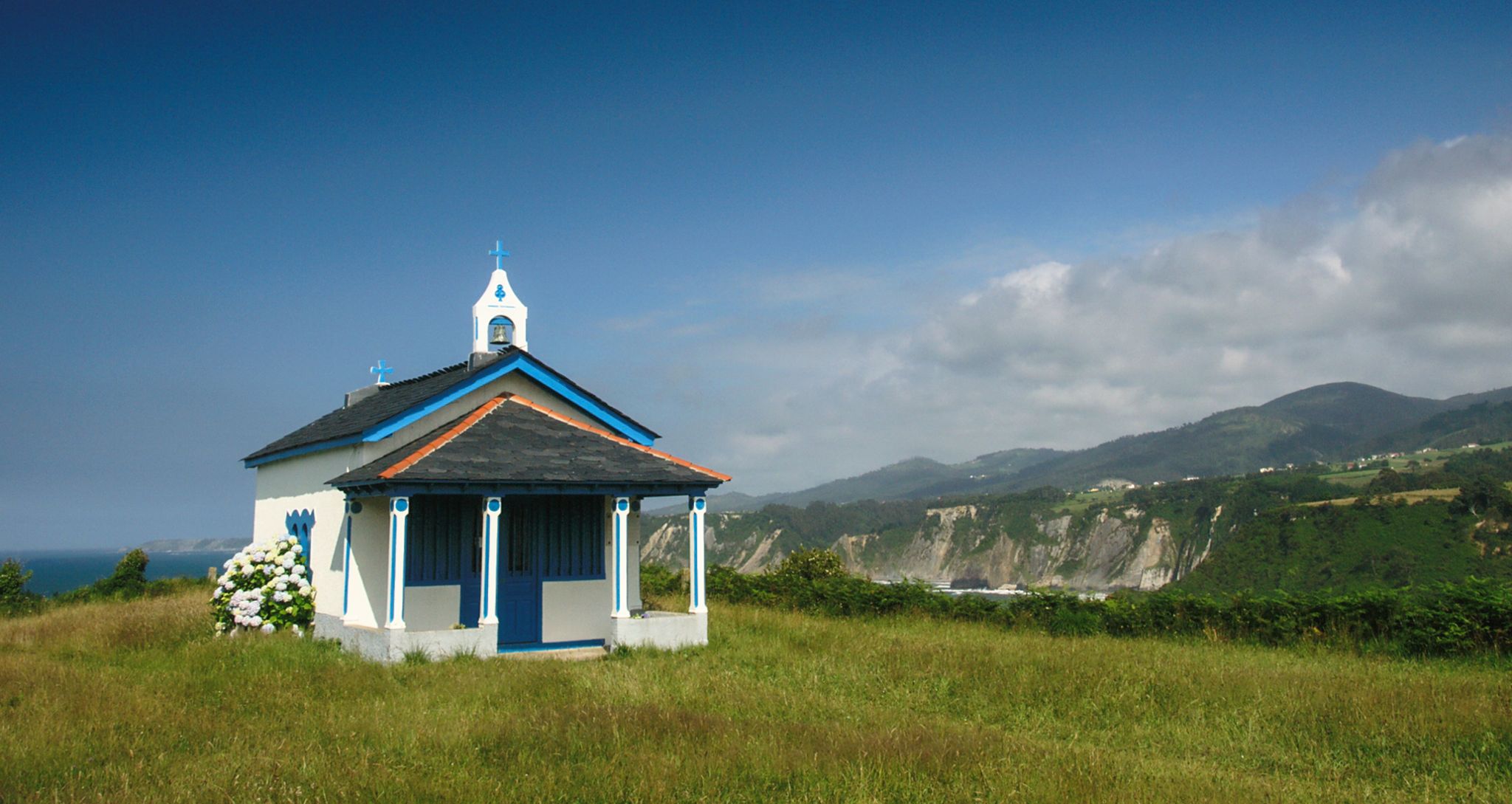
- Visitors also love Cemetery with a small chapel, a religious building. This 17th-century reformed parish church and cemetery in Vilalba features a free-standing portico and neo-Gothic elements.
- Terra Cha is known for historical sites, religious buildings, and natural landscapes. The region offers a variety of attractions, from ancient structures to significant wetlands and river areas.
- The attractions around Terra Cha are appreciated by the komoot community, with more than 50 highlights and over 120 upvotes.
Last updated: June 23, 2026
Andrade Tower
Highlight • Castle
Translated by Google •
Tip by

Old bridge
Highlight • Bridge
Translated by Google •
Tip by
Sign up now to discover places like this
Get recommendations on the best single tracks, peaks, & plenty of other exciting outdoor places.
Sign up for free
Baamonde Church
Highlight • Religious Site
Gothic building built with details of Romanesque tradition in its sculptural decoration. The Romanesque part accuses or influenced pilgrimages to Santiago and has two kinds of stonemason signs: one in the shape of an S and the other in the shape of a square with a dot in the middle.
Translated by Google •
Tip by
Cemetery with a small chapel
Highlight • Religious Site
Translated by Google •
Tip by
Parga Castle
Highlight • Castle
Translated by Google •
Tip by
San Alberte Bridge
Highlight • Bridge
Although believed to have Roman origins, the current structure is Gothic in style, built in the 14th century and renovated in the 18th century and again in 2006.
Translated by Google •
Tip by
Goiriz Cemetery
Highlight • Historical Site
Translated by Google •
Tip by
Swimming in the Río de Parga
Highlight • River
Translated by Google •
Tip by
Slate Stone Bridge in the Terras do Miño Biosphere Reserve
Highlight • Bridge
Rivers and streams with ancient stone bridges, some built with slate, typical of the region.
River trails and routes that cross traditional structures such as footbridges, mills, and medieval bridges.
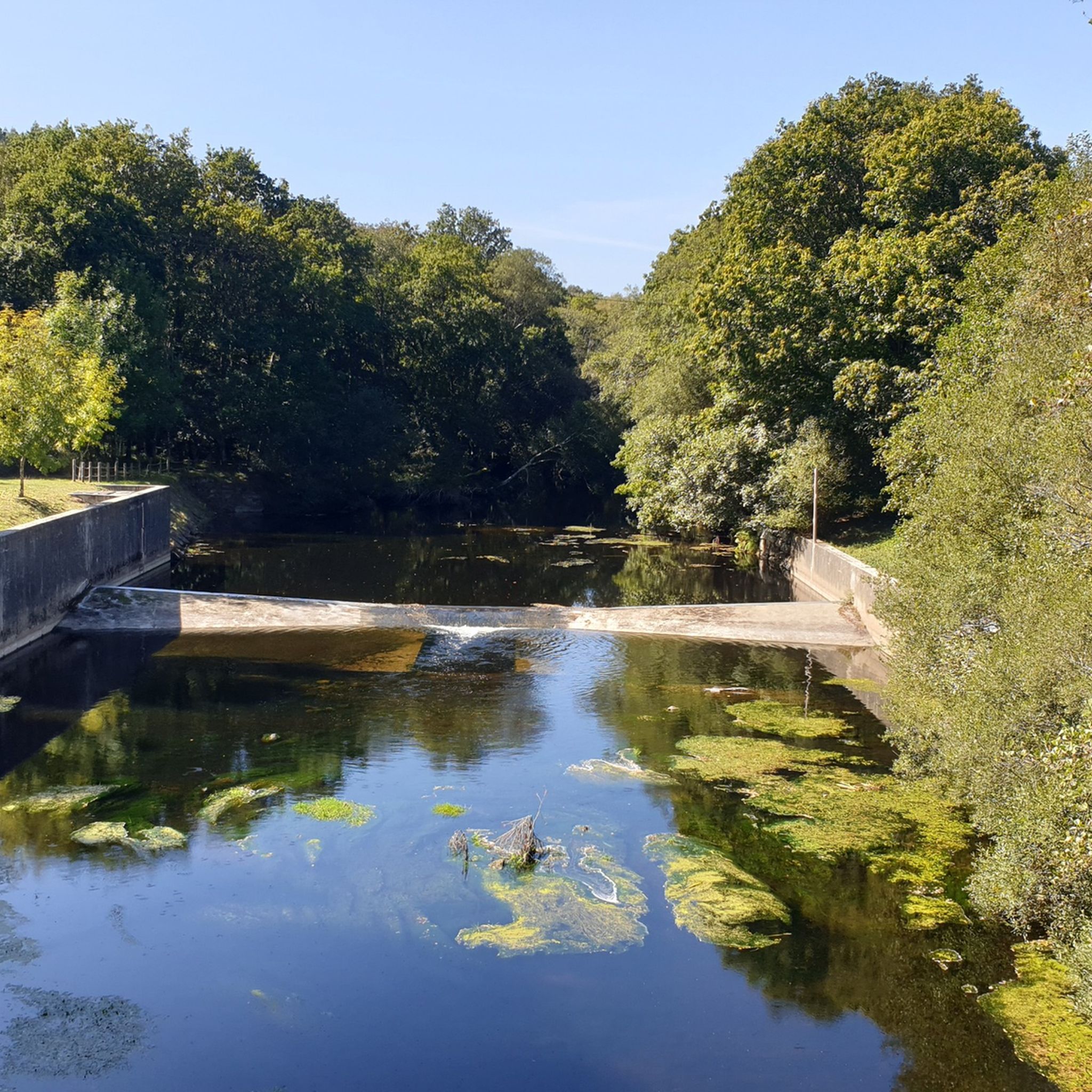
The Madalena River, which flows through Vilalba, has several points of natural and ethnographic interest.
Translated by Google •
Tip by
Alternative Camino del Norte
Highlight (Segment) • Trail
Translated by Google •
Tip by

Sign up for free to discover even more attractions around Terra Cha.
Sign up for free
Already have an account?
Start today with a free account
Your next adventure awaits.
Login or Signup
Popular around Terra Cha


Tips from the Community

The Terras do Miño Biosphere Reserve covers a large part of the province of Lugo, including Vilalba, and is characterized by: Rivers and streams with ancient stone bridges, some built with slate, typical of the region. River trails and routes that cross traditional structures such as footbridges, mills, and medieval bridges. The Madalena River, which flows through Vilalba, has several points of natural and ethnographic interest.
3
0

Located in the old town of Pobra de Parga, opposite the parish church of Santo Estevo, in the municipality of Gutiriz, this tower and part of a medieval wall still stands proudly at its highest point. It stands guard from its hill over the Parga River, which flows below it, and connects us to the town via a Gothic bridge. It was built by Juan Pérez Parragués and in 1603 was used as a jurisdictional prison. Currently declared a site of cultural interest, remains of a section of the wall still exist. It is made of large, fine ashlar masonry, reaching a maximum height of eight meters and including a circular bastion about four meters in diameter.
0
0
The original castle dates back to the 11th century, although the current tower was rebuilt in the 15th century after the Irmandiño revolts, which destroyed much of the fortress. It was owned by the lords of Lemos and later passed into the hands of Fernán Pérez de Andrade, who left his heraldic mark on the tower with the figure of the wild boar, a symbol of his lineage. In the 19th century, during the First Carlist War, the tower was reused as a defensive bastion and later restored.
3
0
The Andrade Tower in Vilalba (Lugo) is an impressive medieval building that constitutes the only vestige of the old Vilalba Castle, and one of the most important historical symbols of the Terra Chá region.
3
0
The Santo Alberte Bridge, also known as Ponte de San Alberte, is a medieval gem located in the municipality of Guitiriz (Lugo), over the Parga River, in the heart of the Terras do Miño Biosphere Reserve. Although believed to have Roman origins, the current structure is Gothic in style, built in the 14th century and renovated in the 18th century and again in 2006.
3
0
It was built on an ancient Galician-Roman fort, giving it deep historical roots. The original fortress was rebuilt in the late 14th or early 15th century by Juan Pérez Parragués, and in 1603 it was used as a jurisdictional prison. The castle served to guard the road between Lucus Augusti (Lugo) and Flavia Brigantium (Betanzos), a strategic route in medieval Galicia.
3
0
The Castro da Pobra de Parga Castle, located in the municipality of Guitiriz (Lugo), is an ancient medieval fortress that is now in ruins, but preserves architectural elements of great historical interest. Today, only a wall of the enclosure and a cylindrical tower measuring approximately 4 meters in diameter, with ashlars reaching 8 meters in height, remain.
3
0

The slate slabs appear to be installed vertically into the bridge, so that the narrow sides of the slabs form a very fine pavement.
1
0
Frequently Asked Questions
What natural features can I explore in Terra Chá?
Terra Chá is rich in natural beauty, being part of the Terras do Miño Biosphere Reserve. You can visit the shimmering Laguna de Cospeito and Caque Lagoons, which are excellent for birdwatching. The Springs of the Miño River in A Pastoriza offer serene landscapes, while the Serra do Xistral Mountains boast spectacular peat bog systems. For panoramic views, head to the Goía Viewpoint in Xermade. You can also enjoy the Swimming in the Río de Parga, or explore the Ruta del Agua, Charca del Alligal, and the Ruta dos Sete Muíños.
Are there historical sites or cultural landmarks to visit in Terra Chá?
Yes, Terra Chá offers a wealth of historical and cultural sites. Explore the ancient hillfort of Castro de Viladonga with its museum, or visit the iconic Andrade Tower in Vilalba, the sole remnant of a medieval fortress. Significant Romanesque churches include the Church of Santa María in Abadín and the Baamonde Church. Don't miss the ethnographic site of Ferreiravella in Riotorto, showcasing traditional iron craftsmanship. The region is also crossed by the Northern Way of St. James, featuring historical structures like the Slate Stone Bridge in the Terras do Miño Biosphere Reserve.
What kind of outdoor activities can I do near these attractions?
Terra Chá is ideal for outdoor enthusiasts. You can find various routes for hiking, cycling, and running. For example, there are several waterfall hikes around Terra Chá, including the Mondoñedo Water Route. Cyclists can explore routes like the Vilalba – return via Puente Viejo and A Feira de Monte, or the longer San Alberte Bridge – Sobrado dos Monxes Monastery loop, detailed in the Cycling around Terra Chá guide. Runners can enjoy trails such as the Birth of the Miño River loop or the Water and mills route of Guitiriz, found in the Running Trails around Terra Chá guide.
Are there any family-friendly attractions in Terra Chá?
Yes, many attractions in Terra Chá are suitable for families. Natural sites like the Laguna de Cospeito and Caque Lagoons offer opportunities for birdwatching and enjoying wildlife. The Swimming in the Río de Parga is a great spot for a refreshing dip. Historical sites such as the Castro de Viladonga and the Goiriz Cemetery, with its unique architecture, can also be engaging for older children. Exploring the traditional craftsmanship in places like Ferreiravella can also be an educational experience for the whole family.
What is the best time to visit Terra Chá attractions?
The best time to visit Terra Chá generally depends on your preferred activities. Spring (April to June) and early autumn (September to October) offer pleasant temperatures for outdoor exploration, hiking, and cycling, with lush landscapes in spring and vibrant colors in autumn. Summer (July and August) is ideal for enjoying water activities like swimming in the Río de Parga, though it can be warmer. Winter can be cold and wet, but offers a different, quieter charm for cultural visits.
Where can I find traditional craftsmanship in Terra Chá?
Terra Chá is known for preserving traditional craftsmanship. You can experience the region's identity forged in iron at Ferreiravella in Riotorto. The area also keeps alive the know-how of artisans in wood, linen, and stone. Notably, stonemasons are prominent in Vilalba, Guitiriz, and Begonte. Look out for local markets and festivals, as they often feature artisans showcasing and selling their traditional crafts.
Are there any hidden gems or unique outdoor experiences in Terra Chá?
Beyond the well-known spots, Terra Chá holds several unique outdoor experiences. The Serra do Xistral Mountains, with their spectacular peat bog systems, are a significant ecological site. The Charca del Alligal is a spring known for its medicinal waters, offering a unique natural spa experience. Exploring the network of rural memory, including ancient churches, stone crosses, and traditional homes off the main routes, can also reveal hidden charms. The Alternative Camino del Norte offers a different perspective of the pilgrimage route.
What are the options for public transport to Terra Chá attractions?
While specific public transport options to every single attraction might be limited due to the rural nature of Terra Chá, the capital, Vilalba, serves as a central hub. From Vilalba, local bus services may connect to some larger towns and villages where attractions are located. For more remote natural sites or historical landmarks, having a car is often recommended for greater flexibility. The Northern Way of St. James also offers a unique way to traverse the region on foot.
What do visitors enjoy the most about Terra Chá?
Visitors to Terra Chá particularly appreciate its authentic and timeless experience, away from more frequented tourist routes. They enjoy the rich tapestry of natural beauty, from the tranquil wetlands and river springs to the expansive plains. The region's deep historical roots, evident in ancient hillforts and medieval structures like the Andrade Tower, also leave a lasting impression. The blend of heritage, spirituality, and landscape along the Northern Way of St. James is also highly valued.
Are there any places for wild swimming near the attractions?
Yes, Terra Chá offers opportunities for wild swimming. The Swimming in the Río de Parga is a highlighted spot where you can enjoy a refreshing dip in a natural river setting. The region's numerous rivers and streams, part of the Terras do Miño Biosphere Reserve, may offer other suitable, less formal spots for swimming, but always exercise caution and check local conditions before entering the water.
Can I find any spas or healing waters in Terra Chá?
Yes, Terra Chá has a long spa tradition. Guitiriz is particularly known for its healing waters and ancient springs, with spas available in both Guitiriz and Vilalba. The Charca del Alligal is another notable spring with medicinal properties, offering a unique natural wellness experience in the region.
Are there any Romanesque churches to visit in the area?
Terra Chá is home to several significant Romanesque churches. The Church of Santa María in Abadín, dating back to the 12th century with a 16th-century Gothic chancel, is a notable example. Another important 12th-century Romanesque church is the Church of Santiago de Baamonde in Begonte. These churches offer a glimpse into the region's rich architectural and religious history.
Most popular routes around Terra Cha
Most popular attractions around Terra Cha

Get inspired with the komoot mobile app


Didn’t find what you were looking for?
Are you keen on exploring more awesome places nearby? Browse our guides:
Explore more
Still not found the Highlight you’re looking for? See guides of the top attractions in other regions:
