Attractions and Places To See around La Montaña De Luna - Top 20
Best attractions and places to see around La Montaña De Luna, a region in northern León, Spain, characterized by rugged terrain and altitudes ranging from 999 to 1962 meters. This area connects to Asturias via several mountain passes and features a diverse geology. The region is known for its hydrological network, including the Luna, Sil, Bernesga, and Omaña rivers, as well as various reservoirs. Visitors can explore a variety of natural attractions and points of interest.
Best attractions and places…
Last updated: July 6, 2026
Alto de la Farrapona
Highlight • Mountain Pass
Translated by Google •
Tip by

La Cubilla Pass
Highlight • Mountain Pass
By MTB you can get there …
Translated by Google •
Tip by

Sign up now to discover places like this
Get recommendations on the best single tracks, peaks, & plenty of other exciting outdoor places.
Sign up for free
Ventana Pass
Highlight • Mountain Pass
Translated by Google •
Tip by

Los Calderones Gorge
Highlight (Segment) • Gorge
Translated by Google •
Tip by

Hermitage of the Virgin of Manadero in the Cave of the Doves
Highlight • Religious Site
Translated by Google •
Tip by
Ricabo Track
Highlight (Segment) • Trail
Tip by

La Muria mountain pass
Highlight • Trail
Translated by Google •
Tip by

Aralla Pass
Highlight • Mountain Pass
Translated by Google •
Tip by

Pico Cornón
Highlight • Summit
Translated by Google •
Tip by
Peña Orniz Summit (2,191 m)
Highlight • Summit
Translated by Google •
Tip by
Sign up for free to discover even more attractions around La Montaña De Luna.
Sign up for free
Already have an account?
Start today with a free account
Your next adventure awaits.
Login or Signup
Popular around La Montaña De Luna
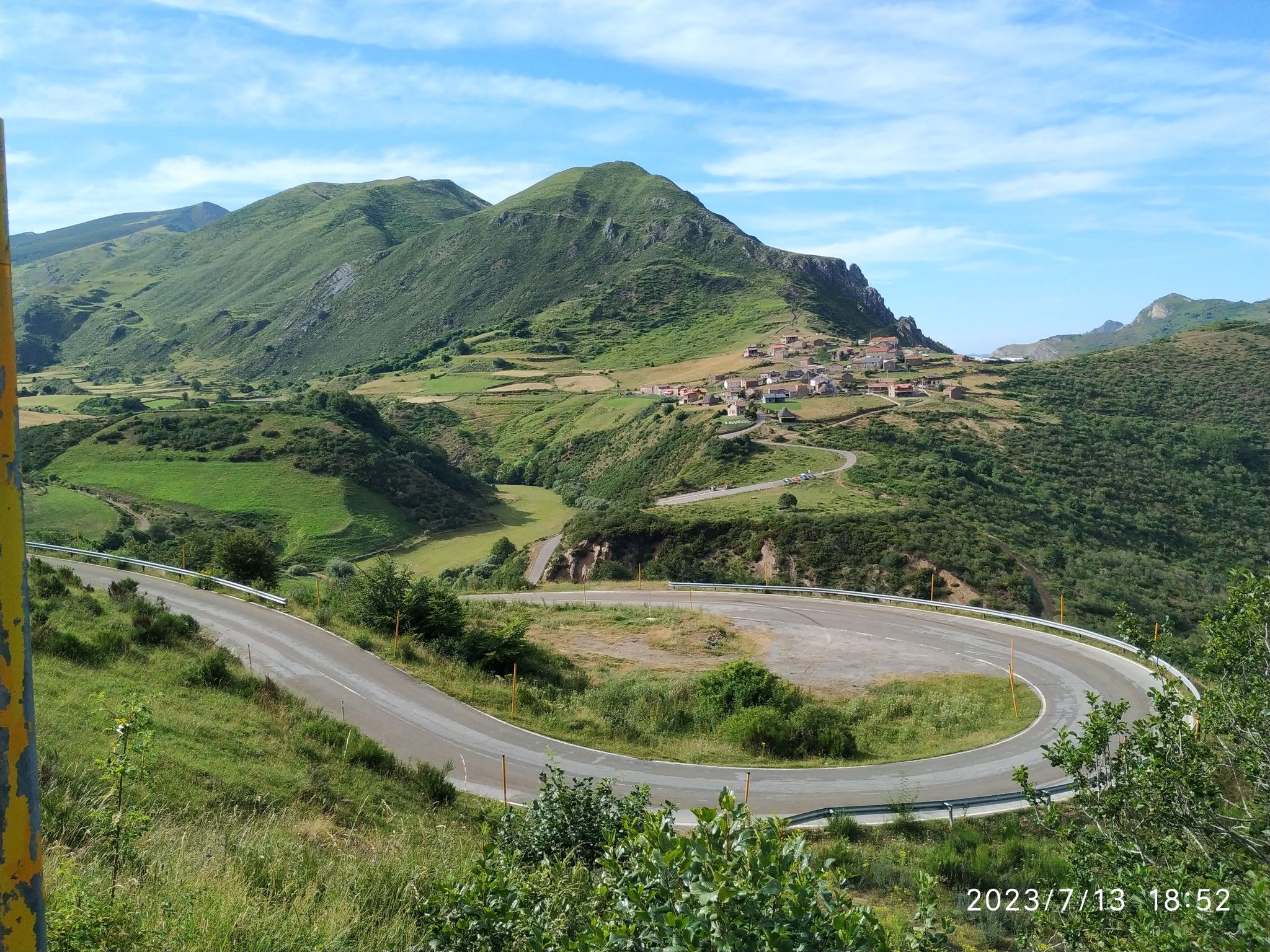
Height Challenges — Ports in Castilla y León
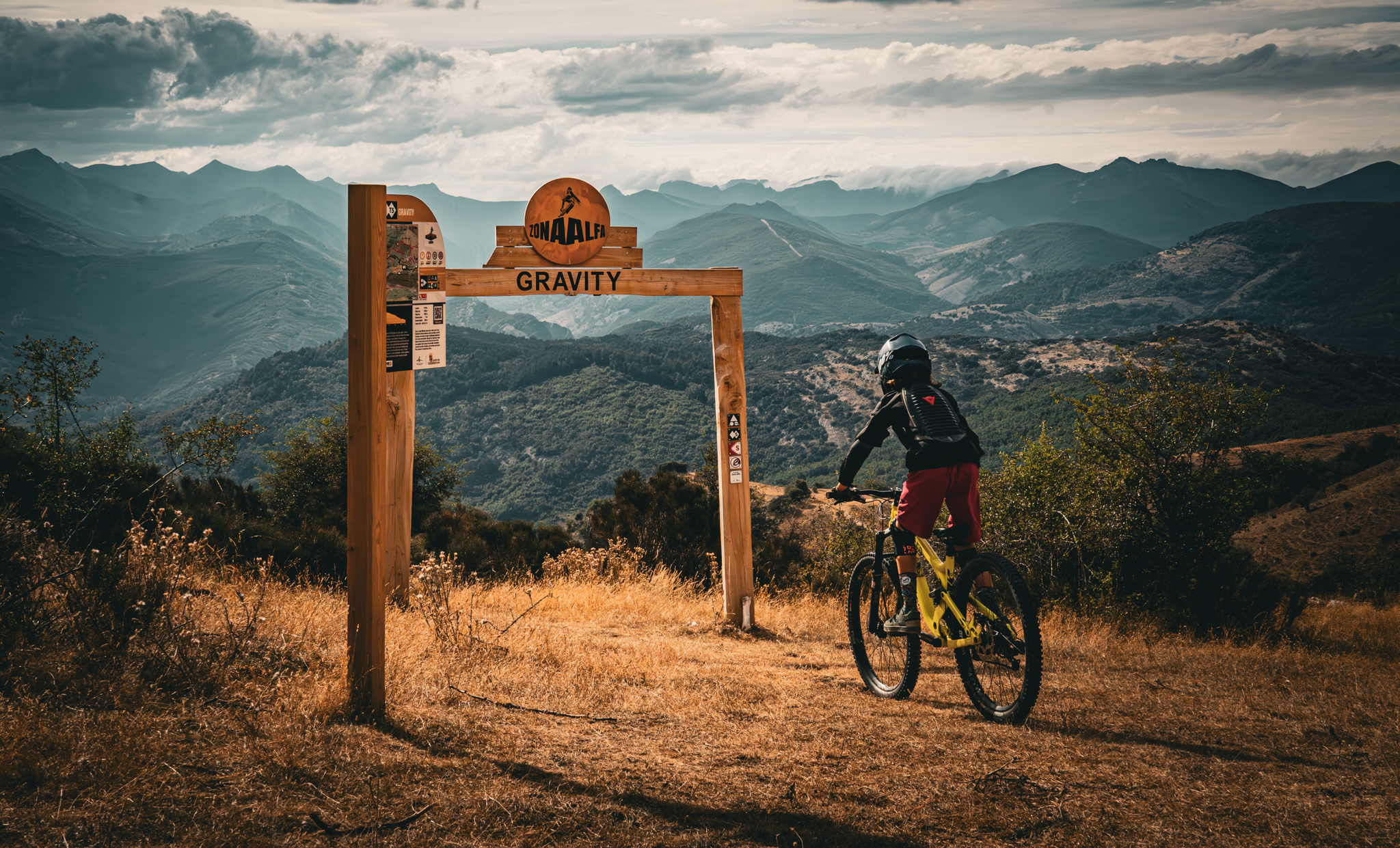
Enduro in the mining basin of León – Zona Alfa
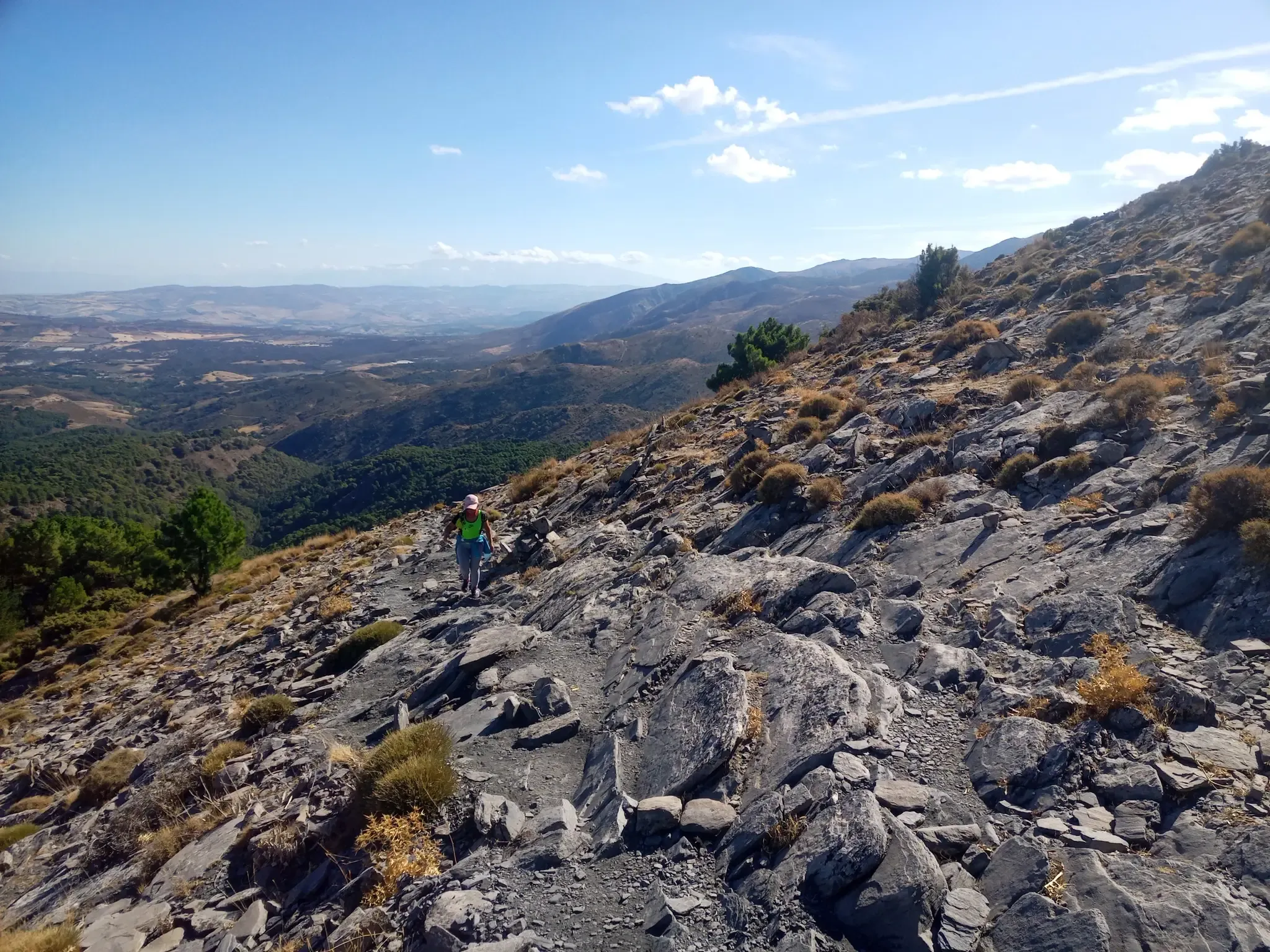
12 hiking gems throughout Spain
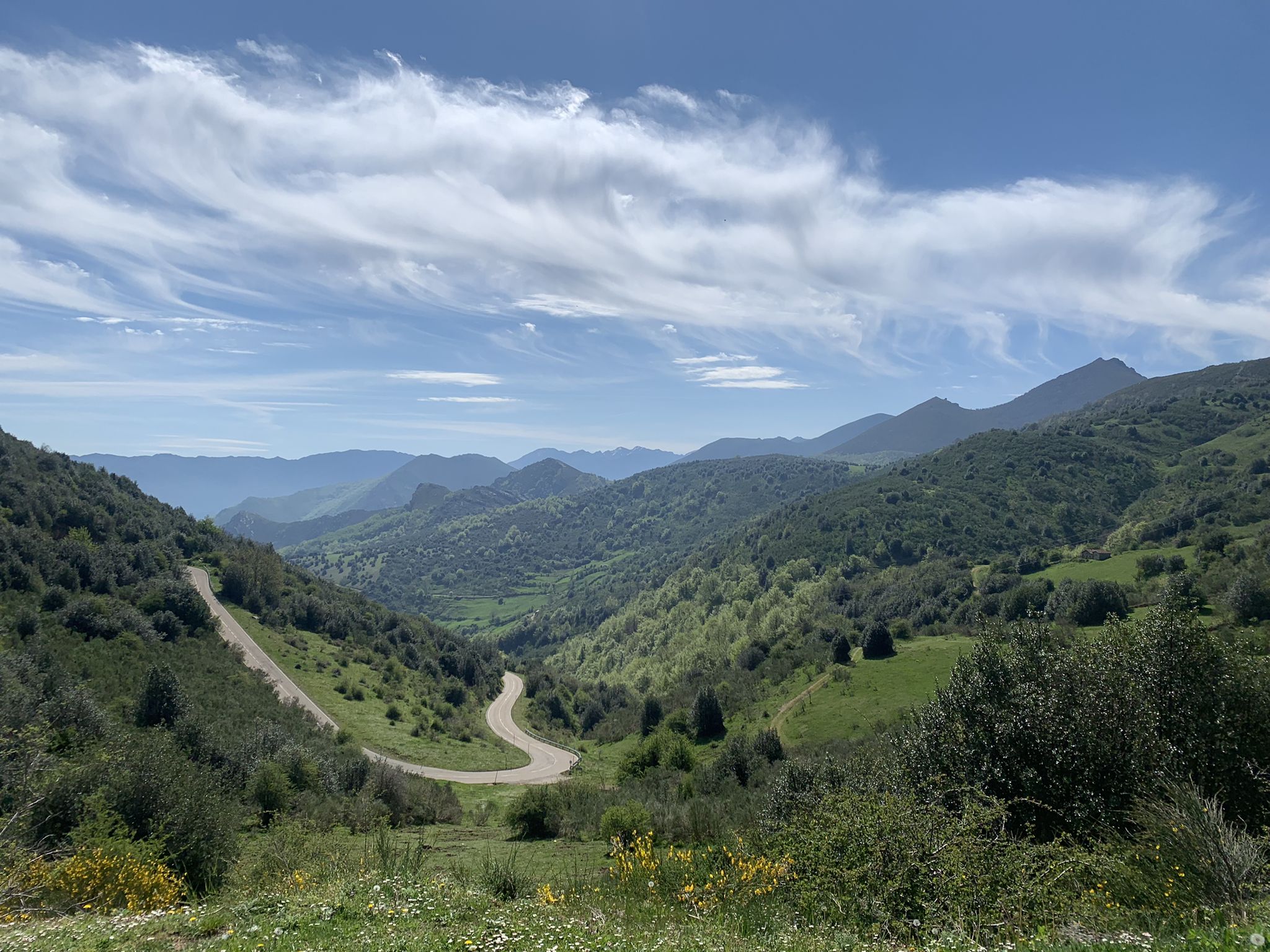
Along a Roman road to Asturias in Spain – Camino Real de la Mesa (GR 101)
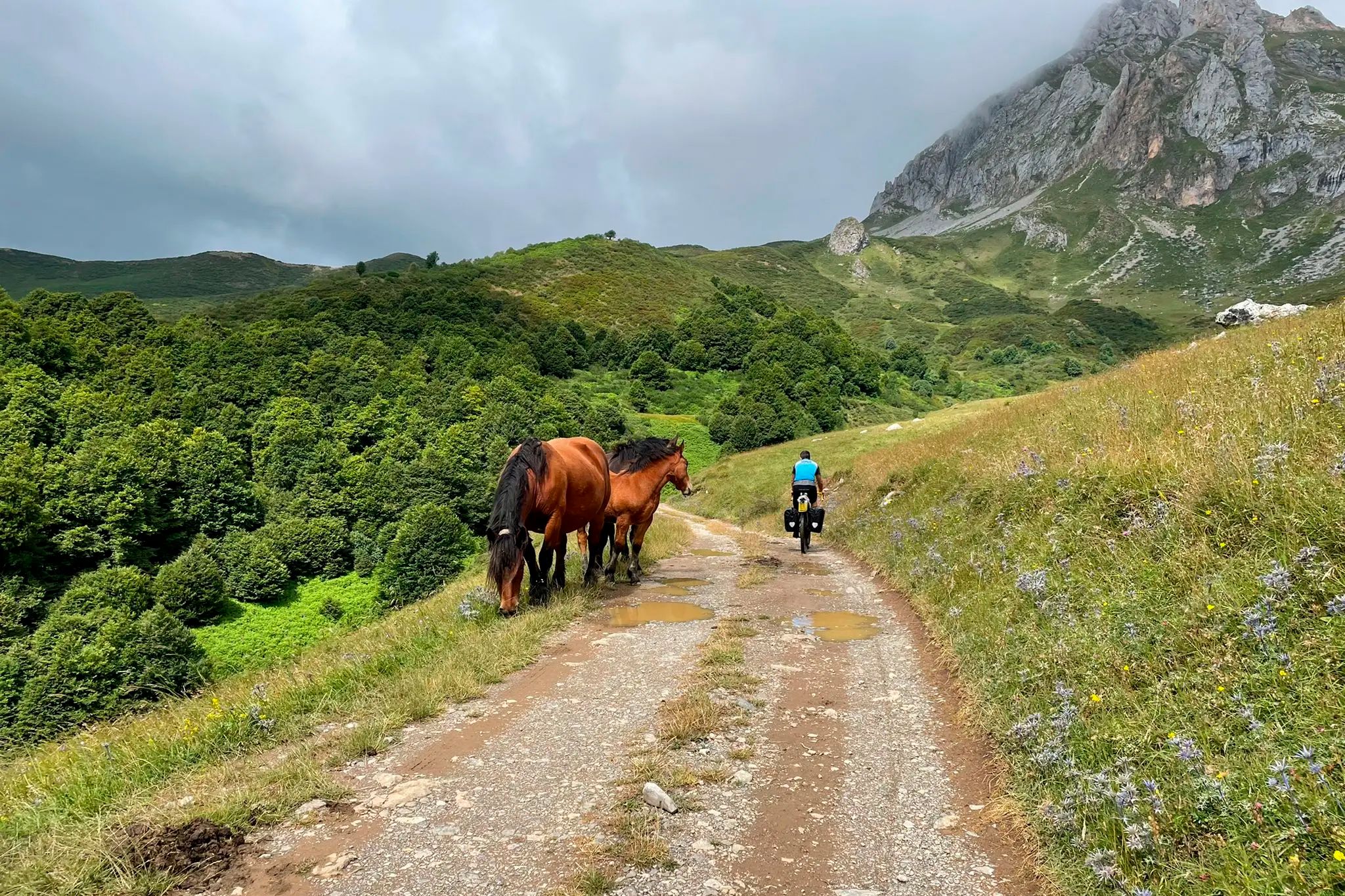
TransCantabrica – Extreme mountain biking in northern Spain
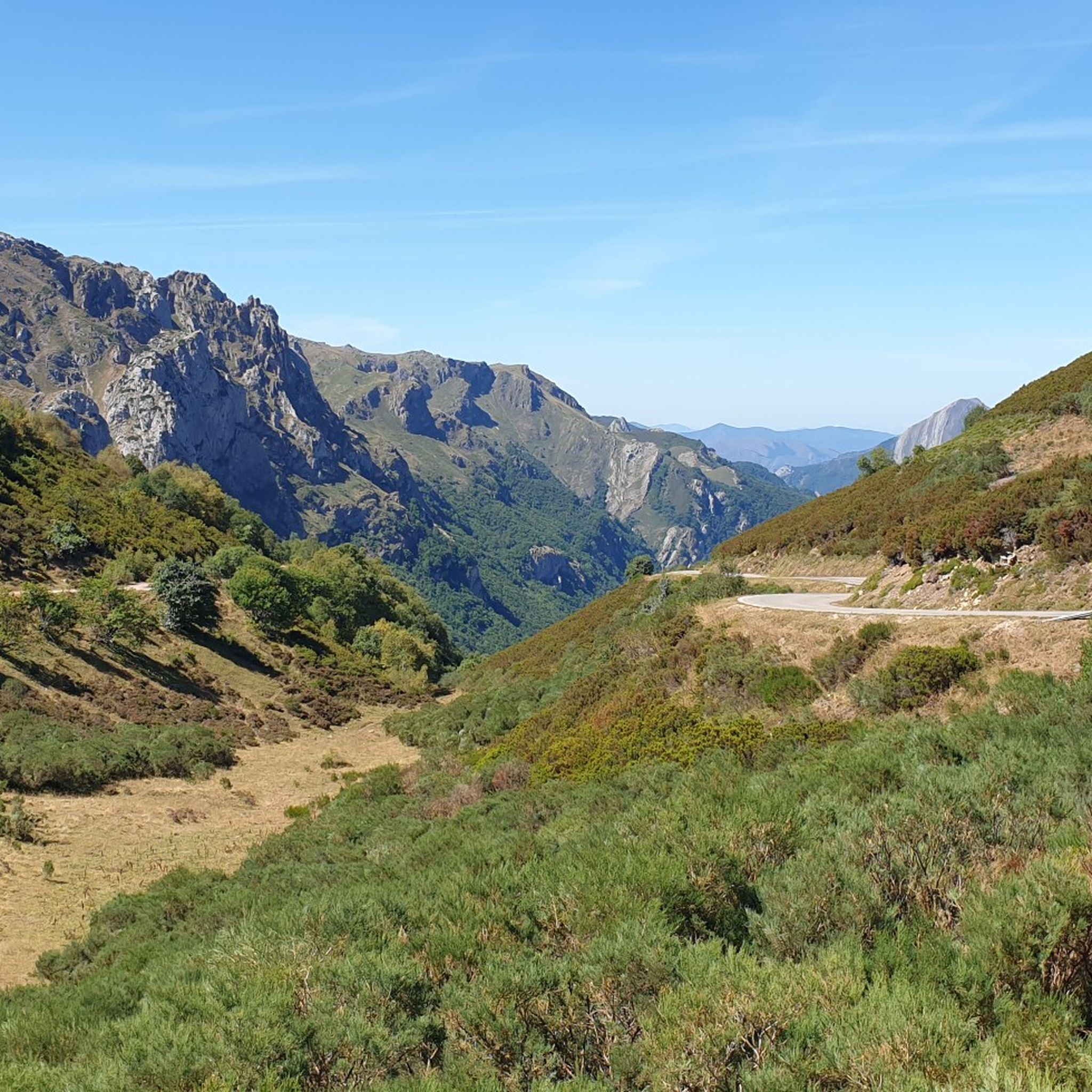
Hiking around La Montaña De Luna
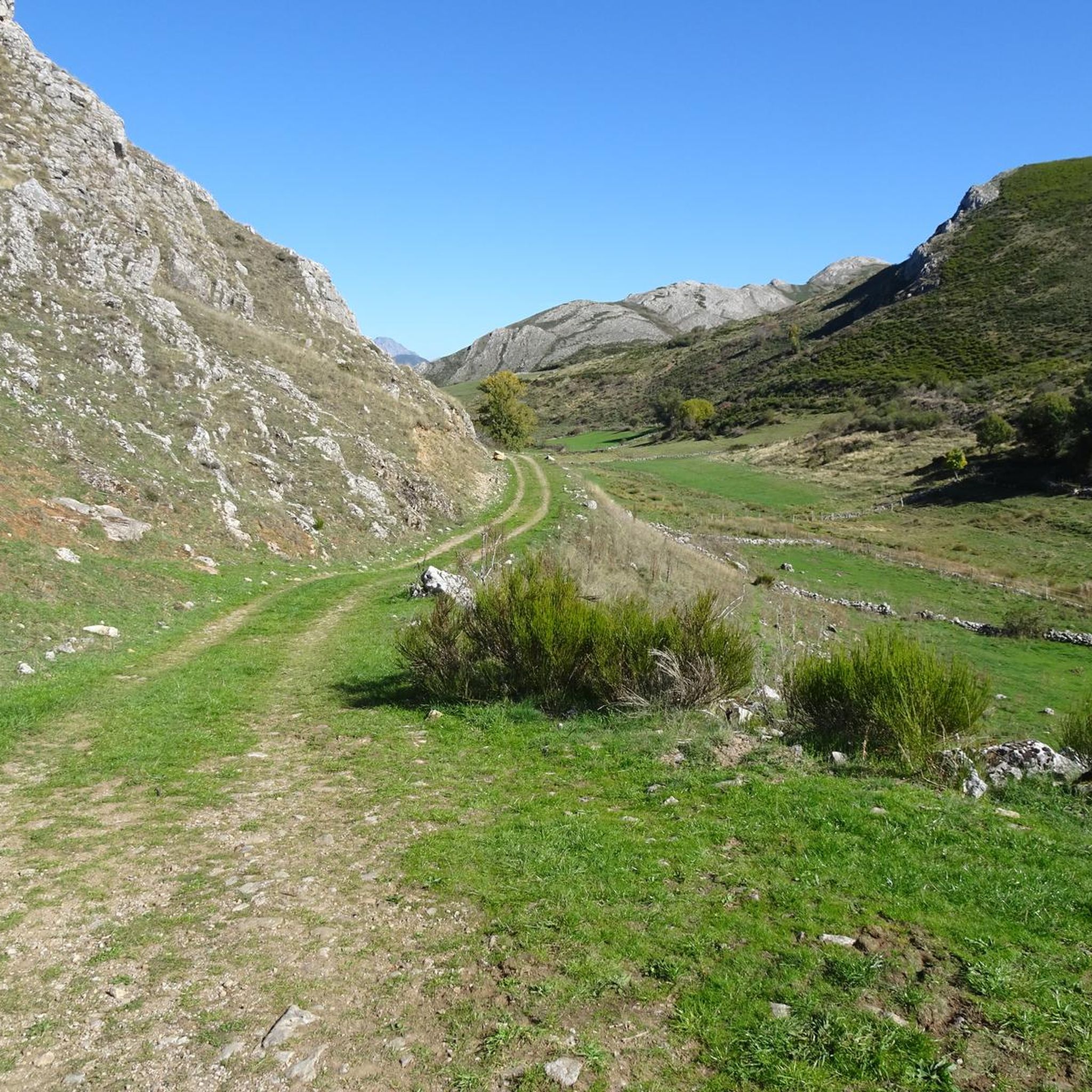
MTB Trails around La Montaña De Luna
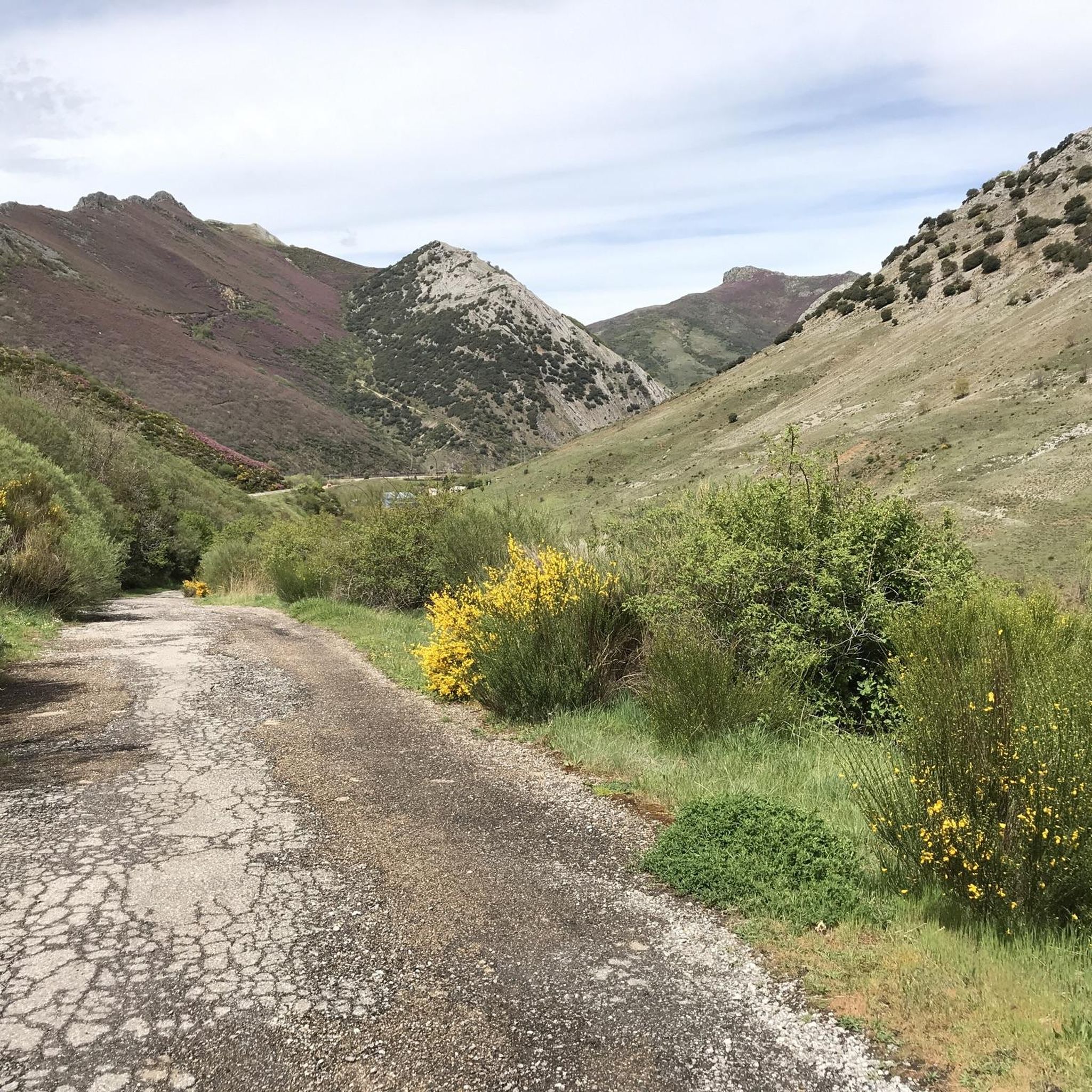
Running Trails around La Montaña De Luna
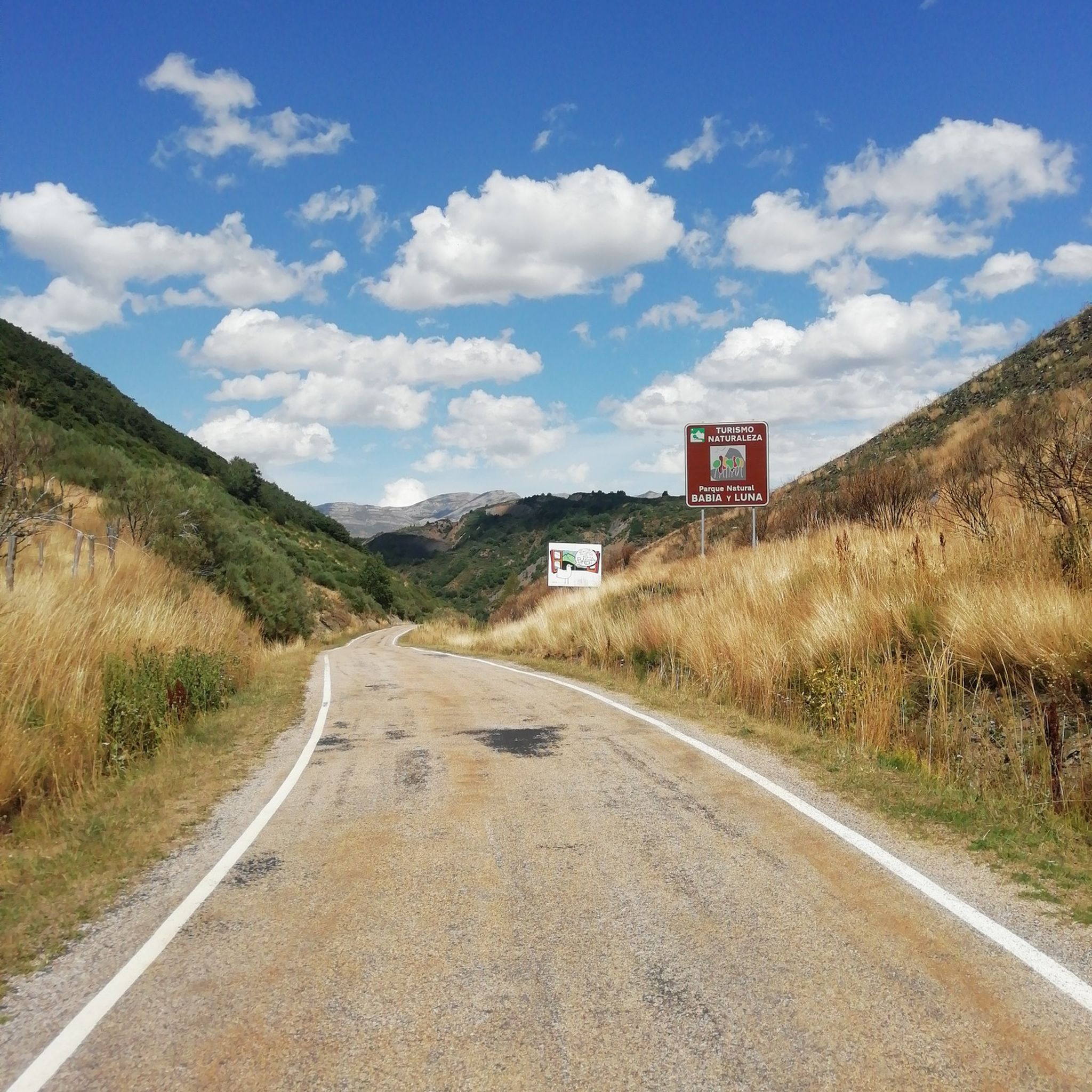
Road Cycling Routes around La Montaña De Luna
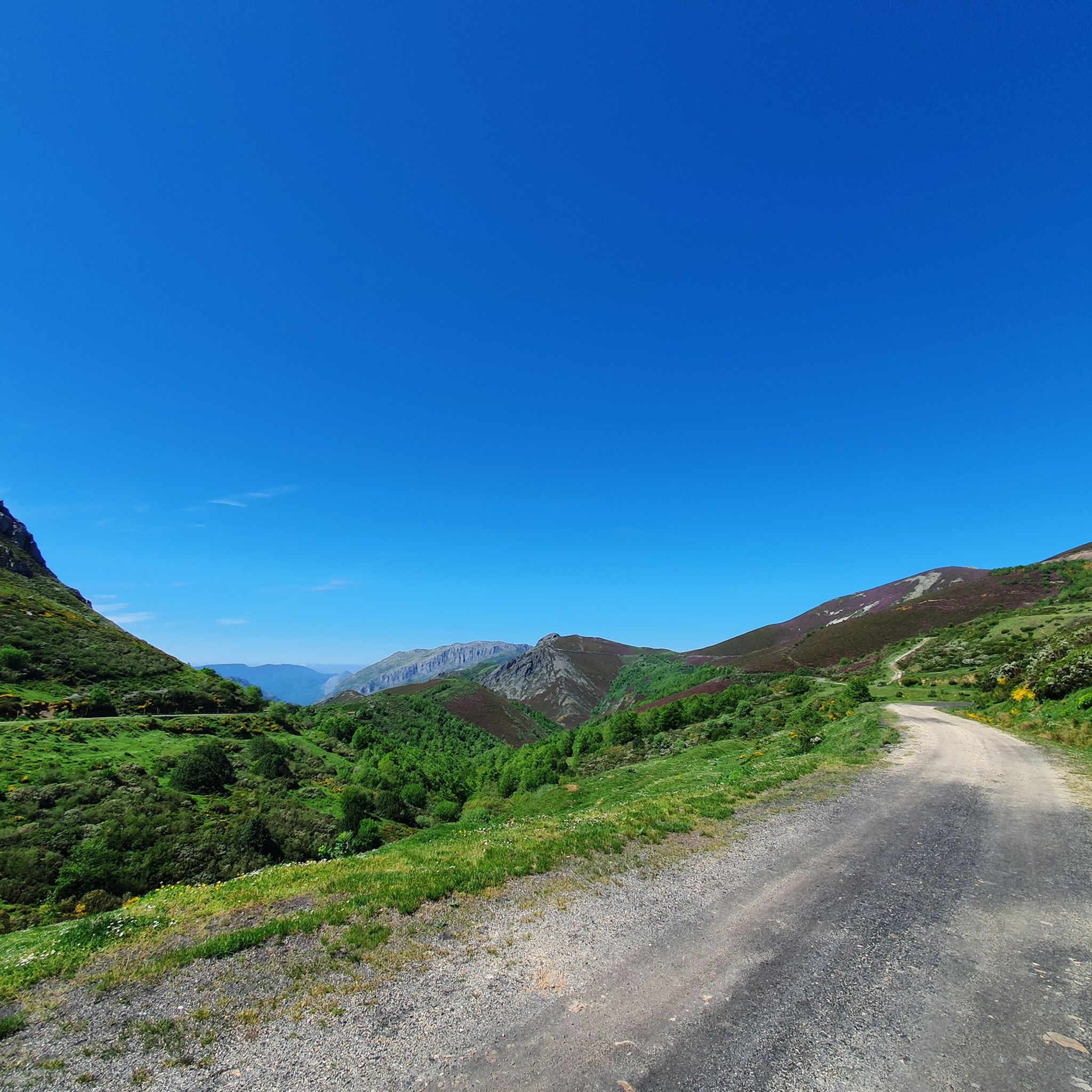
Cycling around La Montaña De Luna
Other adventures around La Montaña De Luna


Tips from the Community

The pass is now paved and can be driven on by car.
1
0

During the mining era, this pass served as a discreet link between mines on either side, and minimal traces of old cart and mule traffic remain, though they don't coincide with the current road. From above, the wind is almost constant, and the view towards the Saliencia lakes has that air of a "natural viewpoint" before the term even existed. It's perfect to mark on Komoot as a key point on your route due to its spaciousness, its somewhat hidden history, and its character as a natural border.
1
0
Upon reaching the summit, you don't arrive at a village or a tourist center, but rather at a kind of natural balcony overlooking the Lena mountain passes, which gives a strange feeling, as if you've stepped onto an empty stage. And on clear days, the wind is louder among the mountain passes than any car, because traffic is minimal.
0
0
For decades, La Cubilla was practically a ghost town: a road built to connect mining valleys, used more by livestock farmers and scattered trucks than by travelers. This lack of traffic left a remarkably clean route, free of curves, absurd straights, and modern widenings: pure mountain design from another era. That's why many cyclists say it "looks more like an Alpine pass than a Cantabrian one," with those giant limestone walls silently accompanying you.
0
0
The path climbs gently and opens abruptly into a hollow where the wind is ever-present. It was once used by shepherds crossing with their livestock to the summer pastures, and the remains of old dry-stone walls that marked the way can still be seen. From the top, the landscape widens, and the feeling is one of being between two worlds: the valley behind you and the mountain that awaits ahead.
1
0

The La Cubilla mountain pass is located at an altitude of 1,683 meters, on the border between Asturias and León. Its rugged terrain and the beauty of its surroundings have earned it the title of stage finisher of the Vuelta a España, making it one of the most iconic climbs among cyclists.
0
0
This hill is one of the highest points in the BTT center and is where the exit gates for many of the descents in the area are located.
2
0

The Aralla Pass is a mountain pass located in the province of León, Spain, at an altitude of 1,536 meters. It is crossed by the LE-473 highway and connects Aralla de Luna (municipality of Sena de Luna) with Geras (municipality of La Pola de Gordón). It has an average gradient of around 7%, with no steep but steady slopes, generally classified as a second-category cycling pass. The climb offers beautiful views and can be combined with routes to the Arbás Valley and Villamanín, although some roads may be in uneven condition. At the summit, there is a monument in memory of the victims of the Civil War, highlighting the figure of Captain Rodríguez Lozano, who was shot in 1936. The area is popular for motorcycle tours and hiking, with several restaurants and local products such as cured meats in Geras and Aralla. In winter, the road is often impassable due to snow and snow removal service is poor.
0
0
Frequently Asked Questions
What kind of natural features can I explore in La Montaña De Luna?
La Montaña De Luna is rich in natural beauty. You can discover impressive mountain passes like La Cubilla Pass and Ventana Pass, offering scenic routes and connections to Asturias. The region is also characterized by its hydrological network, including the Luna, Sil, Bernesga, and Omaña rivers, as well as several reservoirs like Barrios de Luna. Geological formations range from slate to limestone, creating a diverse landscape.
Are there any historical or religious sites to visit in the area?
Yes, La Montaña De Luna features several sites of historical and religious significance. A notable example is the Hermitage of the Virgin of Manadero in the Cave of the Doves, a place of natural and spiritual beauty located within the Cueva de las Palomas. Another is the Hermitage of the Virgin of the Light of Buiza, which is also considered family-friendly.
What are some popular hiking trails or routes in La Montaña De Luna?
The region is popular for hiking, offering numerous trails. The Los Calderones Gorge is a spectacular hiking trail traversing a narrow gorge. Other notable routes mentioned in the region research include the Saliencia Lakes Loop in Somiedo Natural Park, Faedo de Ciñera, and the Camino Real de la Mesa (GR 101), a Roman road leading to Asturias. For more options, you can explore waterfall hikes around La Montaña De Luna.
What kind of terrain and elevation can I expect when exploring La Montaña De Luna?
La Montaña De Luna is known for its rugged and accidented terrain, with altitudes ranging from 999 to 1962 meters. You'll encounter diverse geology, including slate, marl, dolomites, sandstone, and limestone. Many trails involve significant elevation changes, such as the ascent to Pico Cornón (2,182 meters) or Peña Orniz Summit (2,191 meters), which are challenging. Even intermediate trails like the Ricabo Track can involve an 800m ascent.
Are there any family-friendly attractions or activities in La Montaña De Luna?
While many attractions involve hiking, some are suitable for families. The Hermitage of the Virgin of the Light of Buiza is listed as family-friendly. Shorter, easier walks like the Faedo de Ciñera circular route (6.50 km) or the Cascada Xurbeu loop (2.38 km) from Murias, found in the waterfall hikes guide, could also be good options for families.
What do visitors enjoy most about the attractions in La Montaña De Luna?
Visitors particularly appreciate the magnificent landscapes and the sense of being immersed in nature. For instance, the La Cubilla Pass is praised for its 'magnificent landscapes.' The Los Calderones Gorge is highlighted for its 'geological and natural interest' and being a 'spectacular hiking trail.' The views from summits like Pico Cornón are described as 'breathtaking.'
Can I find cycling or mountain biking routes near these attractions?
Absolutely! La Montaña De Luna offers excellent opportunities for cycling and mountain biking. La Cubilla Pass is part of the TransCantábrica BTT route. You can find various routes, including challenging ones like the Alto Bernesga Biosphere Reserve Loop for cycling, or moderate MTB trails like R15 - Reino de León. Explore more options in the cycling guide and MTB trails guide for the region.
Are there any specific viewpoints or panoramic spots I shouldn't miss?
Many of the mountain passes and summits offer incredible panoramic views. La Cubilla Pass and Ventana Pass are excellent viewpoints. From the top of Pico Cornón, you can enjoy a breathtaking view of the surroundings. The Ricabo Track also offers stunning views of the Quirós and Teverga Valleys, and the Sierra del Aramo.
What is the best time of year to visit La Montaña De Luna for outdoor activities?
Given the rugged terrain and mountain passes, the warmer months, typically from late spring through early autumn (May to October), are generally the best for outdoor activities like hiking and cycling. During these months, the weather is more stable, and trails are less likely to be affected by snow or heavy rain, which can make areas like Los Calderones Gorge impassable.
Are there any hidden gems or less-known spots worth discovering?
While not explicitly 'hidden,' the La Muria mountain pass is a less-trafficked trail that offers a unique experience. It was once used by shepherds and provides a feeling of being 'between two worlds' with expansive landscapes. The Cueva de las Palomas, home to the Hermitage of the Virgin of Manadero, is also a serene and less commercialized spot.
What are the options for easy hikes or beginner-friendly trails?
For those seeking easier options, the Faedo de Ciñera offers a 6.50 km circular route. Another accessible option is the Cascada Xurbeu loop from Murias, which is an easy 2.38 km hike. These trails provide a gentler introduction to the region's natural beauty compared to the more challenging mountain ascents.
Most popular routes around La Montaña De Luna
Most popular attractions around La Montaña De Luna

Get inspired with the komoot mobile app


Didn’t find what you were looking for?
Are you keen on exploring more awesome places nearby? Browse our guides:
Explore more
Still not found the Highlight you’re looking for? See guides of the top attractions in other regions:
