The best gravel rides around La Montaña De Luna
5.0
(1)
71
riders
7
rides
Gravel biking around La Montaña De Luna offers routes through a landscape characterized by mountains, fertile valleys, and narrow gorges carved by the Luna and Omaña rivers. This region, a UNESCO Biosphere Reserve, features diverse terrain including forests of birch, willow, alder, and oak. The area's natural features, such as the boundary between the Cantabrian range and the León Mountains, provide varied elevation profiles for gravel bike trails. Historical paths, including sections of Roman roads, contribute to the network of…
Last updated: July 2, 2026
10
riders
29.4km
02:25
900m
900m
Hard gravel ride. Very good fitness required. Mostly paved surfaces. Suitable for all skill levels.
1
riders
51.2km
04:28
1,680m
1,680m
Hard gravel ride. Very good fitness required. Mostly paved surfaces. Suitable for all skill levels.

Sign up for free
10
riders
42.6km
03:35
1,500m
1,500m
Hard gravel ride. Very good fitness required. Mostly paved surfaces. Suitable for all skill levels.
3
riders
73.8km
04:21
520m
520m
Hard gravel ride. Very good fitness required. Mostly paved surfaces. Suitable for all skill levels.
3
riders
55.5km
04:00
850m
850m
Hard gravel ride. Very good fitness required. Mostly paved surfaces. Suitable for all skill levels.
1
riders
83.1km
06:35
2,070m
2,070m
Hard gravel ride. Very good fitness required. Mostly paved surfaces. Suitable for all skill levels.
1
riders
64.9km
04:22
1,160m
1,160m
Hard gravel ride. Very good fitness required. Mostly paved surfaces. Suitable for all skill levels.
Our route recommendations are based on thousands of hikes, rides, and runs completed by other people on komoot.
Start today with a free account
Your next adventure awaits.
Login or Signup
Popular around La Montaña De Luna
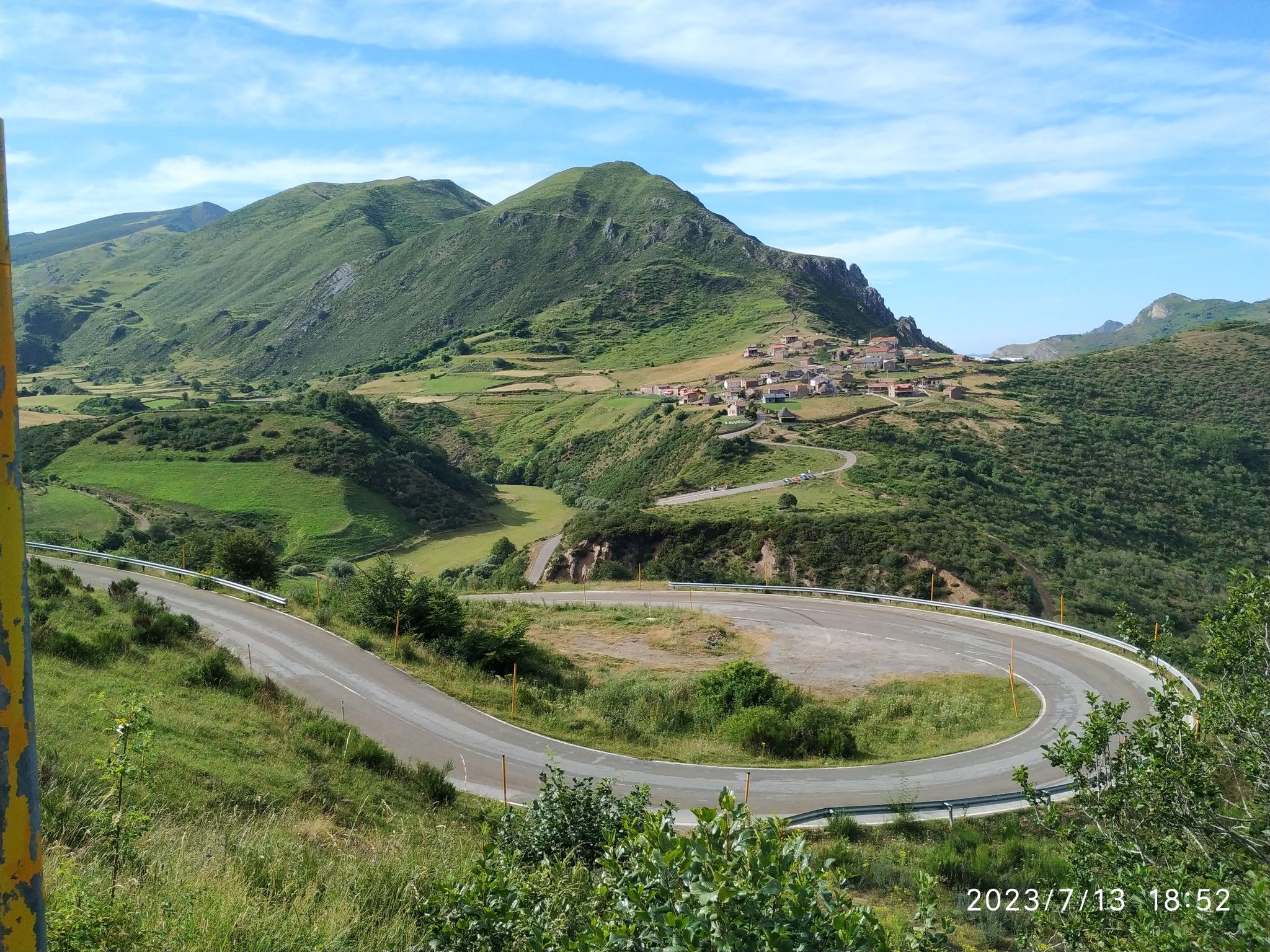
Height Challenges — Ports in Castilla y León
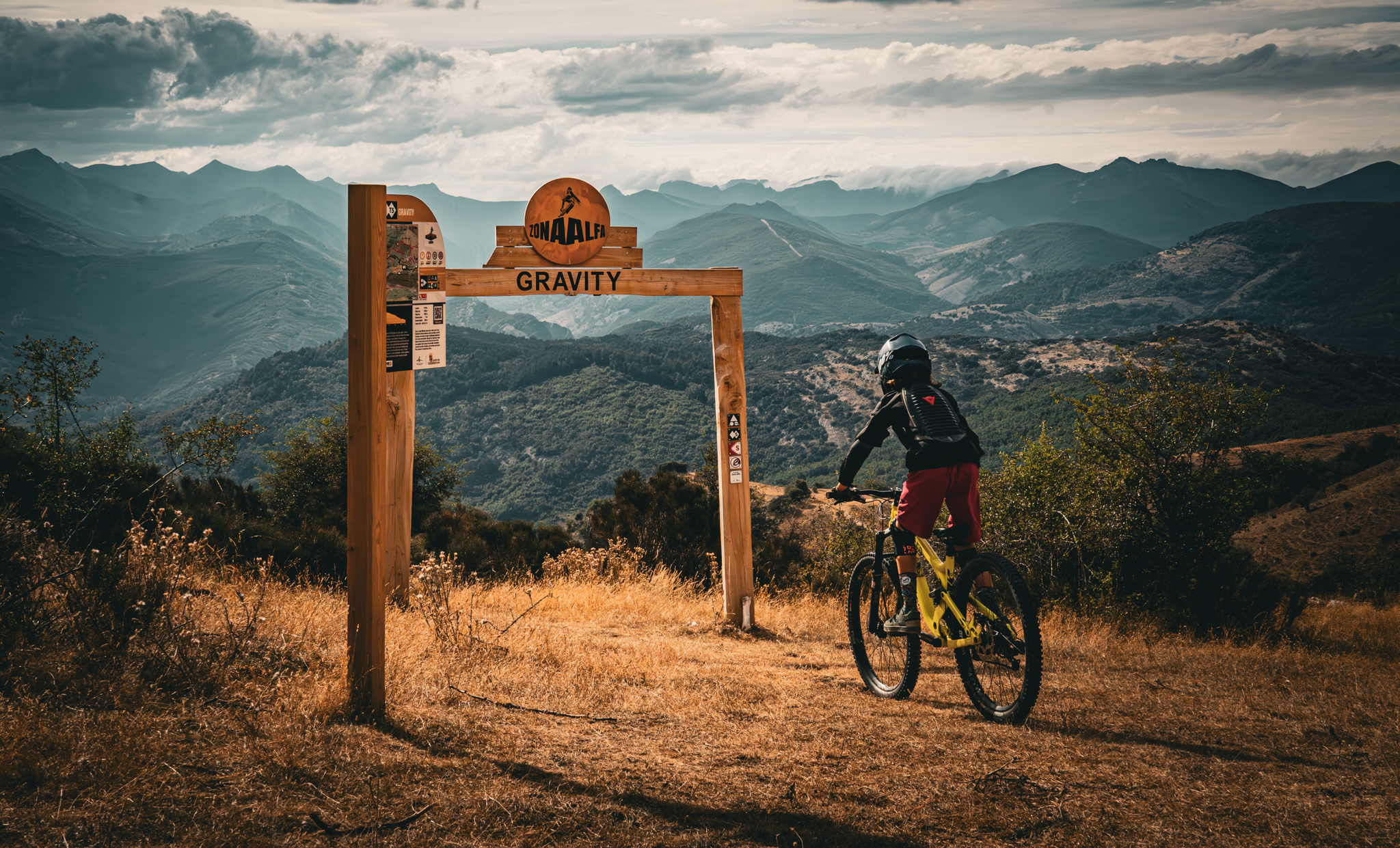
Enduro in the mining basin of León – Zona Alfa
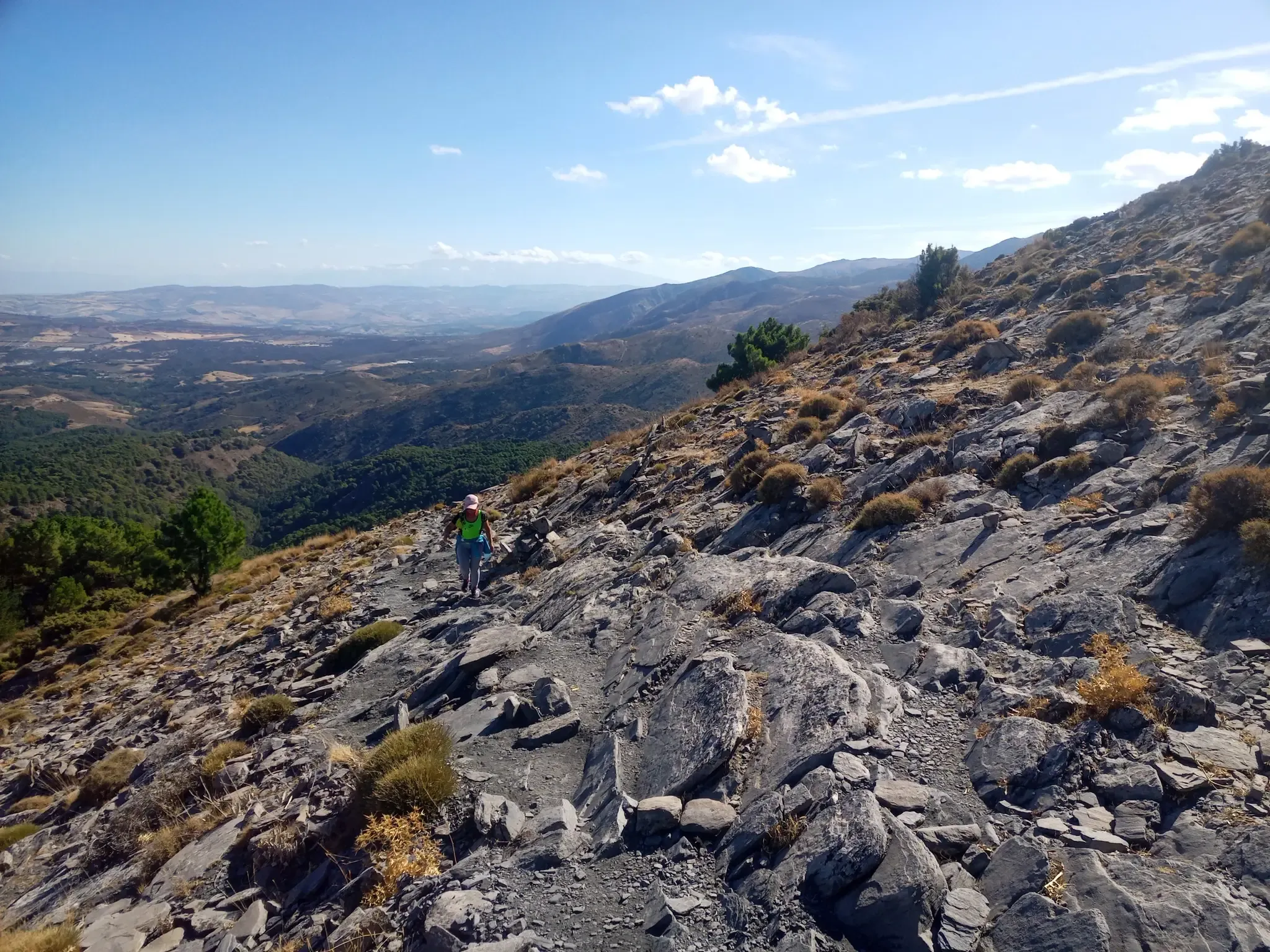
12 hiking gems throughout Spain
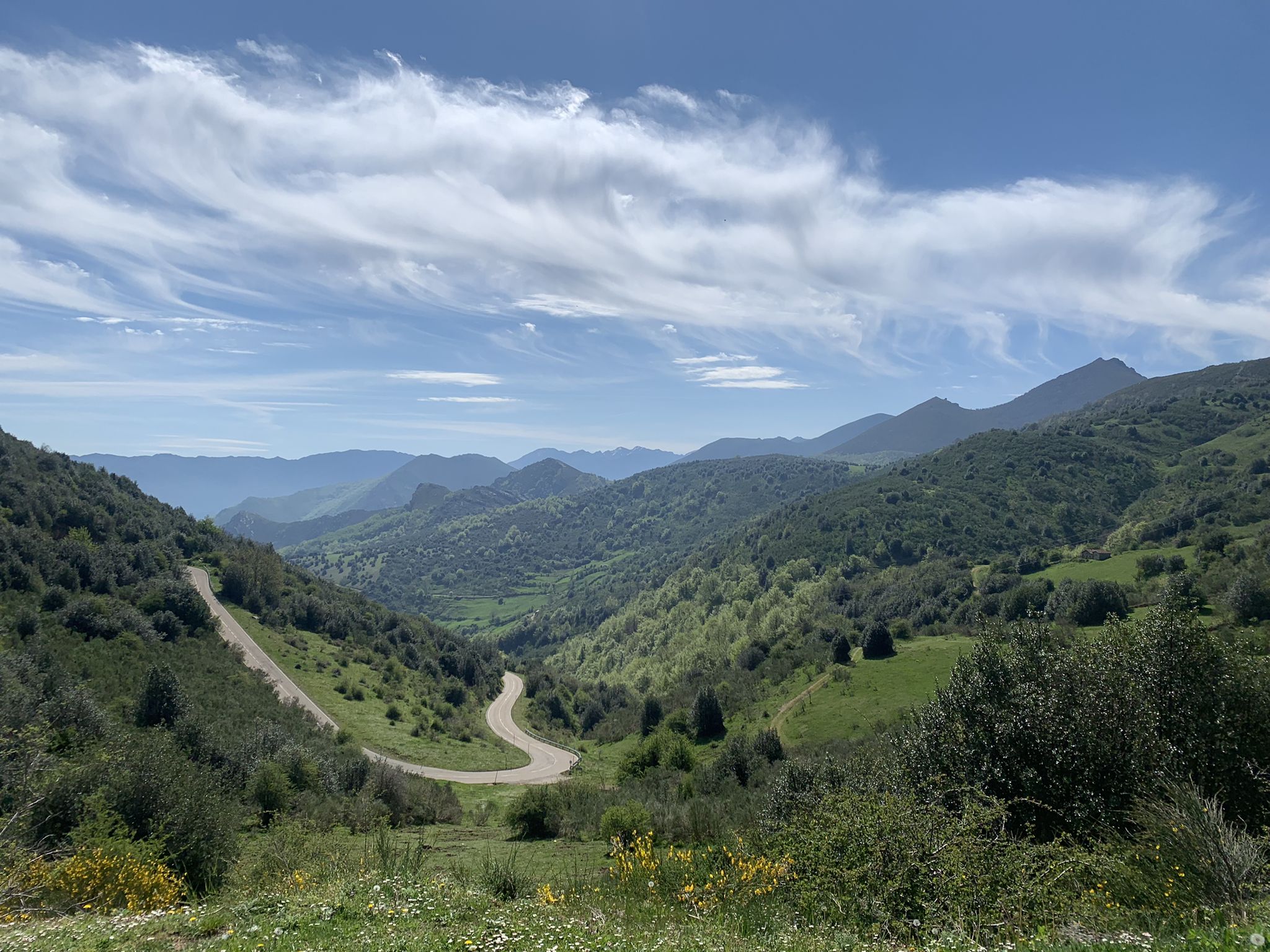
Along a Roman road to Asturias in Spain – Camino Real de la Mesa (GR 101)
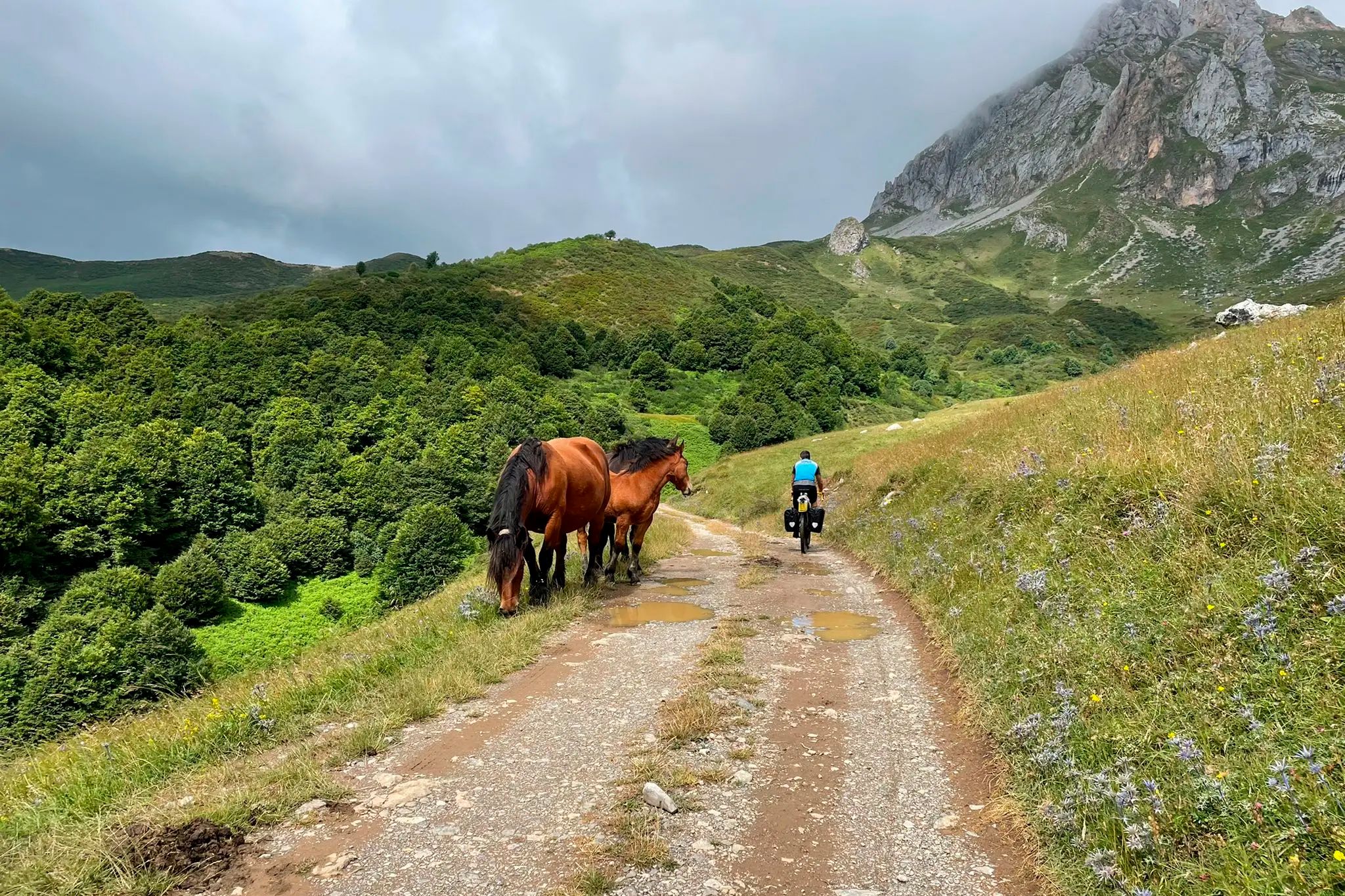
TransCantabrica – Extreme mountain biking in northern Spain
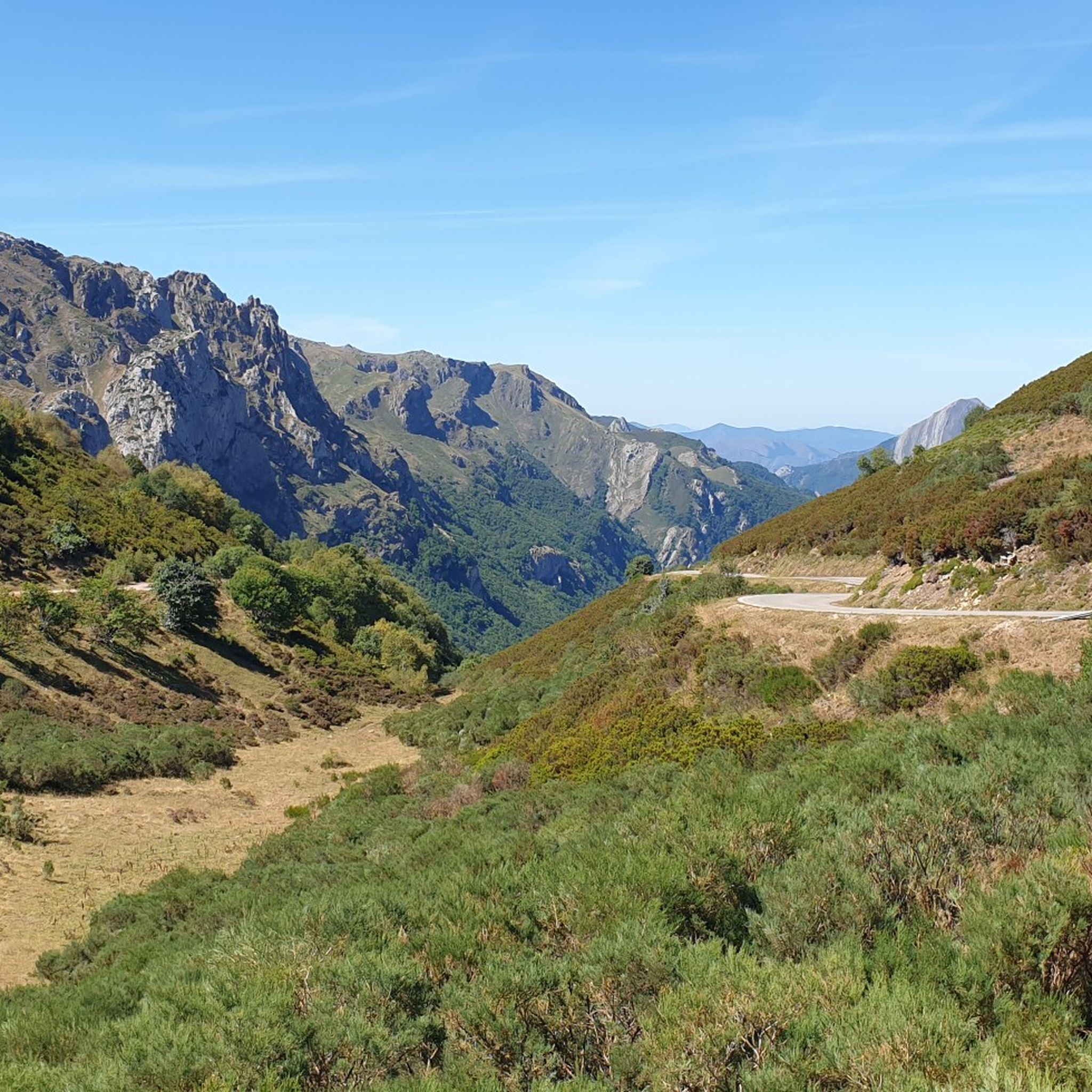
Hiking around La Montaña De Luna
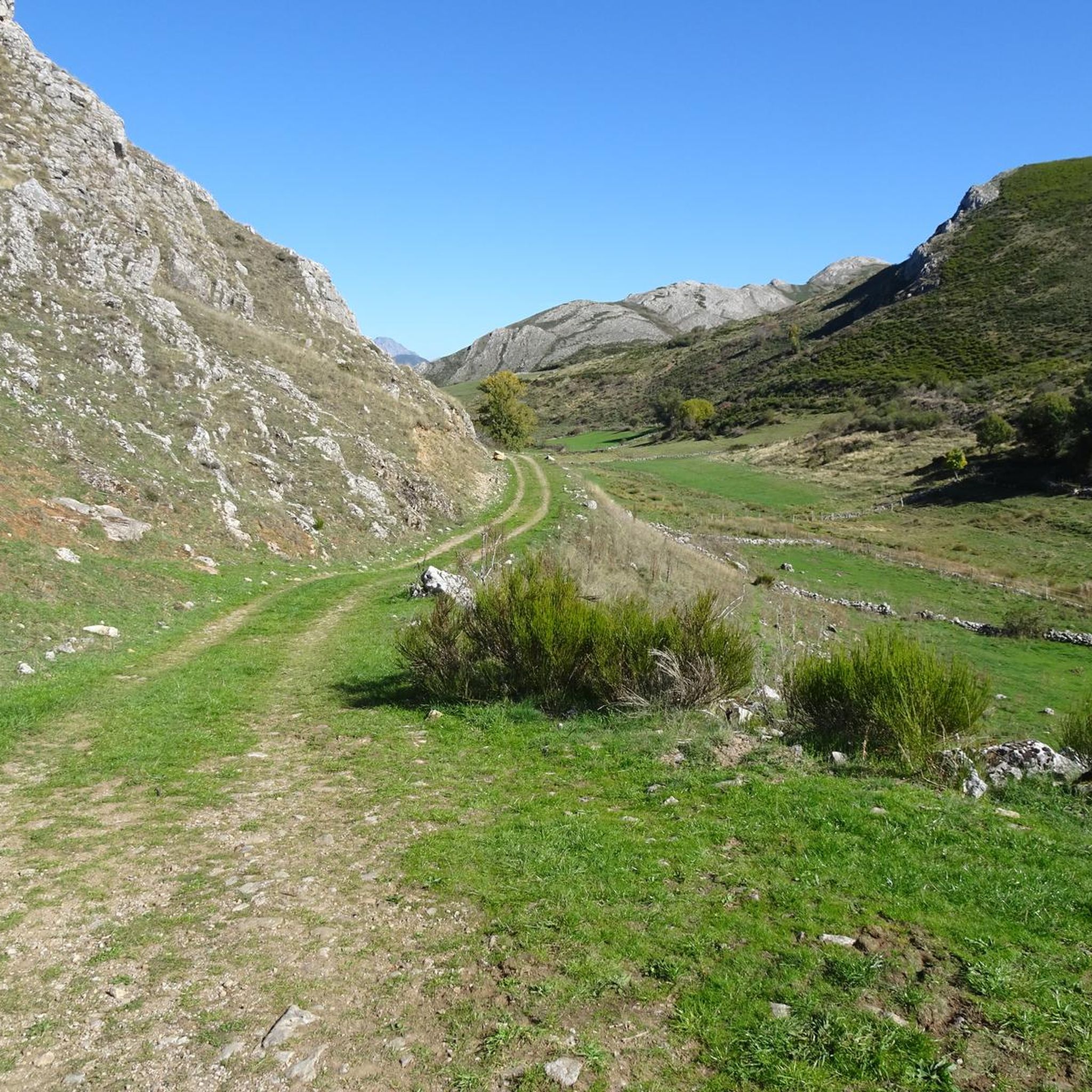
MTB Trails around La Montaña De Luna
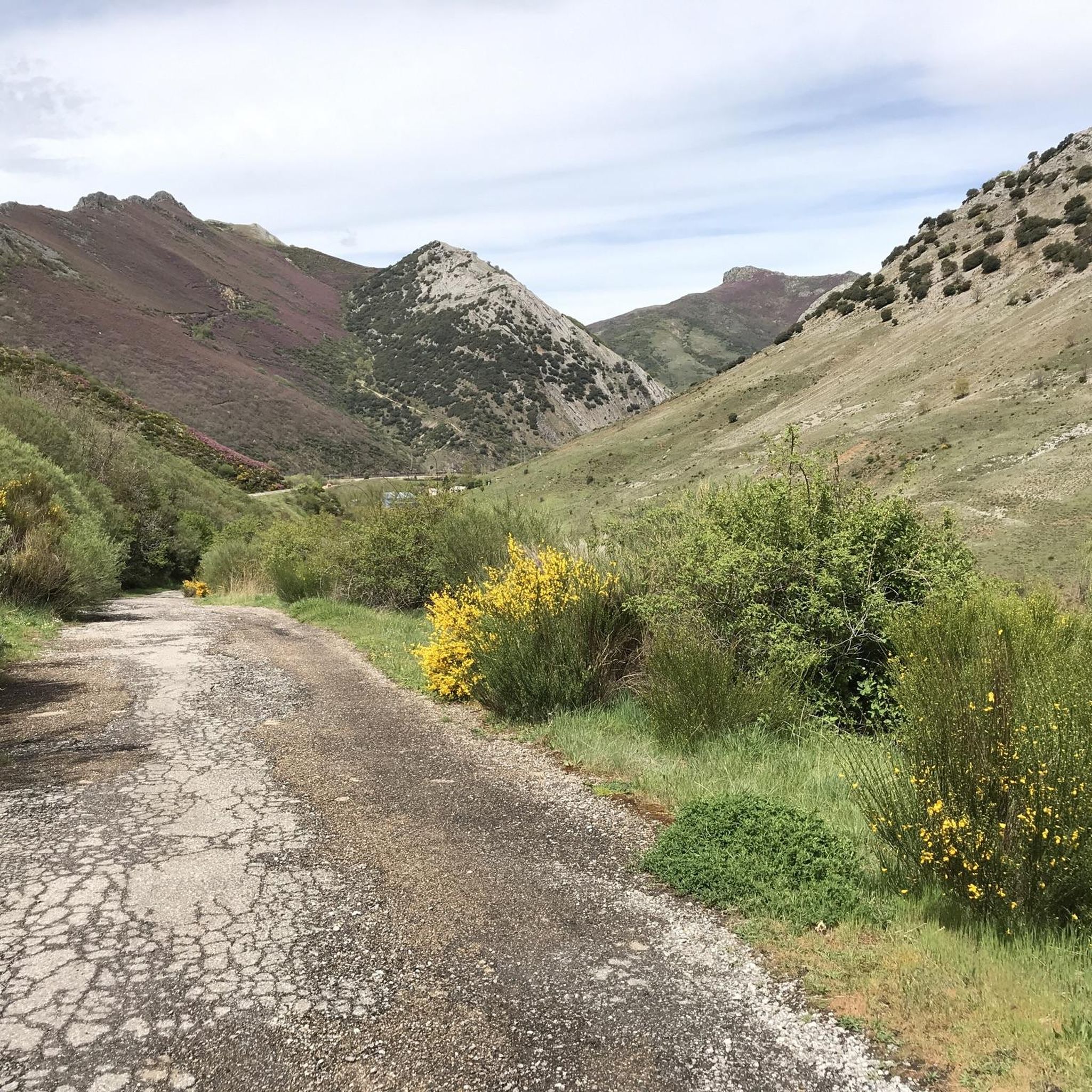
Running Trails around La Montaña De Luna
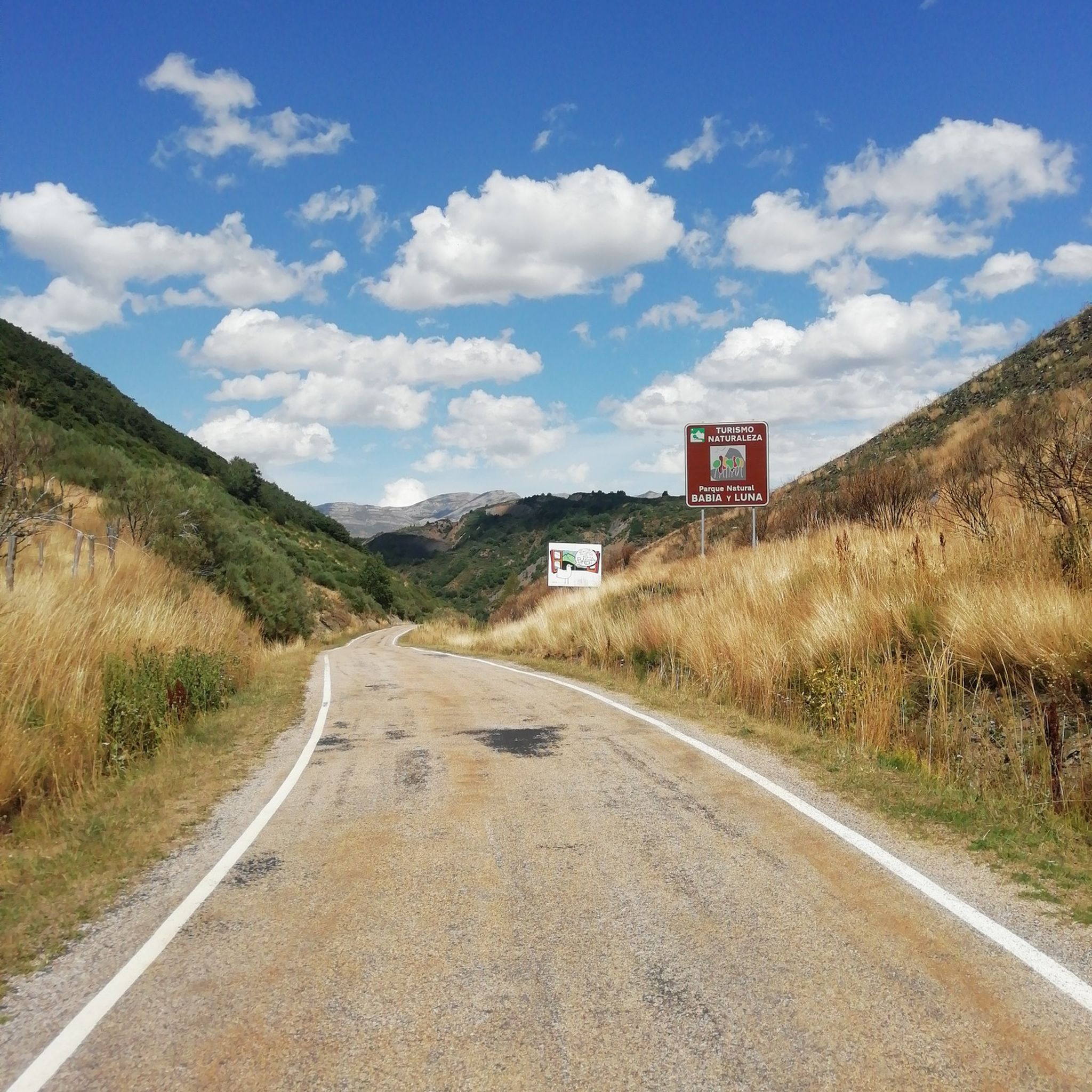
Road Cycling Routes around La Montaña De Luna
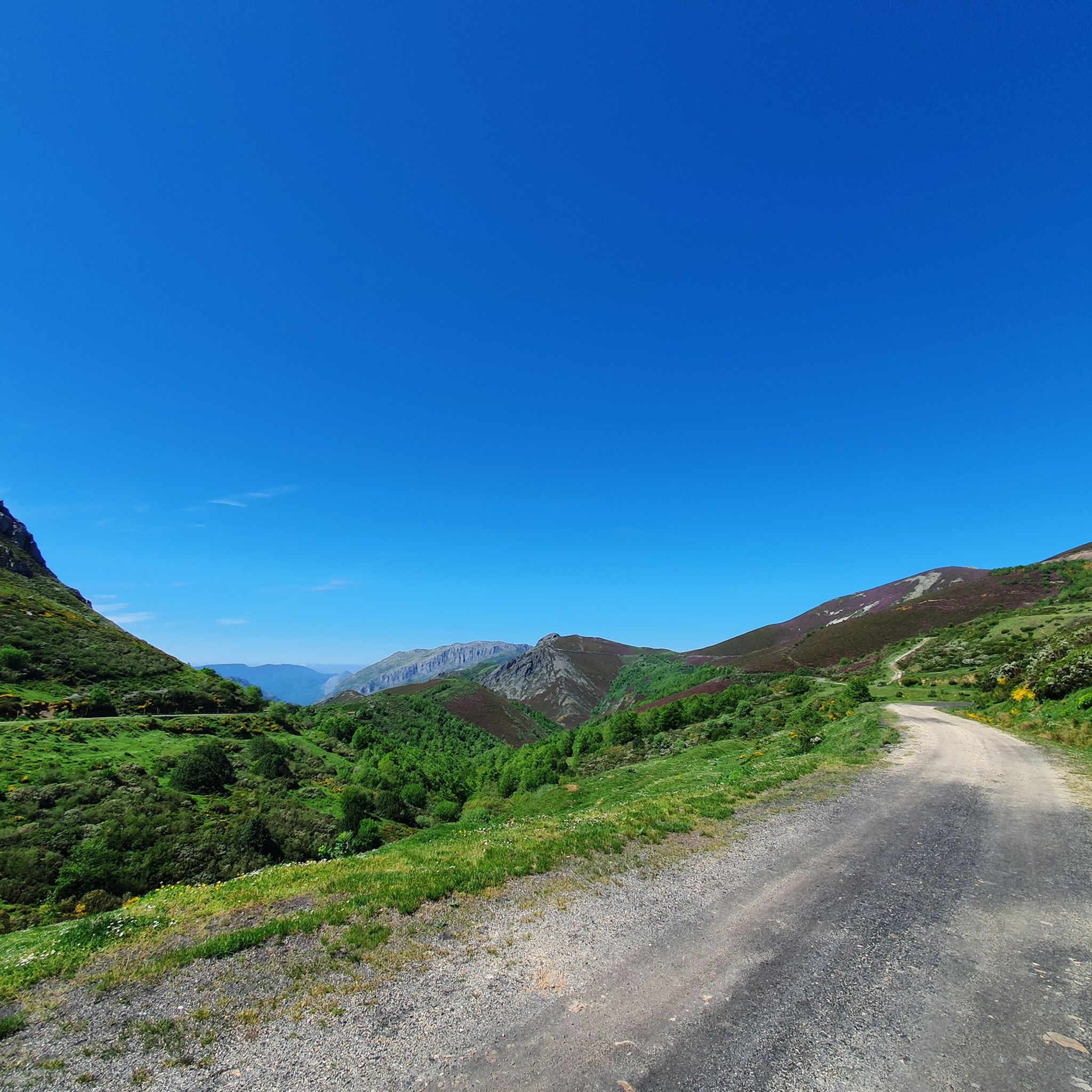
Cycling around La Montaña De Luna
Other adventures around La Montaña De Luna


Tips from the Community

Built in the 18th century, following the style of the Leonese Baroque. Inside, the altarpiece features the image of Our Lady of Good Success.
0
0

Upon reaching the summit, you don't arrive at a village or a tourist center, but rather at a kind of natural balcony overlooking the Lena mountain passes, which gives a strange feeling, as if you've stepped onto an empty stage. And on clear days, the wind is louder among the mountain passes than any car, because traffic is minimal.
0
0
For decades, La Cubilla was practically a ghost town: a road built to connect mining valleys, used more by livestock farmers and scattered trucks than by travelers. This lack of traffic left a remarkably clean route, free of curves, absurd straights, and modern widenings: pure mountain design from another era. That's why many cyclists say it "looks more like an Alpine pass than a Cantabrian one," with those giant limestone walls silently accompanying you.
0
0

The La Cubilla mountain pass is located at an altitude of 1,683 meters, on the border between Asturias and León. Its rugged terrain and the beauty of its surroundings have earned it the title of stage finisher of the Vuelta a España, making it one of the most iconic climbs among cyclists.
0
0
The LN-8 highway enters the protected natural area of Las Ubiñas-La Mesa and its surrounding villages. If you continue ascending, you'll reach the famous La Cubilla mountain pass. The climb follows a spectacular road between mountains and traditional villages.
0
0
The valley through which the waters of the Ibias River flow are a treasure. Its slopes crowned by high peaks and its forests create a magnificent natural setting.
0
0
Sisterna is an oasis in the desert of the Fuentes de Narcea Natural Park. In addition to a unique collection of houses, it also has a bar and accommodations.
0
0

Degaña is a municipality and parish in the Principality of Asturias, located in the valley of the same name. Prehistoric settlements are documented by the existence of burial mounds and fortified ruins, while the medieval period has left little documentary evidence. The local economy has traditionally been based on subsistence agriculture and livestock farming until the development of coal mining operations in the second half of the 20th century. These operations are now closed, and the local economy has shifted toward rural tourism.
0
0
Frequently Asked Questions
What is the typical terrain like for gravel biking in La Montaña De Luna?
Gravel biking in La Montaña De Luna takes you through a diverse landscape characterized by mountains, fertile river valleys, and narrow gorges carved by the Luna and Omaña rivers. You'll encounter varied terrain, including extensive forests of birch, willow, alder, and oak, as well as historical paths, some of which are ancient Roman roads. The region is framed by the Cantabrian range and the León Mountains, offering significant elevation changes.
How challenging are the gravel bike trails in La Montaña De Luna?
The gravel bike trails in La Montaña De Luna are generally considered challenging. All routes listed in this guide are rated as difficult, featuring significant elevation gain and varied mountain landscapes. For example, the La Cubilla Pass loop from Las Fuentes involves nearly 1,500 meters of ascent over 42.6 km.
Are there any beginner-friendly gravel routes in La Montaña De Luna?
Based on the available routes, all gravel bike trails in La Montaña De Luna are currently rated as difficult, featuring considerable elevation changes and demanding terrain. There are no routes specifically categorized as easy or moderate in this guide, suggesting the area is better suited for experienced gravel bikers.
What natural features can I expect to see while gravel biking in La Montaña De Luna?
As a UNESCO Biosphere Reserve, La Montaña De Luna offers stunning natural beauty. You'll ride through river valleys, extensive forests, and mountainous areas that form the boundary between the Cantabrian range and the León Mountains. The region is known for its indigenous Iberian species and diverse flora.
Are there any notable landmarks or viewpoints along the gravel routes?
Yes, several routes pass by significant landmarks and offer expansive views. For instance, the La Cubilla Pass loop from Las Fuentes ascends to La Cubilla Pass, providing panoramic mountain vistas. Another route, the Huerta Cave – Ventana Pass loop from Torrebarrio, takes you near Ventana Pass. Other highlights in the region include Peña Orniz Summit and Pico Cornón.
Can I spot any wildlife while gravel biking in La Montaña De Luna?
La Montaña De Luna, being a Biosphere Reserve, is home to abundant fauna. While cycling, you might have the chance to spot species endemic to the Cantabrian Mountains, such as the broom hare, brown bear, and capercaillie. Always maintain a respectful distance and observe wildlife from afar.
What is the best time of year for gravel biking in La Montaña De Luna?
While specific seasonal advice isn't provided, given the mountainous terrain and the presence of the Cantabrian range, spring and autumn generally offer the most favorable conditions for gravel biking in this region. Summers can be warm, and winters may bring snow and challenging conditions to higher elevations.
Are there any loop routes available for gravel biking in La Montaña De Luna?
Yes, several loop routes are available, allowing you to start and end your ride in the same location. Examples include the Pola de Somiedo – Lake of the Valley loop from Somiedo, the La Cubilla Pass loop from Las Fuentes, and the Huerta Cave – Ventana Pass loop from Torrebarrio.
What is the longest gravel bike route in this guide for La Montaña De Luna?
The longest gravel bike route featured in this guide is the Castro de Chano – Degaña loop from Zarréu, which spans approximately 83.1 kilometers (51.6 miles) and involves over 2,000 meters of elevation gain.
What do other gravel bikers enjoy the most about gravel biking in La Montaña De Luna?
The area is highly rated by the komoot community, with an average score of 5.0 stars. Gravel bikers often praise the challenging routes with significant elevation changes, the expansive mountain views, and the opportunity to explore river valleys and extensive forests within this UNESCO Biosphere Reserve.
Are there any gravel routes that explore the Babia y Luna Natural Park?
Yes, one route specifically takes you through this beautiful area. The Palace of Quiñones – Babia y Luna Natural Park loop from Riolago de Babia is a challenging 77 km ride that allows you to experience the natural park's landscapes.
Most popular routes around La Montaña De Luna
Most popular attractions around La Montaña De Luna

Get inspired with the komoot mobile app


Explore more
Browse the best Gravel rides in other regions.
