Attractions and Places To See around Pisuerga - Top 20
Best attractions and places to see around Pisuerga include a diverse range of historical sites, natural landscapes, and cultural landmarks. The Pisuerga River, a significant tributary of the Duero, flows through varied terrain, from the urban setting of Valladolid to the mountainous areas near its source in the Cantabrian Mountains. The region offers opportunities to explore ancient ruins, scenic viewpoints, and religious buildings.
Best attractions and places to see around Pisuerga
- The most popular attractions is Ruins of the Monastery…
Last updated: August 16, 2026
Ruins of the Monastery of San Antón
Highlight • Historical Site
It is a temple dedicated to San Antonio Abad. The ruins of this monastery are …
Translated by Google •
Tip by

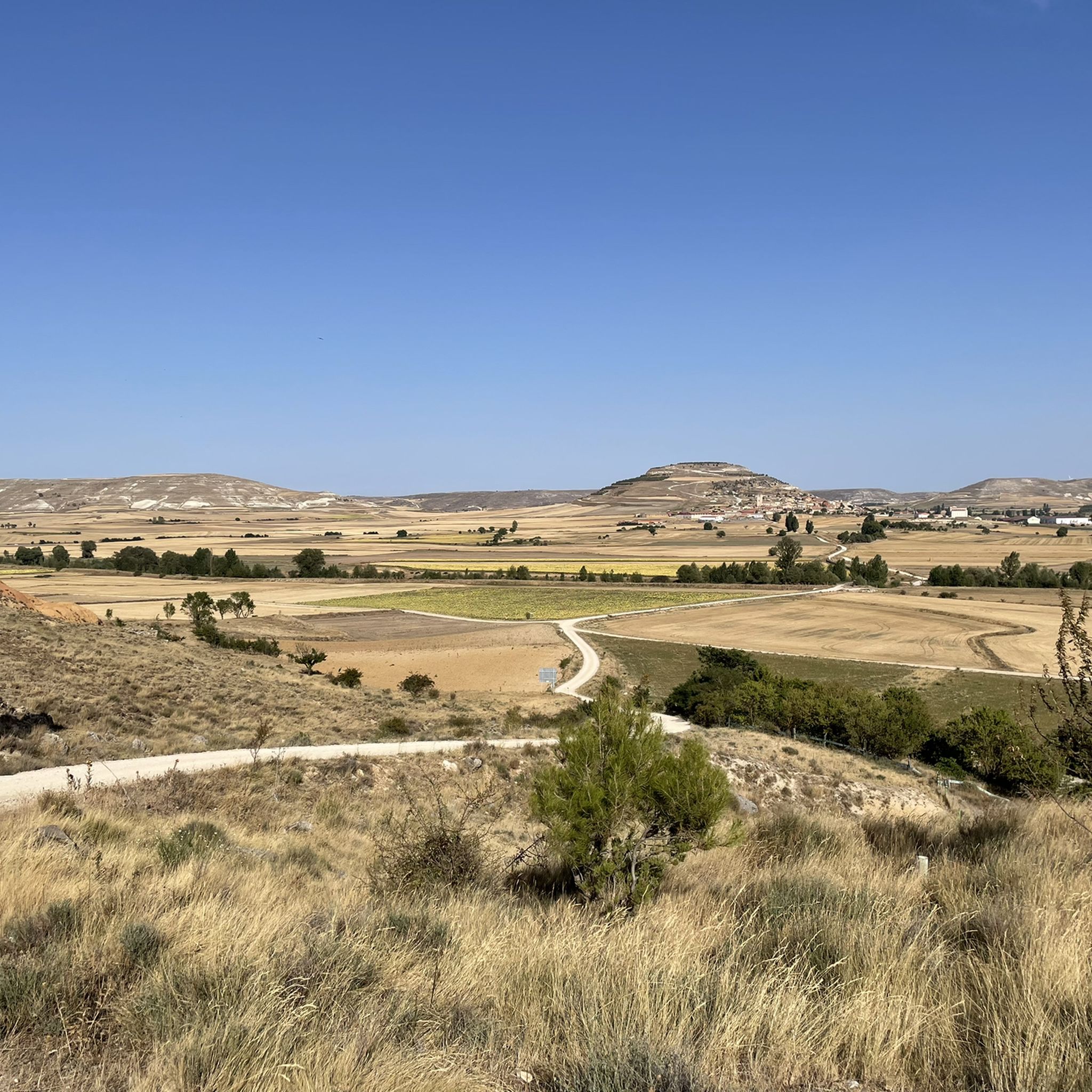
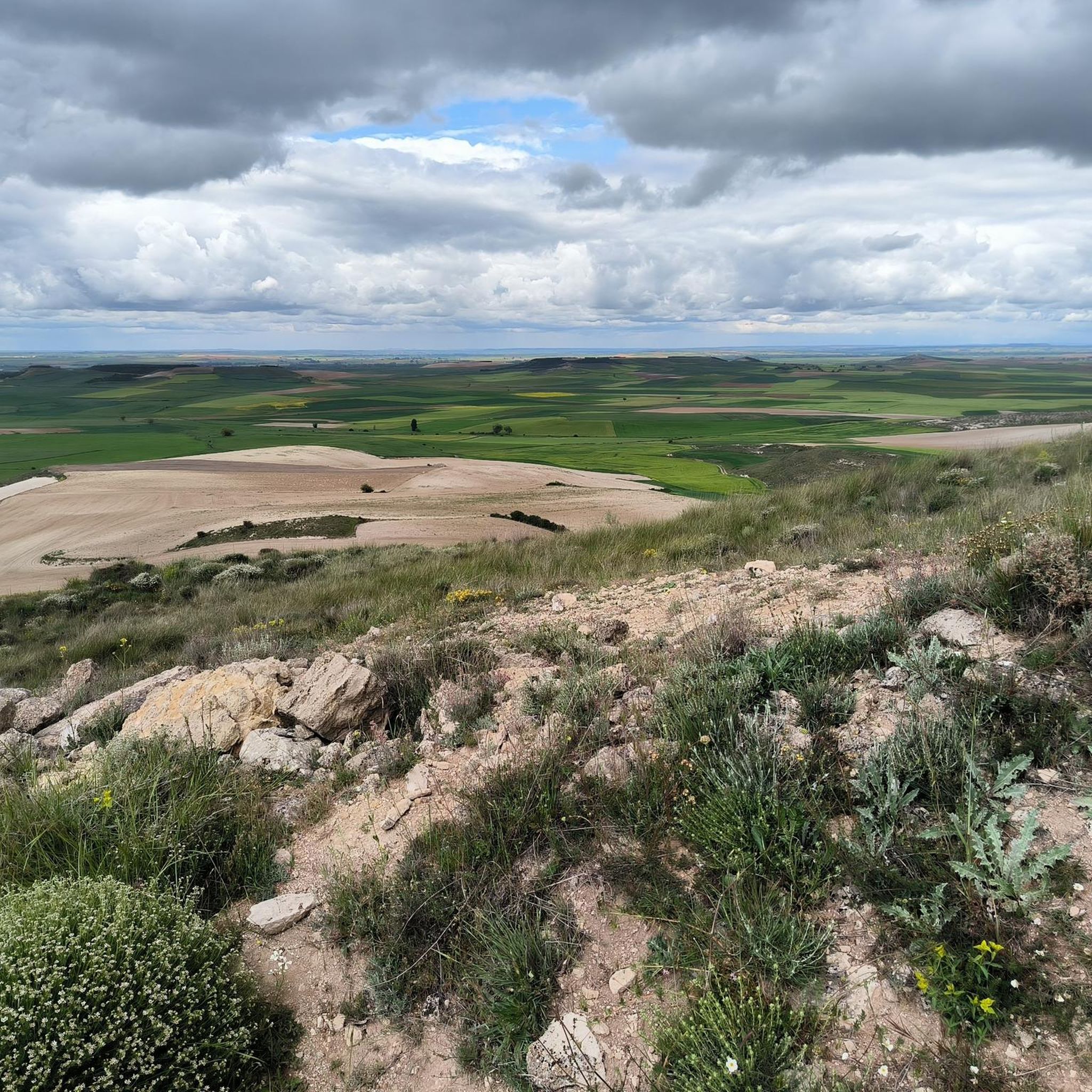
View of Hontanas
Highlight • Viewpoint
Translated by Google •
Tip by
Sign up now to discover places like this
Get recommendations on the best single tracks, peaks, & plenty of other exciting outdoor places.
Sign up for free
San Nicolás Hermitage at Puente Fitero
Highlight • Religious Site
Translated by Google •
Tip by
Convent of San Antón
Highlight • Historical Site
Translated by Google •
Tip by

Collegiate Church of Santa María del Manzano
Highlight • Religious Site
Translated by Google •
Tip by
Castrojeriz
Highlight • Settlement
Translated by Google •
Tip by

Church of the Immaculate Conception, Hontanas
Highlight • Religious Site
The parish church of Hontanas, presided over by a tall and …
Translated by Google •
Tip by

Province of Palencia Border Marker on the Camino de Santiago
Highlight • Monument
Translated by Google •
Tip by

Puente del Rey Aqueduct (Canal de Castilla)
Highlight • Bridge
It allows the crossing over the Valdavia river over five semicircular arches.
Translated by Google •
Tip by

Hospital San Nicolas
Highlight • Historical Site
Translated by Google •
Tip by

Sign up for free to discover even more attractions around Pisuerga.
Sign up for free
Already have an account?
Start today with a free account
Your next adventure awaits.
Login or Signup

Other adventures around Pisuerga

Tips from the Community

The Hospital of San Nicolás de Puente Fitero, located between Itero de la Vega (Palencia) and Itero del Castillo (Burgos), is a former Romanesque hermitage from the 12th and 13th centuries that served as a hospital for pilgrims on the Camino de Santiago. Today, it has been restored and operates as a hostel exclusively for pilgrims with credentials, managed by the Confraternita di San Jacopo di Compostella, an Italian association based in Perugia.
1
0
The Fitero Bridge, also known as the Itero Bridge, is a historic 11th-century Romanesque construction that crosses the Pisuerga River and connects the towns of Itero de la Vega (Palencia) and Itero del Castillo (Burgos). This bridge marks the provincial border between Palencia and Burgos, and was also formerly the border between the kingdoms of Castile and León.
1
0
Castrojeriz is a historic town located in the province of Burgos, right on the Camino de Santiago. It is known for its impressive heritage, its ancient history, and its key role as a Jacobean site. Castrojeriz Castle: Located atop a hill, it dominates the town and offers spectacular views of the region. Its origins are Roman, although it was expanded by Arabs and Christians. It suffered severe damage in the Lisbon earthquake of 1755, but its ruins can still be visited.
2
0

boundary stone.
1
1

On the approximately 800-kilometer route through northern Spain – perhaps even earlier in France – the pilgrim has repeatedly crossed borders that may have held significant significance in the past, and some still do today from a regional political perspective. However, for us, who are striving toward the tomb of the Apostle James, the "Credencial" was the only important identification document, and pilgrimage routes – like the heavens – have always been borderless.
5
0

There is an entrance fee; 5 euros.
6
0
Boundary stone marking the border between the provinces of Palencia and Burgos
8
0
The Puente del Rey is one of the most outstanding structures of the Canal de Castilla, one of the most important hydraulic engineering works in Spain. The Canal de Castilla was built between the 18th and 19th centuries with the aim of facilitating the transport of goods, especially cereals, from the interior of Castile to the ports of northern Spain.
7
0
Frequently Asked Questions
What historical and cultural sites can I explore along the Pisuerga River?
The Pisuerga River region is rich in history. In Valladolid, you can visit the grand Valladolid Cathedral, the iconic Church of Santa María la Antigua, and the historic Plaza Mayor. Further upstream, near Cervera de Pisuerga, explore the 16th-century Church of Santa María del Castillo, known for its Hispano-Flemish altarpiece, and the extraordinary Hermitage of San Vicente Cave, an early medieval site carved into rock. Don't miss the Ruins of the Monastery of San Antón, a historical site offering a journey into the past, or the San Nicolás Hermitage at Puente Fitero, a beautifully rehabilitated religious building.
Are there natural attractions or scenic viewpoints along the Pisuerga River?
Yes, the Pisuerga River offers diverse natural beauty. In Valladolid, enjoy the riverbanks and parks like Parque de las Moreras and Parque Ribera De Castilla, or relax at Playa de las Moreras, an urban beach. Near Cervera de Pisuerga, you'll find the stunning landscapes of the Fuentes Carrionas and Fuente Cobre-Montaña Palentina Natural Park. The View of Hontanas offers a charming perspective of a historic settlement, and the Piedrasluengas Pass provides unique views of the Picos de Europa mountains.
What outdoor activities can I do near the Pisuerga River attractions?
The region around Pisuerga is excellent for outdoor enthusiasts. You can enjoy various cycling and mountain biking routes, especially in the mountainous areas near Cervera de Pisuerga. For gravel biking, explore routes like the 'Cruz de Matamulos – Convent of San Antón loop'. There are also numerous cycling tours, including those along the EuroVelo 3. For mountain biking, consider the 'Portillo del Infierno Trail' or the 'R3 - Riomance Valley MTB Route'. You can find more details on these activities in the Gravel biking around Pisuerga, Cycling around Pisuerga, and MTB Trails around Pisuerga guides.
Are there any family-friendly attractions or activities in the Pisuerga region?
Absolutely! Many attractions cater to families. In Valladolid, children can enjoy the open spaces of Campo Grande or a scenic boat trip on La Leyenda del Pisuerga. The Playa de las Moreras is also a popular spot for families during summer. Upstream, the Fuentes Carrionas and Fuente Cobre-Montaña Palentina Natural Park offers gentle trails and opportunities for nature exploration. The View of Hontanas and the Collegiate Church of Santa María del Manzano are also noted as family-friendly highlights.
What are some unique experiences or 'hidden gems' to discover?
Beyond the main highlights, consider a boat trip on La Leyenda del Pisuerga in Valladolid for a unique perspective of the city's landmarks from the water. Explore the remnants of the ancient watermill system at Las Aceñas del Pisuerga. Near Cervera de Pisuerga, seek out El Roblón de Estalaya, reputed to be the largest oak tree in the mountains, or the fascinating rock-carved Hermitage of San Vicente Cave. The Ruta de los Pantanos (Reservoirs Route) offers picturesque drives and activities like pedal boating at Ruesga Reservoir.
What is the best time of year to visit the Pisuerga region?
The best time to visit largely depends on your interests. For outdoor activities like hiking and cycling, spring (April-June) and autumn (September-October) offer pleasant temperatures and beautiful scenery. Summer (July-August) is ideal for enjoying the urban beach at Playa de las Moreras in Valladolid and water activities at the reservoirs near Cervera de Pisuerga, though it can be quite warm. Winter offers a different charm, especially in the mountainous areas, but some trails might be less accessible.
Are there any specific hiking trails or routes recommended in the Pisuerga area?
Yes, the region offers various hiking opportunities. Near Cervera de Pisuerga, you can explore trails within the Fuentes Carrionas and Fuente Cobre-Montaña Palentina Natural Park, including sections of the Senda del Oso (Bear Trail) and routes around the Ruta de los Pantanos. While specific hiking routes are not detailed in this guide, you can find many options in the MTB Trails around Pisuerga guide, which often includes paths suitable for walking.
What are the most popular attractions according to visitors?
Visitors frequently praise the historical depth and scenic beauty of the region. The Ruins of the Monastery of San Antón are highly regarded for offering an authentic journey into the past. The View of Hontanas is cherished for its charming, romantic landscape and historical significance. The San Nicolás Hermitage at Puente Fitero is also a favorite, especially for its unique history and setting, and its rehabilitation as a hostel.
Can I find accommodations or places to eat near the attractions?
Yes, both Valladolid and Cervera de Pisuerga offer a range of accommodations and dining options. Valladolid, as a larger city, has numerous hotels, restaurants, and cafes. Cervera de Pisuerga, serving as a gateway to the natural park, provides rural accommodations, guesthouses, and local eateries. Many smaller towns and villages along the Pisuerga River also have charming local establishments.
Are there any accessible attractions for visitors with mobility needs?
While specific accessibility details vary, the Province of Palencia Border Marker on the Camino de Santiago is noted as wheelchair accessible. In Valladolid, many of the riverside parks and urban areas, including parts of Plaza Mayor, offer relatively flat surfaces. It's always recommended to check specific venue information for detailed accessibility features before your visit.
What is the significance of the Pisuerga River itself?
The Pisuerga River is a significant tributary of the Duero, playing a central role in the geography and history of the region. It flows through diverse landscapes, from the urban heart of Valladolid to the mountainous areas near its source in the Cantabrian Mountains. The river has shaped the local environment, supported agriculture, and served as a historical artery, with many towns and landmarks, such as the Puente Mayor in Valladolid, built along its banks.
Are there any specific historical bridges or structures along the river?
Yes, the Pisuerga River is crossed by several historical bridges. In Valladolid, the Puente Mayor is particularly notable, with some sources dating its construction to the 13th century, retaining much of its medieval charm. Near Cervera de Pisuerga, you can also find well-preserved medieval bridges over the Pisuerga and Rivera rivers, reflecting the region's long history and strategic importance.
Most popular routes around Pisuerga
Most popular attractions around Pisuerga

Get inspired with the komoot mobile app


Didn’t find what you were looking for?
Are you keen on exploring more awesome places nearby? Browse our guides:
Explore more
Still not found the Highlight you’re looking for? See guides of the top attractions in other regions:
