The best mountain hikes around Totesee
4.8
(27)
190
hikers
15
hikes
Mountaineering routes around Totesee are situated in the heart of the Swiss Alps, at an elevation of 2,160 meters (7,090 ft) on the Grimsel Pass. This high-alpine environment is characterized by rugged mountains, glacial landscapes, and the dramatic Totesee itself, a natural lake and reservoir. The region lies on the continental divide, offering challenging terrain shaped by significant precipitation and glacial activity. These features create a demanding yet rewarding setting for mountaineering.
Best mountaineering routes around Totesee
- The most popular mountaineering route is Grimsel Pass – Sidelhorn Summit loop from Grimselpass, a 4.0 miles (6.4 km) trail that takes 3 hours 16 minutes to complete. This route offers panoramic views from the Sidelhorn Summit.
- Another top favourite among local mountaineers is View of Gelmersee – Gelmersee loop from Räterichsbodensee, a difficult 4.7 miles (7.6 km) path. It features views of the stunning Gelmersee and surrounding alpine scenery.
- Local mountaineers also love the Gelmerbahn – View of Gelmersee loop from Gelmersee, a 2.9 miles (4.7 km) trail leading through alpine terrain, often completed in about 1 hour 45 minutes.
- Mountaineering around Totesee is defined by its high-alpine environment, glacial landscapes, and rugged mountains. The network offers options primarily for experienced mountaineers seeking challenging routes.
- The routes in Totesee are highly rated by the komoot community with an average score of 4.8 stars from over 20 reviews. More than 170 mountaineers have used komoot to explore Totesee's varied terrain.
Last updated: October 9, 2026
5.0
(1)
12
hikers
6.35km
03:16
540m
540m
Hard mountaineering route. Good fitness required. Sure-footedness, sturdy shoes and alpine experience required.
4.0
(2)
5
hikers
10.8km
05:06
730m
730m
Hard mountaineering route. Very good fitness required. Sure-footedness, sturdy shoes and alpine experience required.

5.0
(1)
6
hikers
4.61km
01:48
130m
130m
Hard mountaineering route. Great for any fitness level. Sure-footedness, sturdy shoes and alpine experience required.
10
hikers
9.98km
05:01
730m
730m
Hard mountaineering route. Very good fitness required. Sure-footedness, sturdy shoes and alpine experience required.
4.6
(10)
39
hikers
13.1km
05:44
590m
590m
Hard mountaineering route. Very good fitness required. Sure-footedness, sturdy shoes and alpine experience required.
Get access to more routes and recommendations from other explorers.
Already have an account?
Our route recommendations are based on thousands of hikes, rides, and runs completed by other people on komoot.
Start today with a free account
Your next adventure awaits.
Popular around Totesee
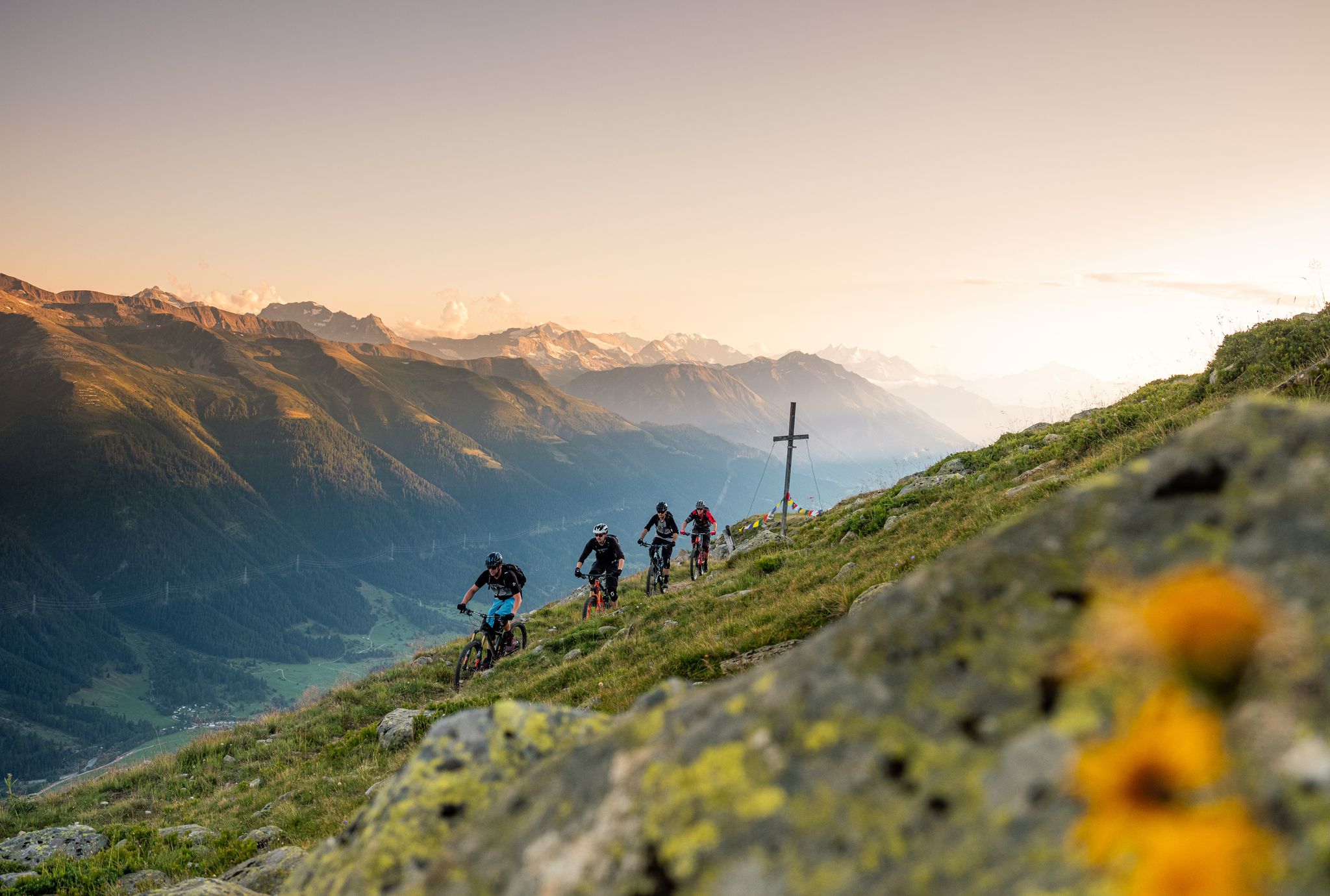
Rugged trails, spectacular views: trail adventures in the high valley of Goms
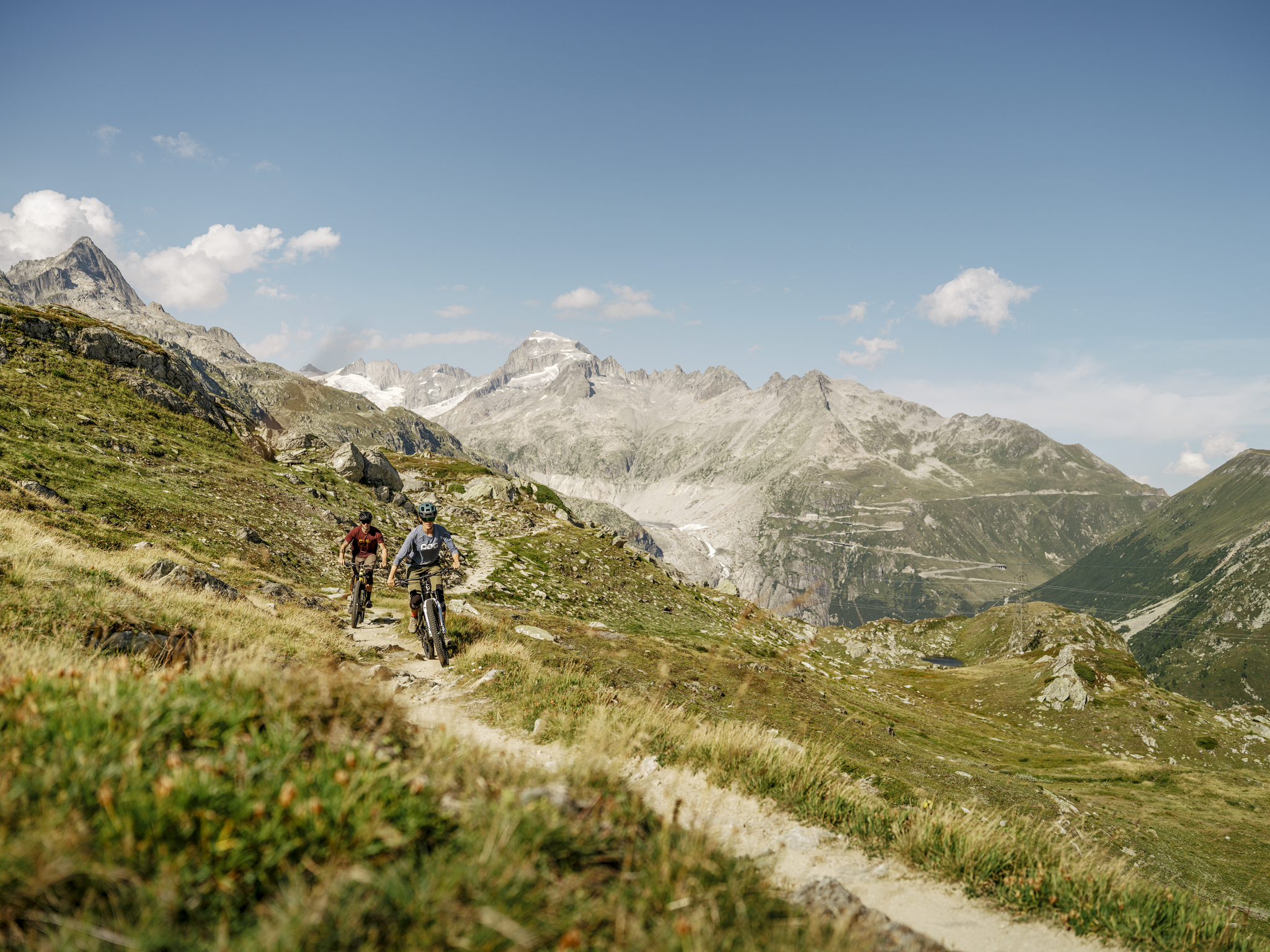
MTB adventures in the Upper Valais – Valais Panorama Bike Switzerland
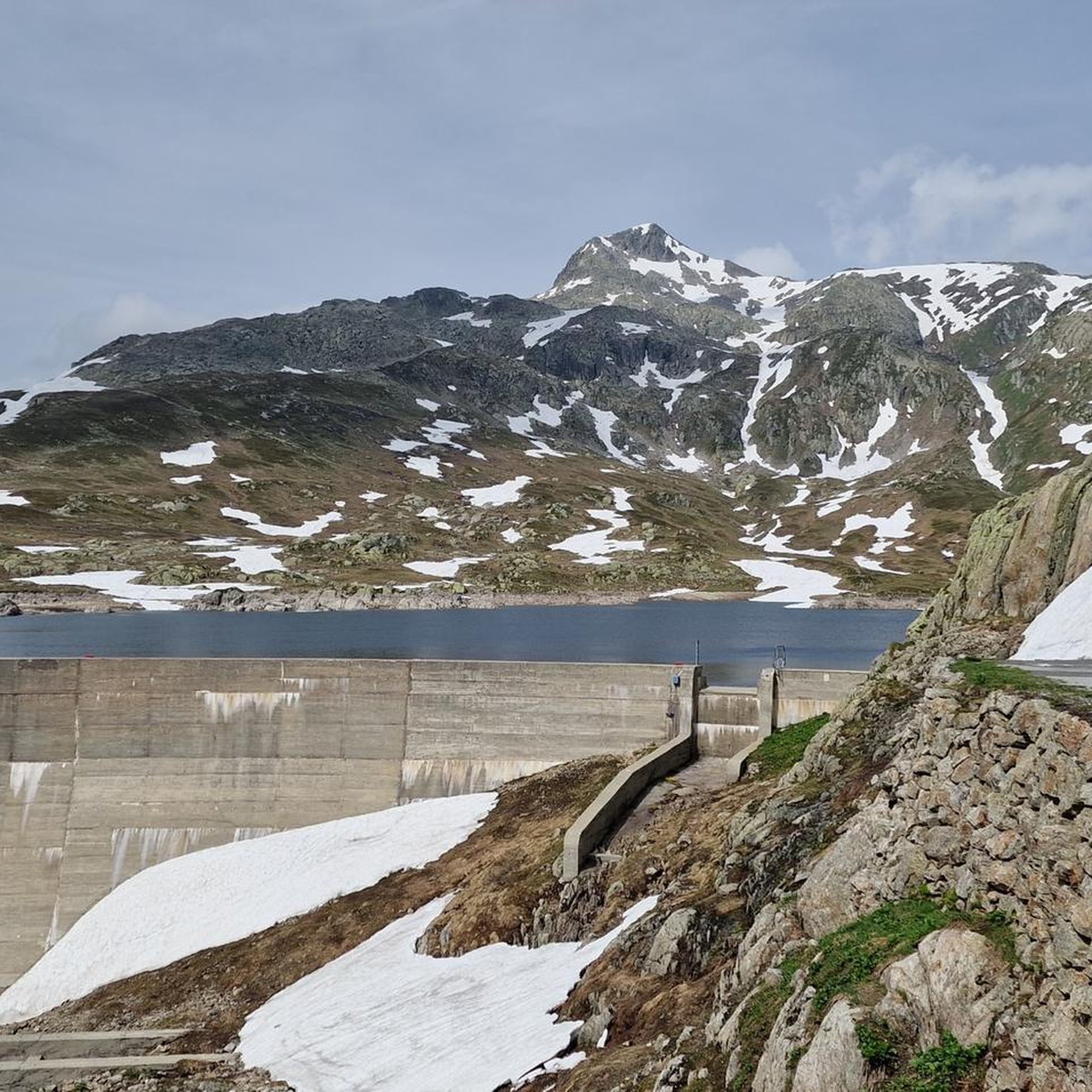
MTB Trails around Totesee
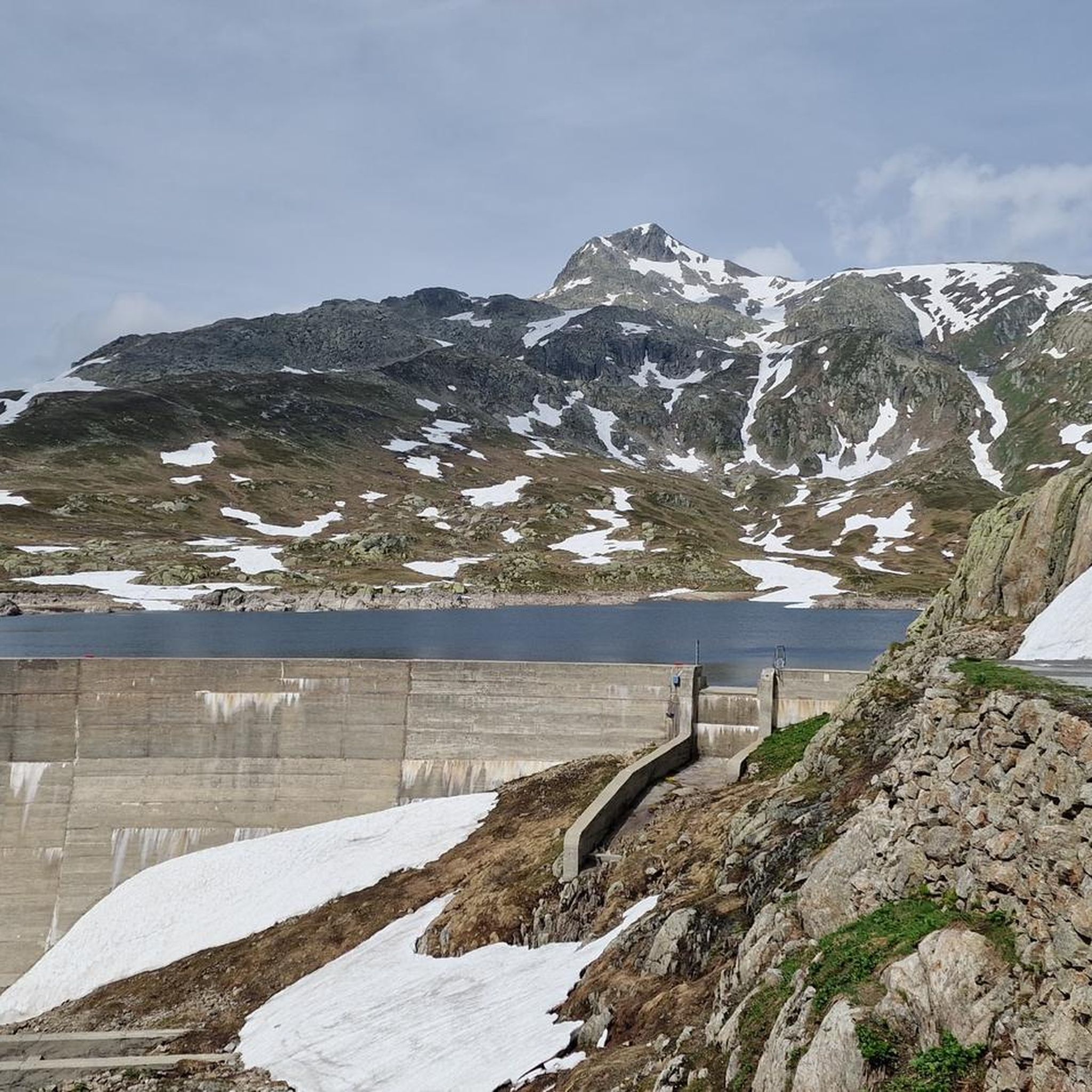
Hiking around Totesee
Road Cycling Routes around Totesee
Cycling around Totesee
Running Trails around Totesee

Gravel biking around Totesee


Tips from the Community

Spectacular climb on the wall, easy to climb but still a thrill.
1
0

The Gelmer Dam above Handegg is 35 meters high and 370 meters long. It dams the turquoise-colored Gelmersee at 1,850 meters, which is used to generate electricity. The steep Gelmerbahn cable car (up to 106% gradient) takes you spectacularly to the dam in just 12 minutes – from there, the circular hike around the lake begins (4.5 km / 2–3 hours / T2–T3). Surefootedness is required: narrow rocky paths, secured with ropes – not suitable for strollers. 🔹 Panoramic trail around the lake 🔹 Ascent to the Gelmerhütte SAC (2,412 meters) is possible
0
0

A very popular ski touring summit, especially when the Furka Pass reopens in spring. Usually, the snow conditions are nice and slushy.
0
0

The Sidelhorn is a 2764 m high mountain in the Bernese Alps massif in Switzerland. It lies on the border of the cantons of Valais and Bern and on the European main watershed. https://de.m.wikipedia.org/wiki/Sidelhorn
4
0

In foggy weather you can't sunbathe, but it is still worth seeing and definitely worth a visit.
0
0
You should bring sturdy shoes and surefootedness. If it rains, hiking poles are highly recommended.
0
0
Sturdy shoes and surefootedness are recommended. Hiking poles would be ideal.
0
0

The path consists of large stones that serve as steps. They are of different heights and widths and the path is narrow in places and goes steeply downhill.
0
0
Frequently Asked Questions
What kind of terrain and difficulty can I expect on mountaineering routes around Totesee?
Mountaineering routes around Totesee are situated in a demanding high-alpine environment, characterized by rugged mountains and glacial landscapes. The region is known for its challenging terrain, with the vast majority of routes being classified as difficult. You should expect significant elevation gains and require good fitness, sure-footedness, sturdy shoes, and alpine experience.
Are there any circular mountaineering routes available near Totesee?
Yes, several circular mountaineering routes are available. For instance, the Grimsel Pass – Sidelhorn Summit loop from Grimselpass offers panoramic views from the Sidelhorn Summit. Another option is the View of Gelmersee – Gelmersee loop from Räterichsbodensee, which provides stunning views of Gelmersee.
What are some notable landmarks or attractions I can see while mountaineering around Totesee?
The region is rich in natural and man-made attractions. You'll encounter the dramatic Totensee (Grimsel Pass) itself, and the historic Grimsel Pass. Don't miss the Continental Divide Monument at Grimsel Pass, marking a significant hydrological watershed. Other highlights include the Grimsel Hospiz and Lake Grimsel, and the scenic Oberaar Panorama Road from Grimsel Pass.
What do other mountaineers enjoy most about the Totesee area?
The mountaineering routes around Totesee are highly rated by the komoot community, with an average score of 4.8 stars from over 20 reviews. Mountaineers frequently praise the breathtaking high-alpine scenery, the challenging nature of the trails, and the rewarding panoramic views, especially from summits like Sidelhorn.
Are there any less crowded mountaineering routes near Totesee?
While the region is popular, you might find fewer people on routes slightly further afield from the main Grimsel Pass area. Consider the Summit Cross – Furka Pass Summit loop from Klein Furkahorn for a challenging experience that might offer more solitude compared to the immediate vicinity of Totesee.
Is mountaineering around Totesee suitable for families or beginners?
The mountaineering routes around Totesee are predominantly difficult, requiring good fitness and alpine experience. With 14 out of 15 routes classified as difficult and none as easy, true mountaineering in this high-alpine environment is generally not recommended for beginners or young families. However, there might be easier hiking trails in the broader Grimsel Pass area not covered in this mountaineering guide.
What is the best time of year for mountaineering in Totesee?
Given the high-alpine environment and glacial influence, the best time for mountaineering around Totesee is typically during the summer months, from late June to early September, when snow has largely melted from the higher trails and weather conditions are more stable. Always check local weather forecasts and trail conditions before heading out.
Can I bring my dog on mountaineering routes around Totesee?
While specific regulations for dogs on these exact mountaineering routes are not detailed, generally in Swiss alpine regions, dogs are permitted on trails but must be kept on a leash, especially in areas with livestock or wildlife. Always ensure your dog is fit for challenging alpine terrain and carry enough water for both of you. Be aware that some technical sections might be difficult for dogs.
Are there any cafes or accommodation options near the mountaineering routes?
Yes, being located on the Grimsel Pass, there are amenities available. The Grimsel Hospiz offers both accommodation and dining options, providing a convenient base or a place to refuel after your mountaineering adventures. There are also other facilities along the Grimsel Pass road.
Do I need any special permits for mountaineering in the Totesee area?
Generally, for standard mountaineering routes in the Totesee and Grimsel Pass area, specific permits are not required for access. However, if you plan to undertake highly technical climbs or enter protected areas, it's always advisable to check with local authorities or mountain guides for any specific regulations or permit requirements that might apply.
How many mountaineering routes are there in the Totesee region?
There are over 15 distinct mountaineering routes detailed in this guide for the Totesee region, offering a variety of challenging experiences for experienced mountaineers.
What gear should I bring for mountaineering around Totesee?
Given the high-alpine and often challenging nature of the routes, essential gear includes sturdy mountaineering boots, appropriate layers of clothing for varying weather conditions, rain and wind protection, a map and compass or GPS device, sufficient water and food, a first-aid kit, and sun protection. Depending on the specific route and conditions, ice axe, crampons, and a helmet might also be necessary.
Are there options for public transport to reach the starting points of these routes?
The Grimsel Pass, where Totesee is located, is accessible by public transport during the summer season. PostBus services typically operate over the pass, connecting it to nearby towns like Meiringen and Gletsch. This allows access to various starting points for mountaineering routes without needing a private vehicle. Always check the current PostBus timetable for specific routes and operating seasons.
Most popular routes around Totesee
Most popular attractions around Totesee

Get inspired with the komoot mobile app


Explore more
Browse the best Mountain Hikes & Routes in other regions.
