The best walks and hikes around Wimborne St. Giles
4.5
(563)
4,198
hikers
368
hikes
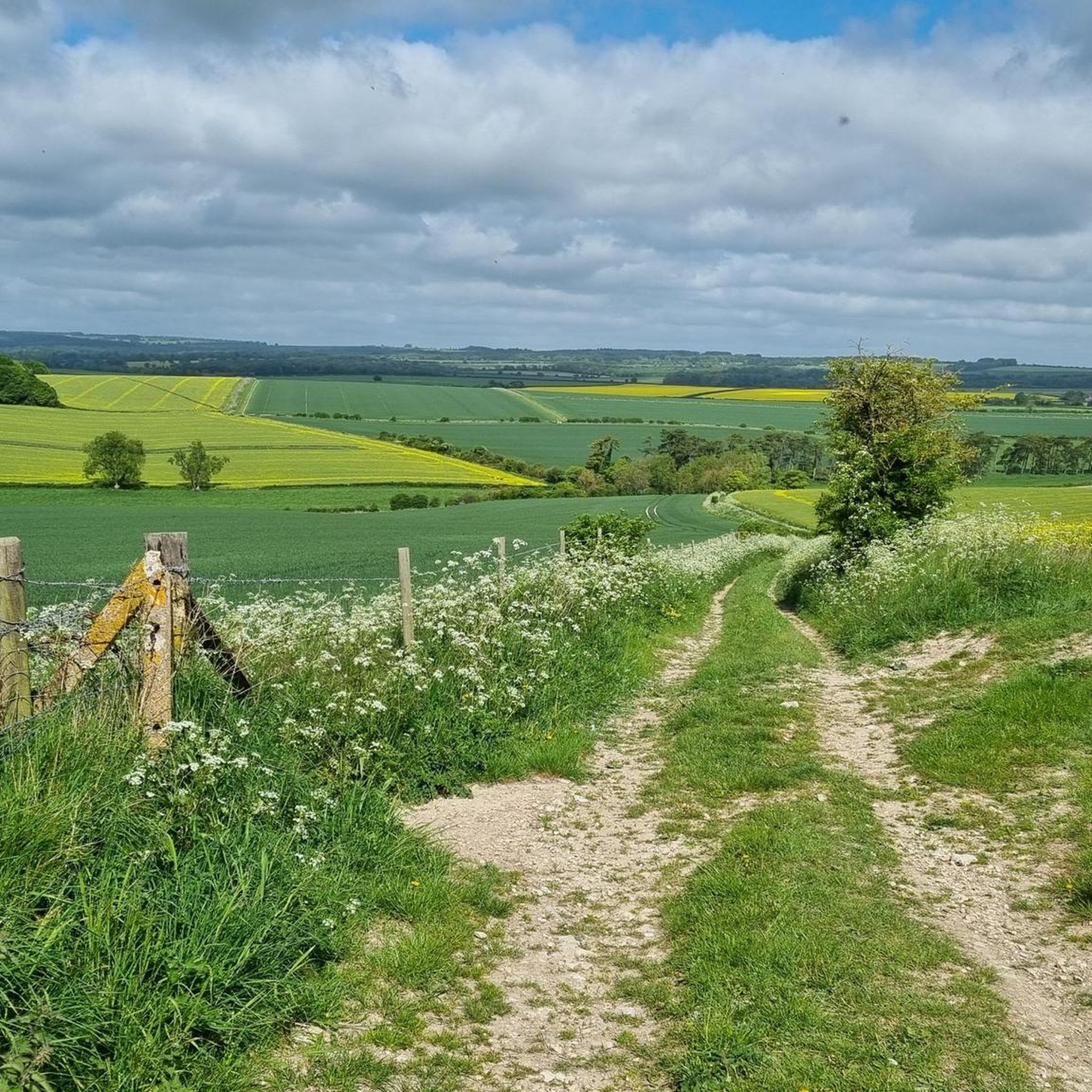
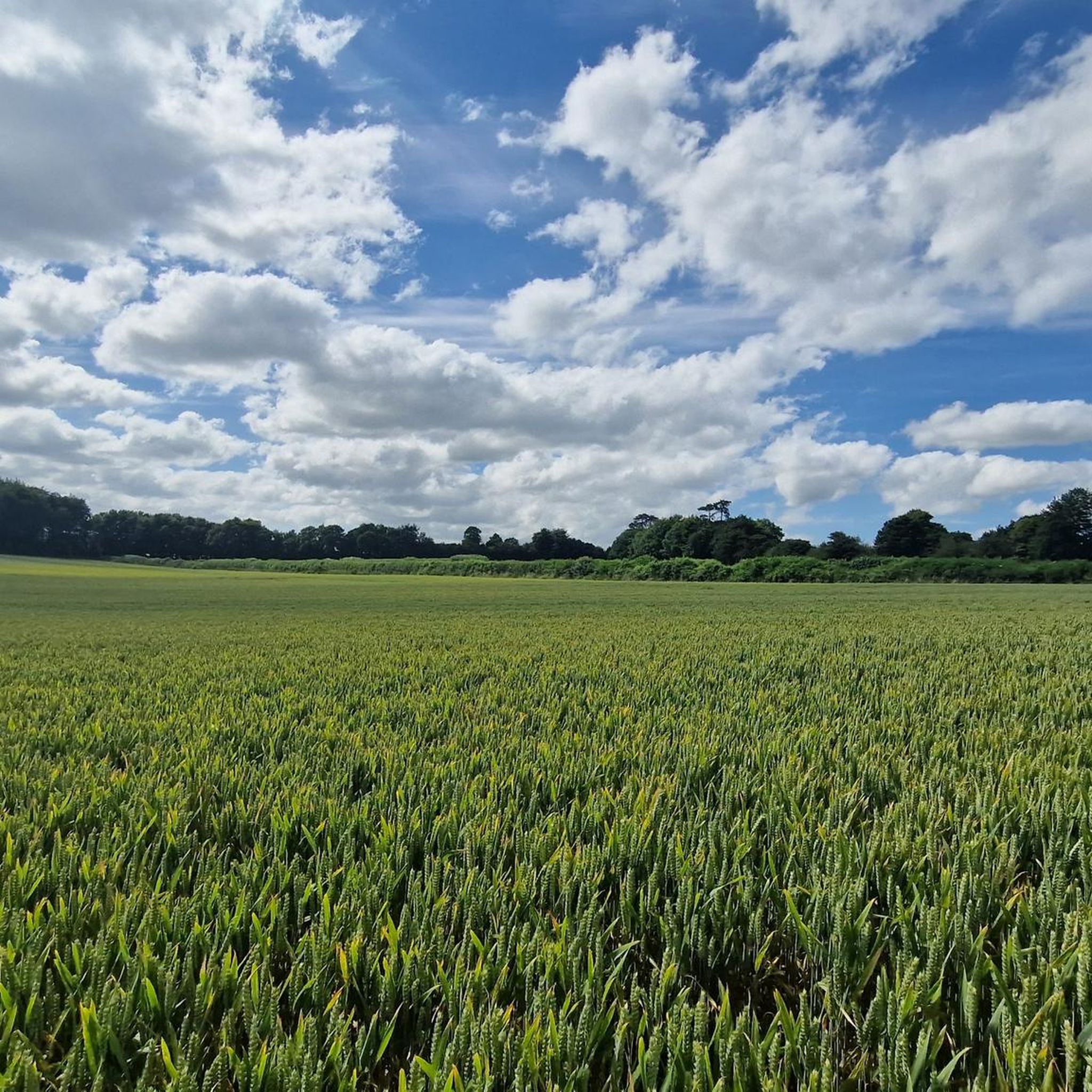
Hikes around Wimborne St. Giles explore the southern edge of the Cranborne Chase Area of Outstanding Natural Beauty. The region is characterized by rolling chalk downland, ancient woodlands, and tranquil river valleys, including that of the River Allen. The network of footpaths and bridleways offers varied terrain suitable for different types of walking routes.
Best hiking trails around Wimborne St. Giles
- The most popular hiking route is Hiking loop from Wimborne St Giles, a 6.7 mile (10.7 km) trail that takes around 2 hours 50 minutes to complete. This is one of the classic Wimborne St. Giles circular walks that starts from the village.
- Another top favourite among local hiking enthusiasts is W.H. Carter Water Pump – Horton Tower loop from Verwood, a moderate 9.1 mile (14.7 km) path. The route features landmarks such as the historic Horton Tower.
- Local hiking enthusiasts also love the Hiking loop from Cranborne, a 5.0 mile (8.0 km) trail leading through the surrounding countryside, often completed in about 2 hours 10 minutes.
- Hiking around Wimborne St. Giles is defined by its chalk stream valleys, rolling downland, and sections of ancient woodland. The network of trails provides options for both shorter, easier hikes and more moderate, longer routes.
- The routes in Wimborne St. Giles are highly rated by the komoot community with an average score of 4.6 stars from over 430 reviews. More than 3,000 hikers have used komoot to explore Wimborne St. Giles's varied terrain.
Last updated: August 18, 2026
4.7
(15)
76
hikers
7.95km
02:09
100m
100m
Moderate hike. Good fitness required. Easily-accessible paths. Suitable for all skill levels.
4.5
(4)
15
hikers
9.90km
02:36
80m
80m
Moderate hike. Good fitness required. Easily-accessible paths. Suitable for all skill levels.

Sign up for free
5.0
(2)
13
hikers
6.38km
01:41
50m
50m
Easy hike. Great for any fitness level. Easily-accessible paths. Suitable for all skill levels.
4.0
(4)
12
hikers
14.7km
03:52
130m
130m
Moderate hike. Good fitness required. Easily-accessible paths. Suitable for all skill levels.
5.0
(1)
13
hikers
10.9km
02:52
100m
100m
Moderate hike. Good fitness required. Easily-accessible paths. Suitable for all skill levels.
Get access to more routes and recommendations from other explorers.
Sign up for free
Already have an account?
Our route recommendations are based on thousands of hikes, rides, and runs completed by other people on komoot.
Start today with a free account
Your next adventure awaits.
Login or Signup

Tips from the Community

St. Giles Church is known for its numerous monuments, particularly those dedicated to the Earls of Shaftesbury. Sir Anthony Ashley's Tomb: A historic highlight is the spectacular gilded tomb of Sir Anthony Ashley, dating to 1628. The tomb features intricate classical columns and symbolism. A curious detail is a sphere at his feet, which has been the subject of various theories, including that it represents a globe, a jewel, or even a cabbage. Ashley-Cooper Family Memorials: The church houses several other memorials to the Ashley-Cooper family, including tombs for the 1st, 3rd, 4th, 7th, and 9th Earls. The 1st Earl's memorial includes a bust by Rysbrack, and the 3rd Earl's is a grand wall monument by Scheemakers. Crusader Effigy: There is a much-restored 14th-century effigy of a crusading knight, believed to be Sir John de Plecy. Comper's Work: The interior is almost entirely a result of Sir Ninian Comper's restoration. This includes the highly decorated screen separating the nave and chancel, new stained glass windows, and the gilded tester over the altar.
1
0
19th-Century Gothic Revival: In the 19th century, the church was remodeled twice. The most significant work was in 1887, a Gothic Revival-style memorial to the 8th Earl of Shaftesbury. The 1908 Fire and Comper's Restoration: A catastrophic fire in 1908 destroyed most of the church's interior, leaving only the walls standing. The 9th Earl of Shaftesbury commissioned the renowned Gothic Revival architect Sir Ninian Comper to restore and rebuild the church. Comper's work, completed between 1908 and 1910, is considered one of his masterpieces. He kept the 18th-century external walls but completely redesigned the interior, adding a new north aisle and a lady chapel. His intricate work, including stained glass, a wooden screen, and numerous sculptures, makes the church a "treasure-house of Comper work," as described by Sir John Betjeman.
1
0
St. Giles Church is the parish church for the village of Wimborne St Giles in Dorset. It has a rich and complex history, marked by several rebuilds, a major fire, and the patronage of the Ashley-Cooper family, the Earls of Shaftesbury. The church's origins date back to at least the 13th century, with the first recorded rector in 1207. The current building is a fascinating mix of architectural styles due to its turbulent history. 18th-Century Georgian: The church was almost entirely rebuilt in 1732 by the Dorset architects John and William Bastard, who were also responsible for much of the reconstruction of the town of Blandford Forum after a fire. The exterior of the church, with its greensand and flint walls, still largely reflects this Early Georgian design.
1
0
For the small size of the village and church, it has numerous monuments, mostly dedicated to the various Earls of Shaftesbury. These monuments are a small fraction of what the church previously contained, many were destroyed by the fire of 1908 and the rest were severely damaged. The surviving monuments, much restored by Comper, include a reconstructed 14th century effigy of a knight, the memorials to the 1st, 3rd, 4th, 5th and 6th Earls of Shaftesbury, the Shaftesbury family pew, and the Ashley Monument. The Ashley Monument is a large and ornate memorial to Sir Anthony Ashley, grandfather to the 1st Earl, who provided much of the money to have the church rebuilt in the 17th century. The monument, much damaged in the fire, was extensively restored by Comper and as such has been described as "a riot of colour, unmatched in Dorset".[10] The memorial, which includes effigies of Anthony and his wife, also features a hexagonal orb. This orb has alluded many researchers as to its purpose, with various theories proposed, including that it represents a cabbage. Anthony was believed by diarist John Evely to have introduced the now-common vegetable to England. There is also a Georgian font, located underneath the western gallery. The font, which survives almost unaltered, was built by the Bastard brothers in 1732. It is a strapwork marble font, topped by an ornate gilded cover in the shape of a steeple, again by Comper.
0
0
The chief feature of the interior is the carved oak screen separating the chancel from the nave. It was designed by Comper and features figures of the Crucifixion and apostles; it is ten bays in length and stretches the entire width of the interior. In the chancel, a finely decorated alabaster reredos depicting figures of various saints sits underneath a highly decorative gilded tester, similar to the one in Durham Cathedral, also designed by Comper. The north aisle, wholly Comper's work, contains four large windows containing reused glass from Oriel College, Oxford. The roof to the north aisle is of a simpler brace-beamed design. Comper also added a long western gallery during his restoration, giving access to the organ and bell ringing chamber. The majority of St Giles' Georgian glass was destroyed by the 1908 fire, only fragments remained. The westernmost window in the upper part of the north aisle was originally Bodley's work and was reformed by Comper from two separate windows. The oldest window in the church is in the south aisle, featuring 18th century Flemish glass depicting Saint Andrew, donated to the church in 1785. It partially survived the fire of 1908 and was reset in the original window with additional clear glass.
0
0
The 9th Earl of Shaftesbury engaged Sir Ninian Comper, a pupil of Bodley, to restore and rebuild the church. Comper rebuilt the church from 1908 to 1910, utilising the surviving 18th century walls and thus keeping its external appearance similar to before the fire. Inside, however, he extended the church northwards with a new north aisle and added a lady chapel. He designed all new stained glass windows, incorporating fragments of the glass that survived the fire and added a new intricate wooden screen to separate the nave and chancel. He also replaced and redesigned the roof, designed numerous new sculptures and added a western gallery to the nave. Comper's work, considered to be one of his best, is designed in the richest Gothic Revival style. Curiously, the incident of the robin in 1887 repeated itself in 1908. The 1887 nest somehow survived the fire, possibly thanks to being enclosed in a glass bottle, and both nests were grouted into the wall of the new arcade. An inscription near the altar makes reference to these events.
0
0
The Church of St Giles is the Church of England parish church for the village of Wimborne St Giles, Dorset. Originally founded in the 13th century and rebuilt several times over the ensuing centuries, the present church is a mixture of Georgian and Gothic Revival architecture. It is located at the start of the main driveway to St Giles House, the seat of the Earl of Shaftesbury, at the end of a row of Stuart-era almshouses. The first rector of Wimborne St Giles, John de Fissa, was recorded in 1207 and a church is recorded on the site in 1291. This medieval parish church was rebuilt in the 1620s under patronage from Sir Anthony Ashley, 1st Baronet of Wimborne St Giles. Ashley died in 1628 and was buried in a spectacular tomb in the church, which still survives to this day. On 30 September, 1908, during soldering work on the lead roof, the church caught fire. The fire spread quickly and by the time it was extinguished, only the walls remained standing; the church a smoking ruin. The majority of the 1732, 1852 and 1887 fittings were destroyed, including most of the stained glass, the organ, church bells and woodwork. Only a few fittings were able to be rescued and the monuments that did survive, such as the font, were severely damaged.
0
0
This hand operated water pump was "The Gift of W.H.Carter AD 1909". The pump is located on the edge of the village and does not now pump water.
0
0
Frequently Asked Questions
How many hiking trails are there around Wimborne St. Giles?
There are over 300 hiking routes to explore around Wimborne St. Giles. The trails cater to various fitness levels, with a good mix of easy, moderate, and a few challenging options, ensuring there's a path for everyone.
What do other hikers enjoy about the trails in this area?
The area is highly regarded by the komoot community. Hikers often praise the region for its classic English countryside scenery, featuring rolling chalk downland, ancient woodlands, and the clear waters of the River Allen. The well-maintained network of footpaths and bridleways is also frequently mentioned.
Are there many circular walks available?
Yes, the area is ideal for circular walks. You'll find numerous loops that start and finish in local villages, allowing you to explore the countryside without backtracking. For a straightforward loop, the Hiking loop from Verwood offers a pleasant walk through the nearby landscape.
Can I bring my dog on hikes around Wimborne St. Giles?
Most trails in the area are dog-friendly, but it's important to be mindful of the local environment. You'll be walking through the Cranborne Chase AONB, which is home to wildlife and grazing livestock. Always keep your dog under control, especially near farmland, and be prepared to use a lead.
Are there any family-friendly trails in the area?
Yes, there are several trails suitable for a family outing. For a popular and highly-rated option, consider a visit to Delph Woods. It features a crystal-clear stream and well-defined paths, making it a great spot for a shorter, more relaxed walk with children.
Where can I find a hike with historical interest?
The region is rich in history. A walk to the Knowlton Church and Earthworks is a must. Here you can see the ruins of a 12th-century Norman church set within a prehistoric Neolithic henge. Many local footpaths lead directly to this fascinating English Heritage site.
Are there any walks that feature the River Allen?
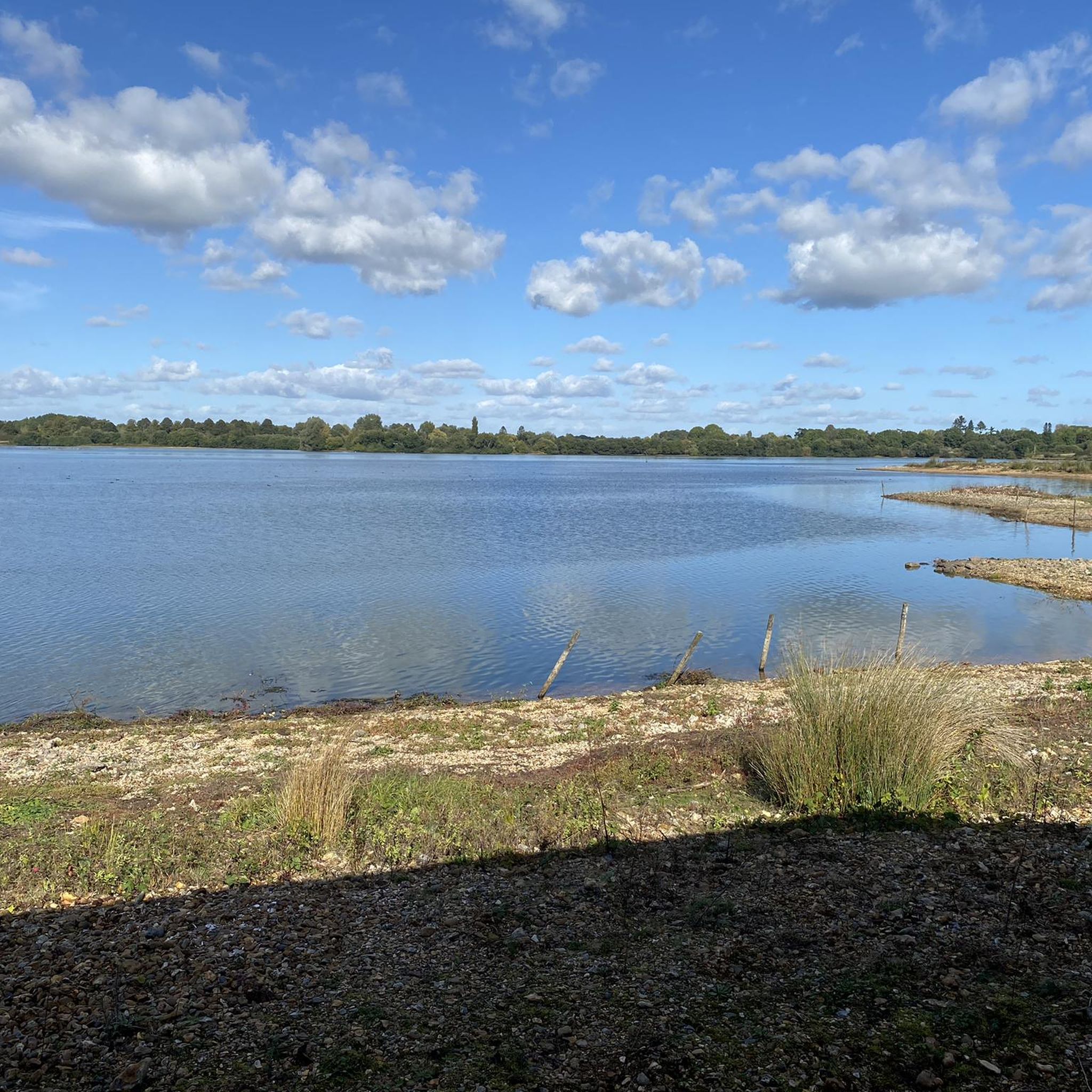
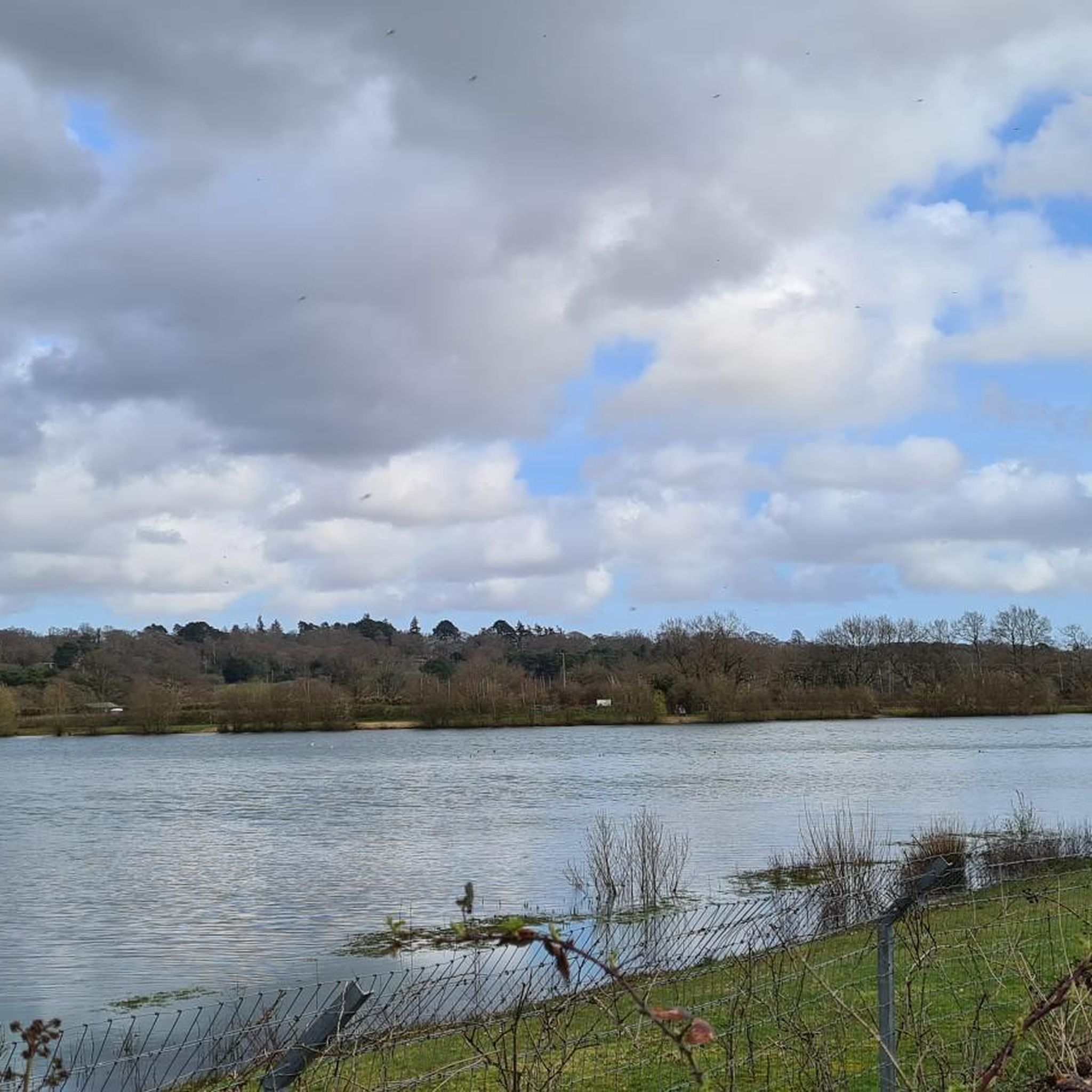
The River Allen is a key feature of the landscape, and many trails follow its path or cross its clear chalk stream waters. A walk on the grounds of the St Giles Estate often provides scenic views of the river as it feeds the seven-acre lake within the parkland.
Where can I find free parking for a walk?
Free parking is often available in the villages that serve as trailheads, such as Wimborne St. Giles itself or nearby Cranborne. For specific locations, the car park at Delph Woods is a well-regarded starting point for woodland walks, though it can be busy at peak times.
Can I get to the walking trails using public transport?
Accessing the trailheads directly by public transport can be challenging as the area is quite rural. Bus services may connect to larger nearby towns like Wimborne Minster, but reaching the smaller villages or specific trail starting points often requires a car or a taxi from a larger hub.
Are there any wheelchair-accessible trails near Wimborne St. Giles?
The countryside around Wimborne St. Giles largely consists of uneven footpaths, stiles, and natural terrain, making most routes unsuitable for wheelchairs. For a more accessible experience, the nearby Castleman Trailway offers a flatter, more established path that may be more appropriate.
What is the best time of year to hike around Wimborne St. Giles?
Hiking is enjoyable here year-round. Spring brings wildflowers to the meadows and woodlands. Summer offers long days to explore the rolling downland, though some paths can be exposed. Autumn provides beautiful colours in the ancient woods, while crisp winter days can offer clear, far-reaching views across Cranborne Chase.
Are there any long-distance footpaths that pass through the area?
Yes, the region is crossed by a couple of notable long-distance paths. Both the Jubilee Trail and the Hardy Way pass near Wimborne St. Giles, offering opportunities for more extensive hikes or for walking a specific section as part of a day out.
Most popular routes around Wimborne St. Giles
Most popular attractions around Wimborne St. Giles

Get inspired with the komoot mobile app


Explore more
Browse the best Hikes in other regions.
