Attractions and Places To See around Colehill - Top 20
Attractions and places to see around Colehill, a town in south-east Dorset, England, blend historical landmarks with natural beauty. The area features ancient sites, picturesque natural spaces, and cultural highlights. Visitors can explore Iron Age hillforts, historic churches, and disused railway lines converted into trails. The landscape offers opportunities for walking and cycling amidst its varied terrain.
Best attractions and places to see around Colehill
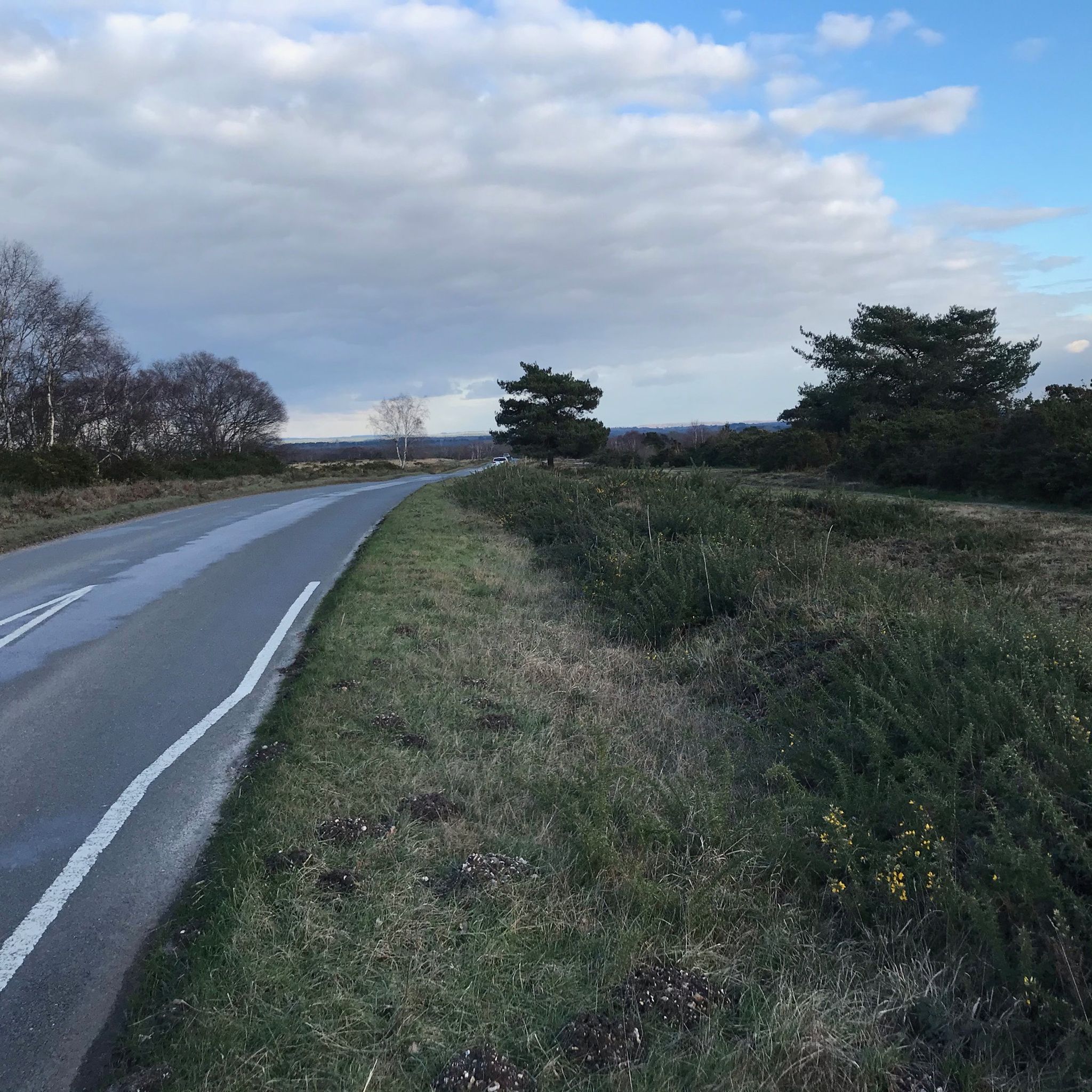
- The most popular attractions is Castleman Trailway — gravel route from Ringwood, a cycle_way…
Last updated: June 22, 2026
Castleman Trailway — gravel route from Ringwood
Highlight • Cycleway
Tip by

Wimborne Minster and Chained Library
Highlight • Religious Site
Tip by

Sign up now to discover places like this
Get recommendations on the best single tracks, peaks, & plenty of other exciting outdoor places.
Sign up for free
Moors Valley Forest Trails
Highlight • MTB Park
Tip by

Badbury Rings Iron Age hillfort
Highlight • Viewpoint
Tip by

White Mill Bridge
Highlight • Historical Site
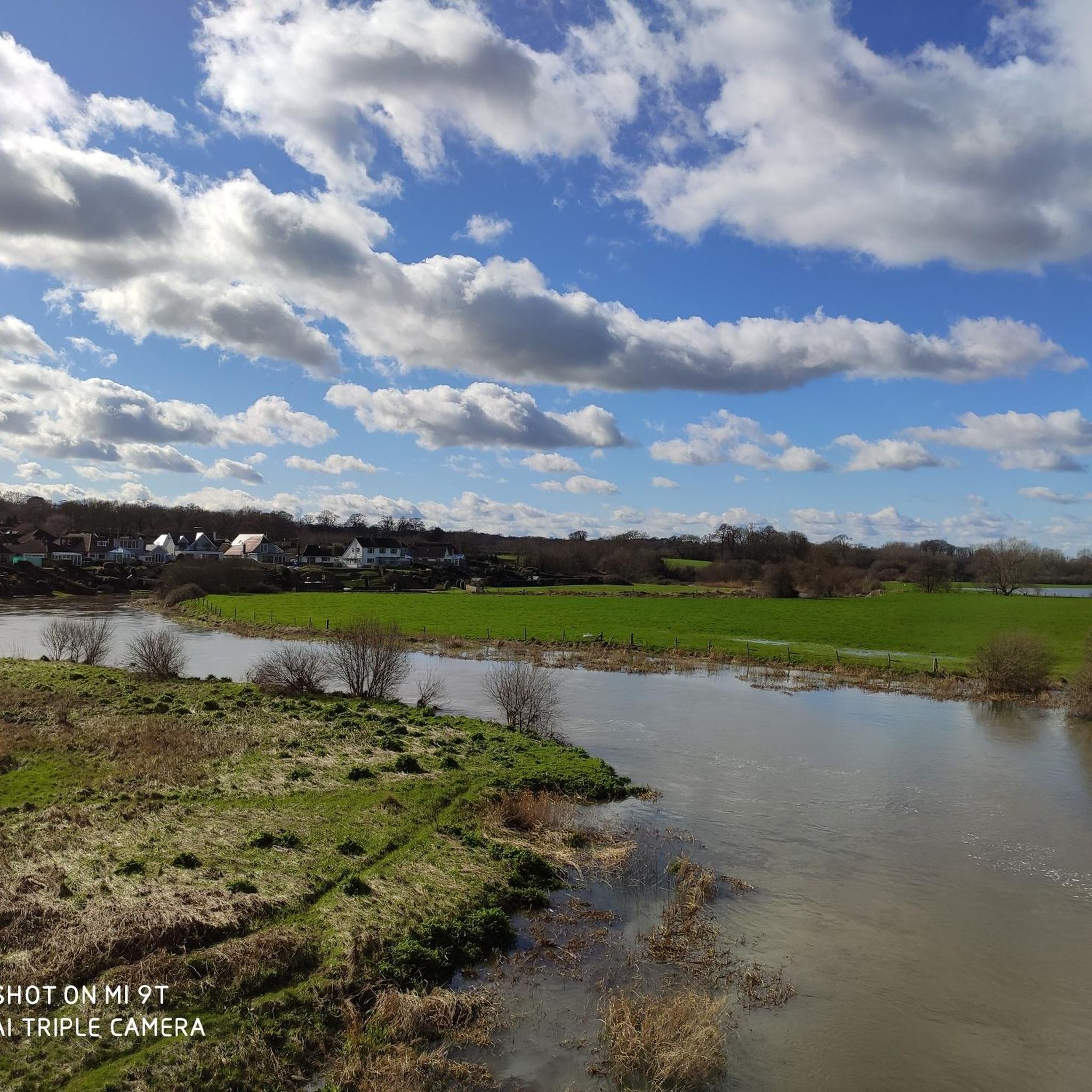
The bridge is a grade 1 listed 14th century stone bridge.
The National Trust managed White Bridge Mill is close …
Tip by

Sign up for free to discover even more attractions around Colehill.
Sign up for free
Already have an account?
Start today with a free account
Your next adventure awaits.
Login or Signup

Tips from the Community

Lovely place overall, but the visitor centre area can get very busy. We found the trails a bit tricky to locate at first—look out for the “dog wash area” and then the “bike hire” just after it; they’re good waypoints to find the trail access, which is to the right and slightly behind the visitor centre (when facing it from the car park). Also worth noting there’s free parking at Potterne Park, not far from the centre.
0
0


There are documentary references to the building of "A Bridge on the River Stour adjacent to the White Mill" in the year 1175. Although the bridge you'll see today is probably a sixteenth century structure (somewhat hacked around by the Victorians). It is known, from an investigation of the foundations a few years ago, that the bridge stands on timber pilings which have themselves been carbon dated to the twelfth century. This is alleged to be the oldest bridge site in Dorset. Note the bridge warning plate "Any person wilfully damaging any part of this County Bridge will be guilty of Felony and upon conviction liable to be Transported For Life by the court"
1
0
Badbury Rings is an Iron Age hill fort and Scheduled Monument in east Dorset, England. In the Roman era a temple was located immediately west of the fort, and there was a Romano-British town known as Vindocladia ( Known today as Shapwick ) a short distance to the south-west. It sits over 300 feet above sea level, and there are two main phases of construction; the first covered 18 acres and was defended by multiple ditches, while the second was more than twice the size, covering 41 acres and defended by a single ditch and rampart. These ramparts make for great walking, but imagine the terror of trying to scale one whilst under attack from the occupants. Once you'd scaled one, there were more waiting for you. No wonder it was the last fort to be sacked by the Romans. Wonder just how many soldiers died trying to take it. Until 1983 Badbury Rings was privately owned as part of the Kingston Lacy estate, and the owners discouraged investigation of the site.[2] The site now belongs to the National Trust.[2] A survey of the hillfort by the RCHME was begun in 1993. The summit area was cleared of undergrowth by the National Trust in 1997 and the conifer plantation was thinned out. A survey in 1998, which recorded 28 potential hut sites within the ramparts, although some depressions are probably caused by uprooted trees. The first excavations, led by Martin Papworth, took place in 2004, when three evaluation trenches were dug. Almost all of the pottery found was dated to the Late Iron Age. The current evidence does not suggest that the hillfort was a principal settlement in the Early Iron Age. It seems likely that the hillfort became depopulated towards the end of the Late Iron Age, perhaps as the Vindocladia settlement near Shapwick developed.
1
0
Wimborne Minster is the parish church of Wimborne, Dorset, England. The minster has existed for over 1300 years and is recognised for its unusual chained library (one of only a few surviving chained libraries in the world). The minster is a former monastery and Benedictine nunnery, and King Æthelred of Wessex is buried there. The Chained library is located upstairs, up a very windy stone staircase. No lifts to it. Until it was confiscated during Henry VIII's reign, the old Treasury held the wealth of the minster and numerous artefacts such as (reputed to be) a piece of the true cross, wood from the Manger and cloth from the Shroud. Since 1686 it has housed an important chained library. The chained library was one of the first public libraries in the UK, and it remains the second-largest. Some of the collections of the library include a manuscript written on lambskin in 1343, a book bound for the Court of Henry VIII, an incunabulum printed in 1495 on the works of Saint Anselm, and a Paraphrase of Erasmus printed in 1522 with a title page designed by Holbein. The library is run by volunteers and remains open to the public on week days 10.30-12.30 & 2-4 (closed in winter season). The Bells Since 1911 the west tower at the minster has been home to a ring of ten bells. The original tenor bell was housed in the central tower and was cast in 1385. The central tower was considered too structurally weak to add much more additional weight, so in 1464 the west tower was constructed in order to house five bells. In 1629 the tenor bell was recast. Besides the tenor, the minster at this time was home to the 'Bell of St. Cuthburga', 'The Fyfer Bell', 'The Jesus Bell' and 'The Morrow Mass Bell'; presumably all housed in the west tower. In 2012, the bells were augmented to 12 by Whitechapel Bell Foundry, with an additional semitone bell cast to make a total of 13 bells. Tombs The most important tomb in the church is that of King Ethelred, the brother of Alfred the Great. Ethelred was mortally wounded in a battle at Martin, near Cranborne. The exact location of the tomb however is unknown, though sources and legend indicate that it resides somewhere near the altar.
0
0
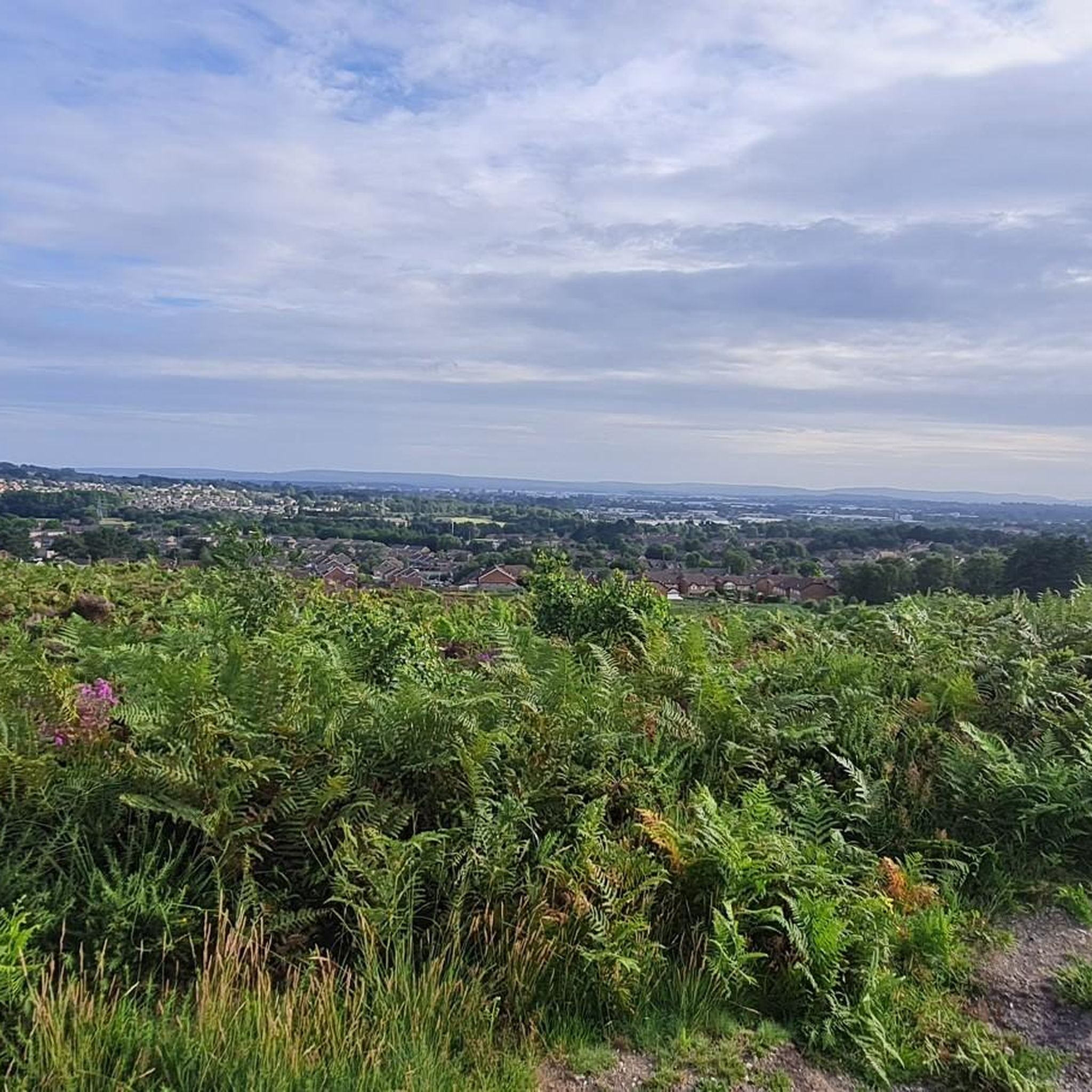
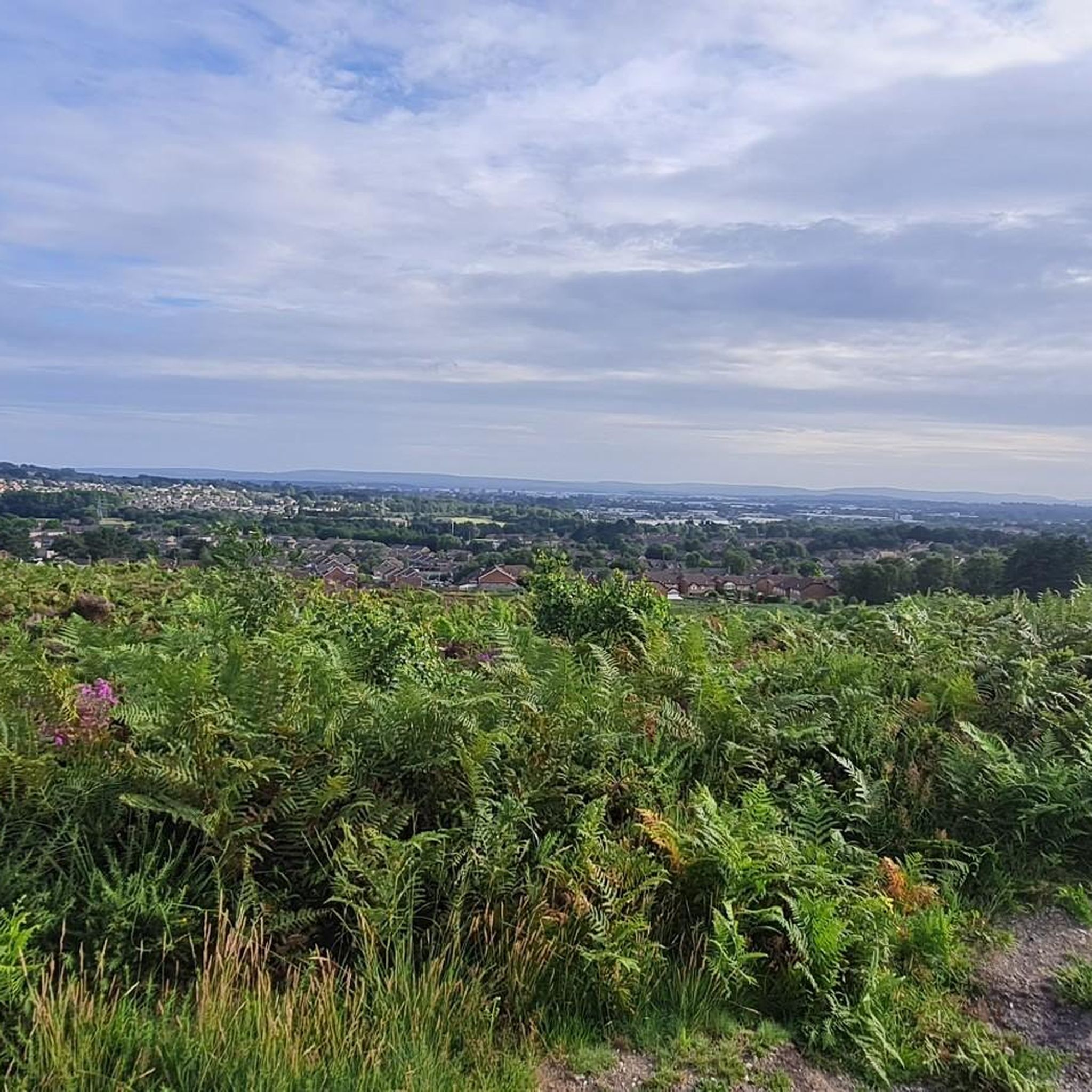
Lovely open country side with easy terrain
0
0

Bradbury Rings is an Iron Age hill fort. The Romans built a temple here and there was a Romano-British town known as Vindocladia nearby. Today, you can run the earthworks and around the edge, it's fun and fascinating. The National Trust own and manage the site but it's open access to all.
0
0

Frequently Asked Questions
What historical sites can I explore near Colehill?
Colehill and its surroundings are rich in history. You can visit the ancient Iron Age hillfort of Badbury Rings, which also has Roman connections. Nearby, Wimborne Minster and Chained Library offers over 1300 years of history, including the tomb of King Æthelred of Wessex and a rare chained library. Don't miss the Grade I listed 14th-century White Mill Bridge and the adjacent 18th-century corn mill.
Are there natural spaces or nature reserves to visit in Colehill?
Yes, Colehill offers several natural retreats. Leigh Common is a designated Local Nature Reserve, perfect for experiencing local wildlife and flora. You can also enjoy the green space of Triangle Woods near the village center, or explore Cannon Hill, a Forestry England plantation popular for walking and mountain biking.
What outdoor activities are available around Colehill?
The area is excellent for outdoor activities. The Castleman Trailway is a popular choice for cycling and walking, following a disused railway line for about 15 miles. For more specific routes, you can find various cycling tours in the Cycling around Colehill guide, or explore running trails in the Running Trails around Colehill guide.
Are there family-friendly attractions in Colehill?
Absolutely. The Castleman Trailway is an easy, flat route suitable for families to cycle or walk. Badbury Rings Iron Age hillfort offers an engaging outdoor experience for all ages with its impressive earthworks. Additionally, Oliver's Park provides open recreation space for leisure activities.
Where can I find good walking trails near Colehill?
For walking, the Castleman Trailway is an easy and sheltered option. You can also enjoy walks through Leigh Common and Cannon Hill. For more detailed routes, check out the Running Trails around Colehill guide, which includes routes suitable for walking, such as the 'Leigh Common loop from Colehill'.
Are there any hidden historical gems or lesser-known sites in the area?
Beyond the main attractions, Colehill holds some fascinating lesser-known historical sites. You can discover the Six Round Barrows, ancient burial mounds dating back to 2000 BC, which offer a glimpse into the area's prehistoric past. Also, St Michael and All Angels Church, designed by Caröe in 1893, is a beautiful example of Arts and Crafts style architecture.
What are the best viewpoints around Colehill?
For panoramic views, head to Badbury Rings Iron Age hillfort. Situated over 300 feet above sea level, it offers wonderful vistas of the surrounding landscape. The White Mill Bridge also provides nice views over the River Stour.
Is Colehill suitable for dog walking?
Yes, Colehill is very dog-friendly. Areas like Leigh Common and Cannon Hill are popular for dog walks. The Castleman Trailway is also a great option for longer walks with your dog, offering a flat and sheltered path.
What is the best time of year to visit Colehill attractions?
The best time to visit Colehill attractions generally depends on your preferred activities. Spring and summer offer pleasant weather for walking and cycling the Castleman Trailway and exploring natural reserves like Leigh Common. Autumn provides beautiful foliage, while historical sites like Wimborne Minster are accessible year-round, though some attractions like White Mill may have seasonal opening hours.
Are there any attractions accessible by public transport near Colehill?
While specific public transport details for each attraction are not readily available, Colehill itself is a civil parish in south-east Dorset. Many key attractions like Wimborne Minster are located in nearby Wimborne, which is generally well-served by local bus routes. For the Castleman Trailway, various access points exist along its 15-mile stretch between Ringwood and Poole, which are often reachable by public transport.
What kind of architecture can I see in Colehill?
Colehill features a blend of architectural styles. St Michael and All Angels Church, designed by Caröe in 1893, is a notable example of Arts and Crafts architecture, constructed with half brick and half timber. The nearby Wimborne Minster showcases centuries of ecclesiastical architecture, reflecting its 1300-year history.
Most popular routes around Colehill
Most popular attractions around Colehill

Get inspired with the komoot mobile app


Explore more
Still not found the Highlight you’re looking for? See guides of the top attractions in other regions:
