Attractions and Places To See around Sellack - Top 20
Best attractions and places to see around Sellack include historical landmarks, natural features, and cultural sites within Herefordshire. The area is characterized by its location along the scenic River Wye, offering a variety of outdoor activities. Visitors can explore a range of points of interest, from ancient bridges to unique churches and natural caves. This region provides opportunities to discover over 20 distinct places.
Best attractions and places to see around Sellack
- The most popular attractions is King Arthur's Cave, a cave that features a double interconnected entrance and two main chambers. Protected as a nature reserve, archaeological evidence suggests human occupation during the Upper Palaeolithic era.
- Another must-see spot is Ross-on-Wye Market House, a settlement known for its charming market town setting by the River Wye. It features independent stores and 19th-century architecture.
- Visitors also love St Margaret's Church, Welsh Bicknor, a historical site situated on the bank of the River Wye. This exquisitely beautiful building was rebuilt in 1858 and features stained glass and carved oak.
- Sellack is known for its historical sites, natural caves, and river viewpoints. The area offers a variety of attractions to see and explore, catering to different interests.
- The attractions around Sellack are appreciated by the komoot community, with 94 upvotes and 24 photos shared by visitors.
Last updated: July 2, 2026
King Arthur's Cave
Highlight • Cave
Tip by

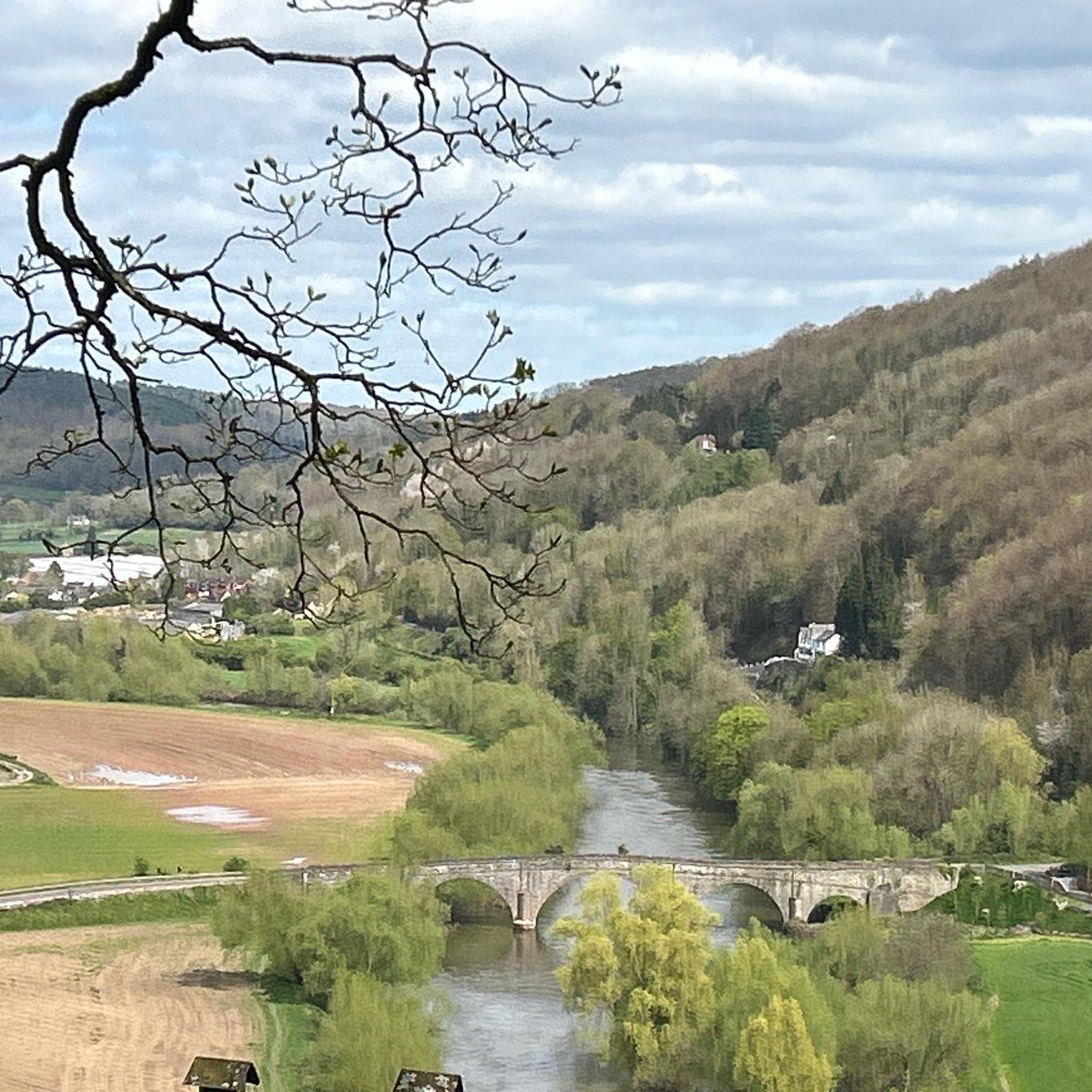
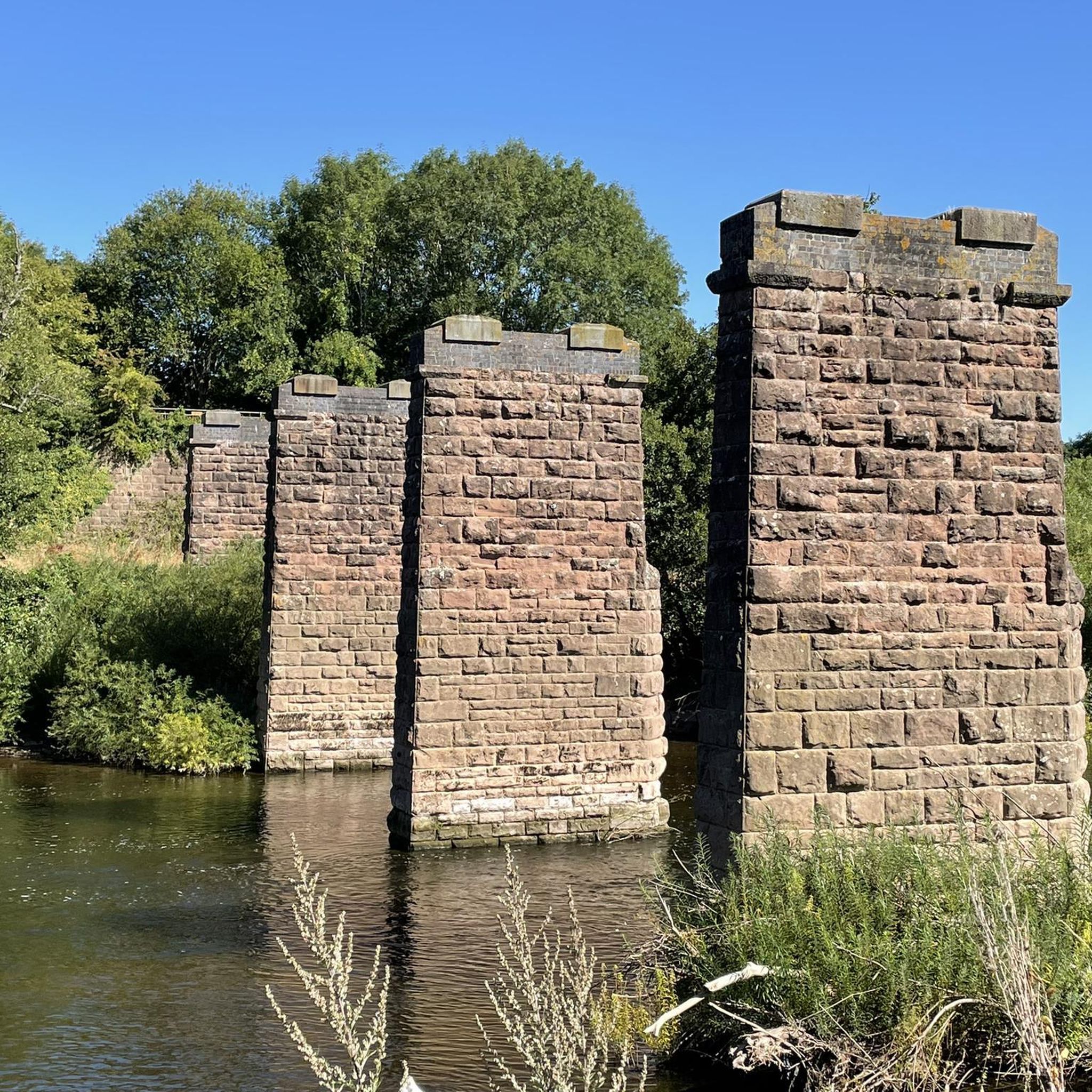
Kerne Bridge over the River Wye
Highlight • Viewpoint
Tip by

Sign up now to discover places like this
Get recommendations on the best single tracks, peaks, & plenty of other exciting outdoor places.
Sign up for free
Ross-on-Wye Market House
Highlight • Settlement
Originating from the first travel guidebook by William Gilpin in 1782, it inspired picturesque tourism.
It has independent stores, 19th-century mock-Gothic walls, a Gazebo Tower folly, and colourful homes cascading down the hillside to the river.
Tip by

St Margaret's Church, Welsh Bicknor
Highlight • Historical Site
The entry for Welsh Bicknor in Littlebury's Directory of Herefordshire, 1876-7 tells us that St Margaret's Church is "a small but exquisitely beautiful building, situated on the bank of the river Wye. It occupies the site of the former edifice, and was erected in 1858 from the designs of Mr. Thomas H. Rushforth, of Regent street, London, at a cost of £2,680, the whole of which was defrayed by the late rector and Stephen Allaway, Esq." It consists of nave (in the Norman style), chancel with vestry attached, south aisle, western porch, and tower (in the Early English style). The interior is adorned with beautiful stained glass by Clayton & Bell, of London, while the pulpit, reading desk, font, &c., are splendid specimens of carving in Caen stone, inlaid with different-coloured marbles and alabaster. The organ was built by Gray & Davison, of London, and is a fine-toned instrument. The altar table and chancel stalls are of carved oak. There are 96 sittings in the body of the church, all free. The only ancient monument is an effigy, supposed to be that of the Countess of Salisbury, nurse to Henry V. It occupies a niche in the east wall of the aisle.
Source: Littlebury's Directory of Herefordshire
Tip by

Sellack Suspension Bridge
Highlight • Historical Site
Before the bridge was built, a ferry would take residents from bank to bank. However, it has been said that the boatmen could often be cantankerous and refuse passage. This caused one vicar to defiantly cross the Wye on stilts, or so the story goes...
Tip by

Sign up for free to discover even more attractions around Sellack.
Sign up for free
Already have an account?
Start today with a free account
Your next adventure awaits.
Login or Signup

Tips from the Community

Fabulous and iconic Sandstone building, centrepiece of Ross on Wye.
0
0
According to Harper Bridges - This bridge was commissioned by the congregations of the churches of Sellack Boat and King’s Caple and built in 1895. The towers are of tubular cast iron, with nameplate transoms embossed “Louis Harper AIMCE, Maker, Aberdeen”. The original cables to common anchorages are still in place, as are their hangers. However, at some stage (nobody seems to know when or why) further short cables were clamped to the original, presumably to support areas of wear and avoid cable replacement. This has led to crowding at the saddles. However, the bridge is still used and the local churches continue to hold their ‘Bridge Thanksgiving’ ceremony each year. This area is noted for its flooding but so far the bridge has held since the arched deck remains above the flow, although the approaches are inundated. It lacks the original longitudinal deck boarding but the original camber is well maintained. This bridge is the best illustration of the method of attachment of hangars to main cable employed by John and Louis Harper
0
0

Great stopping point and a hub for rides in all directions. Plenty of coffee shops
0
0
Great viewpoint gor the river Wye and Goodrich castle.
0
0

Nestled by the River Wye, Ross-on-Wye is a charming market town. Originating from the first travel guidebook by William Gilpin in 1782, it inspired picturesque tourism. It has independent stores, 19th-century mock-Gothic walls, a Gazebo Tower folly, and colourful homes cascading down the hillside to the river.
1
0

Perched above the River Wye, Ross is a pretty market town that played a significant role in nature tourism's history. In 1770, William Gilpin started organising boat trips down the Wye. Some believe that this was the very origin of the Picturesque Movement, leading people to appreciate the natural world and its beauty. Ross has a lot to offer the hiker. Gateway to the Wye Valley and the Forest of Dean, it is also within easy driving distance of the Brecon Beacons, the Cotswolds and the Malverns.
0
0

Quite a local landmark hereabouts, especially if you are on the river. An ancient crossing point that has been about in one way or another since roman times. An important bridge connection on the Wye that at one stage was tolled. Failure to pay the toll made you liable to a £5 fine. Some things have never changed!
0
0

This Place of Worship was founded before 1800. The entry for Welsh Bicknor in Littlebury's Directory of Herefordshire, 1876-7 tells us that St Margaret's Church is "a small but exquisitely beautiful building, situated on the bank of the river Wye. It occupies the site of the former edifice, and was erected in 1858 from the designs of Mr. Thomas H. Rushforth, of Regent street, London, at a cost of £2,680, the whole of which was defrayed by the late rector and Stephen Allaway, Esq." It consists of nave (in the Norman style), chancel with vestry attached, south aisle, western porch, and tower (in the Early English style). The interior is adorned with beautiful stained glass by Clayton & Bell, of London, while the pulpit, reading desk, font, &c., are splendid specimens of carving in Caen stone, inlaid with different-coloured marbles and alabaster. The organ was built by Gray & Davison, of London, and is a fine-toned instrument. The altar table and chancel stalls are of carved oak. There are 96 sittings in the body of the church, all free. The only ancient monument is an effigy, supposed to be that of the Countess of Salisbury, nurse to Henry V. It occupies a niche in the east wall of the aisle. Source: Littlebury's Directory of Herefordshire
0
0
Frequently Asked Questions
What natural features can I explore around Sellack?
The area around Sellack is rich in natural beauty, primarily centered around the scenic River Wye. You can explore the unique King Arthur's Cave, a limestone cavern near Symonds Yat known for its archaeological significance and as a nature reserve. The broader Wye Valley offers stunning views, including dramatic perspectives of the river's meanders from viewpoints like Symonds Yat Rock.
What historical and cultural sites are there to visit near Sellack?
Sellack and its surroundings boast several historical and cultural sites. The impressive Sellack Suspension Bridge, built in 1895, connects the parishes of Sellack and Kings Caple. You can also visit St Tysilio's Church in Sellack, a 12th-century Grade I listed church unique for being the only one in England dedicated to the Welsh Saint Tysilio. Further afield, the ancient Kerne Bridge over the River Wye has Roman-era origins, and the charming Ross-on-Wye Market House is a central feature of the nearby market town. Don't miss St Margaret's Church, Welsh Bicknor, an exquisitely beautiful building on the bank of the River Wye, rebuilt in 1858.
Are there family-friendly attractions around Sellack?
Yes, several attractions around Sellack are suitable for families. The Sellack Suspension Bridge offers an interesting historical walk, and the nearby Kerne Bridge over the River Wye is also considered family-friendly. Exploring the market town of Ross-on-Wye Market House provides a pleasant outing with independent stores and picturesque views. While King Arthur's Cave is fascinating, be aware that the incline to reach it can be steep.
What outdoor activities can I do near these attractions?
The area around Sellack is perfect for outdoor enthusiasts, especially with the River Wye nearby. You can enjoy various cycling and hiking routes. For road cycling, explore routes like the "St Mary's Priory Church – Ross-on-Wye Market House loop from Foy" or longer rides towards Goodrich Castle. Gravel biking options include challenging routes through the Forest of Dean. For hiking, there are easy trails such as the "Sellack & Hoarwithy loop from Kynaston Turn" or walks along the River Wye from Ross-on-Wye. Find more details on these activities in the dedicated guides for Road Cycling Routes around Sellack, Gravel biking around Sellack, and Easy hikes around Sellack.
Are there easy hiking trails around Sellack?
Yes, there are several easy hiking trails suitable for a relaxed outing. Popular options include the "Sellack & Hoarwithy loop from Kynaston Turn" which is about 7 km, or the "Ross-on-Wye Market House – Wilton Bridge loop from Ross-on-Wye" at around 4 km. You can also find easy walks like the "River Wye and Mansell's Ferry loop from Brockhampton" (6.2 km) or the "View of the River Wye – River Wye Riverside Walk loop from Ross-on-Wye" (3 km). For more easy hiking options, refer to the Easy hikes around Sellack guide.
What is special about St Tysilio's Church in Sellack?
St Tysilio's Church in Sellack is a 12th-century, Grade I listed church uniquely set in an idyllic location near the River Wye. It holds the distinction of being the only church in England dedicated to the Welsh Saint Tysilio. The church features a distinctive layout, 15th-century glass in its east window, and a Jacobean pulpit and musician's gallery. It's also known for a rare 15th-century ceremony of distributing "pax cakes" after the Palm Sunday service. You can find more information about this historic church on the Visit Herefordshire website.
What can I expect when visiting Ross-on-Wye Market House?
The Ross-on-Wye Market House is a prominent sandstone building in the charming market town of Ross-on-Wye, nestled by the River Wye. It's known for its independent stores and picturesque setting. Visitors often enjoy the historic atmosphere, the 19th-century architecture, and the array of cafes, pubs, and shops available in the town.
What do visitors enjoy most about the attractions around Sellack?
Visitors particularly appreciate the blend of historical sites, natural beauty, and the opportunities for outdoor activities. The unique features of places like King Arthur's Cave and the charm of Ross-on-Wye Market House are frequently highlighted. The scenic views along the River Wye and the historical significance of structures like Sellack Suspension Bridge also receive positive feedback, with many enjoying the peaceful and picturesque environment.
Are there any notable bridges in the Sellack area?
Yes, two notable bridges stand out. The Sellack Suspension Bridge, built in 1895, is an impressive footbridge connecting the parish churches of Sellack and Kings Caple across the River Wye. Further along the river, the Kerne Bridge over the River Wye is an ancient crossing point with history dating back to Roman times, making it a significant local landmark, especially for those exploring the river.
Can I find wildlife or nature reserves near Sellack?
Yes, King Arthur's Cave is protected as a nature reserve under the Herefordshire Nature Trust. This wooded area and its network of small caves are home to a rich variety of flora and fauna, including horseshoe bats and rare invertebrates like the cave spider and hibernating herald moths. The broader Wye Valley also offers opportunities to observe local wildlife in its natural habitat.
What is the significance of the River Wye in the Sellack area?
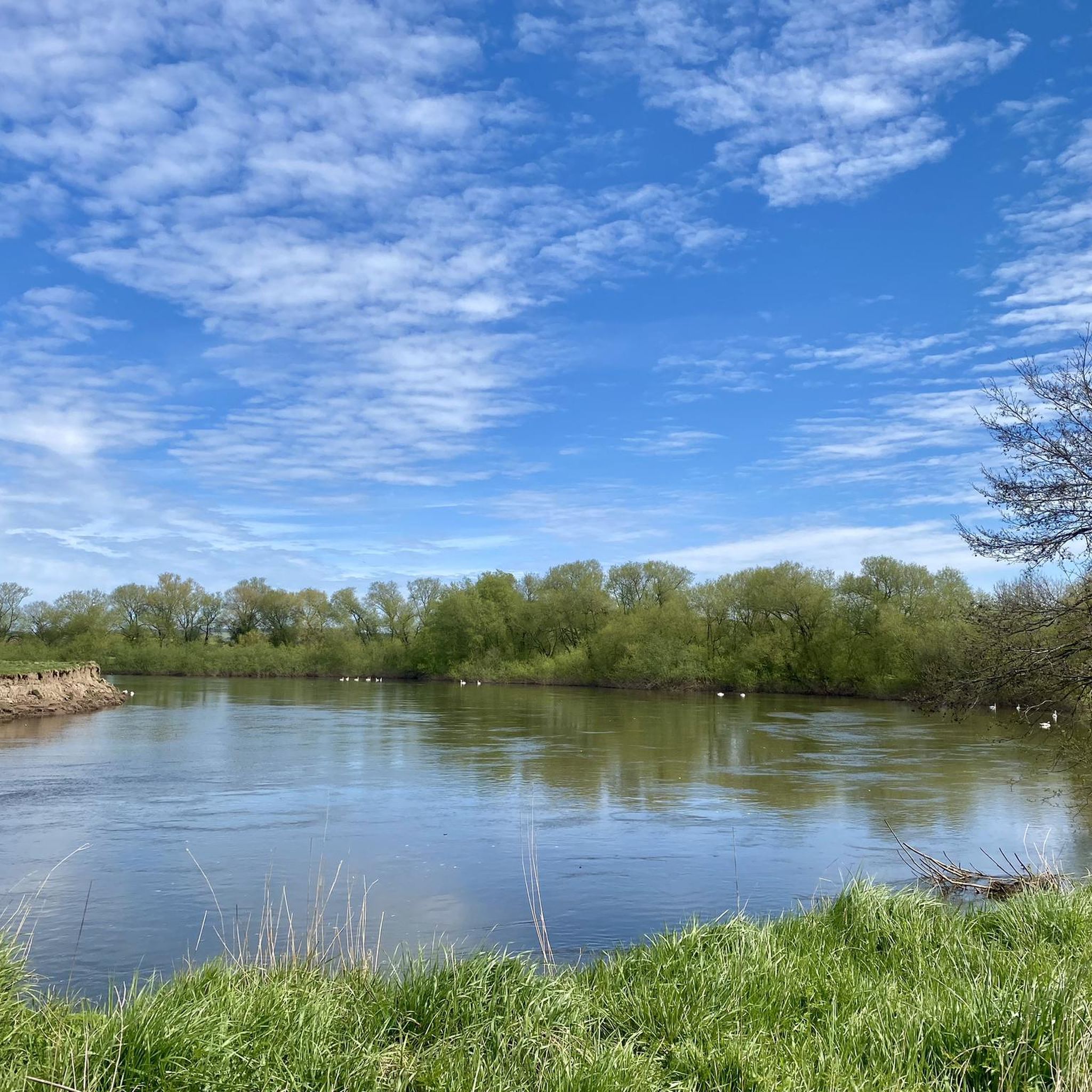
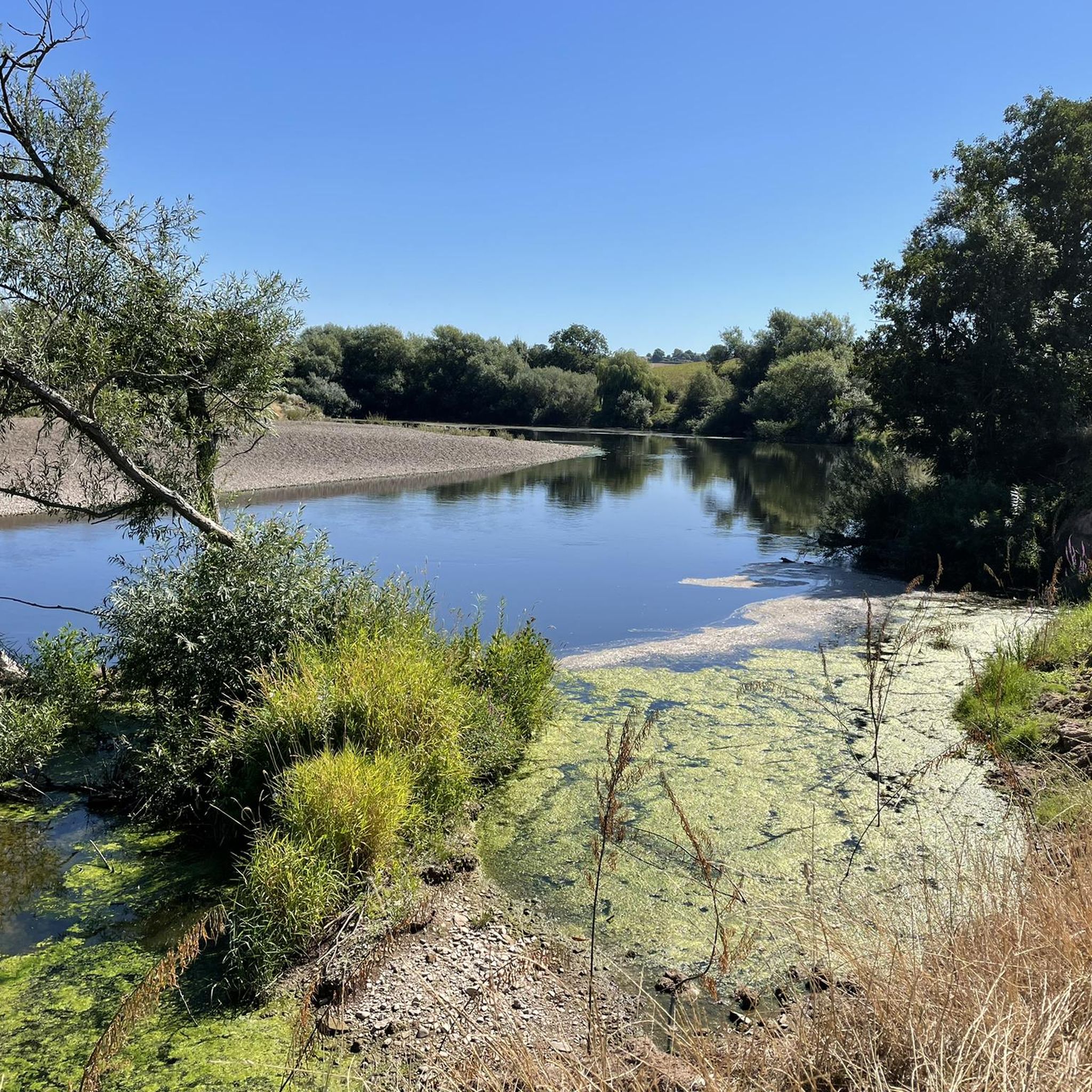
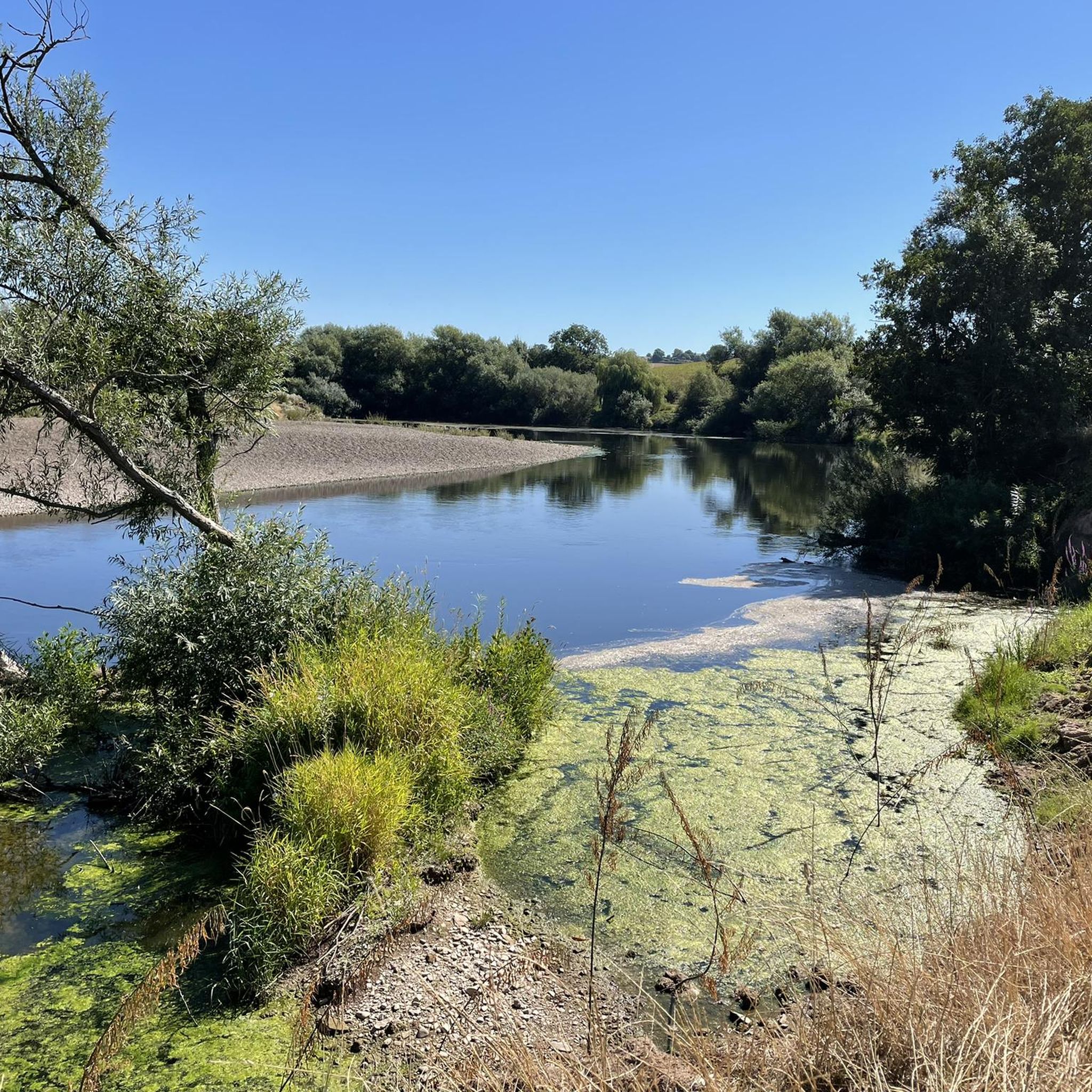
The River Wye is a central and significant natural feature in the Sellack area. Many of the region's attractions, including churches, bridges, and viewpoints, are nestled along its banks. The river itself is popular for outdoor activities such as hiking and cycling, with parts of the Herefordshire trail following its course. It provides a scenic backdrop for exploration and is integral to the area's landscape and history.
Most popular attractions around Sellack

Get inspired with the komoot mobile app


Explore more
Still not found the Highlight you’re looking for? See guides of the top attractions in other regions:
