The best running trails around Sellack
4.0
(15)
1,367
runners
146
runs
Jogging routes around Sellack traverse a landscape defined by the meandering River Wye, rolling countryside, and tranquil riverside meadows. The area offers a network of footpaths and bridleways through gentle hills and established woodlands. These routes often lead through fields and along country lanes, providing varied terrain for runners. The region's red sandstone country adds a distinct geological character to some of the running paths.
Best jogging routes around Sellack
- The most popular jogging route is Backney Bridge Ruins –…
Last updated: May 5, 2026
5.0
(1)
33
runners
8.07km
00:54
70m
70m
Moderate run. Good fitness required. Mostly paved surfaces. Suitable for all skill levels.
12
runners
Moderate run. Good fitness required. Mostly paved surfaces. Suitable for all skill levels.

Sign up for free
9
runners
14.7km
01:33
160m
170m
Moderate run. Good fitness required. Mostly paved surfaces. Suitable for all skill levels.
5
runners
14.9km
01:34
150m
150m
Moderate run. Good fitness required. Mostly paved surfaces. Suitable for all skill levels.
7
runners
8.24km
00:52
80m
80m
Moderate run. Good fitness required. Mostly paved surfaces. Suitable for all skill levels.
Get access to more routes and recommendations from other explorers.
Sign up for free
Already have an account?
Our route recommendations are based on thousands of hikes, rides, and runs completed by other people on komoot.
Start today with a free account
Your next adventure awaits.
Login or Signup

Tips from the Community

Fabulous and iconic Sandstone building, centrepiece of Ross on Wye.
0
0
According to Harper Bridges - This bridge was commissioned by the congregations of the churches of Sellack Boat and King’s Caple and built in 1895. The towers are of tubular cast iron, with nameplate transoms embossed “Louis Harper AIMCE, Maker, Aberdeen”. The original cables to common anchorages are still in place, as are their hangers. However, at some stage (nobody seems to know when or why) further short cables were clamped to the original, presumably to support areas of wear and avoid cable replacement. This has led to crowding at the saddles. However, the bridge is still used and the local churches continue to hold their ‘Bridge Thanksgiving’ ceremony each year. This area is noted for its flooding but so far the bridge has held since the arched deck remains above the flow, although the approaches are inundated. It lacks the original longitudinal deck boarding but the original camber is well maintained. This bridge is the best illustration of the method of attachment of hangars to main cable employed by John and Louis Harper
0
0
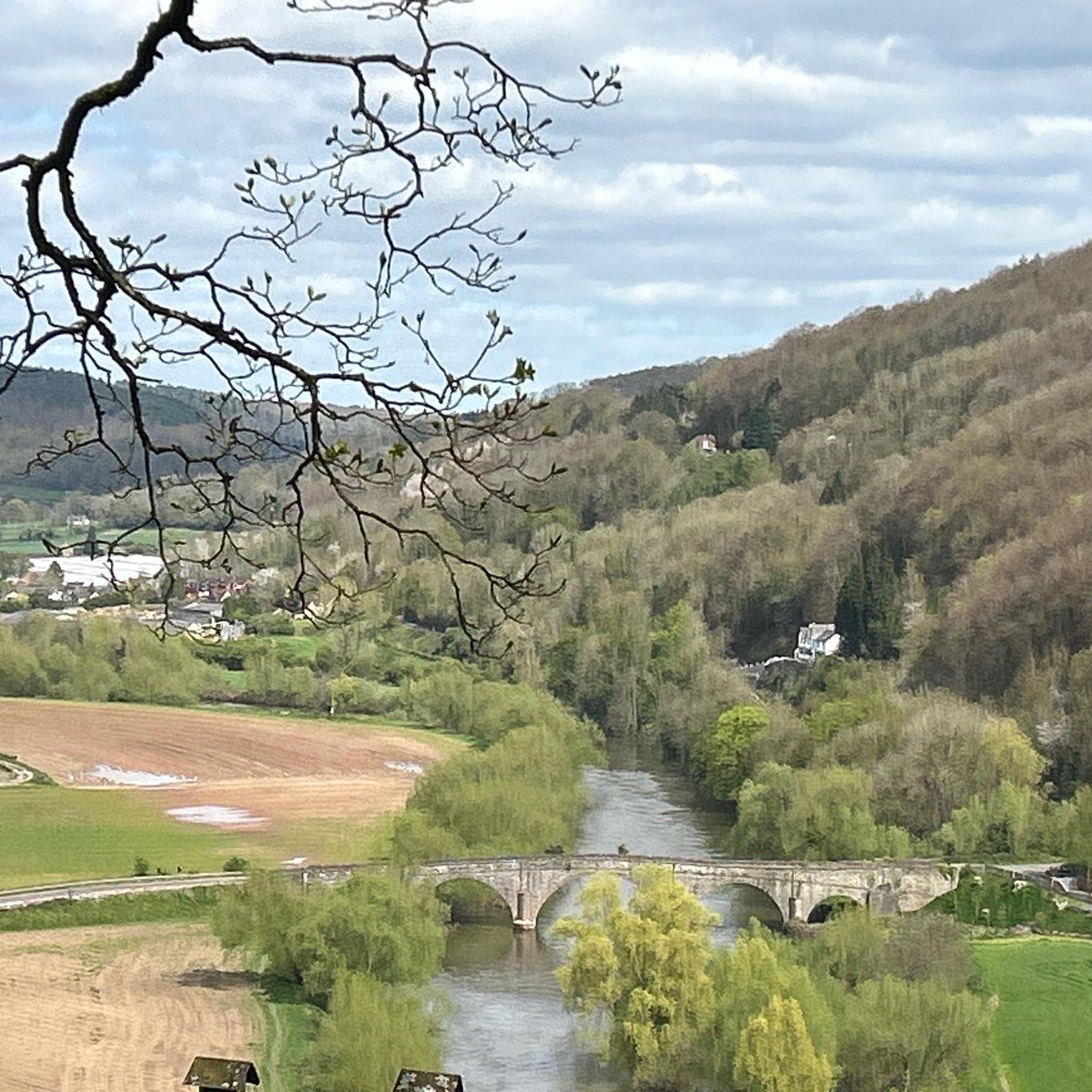
In the words of the National Tranport Trust - Wilton Bridge is an exceptionally fine red sandstone bridge. In 1597 an Act was passed authorising its construction. It was completed within the next 2 years. There are five semi- circular arches each with 3 ribs and massive cutwaters on each side, carried up and splayed back from the outer angle at parapet level forming semi-hexagonal refuges. At the point where the splay dies out is a moulded string which is mitred and carried up to the angle against the spandrils of the arches and then mitred and carried across to form a label above the arches. The voussoirs of the arches are chamfered and joggled and have various masons' marks. On the upstream side the bridge has been widened but now the parapet has been replaced by a wooden handrail. The South East approach to the bridge has been rebuilt in ashlar with 2 flights of stone steps to the river bank. The sundial, formerly in one of the refuges has disappeared, and only the base of the pedestal remains. All in all it is a fine bridge, and has done well to weather the floods that happen most winters - as evidenced by the erosion of even the top stones on the arches.
0
0
A lovely little town built on hilly ground so the streets go up and down, with the Market Hall on stilts in a prominant location.
0
0


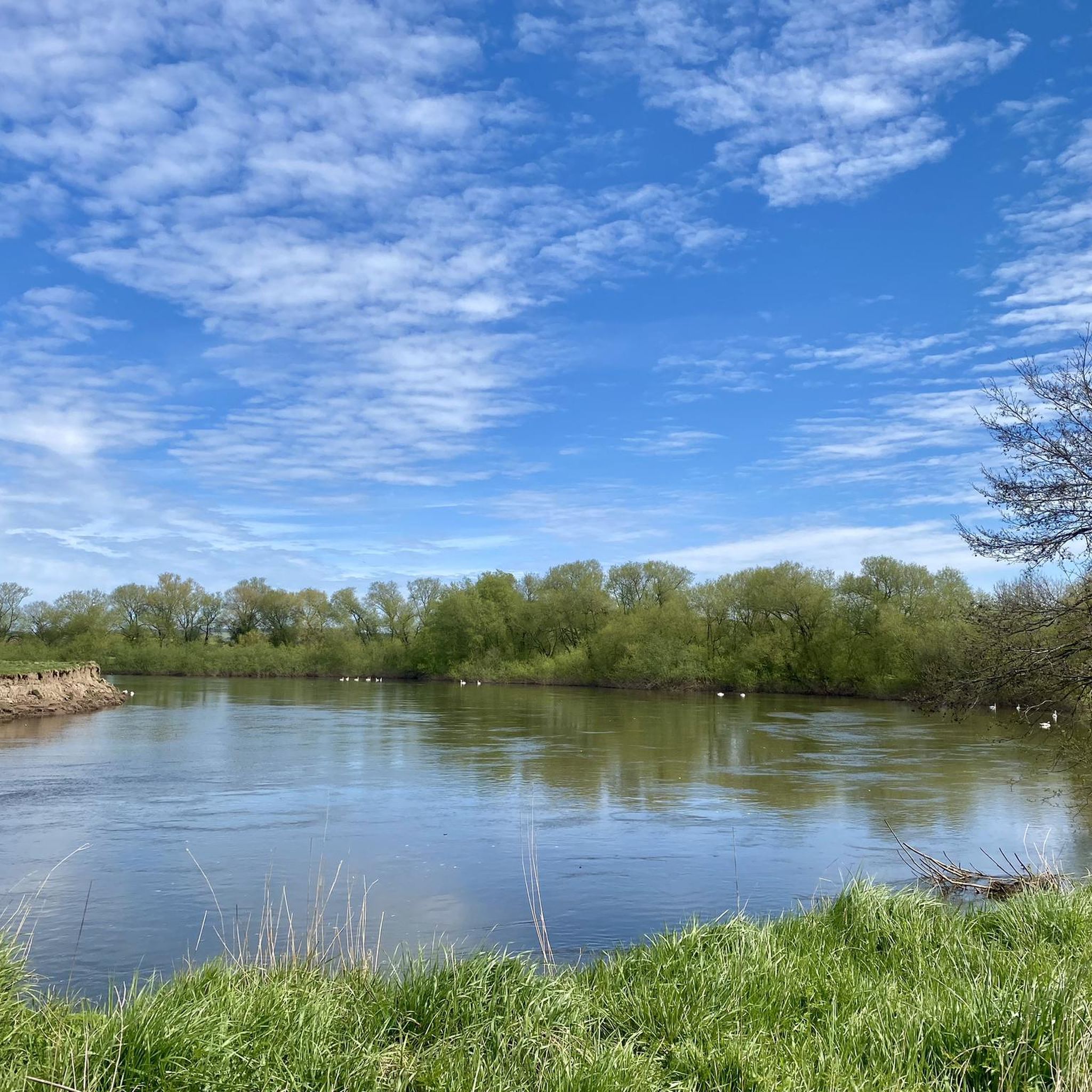
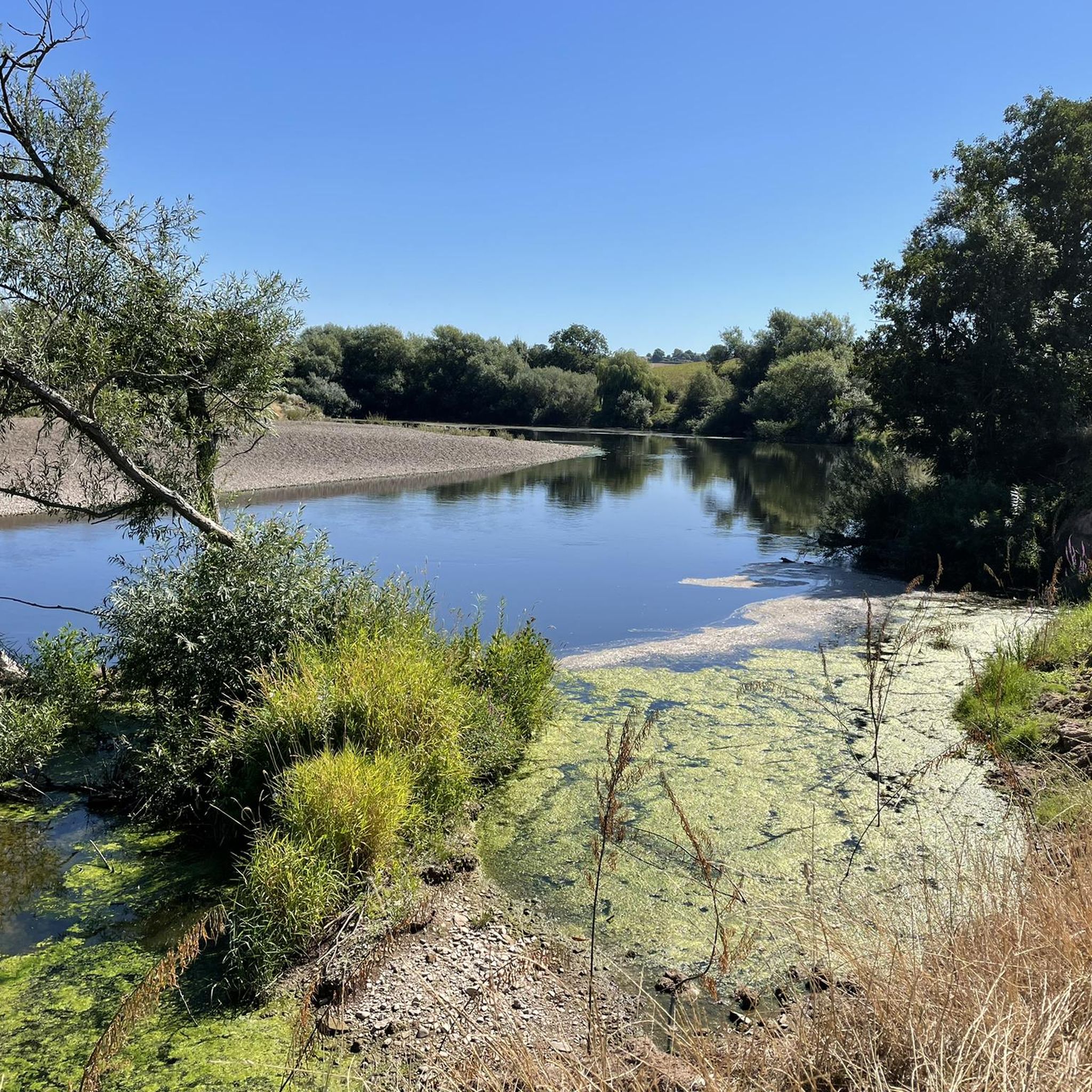
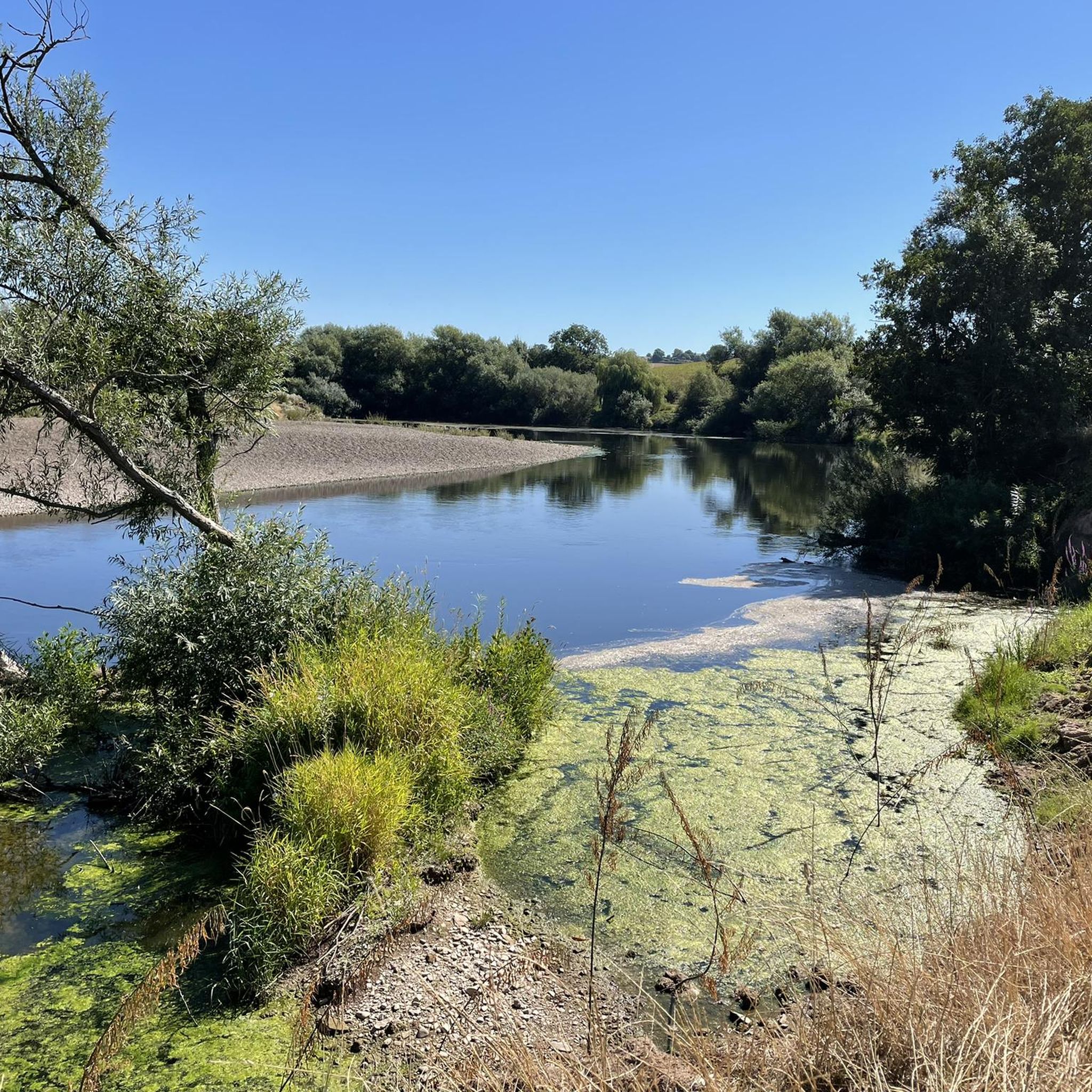
Hole-in-the-Wall is a settlement on the banks of the River Wye close to Foy and Ross-on-Wye. It's a wonderfully peaceful place to sit and watch the river.
0
0

Great stopping point and a hub for rides in all directions. Plenty of coffee shops
0
0

Located on Wilton Road just outside Ross-on-Wye, Wilton Bridge, constructed between 1597 and 1599, is crafted from red sandstone. It replaced a previous wooden bridge that had taken the place of the original ford in the Wye.
1
0
Frequently Asked Questions
How many running routes are available around Sellack?
There are over 140 running routes around Sellack, offering a wide variety of options for different preferences and fitness levels. The komoot community has explored these trails over 1,300 times.
Are there easy running trails suitable for beginners in Sellack?
Yes, Sellack offers 17 easy running trails. These routes are generally flatter and shorter, perfect for beginners or those looking for a relaxed jog through the scenic countryside and along the River Wye.
What kind of terrain can I expect on jogging routes near Sellack?
Jogging routes around Sellack feature varied terrain, from tranquil riverside paths along the River Wye to paths through rolling countryside and established woodlands. You'll encounter gentle hills, country lanes, and fields, with some areas characterized by rich red sandstone.
Are there any circular running routes in the Sellack area?
Yes, many of the routes around Sellack are circular. For example, the Backney Bridge Ruins – Bridge Down loop from Ross-on-Wye is a popular circular option, as is the View of the River Wye – St Mary's Priory Church loop from Ross-on-Wye. The region's network of footpaths makes circular routes common.
What are some notable landmarks or attractions I might see while running in Sellack?
While running in Sellack, you can encounter several interesting landmarks. The historic Sellack Suspension Bridge is a prominent feature along the River Wye. You might also pass by the Elizabethan mansion Caradoc Court, or see historic churches like St. Tysilio's, the only church in England dedicated to this Welsh saint. Further afield, you could spot Ross-on-Wye Market House.
Are the running trails around Sellack suitable for families?
Many routes around Sellack are suitable for families, especially the easier, flatter sections along the River Wye. These paths offer a pleasant environment for a family jog or walk, with opportunities to enjoy nature and spot local wildlife.
Can I bring my dog on the running trails in Sellack?
Most public footpaths and bridleways in the Sellack area are dog-friendly, but it's always recommended to keep dogs on a lead, especially when passing through fields with livestock or near roads. Always follow the Countryside Code.
Where can I find parking for jogging routes near Sellack?
Parking is typically available in or near villages like Sellack and Ross-on-Wye, which serve as common starting points for many trails. Specific parking details can often be found on individual route descriptions on komoot.
Is public transport available to access running routes in Sellack?
While Sellack is a rural village, local bus services connect it to larger towns like Ross-on-Wye, which may offer more extensive public transport links. Checking local bus timetables for Herefordshire is advisable for planning your journey.
What do other runners enjoy most about jogging in Sellack?
The running routes around Sellack are highly rated by the komoot community, with an average score of 4.1 stars. Reviewers often praise the serene riverside paths along the Wye, the varied countryside scenery, and the overall tranquility of the area.
Are there any more challenging or advanced running trails in Sellack?
Yes, for those seeking a greater challenge, Sellack offers 22 difficult running routes. These trails often feature more significant elevation changes and longer distances, such as the Foy Suspension Bridge – Ross-on-Wye Market House loop from Ross-on-Wye, which covers nearly 15 km with notable ascents.
What is the best time of year to go running in Sellack?
Sellack's running trails are enjoyable year-round. Spring brings blooming wildflowers, summer offers lush greenery, and autumn showcases vibrant foliage. Winter runs can be crisp and clear, though some riverside paths might be muddy after heavy rain. Always check local weather conditions before heading out.
Are there places to eat or drink near the running routes in Sellack?
While Sellack itself is a small village, nearby towns and villages, particularly Ross-on-Wye, offer a selection of cafes, pubs, and restaurants where you can refuel after your run. Some routes may pass by country pubs, offering a convenient stop.
Most popular attractions around Sellack

Get inspired with the komoot mobile app


Explore more
Browse the best Running Trails & Routes in other regions.
