Attractions and Places To See around Valdealgorfa - Top 20
Best attractions and places to see around Valdealgorfa include a blend of historical architecture, unique natural features, and cultural sites. This town in the Bajo Aragón region of Teruel is situated on a promontory, offering views of the surrounding landscape. The area features a network of former railway lines converted into greenways, providing opportunities to explore its natural beauty and historical infrastructure. Valdealgorfa serves as a gateway to the rural heart of Bajo Aragón, combining history, nature, and tradition.
Best…
Last updated: August 31, 2026
Valdealgorfa
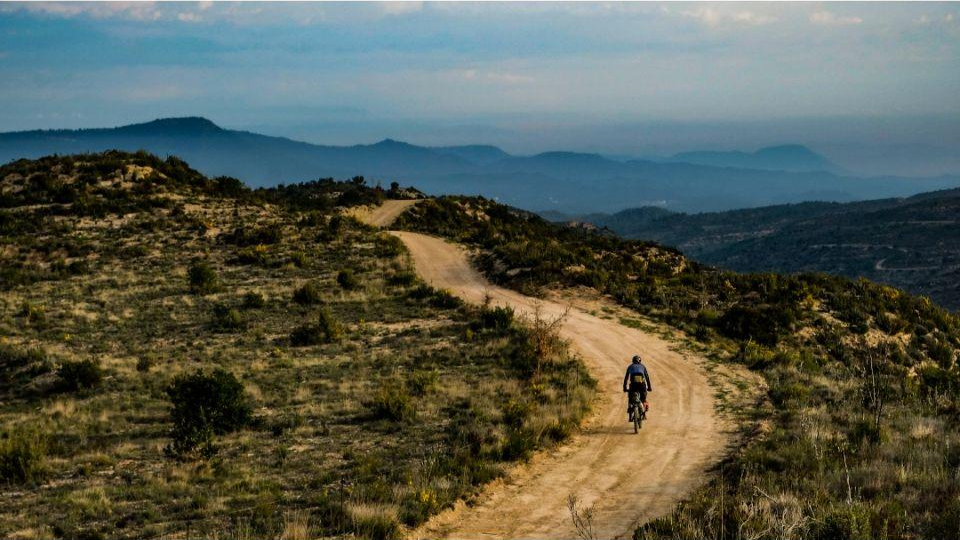
Highlight • Trail
40.2 kilometers. 320 positive meters.
The end of the bikepacking trip has a magnificent closure. The route leaves the Horta de Sant Joan station, …
Translated by Google •
Tip by

Equinox Tunnel
Highlight (Segment) • Structure
Translated by Google •
Tip by

Sign up now to discover places like this
Get recommendations on the best single tracks, peaks, & plenty of other exciting outdoor places.
Sign up for free
Railway Tunnel
Highlight • Structure
Translated by Google •
Tip by

Viaduct Over the Matarranya River
Highlight • Bridge
Translated by Google •
Tip by

Convent of Our Lady of Grace, La Fresneda
Highlight • Historical Site
Translated by Google •
Tip by

Sign up for free to discover even more attractions around Valdealgorfa.
Sign up for free
Already have an account?
Start today with a free account
Your next adventure awaits.
Login or Signup

Other adventures around Valdealgorfa

Tips from the Community

The Parador de Sto. Domingo Bernardo de Fresneda consists of 3 parts: the church, the studio-museum and the hotel.
3
0

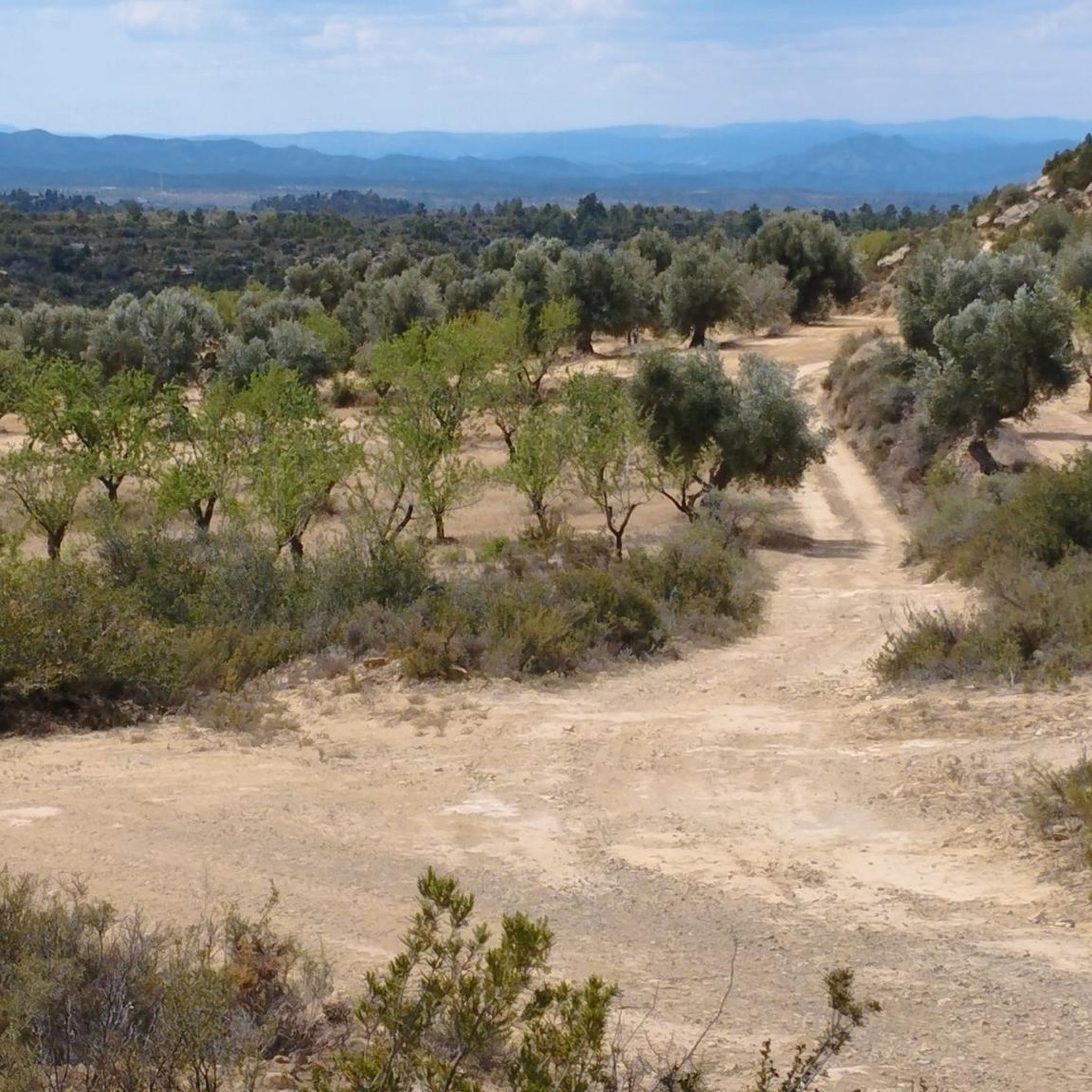
Stage 4. Horta de Sant Joan/Valdealgorfa 40.2 kilometers. 320 positive meters. The end of the bikepacking trip has a magnificent closure. The route leaves the Horta de Sant Joan station, passes through one of the last tunnels on the way and the Algars River Viaduct appears, impressive, 170 meters long and four large arches 20 meters high. At the bridge you cross the Matarraña-Algars Natural Trail. The path advances through a landscape of crops, vines and scrubland until the Cretas station. The town leaves the mountains on the right and the route runs along the highest section of the old railway route, at the old Valderrobres station. The descent through the Canaleta valley is fantastic, the bikes launch at full speed towards the plain of the Matarraña river. On some hills to the left, the silhouette of the Torre del Compte houses appears attached to the crest of a lookout hill, like most of the towns in the region. The path passes through the old station, converted into a rural hotel, and crosses the Matarraña viaduct, 275 meters long, one of the great works of the railway. The meadow is a beautiful agricultural area of impeccable crops, adapted to the soil and relief of the valley. The Matarraña River marks the end of the mountain landscapes. The road passes through a new curved tunnel and immediately the Valdeltorno station appears, where the detour to the Matarraña Natural Path that we used three days before in the first stage towards Fayón departs. Now the route continues straight on through familiar terrain, it crosses the straight that goes up to the attractive Valjunquera station and shortly after the decisive moment of the stage arrives. On the first day of the trip we leave the Equinox Tunnel for the return and it is time to face the experience. The milestones of the Natural Trail indicate the route outside the tunnel for safety, since it is not conditioned or maintained, landslides and waterlogged sections may appear, the ground is stony and it is easy to suffer incidents, it is a 2.4 kilometer journey of darkness and It is the responsibility of each person to make the decision to travel through the old railway tunnel. In our case we asked in the town and at that time it was in acceptable condition. And we chose the direction from east to west so that it was downhill because there is a 60 meter difference in altitude. The surface has sections with quite a few stones and you have to hone in on the gravel to avoid skidding, it is a matter of patience, good light and skill. The exit hole grows little by little and finally the fence installed at the mouth of the tunnel appears to control the passage and a few meters later the Valdealgorfa station, the end of a new and intense bikepacking adventure.
0
0

It is mandatory to use lights inside the tunnel. Not only to see the way, but also to be seen. It's exciting to think that these structures were built for train use only.
0
0

The Matarranya river is what gives name to the region you are in, officially called Matarraña/Matarranya. The Tortosian variant of Catalan is mainly spoken in this region.
1
1

It is essential to bring light, it is totally dark. It has some doors, it may be closed at some point.
1
1

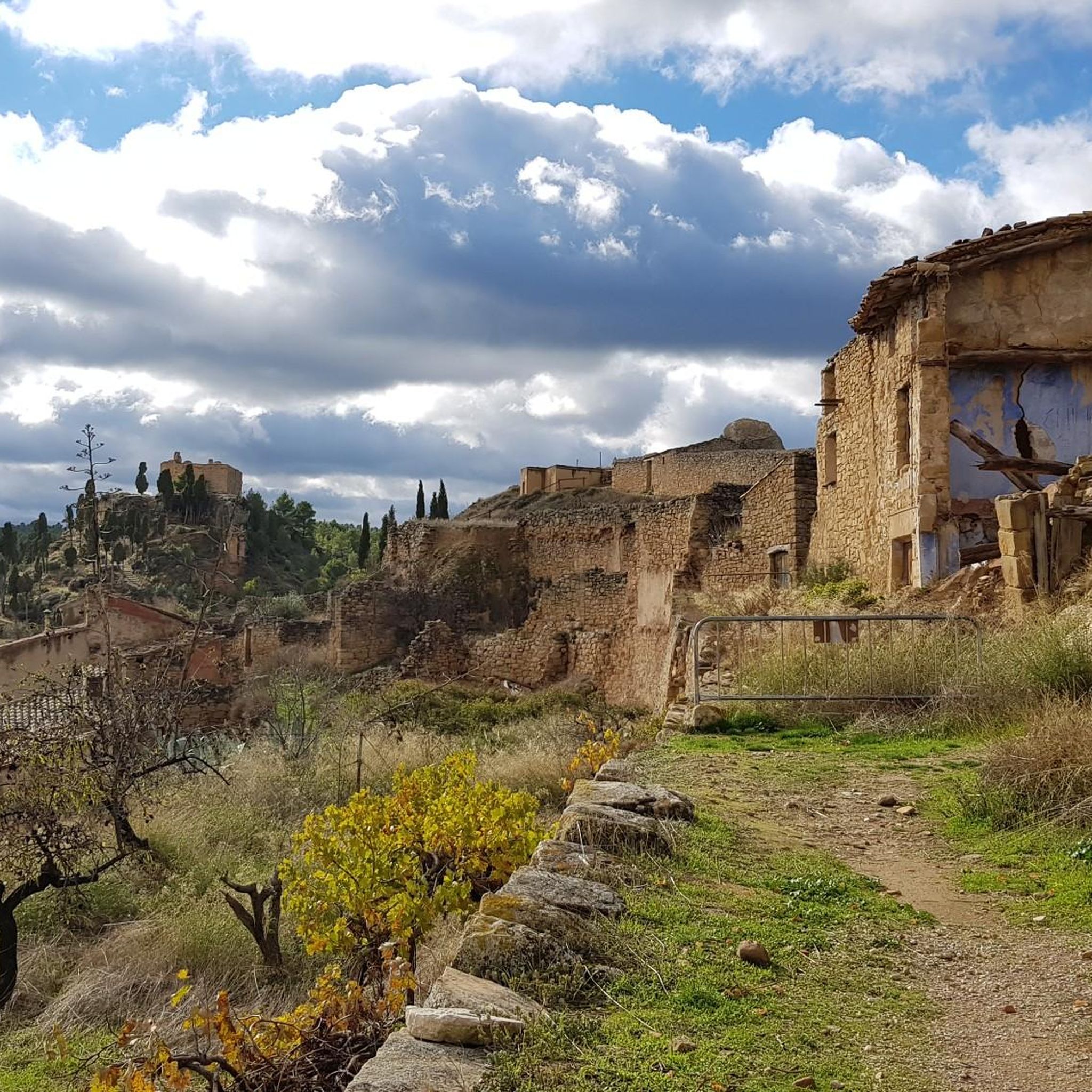
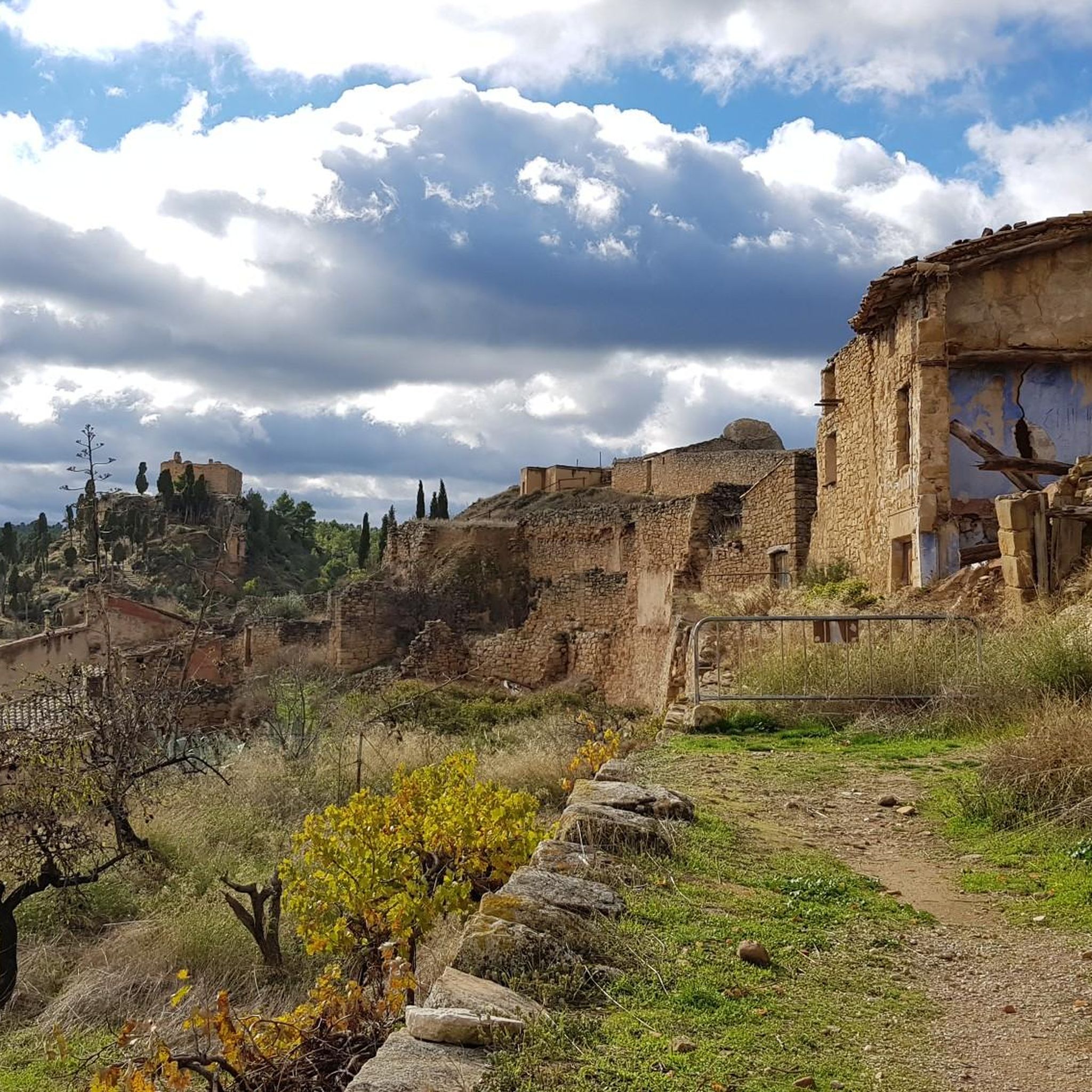
Spectacular ruins of the convent and the Church lost in the middle of the forest.
3
0

There are signs that say that there is automatic lighting inside the tunnel, but when I went through it was not working. There are reflective signs on the walls and if you go with light they serve as a guide. The darkness inside is total for a long time until "the light at the end of the tunnel" is no longer seen.
2
1

I have read that it is normally closed for security, but when I went the doors were open. To skirt it, it must be done by a path enabled for it. It is very rare to go through these 2 kilometers in the tunnel. 2 kilometers in the dark. You move but it seems that until the last meters you do not approach the exit. You totally lose the feeling of time and space. A bit chilling experience but recommended;) Twice a year the sun totally illuminates its interior; around the autumn and spring equinoxes, hence its name.
4
0
Frequently Asked Questions
What unique natural attractions can I explore near Valdealgorfa?
Valdealgorfa is home to the fascinating Equinox Tunnel, a two-kilometer-long former railway tunnel. Twice a year, during the equinoxes, the sun perfectly aligns to illuminate its entire length. While it can be a disorienting experience in the dark, visitors often find it recommended. Remember to bring a light, as it can be completely dark inside. Another notable natural feature is the "Camino Natural Val de Zafán" (Greenway), which follows an old railway line, offering picturesque landscapes, historical tunnels, and viaducts for hiking and cycling.
Are there historical or cultural sites to visit in Valdealgorfa?
Yes, Valdealgorfa boasts a rich architectural heritage. You can visit the impressive 18th-century Baroque Church of Nuestra Señora de la Natividad, known for its beautiful facade and altarpiece. Other significant sites include the Chapel of El Buen Suceso and the Chapel of Santa Bárbara, both offering great views. The Convent of Santa Clara allows visits by prior arrangement, and the Palace of the Baron of Andilla showcases Aragonese Renaissance architecture. Don't miss the Ethnological Museum to learn about traditional life in the Bajo Aragón region.
What outdoor activities are available around Valdealgorfa?
The region around Valdealgorfa is ideal for outdoor enthusiasts. The "Camino Natural Val de Zafán" (Greenway) is perfect for hiking and cycling, following an old railway line through scenic landscapes. You can find numerous trails for hiking and cycling that wind through olive and almond groves, offering views of the Ports of Beceite and the Bajo Aragón plains. For more detailed routes, explore the hiking guide or the cycling guide for Valdealgorfa.
Are there any family-friendly attractions or activities in Valdealgorfa?
Families can enjoy the pleasant surroundings of the Chapel of El Buen Suceso, which features a children's park. The "Camino Natural Val de Zafán" (Greenway) offers easy sections suitable for family walks or bike rides. Additionally, the Viaduct Over the Matarranya River provides scenic viewpoints that can be enjoyed by all ages.
Where can I find scenic viewpoints in Valdealgorfa?
Valdealgorfa, situated on a promontory, offers several excellent viewpoints. The slender tower of the Church of Nuestra Señora de la Natividad provides magnificent views of the surroundings. The Chapel of Santa Bárbara and the Chapel of El Buen Suceso are also situated in privileged locations, offering panoramic vistas. Additionally, the Viaduct Over the Matarranya River is a popular spot for scenic views over the river and the region.
What is the best time of year to visit Valdealgorfa?
The best time to visit Valdealgorfa largely depends on your planned activities. Spring and autumn are ideal for hiking and cycling, as the weather is milder and the landscapes are vibrant. The equinoxes (around March and September) offer the unique opportunity to see the Equinox Tunnel fully illuminated by the sun. Summers can be warm, suitable for exploring historical sites in the mornings or evenings, while winters are generally mild but can be chilly for extensive outdoor activities.
Are there any dog-friendly walking routes or attractions?
Many of the natural trails and greenways around Valdealgorfa, such as sections of the "Camino Natural Val de Zafán," are generally dog-friendly, offering ample space for walks. When visiting historical sites or indoor attractions, it's always best to check specific regulations regarding pets. Always keep your dog on a leash and clean up after them.
What kind of local cuisine can I expect in Valdealgorfa?
Valdealgorfa offers traditional Bajoaragonese cuisine. You can savor dishes like roasted ternasco (lamb), migas aragonesas (fried breadcrumbs), and artisanal sausages. The town is also known for its traditional wood-fired ovens and historically, fig breads. Local wines often complement these regional specialties.
Are there any ancient historical sites or rock paintings nearby?
Yes, the Val del Charco del Agua Amarga cave paintings are located nearby, traditionally linked to Valdealgorfa's inhabitants (though in the municipal area of Alcañiz). These ancient rock paintings represent the earliest evidence of human existence in the area, offering a glimpse into prehistoric times.
What are some of the lesser-known historical gems in Valdealgorfa?
Beyond the main church, Valdealgorfa has several intriguing historical sites. The Town Hall (Casa Consistorial), reconstructed in 1601, features impressive stonework and an arched entrance. You can also find remnants of the town's historical walled perimeter, such as the Alcañiz Gate and San Roque Gate. The Palomar Tower is part of the town's ethnographic heritage, and the Pazo Sastrón House and Casa de Mora are examples of noble Renaissance palaces.
Can I learn about traditional industries in Valdealgorfa?
Absolutely. Valdealgorfa offers insights into its traditional industries and ethnographic heritage. You can visit the Old Olive Oil Mill and a Restored Brickyard to see how these essential local products were made. Additionally, La Nevera (Ice House), an old cold vault, is part of the regional Route of the Ice Houses and Cold Vaults, showcasing 17th-century cold storage techniques.
What are the most popular attractions according to visitors?
Visitors particularly enjoy the unique experience of the Equinox Tunnel, often noting its disorienting yet recommended nature. The Viaduct Over the Matarranya River is also highly appreciated for its scenic views. Another popular spot is the Convent of Our Lady of Grace, La Fresneda, which features spectacular ruins lost in the middle of the forest.
Most popular routes around Valdealgorfa

Get inspired with the komoot mobile app


Explore more
Still not found the Highlight you’re looking for? See guides of the top attractions in other regions:
