Attractions and Places To See around Villarcayo De Merindad De Castilla La Vieja - Top 20
Best attractions and places to see around Villarcayo De Merindad De Castilla La Vieja include a blend of historical sites, cultural points of interest, and natural landscapes. Located in the heart of the Las Merindades region in Burgos, the area is characterized by the Nela River, which carves natural features and provides recreational spaces. The region offers a diverse environment with historical towns, ancient architecture, and significant natural monuments. Villarcayo serves as a base for exploring the northern part of Burgos, combining its own attractions with access to a varied natural environment.
Best attractions and places to see around Villarcayo De Merindad De Castilla La Vieja
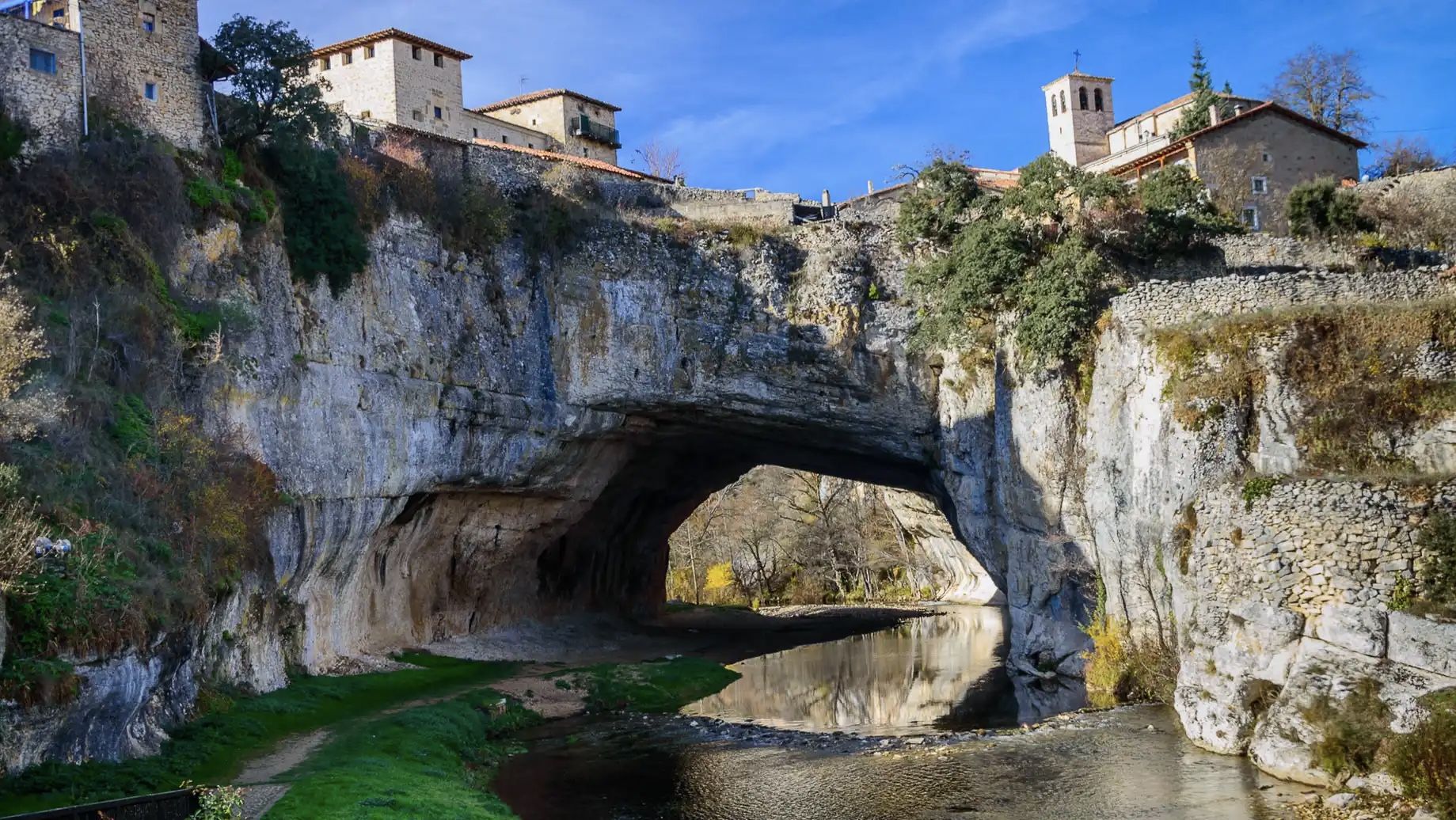
- The most popular attractions is Natural Rock Arch of Puentedey, a natural monument where the Nela River has carved a passage through stone. The town of Puentedey is built upon this natural arch.
- Another must-see spot is Hermitage of San Bernabé of Ojo Guareña, a religious building and cave system. It is part of the Ojo Guareña complex, a significant natural and historical site.
- Visitors also love Alcázar of the Constables, a fortified palace from the 14th century. This historical site features two large towers and serves as the headquarters of the Historical Museum of the Merindades.
- Villarcayo De Merindad De Castilla La Vieja is known for its natural monuments, historical sites, and religious buildings. The area offers a variety of attractions to see and explore, from river-carved arches to medieval castles and ancient hermitages.
- The attractions around Villarcayo De Merindad De Castilla La Vieja are appreciated by the komoot community, with 73 upvotes and 65 photos shared by visitors.
Last updated: August 30, 2026
Natural Rock Arch of Puentedey
Highlight • Natural Monument
Translated by Google •
Tip by

Puentedey
Highlight • Natural Monument
Translated by Google •
Tip by

Sign up now to discover places like this
Get recommendations on the best single tracks, peaks, & plenty of other exciting outdoor places.
Sign up for free
Hermitage of San Bernabé of Ojo Guareña
Highlight • Religious Site
Translated by Google •
Tip by

Villarcayo
Highlight • Settlement
97 kilometers. 1,370 positive meters.
In the old Villarcayo-Horna station there are many remains and curiosities of the railway heritage of the old Santander-Mediterranean line. An old machine parked next to the track, the water tanks, the platforms, the point changes and the buildings attached to the railway service dismantled in 1985. The Natural Trail continues through Cigüenza, with a new bridge over the Nela, and continues through a fantastic valley crossing the meanders of the Nela through Tubilla, Escanduso and Escaño to the curious railway station of Brizuela , which preserves some rails, the railway building and a pleasant grass “pavement” between the platforms. Puentedey is another attractive stop to go down to the bed of the Nela and see the impressive natural tunnel that the river bed has carved under the town. The old train track also passes through another tunnel under the town and continues through the spectacular canyon that the Nela River has carved at the foot of the Muelas de Dulla. In Quitanabaldo the track deviates along the Ruta de los Sentidos towards Soncillo to complete the stage following the Ebro Natural Path but still has to travel one of the emblematic sections of the Santander-Mediterranean Natural Path to the Tunnel of Engaña. At the Nela bridge, the Cidad Dosante detour leaves to the left, the main route crosses the imposing bridge, passes through the Pedrosa de Valdeporres station and goes up to the entrance of the Engaña Tunnel. The area is a forest jungle of birch, oak, beech, maple, hazel and bushes of all kinds in a place steeped in history. The construction of the tunnel in the bowels of the Cantabrian Mountains was essential to complete the railway line; it took 17 years and hundreds of workers, most of them political prisoners, to drill the seven kilometers of gallery between Burgos and Cantabria, a work that had never been It was used for the passage of trains, however it was used for several decades to exchange goods between the two slopes of the mountain range by private vehicles, until landslides in the interior complicated transit and it was permanently closed.
The traveling cycle route returns along the same path to Quintanabaldo and deviates from the Santander-Mediterranean Natural Path along the Route of the Senses GR-85. From this point on, the technical level for gravel bikes increases, there are sections with uneven surfaces, high slopes, narrow paths and several points in the Ebro canyon where it is necessary to load the bike to overcome some walkways. In reality, everything is cyclable except for the walkways, which are easy to navigate in a few minutes on foot, and it is worth it to travel a fantastic stretch of the Ebro Natural Trail through the Manzanedo and Valdivieso valleys. The GR-85 goes up from Quintabaldo along a fairly steep track to the town of Villabáscones de Bezana, a gem of popular architecture hidden in the Pisas beech forest. In the town you have to continue along the road to Soncillo, a good place to regain strength after the climb from the Nela valley. The gravel trip continues along the Alto de la Hoya road and begins an enjoyable descent through the towns of the Trifón River valley, all asphalt, without traffic, between mountains sculpted by a capricious and suggestive nature. In Lándraves there are signs of the Palancas Gorge, one of the natural wonders of the area. The Route of the Senses passes through the canyon but on gravel it is not recommended. The descent continues through Cueva de Manzanedo and finally reaches the bank of the Ebro in Manzanedo, connecting with the Ebro Natural Trail. The route changes banks and continues for about ten kilometers along technical and entertaining trails surrounding livestock meadows and private farms. Cyclability is one hundred percent with patience and skill on this type of narrow and bumpy paths, a complication can be mud during times of heavy rain. The alternative would be to continue along the road to Incinillas and then along the N-232 to Puente del Aire.
Translated by Google •
Tip by

Ojo Guareña Natural Monument
Highlight • Natural Monument
Translated by Google •
Tip by

Sign up for free to discover even more attractions around Villarcayo De Merindad De Castilla La Vieja.
Sign up for free
Already have an account?
Start today with a free account
Your next adventure awaits.
Login or Signup
Popular around Villarcayo De Merindad De Castilla La Vieja
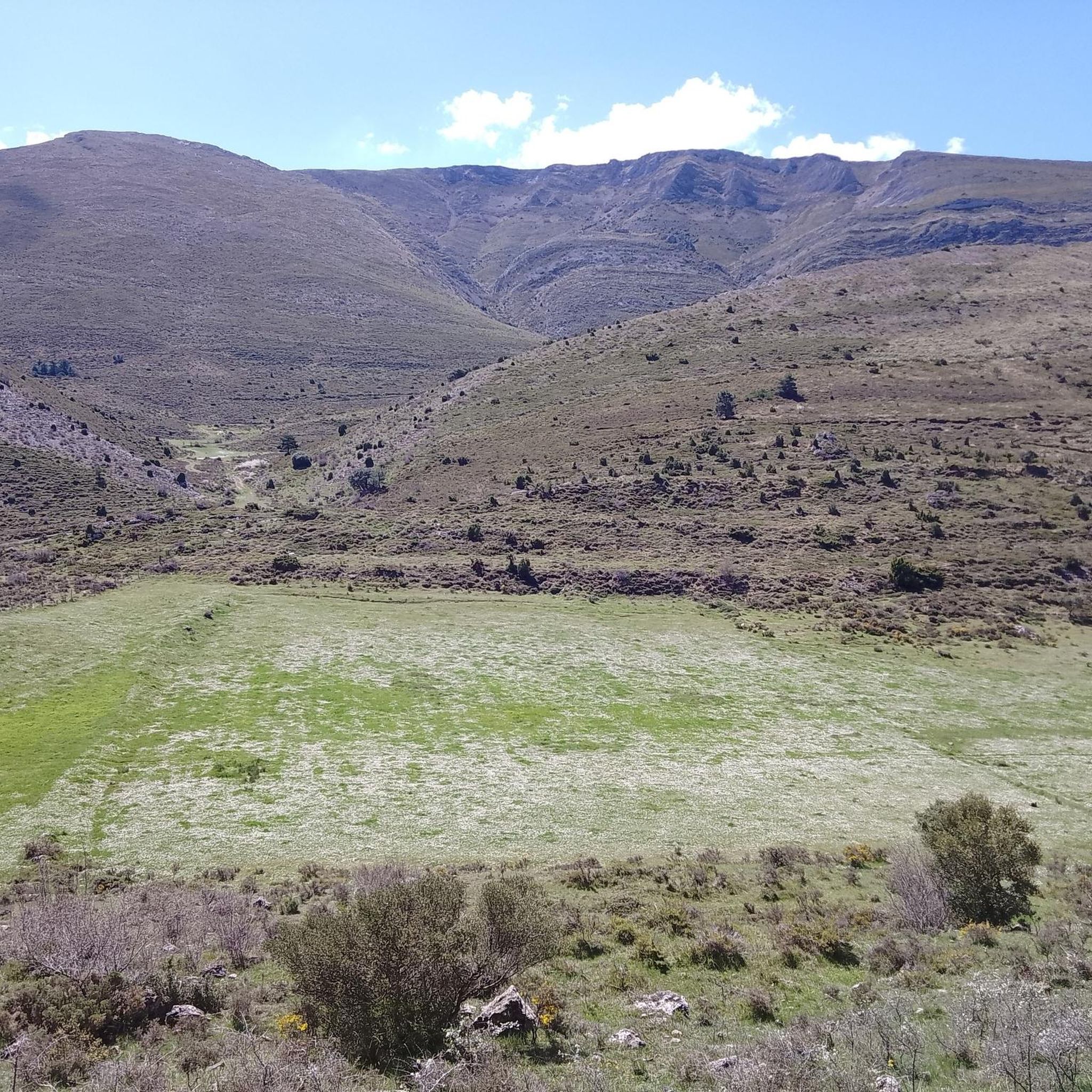
An epic getaway – Santander-Mediterráneo Nature Trail
Road Cycling Routes around Villarcayo De Merindad De Castilla La Vieja
MTB Trails around Villarcayo De Merindad De Castilla La Vieja
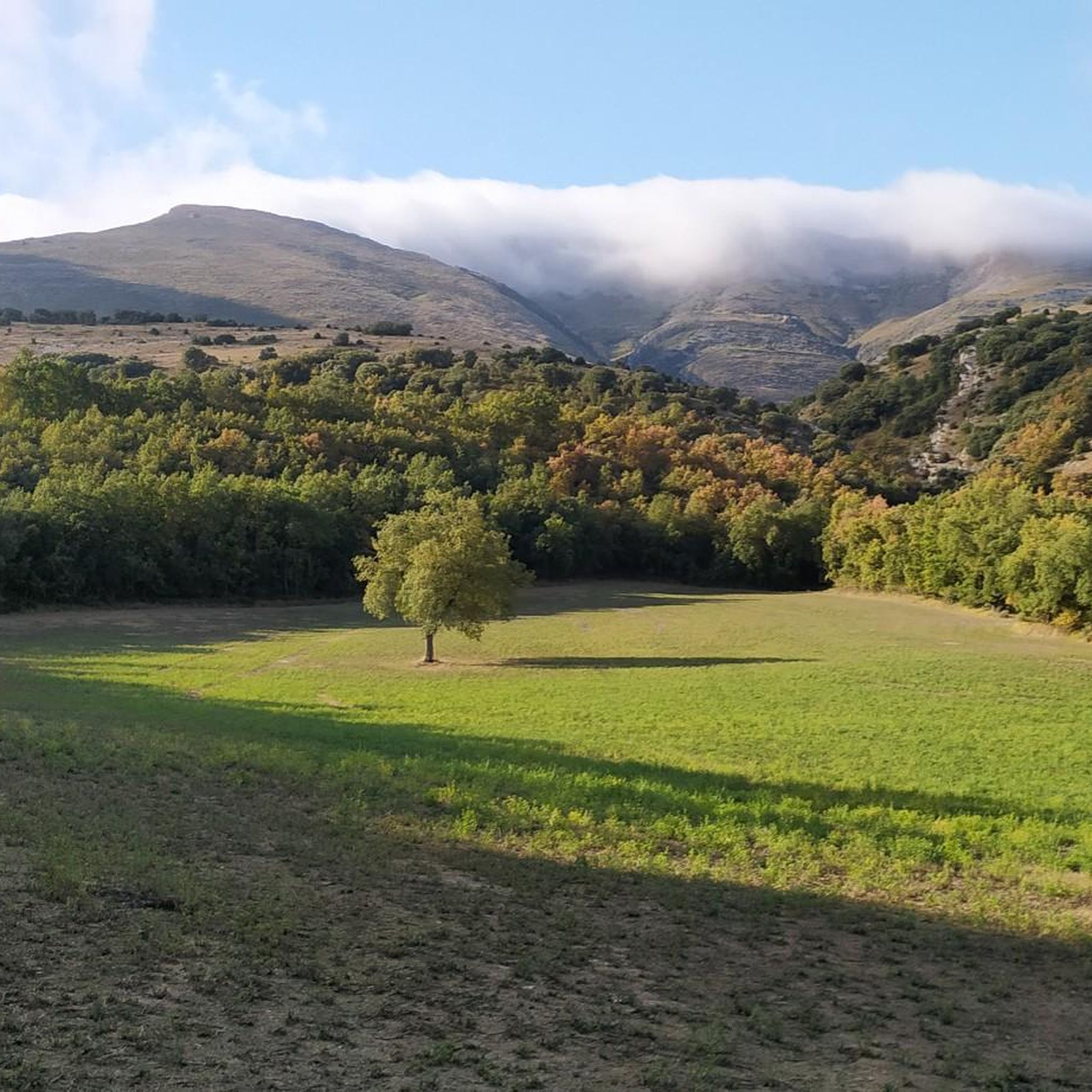
Hiking around Villarcayo De Merindad De Castilla La Vieja
Cycling around Villarcayo De Merindad De Castilla La Vieja

Gravel biking around Villarcayo De Merindad De Castilla La Vieja
Running Trails around Villarcayo De Merindad De Castilla La Vieja
Other adventures around Villarcayo De Merindad De Castilla La Vieja

Tips from the Community

carry water, but go to a village to the fountain and if possible don't go on a very sunny day...
0
0

Ideal for taking a dip on hot days!
1
0

This is the best-known image of the famous town of Puentedey.
1
0

Tried to get it going.... Greetings from Lukas 🤪
0
0

Stage 2. Villarcayo/Trespaderne 97 kilometers. 1,370 positive meters. In the old Villarcayo-Horna station there are many remains and curiosities of the railway heritage of the old Santander-Mediterranean line; an old machine parked next to the track, the water tanks, the platforms, the point changes and the buildings attached to the railway service dismantled in 1985. The Natural Trail continues through Cigüenza, with a new bridge over the Nela, and continues through a fantastic valley crossing the meanders of the Nela through Tubilla, Escanduso and Escaño to the curious railway station of Brizuela , which preserves some rails, the railway building and a pleasant grass “pavement” between the platforms. Puentedey is another attractive stop to go down to the bed of the Nela and see the impressive natural tunnel that the river bed has carved under the town. The old train track also passes through another tunnel under the town and continues through the spectacular canyon that the Nela River has carved at the foot of the Muelas de Dulla. In Quitanabaldo the track deviates along the Ruta de los Sentidos towards Soncillo to complete the stage following the Ebro Natural Path but still has to travel one of the emblematic sections of the Santander-Mediterranean Natural Path to the Tunnel of Engaña. At the Nela bridge, the Cidad Dosante detour leaves to the left, the main route crosses the imposing bridge, passes through the Pedrosa de Valdeporres station and goes up to the entrance of the Engaña Tunnel. The area is a forest jungle of birch, oak, beech, maple, hazel and bushes of all kinds in a place steeped in history. The construction of the tunnel in the bowels of the Cantabrian Mountains was essential to complete the railway line; it took 17 years and hundreds of workers, most of them political prisoners, to drill the seven kilometers of gallery between Burgos and Cantabria, a work that had never been It was used for the passage of trains, however it was used for several decades to exchange goods between the two slopes of the mountain range by private vehicles, until landslides in the interior complicated transit and it was permanently closed. The traveling cycle route returns along the same path to Quintanabaldo and deviates from the Santander-Mediterranean Natural Path along the Route of the Senses GR-85. From this point on, the technical level for gravel bikes increases, there are sections with uneven surfaces, high slopes, narrow paths and several points in the Ebro canyon where it is necessary to load the bike to cross some walkways. In reality, everything is cyclable except for the walkways, which are easy to navigate in a few minutes on foot, and it is worth it to travel a fantastic stretch of the Ebro Natural Trail through the Manzanedo and Valdivieso valleys. The GR-85 goes up from Quintabaldo along a fairly steep track to the town of Villabáscones de Bezana, a gem of popular architecture hidden in the Pisas beech forest. In the town you have to continue along the road to Soncillo, a good place to regain strength after the climb from the Nela valley. The gravel trip continues along the Alto de la Hoya road and begins an enjoyable descent through the towns of the Trifón River valley, all asphalt, without traffic, between mountains sculpted by a capricious and suggestive nature. In Lándraves there are signs of the Palancas Gorge, one of the natural wonders of the area. The Route of the Senses passes through the canyon but on gravel it is not recommended. The descent continues through Cueva de Manzanedo and finally reaches the bank of the Ebro in Manzanedo, connecting with the Ebro Natural Trail. The route changes banks and continues for about ten kilometers along technical and entertaining trails surrounding livestock meadows and private farms. Cyclability is one hundred percent with patience and skill on this type of narrow and bumpy paths, a complication can be mud during times of heavy rain. The alternative would be to continue along the road to Incinillas and then along the N-232 to Puente del Aire.
1
0

Puentedey is a mandatory stop if we want to get to know one of the most beautiful towns in Las Merindades. It will be included in the list of the Most Beautiful Towns in Spain association in 2022. The enormous natural stone arch over the Nela River is its main emblem.
1
0
The hermitage of San Bernabé is located at the main entrance of the Ojo Guareña Karst Complex and is part of the caves. Located in the municipality of Cueva de Sotoscueva. The date of its construction is unknown, some place it between the 8th and 9th centuries, but it is also believed to be from the 13th century.
0
0
Frequently Asked Questions
What natural features can I explore around Villarcayo De Merindad De Castilla La Vieja?
The region offers diverse natural beauty. You can visit the "lung of the town," El Soto, with its gardens and recreational spaces along the Nela River. The Nela River also features natural swimming pools, popular in summer. Further afield, the spectacular Natural Rock Arch of Puentedey, where the Nela River carved a passage through stone, is a must-see. The Ebro River has also carved the impressive Desfiladero de los Hocinos gorge. Additionally, a fantastic section of the Ebro Natural Trail runs through the Manzanedo and Valdivieso valleys, perfect for walking and cycling.
What historical sites can I visit in Villarcayo De Merindad De Castilla La Vieja itself?
Villarcayo, declared a Site of Cultural Interest, boasts several historical points. Explore the Plaza Mayor with its traditional Castilian design and the Casa Consistorial (Town Hall). Behind it stands the 16th-century Torre del Reloj (Clock Tower). Don't miss the 17th and 18th-century Casas Blasonadas on Santa Marina Street, showcasing the town's noble past. The modern Iglesia de Santa Marina, built in 1968, also features unique architecture and stained glass.
Are there any significant historical buildings or castles nearby?
Yes, the region is rich in history. You can visit the Alcázar of the Constables, a fortified palace from the 14th century that now houses the Historical Museum of the Merindades. Another significant site is the Hermitage of San Bernabé of Ojo Guareña, a religious building integrated into a fascinating cave system.
Can I go hiking near Villarcayo De Merindad De Castilla La Vieja?
Absolutely. The area around Villarcayo offers numerous hiking opportunities. You can find trails ranging from easy to difficult, such as the 'Monte Pilas – Wind Tunnel loop from Quecedo de Valdivielso' or the 'San Mamés summit – Peña Corva Summit loop from Barruelo'. For more options and detailed routes, refer to the Hiking around Villarcayo De Merindad De Castilla La Vieja guide.
Are there cycling or gravel biking routes in the Villarcayo area?
Yes, the region is excellent for cycling and gravel biking. You can explore routes like the 'Natural Rock Arch of Puentedey – Puentedey loop from Villarcayo' or the 'Villarcayo – Soncillo loop from Urbanización San Roque'. The old Santander-Mediterranean Railway line also offers remnants of railway heritage and forms part of the Ebro Natural Trail, providing scenic paths. For a comprehensive list of routes, check the Cycling around Villarcayo De Merindad De Castilla La Vieja guide and the Gravel biking around Villarcayo De Merindad De Castilla La Vieja guide.
Where can I find natural swimming spots in the region?
The Nela River, which flows through Villarcayo, is known for its natural swimming pools. These river pools are particularly popular during the summer months, offering a refreshing spot for relaxation and a dip in nature.
What is Puentedey and why is it a popular attraction?
Puentedey is a village recognized as one of 'The Most Beautiful Towns in Spain'. Its main draw is the spectacular natural stone bridge created by the Nela River, with the entire town built upon this arch. Visitors are captivated by this unique geological formation and the charming medieval village perched above it.
Are there family-friendly attractions or activities suitable for children?
Many attractions in the region are suitable for families. The natural setting of Puentedey and its natural rock arch are often highlighted as family-friendly. The recreational spaces and natural swimming pools along the Nela River in El Soto also provide excellent opportunities for families to enjoy the outdoors. Historical sites like the Alcázar of the Constables can also be engaging for older children interested in history.
What is the best time to visit Villarcayo De Merindad De Castilla La Vieja for outdoor activities?
The warmer months, particularly late spring to early autumn (May to September), are generally ideal for outdoor activities like hiking, cycling, and enjoying the natural swimming pools. The weather is typically pleasant, making it comfortable to explore the natural landscapes and historical sites.
Where can I experience Romanesque art in the area?
The broader Merindades region surrounding Villarcayo is rich in Romanesque heritage. You can find notable examples in the surrounding villages, such as the apse of the church in Incinillas and the church of Villacomparada de Rueda, offering glimpses into this ancient architectural style.
What is the significance of the Archivo Histórico de las Merindades?
Villarcayo is home to the Archivo Histórico de las Merindades, which is the most important historical archive in the province of Burgos, second only to the capital. It preserves a significant collection of documents from the Merindades region dating back to the 18th century, offering deep insights into the area's past.
What do visitors enjoy most about the attractions around Villarcayo De Merindad De Castilla La Vieja?
Visitors frequently praise the unique natural beauty, especially the Natural Rock Arch of Puentedey, often calling it one of the most beautiful towns in Spain. The blend of historical charm, such as the Alcázar of the Constables, with stunning natural landscapes like the Ojo Guareña cave system, is also highly appreciated. The opportunity for diverse outdoor activities in a tranquil setting is a major draw.
Most popular routes around Villarcayo De Merindad De Castilla La Vieja
Most popular attractions around Villarcayo De Merindad De Castilla La Vieja

Get inspired with the komoot mobile app


Explore more
Still not found the Highlight you’re looking for? See guides of the top attractions in other regions:
