Attractions and Places To See around Valle De Losa - Top 20
Best attractions and places to see around Valle De Losa include a diverse landscape of limestone valleys, mountain ranges, and historical sites in the northern part of Burgos province, Spain. The region is traversed by the Jerea River and features significant Romanesque architecture, such as the Ermita de San Pantaleón de Losa. It offers numerous outdoor opportunities, from exploring gorges and viewpoints to discovering ancient villages and natural monuments. This area is known for its scenic landscapes and rich cultural…
Last updated: May 26, 2026
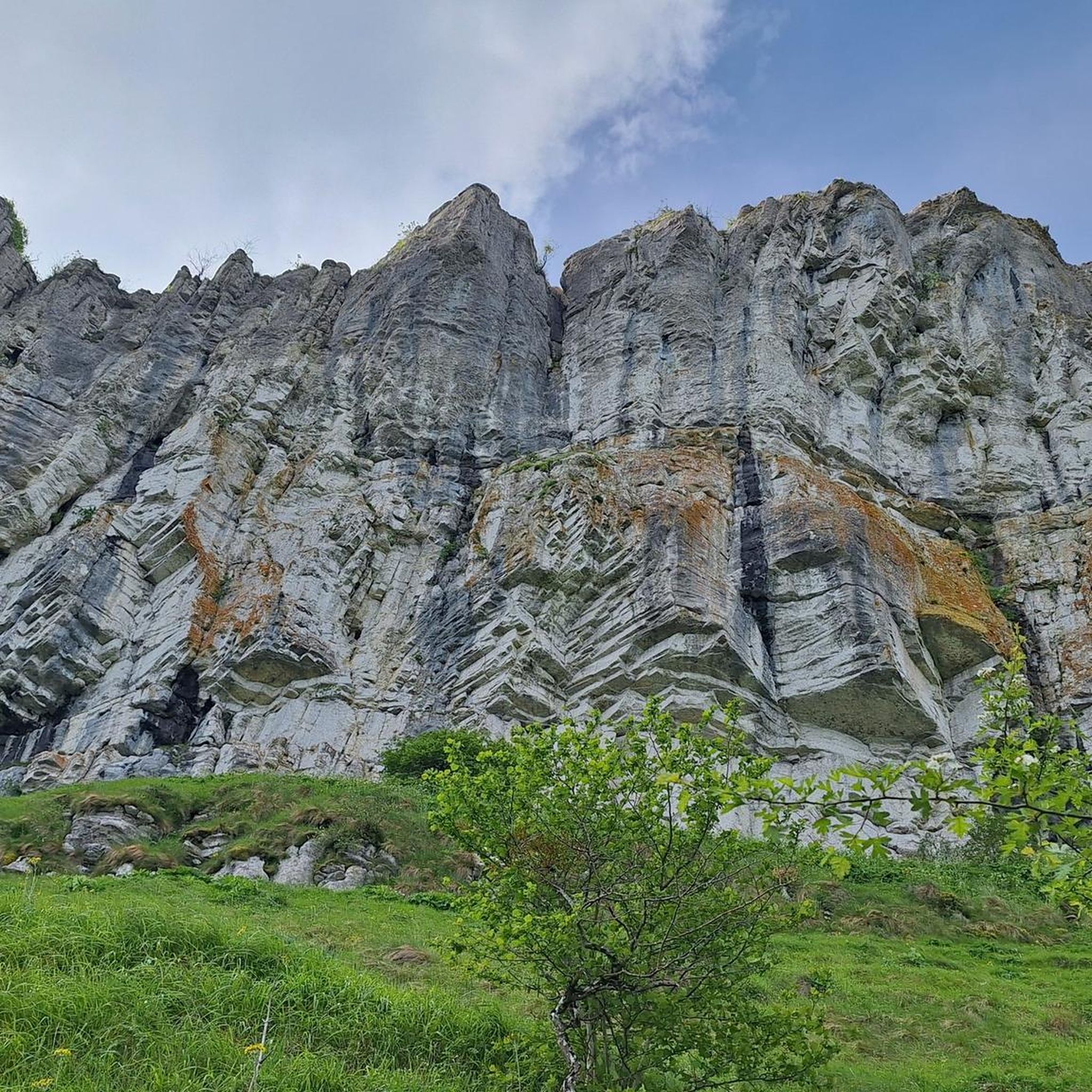
Views of Pico del Fraile
Highlight • Summit
Translated by Google •
Tip by

Fountain in Orduña
Highlight • Monument
Translated by Google •
Tip by

Sign up now to discover places like this
Get recommendations on the best single tracks, peaks, & plenty of other exciting outdoor places.
Sign up for free
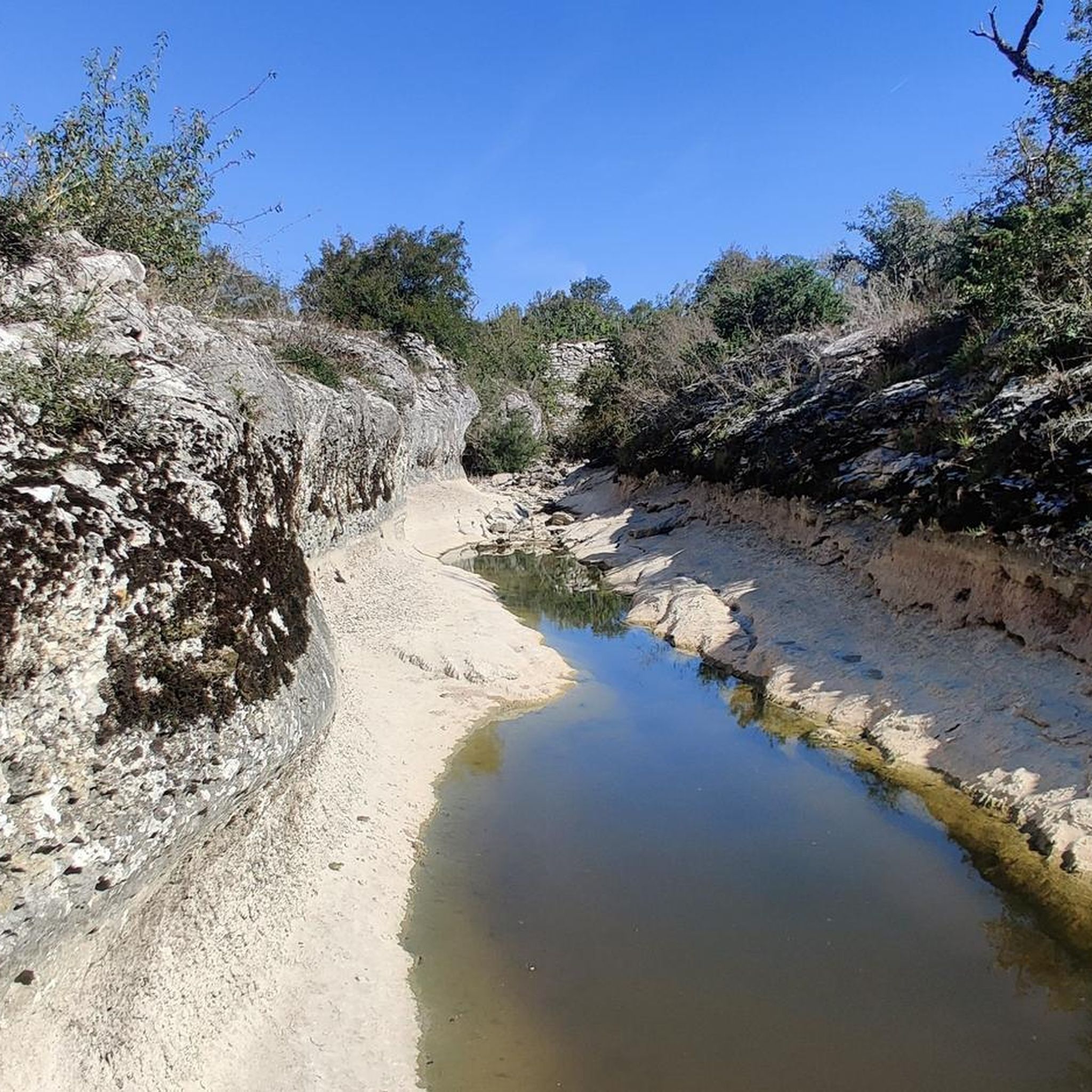
Purón River Gorge
Highlight (Segment) • Gorge
Translated by Google •
Tip by

Nervión River
Highlight • Waterfall
Translated by Google •
Tip by
Santiago Spring
Highlight • Natural Monument
Translated by Google •
Tip by

Sign up for free to discover even more attractions around Valle De Losa.
Sign up for free
Already have an account?
Start today with a free account
Your next adventure awaits.
Login or Signup
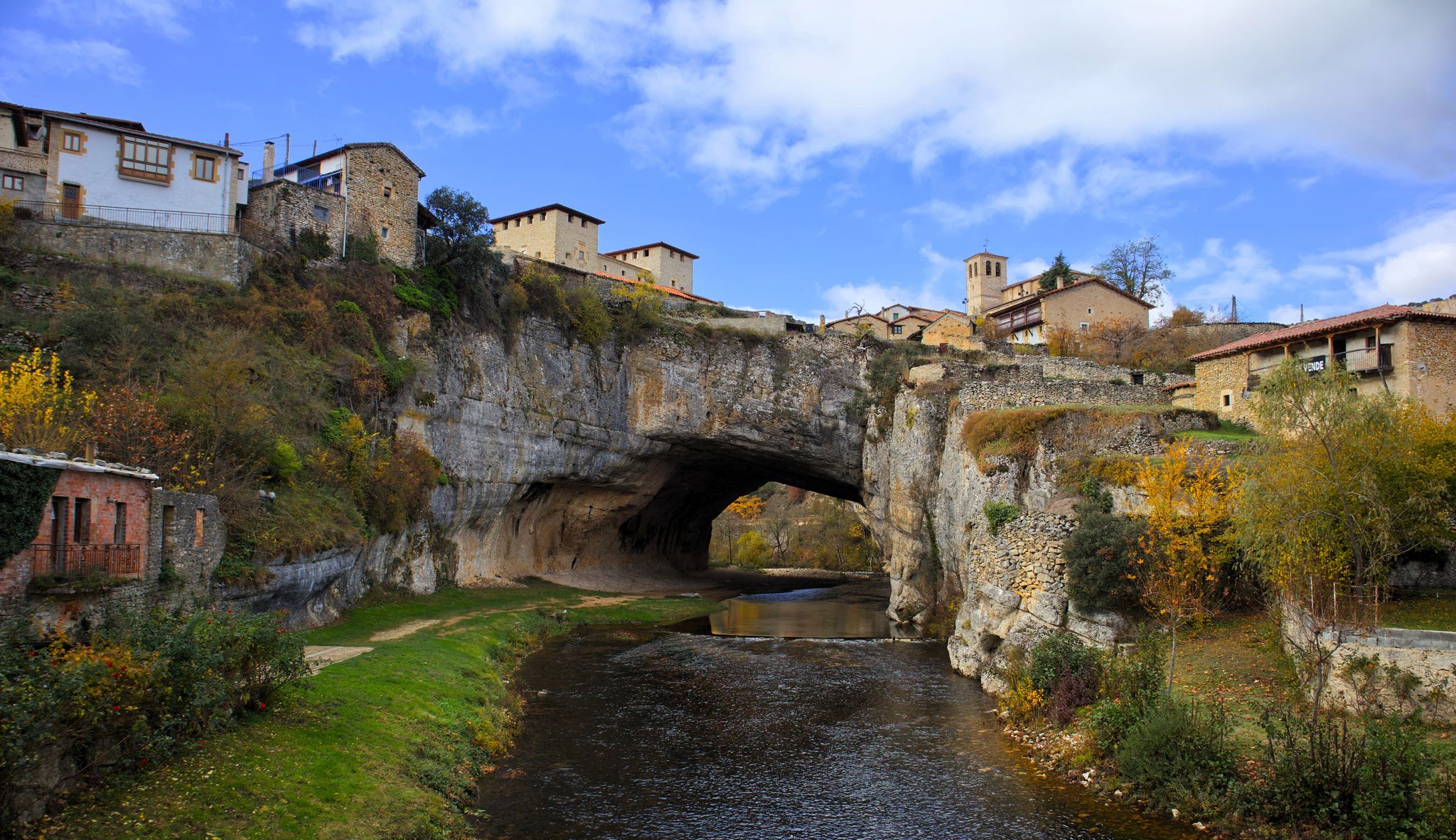

Other adventures around Valle De Losa

Tips from the Community

A nice area for activities.
1
0

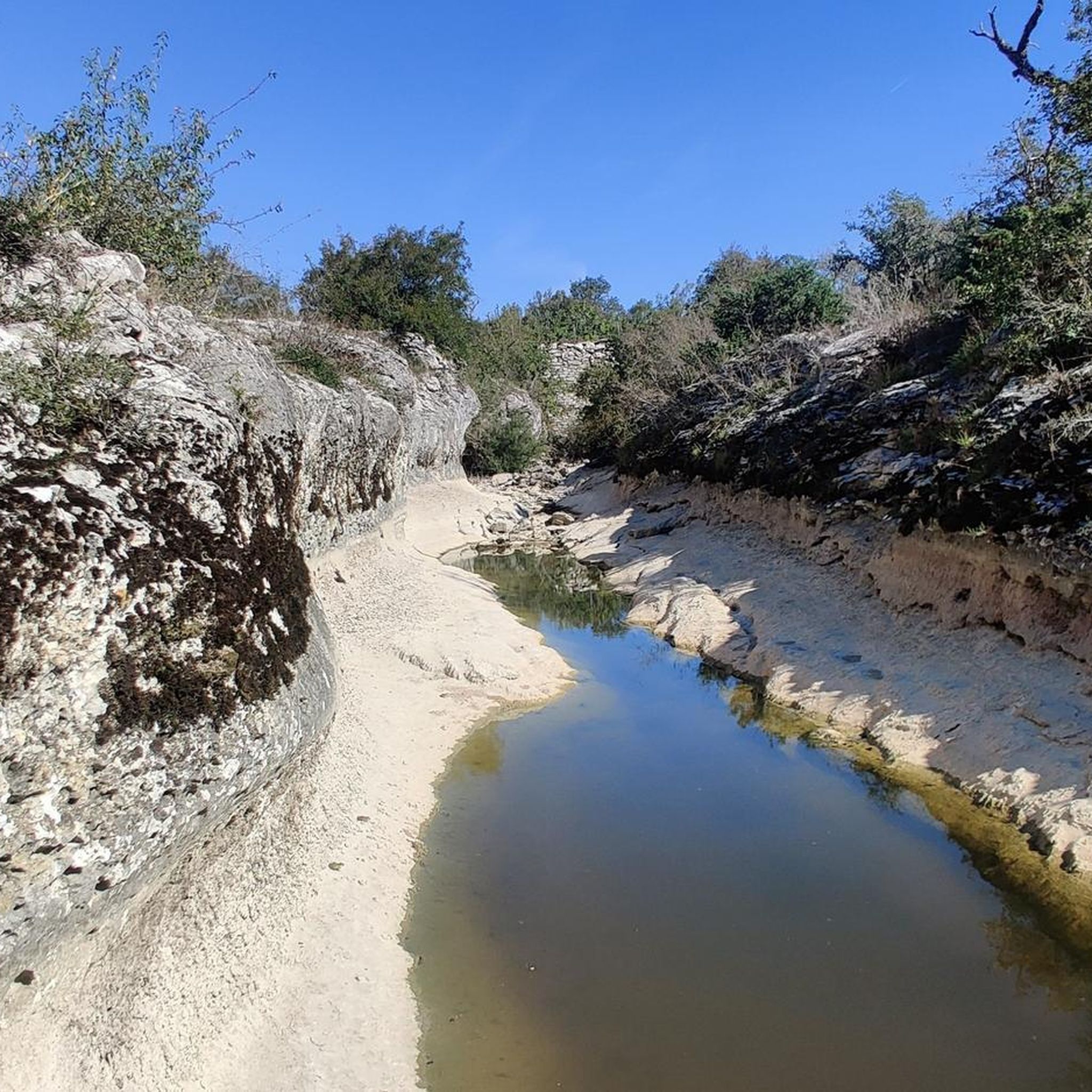
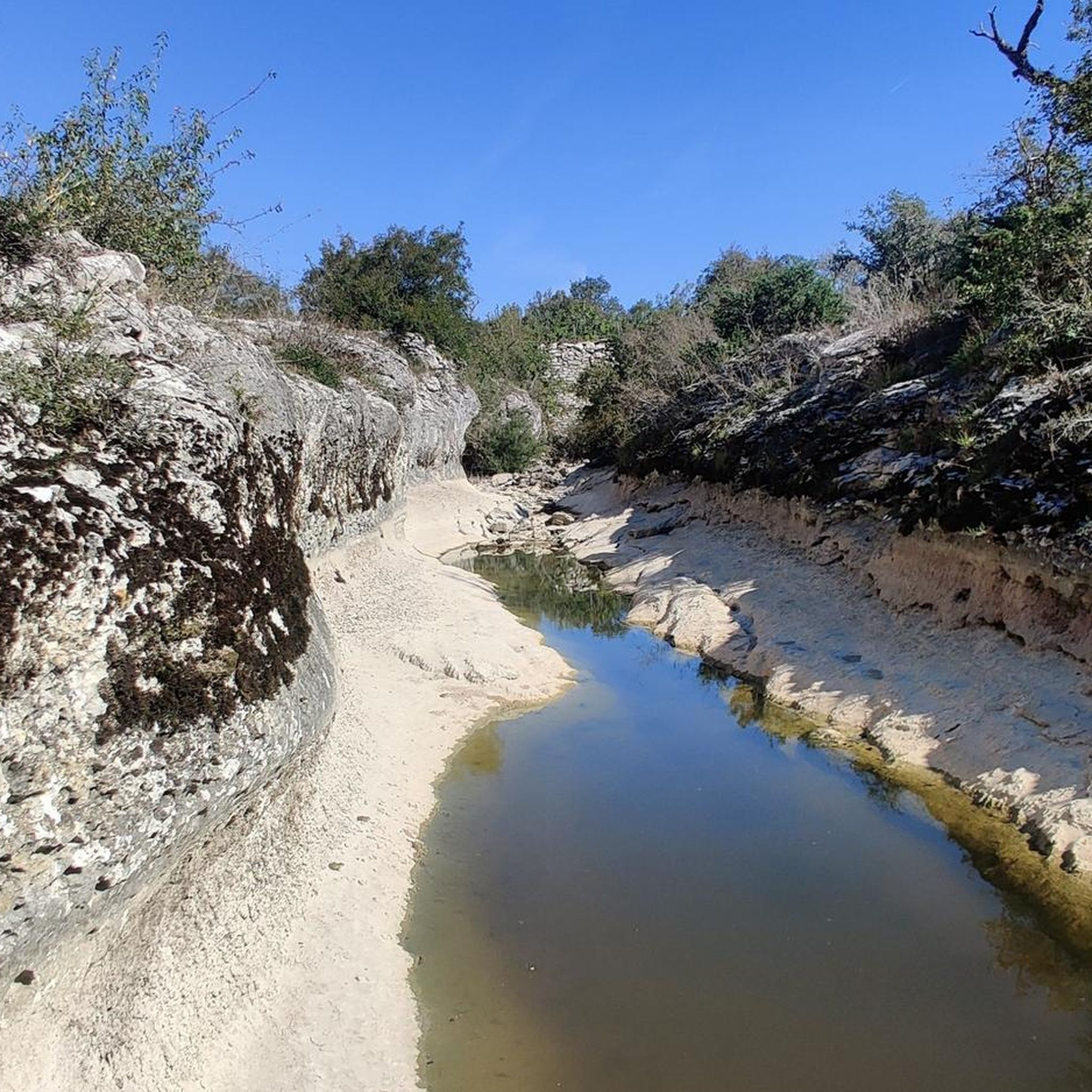
Gorge eroded by the Puron River creating a privileged environment with its pools and waterfalls.
0
1

Pico del Fraile (864 m) is a mountain in the Cordillera. There is a path to the top. The nearest mountain refuge is Refugio del Tolope, located 1,037 m/3,402 ft NNW from the summit.
3
0

Small environment equipped with fences and bridges, to see the fountain and the small karst spring.
2
0

Impressive views, very bearable route but the jump has to be caught with water
2
0

Nice stretch bordering the river without difficulty.
1
0

The fountain of Santiago is part of the natural monument of Monte Santiago. It is a spring of water that quickly disappears behind some rocks. Nearby are the ruins of a monastery, an interpretation center and a beech forest with a monumental specimen.
2
0

This rocky peak is vertical on all its flanks, which makes it necessary to use leather straps during the ascent. It was first climbed in 1924 by Ángel Sopeña, precursor of climbing in the Basque Country. Its name comes from its resemblance to the figure of an abbot.
5
0
Frequently Asked Questions
What kind of natural landscapes can I explore in Valle de Losa?
Valle de Losa offers a diverse natural landscape, including limestone valleys, mountain ranges like Montes de la Peña and Sierra Salvada, and forests such as the Hayedo de San Martín de Losa. The region is traversed by the Jerea River, and you can discover impressive features like the Purón River Gorge with its waterfalls and cascades, or the spectacular Nervión River waterfall, especially impressive after heavy rains or snowmelt.
Where can I find the best viewpoints in Valle de Losa?
For magnificent panoramic views, consider ascending to Views of Pico del Fraile, a rocky summit offering broad perspectives of the surrounding valleys. Another notable spot is the viewpoint for the Salto del Nervión waterfall within the Monte Santiago Natural Monument. The Túnel de la Complacera, found during the ascent to Pico del Fraile, also serves as a natural viewpoint.
Are there historical or cultural sites to visit in Valle de Losa?
Yes, Valle de Losa is rich in history. A must-see is the Ermita de San Pantaleón de Losa, a stunning Romanesque hermitage perched on a rocky outcrop, known for its architectural beauty and local legends. You can also explore the historical site of Valpuesta, with its Gothic collegiate church and 15th-century keep, or the rustic Romanesque Church of San Saturnino in San Zadornil. The area also has evidence of prehistoric occupation, such as the Páramo de Nocedo settlement.
What outdoor activities can I do near the attractions in Valle de Losa?
Valle de Losa is ideal for ecotourism. You can find numerous hiking trails, including sections of the GR 85 (Ruta de los Sentidos) and the "Sendero Valle de Losa" (PRC-BU 62), which allow you to explore Romanesque architecture and natural parks. For more specific hiking routes, check out the Hiking around Valle De Losa guide. If you're into cycling, there are also many MTB Trails and Road Cycling Routes available.
Are there family-friendly attractions or activities in Valle de Losa?
Yes, several attractions are suitable for families. The Purón River Gorge is known for its scenic and easy-to-do route, with opportunities to descend to the riverbed, making it enjoyable for all ages. The Santiago Spring, part of the Monte Santiago Natural Monument, is another family-friendly spot with an equipped environment to see the spring and a nearby beech forest.
When is the best time to visit Valle de Losa to see the Salto del Nervión waterfall?
The Salto del Nervión waterfall, also known as the Nervión River, is best seen during periods of snowmelt or heavy rainfall. This ensures a notable flow over its impressive height. During drier periods, the waterfall may have little to no water.
Can I see any unique wildlife or animal breeds in Valle de Losa?
Valle de Losa is known for its rich biodiversity, particularly in Sierra Salvada. The region is also home to the indigenous Losino horse, a small, black-colored breed that can often be seen grazing in the surrounding mountains, offering a unique local wildlife experience.
What do visitors enjoy most about the attractions in Valle de Losa?
Visitors frequently praise the scenic beauty and the sense of discovery. For instance, the Purón River Gorge is described as a 'real joy' with its waterfalls and cascades. The Views of Pico del Fraile are highlighted for being 'really spectacular' and offering a 'privilege of views'. The impressive cavity and height of the Nervión River waterfall also receive high acclaim, especially when it's flowing strongly.
Are there any accessible attractions in Valle de Losa?
While many natural attractions involve trails, the Fountain in Orduña, located in a nearby town, is noted as wheelchair accessible. When planning your visit, it's always recommended to check specific accessibility details for each site.
What are some of the charming villages to visit in the Valle de Losa municipality?
The municipality of Valle de Losa comprises 28 small villages, each preserving its unique intangible heritage. Lastras de Teza serves as the administrative seat, and Quincoces de Yuso is the largest locality. These villages offer a glimpse into the traditional rural life and culture of the region.
Is there a specific natural monument worth visiting in Valle de Losa?
Yes, the Monte Santiago Natural Monument is a significant area. It's home to the Salto del Nervión waterfall and the Santiago Spring. This area features a beech forest and offers opportunities for exploring its natural beauty.
Most popular routes around Valle De Losa
Most popular attractions around Valle De Losa

Get inspired with the komoot mobile app


Explore more
Still not found the Highlight you’re looking for? See guides of the top attractions in other regions:
