Attractions and Places To See around Lopera - Top 20
Attractions and places to see around Lopera, a town in the province of Jaén, Spain, feature a blend of historical landmarks and cultural sites. The region is characterized by undulating hills and extensive olive groves, forming its primary natural landscape. Visitors can explore a variety of sites set within this agricultural scenery.
Best attractions and places to see around Lopera
- The most popular attractions is Fountain in Montoro, a man-made monument located in a municipality on the border with…
Last updated: May 21, 2026
Fountain in Montoro
Highlight • Monument
Translated by Google •
Tip by

Marmolejo Spa
Highlight • Historical Site
Translated by Google •
Tip by

Sign up now to discover places like this
Get recommendations on the best single tracks, peaks, & plenty of other exciting outdoor places.
Sign up for free
Montoro
Highlight • Settlement
Translated by Google •
Tip by

Castillo de Lopera
Highlight • Castle
Translated by Google •
Tip by

Bridge over the Guadalquivir River in Castro del Río
Highlight • Bridge
Translated by Google •
Tip by

Sign up for free to discover even more attractions around Lopera.
Sign up for free
Already have an account?
Start today with a free account
Your next adventure awaits.
Login or Signup


Tips from the Community

In Lopera, we find one of the best examples of castles built by the Military Order of Calatrava in the province of Jaén. Declared a Cultural Monument in 1991, this fortress retains its original walled enclosure, although over the years it has also served as a residence and, in the mid-20th century, even as a winery.
0
0

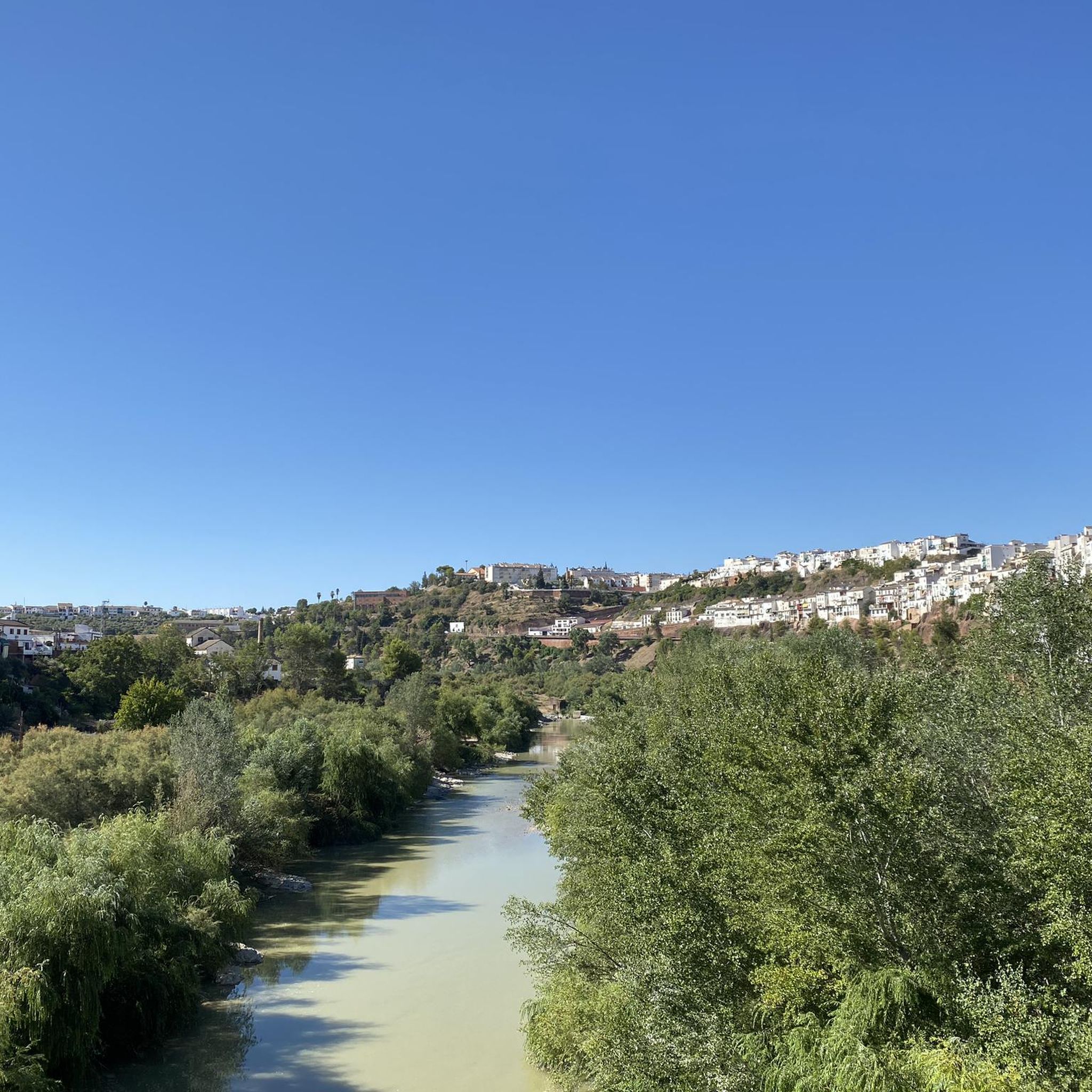
Municipality located to the east of the province of Córdoba, on the border with Jaén. Most of it is located in the foothills of Sierra Morena, making the Guadalquivir River the border with the countryside. Therefore, the mountains, the river and the countryside are the three elements that determine the landscape. The first is part of the Sierra de Cardeña y Montoro Natural Park, and in it we can find vegetation of holm oaks, wild olive trees, stone and maritime pines and a population of melojo oak, rare in Andalusia. It is also an area of great fauna, hunting and livestock value. The second, which surrounds the town, is the axis of the landscape, life and history of the town; Due to the beauty of the meander, it is also known as the Andalusian Toledo. The third, populated by olive trees, places us in a truly Cordoba environment. The town, with an Iberian, Greek, Roman, and Muslim past, is located on a small elevation that dominates the course of the river that divides it into two neighborhoods, offering an unmistakable image. Declared a Historic-Artistic Site in 1969, it brings together a multitude of attractions and tourist attractions to visit, such as the bridge over the river, the Church of San Bartolomé, the Casa de las Tercias, its steep streets of white houses, or the Torre de Villaverde. Its Holy Week, declared of Tourist Interest, reaches its greatest splendor on the afternoon of Holy Thursday with the presence of the Roman Empire. It is one of the towns included in the Baético Romana Route.
0
0


The castle was built by the Order of Calatrava to guard the trade route over the Guadalquivir River and is defended by five towers.
1
0
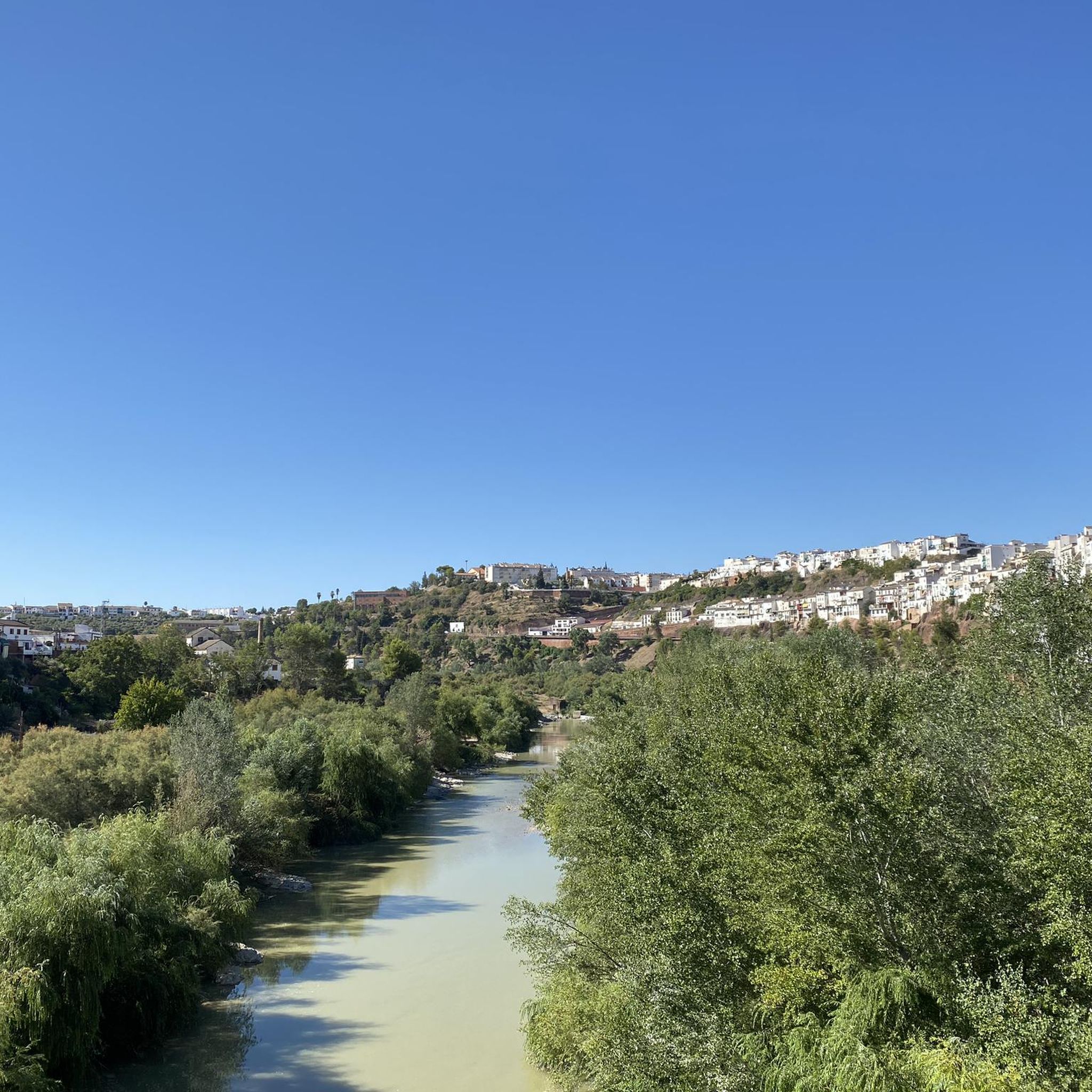
The Spa of Marmolejo is located along the Guadalquivir river situated at the foot of the Sierra Morena mountains. Popular tourist attraction. From the bridge of the A-420 highway you can see the glass dome of the spa and the river.
2
0

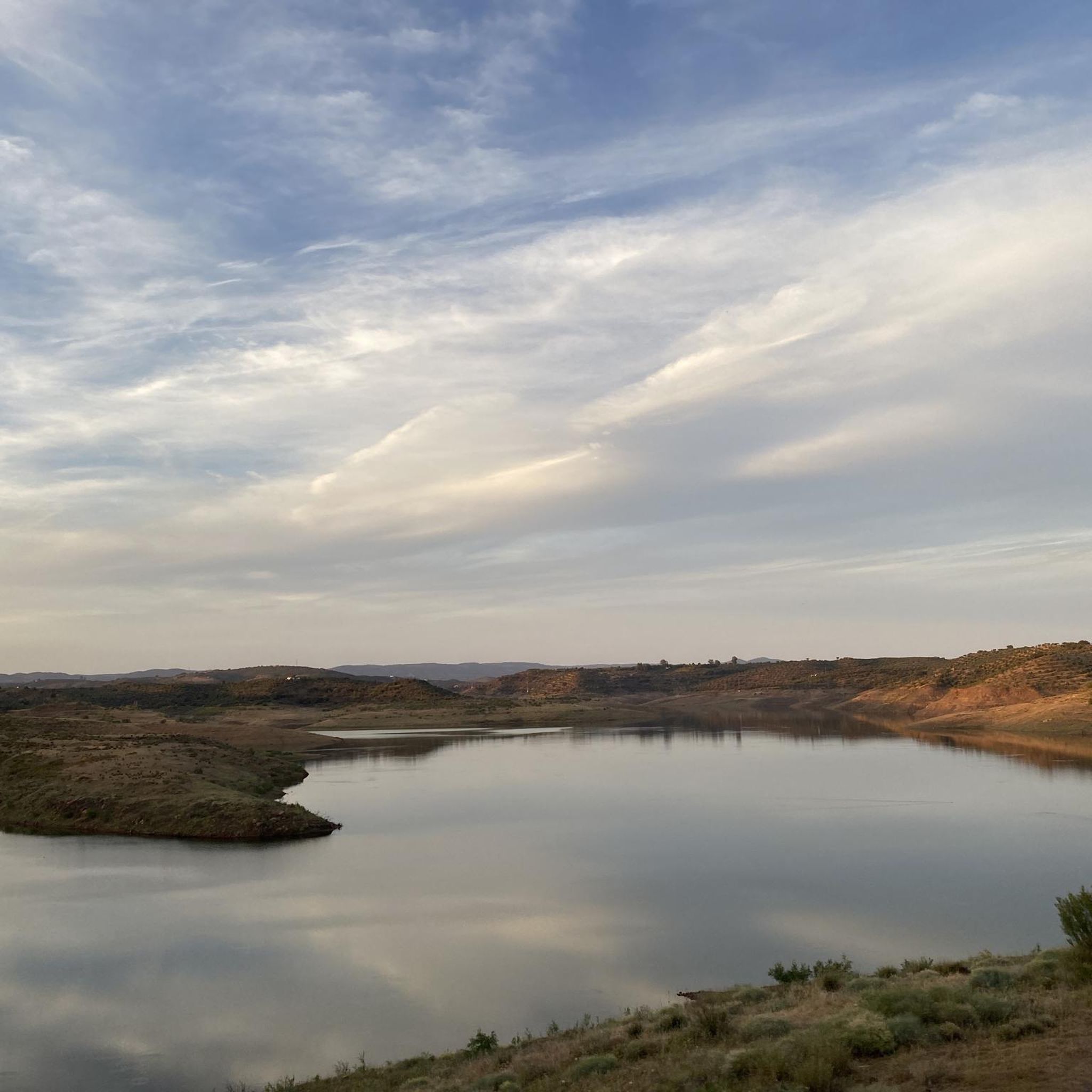
Castle from the time of the Castilian conquest, located in the municipality of Lopera, province of Jaén (Spain). It is located in the center of the town occupying a considerable extension of the urban area.
0
0

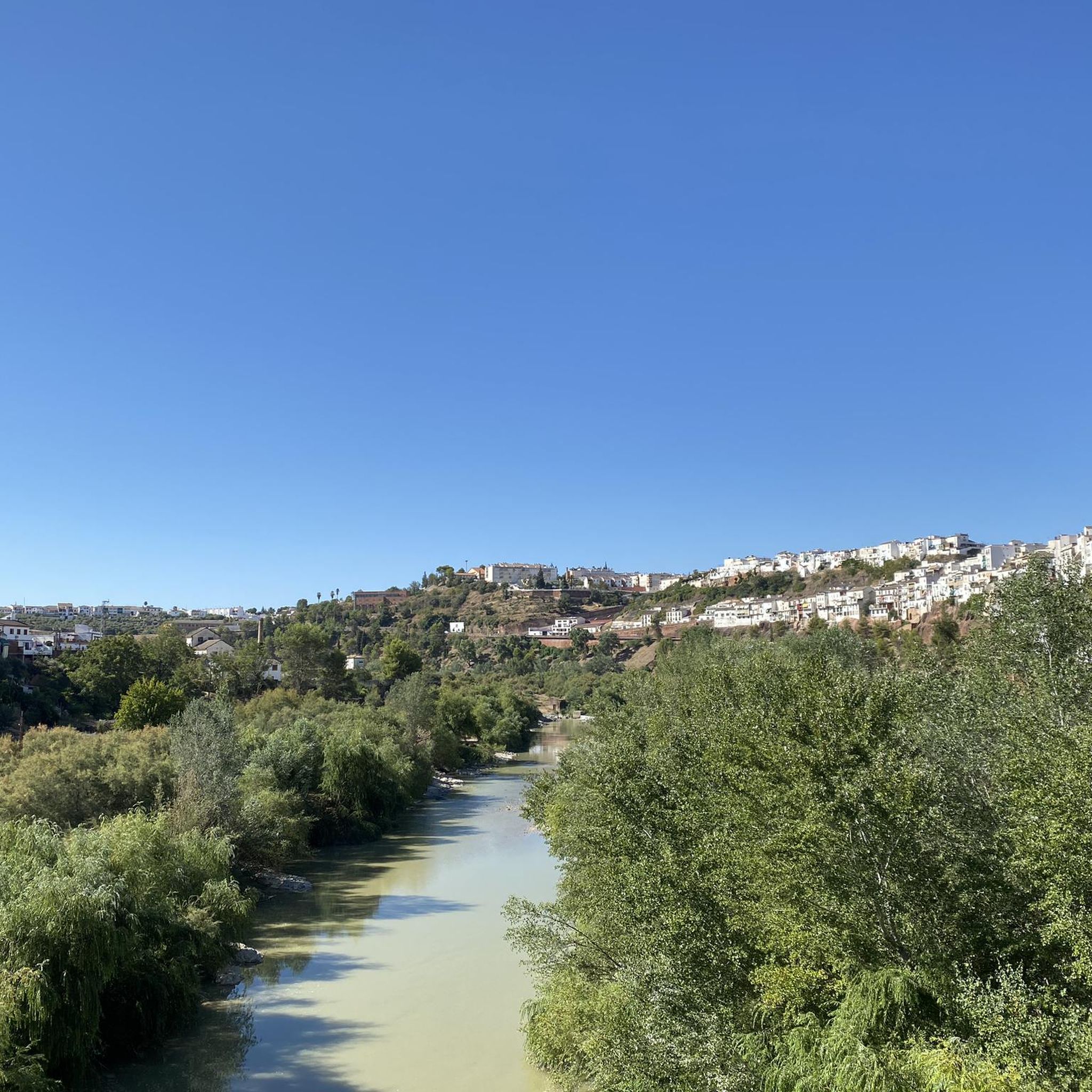
Historic bridge that crosses the Guadalquivir River, in the town of De Castro del Rio, before beginning the ascent towards the Cardeña natural park.
1
1
Frequently Asked Questions
What historical landmarks can I explore in Lopera?
Lopera is rich in history. You can visit the formidable Lopera Castle, a Calatravan fortress with a pentagonal base and five towers, including the San Miguel tower which shows damage from the Spanish Civil War and houses a museum. Adjacent to it is the Church of the Immaculate Conception, showcasing Gothic and Baroque styles. Don't miss the Casa de la Tercia, a historic granary where Cervantes once collected grain, now a cultural center with a Spanish Civil War photo exhibition.
Are there any sites related to the Spanish Civil War in Lopera?
Yes, Lopera was a significant front during the Spanish Civil War. You can find traces of the conflict, including two important machine gun nests (often called 'trenches') next to the Puente del Arroyo Salado. There is also a Monument to the International Brigadistas on Calle Pradillo, honoring writers Ralph Winston Fox and Rupert John Cornford, who died during the Battle of Lopera. The town also commemorates the battle with historical reenactments and museum exhibitions.
What natural features or landscapes characterize the Lopera area?
The Lopera area is defined by its gentle, undulating hills and extensive olive groves, characteristic of the Jaén countryside. You'll also find smaller areas dedicated to vineyards and cereals, as well as irrigated crops like cotton and sunflowers in the plains of the Salado creek. While Lopera itself doesn't have designated natural parks, the nearby municipality of Montoro is part of the Sierra de Cardeña y Montoro Natural Park, known for diverse vegetation and rich fauna.
Are there any family-friendly attractions around Lopera?
Yes, several attractions are suitable for families. The historic Marmolejo Spa offers beautiful gardens to explore and an Interpretation Center. The settlement of Montoro, recognized as a natural monument, is also considered family-friendly, offering scenic views and historical context along the Guadalquivir river.
What outdoor activities can I do near Lopera?
The region around Lopera offers various outdoor activities. You can explore hiking trails, such as the moderate 'Balneario de Marmolejo - circular by the Guadalquivir river bank' or the easy 'Torre de Boabdil loop from Porcuna'. For cycling enthusiasts, there are road cycling routes like the 'Castillo de Lopera – Cañete de las Torres loop' and gravel biking options. You can find more details on these routes in the Hiking around Lopera, Road Cycling Routes around Lopera, and Gravel biking around Lopera guides.
Where can I find unique cultural sites or monuments in the area?
Beyond the castle and church, Lopera has unique cultural sites. The Ermita de San Roque, a Baroque hermitage from the 16th century, honors Lopera's patron saint. The Ermita del Cristo del Humilladero (or Cristo Chico), another Baroque hermitage, is mostly closed but allows prayers through a small window. Additionally, Lopera honors the poet Miguel Hernández with a large mosaic featuring his poem 'Aceituneros de Jaén', which is the official anthem of the province.
Are there any accessible attractions for visitors with mobility needs?
Yes, the Fountain in Montoro is noted as wheelchair accessible. This man-made monument is located in a municipality bordering Jaén, within an area known for its natural beauty and diverse vegetation.
What is the best time of year to visit Lopera?
Lopera experiences a Mediterranean climate. Spring (April-May) and autumn (September-October) generally offer pleasant temperatures for exploring historical sites and enjoying outdoor activities like hiking or cycling. Summers can be very hot, while winters are mild. The town also hosts historical reenactments of the Battle of Lopera, typically on the third weekend of April, which can be a unique time to visit.
Can I visit a spa or wellness center near Lopera?
Yes, the historic Marmolejo Spa is located along the Guadalquivir river at the foot of the Sierra Morena mountains. It features three springs known for their healing properties and beautiful gardens. You can visit its gardens and the Interpretation Center of the Spa for free, though the springs and center are closed from November to April.
Are there any scenic routes for driving or cycling in the Lopera region?
Absolutely. The Scenic Olive Grove Road Between Montoro and Villa del Río is a beautiful route in good condition, offering views of endless olive groves and curves. It's parallel to the A-4 highway and is particularly popular for cycling, providing a picturesque journey through the region's agricultural landscape.
What is the significance of Montoro in relation to Lopera?
Montoro is a significant settlement located around a meander of the Guadalquivir river, recognized as a natural monument since 2013. It is one of the two municipalities that give its name to the Sierra de Cardeña y Montoro Natural Park. Historically, it has an Iberian, Greek, Roman, and Muslim past, and its unique location and architecture have earned it the nickname 'Andalusian Toledo'.

Get inspired with the komoot mobile app


Explore more
Still not found the Highlight you’re looking for? See guides of the top attractions in other regions:
