Attractions and Places To See around Blascosancho - Top 8
Attractions and places to see around Blascosancho include a variety of settlements, historical sites, and natural features within the Ávila province of Spain. This municipality, historically a seignorial estate, is primarily an agricultural community. While Blascosancho itself offers a quiet charm, its proximity to other points of interest in the broader region makes it a notable stop for explorers. The area provides insights into traditional Castilian rural architecture and local history.
Best attractions and places to see around Blascosancho
- The…
Last updated: July 1, 2026
El Bohodón
Highlight • Settlement
Translated by Google •
Tip by

Church of San Pedro Apóstol and the Verraco Vettón (Stone Bear)
Highlight • Religious Site
Translated by Google •
Tip by
Sign up now to discover places like this
Get recommendations on the best single tracks, peaks, & plenty of other exciting outdoor places.
Sign up for free
Church of San Miguel Arcángel of Gotarrendura
Highlight • Religious Site
Regarding its artistic style, it connects very well with the Mudejar style typical of its area, although its baroque part stands out more.
Translated by Google •
Tip by

Vega de Santa Maria
Highlight • Settlement
Translated by Google •
Tip by

Tiñosillos
Highlight • Settlement
Translated by Google •
Tip by
Sign up for free to discover even more attractions around Blascosancho.
Sign up for free
Already have an account?
Start today with a free account
Your next adventure awaits.
Login or Signup


Tips from the Community

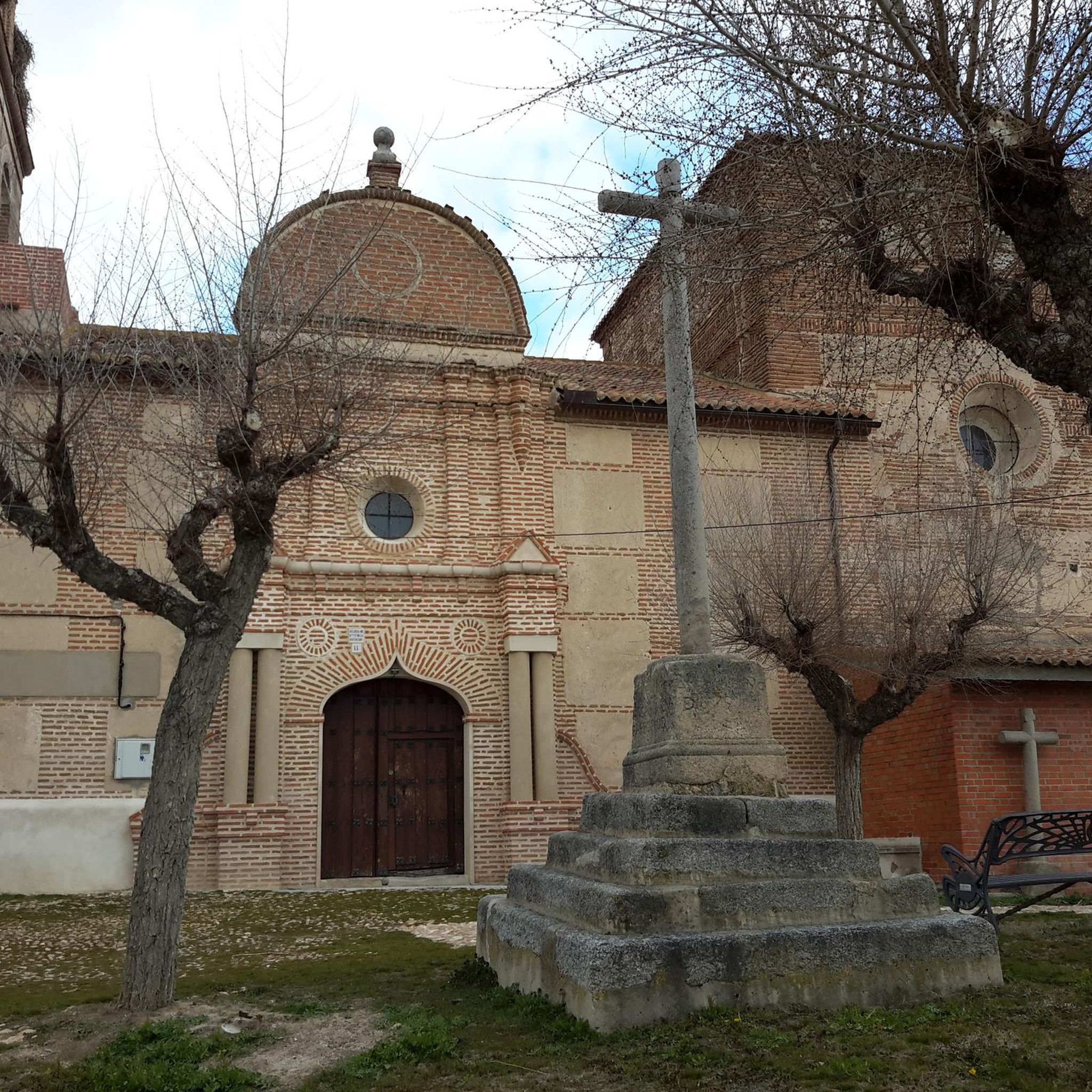
The Church of San Pedro Apóstol in El Oso, Ávila, is a parish church dating back to the 16th century. It stands out for its stone architecture, with three naves separated by large semicircular arches and a 17th-century Baroque main altarpiece. ⛪😎 In front of the church, there is the Stone Bear, also known as Verraco Vettón. This stone sculpture is part of the town's Open Air Museum and has great historical and cultural importance.🐻
4
0
El Bohodón is a municipality in Spain belonging to the province of Ávila, in the autonomous community of Castilla y León. It is located in the La Moraña region, in the north of the province. It is located 35 kilometers from the capital and 17 kilometers from Arévalo.
5
0

It is the parish church of Gotarrendura and its construction dates from the s. XVII. Regarding its artistic style, it connects very well with the Mudejar style typical of its area, although its baroque part stands out more.
1
0
It is the church of the locality, with origin of the s. XVI. In front of it, you can see another of the stops of the Open Air Museum: the stone bear or Verraco Vettón, around which there is a whole local mythology.
2
1

Small population where two rivers bathe the lands of the municipality, to the east the Adaja river and to the west the Arevalillo river, a tributary of the previous one.
1
0
Population that is located at the gates of what is called Campo de Pajares on its eastern side. Pine forests that occupy a large area.
1
0
Small town located north of the city of Ávila and that offers views of the plains of Avila in the area. At the beginning of the town is the Iglesia de Nuestra Señora de la Asunció, a little away from the center.
0
0
Frequently Asked Questions
What historical sites can I explore near Blascosancho?
While Blascosancho itself was a significant seignorial estate, a notable historical site nearby is the Church of San Pedro Apóstol and the Verraco Vettón (Stone Bear) in El Oso. This 16th-century church features impressive stone architecture and a 17th-century Baroque altarpiece. In front, you'll find the ancient Stone Bear, a Vettón sculpture with local mythological importance.
Are there any unique natural features or viewpoints in the Blascosancho area?
Yes, the region offers glimpses of traditional Castilian landscapes. You can visit Vega de Santa Maria, a small town north of Ávila, which provides views of the plains. Additionally, the municipality of El Bohodón is notable for being where the Adaja and Arevalillo rivers flow, offering a riverine landscape.
What kind of outdoor activities can I do around Blascosancho?
The area around Blascosancho is well-suited for cycling. You can find various routes for mountain biking, road cycling, and touring. For example, there are several moderate to difficult MTB trails like the 'Maello – Muñopedro Straights loop from Sanchidrián' or road cycling routes such as the 'Muñopedro, Maello y Hernansancho — circular desde Sanchidrián'. You can explore more options on the MTB Trails around Blascosancho, Road Cycling Routes around Blascosancho, and Cycling around Blascosancho guide pages.
Are there any family-friendly attractions or activities near Blascosancho?
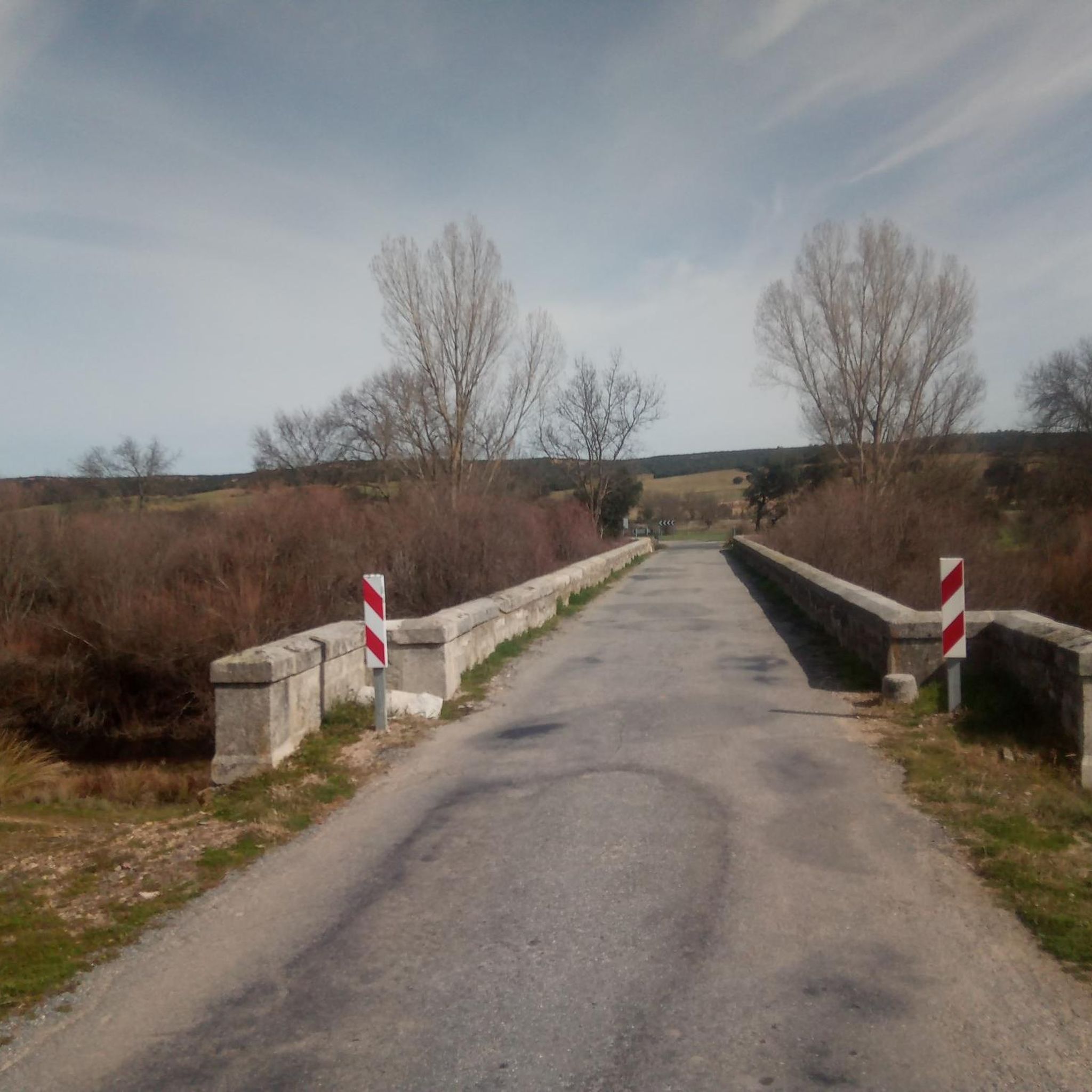
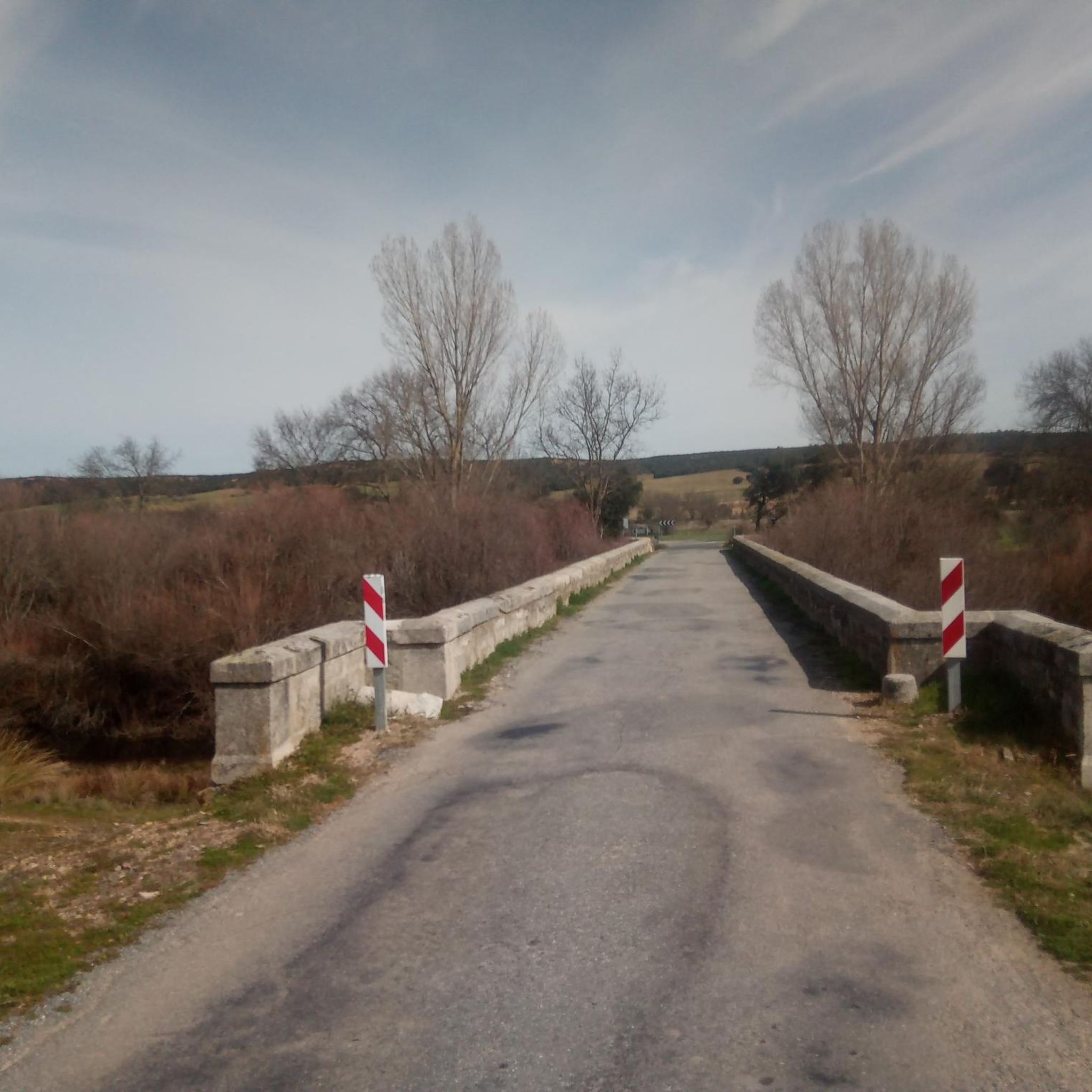
While Blascosancho offers a quiet rural experience, the nearby Bridge near Moñibas is considered family-friendly and wheelchair accessible, offering a pleasant spot to enjoy traditional Castilian rural architecture by the Río Voltoya. Exploring the small towns like Vega de Santa Maria can also be a gentle outing for families.
What is the best time of year to visit Blascosancho and the surrounding area?
The region experiences a continental climate. Spring (April-May) and autumn (September-October) generally offer pleasant temperatures for exploring the rural landscapes and historical sites. Summers can be hot, while winters are cold, so plan your visit according to your preferred activity and comfort with the weather.
What kind of architecture can I expect to see in the Blascosancho area?
You'll encounter traditional Castilian rural architecture. A prime example is the small stone Bridge crossing the Río Voltoya near Moñibas. The Church of San Pedro Apóstol in El Oso also showcases significant 16th-century stone architecture.
Are there any specific cycling routes recommended for different skill levels?
Yes, you can find routes for various skill levels. For road cycling, there's an 'easy' 27.8 km 'Muñopedro Straights – Bridge loop from Sanchidrián'. For more challenging rides, consider 'difficult' routes like the 63.2 km 'El Cubillo Hermitage – Maello loop from Urb. Coto de Puenteviejo' for MTB. Details for these and other routes are available on the respective MTB, Road Cycling, and Cycling guide pages.
What are the main characteristics of the settlements around Blascosancho?
The settlements around Blascosancho, such as El Bohodón and Vega de Santa Maria, are typically small, agricultural communities. They offer a quiet charm, traditional Castilian rural architecture, and often feature local churches like the Iglesia de Nuestra Señora de la Asunción in Vega de Santa Maria.
What do visitors particularly enjoy about the attractions near Blascosancho?
Visitors appreciate the traditional rural charm and historical significance of the area. The Church of San Pedro Apóstol and the Verraco Vettón is noted for its impressive architecture and cultural importance. The small stone Bridge is also highlighted for its characteristic Castilian design.
Are there any specific agricultural landscapes or features to see?
Yes, the area is primarily agricultural. You can observe extensive agricultural fields, particularly around the Muñopedro Straights, which are vast open areas surrounded by farmland. These landscapes are characteristic of the La Moraña region.
How accessible are the attractions for people with mobility considerations?
The Bridge near Moñibas is noted as being wheelchair accessible, making it a suitable option for visitors with mobility considerations. For other sites, it's advisable to check specific accessibility details as the rural terrain might vary.
Most popular routes around Blascosancho

Get inspired with the komoot mobile app


Explore more
Still not found the Highlight you’re looking for? See guides of the top attractions in other regions:
