The best cycling routes around Blascosancho
24
riders
8
rides
Touring cycling routes around Blascosancho traverse a landscape characterized by expansive plains and open countryside, typical of the broader Ávila province. The region offers varied terrain, including routes that may follow river valleys and pass through dehesa landscapes with scattered trees. Historical landmarks such as the Castronuevo Castle-Palace and the Church of Nuestra Señora de La Asunción serve as notable visual cues along many routes. This area provides a mix of paved and unpaved segments, catering to different cycling preferences.
…Last updated: May 21, 2026
5
riders
30.7km
02:06
310m
310m
Moderate bike ride. Good fitness required. Mostly paved surfaces. Suitable for all skill levels.
4
riders
32.6km
02:28
200m
200m
Moderate bike ride. Good fitness required. Mostly paved surfaces. Suitable for all skill levels.

Sign up for free
3
riders
34.6km
02:41
400m
400m
Moderate bike ride. Good fitness required. Mostly paved surfaces. Suitable for all skill levels.
3
riders
27.0km
02:03
220m
220m
Moderate bike ride. Good fitness required. Mostly paved surfaces. Suitable for all skill levels.
2
riders
24.5km
01:57
150m
150m
Moderate bike ride. Good fitness required. Mostly paved surfaces. Suitable for all skill levels.
Get access to more routes and recommendations from other explorers.
Sign up for free
Already have an account?
Our route recommendations are based on thousands of hikes, rides, and runs completed by other people on komoot.
Start today with a free account
Your next adventure awaits.
Login or Signup


Tips from the Community

The Castro de Las Cogotas, located in the municipality of Cardeñosa (Ávila), is one of the most emblematic Iron Age archaeological sites on the Iberian Peninsula, especially linked to the Vetton people. It is situated on a hill next to the Adaja River, surrounded by holm oak groves, pastures, and fertile land. This location offered defensive advantages and abundant natural resources. The fort is open to the public and has an Interpretation Center that explains its history and characteristics. Periodic archaeological conferences are also held on the site.
2
0
The place name Mingorría retains Basque reminiscences, deriving from “mendi gorria,” which means “red mountain” or “red land.” This is observed in other cases in the province of Ávila, such as the town of Mendigorría in Navarra. In historical documents, Mingorría already appears as Ningorría, and it is believed that there was an assimilation due to the change of the liquid initials “M” to “N.” Another legend attributes the name of Mingorría to the notice that José Chinchurreta gave to monarch Felipe II, justifying the delay in the supply of granite during the works of the Monastery of El Escorial.
4
0

Three stone crosses located on a rocky outcrop near the Ermita del Berrocal, on the outskirts of Cardeñosa.
1
0

Cardeñosa is the ideal place to stop along the way and have a drink to continue the route. Here is the Castro Interpretation Center
1
0

Nucleus that has a great history behind it not only because Las Cogotas is located closer to the reservoir but also, for example, the Arco toral of the depopulated Conejeros.
1
0
Las Cogotas is an ancient walled enclosure that is currently an important archaeological site located north of the city of Ávila and right next to the Embalse del Castro de Las Cogotas.
0
1
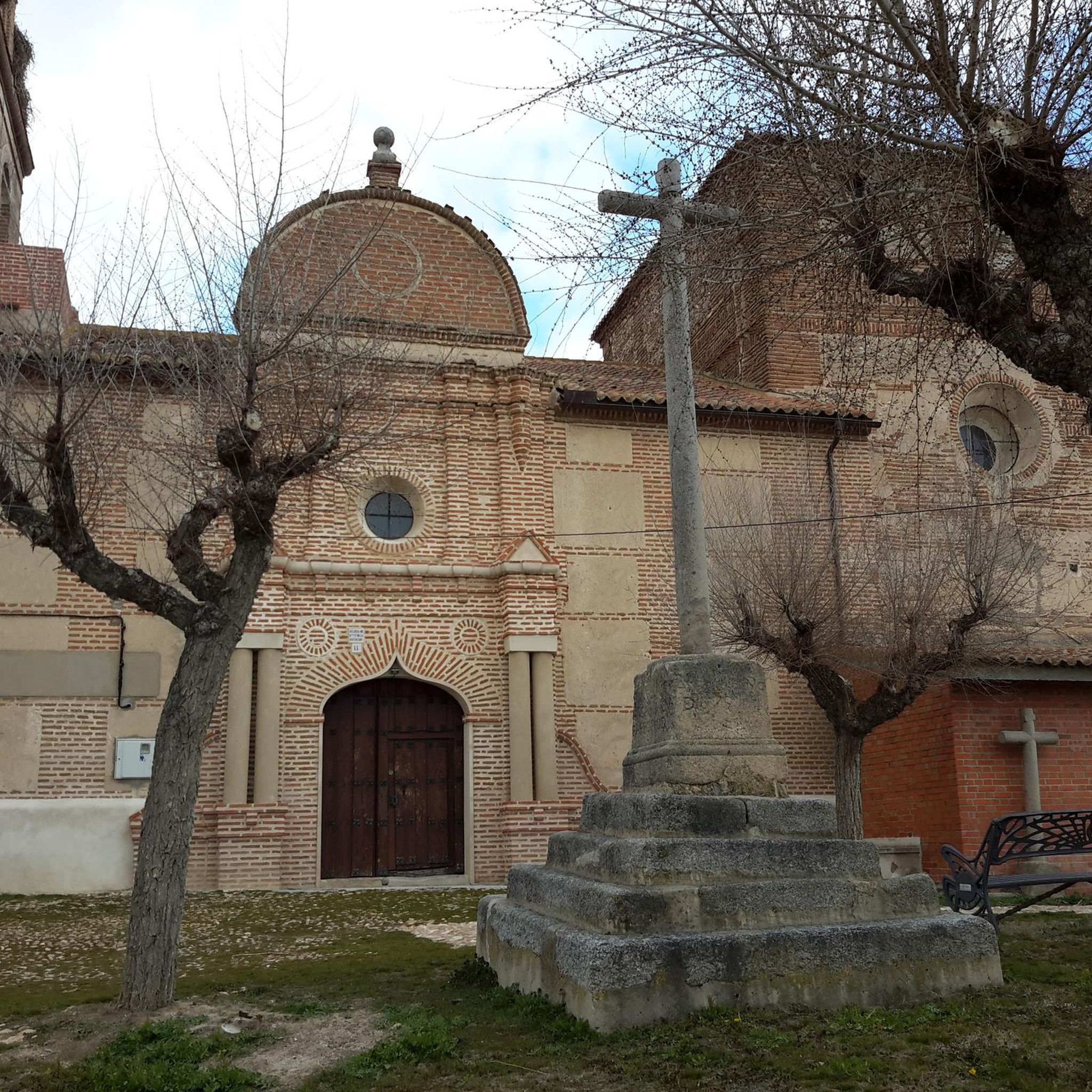
A small town that is characterized by its location close to the banks of the Adaja river where it flows through the territory of the municipality. The surroundings of the town are beautiful, as is the church that is in the old center of the town.
2
0

Near the Castro de las cogotas and the reservoir of the same name, we are located in the Peña Caballera, which is a spectacular rock formation.
1
0
Frequently Asked Questions
How many touring cycling routes are available around Blascosancho?
There are several touring cycling routes around Blascosancho, with komoot featuring 8 distinct tours. These routes traverse a landscape of expansive plains and open countryside, offering varied terrain for cyclists.
What are the typical difficulty levels for touring cycling routes in this area?
The touring cycling routes around Blascosancho are primarily categorized as moderate, with 7 routes falling into this category. There is also 1 difficult route for more experienced cyclists. There are no easy routes listed, so beginners should consider the moderate options carefully.
Are there any circular touring cycling routes around Blascosancho?
Yes, many of the routes are circular. For example, you can explore the area on the Bike loop from Santo Domingo de las Posadas, which is a moderate 20.2-mile (32.6 km) path, or the Cardeñosa – Castro de Las Cogotas loop from Santo Domingo de las Posadas, a 21.5-mile (34.6 km) trail.
What kind of landscapes can I expect to see on a touring bike ride near Blascosancho?
Cyclists can expect to traverse diverse landscapes typical of the Ávila province. Routes often feature open plains, river valleys, and dehesa landscapes characterized by scattered trees. Historical landmarks like the Castronuevo Castle-Palace and the Church of Nuestra Señora de La Asunción are also prominent visual cues along many routes.
Are there any historical attractions or landmarks to see along the cycling routes?
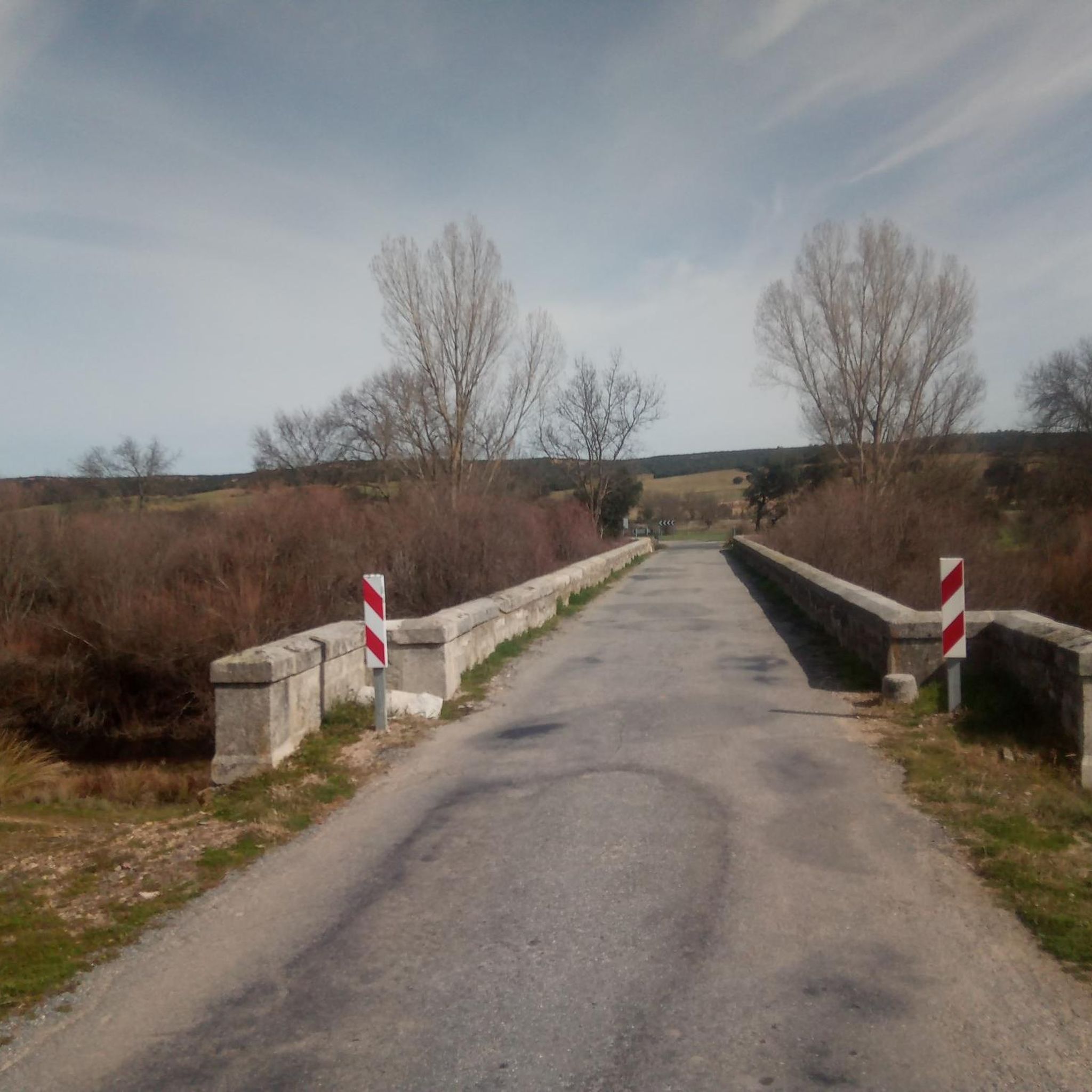
Yes, the region is rich in history. You can pass by significant landmarks such as the Muñopedro Straights, or the Bridge. The broader area also features the impressive Castronuevo Castle-Palace and the visible tower of the Church of Nuestra Señora de La Asunción.
Are there any longer touring cycling routes for experienced cyclists?
For experienced cyclists seeking a longer challenge, the Bridge – Laguna Rodrigo loop from Sanchidrián is a difficult 39.1-mile (62.9 km) route. This tour offers a more demanding experience with significant elevation changes.
What is the best time of year for touring cycling around Blascosancho?
While specific seasonal recommendations aren't provided, the varied terrain including plains and dehesa landscapes suggests that spring and autumn would likely offer pleasant temperatures for cycling. Summers in central Spain can be hot, so early mornings or late afternoons might be preferable during those months.
Are there any routes that follow river valleys?
Yes, the wider Ávila area features river valleys, and you can find routes that incorporate these. For instance, the Adaja River (dam) loop from Santo Domingo de las Posadas is a moderate 16.8-mile (27.0 km) route that explores the vicinity of the Adaja River.
What do other touring cyclists say about the routes in Blascosancho?
More than 20 touring cyclists have used komoot to explore Blascosancho's varied terrain. They often praise the open countryside and the opportunity to combine natural beauty with cultural heritage, such as the visible historical landmarks along the way.
Are there any family-friendly touring cycling options?
While there are no routes specifically marked as 'easy' for beginners or young children, the moderate routes through plains and open countryside, such as the Muñopedro Straights loop from Urb. Coto de Puenteviejo, might be suitable for families with some cycling experience, given their relatively flat sections.
Can I find less crowded touring cycling routes near Blascosancho?
The region offers a network of routes through open plains and countryside, which generally provides a sense of space. While specific crowd levels are not tracked, exploring routes slightly off the main popular paths, or cycling during off-peak hours, can help ensure a more tranquil experience.
Most popular attractions around Blascosancho

Get inspired with the komoot mobile app


Explore more
Browse the best Cycling routes in other regions.
