The best cycling routes around Horcajo De Montemayor
4.2
(50)
492
riders
10
rides
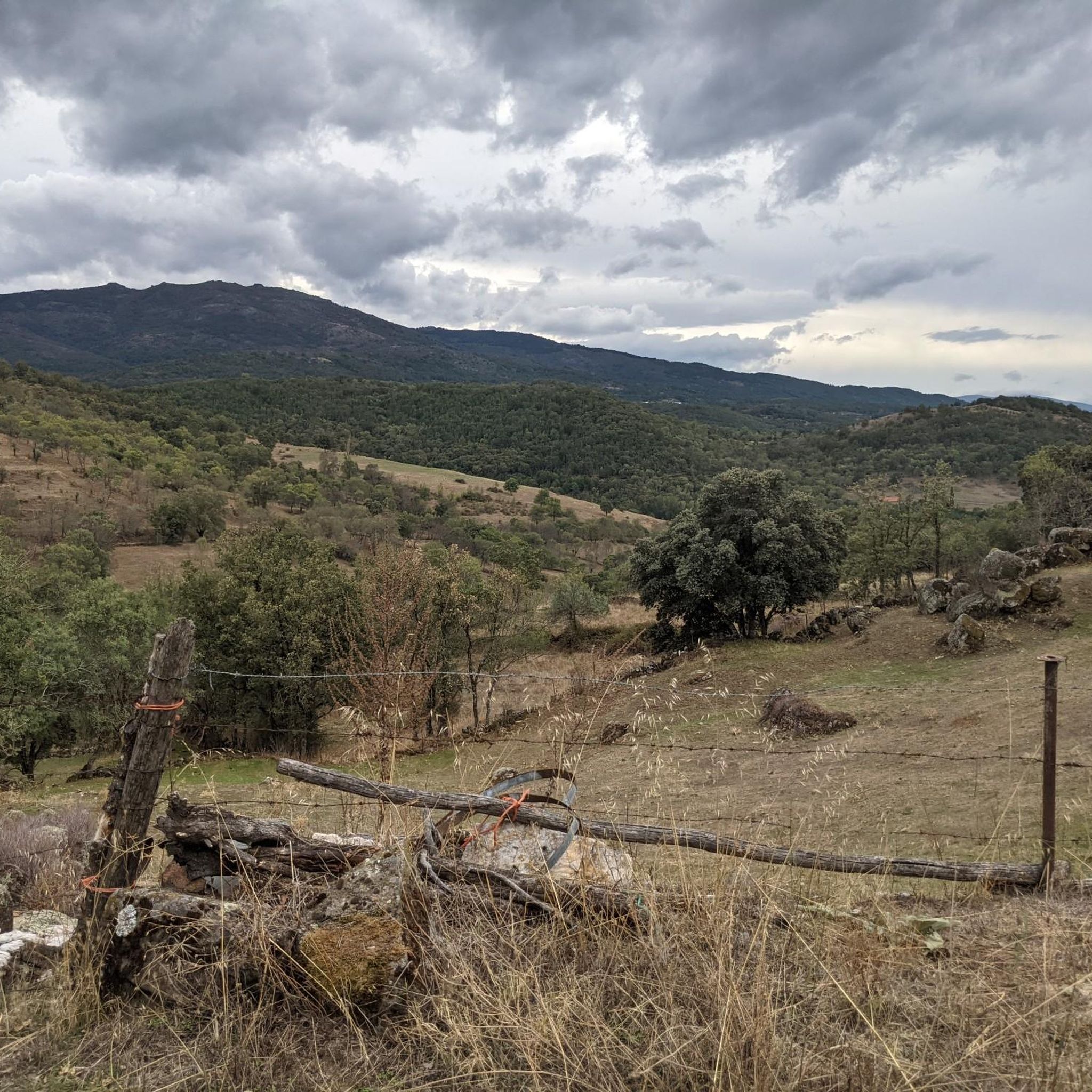
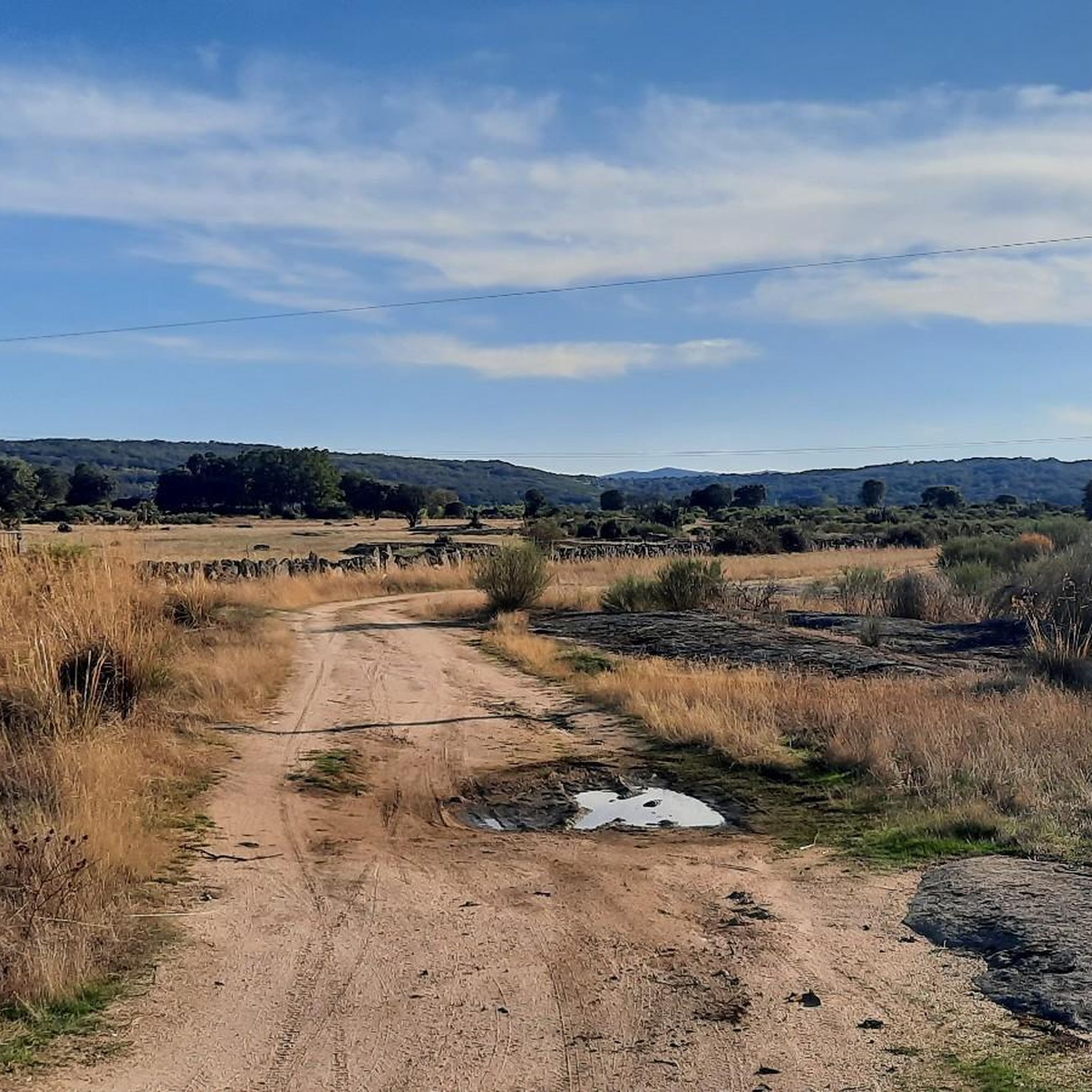
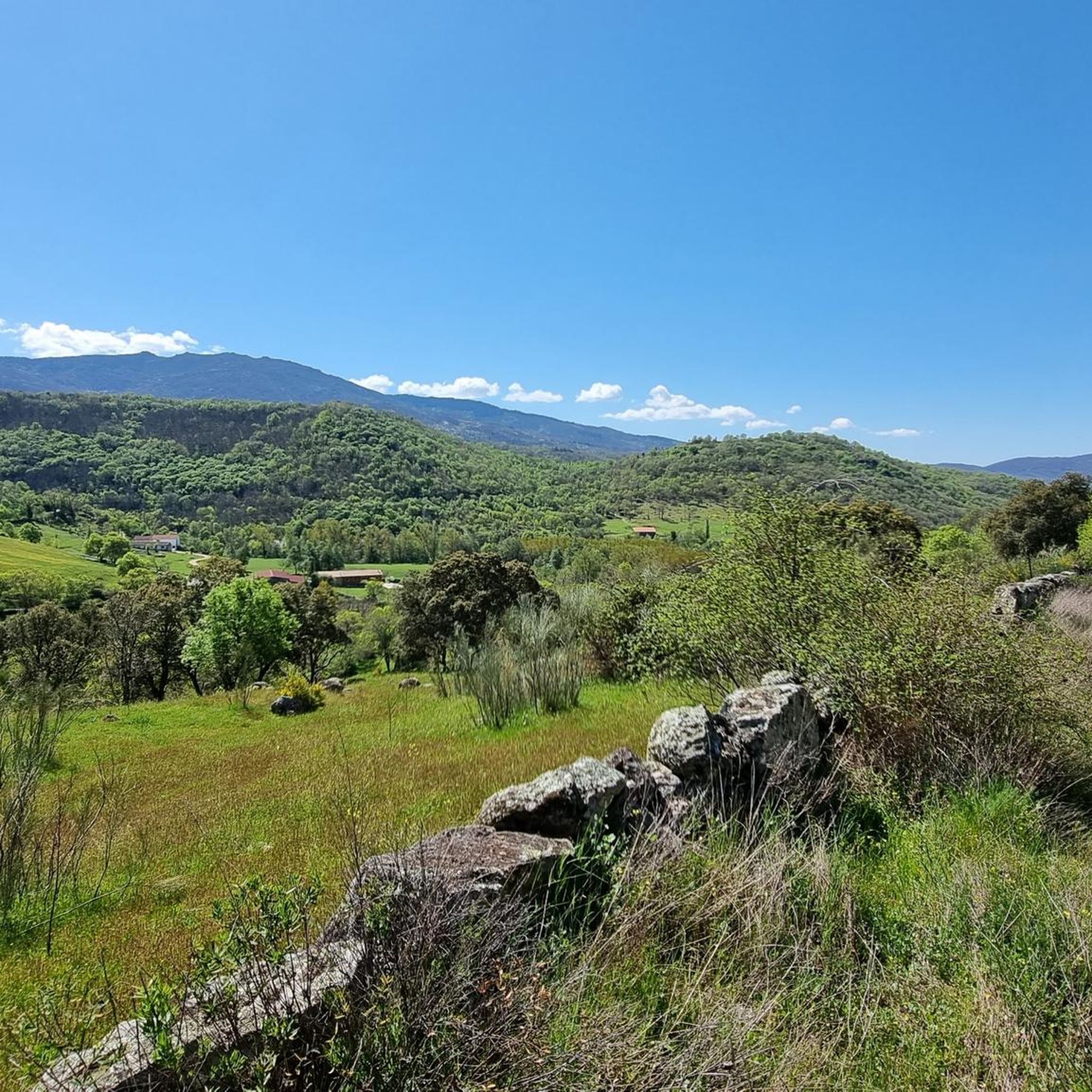
Touring cycling routes around Horcajo De Montemayor traverse a varied landscape situated between the Sierra de Béjar and Sierra de Francia mountain ranges in Spain's Castile and León region. The area is characterized by dense oak and ash forests, expansive pasture meadows, and river valleys formed by the Valtornero stream and Sangusín River. Cyclists encounter diverse terrain, from rolling hills to challenging mountain passes, within a UNESCO Biosphere Reserve.
Best touring cycling routes around Horcajo De Montemayor
- The most popular…
Last updated: June 28, 2026
4.7
(3)
6
riders
34.5km
02:33
830m
830m
Hard bike ride. Very good fitness required. Mostly paved surfaces. Suitable for all skill levels.
3
riders
24.5km
01:49
600m
610m
Hard bike ride. Very good fitness required. Mostly paved surfaces. Suitable for all skill levels.

Sign up for free
13
riders
48.4km
04:43
1,320m
1,320m
Hard bike ride. Very good fitness required. You may need to push your bike for some segments of this route.
9
riders
41.1km
02:45
590m
590m
Hard bike ride. Very good fitness required. You may need to push your bike for some segments of this route.
9
riders
55.7km
04:03
1,060m
1,060m
Hard bike ride. Very good fitness required. You may need to push your bike for some segments of this route.
Get access to more routes and recommendations from other explorers.
Sign up for free
Already have an account?
Our route recommendations are based on thousands of hikes, rides, and runs completed by other people on komoot.
Start today with a free account
Your next adventure awaits.
Login or Signup
Tips from the Community

The old Béjar railway station has been magnificently renovated and transformed into a multi-purpose center called "Estación Béjar Verde". Located along the route of the Camino Natural Vía de la Plata, it houses a bar-restaurant with a terrace, a 40-bed hostel, and offers bicycle and hiking rental services.
0
0

At the village's social meeting point, the Plaza Mayor with its arcades, stands a beautiful granite pilgrim's cross.
11
0
Striking about the houses are the stone support beams above the doorposts. Religious texts are engraved on them and there are dates from the 1700s and 1800s. After the reconquista, when the area was repopulated, many Jews came to live in the village. Because the church forbade the Jews to practice their religion, they had to prove that they had joined the Catholic church by engraving biblical texts above their houses.
10
0


On the SA-205 highway, just outside San Esteban de la Sierra heading towards Santibáñez de la Sierra, you'll find the entrance to the Sierra Viewpoints Route, which includes several spectacular panoramic viewpoints. Views: The Alagón River Valley and its meanders. The Sierra de Francia mountain range with the Peña de Francia peak in the background. The Sierra de Béjar mountain range and the Las Quilamas Natural Area. This viewpoint is a magnificent natural balcony, perfect for photography and birdwatching (vultures, eagles, black storks).
2
0
What to see in Mogarraz The Faces of Mogarraz More than 800 portraits painted on the facades, the work of artist Florencio Maíllo, who transformed the village into an open-air museum. This initiative originated from photos taken in the 1960s for residents' national identity cards. Main Square The central oval-shaped square, surrounded by traditional mountain houses with timber framing and stone walls. Church of Our Lady of the Snows A Renaissance-style church, built between the 16th and 17th centuries. Bell Tower An old defensive tower, separate from the church, used as a watchtower in the Middle Ages. Ethnographic Museum – House of Crafts Exhibits traditional crafts such as embroidery, shoemaking, and goldsmithing.
2
0
Founded during the 12th-century repopulation of León by Alfonso IX, within the district of Miranda del Castañar. Declared a Historic-Artistic Site in 1998 and a member of the network of the Most Beautiful Villages of Spain. Its mountain architecture combines stone, wood, and adobe, with flower-adorned balconies and heraldic details.
2
0
What to see in Garcibuey Mural Route – Graffitibuey Since 2019, Garcibuey has become the “graffiti village,” with more than 18 murals by national and international artists integrated into its traditional architecture. The highlight is the mural “El Tritón de Miguelón,” covering 1,600 m², considered the largest in Europe and awarded best mural in the world in 2023. Old Town Cobblestone streets, traditional stone and wood houses, and the Church of San Pedro Apóstol (16th century) with a Baroque altarpiece. La Palla Pond An old irrigation system (1940), now a recreational area with a natural pool and a beach bar offering spectacular views. La Peña Viewpoint Panoramic views over the Alagón Valley and the Sierra de Francia mountain range.
8
0
Frequently Asked Questions
How many touring cycling routes are available around Horcajo de Montemayor?
There are 10 touring cycling routes available around Horcajo de Montemayor. These routes traverse diverse landscapes, from dense forests to challenging mountain passes, within a UNESCO Biosphere Reserve.
What is the general difficulty level of touring cycling routes in this area?
The majority of touring cycling routes around Horcajo de Montemayor are considered difficult, with 8 out of 10 routes falling into this category. There are also 2 moderate routes, offering options for various skill levels, though many routes feature significant ascents, such as those found in the Sierra de Béjar and Sierra de Francia.
Are there any family-friendly touring cycling routes in Horcajo de Montemayor?
While most routes are rated as difficult, the region offers varied terrain that can accommodate different abilities. For families or those seeking easier rides, consider exploring sections of the Vía de la Plata, which includes repurposed railway lines like the Vía Verde de Béjar, known for flatter sections. The Sierra de Francia also has routes ranging from easy village rides to more challenging climbs.
What kind of natural landscapes can I expect to see while cycling?
Cyclists will experience a rich tapestry of natural landscapes. The routes wind through dense oak and ash forests, interspersed with chestnut and walnut trees, and expansive pasture meadows. You'll also encounter river valleys formed by the Valtornero stream and Sangusín River, and enjoy scenic views towards the imposing peaks of La Covatilla, the Sierra de Béjar, and the Alagón River Valley.
What cultural or historical attractions can I visit along the cycling routes?
The area is rich in cultural and historical sites. You can explore charming villages like Miranda del Castañar, recognized as one of Spain's most beautiful villages. Other notable attractions include the ancient Roman bridge in Horcajo de Montemayor, Visigothic rock-hewn tombs, and the Museo Etnográfico El Molino Harinero. You might also pass by landmarks such as the Béjar Station and Vía de la Plata Tunnel or the "La Cruz" on the ancient Roman road Calzada Baños de Montemayor.
Are there any circular touring cycling routes available?
Yes, there are several circular routes. For example, the Valero Loop from San Esteban de la Sierra offers scenic views, and the Sequeros – Mogarraz loop from Miranda del Castañar takes you through historic villages. Another option is the Béjar Tunnel – View of Béjar loop from Cantagallo.
What do other touring cyclists say about the routes in Horcajo de Montemayor?
The touring cycling routes around Horcajo de Montemayor are highly rated by the komoot community, with an average score of 4.3 stars from over 40 reviews. Cyclists often praise the varied terrain, the stunning natural beauty of the UNESCO Biosphere Reserve, and the opportunity to explore charming villages and historical sites with minimal car traffic.
Can I find places to eat or stay along the cycling routes?
Yes, the region has amenities for cyclists. You'll find charming villages like Miranda del Castañar, Aldeacipreste, and Montemayor del Río that offer opportunities for cultural stops and local charm. Specific spots like La Pequeña Estación Bar Restaurant Café are also available along some routes, providing places to refuel and rest.
What are some notable natural features or viewpoints accessible by bike?
The region offers spectacular natural features and panoramic viewpoints. You can cycle towards the imposing peaks of La Covatilla and the wider Sierra de Béjar. The Quilamas Natural Space provides vistas of the Alagón River Valley. Other natural highlights include the Peña Negra Summit, the ancient Cedro de la Francesa, and the Soto Bridge - Alagón River.
Are there any routes that follow historic paths?
Yes, the region is connected to the historic Vía de la Plata, a renowned long-distance route that traverses western Spain. This ancient path offers flexible options for touring cyclists, including sections suitable for road bikes on virtually traffic-free old national roads, as well as off-road alternatives for gravel and mountain bikes. A notable cycling route along the Vía de la Plata connects Béjar to the Roman city of Caparra.
What is the best time of year for touring cycling in Horcajo de Montemayor?
The diverse terrain and Mediterranean climate make spring and autumn ideal for touring cycling, offering pleasant temperatures and vibrant landscapes. Summer can also be suitable, especially for routes that pass through shaded forests or higher elevations, though it's advisable to start early to avoid the midday heat. Winter offers a quieter experience, but some higher mountain passes might be challenging due to weather conditions.
Is public transport available to reach the cycling routes?
While Horcajo de Montemayor is a rural area, its connection to the Vía de la Plata and proximity to larger towns like Béjar means there might be limited public transport options. It's recommended to check local bus schedules for connections to Horcajo de Montemayor or nearby villages that serve as good starting points for routes. Parking is generally available in and around the villages for those arriving by car.
Most popular routes around Horcajo De Montemayor
Most popular attractions around Horcajo De Montemayor

Get inspired with the komoot mobile app


Explore more
Browse the best Cycling routes in other regions.
