The best road cycling routes around Horcajo De Montemayor
5.0
(7)
1,234
riders
31
rides
Road cycling around Horcajo de Montemayor, situated in the province of Salamanca, Spain, offers diverse landscapes and challenging terrain. The region is characterized by its location between the Sierra de Béjar and Sierra de Francia, featuring forests, open fields, and dehesas. Cyclists encounter varied natural environments, including oak and ash groves, wetlands with chestnut and walnut trees, and extensive pastures. The area is part of the Comarca de la Sierra de Béjar, a UNESCO Biosphere Reserve, providing mountain views and…
Last updated: May 31, 2026
1
riders
52.9km
02:37
770m
770m
This moderate 32.9-mile (52.9 km) road cycling route near Valverde de Valdelacasa offers scenic views and a good workout.
Hard road ride. Very good fitness required. Mostly well-paved surfaces and easy to ride.

Sign up for free
50
riders
123km
06:35
2,410m
2,410m
Hard road ride. Very good fitness required. Mostly well-paved surfaces and easy to ride.
43
riders
Moderate road ride. Good fitness required. Mostly well-paved surfaces and easy to ride.
49
riders
Moderate road ride. Good fitness required. Some segments of this route may be unpaved and difficult to ride.
Get access to more routes and recommendations from other explorers.
Sign up for free
Already have an account?
Our route recommendations are based on thousands of hikes, rides, and runs completed by other people on komoot.
Start today with a free account
Your next adventure awaits.
Login or Signup
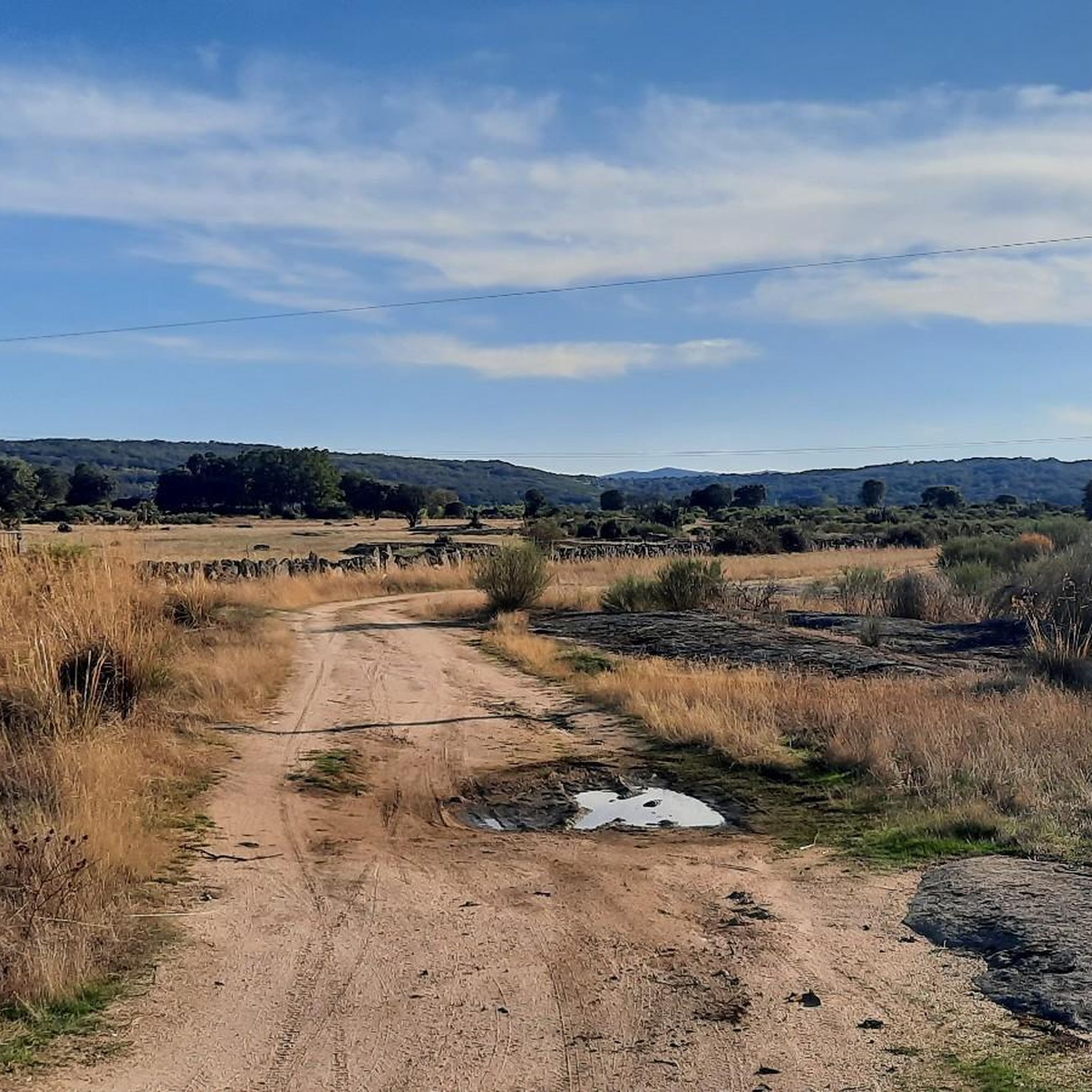
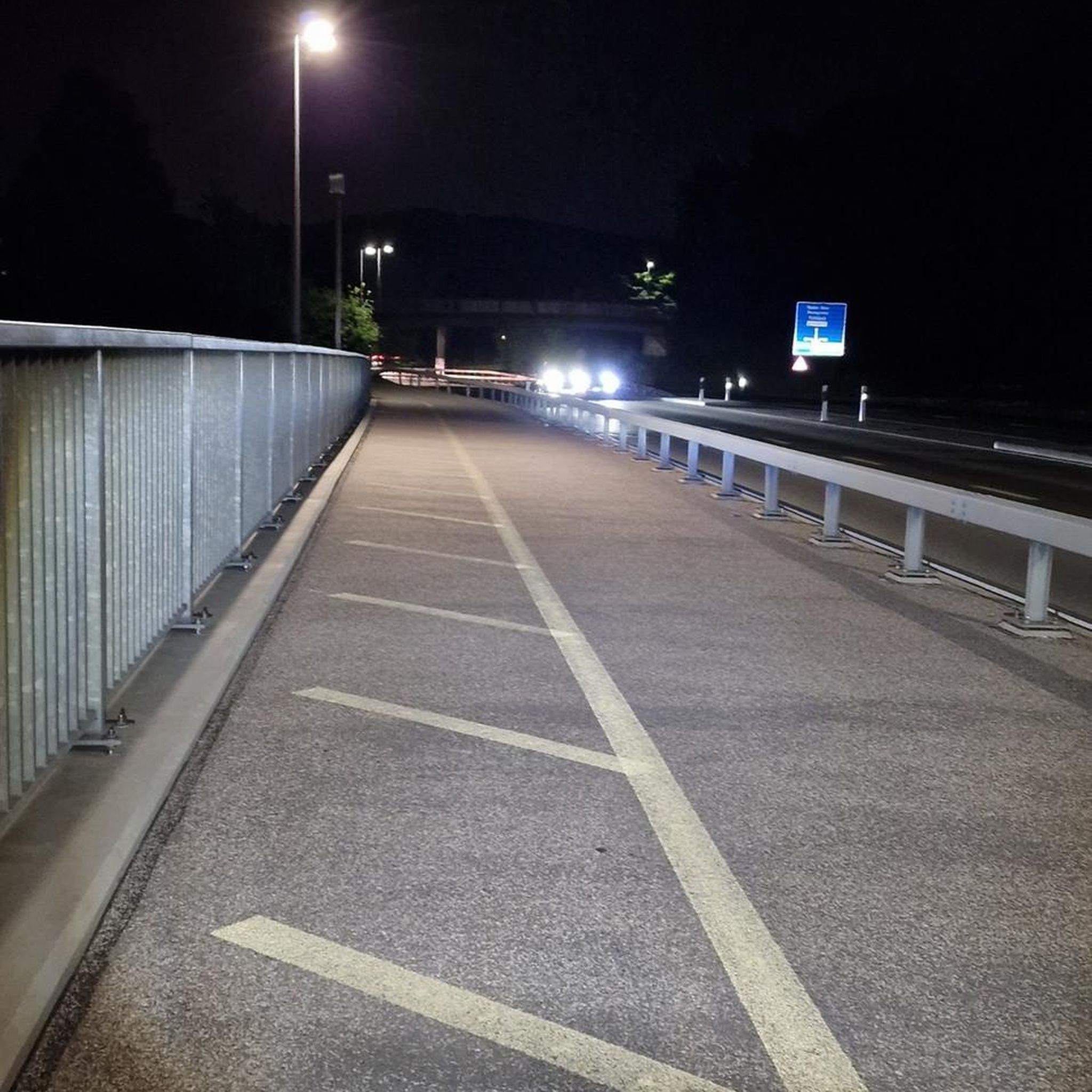
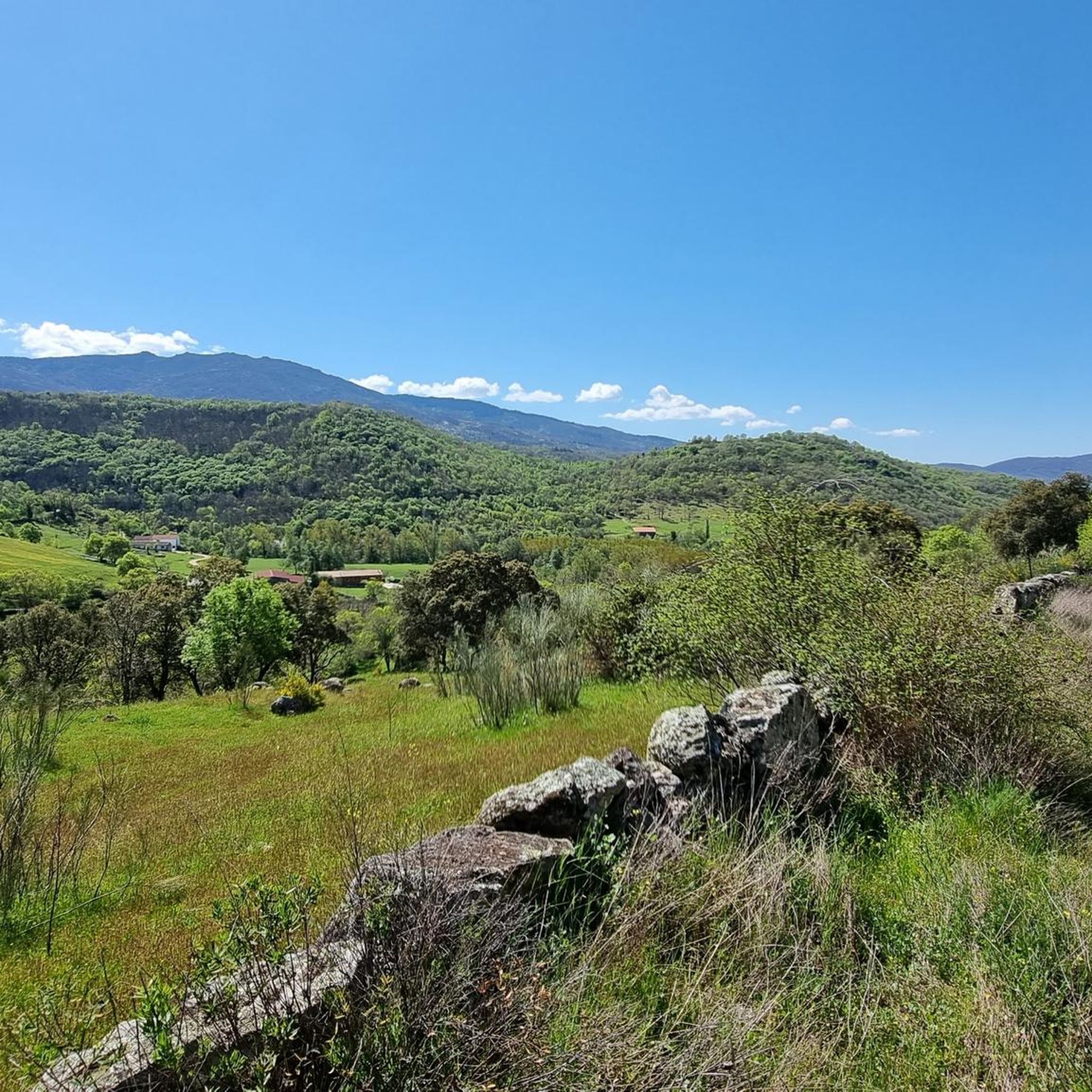
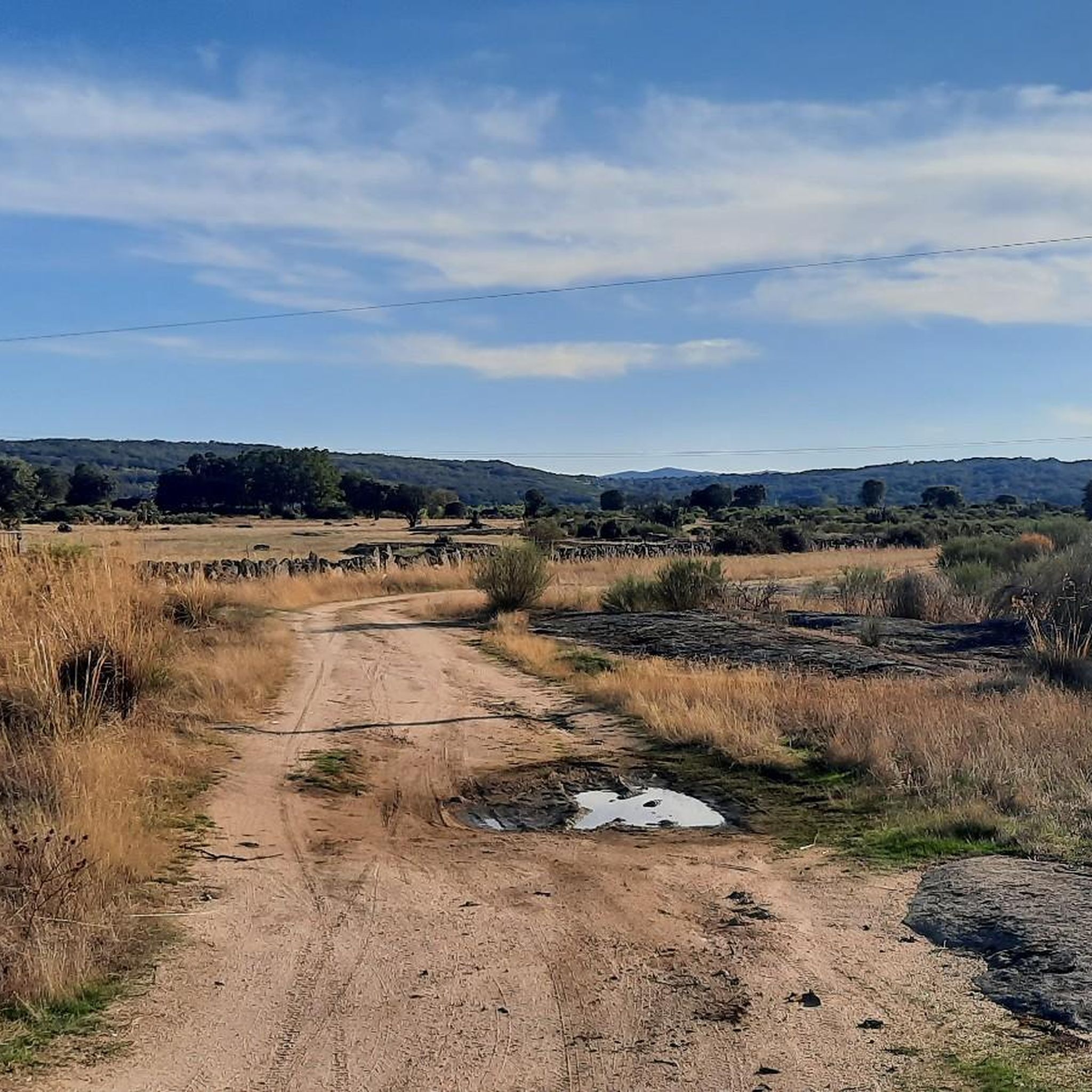
Tips from the Community

What to see in Miranda del Castañar Medieval Walls: Over 600 meters remain intact, with four gates facing the cardinal directions: San Ginés, Nuestra Señora, La Villa, and El Postigo. Zúñiga Castle: A 15th-century fortress, symbol of the former County of Miranda. Although the interior is not open to the public, its exterior and keep are impressive. Square Bullring: Considered one of the oldest in Spain, built in the 16th century on the site of the former parade ground. Church of Santiago and San Ginés: Gothic in style (13th-16th centuries), with a detached 17th-century bell tower. Houses with Coats of Arms: More than 80 noble coats of arms adorn the facades, reflecting the town's aristocratic past.
8
0
Miranda del Castañar, one of the most beautiful villages in Spain, is located in the Sierra de Francia (Salamanca): Founded in 1213 by Alfonso IX of León as a town and council, it was the administrative capital of the Sierra de Francia. In the 15th century, the County of Miranda was created under the control of the Zúñiga family, consolidating its strategic importance.
9
0
The Soto Bridge, also known as the Roman Bridge of Sotoserrano, is a historic stone structure that spans the Alagón River in the Las Batuecas-Sierra de Francia Natural Park. It is located in the town of Sotoserrano, famous for being at the confluence of three rivers: the Alagón, the Francia, and the Cuerpo de Hombre. The bridge is one of the town's symbols and a key point on several hiking and cycling routes.
2
0
It is the only granite theme park in Spain, created to pay homage to the quarrying tradition of the municipality. It occupies a former quarry transformed into an artistic and natural space. Monumental sculptures made from granite blocks by the Salamanca artist Amable Diego. Recreations that evoke menhirs, dolmens, and megalithic structures, including the famous "Salamanca Stonehenge." Explanatory panels on the history of quarrying, from Roman roads to modern industry.
6
0

Abandoned village under reconstruction
0
0

A very good road with magnificent views and little traffic. To enjoy.
1
0
A lovely area for cycling.
1
0

Granadilla is an abandoned town that is worth visiting.
0
0
Frequently Asked Questions
How many road cycling routes are available around Horcajo de Montemayor?
There are over 25 road cycling routes around Horcajo de Montemayor, offering a variety of distances and difficulty levels. These include 13 difficult and 15 moderate options, ensuring there's a route for most cyclists.
What kind of terrain and difficulty can I expect on road cycling routes in Horcajo de Montemayor?
The region offers diverse landscapes, from forests and open fields to dehesas, with significant elevation changes. You can expect challenging mountain passes that have been part of the Vuelta a España, such as La Covatilla, Peña Negra, and Garganta del Oso. Routes range from moderate to difficult, requiring a good level of fitness for many of the ascents.
What natural features and landmarks can I discover while road cycling near Horcajo de Montemayor?
The area is rich in natural beauty, being part of the UNESCO Biosphere Reserve of the Comarca de la Sierra de Béjar. You'll encounter spectacular mountain views, oak and ash groves, and wetlands. Notable natural features include the Peña Negra Summit and the Cedro de la Francesa. The region is also characterized by its location at the confluence of the Sangusín river and the Valtornero stream.
Are there any long-distance road cycling routes in the area?
Yes, for those seeking longer rides, routes like the Abandoned village of Granadilla - Aldeanueva del Camino y Lagunilla — circular through the Dehesa del Coto cover over 70 km with significant elevation gain. The historic Vía de la Plata also passes through the area, offering opportunities for extended cycling along an ancient Roman road.
What are some scenic viewpoints or picturesque villages accessible by road bike?
Many routes offer breathtaking views of the Sierra de Béjar. You can cycle towards the Béjar Pass for panoramic vistas. The charming village of Miranda del Castañar, recognized as one of Spain's most beautiful villages, is also a short distance away and makes for a picturesque cycling destination.
What is the best time of year for road cycling in Horcajo de Montemayor?
The region experiences varied weather due to its mountainous terrain. Spring and autumn generally offer the most pleasant conditions for road cycling, with milder temperatures and beautiful scenery. Summers can be warm, especially in lower elevations, while winters can bring colder temperatures and potential snow in the higher Sierra de Béjar mountains.
Are there any circular road cycling routes starting near Horcajo de Montemayor?
Yes, several circular routes are popular among local cyclists. The Entresierras Integral Circular Trail is a moderate 52.9 km loop. Another option is the Molinos de Pichón – Ascent to Puerto de Cristóbal loop from La Calzada de Béjar, which is a 26.5 km trail through the foothills.
What do other road cyclists enjoy the most about road cycling in Horcajo de Montemayor?
The area is highly rated by the komoot community, with an average score of 5.0 stars from over 9 reviews. Cyclists often praise the diverse landscapes, the challenging ascents, and the stunning mountain views offered by routes within the UNESCO Biosphere Reserve.
Are there options for less crowded road cycling routes?
While some routes, especially those leading to famous passes, can be popular, the region offers many quieter roads through its extensive dehesas and rural areas. Exploring routes that traverse the smaller villages or focus on the natural parks can often lead to a more serene cycling experience away from the main thoroughfares.
Are there any historical sites or cultural points of interest along the cycling routes?
Beyond the natural beauty, you can encounter historical elements. The ancient Roman road, Vía de la Plata, offers a path steeped in history. Within Horcajo de Montemayor itself, you can explore historical structures like the churches of Santa María and San Pedro, a stone bridge over the Sangusín river, and an old flour mill. The Béjar Station and Vía de la Plata Tunnel is another interesting historical point.
Where can I find places to eat or rest near the cycling routes?
Horcajo de Montemayor and nearby villages offer options for refreshments. You might find local cafes and pubs in the villages you pass through. For example, the La Pequeña Estación Bar Restaurant Café is a highlight in the area, providing a place to refuel.
Are there any beginner-friendly road cycling routes in Horcajo de Montemayor?
While many routes feature significant elevation changes, there is at least one route classified as easy. For those new to road cycling in the area, it's advisable to start with routes marked as 'moderate' and check the elevation profiles to ensure they align with your fitness level. The region's terrain generally leans towards more challenging rides.
Most popular routes around Horcajo De Montemayor
Most popular attractions around Horcajo De Montemayor

Get inspired with the komoot mobile app


Explore more
Browse the best Road cycling routes in other regions.
