The best running trails around Güevéjar
4.4
(174)
7,910
runners
263
runs
Jogging routes around Güevéjar traverse a landscape characterized by a mix of urban fringes, agricultural areas, and rolling hills. The region offers varied terrain, from flatter paths suitable for easy runs to routes with moderate elevation gains. These running paths often follow established tracks and quieter roads, providing opportunities to explore the local environment.
Best jogging routes around Güevéjar
- The most popular jogging route is Elvira Gate – Cuartel de Cervantes loop from Peligros, a 8.2 miles (13.3 km) trail that takes 1 hour 22 minutes to complete. This moderate route features gentle undulations through the local area.
- Another top favourite among local runners is Cuartel de Cervantes loop from Jun, a difficult 11.8 miles (19.1 km) path. This route includes more sustained climbs, offering a challenging running experience.
- Local runners also love the Running loop from Pulianas, a 3.1 miles (5.0 km) trail leading through local neighborhoods and green spaces, often completed in about 31 minutes.
- Jogging around Güevéjar is defined by a mix of urban paths, agricultural landscapes, and routes with gentle hills. The network offers options for easy, moderate, and challenging running, catering to different ability levels.
- The routes in Güevéjar are highly rated by the komoot community with an average score of 4.4 stars from over 160 reviews. More than 7,500 runners have used komoot to explore Güevéjar's varied terrain.
Last updated: May 24, 2026
11
runners
13.2km
01:22
60m
60m
Moderate run. Good fitness required. Mostly paved surfaces. Suitable for all skill levels.
15
runners
18.4km
01:55
130m
130m
Hard run. Very good fitness required. Mostly paved surfaces. Suitable for all skill levels.

Sign up for free
5.0
(2)
8
runners
5.03km
00:32
60m
70m
Moderate run. Good fitness required. Mostly paved surfaces. Suitable for all skill levels.
3
runners
7.70km
00:48
50m
50m
Moderate run. Good fitness required. Mostly paved surfaces. Suitable for all skill levels.
3
runners
11.7km
01:29
270m
270m
Moderate run. Good fitness required. Mostly paved surfaces. Suitable for all skill levels.
Get access to more routes and recommendations from other explorers.
Sign up for free
Already have an account?
Our route recommendations are based on thousands of hikes, rides, and runs completed by other people on komoot.
Start today with a free account
Your next adventure awaits.
Login or Signup
Tips from the Community

The Chartreuse of Granada (Spanish: Cartuja de Granada) is a Carthusian monastery in Granada, Spain. It is considered one of the finest examples of Spanish Baroque architecture. The monastery was founded in 1506; construction began ten years later and continued for three centuries. While the exterior is relatively restrained, the interior is a lavish explosion of ornamentation. Its complex geometric forms make it a masterpiece of the Churrigueresque style. Notable features include the tabernacle, designed by Francisco Hurtado Izquierdo, the church, and the famous sacristy, built between 1727 and 1764 by Luis de Arévalo and F. Manuel Vásquez. The monastery also boasts an extensive collection of paintings, the highlights being the works of Fray Juan Sánchez Cotán.
0
1

The Puerta de Elvira, also known as the Arco de Elvira, is a historic city gate in Granada. This gate was the main entrance to the city during Islamic rule, giving access from the road to Madīnat Ilbira (Medina Elvira) to the Cuesta de Alhacaba and Calle de Elvira. The gate was originally built in the 11th century by the Zirí sultans and later fortified in the 14th century during the Nasrid period. It is a fine example of Islamic architecture, with a horseshoe-shaped arch and flanking towers.
8
1
The Monasterio de La Cartuja, also known as the Real Monasterio de Nuestra Señora de la Asunción de la Cartuja, is a beautiful monastery in Granada. It was founded in 1516 by the Carthusian monks of the Monastery of Santa María de El Paular. The monastery is a masterpiece of Spanish Baroque architecture and is known for its richly decorated interiors, including the impressive dome of the sagrario, painted by Antonio Palomino. Other highlights include the sacristy, the church and the small cloister. The monastery is also home to an important collection of paintings, including works by the Carthusian monk Juan Sánchez Cotán. It is a peaceful place that is well worth a visit for anyone interested in art, history and architecture.
8
0

The Puerta de Elvira was built in the eleventh century. Commissioned by the Zirids, it quickly became one of the most important border fortifications in the Albaicín district of Granada. Later, the importance of the fortification was further emphasized when the Moorish ruler Yusuf I had the structure expanded into a fortress-like city gate. Today, the Puerta de Elvira is one of the best-preserved parts of the city walls.
4
0

Cogollos de la Vega is a pretty town with important archaeological remains and historical monuments. Its castle dating from the Middle Ages, the watchtower and the Arab baths and the parish church are well worth a visit. In addition, the views of the surroundings are spectacular from here.
0
0

Founded in the 16th century, this Cartuja is considered a masterpiece of Spanish Baroque architecture and boasts an impressive collection of religious art and elaborate decorations. Among the highlights of the Charterhouse are the impressive entrance staircase, the cloisters and the church with its magnificent high altar and impressive frescoed dome. La Cartuja also houses a large library with a collection of ancient manuscripts. A visit to the Cartuja is an opportunity to immerse yourself in the rich history and culture of Granada, as well as admire the beauty and splendor of Baroque architecture and art.
3
0
The Arch of Elvira is an impressive architectural structure located in built in the eleventh century. This arch is one of the few remaining remains of the old city wall and is considered one of the oldest monuments in Granada. Its style is of Islamic influence and is a clear example of the architecture of the Muslim era in the Iberian Peninsula.
5
0

The Carthusian monastery Monasterio de la Cartuja in Granada, called "La Cartuja" there, is considered one of the most important baroque buildings in Spain. It was built in 1507 by Gonzalo Fernández de Córdoba y Aguilar - known as Gran Capitán for short. What began in 1506 only came to completion in the 18th century: although the original building plans were not even realised, but a large number of different architectural styles were integrated. Entry: 5€ Opening hours: Sunday to Friday: 10:00 a.m. – 5:30 p.m Saturday 10:00 a.m. - 12:30 p.m. / 3:00 p.m. - 5:30 p.m
1
1
Frequently Asked Questions
How many running routes are available around Güevéjar?
There are over 270 running routes documented around Güevéjar on komoot, offering a wide variety of options for all skill levels. This includes 25 easy routes, 197 moderate routes, and 53 challenging trails.
Are there any easy running routes suitable for beginners in Güevéjar?
Yes, Güevéjar offers several easy running routes perfect for beginners or those looking for a relaxed run. A good option is the Running loop from Pulianas, which is 3.1 miles (5.0 km) long and takes about 31 minutes to complete through local neighborhoods and green spaces.
What are some challenging running trails in the Güevéjar area?
For runners seeking a challenge, the region has several difficult routes. The Cuartel de Cervantes loop from Jun is a demanding 11.8 miles (19.1 km) path featuring sustained climbs, offering a rigorous running experience.
Are the running routes around Güevéjar dog-friendly?
Most outdoor trails in the Güevéjar area are generally dog-friendly, especially those traversing agricultural areas and natural landscapes. However, it's always recommended to keep dogs on a leash and check for any specific local regulations or signage, particularly in protected areas or private land.
What is the best time of year to go jogging in Güevéjar?
The best times for jogging in Güevéjar are typically spring (March to May) and autumn (September to November). During these seasons, the weather is mild and pleasant, making for ideal running conditions. Summers can be quite hot, especially midday, while winters are generally mild but can be cooler.
Are there running routes with notable sights or landmarks?
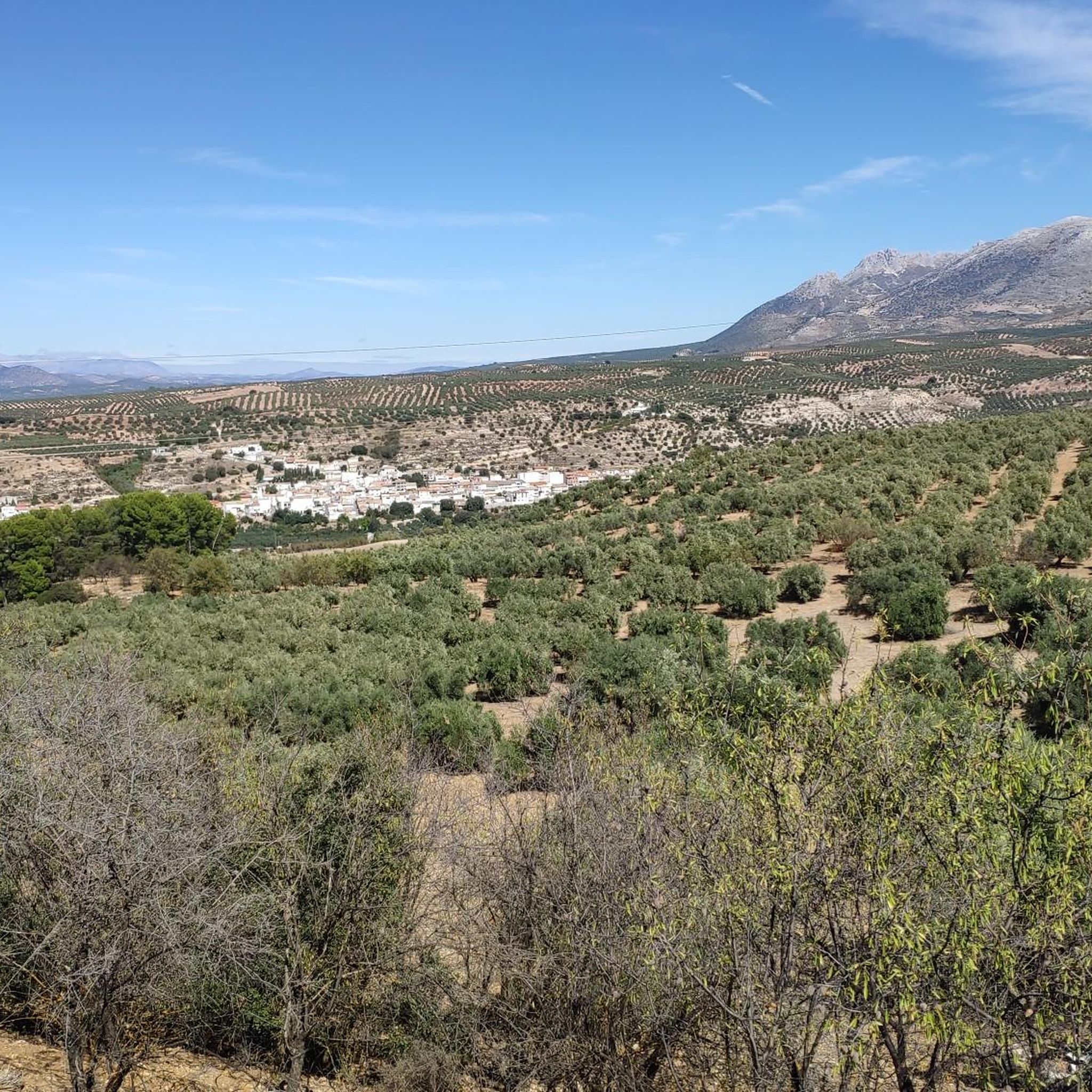
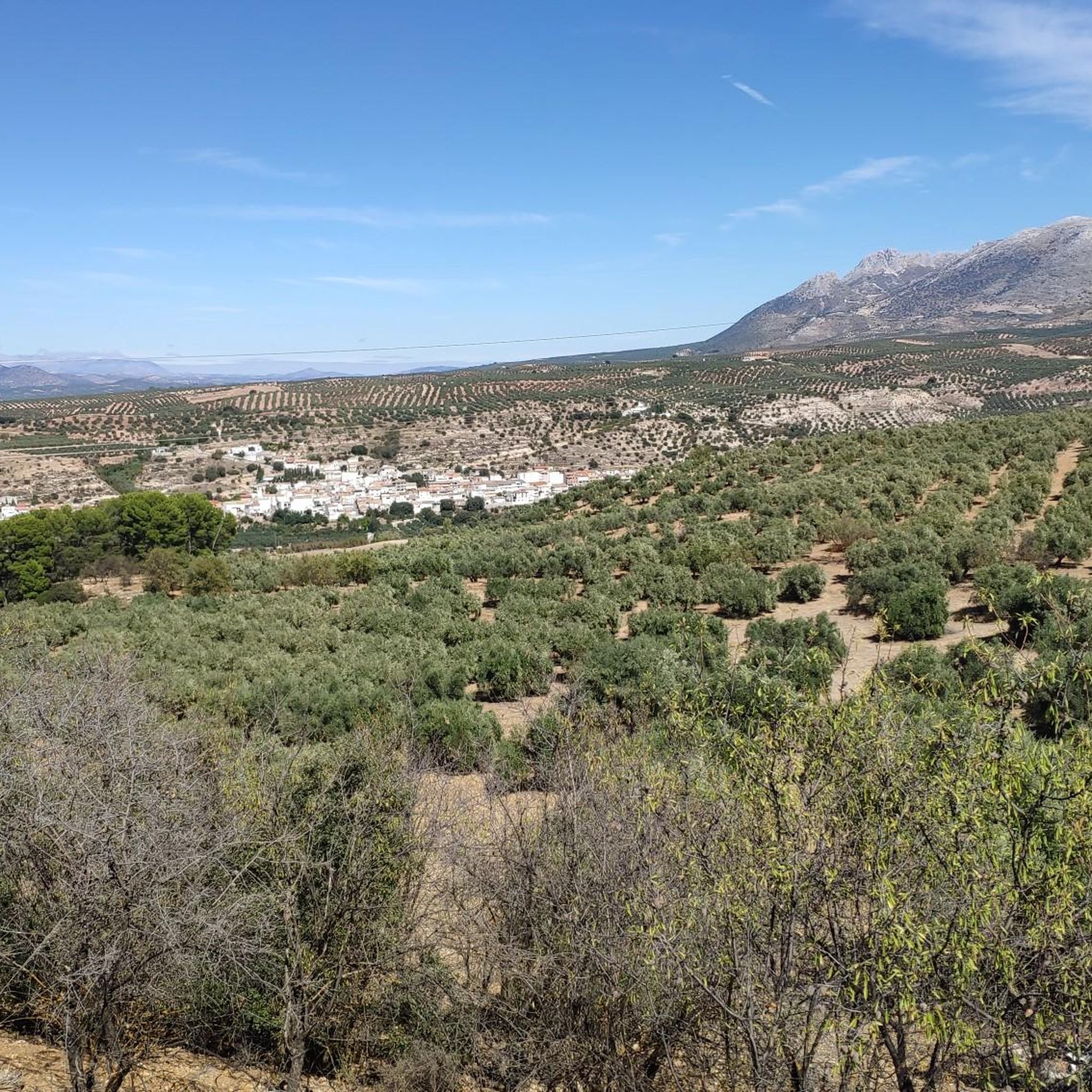
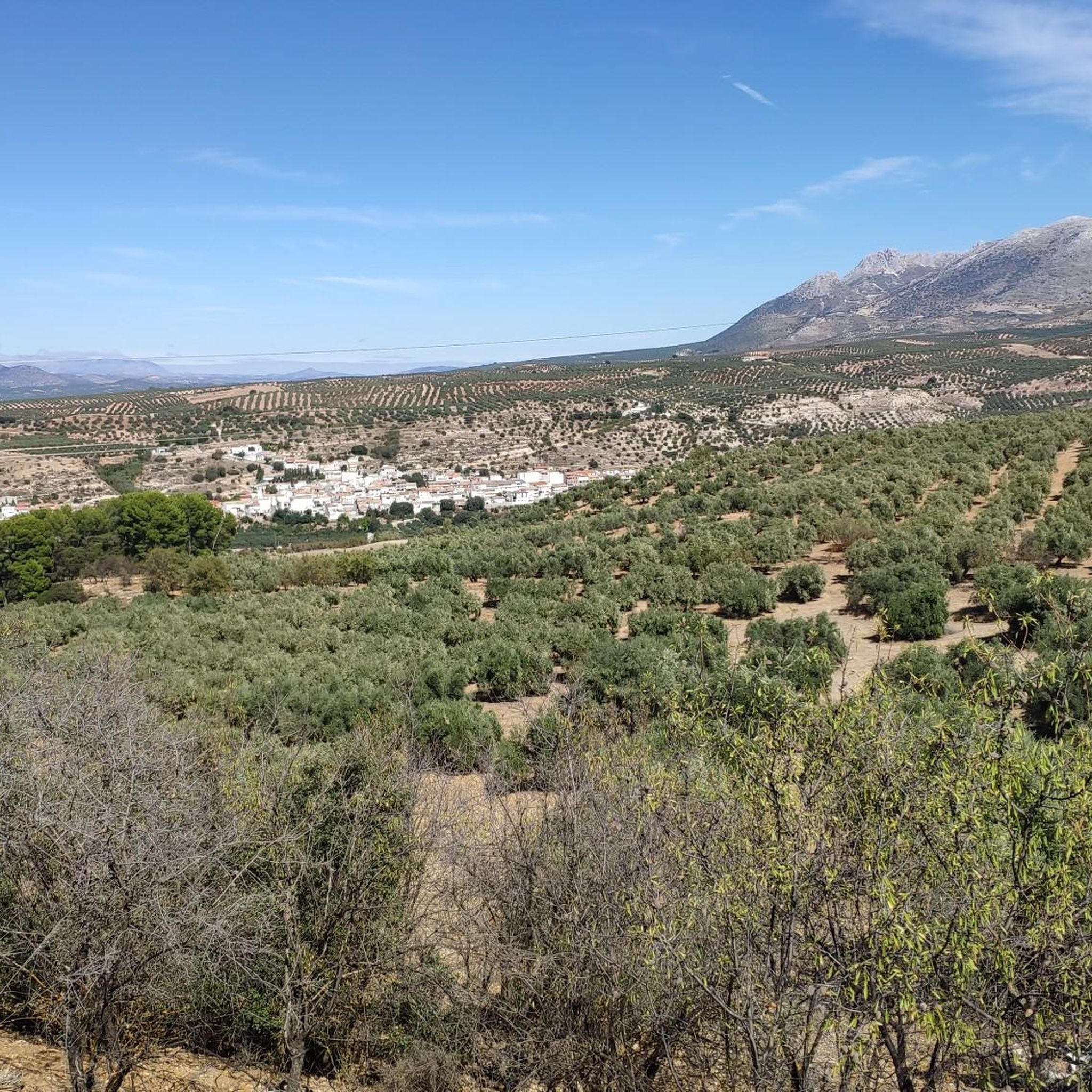
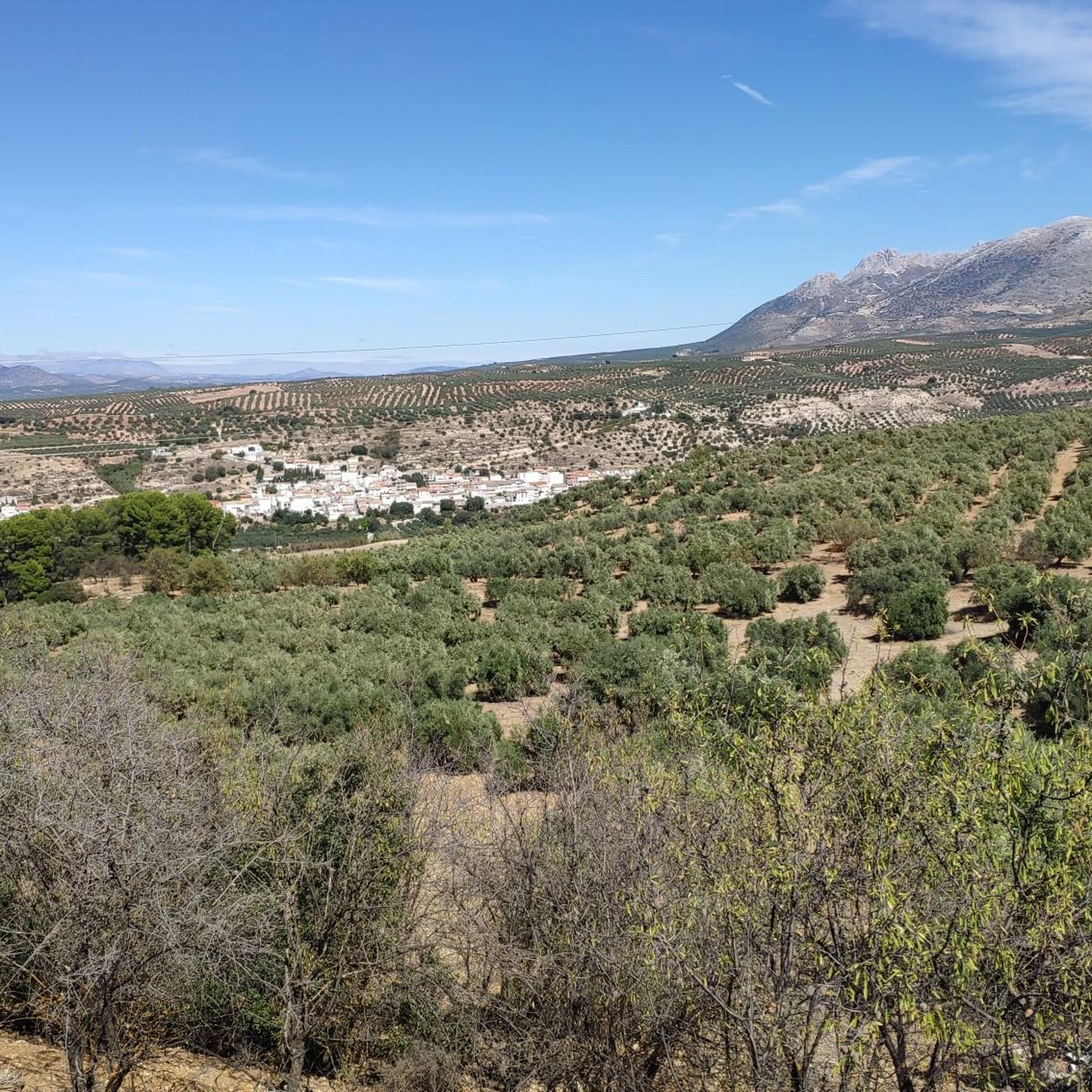
While many routes offer scenic views of the local landscape, some pass near historical or natural points of interest. For instance, the region is close to significant landmarks like the Alhambra and various mountain peaks such as Peñón de la Mata, which can be seen from some trails or explored separately.
Are there any circular running routes in Güevéjar?
Yes, many of the running routes around Güevéjar are designed as loops, allowing you to start and finish in the same location. An example is the Running loop from Peligros, a moderate 4.8 miles (7.7 km) route.
What kind of terrain can I expect on running trails in Güevéjar?
The terrain around Güevéjar is varied, characterized by a mix of urban paths, agricultural areas, and rolling hills. You'll find everything from flatter, established tracks suitable for easy runs to routes with moderate and sustained elevation gains, catering to different preferences and fitness levels.
Are there running routes that offer opportunities for a cafe stop?
While specific cafe stops aren't typically marked on the trails themselves, many routes start or end in towns and villages like Peligros, Jun, or Pulianas. These locations usually offer local cafes and shops where you can refuel before or after your run.
What do other runners enjoy most about jogging in Güevéjar?
The running experience in Güevéjar is highly rated by the komoot community, with an average score of 4.4 stars from over 160 reviews. Runners often praise the varied terrain, the mix of urban and natural landscapes, and the options available for different ability levels.
Are there any running routes with significant elevation gain?
Yes, for those looking for a workout with considerable elevation, routes like the Peñón de la Mata loop from Cogollos de la Vega offer a substantial climb, with an elevation gain of approximately 274 meters over its 7.3 miles (11.7 km) distance.
How accessible are the starting points of these running routes by public transport?
Many running routes around Güevéjar begin in or near local towns such as Peligros, Jun, Pulianas, and Cogollos de la Vega. These towns are generally served by local bus routes, making it possible to reach the starting points of various trails using public transport. It's advisable to check local bus schedules for specific routes and times.
Most popular attractions around Güevéjar

Get inspired with the komoot mobile app


Explore more
Browse the best Running Trails & Routes in other regions.
