Attractions and Places To See around Antas De Ulla - Top 20
Best attractions and places to see around Antas De Ulla include historical sites and traditional architecture. This region in Galicia features cultural landmarks often connected to the Camino de Santiago. Visitors can explore a variety of man-made monuments and religious buildings. The landscape offers opportunities to discover these points of interest.
Best attractions and places to see around Antas De Ulla
- The most popular attractions is Roman Bridge of Furelos, a bridge that is considered a jewel of civil…
Last updated: August 16, 2026
Roman Bridge of Furelos
Highlight • Bridge
Translated by Google •
Tip by

Church of Saint Mary of Leboreiro
Highlight • Religious Site
Translated by Google •
Tip by

Sign up now to discover places like this
Get recommendations on the best single tracks, peaks, & plenty of other exciting outdoor places.
Sign up for free
old granaries
Highlight • Monument
Translated by Google •
Tip by
San Tirso Church, Palas de Rei
Highlight • Religious Site
Translated by Google •
Tip by
Church of Saint Peter of Melide and cruceiro
Highlight • Religious Site
Translated by Google •
Tip by

Sign up for free to discover even more attractions around Antas De Ulla.
Sign up for free
Already have an account?
Start today with a free account
Your next adventure awaits.
Login or Signup
Tips from the Community

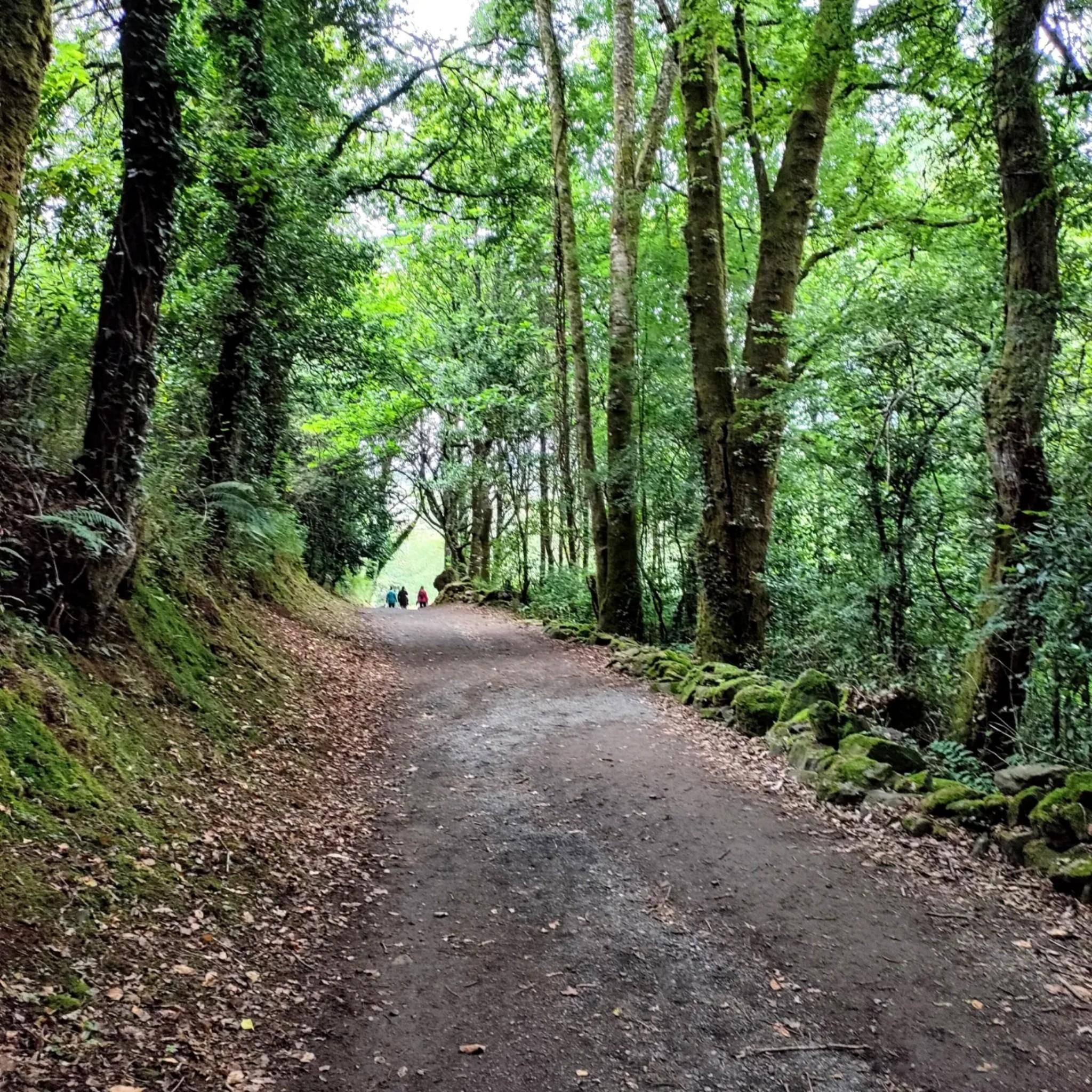
Contrary to what the name suggests, this was not the king's palace or residence. It's a lovely little place and good for a break.
1
2
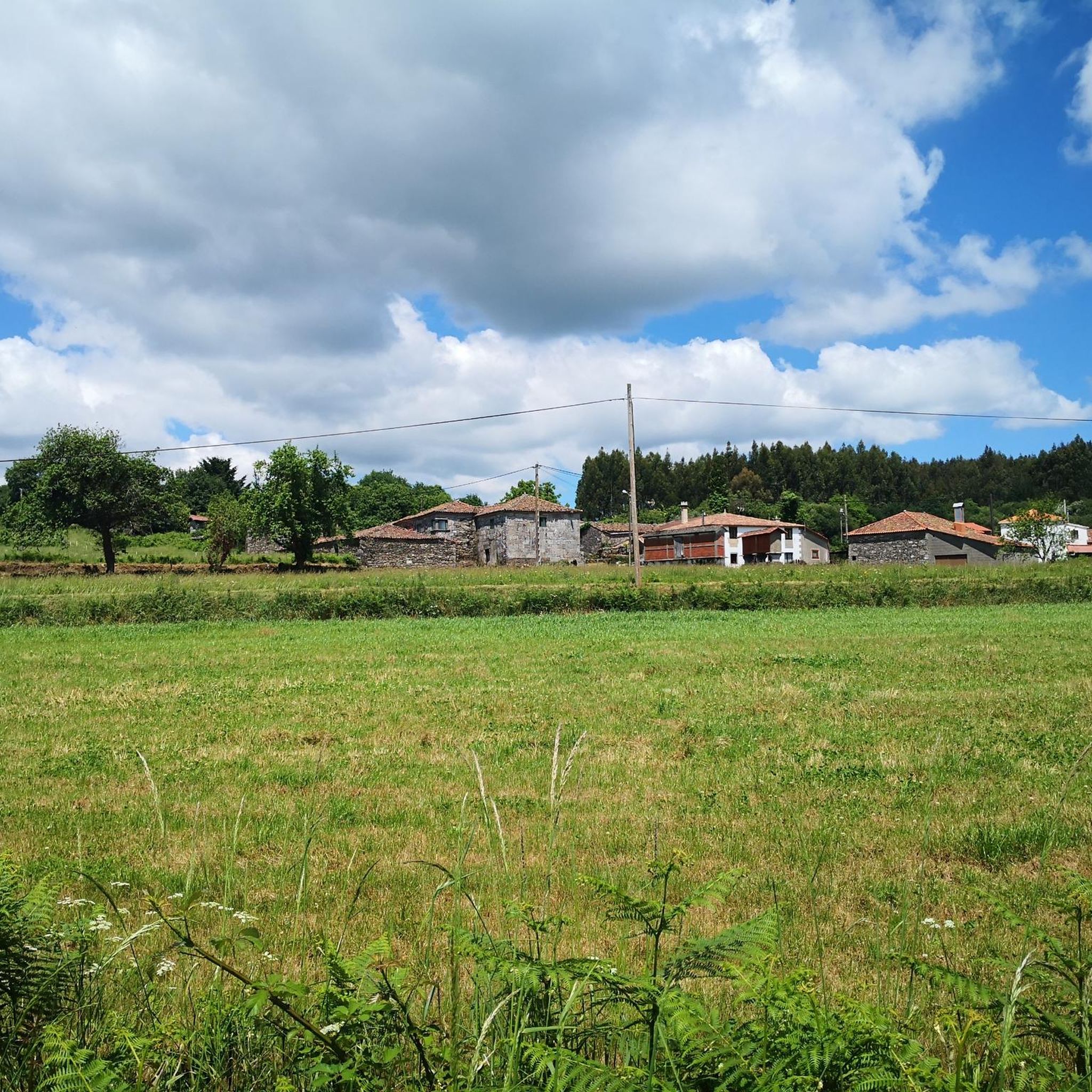
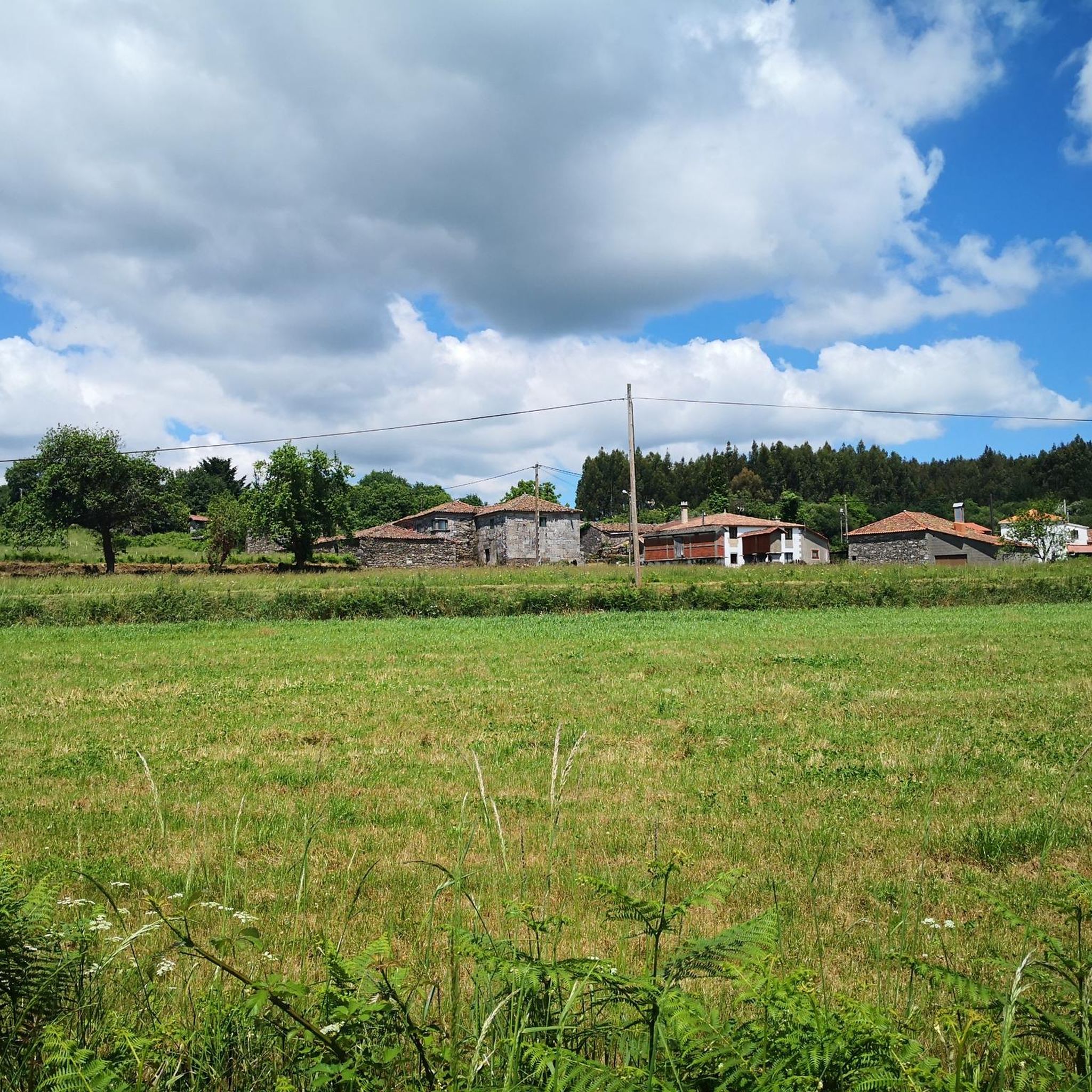
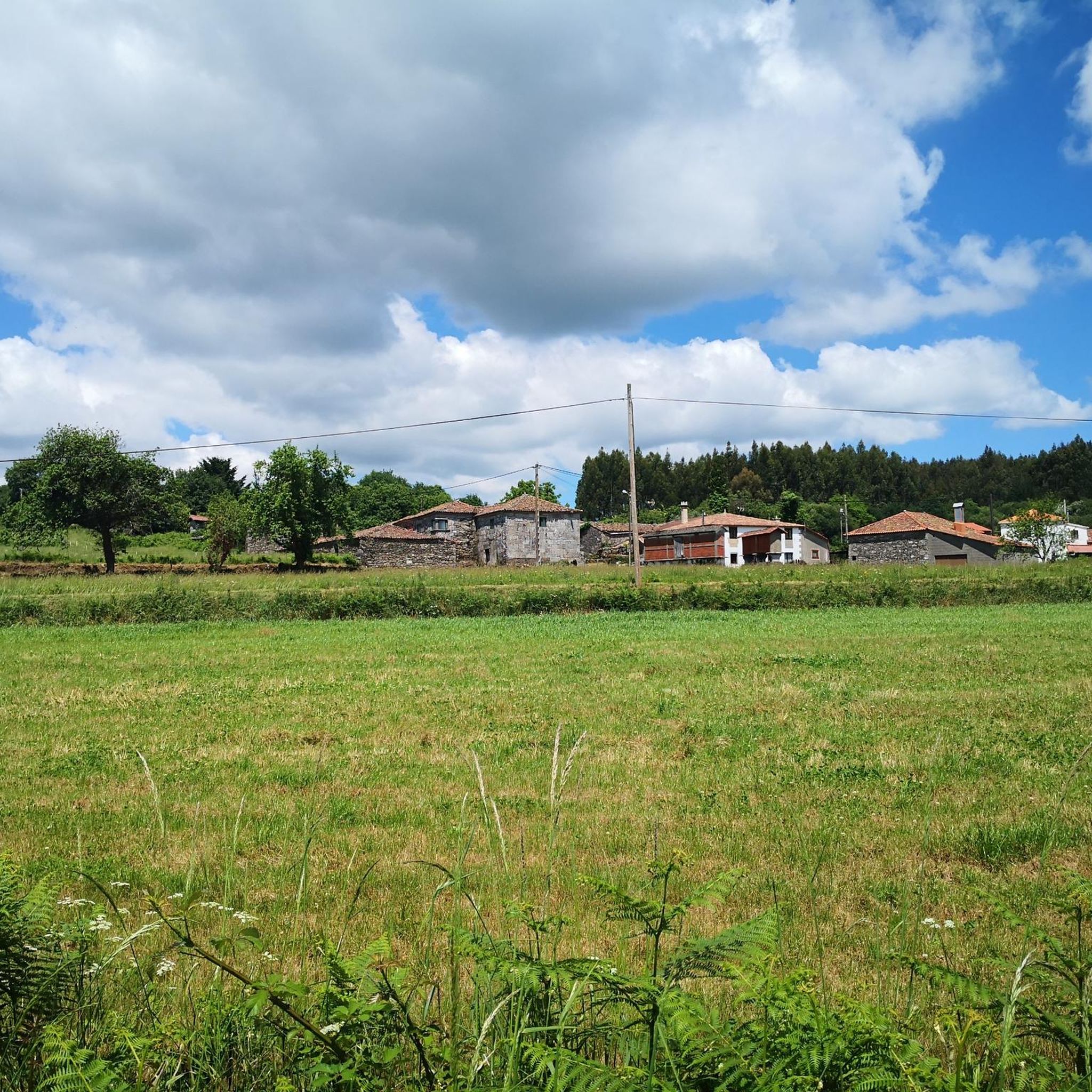
Beautiful old Galician granaries that you can see here in all shapes and sizes.
2
1

Romanesque church dating from the last third of the 12th century with later alterations. Only the main entrance and part of the façade remain of the original design. It has a Latin cross plan with a rectangular nave, two side chapels, and a pentagonal presbytery. The walls are made of masonry and granite ashlars, and the roof is covered with two- and four-sided tiles. The entrance is Romanesque and features a rounded arch with two archivolts, coved arches, an outer band of truncated spires, and decorated capitals. The tympanum is plain on quoins. The altarpiece in the main chapel is neoclassical.
1
1

O Leboreiro, capital of the parish of Santa María do Castelo in north-western Spain, is located along the French Way of the pilgrimage to Santiago de Compostela.
4
0

Small typical church 🤙
2
1
Beautiful little church 🤙
1
0
Typical Horreos 🤙
1
1
Typical horreos on the side of the road 🤙
2
1
Frequently Asked Questions
What historical sites can I explore around Antas De Ulla?
The region is rich in history, particularly with connections to the Camino de Santiago. You can visit the Roman Bridge of Furelos, a medieval architectural gem, or explore the Church of Saint Mary of Leboreiro, a late Romanesque religious building. Another significant site is the San Tirso Church in Palas de Rei, known for its Romanesque origins.
Are there any religious buildings connected to the Camino de Santiago in the area?
Yes, several religious buildings in the area are significant stops on the Camino de Santiago. The Church of Saint Mary of Leboreiro is a key historical site where pilgrims can stamp their Compostela. Further along, the Church of Saint Peter of Melide and cruceiro marks the point where the Primitive Way joins the French Way, offering a place for pilgrims to rest and share stories.
What unique traditional architecture can be found in the Antas De Ulla region?
A distinctive feature of the Galician landscape is the presence of old granaries (hórreos). These traditional constructions, made of stone or wood and raised from the ground, were historically used to store crops. They are considered cultural assets and are maintained throughout the region.
Are there family-friendly attractions around Antas De Ulla?
Many of the historical and cultural sites are suitable for families. The Roman Bridge of Furelos offers a picturesque setting for a walk, and the traditional old granaries provide an interesting glimpse into local heritage. Exploring the small village around the Church of Saint Mary of Leboreiro can also be an engaging experience for all ages.
What kind of outdoor activities can I do near these attractions?
The area around Antas De Ulla offers various outdoor activities, particularly cycling. You can find numerous MTB trails, cycling routes, and road cycling routes that allow you to explore the landscape and connect with these historical sites.
Are there cycling routes that pass by these attractions?
Yes, the region is popular for cycling, and many routes incorporate local landmarks. For instance, some cycling tours might take you past the Roman Bridge of Furelos or through villages where you can see traditional old granaries. Check the specific route guides for details on which attractions they include.
What do visitors enjoy most about the attractions around Antas De Ulla?
Visitors frequently appreciate the historical significance and picturesque settings of the attractions. The Roman Bridge of Furelos is often highlighted as a beautiful spot for rest, while the traditional old granaries are valued as cultural assets. The connection to the Camino de Santiago also adds a unique charm, especially in places like the Church of Saint Mary of Leboreiro, where pilgrims can engage with local heritage.
Can I find viewpoints to enjoy the landscape near Antas De Ulla?
While not explicitly designated as viewpoints, locations like the Roman Bridge of Furelos offer scenic perspectives over the River Furelos and its surroundings, providing beautiful photo opportunities and a chance to appreciate the natural setting.
What is the significance of Melide in relation to the attractions?
Melide, located near Antas De Ulla, is considered the geographical center of Galicia and is a crucial crossroads for Jacobean routes. The Church of Saint Peter of Melide and cruceiro is a notable attraction there, marking the convergence of the Primitive Way and the French Way, making it a vibrant spot for pilgrims.
Are there any specific architectural styles prevalent in the religious buildings?
Yes, the religious buildings in the area often showcase Romanesque architecture. For example, the Church of Saint Mary of Leboreiro is a late Romanesque structure, and the San Tirso Church in Palas de Rei also retains elements of its original Romanesque design from the 12th century, despite later reforms.
What kind of monuments can I expect to see apart from churches?
Beyond religious buildings, you can encounter significant man-made monuments. The Roman Bridge of Furelos is a prime example of civil architecture from the medieval period. Additionally, the traditional old granaries (hórreos) are unique man-made structures that reflect the region's agricultural heritage.

Get inspired with the komoot mobile app


Explore more
Still not found the Highlight you’re looking for? See guides of the top attractions in other regions:
