The best road cycling routes around Abadín
136
riders
47
rides
Road cycling routes around Abadín are characterized by varied terrain, including significant elevation changes and rolling landscapes. The region features numerous loops that often connect towns and points of interest, indicating a mix of rural roads and potential for scenic views. Road cyclists can expect routes with notable ascents and descents, providing a challenging yet rewarding experience.
Best road cycling routes around Abadín
- The most popular road cycling route is Mondoñedo – Mondoñedo Cathedral loop from O Santo, a…
Last updated: November 1, 2026
4
riders
82.1km
05:42
1,910m
1,910m
Hard road ride. Very good fitness required. Some segments of this route may be unpaved and difficult to ride.
3
riders
46.3km
02:59
1,370m
1,370m
Hard road ride. Very good fitness required. Mostly well-paved surfaces and easy to ride.

8
riders
73.8km
03:52
1,180m
1,180m
Hard road ride. Very good fitness required. Mostly well-paved surfaces and easy to ride.
4
riders
48.7km
02:26
700m
700m
Moderate road ride. Good fitness required. Mostly well-paved surfaces and easy to ride.
7
riders
47.6km
02:42
1,000m
1,000m
Hard road ride. Very good fitness required. Mostly well-paved surfaces and easy to ride.
Get access to more routes and recommendations from other explorers.
Already have an account?
Our route recommendations are based on thousands of hikes, rides, and runs completed by other people on komoot.
Start today with a free account
Your next adventure awaits.
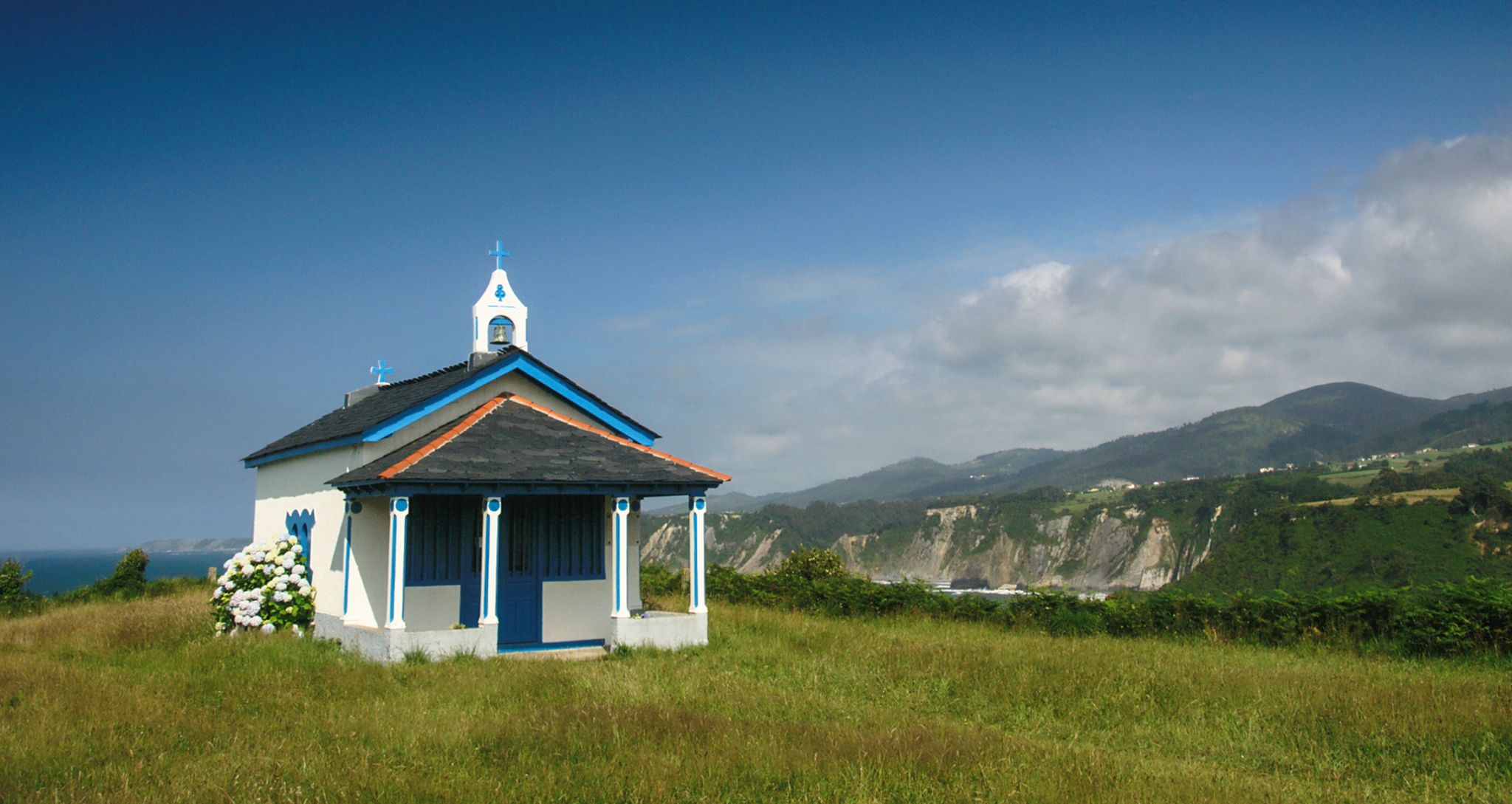
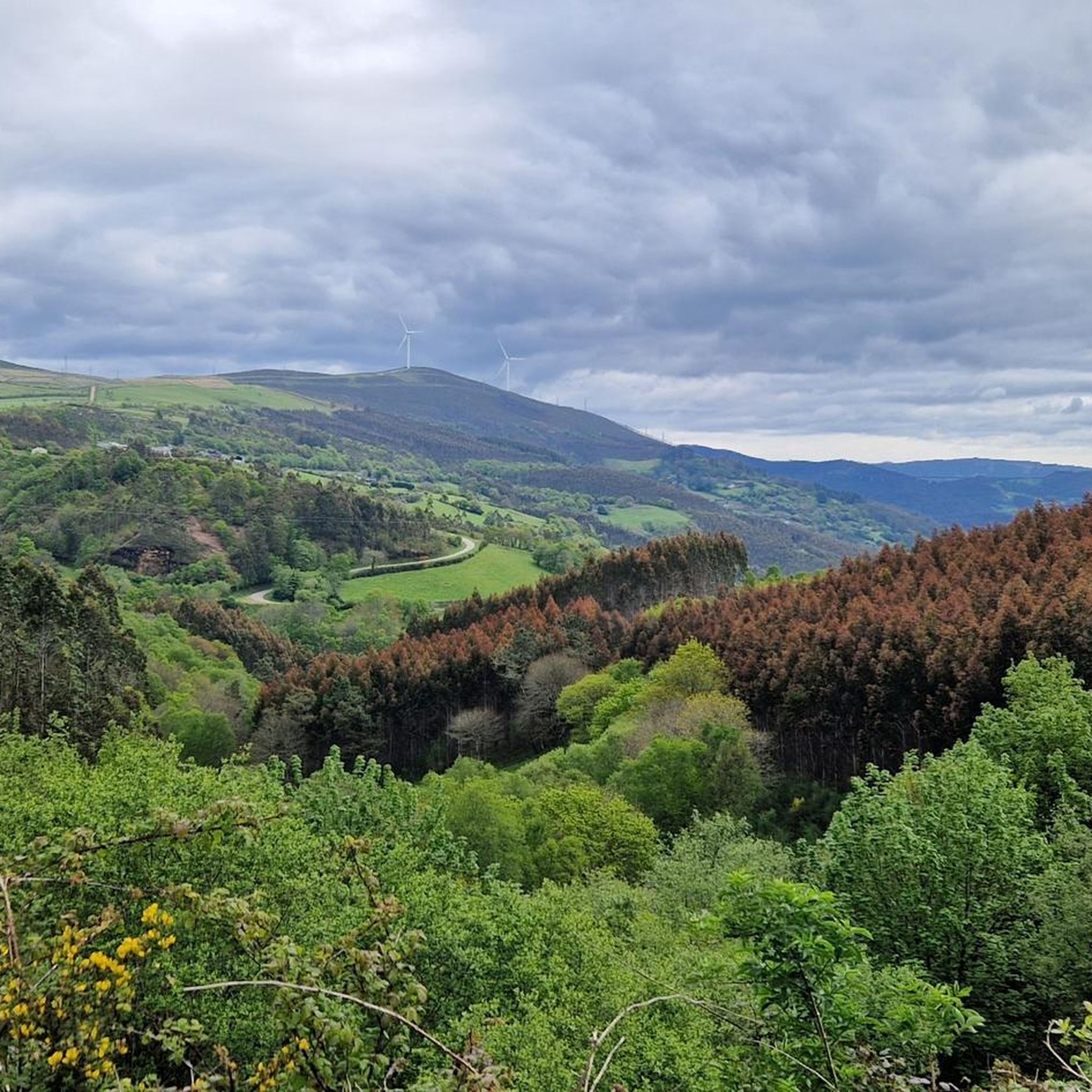
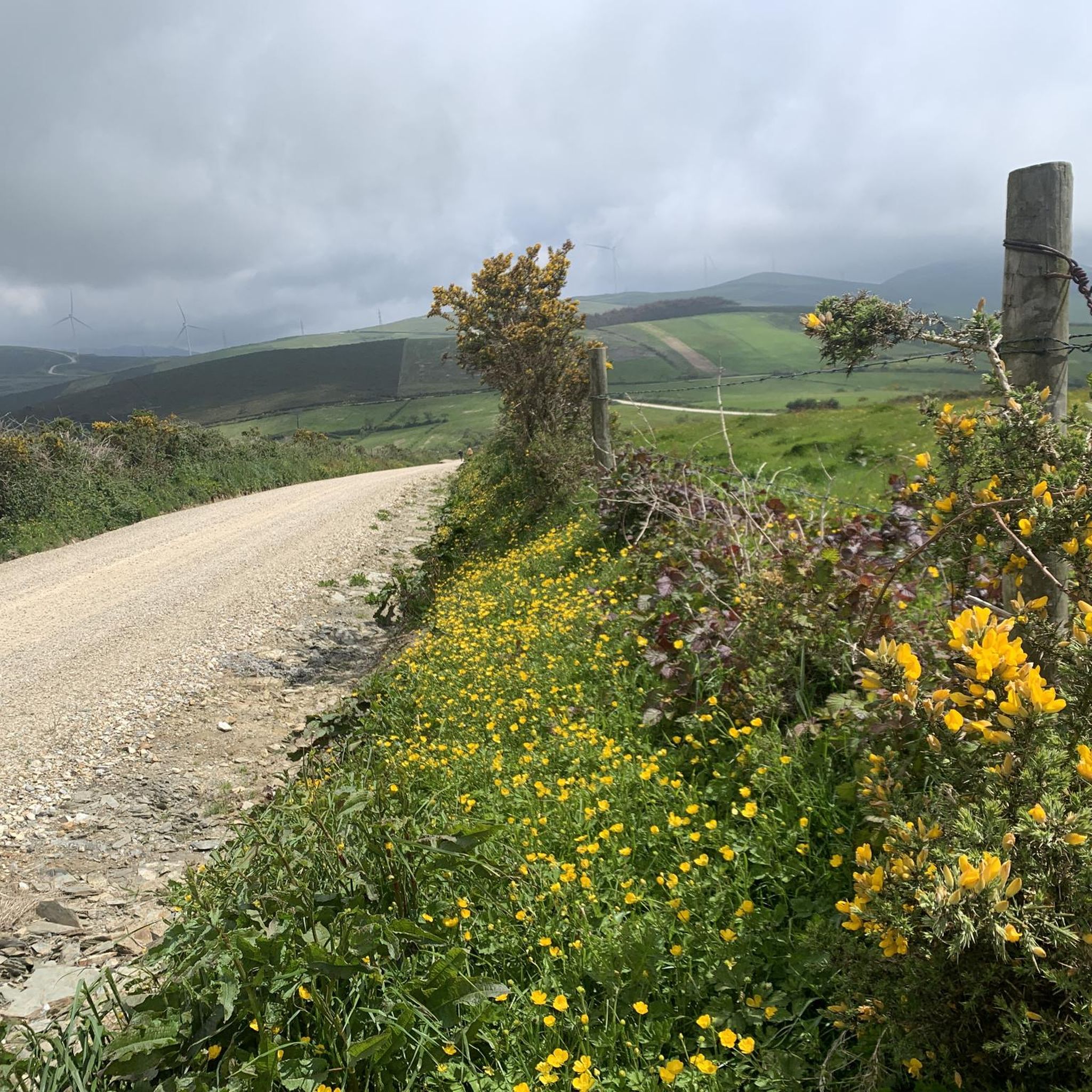
Other adventures around Abadín

Tips from the Community

Mondoñedo Cathedral, also known as the Basilica of the Virgin of the Assumption, is one of Galicia's most important monuments, both for its historical and artistic value. Construction began in 1219 and was completed in the 14th century.
4
0
The Hospital of San Pablo and San Lázaro de Mondoñedo is a historic building of great heritage value, located on the Alameda de los Remedios, in the upper part of the city. Its construction was commissioned by Bishop Sarmiento de Sotomayor in 1750, with the aim of unifying the city's old hospitals: one for pilgrims and another for lepers.
4
0
Mondoñedo Cathedral, also known as the Cathedral Basilica of the Virgin of the Assumption, is an impressive cathedral located in the town of Mondoñedo, in Galicia, Spain. This cathedral combines Romanesque and Gothic architectural styles, and its main construction took place between 1219 and 1243. The façade was remodeled in the 18th century, and the towers that give it its current appearance were added.
7
0

The hospital was built between 1750 and 1775 in the upper part of Mondoñedo, on the Alameda de los Remedios. This building has a square floor plan with a baroque façade and a central courtyard. Above the main doorway is the coat of arms of Bishop Sarmiento and Mondoñedo, forming a unique ensemble. Inside there is a chapel that houses a two-body baroque altarpiece from the 18th century with a period Christ.
1
0


A good way to find inspiration at the start of a cycle touring trip is to cycle unhurriedly following the universal yellow arrows of the Camino de Santiago. In Ribadeo begins the Natural Route of the Cantabrian Route and it is also the entrance to Galicia of the Camino del Norte or Camino de la Costa from Asturias, in both ways it is known the Camino de Santiago that runs along the Cantabrian coast from Irún to Santiago de Compostela. The Jacobean route leaves the Cantabrian coast and faces the first stage through the interior of Galicia, the landscape, the language and the cultural signs change but the faithful yellow arrows remain along with the inseparable Compostelan scallop shell along the Camiño Norte. The main purpose of including this variant in the trip is to connect with the Natural Route of San Rosendo and to discover the landscapes and villages that this ancient pilgrimage route travels between Mondoñedo and Foz. The connection point between the Camino de Santiago and the Natural Route is in Vilanova de Lourenzá, an ancient town of the Bridge from other times, when pilgrims sought asylum and protection in the hospitium of the Benedictine monastery of San Salvador. The meeting of the two routes is precisely at the medieval bridge over the Baos river, at the entrance to the town, and one could continue directly along the Natural Route of San Rosendo towards the coast, but the visit to the historic city of Mondoñedo is fundamental, former seat of courts, lordships and bishoprics, it has an old town declared a Historic-Artistic Site with arcades, cobbled streets and facades decorated with coats of arms and crests. The two routes coexist in the villages of the route until the Plaza de la Catedral de Mondoñedo, then you have to return along the same route and in Lourenzá undertake the descent towards the coast through the parishes of Casolga and Celeiro, in the mountains of the Masma river valley, the river collector that flows into the estuary of Foz. The landmarks of the Natural Route of San Rosendo pass through the basilica of San Martiño de Mondoñedo, the ancient site of Mindumneto, refuge of the bishop of Braga, Sabarico, in the mid-9th century and seat of the diocese until the year 1112, it is the oldest preserved cathedral in Spain and the first raised in southern Europe, built in the 6th century. The signs of the Route continue through the forests that lead to the panoramic spot of the hermitage of Obispo Santo and finally descend to the coastal platform, connecting with the Natural Route of the Cantabrian Route on the outskirts of Foz to finish the cycling stage by touring the coast of the Gulf of Masma to Cape Burela.
0
0

The two routes coexist in the villages on the way to the Mondoñedo Cathedral Square, then you have to return along the same route and in Lourenzá begin the descent towards the coast through the parishes of Casolga and Celeiro, in the mountains of the river valley. Masma, the river collector that flows into the Foz estuary. The milestones of the San Rosendo Natural Trail pass by the basilica of San Martiño de Mondoñedo, the ancient place of Mindumneto, refuge of the bishop of Braga, Sabarico, in the mid-9th century and seat of the diocese until the year 1112, it is the cathedral oldest preserved in Spain and the first built in southern Europe, built in the 6th century. The signs of the Camino continue through the forests that lead to the panoramic spot of the Obispo Santo hermitage and finally go down to the coastal platform, connecting with the Natural Path of the Cantabrian Route on the outskirts of Foz to finish the cycling stage along the coast. from the Gulf of Masma to Cape Burela.
0
0

In 1973, a decree of protection was approved by the Spanish State for all the old hórreos and cabazos existing in Galicia and Asturias, which attempted to halt the consequences of the abandonment of the rural way of life and the loss of the use of the horreos. Some of the Galician hórreos have the status of historical-artistic monuments, such as that of the presbytery of Santa Comba de Carnota, built in 1768, or the group of hórreos of Combarro.
1
1
Frequently Asked Questions
How many road cycling routes are available around Abadín?
There are over 40 road cycling routes documented on komoot for the Abadín region, offering a wide range of options for different skill levels.
Are there any easy road cycling routes for beginners in Abadín?
While Abadín is known for its challenging terrain, there is at least one easy road cycling route available. Most routes tend to be moderate to difficult, featuring significant elevation changes.
What are the most challenging road cycling routes in Abadín?
Abadín offers several challenging routes with substantial elevation gains. For instance, the Mondoñedo Cathedral – Mondoñedo loop from Abadín is a difficult 47.5-mile path with over 1,600 meters of climbing. Another demanding option is the Mondoñedo – Mondoñedo Cathedral loop from O Santo, which covers 45.3 miles with over 1,000 meters of elevation.
Are there circular road cycling routes in Abadín?
Yes, many of the road cycling routes around Abadín are designed as loops, connecting various towns and points of interest. This allows cyclists to start and finish in the same location, such as the Mondoñedo – Mondoñedo Cathedral loop from Abadín.
What kind of scenery can I expect on road cycling routes in Abadín?
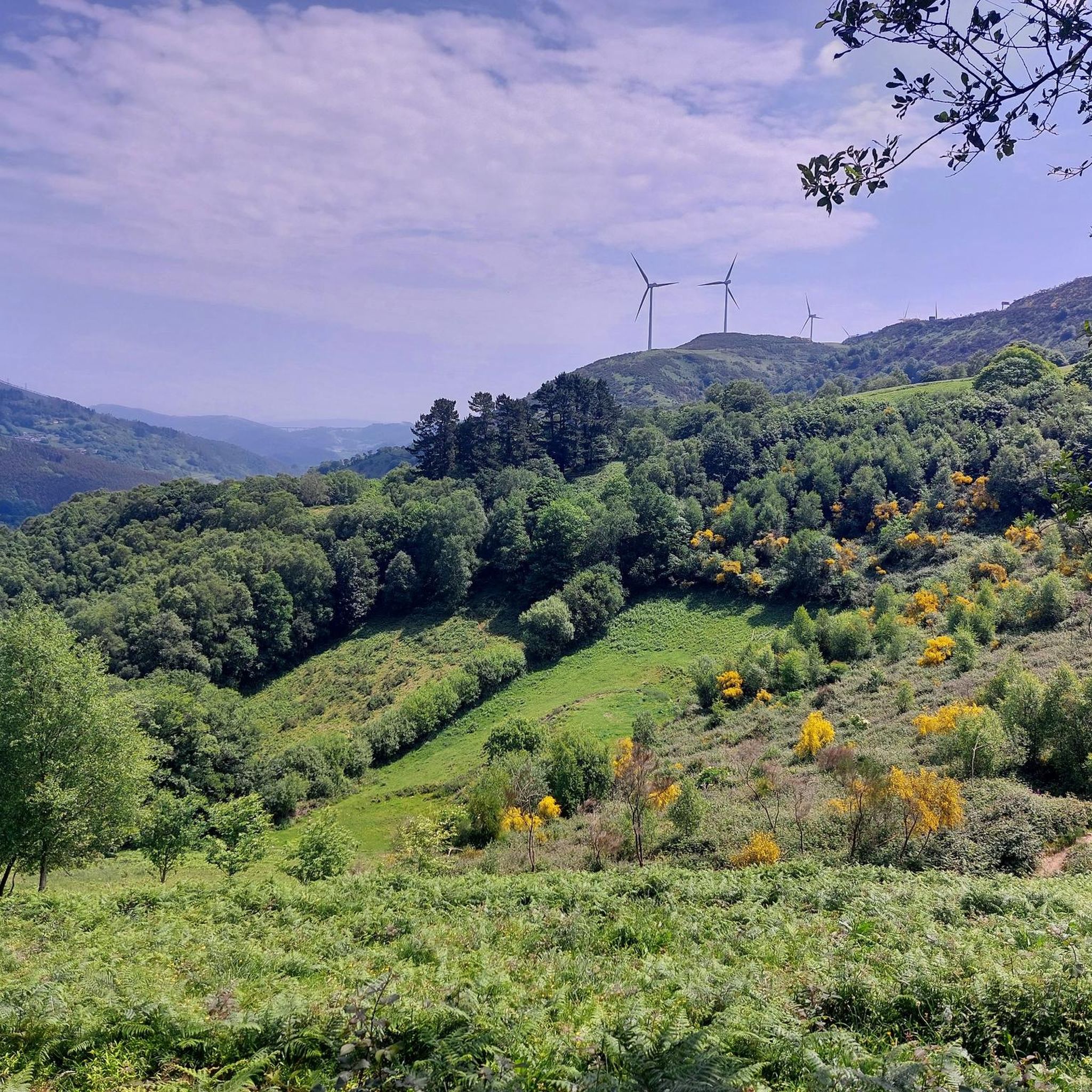
Road cycling in Abadín offers varied rural landscapes, including rolling hills and scenic views. Routes often connect historical sites and provide glimpses of the region's natural beauty, such as the views from routes like View from A Corda – Alto da Corda loop from Abadín.
What attractions can I see along road cycling routes in Abadín?
Many routes pass by significant landmarks. You can visit the historic Mondoñedo Cathedral, explore an Old bridge, or see traditional Galician hórreos. There are also natural attractions like the Salto do Coro Waterfall and the Tronceda River Waterfalls nearby.
What is the best time of year for road cycling in Abadín?
The best time for road cycling in Abadín is typically during the spring and autumn months when temperatures are milder and the weather is generally more stable. Summers can be warm, and winters may bring colder temperatures and potential for rain, especially given the region's Atlantic climate.
Are there road cycling routes in Abadín that pass by cafes or places to stop?
Given that many routes connect towns and villages, you will likely find opportunities to stop at local cafes or restaurants along the way, particularly in larger settlements like Mondoñedo. Planning your route with komoot allows you to identify these points of interest beforehand.
What are the typical lengths and durations of road cycling routes in Abadín?
Routes vary significantly in length and duration. For example, the View from A Corda – Alto da Corda loop from Abadín is about 22.8 miles (36.7 km) and takes around 1 hour 50 minutes, while the A Fontemiñá – O Adro loop from Abadín is 41.4 miles (66.6 km) and can take over 3 hours.
What do other road cyclists say about Abadín?
Over 130 road cyclists have explored Abadín's varied terrain using komoot. They often highlight the challenging ascents, scenic loops, and the opportunity to connect with historical sites like Mondoñedo Cathedral, appreciating the rewarding experience the region offers.
Is Abadín suitable for family-friendly road cycling?
Abadín's road cycling routes are generally characterized by significant elevation changes and can be quite challenging. While there is at least one easy route, families with younger or less experienced cyclists might find many options demanding. It's advisable to check the difficulty grade and elevation profile of specific routes.
What are the winter conditions like for road biking in Abadín?
Winter in Abadín can bring colder temperatures and increased rainfall, which may affect road conditions. Cyclists should be prepared for potentially wet and chilly weather, and always check local forecasts before heading out. Some higher elevation areas might also experience fog or frost.
Most popular attractions around Abadín

Get inspired with the komoot mobile app


Explore more
Browse the best Road cycling routes in other regions.
