Attractions and Places To See around Gallinero De Cameros - Top 20
Best attractions and places to see around Gallinero De Cameros include a blend of historical landmarks, natural features, and cultural sites within the mountainous terrain of the Camero Nuevo region. The area is characterized by its rugged landscape, dense forests, and the Iregua Valley. Visitors can explore traditional architecture, significant religious buildings, and natural points of interest. The region offers opportunities to experience local history and the serene environment of La Rioja.
Best attractions and places to see around Gallinero…
Last updated: July 2, 2026
Puerto de la Rasa (1,420 m)
Highlight • Mountain Pass
Translated by Google •
Tip by

Olmo de El Rasillo
Highlight • Settlement
Translated by Google •
Tip by

Sign up now to discover places like this
Get recommendations on the best single tracks, peaks, & plenty of other exciting outdoor places.
Sign up for free
González Lacasa Reservoir
Highlight • Lake
Translated by Google •
Tip by
Villoslada de Cameros
Highlight • Settlement
Translated by Google •
Tip by

Ortigosa de Cameros
Highlight • Settlement
Translated by Google •
Tip by

Sign up for free to discover even more attractions around Gallinero De Cameros.
Sign up for free
Already have an account?
Start today with a free account
Your next adventure awaits.
Login or Signup
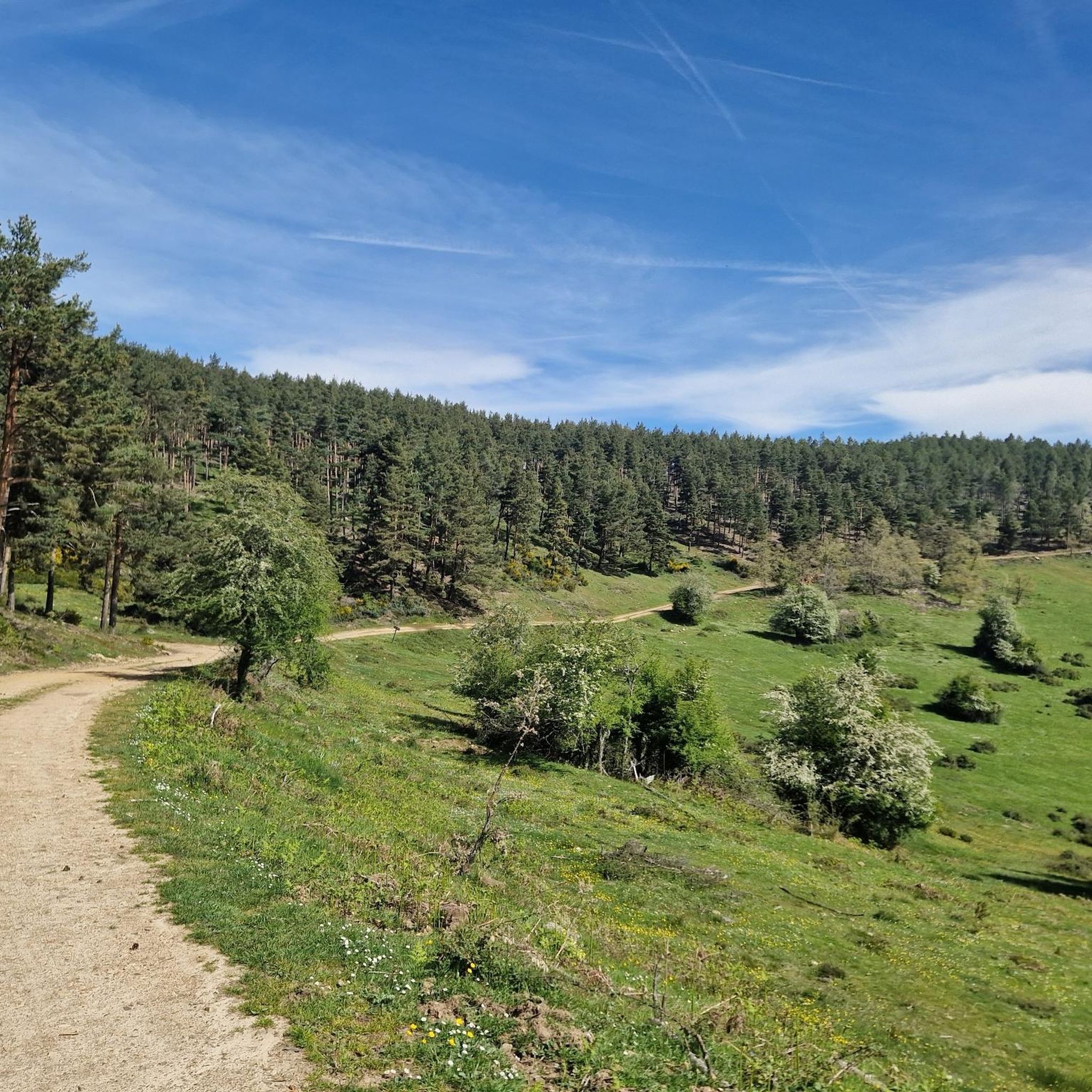

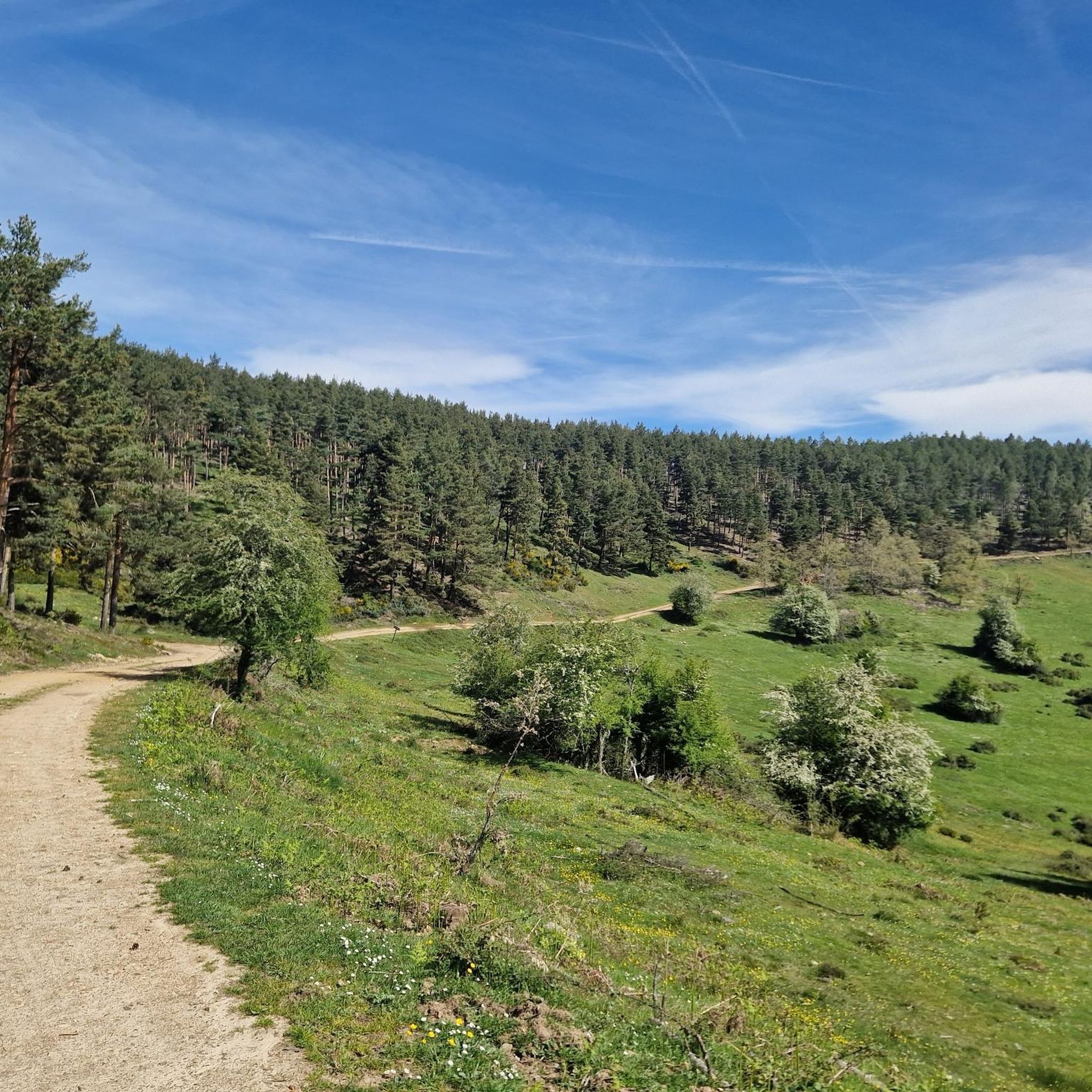
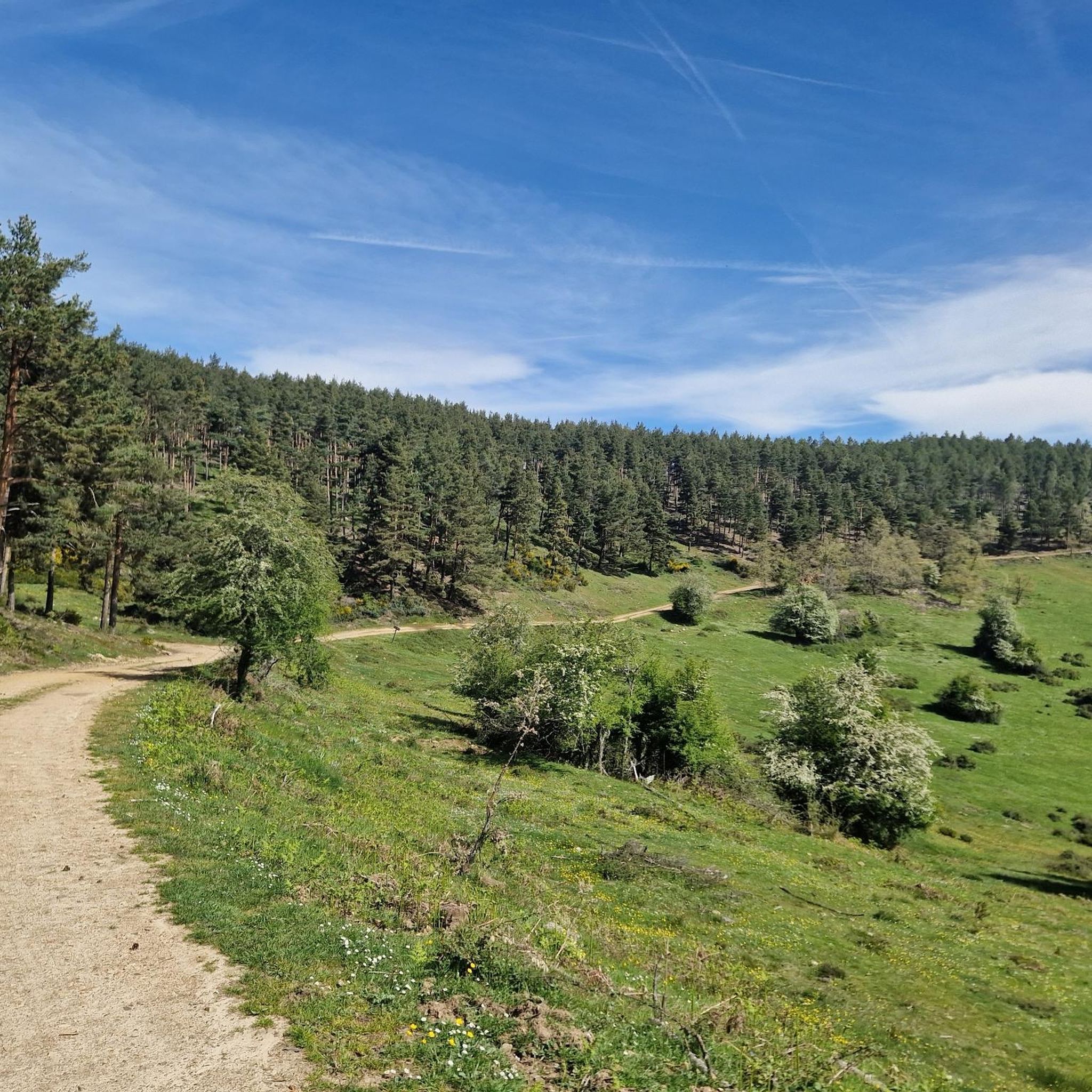
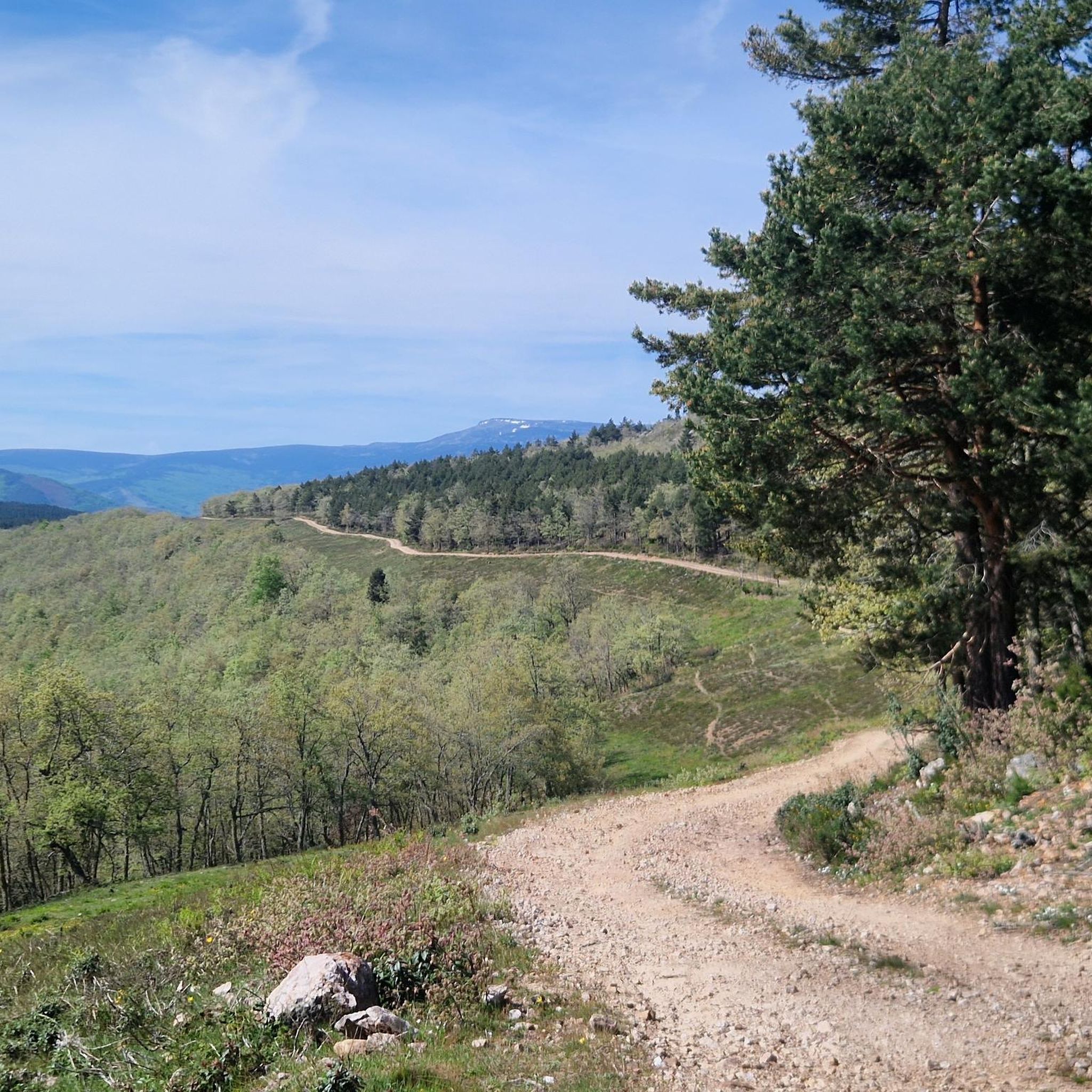
Tips from the Community

There is a very nice walk through the town! Time: about 1 hour
1
0

One of the most mythical ports for cyclists from La Rioja and especially for those from Logroño.
0
0

One of the most beautiful mountain villages in the Cameros region. Filled with stone houses, it is located on the slopes of a natural canyon, the Encinedo massif. This ravine was formed through a karstic process that gave rise to several chasms and caves. Two of them can be visited, the one in La Paz and the one in La Villa.
1
0

Singular tree of the CCAA, quite deteriorated but enduring the passing of the years.
1
0
Important town of the region of Cameros.
1
0

The port of La Rasa is one of the busiest ports for the Tour of La Rioja, where it is considered a first-class port. The slope that ascends from the Iregua river is somewhat harder than its opposite, although the distance is somewhat similar. You will find successive horseshoe curves that allow you to gain perspective of the valley.
0
0

Known as Pantano de Ortigosa or Embalse de González-Lacasa, the dam is located between the towns of Ortigosa de Cameros, El Rasillo and Peñaloscintos, in Camero Nuevo. The reservoir is located on the Alberco river, although its waters come from the Iregua river, where the water is transferred through an underground channel from downstream of Villoslada.
3
0
Located in the Cameros region, the town of Villoslada de Cameros has its origins in the 2nd century AD, although its first documented appearance dates from 1366. As in many towns in the area, during the 19th and 20th centuries a great textile industry, managing to reach a population of 1419 inhabitants and 40 looms.
3
0
Frequently Asked Questions
What natural attractions can I explore around Gallinero de Cameros?
The region offers a variety of natural features. You can visit the González Lacasa Reservoir, known for its pine forests and opportunities for bathing. The Iregua River flows through the area, providing picturesque settings. Higher up, the Prado de Libarache and Cerro del Horquín offer expansive views. Don't miss Olmo de El Rasillo, a singular, over 200-year-old elm tree, or the ancient pear tree, El Pero de Gallinero, in the village square.
Are there historical sites or cultural landmarks to visit in Gallinero de Cameros?
Yes, Gallinero de Cameros is rich in history. You can explore the 16th-century Church of La Asunción and the Chapel of the Virgen de la Cuesta. The village also showcases traditional Camerano architecture with stately homes. The Church of San Martín is another notable religious building with impressive architecture. For a deeper cultural insight, visit the Interpretation Center of Transhumance, which highlights the region's pastoral heritage.
What kind of outdoor activities can I do near Gallinero de Cameros?
The mountainous terrain is ideal for outdoor enthusiasts. You can find numerous routes for hiking, mountain biking, and road cycling. For hiking, explore trails like the Roman Road of Iregua or sections of the GR-93 Sierras de La Rioja. There are also specific komoot guides for these activities, such as Hiking around Gallinero De Cameros, MTB Trails around Gallinero De Cameros, and Road Cycling Routes around Gallinero De Cameros.
Are there any family-friendly attractions in the area?
Absolutely. The González Lacasa Reservoir is a great spot for families, offering opportunities for sunbathing and swimming. The settlement of Ortigosa de Cameros, with its stone houses and access to caves like La Paz and La Villa, can also be an exciting family outing. The natural monument of Olmo de El Rasillo is a unique natural landmark that children might find interesting.
Where can I find the best panoramic views around Gallinero de Cameros?
For stunning panoramic views, head to Puerto de la Rasa (1,420 m), a mountain pass that offers expansive vistas of the Iregua valley. The Cerro del Horquín, located higher up from the Prado de Libarache, also provides breathtaking views of the two Cameranas regions and the summits of Cebollera and La Demanda.
What is Ortigosa de Cameros known for?
Ortigosa de Cameros is an important mountain village renowned for its traditional stone houses and its unique location on the slopes of a natural canyon. It's also known for its accessible caves, La Paz and La Villa, which were formed through a karstic process.
Can I go hiking near Gallinero de Cameros?
Yes, the area is excellent for hiking. You can find various trails, including challenging routes like the 'Puerto de Peña Hincada, GR-93, Peñaloscintos – circular route' or easier options such as the 'Laguna de La Nava loop from Villoslada de Cameros'. For more detailed information and routes, refer to the Hiking around Gallinero De Cameros guide.
What is the best time to visit Gallinero de Cameros?
The region is beautiful throughout the year, but for outdoor activities like hiking and cycling, spring and autumn offer pleasant temperatures. If you're interested in local culture, the village holds festivals during the last weekend of August, dedicated to the Virgen de la Cuesta.
Are there any unique natural monuments in the area?
Yes, the Olmo de El Rasillo is a singular elm tree over 200 years old, recognized as a natural monument. In Gallinero de Cameros itself, you can find El Pero de Gallinero, an ancient pear tree noted for its size and age, located in the village square.
What kind of architecture can I expect to see in Gallinero de Cameros?
Gallinero de Cameros is known for its well-preserved traditional Camerano architecture. You'll see stately homes with prominent ashlar corners and interesting semi-circular masonry doors. Many houses are three stories high, constructed from masonry with adobe infills and timber frames, reflecting the historical building styles of the region.
What do visitors enjoy most about the Puerto de la Rasa?
Visitors particularly enjoy the Puerto de la Rasa (1,420 m) for its challenging cycling routes and the rewarding views it offers of the Iregua valley. It's considered a first-class port in the Tour of La Rioja and is a mythical spot for cyclists from the region, especially those from Logroño, who appreciate the successive horseshoe curves and the perspective they gain of the valley.
Most popular attractions around Gallinero De Cameros

Get inspired with the komoot mobile app


Explore more
Still not found the Highlight you’re looking for? See guides of the top attractions in other regions:
