The best cycling routes around Villarta De San Juan
5.0
(1)
62
riders
10
rides
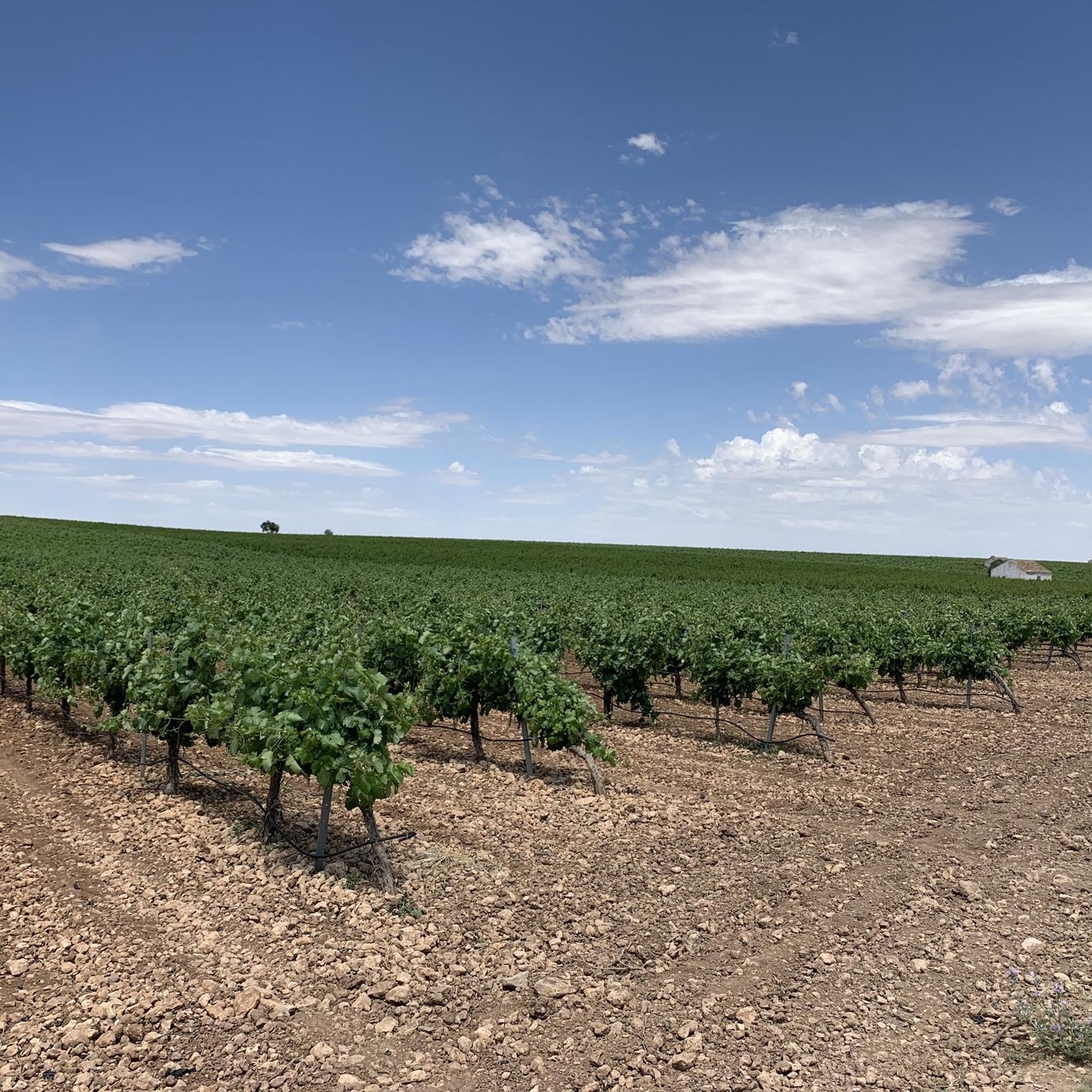
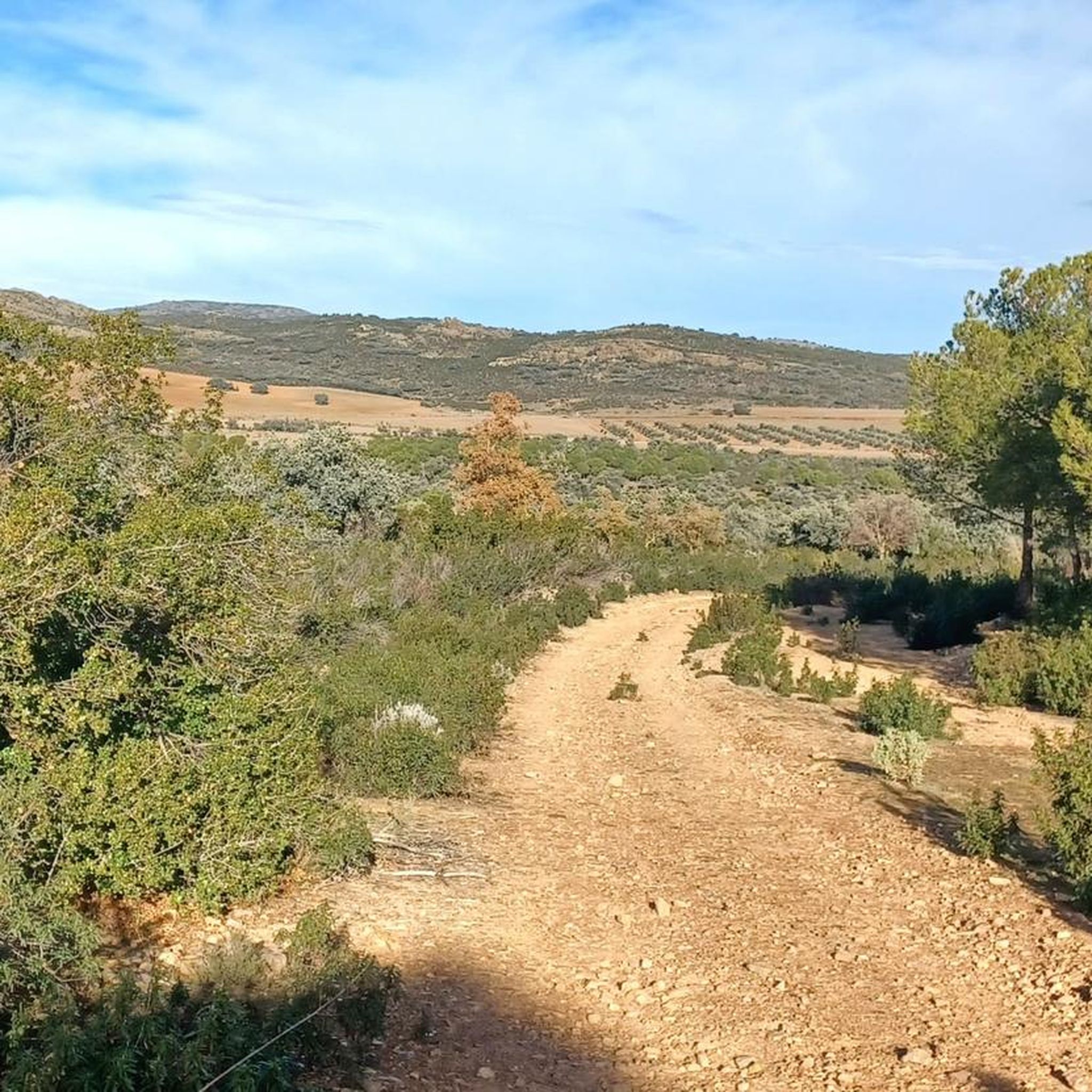
Touring cycling around Villarta De San Juan offers varied landscapes with an average altitude of 655 meters, providing routes with elevation changes. The region features a rich natural environment, including diverse flora and fauna, which serve as scenic backdrops for cycling. Historical landmarks such as the Roman Bridge and the Puerto Lápice Windmills are encountered along many cycling routes, adding cultural interest to the rides. This area provides a mix of dedicated cycling routes suitable for exploring its natural and…
Last updated: July 10, 2026
28
riders
Hard bike ride. Very good fitness required. Mostly paved surfaces. Suitable for all skill levels.
10
riders
56.2km
04:29
600m
600m
Hard bike ride. Very good fitness required. Mostly paved surfaces. Suitable for all skill levels.

Sign up for free
6
riders
40.5km
03:34
340m
340m
Moderate bike ride. Good fitness required. Mostly paved surfaces. Suitable for all skill levels.
6
riders
31.0km
02:45
280m
280m
Hard bike ride. Good fitness required. You may need to push your bike for some segments of this route.
4
riders
23.2km
02:03
180m
180m
Moderate bike ride. Good fitness required. Mostly paved surfaces. Suitable for all skill levels.
Get access to more routes and recommendations from other explorers.
Sign up for free
Already have an account?
Our route recommendations are based on thousands of hikes, rides, and runs completed by other people on komoot.
Start today with a free account
Your next adventure awaits.
Login or Signup
Popular around Villarta De San Juan

Tips from the Community

Alcázar de San Juan is one of the most interesting destinations in the heart of La Mancha, with a blend of history, heritage, nature, and Cervantine traditions. Its name comes from the Military Order of Saint John, which dominated the area after the Reconquista. It claims to be the birthplace of Miguel de Cervantes, as the baptismal font where, according to some studies, the writer was baptized is preserved in the Collegiate Church of Santa María la Mayor. It was an important railway junction and economic center in the 19th and 20th centuries, which shaped its urban development.
2
0

Return to the town of Campo de Criptana
0
0

Before a nice climb and descent
0
0
Nature and trails Sierra de Madridejos (Valdehierro) Hiking and cycling among holm oaks, rockroses, and pine forests. Cerro Calderón viewpoint with spectacular views.
5
0

The La Pedriza area is also known as "Los Pozos del Agua" (The Water Wells). It is a natural space located 5 km from Herencia, just below the Sierra del Navajo. In the vicinity of La Pedriza is "La Copa," a water reservoir built in 1934 for the supply of water to Herencia. It was built just a few meters from the well from which the water was supplied. Just a few meters away are the hermitages of San Isidro and Virgen de la Cabeza, whose pilgrimages are held in May; and the Nature Classroom.
2
0
This municipality is located in the La Mancha region, between the first foothills of the Montes de Toledo and the vast La Mancha plain. It is known for its cultural and natural heritage, including the Ojos del Guadiana site, the source of the Guadiana River. It also shares the Tablas de Daimiel National Park, an important wetland, with the neighboring municipality of Daimiel. Villarrubia de los Ojos has a rich history dating back to the Middle Ages, when control of the territory passed from the Order of Saint John of Jerusalem to the Order of Calatrava after the Battle of Las Navas de Tolosa in 1212. The town also boasts an interesting architectural and cultural heritage, including the Hermitage of San Cristóbal and the "San Isidro Labrador" Ethnographic Museum.
15
0
Villarrubia de los Ojos is a charming place to visit! Historic Center: Stroll through its streets and discover the traditional architecture and history of the town. San Isidro Labrador Ethnographic Museum: Learn more about local culture and traditions. Tablas de Daimiel National Park: Just 20 km away, this wetland is perfect for nature lovers. Sanctuary of the Virgin of the Sierra: A place of great religious and cultural significance.
18
0
It was built in 1859. Its main attraction is its neo-Romanesque elements, such as the archivolts at the entrance or its impressive central nave, more than twenty meters long and six meters wide. The stained glass windows on its walls, with their religious motifs, fill the interior with light and color. There are many images that are venerated in the Church. Highlights include the Virgin of Good Counsel, patron saint of the town; San Antonio Abad, male patron saint; the Virgin of Sorrows, a beautiful statue; the Santísimo Cristo de Medinaceli, with a possible Soria origin; or the Recumbent Christ, a superb carving of the Son of God. During the Civil War the Church was looted and lost some images and relics. For this and other reasons, the temple had to be renovated, starting with moving the belfry and its heavy cast iron bell to the entrance to the Church square.
1
0
Frequently Asked Questions
What kind of terrain can I expect on touring cycling routes around Villarta De San Juan?
The region around Villarta De San Juan features varied landscapes with an average altitude of 655 meters, meaning routes often include elevation changes. You'll encounter a mix of natural environments and agricultural areas, providing diverse cycling experiences.
Are there any historical landmarks or points of interest to see along the cycling routes?
Yes, touring cycling routes in Villarta De San Juan often pass by significant historical and cultural sites. You can explore the ancient Roman Bridge, which was part of the old Roman Road, or encounter the historic Puerto Lápice Windmills, which are iconic to the region's heritage.
What is the general difficulty level of touring cycling routes in this area?
The touring cycling routes around Villarta De San Juan cater to moderate to difficult ability levels. Out of the 13 available routes, 6 are classified as moderate and 7 as difficult, indicating that many routes involve significant distances and elevation changes.
Are there any long-distance touring cycling routes available?
Yes, for those seeking longer rides, the route Campo de Criptana Windmills – Ermita de San Antón loop from Puerto Lápice is a challenging 63.5 miles (102.2 km) journey, featuring significant elevation gain and passing by historic windmills.
Can I find circular touring cycling routes in Villarta De San Juan?
Many of the touring cycling routes in the area are designed as loops, allowing you to start and finish at the same point. For example, the Roman Bridge – Villarrubia de los Ojos loop from Puerto Lápice is a difficult 34.9 miles (56.2 km) circular path that includes the ancient Roman Bridge.
What natural features can I observe while cycling?
The natural environment around Villarta De San Juan is rich in flora and fauna. Cyclists can enjoy scenic backdrops and potentially spot various bird species like the European bee-eater and common hoopoe, as well as amphibians such as the natterjack toad, making for an engaging ride through nature.
What do other touring cyclists say about the routes in Villarta De San Juan?
The touring cycling routes in Villarta De San Juan are highly regarded by the komoot community, with an average rating of 5.0 stars. Over 60 touring cyclists have explored the varied terrain, often praising the combination of natural beauty and historical landmarks.
Are there any shorter, moderate touring cycling options?
If you're looking for a moderate ride, consider the Roman Bridge – Puerto Lapice (La Mancha) loop from Puerto Lápice. This route covers 25.2 miles (40.5 km) through the La Mancha region and can typically be completed in about 3 hours 34 minutes.
Is there a route that specifically highlights the windmills and the Roman Bridge?
Yes, the Roman Bridge – Los Molinos Trail loop from Puerto Lápice is a challenging 61.3 km (38.1 miles) route that allows you to experience both the historic Roman Bridge and the traditional windmills of the area.
What is the best time of year to go touring cycling in Villarta De San Juan?
While specific seasonal data isn't provided, the region's climate suggests that spring and autumn would offer the most comfortable temperatures for touring cycling, avoiding the intense heat of summer and potential chill of winter. These seasons also typically showcase the natural environment at its most vibrant.
Are there any other notable historical sites nearby that I could visit?
Beyond the Roman Bridge and Puerto Lápice Windmills, you might also find interest in the Church of Our Lady of Good Success or the Las Cabezuelas Mass Grave Memorial, which are part of the broader historical landscape around Villarta De San Juan.
Most popular routes around Villarta De San Juan
Most popular attractions around Villarta De San Juan

Get inspired with the komoot mobile app


Explore more
Browse the best Cycling routes in other regions.
