The best road cycling routes around Villarta De San Juan
4.5
(2)
62
riders
6
rides
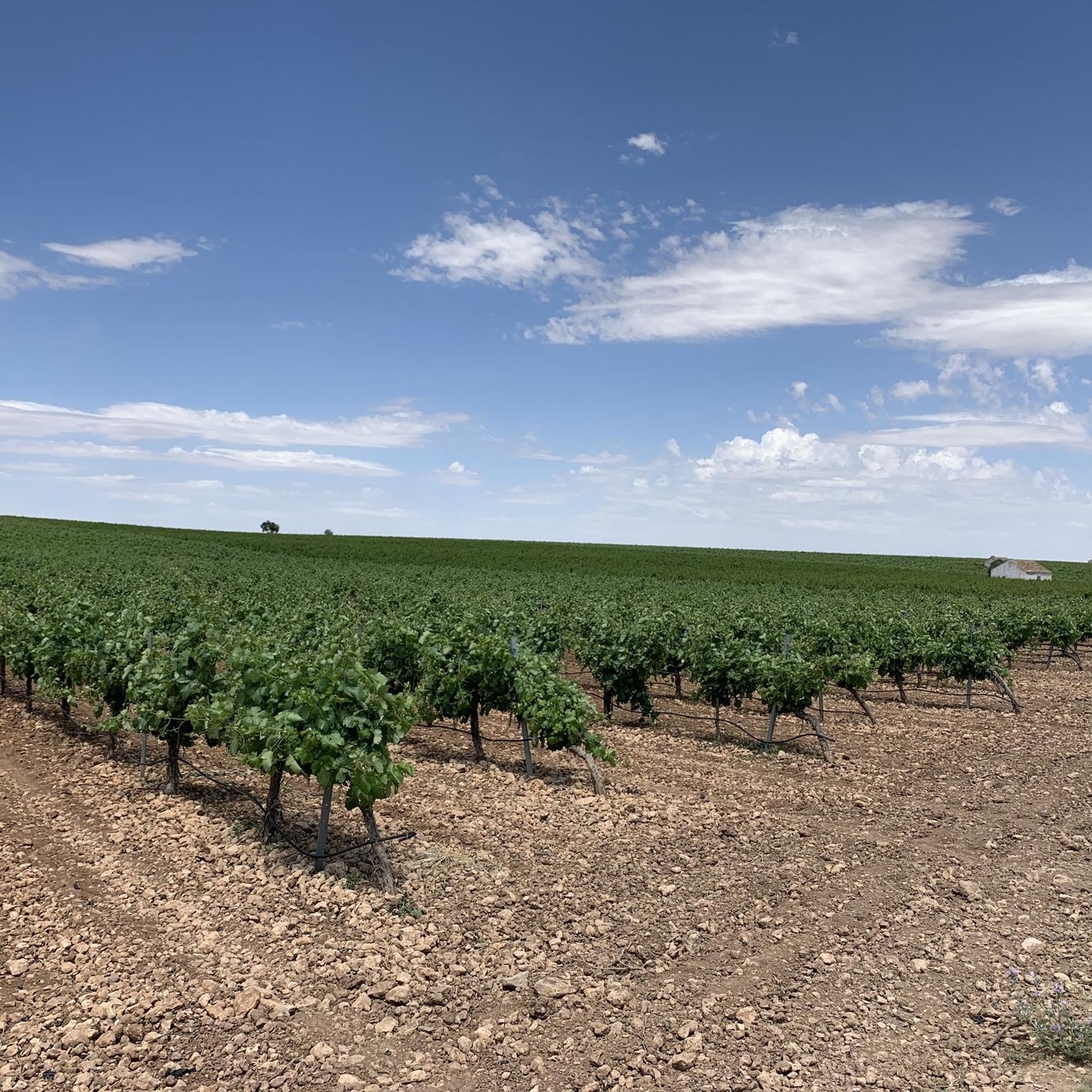
Road cycling routes around Villarta De San Juan traverse the flat plains of La Mancha, a region characterized by its agricultural landscapes and historic windmill towns. The terrain is generally level, with gentle undulations, making it suitable for sustained road cycling efforts. Routes often follow quiet country roads, passing through open fields and alongside the occasional river, such as the Rio Cigüela.
Best road cycling routes around Villarta De San Juan
- The most popular road cycling route is Herencia from…
Last updated: July 5, 2026
4
riders
59.5km
02:33
410m
410m
Moderate road ride. Good fitness required. Mostly well-paved surfaces and easy to ride.
145km
05:45
520m
520m
Cycle 90.3 miles through La Mancha's plains, vineyards, and iconic windmills on this difficult route from Argamasilla de Alba.

Sign up for free
4.5
(2)
25
riders
85.5km
04:52
440m
440m
Moderate road ride. Good fitness required. Some segments of this route may be unpaved and difficult to ride.
12
riders
46.6km
02:05
350m
350m
Moderate road ride. Good fitness required. Mostly well-paved surfaces and easy to ride.
12
riders
44.9km
01:44
130m
130m
Easy road ride. Great for any fitness level. Mostly well-paved surfaces and easy to ride.
Our route recommendations are based on thousands of hikes, rides, and runs completed by other people on komoot.
Start today with a free account
Your next adventure awaits.
Login or Signup
Popular around Villarta De San Juan
Tips from the Community

Alcázar de San Juan is one of the most interesting destinations in the heart of La Mancha, with a blend of history, heritage, nature, and Cervantine traditions. Its name comes from the Military Order of Saint John, which dominated the area after the Reconquista. It claims to be the birthplace of Miguel de Cervantes, as the baptismal font where, according to some studies, the writer was baptized is preserved in the Collegiate Church of Santa María la Mayor. It was an important railway junction and economic center in the 19th and 20th centuries, which shaped its urban development.
10
0
The windmills of San Antón Hill are one of the great symbols of Alcázar de San Juan (Ciudad Real) and an essential part of the Don Quixote Route. They emerged in La Mancha in the mid-16th century as an alternative to the scarcity of watermills, due to the climate and the terrain. San Antón Hill is a Paleozoic elevation located southeast of the town, about 2.5 km from the town center, with spectacular views of the La Mancha plains.
8
0
The Church of Santa Quiteria in Alcázar de San Juan (Ciudad Real) is one of the town's most important churches, boasting a rich history and significant architectural value. Origin: Construction began in the second half of the 16th century based on plans by Juan de Herrera, the architect of El Escorial. Execution: The work was directed by Agustín Argüello and completed by Bartolomé Elorriaga in 1604. Style: Renaissance with classical elements.
7
0
The Plaza de España in Alcázar de San Juan (Ciudad Real) is home to one of the city's most representative symbols: the sculpture of Don Quixote and Sancho Panza, a work that pays homage to Cervantes' immortal characters.
0
0
The Grand Prior's Tower is one of the most emblematic monuments of Alcázar de San Juan (Ciudad Real) and forms part of the Grand Prior's Palace Complex, linked to the Order of Saint John. Built in the 13th century on the remains of the old Muslim citadel, during the Almohad period. Reconquest: It became part of the palace of the Grand Priors of Castile and León of the Hospitaller Order of Saint John of Jerusalem. Expansions: In 1618, under Philip III, a floor was added with windows and plaster ribbed vaults.
8
0
The municipality is in the region of La Mancha, bordering Cuenca and Toledo, and is known for the Pedro Muñoz-Mota del Cuervo lagoon complex. The old houses made of masonry and mud bricks stand out, such as the Casa de La Paca. Church of San Pedro: Built between the 17th and 18th centuries, with a Latin cross plan and a barrel vault.
8
0
The Herencia Windmills are an essential part of the heritage of this town in La Mancha. Initially built in 1790, these mills were an economical and practical solution to the scarcity of water in the region.
14
0
We can access this villa by road from Puerto Lápice, just 12 km away, or through the Autovía de los Viñedos. Herencia owes its creation to the Order of San Juan, during the Reconquest, but its origin dates back centuries, as evidenced by the remains of forts found in the Sierra de los Molinos and Pico del Navajo, from the Bronze Age. In addition to its industrial heritage, Herencia is land of agricultural production, two churches stand out in this municipality: the parish church and the one of the Convent of La Merced, these will be the nucleus of the visit to this town of La Mancha. The church of the Immaculate Conception, from the 18th century, built on top of another from the 13th century, will call our attention for its play of reddish colors given by its construction materials and for its interesting baroque altars, among them the altarpiece of the main altar in the one that highlights an image of the Immaculate Conception from 1819. It also preserves, although deteriorated, a Toledo organ from 1637.
4
0
Frequently Asked Questions
How many road cycling routes are available around Villarta De San Juan?
There are 7 road cycling routes around Villarta De San Juan, offering a variety of options for different skill levels.
What is the general difficulty level of road cycling in Villarta De San Juan?
The routes around Villarta De San Juan are predominantly moderate, with 5 moderate routes, 1 easy route, and 1 difficult route. The terrain is generally flat with gentle undulations, characteristic of the La Mancha plains.
Are there any beginner-friendly road cycling routes in the area?
Yes, for beginners, the Ermita de San Antón – Herencia loop from Herencia is an easy route, covering approximately 44.9 km with minimal elevation gain.
What kind of distances can I expect on road cycling routes near Villarta De San Juan?
Routes vary in length, from shorter rides like the Old water well – Rio Cigüela loop from Villarta de San Juan at about 46.6 km, to longer, more challenging tours such as the Tour of La Mancha's Windmill Towns, which spans over 145 km.
Are there any circular road cycling routes available?
Yes, many routes are circular. A popular option is the Herencia from Villarta de San Juan – circular by Puerto Lápice, a 59.5 km loop that takes about 2 hours 33 minutes.
What can I see along the road cycling routes around Villarta De San Juan?
The routes often pass through agricultural landscapes and historic windmill towns. Notable attractions include the Puerto Lápice Windmills and the Roman Bridge. You'll also encounter the iconic Windmills of La Mancha on some longer tours.
What is the best time of year for road cycling in Villarta De San Juan?
The region experiences hot, dry summers and mild winters. Spring (April-May) and autumn (September-October) generally offer the most pleasant temperatures for cycling, avoiding the intense summer heat.
What are the typical weather conditions for road cycling in Villarta De San Juan?
Villarta De San Juan is located in La Mancha, known for its continental climate with hot, dry summers and cold winters. Expect clear skies and significant temperature variations between day and night, especially outside of summer. Wind can also be a factor across the open plains.
What do other road cyclists enjoy the most about road cycling in Villarta De San Juan?
The area is highly rated by the komoot community, with an average score of 4.0 stars. Cyclists often appreciate the flat plains and quiet country roads that allow for sustained efforts, as well as the unique experience of passing through historic windmill towns.
Are there any advanced or challenging road cycling routes?
Yes, for experienced cyclists, the Tour of La Mancha's Windmill Towns is a difficult route, spanning over 145 km and providing an extensive exploration of the region's iconic landscapes.
Can I find routes that pass by the Rio Cigüela?
Yes, the Old water well – Rio Cigüela loop from Villarta de San Juan is a moderate route that follows the Rio Cigüela, offering views of the river and surrounding agricultural land.
Are the road cycling routes suitable for families?
While specific family-friendly routes are not explicitly highlighted, the generally flat terrain and quiet country roads make some of the easier, shorter routes potentially suitable for families with older children or those comfortable with longer distances. The Ermita de San Antón – Herencia loop from Herencia is an easy option to consider.
Most popular routes around Villarta De San Juan
Most popular attractions around Villarta De San Juan

Get inspired with the komoot mobile app


Explore more
Browse the best Road cycling routes in other regions.
