The best road cycling routes around Laguna De Cameros
4.4
(7)
407
riders
11
rides
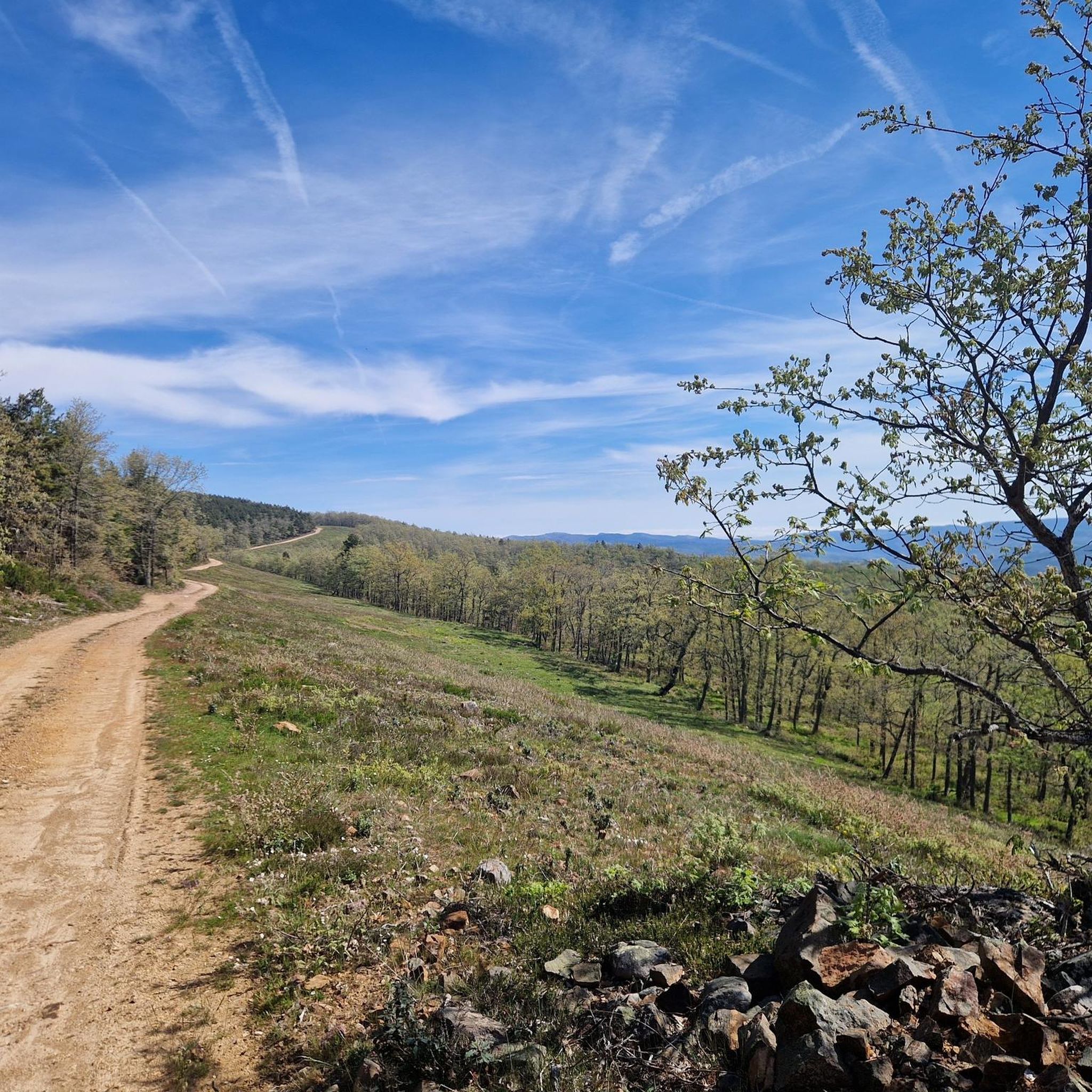
Road cycling routes around Laguna de Cameros are characterized by a mountainous landscape with significant elevation changes and winding roads through the autonomous region of La Rioja. The region features challenging mountain passes like Peña Hincada and Sancho Leza, alongside scenic routes with generally low vehicle traffic. Cyclists can explore diverse terrain, from river valleys shaped by the Leza and Iregua rivers to the protected areas of Sierra Cebollera Natural Park. This environment provides a mix of paved surfaces suitable…
Last updated: July 12, 2026
4.8
(6)
163
riders
94.9km
04:32
1,240m
1,240m
Hard road ride. Very good fitness required. Mostly well-paved surfaces and easy to ride.
12
riders
139km
07:32
2,880m
2,880m
Hard road ride. Very good fitness required. Mostly well-paved surfaces and easy to ride.

Sign up for free
12
riders
Moderate road ride. Good fitness required. Mostly well-paved surfaces and easy to ride.
10
riders
Moderate road ride. Good fitness required. Mostly well-paved surfaces and easy to ride.
9
riders
52.7km
02:45
970m
970m
Hard road ride. Very good fitness required. Mostly well-paved surfaces and easy to ride.
Get access to more routes and recommendations from other explorers.
Sign up for free
Already have an account?
Our route recommendations are based on thousands of hikes, rides, and runs completed by other people on komoot.
Start today with a free account
Your next adventure awaits.
Login or Signup
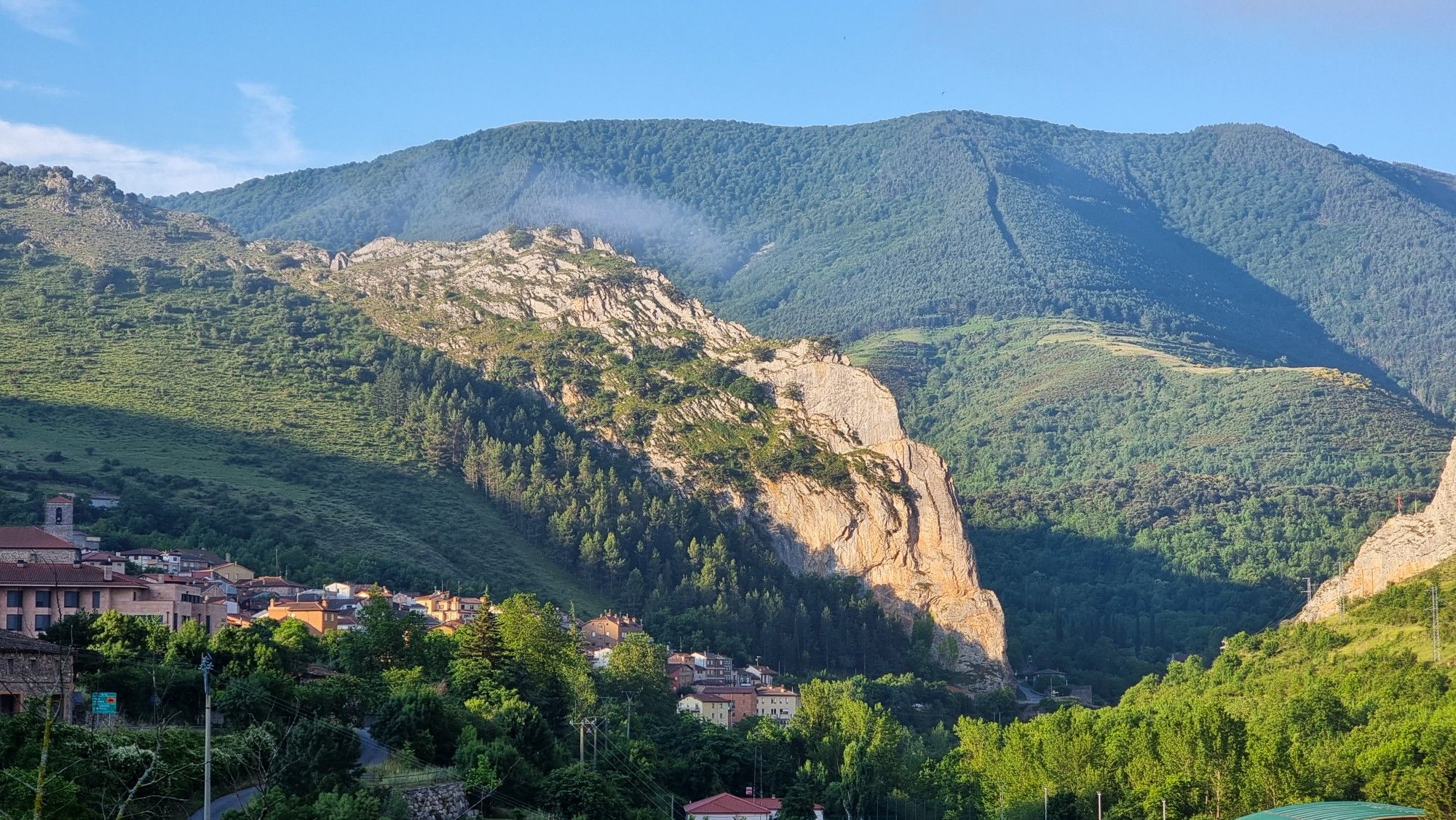
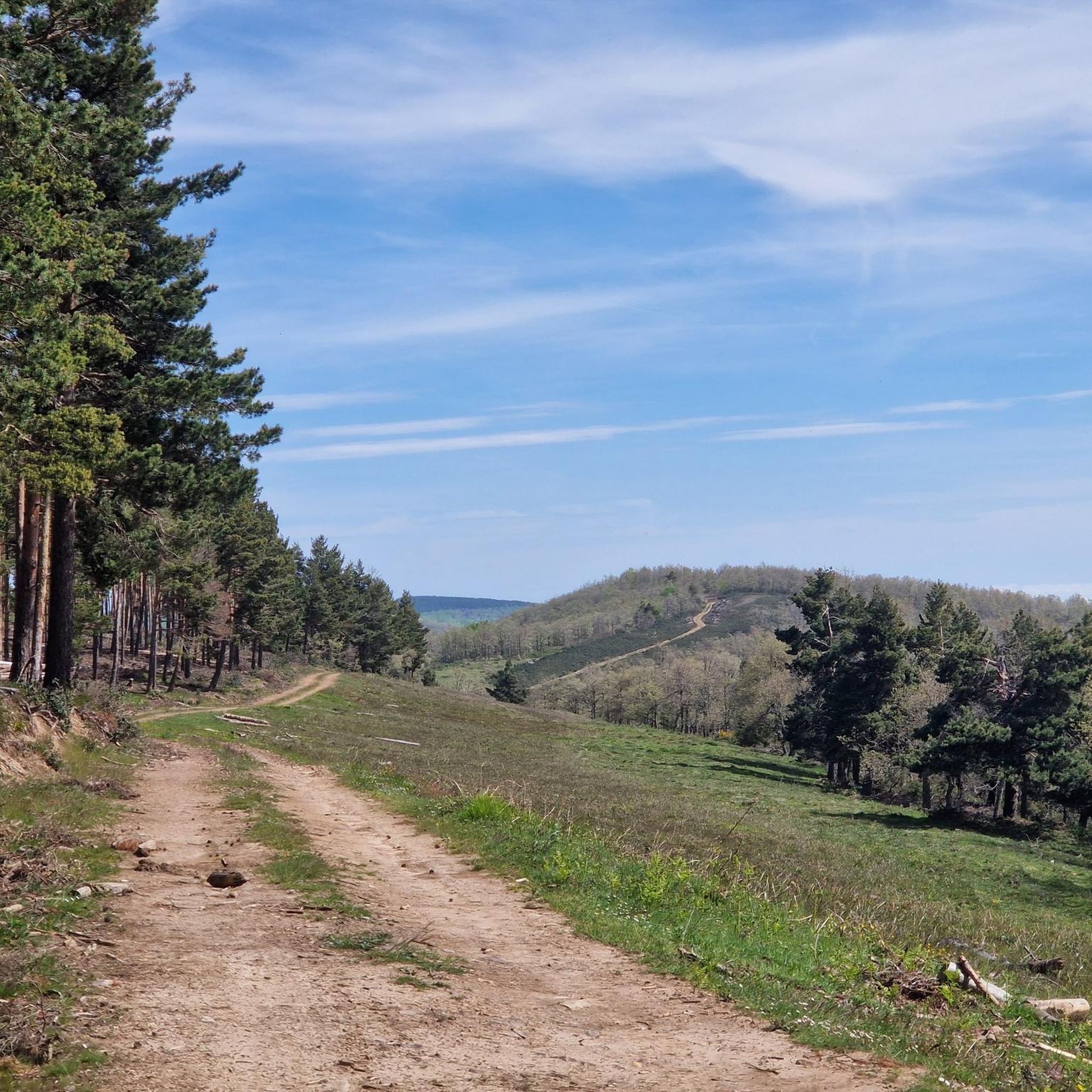
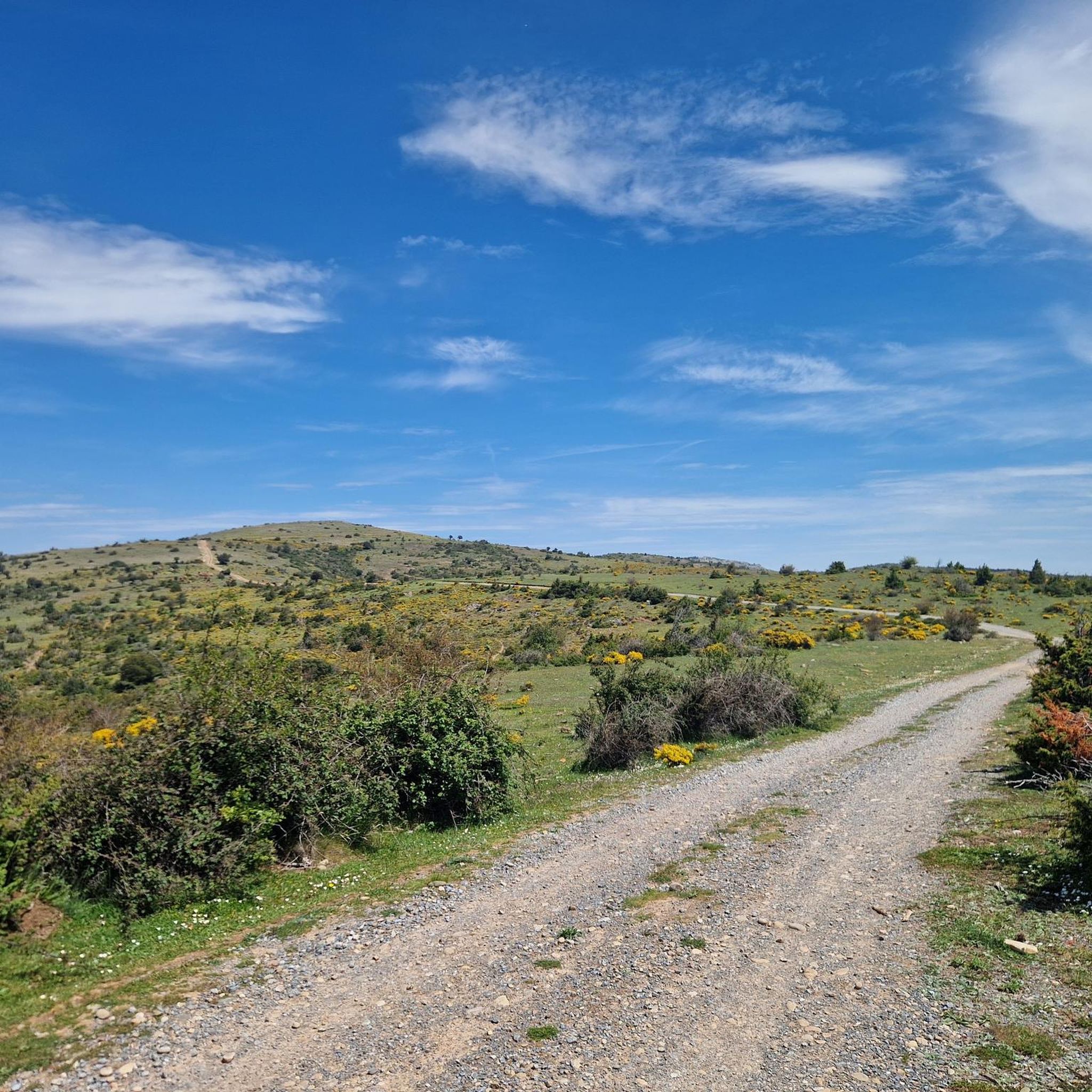
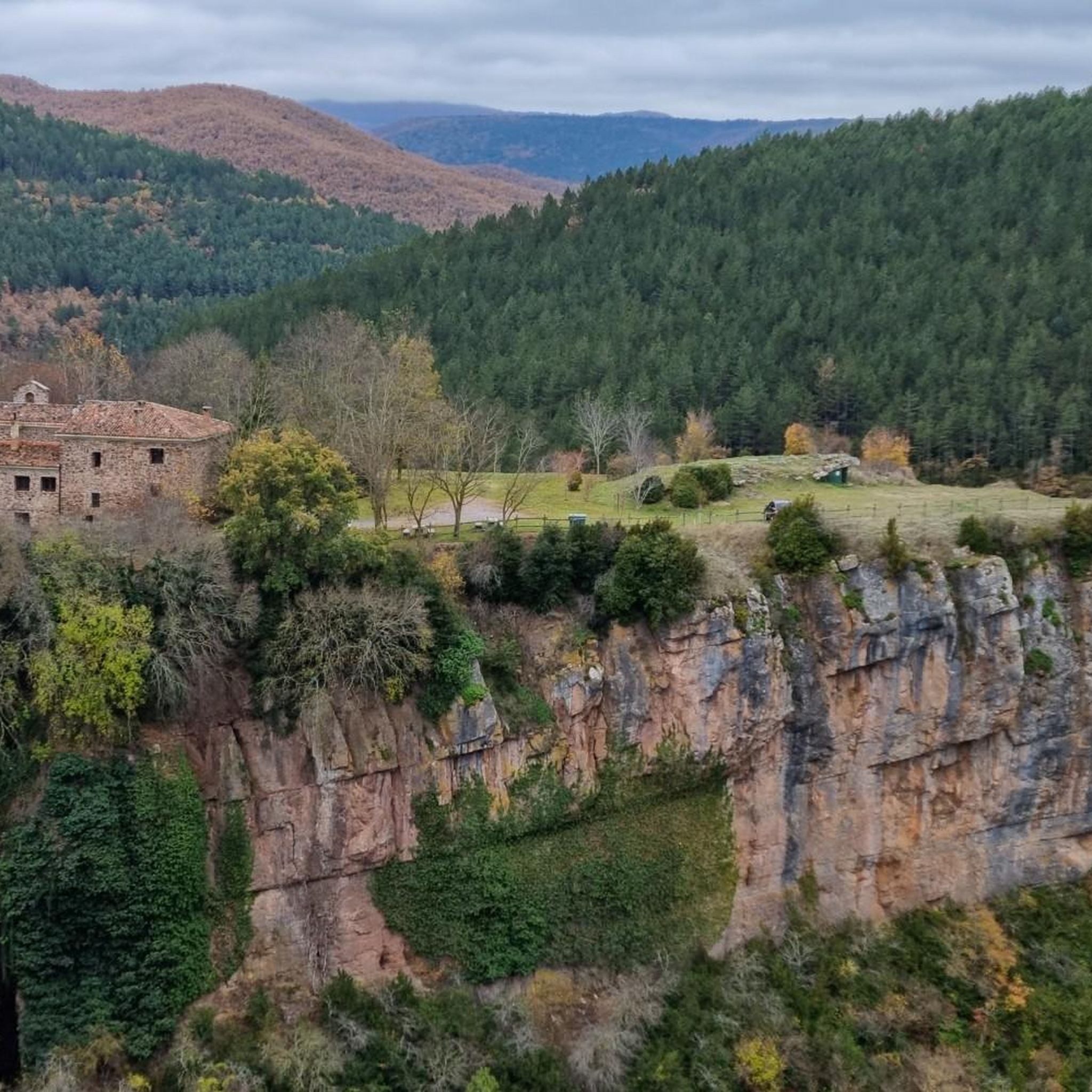
Other adventures around Laguna De Cameros

Tips from the Community

A recommended area for walking.
0
0

The stone bridge is one of the four bridges that cross the Ebro in Logroño. It is also called the bridge of San Juan de Ortega. The current structure was built in 1884 after the previous bridge collapsed in 1871. As one of the city's symbols, the bridge, which is used to enter the town on the Way of St. James, can also be seen on its coat of arms. https://www.spain.info/de/highlights/steinbruecke/
2
0

Rivers like the Ebro were a big challenge for pilgrims in the centuries before. That's why the Way of St. James always runs along traffic routes with bridges. The larger cities are always found where there are large bridges. The motorways and national roads now have their own paths. And that's a good thing.
2
0

There is a very nice walk through the town! Time: about 1 hour
1
0

Be careful, the 12% on the return and in the sun are formidable
0
0

Magnificent traditional entrance to the Camino De Santiago.
1
0

Main entrance for pilgrims on the Camino de Santiago to Logroño. Renovated in 2022.
1
0
It is located in the Leza Valley, between Leza on the Leza River and Soto en Cameros. Fairly quiet road and very busy with cyclists throughout the year. Sitting and watching the flight of the vultures in the canyon is a privilege.
1
0
Frequently Asked Questions
How many road cycling routes are available around Laguna de Cameros?
There are 7 road cycling routes available around Laguna de Cameros. These routes offer a mix of moderate and difficult rides, catering to various skill levels.
What kind of terrain can I expect on road cycling routes in Laguna de Cameros?
The terrain around Laguna de Cameros is predominantly mountainous, featuring significant elevation changes and winding roads. You'll encounter challenging mountain passes and scenic routes through river valleys, with generally low vehicle traffic. The region offers a mix of paved surfaces suitable for various road cycling abilities.
Are there challenging mountain passes for experienced road cyclists?
Yes, the Cameros region is known for its challenging mountain passes. Notable passes include Peña Hincada, Sancho Leza, and La Rasa, which provide demanding climbs and rewarding descents. For example, the route Olmo de El Rasillo – Peña Hincada Pass loop from Torrecilla en Cameros features a substantial elevation gain of over 1,470 meters.
Can I find easier road cycling routes in the Laguna de Cameros area?
While the region is known for its climbs, there are moderate options available. For instance, the Villoslada de Cameros – Olmo de El Rasillo loop from Villoslada de Cameros is a moderate 37.4 km path with over 540 meters of elevation gain, offering a scenic journey through varied terrain.
What natural attractions or viewpoints can I see while road cycling?
Road cycling routes in Laguna de Cameros often pass through stunning natural scenery. You might encounter the impressive Leza Canyon with its breathtaking viewpoints, or ride near the González Lacasa Reservoir. The region is also close to Sierra Cebollera Natural Park, known for its lush forests and diverse wildlife.
Are there any traditional villages to explore along the routes?
Yes, the area is dotted with traditional villages. Laguna de Cameros itself retains an authentic mountain atmosphere, and nearby villages like San Román de Cameros and Torremuña boast well-preserved architecture and cobbled streets, offering charming stops during your ride.
What is the best time of year for road cycling in Laguna de Cameros?
The best time for road cycling in Laguna de Cameros is generally during the spring and autumn months when the weather is milder and more stable. Summers can be warm, especially in the valleys, while winters can bring cold temperatures and snow to higher elevations, making some passes inaccessible.
Is it easy to find parking for road cyclists in Laguna de Cameros?
Given the tranquil and less populated nature of the Cameros region, finding parking in and around Laguna de Cameros and other villages is generally straightforward. Many routes start from or pass through villages where public parking is usually available.
Are there options for public transport to access road cycling routes?
Public transport options directly to the starting points of specific road cycling routes in the rural Cameros region can be limited. It's advisable to check local bus schedules for connections to larger towns like Logroño, from which you might then cycle to the route start. Bringing bikes on public transport may also have restrictions.
What do other road cyclists enjoy the most about road cycling in Laguna de Cameros?
The area is highly rated by the komoot community, with an average score of 4.3 stars. Reviewers often praise the region's challenging mountain passes, the tranquility of the routes due to low traffic, and the stunning natural landscapes that make for a rewarding cycling experience.
Are there any long-distance road cycling options in the region?
Yes, the region offers routes suitable for longer distances. For example, the Logroño Stone Bridge – Logroño loop from Laguna de Cameros is a challenging 95 km trail that takes approximately 4 hours 30 minutes to complete, featuring significant elevation gain.
Can I find cafes or restaurants along the road cycling routes?
While the routes traverse rural areas, many pass through or near small villages where you can find local cafes or restaurants to refuel. It's a good idea to plan your stops in advance, especially on longer routes, as amenities might be spaced out.
Are there any specific safety considerations for road cycling in Laguna de Cameros?
Given the mountainous terrain and winding roads, it's important to be prepared for significant climbs and descents. Roads generally have low traffic, but always be vigilant. Weather can change quickly in mountain areas, so carry appropriate gear and check forecasts. Ensure your bike is in good condition for challenging ascents and descents.
Most popular attractions around Laguna De Cameros

Get inspired with the komoot mobile app


Explore more
Browse the best Road cycling routes in other regions.
