Top 11 Castles around Sant Esteve De La Sarga
Castles around Sant Esteve De La Sarga offer a journey into medieval history within the Montsec mountain range. This region is characterized by its rugged landscapes and historical fortified structures. The area provides insights into Romanesque military architecture and strategic borderland control.
Best castles around Sant Esteve De La Sarga
- The most popular castles is Chinese Wall of Finestres, a natural monument that features a unique geological formation used as a defensive wall. This site is known for its…
Last updated: July 7, 2026
Chinese Wall of Finestres
Highlight • Natural Monument
Translated by Google •
Tip by

Collegiate Church of Sant Pere
Highlight • Religious Site
Translated by Google •
Tip by

Sign up now to discover places like this
Get recommendations on the best single tracks, peaks, & plenty of other exciting outdoor places.
Sign up for free
Torre de Viacamp and Hermitage of San Esteban
Highlight • Historical Site
The fortified complex is located on a plateau above the village of Viacamp and consists of the remains of the perimeter wall, a slender cylindrical tower and a hermitage of Romanesque origin, possibly the castle chapel.
Translated by Google •
Tip by

Castle of Sant Oïsme
Highlight • Castle
Translated by Google •
Tip by

Castell de Mur
Highlight • Castle
Translated by Google •
Tip by
Sign up for free to discover even more castles around Sant Esteve De La Sarga.
Sign up for free
Already have an account?
Start today with a free account
Your next adventure awaits.
Login or Signup
Popular around Sant Esteve De La Sarga
Lleida to El Pont d'Orrit – Sendero Central de Cataluña (GR3)
Hiking around Sant Esteve De La Sarga
Road Cycling Routes around Sant Esteve De La Sarga
Running Trails around Sant Esteve De La Sarga
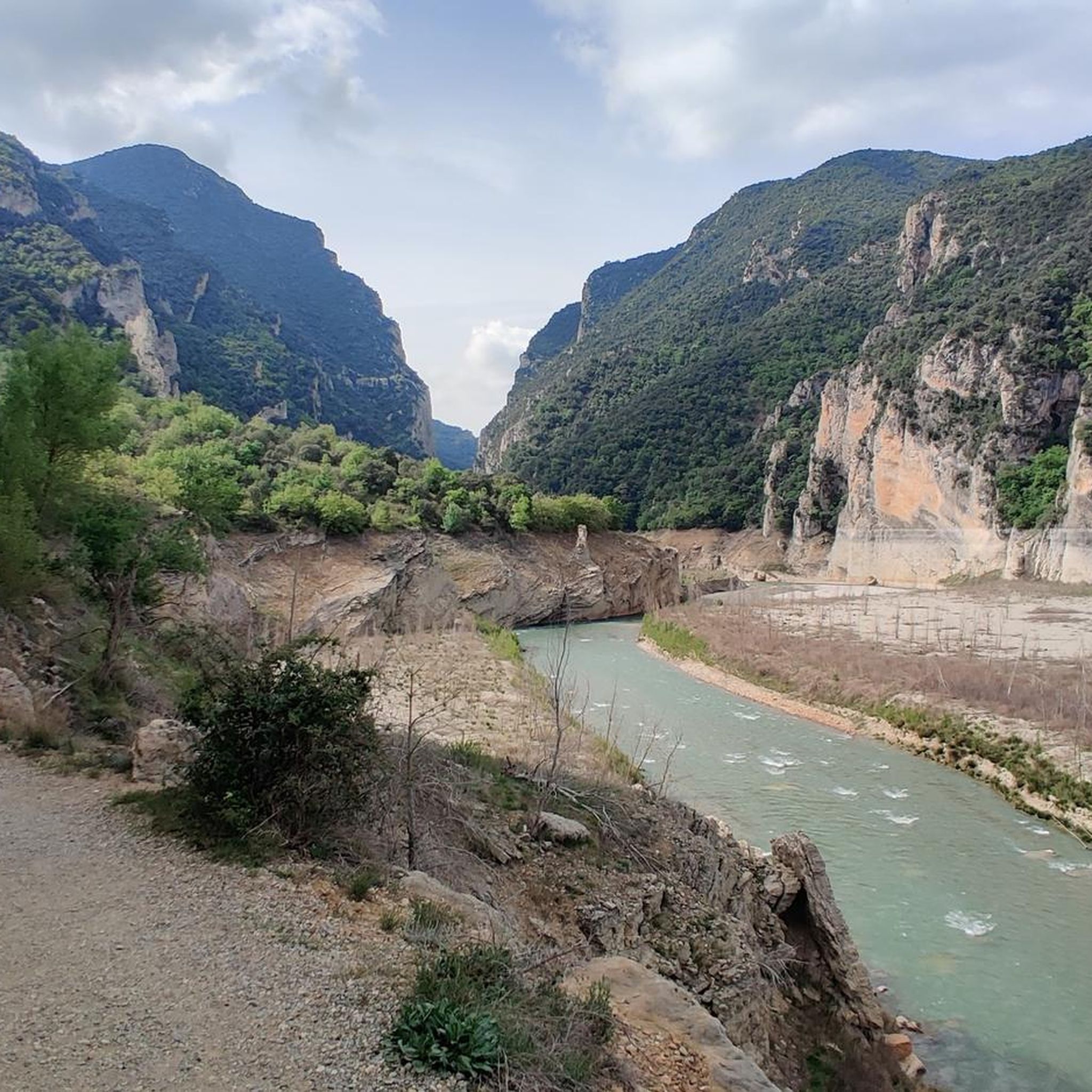
MTB Trails around Sant Esteve De La Sarga
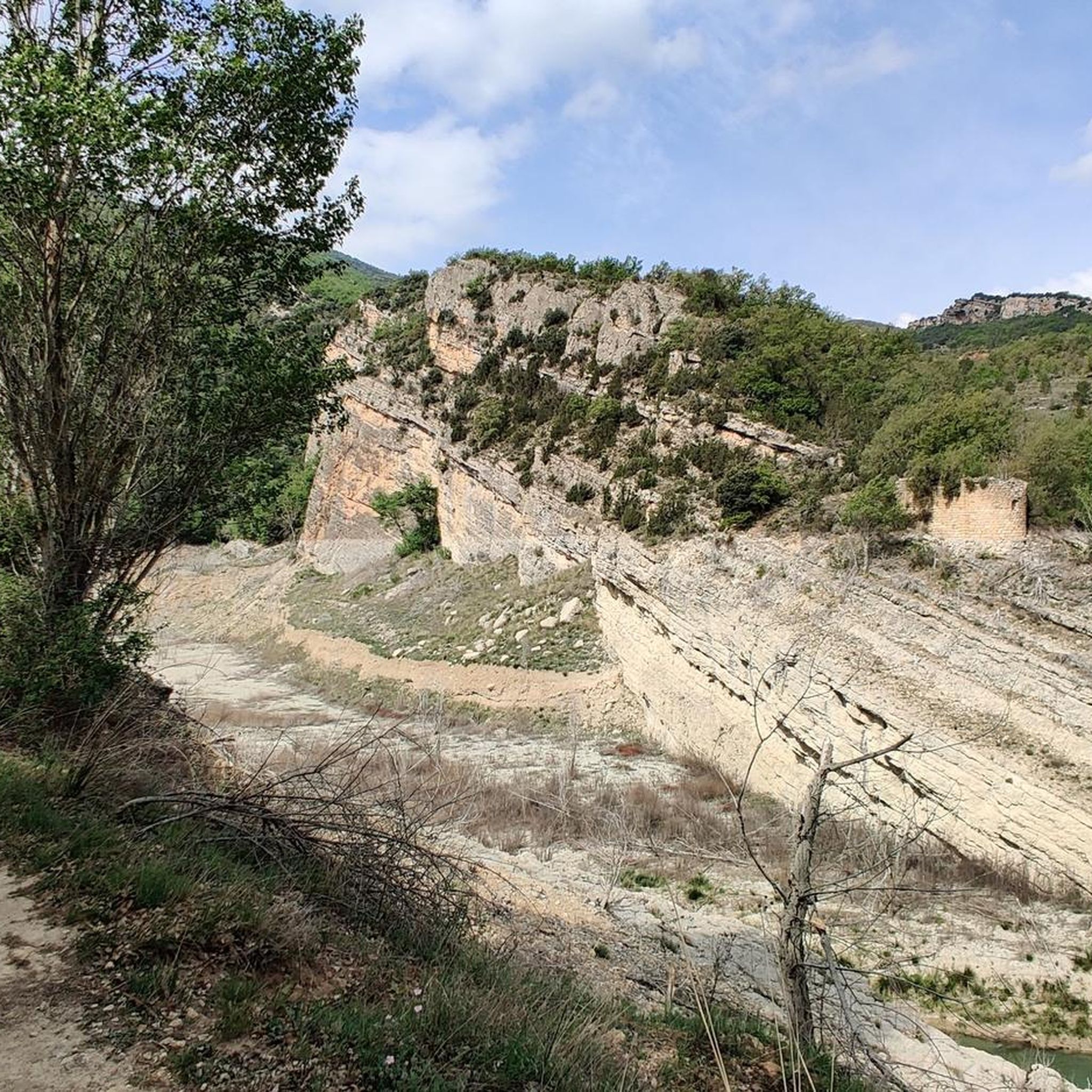
Cycling around Sant Esteve De La Sarga

Gravel biking around Sant Esteve De La Sarga
Other adventures around Sant Esteve De La Sarga

Tips from the Community

A medieval watchtower. It was part of the network of towers and castles that were built throughout the Ribagorza and Sobrarbe mountain ranges during this period of reconquest (Vicampa, Luzás, Benabarre Castle, La Mora, Monzón Castle, Samitier, Puebla de Fantova, Cajigar...among many others...)
0
0

The route to the hermitage of Sant Vicente, the place where it is located and the views it offers of the reservoir.... these whims of nature 🏞️ are unforgettable 🤩
2
0

https://www.montsecdelestall.com/ruta/ficha/Torre_De_Viacamp The fortified complex is located on a plateau above the village of Viacamp and consists of the remains of the perimeter wall, a slender cylindrical tower and a hermitage of Romanesque origin, possibly the castle chapel. The tower has a circular plan, a diameter of about 11 meters and a height of 20 meters, with walls almost 3 meters thick. As it is built, it seems to have been built both inside and outside with the help of a double scaffold, which is due to the great thickness of the walls. Like most defensive structures of the period, the ground floor was walled, with a high, round-arched entrance facing south-east. The ground floor was used as a storage room and is not accessible from the outside. After the restoration work carried out in 2005 and 2006, it was found that the tower had five floors, although only four of them remain today. The upper part, which has now disappeared, could have been made up of small defensive openings in the form of battlements or a conical roof. Very close to the tower and within the walls is the church of San Esteban de Viacamp, of Romanesque origin, a classic among the fortresses of the Upper Ragon. Originally dedicated to the Archangel Michael, it was later dedicated to Saint Stephen. Next to the church is the old cemetery, which has not been abandoned. The remains of the external enclosure are in the areas bordering the plateau and are made of ashlar and masonry with some high-quality parts. Remains of walls and foundations or the beginnings of towers have been preserved, although they are not very high. (Wikipedia)
1
0

Partially rebuilt castle with spectacular views of the basin.
0
0

The collegiate church of Sant Pere de is located within the walled complex of Àger, in the highest part of the town. The collegiate church dates from the 10th century and was built on the ruins of an Arab fortress, which in turn was built on an old Roman castle.
0
0

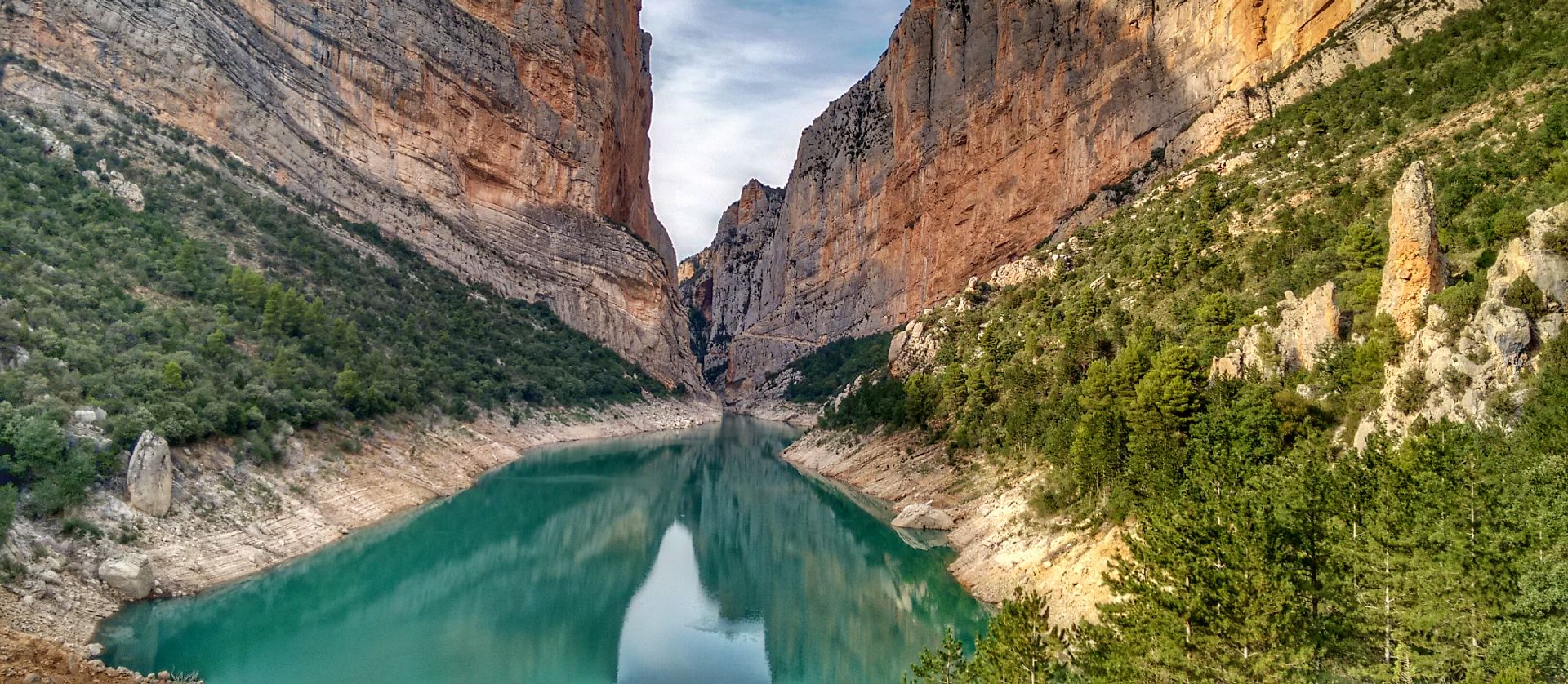
Traditionally known as "Roques de la Vila", this unique geological formation was renamed the Chinese Wall of Finestres to encourage tourism in the area. You can access the foot of it by boat through the Canelles reservoir.
4
0
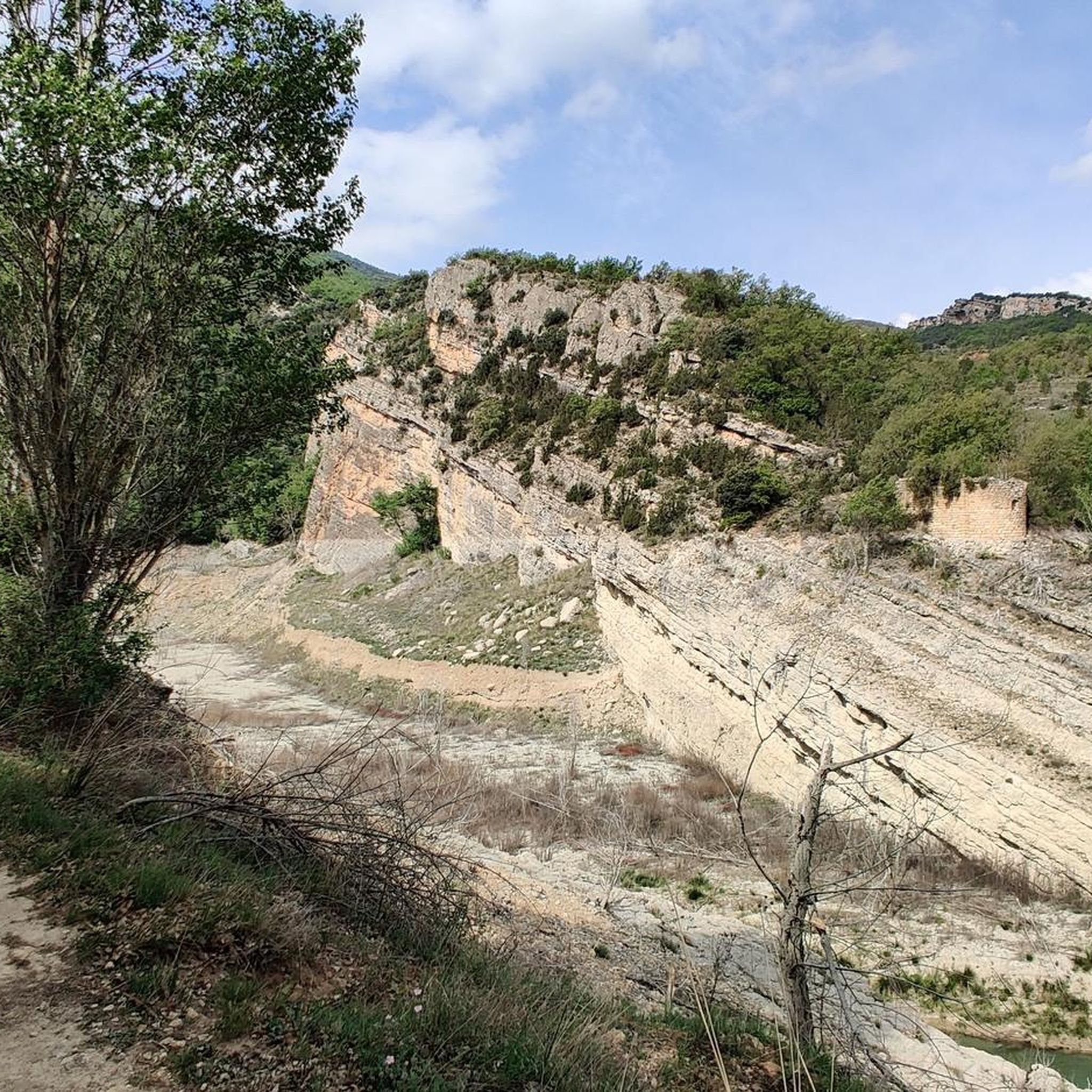
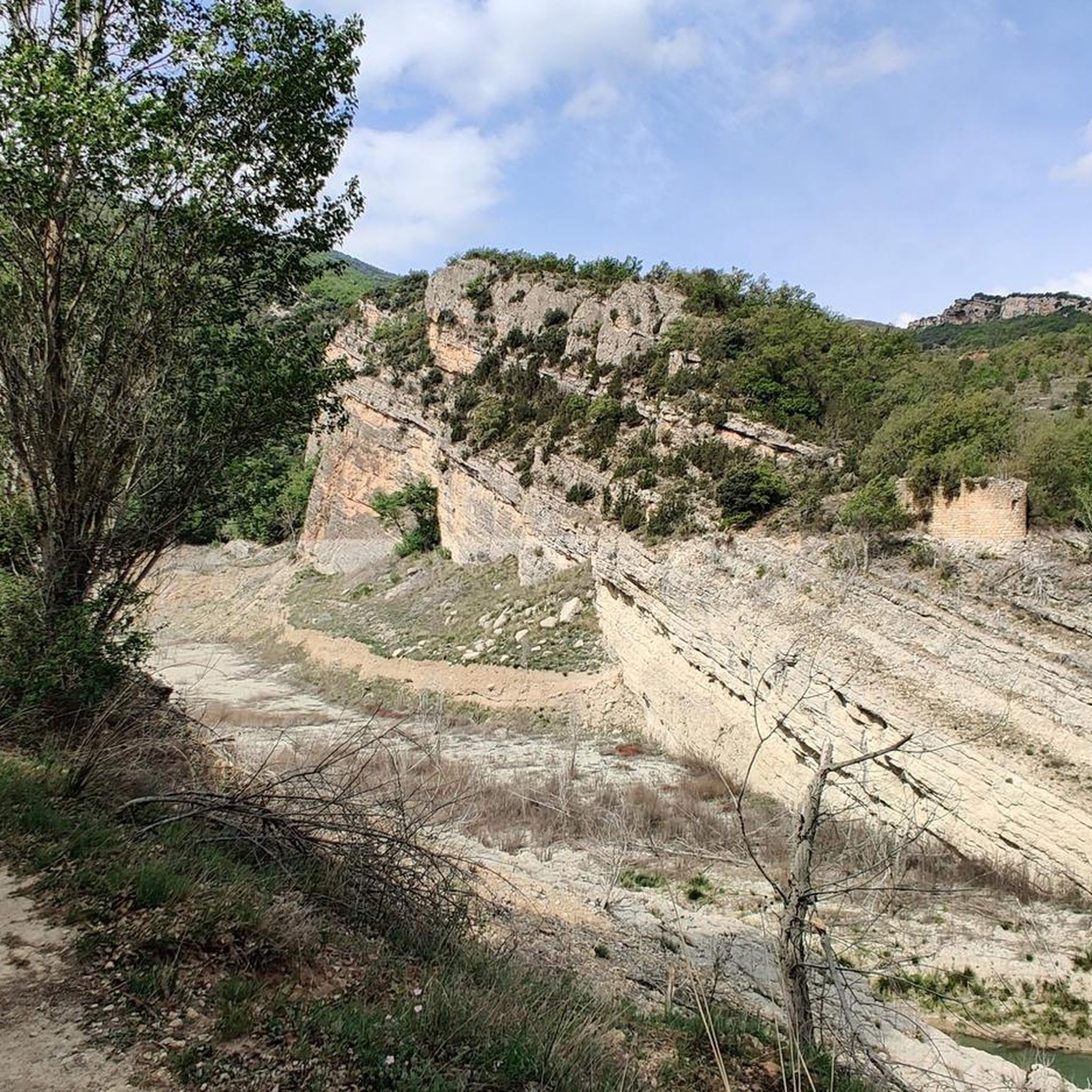
Before the tourist name of "Chinese Wall of Finestres" was popularized, this place was known as Roques de la Vila. The particular rock formation, originated in the Cretaceous, came to be used as a true defensive wall for the ruins found between the two parallel walls.
3
1

We place the castle of Mur, to S. X and S. XI. Romanesque in style, it offers us magnificent views and an interesting history. Highly recommended, make an appointment for a guided tour.
1
0
Frequently Asked Questions
What are the most historically significant castles in the Sant Esteve De La Sarga area?
The region is rich in medieval history. The Castell de Mur stands out as a prime example of Romanesque military architecture, documented as early as 969. Another significant site is the Torre de Viacamp and Hermitage of San Esteban, a fortified complex with a notable circular tower and Romanesque hermitage. The Castle of Sant Oïsme also offers a glimpse into the area's past as a historical fortress and settlement.
Which castles offer the best panoramic views?
For breathtaking vistas, the Castell de Mur is strategically located on a hilltop, providing magnificent panoramic views of the Tremp basin and the Terradets reservoir. The Torre de Viacamp and Hermitage of San Esteban, situated on a plateau, also offers expansive views of the surrounding landscape.
Are there any unique architectural features among the castles in this region?
Yes, the Castell de Mur is renowned for its distinctive boat-shaped ground plan and exceptionally well-preserved perimeter walls, along with a circular master tower and functional sundials. The Torre de Viacamp features an imposing cylindrical tower with walls nearly 3 meters thick, showcasing advanced construction techniques for its time.
What outdoor activities can I combine with a castle visit?
The Montsec mountain range offers numerous outdoor opportunities. You can explore various running trails, challenging MTB trails, or scenic gravel biking routes near the castles. Many routes offer views of the historical sites and the stunning natural surroundings.
Are the castles around Sant Esteve De La Sarga suitable for families?
Visiting castles like Castell de Mur can be a great family activity, offering a journey into medieval history. Guided tours are often available, providing engaging insights for all ages. The natural monument of the Chinese Wall of Finestres also offers a unique geological formation that can spark children's imagination.
What is the best time of year to visit the castles in this region?
The Montsec region generally enjoys pleasant weather for outdoor exploration. Spring and autumn are often ideal, with milder temperatures perfect for hiking and exploring the castle grounds without the intense heat of summer. These seasons also offer beautiful natural scenery.
Can I bring my dog to the castles or nearby areas?
Specific dog policies for individual castles like Castell de Mur or the Torre de Viacamp can vary. It's advisable to check directly with the sites before your visit. However, many of the surrounding natural trails and outdoor areas are generally dog-friendly, provided dogs are kept on a leash and owners clean up after them.
How can I reach the castles around Sant Esteve De La Sarga?
Access to many of the castles, such as Castell de Mur, is typically by car, often involving drives on winding roads through the Montsec landscape. For sites like the Chinese Wall of Finestres, a 4x4 vehicle is recommended for direct access, or it can be reached via a longer hike or even by boat through the Canelles reservoir.
Are there guided tours available for the castles?
Yes, guided tours are available at some sites, such as the Castell de Mur. These tours offer deeper insights into the castle's history, architecture, and the daily life of its medieval inhabitants, enhancing the visitor experience. It's recommended to make an appointment for a guided tour.
What other historical sites are near the castles?
Beyond the castles themselves, the region features other significant historical and religious buildings. The Collegiate Church of Sant Pere, located within the walled complex of Àger, is a notable example, built on the ruins of an Arab fortress and an old Roman castle. The Collegiate Church of Santa Maria de Mur, near Castell de Mur, is another Romanesque gem.
Are there hiking trails that lead directly to these castles?
Many of the castles are situated in scenic locations, making them excellent destinations for hikers. While specific trails leading directly to each castle may vary in difficulty, the region offers numerous running, MTB, and gravel biking routes that pass by or offer access to these historical sites, allowing for an immersive experience combining nature and history.
What makes the Chinese Wall of Finestres a unique site?
The Chinese Wall of Finestres is a unique geological formation, originally known as "Roques de la Vila." This natural monument features two parallel rock walls that were historically used as a defensive barrier. Its distinctive rock formations, originating in the Cretaceous period, make it a fascinating natural and historical landmark.
Most popular routes around Sant Esteve De La Sarga
Most popular attractions around Sant Esteve De La Sarga

Get inspired with the komoot mobile app


Explore more
Looking for the best castles somewhere else? Discover other guides around Sant Esteve De La Sarga:
